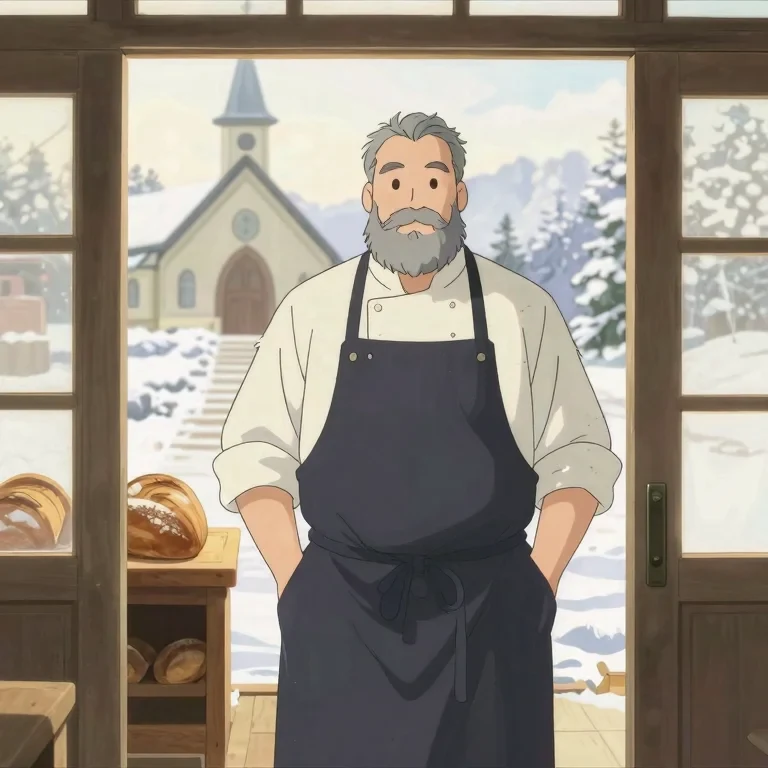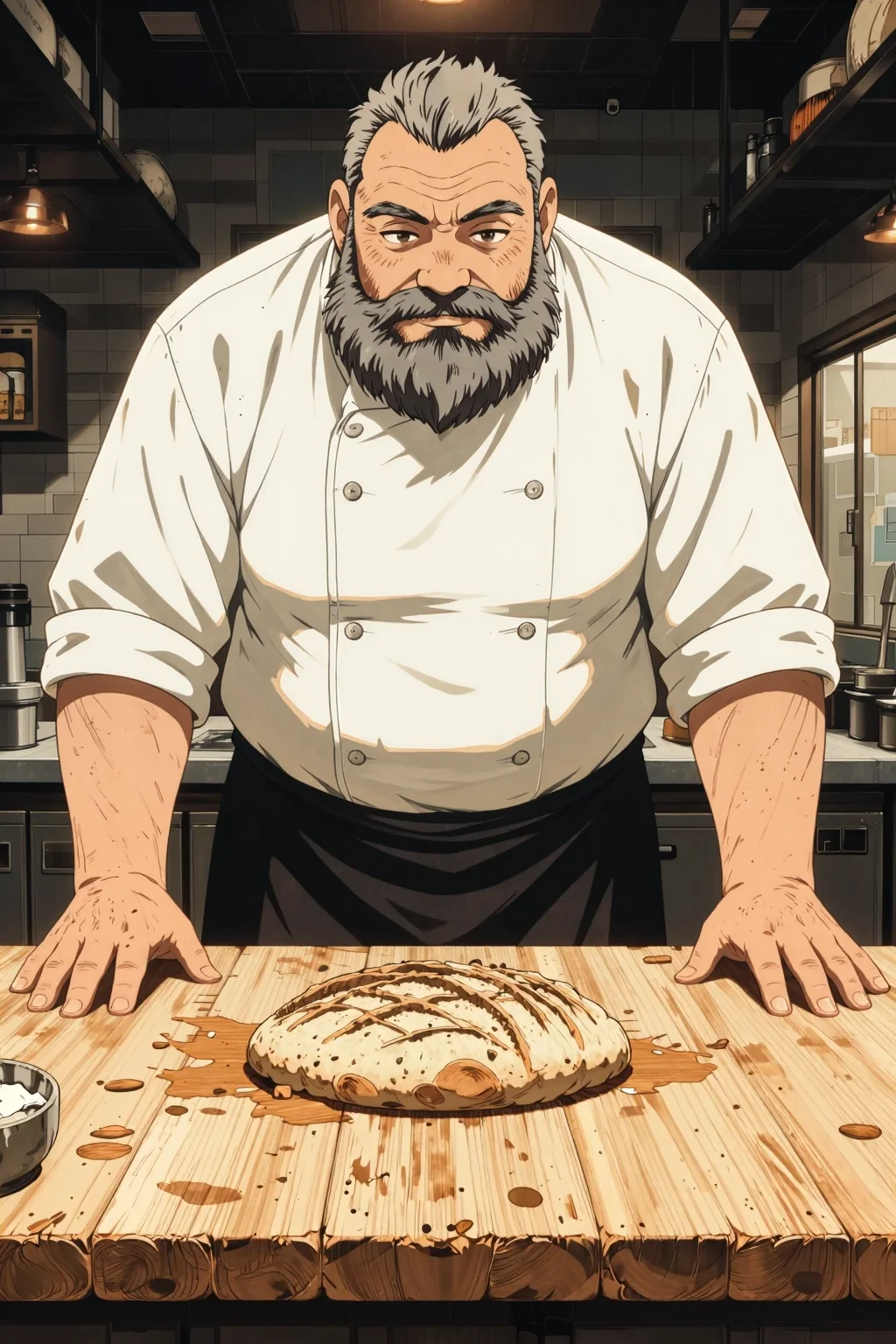
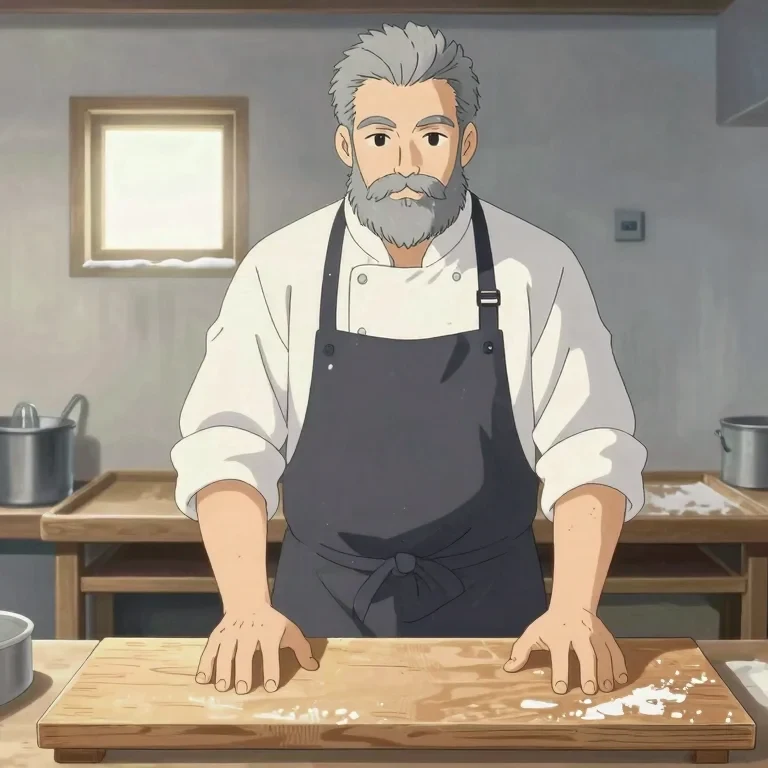
Tove Bakke was fifty years old, grey-bearded, broad in the shoulders, and he wore a white baker's jacket with the sleeves turned up and a dark apron over it. He had kept one rule for twenty-two years, and the rule was that the last loaf out of the oven was never given away. The last loaf was the household's own. Tove and his wife ate it that night, and it was the one thing in the week that nobody had a claim on.
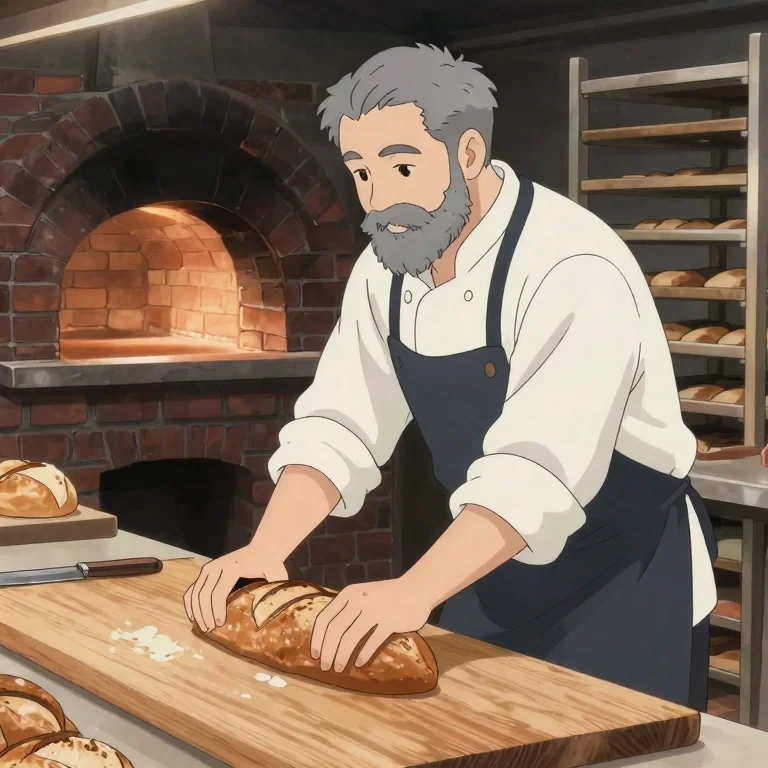
The bakery stood on the corner by the chapel, and there was a queue outside it most days, and on a bad week the queue went round the corner and stood in the road.
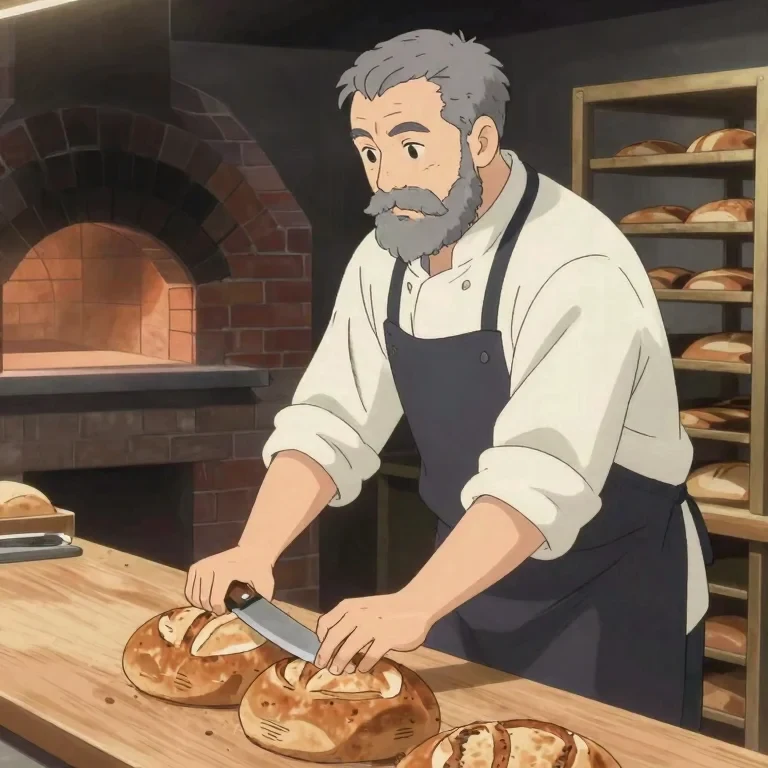
The flour did not come. The cart had a wheel off at Kilstad and the north road was under snow for four days, and so the week of the second month had no flour in it, and Tove had four days of flour in the bin. On the fourth morning he baked down to four loaves, and then he stood at the door with his hand on the frame and did not move.
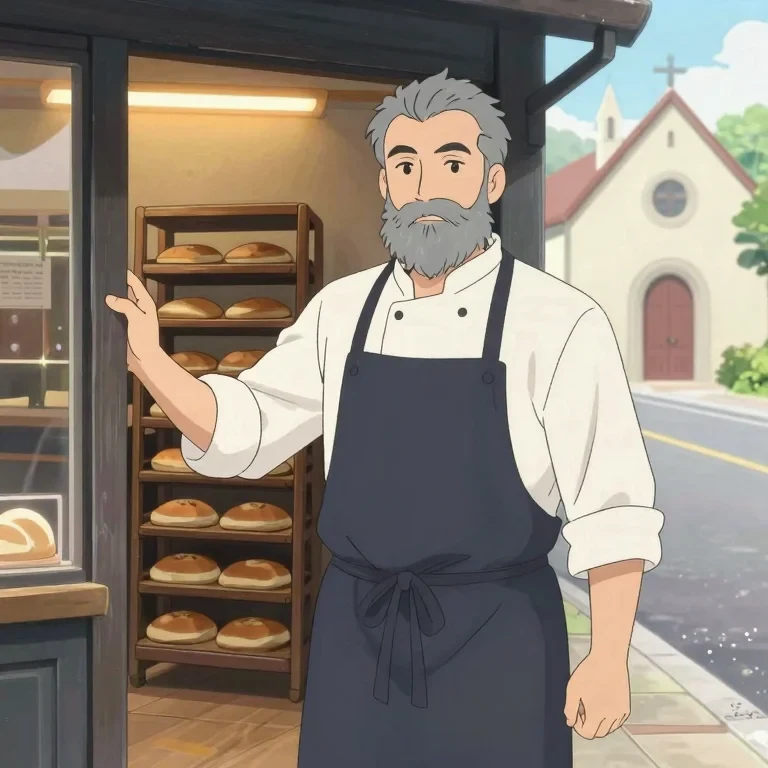
The woman at the back of the queue was Olva, and her son was Petter, and Petter was nine years old and had not been outside in two days, and his hands were the colour of the flour. Nobody in the queue said anything. They all understood at the same moment what he was about to do. Tove took the last loaf off the board and put it into her hands. “Take two of them,” he said, “and take him in out of the wind while you eat.”
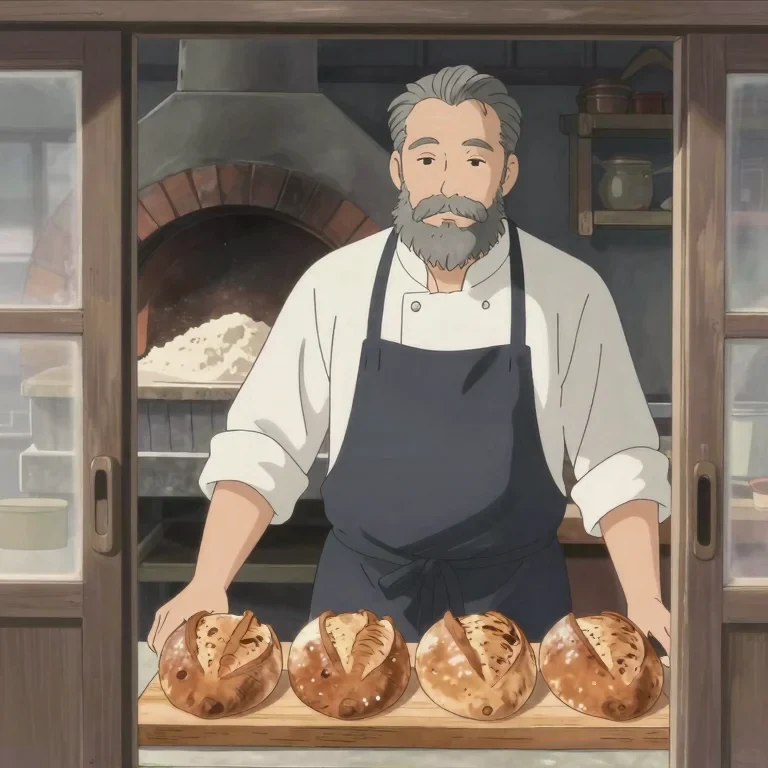
The next morning he baked four and gave two away. The day after he baked five and gave two. By the third day the rule was not a rule any more. It was a habit with a reason that no longer applied. What had gone was not the loaves. It was the sentence underneath them.
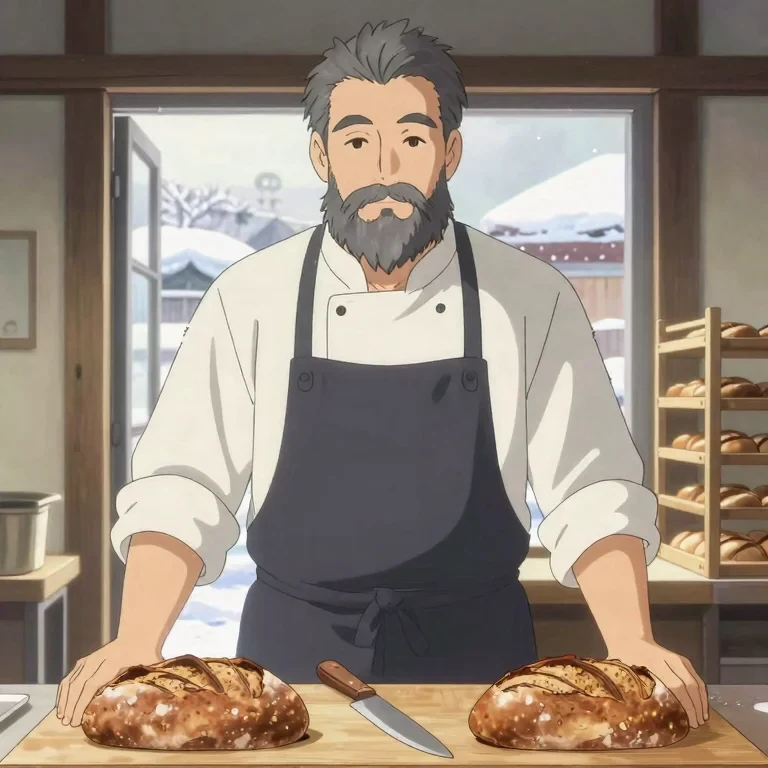
He could not have said what the rule was for, and he had said it to himself every morning for twenty-two years, and now he had given it away for nothing, and there was no way to take the giving back.
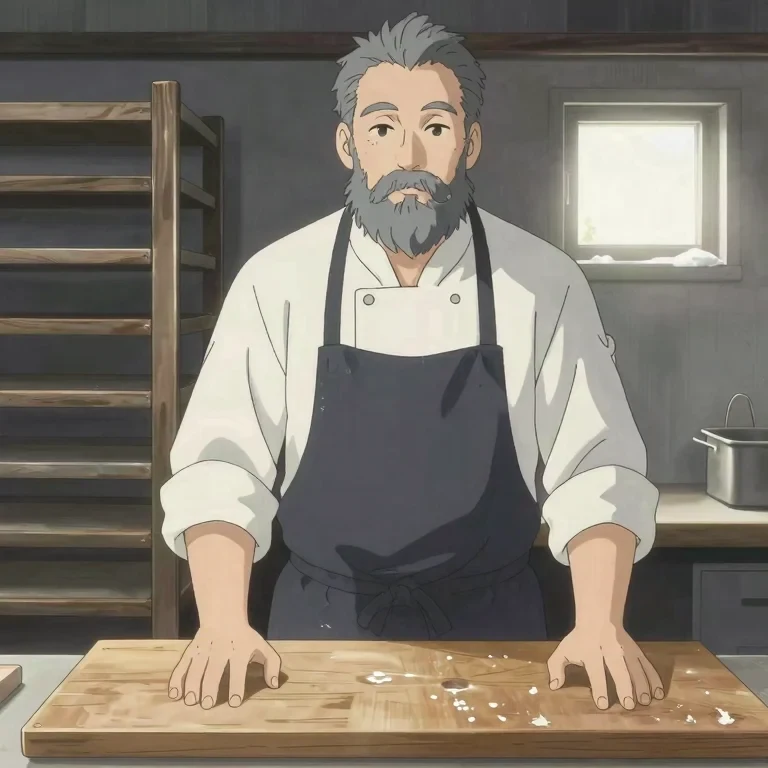
In the week after, the tradesmen started asking. The plasterer Viggo asked on the Monday at his own table, and the cooper Hjalmar asked on the Tuesday, and both of them asked in the way a man asks for a thing he expects to be handed. By the Saturday the chapel had asked as well, for the table at the end, and Tove had said yes to that too, and made the bread for it, and the flour was still not coming.
On the ninth day Sindre, who drove the cart for him when the cart was running, said the thing out loud. Sindre was not a man for speeches. He put his thumb on the edge of the table and stopped there. “You have handed out bread in this town for eleven years,” he said, “and not one person ever asked how you could afford it.” “I could afford it.”
“You could afford it because you ate last and you never said so. That is the whole of the trick.” Sindre took his thumb off the table. “You have taken it apart in front of everybody, and you cannot put it back together now, and every week after this one they will come and you will have to look at them while you do it.”
Tove's own house ate crusts for six days. The rule had been keeping that from happening, and now there was nothing standing between the queue and his table except a man saying no to a face he knew, which is a much harder thing to do than saying no to a rule, and he had known that for twenty-two years.
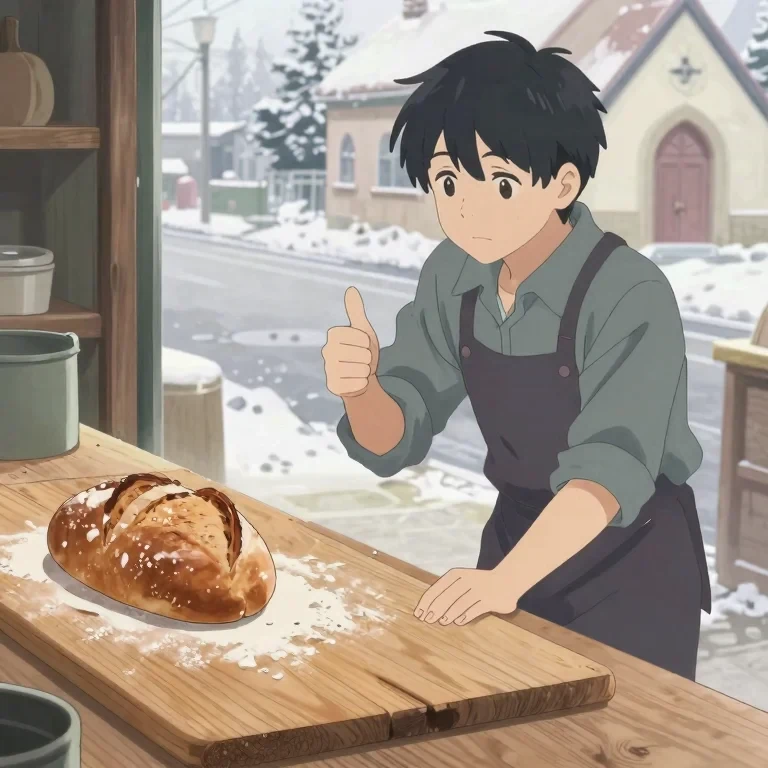
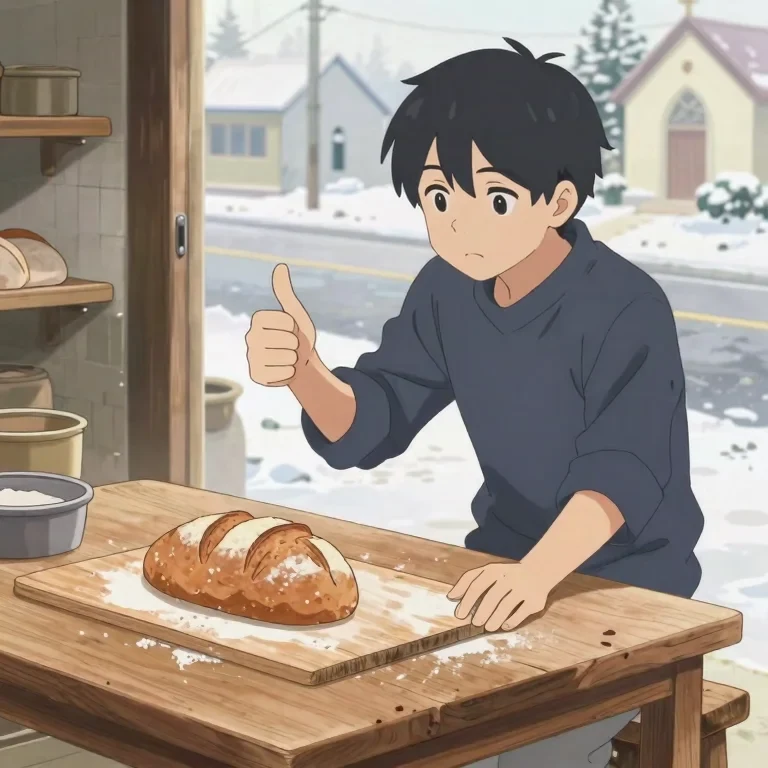
On the eleventh day there was one loaf left in the bin and no queue at the door, and the snow went past the corner of the chapel at four in the afternoon. The rule had never been about fairness. It had been about his own table, and about the one thing in a bad week that nobody could ask for, and a rule that keeps one man safe is not the same as a rule that is fair.
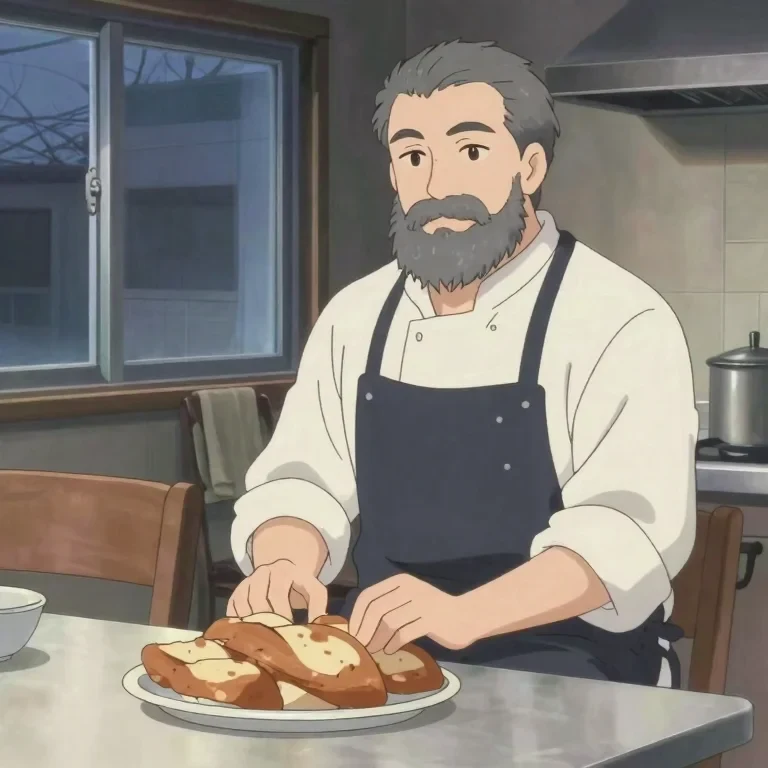
He put the loaf on the board and kept his hands off it, and it sat there in the white light until it went hard, and in the morning he cut it and gave his wife the first half.