Four bells, ward four, and the glass is coming off the water. Wren Alsop said it out loud because saying things out loud was what he did with all of it. The taper-pole lay flat under his right arm. The match box was in the left breast of his coat and knocked against his ribs at every step. The middle of his left thumb was white, and had been since a taper blew back off the sea and went out along the shaft into his hand when he was eleven.
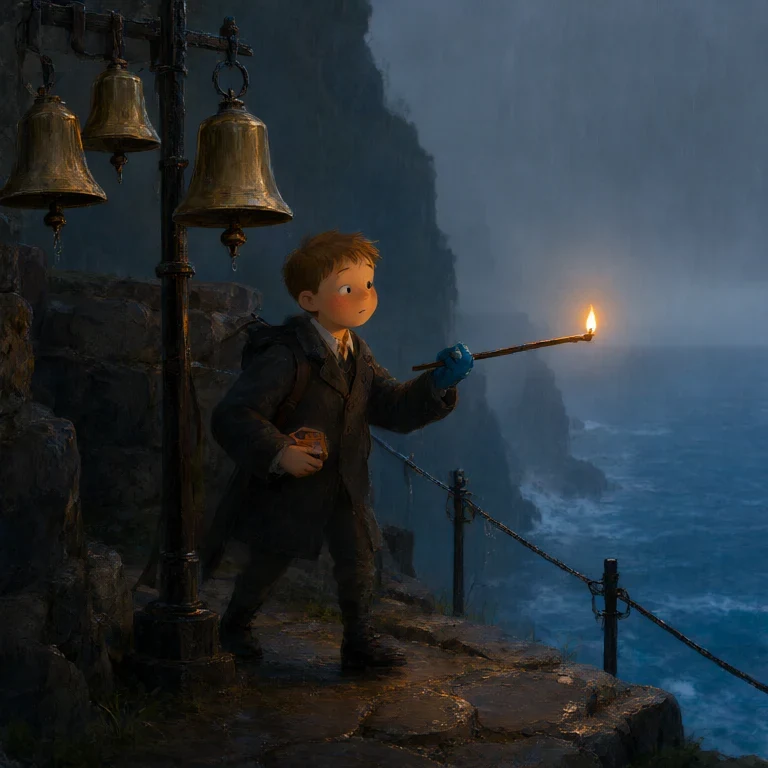
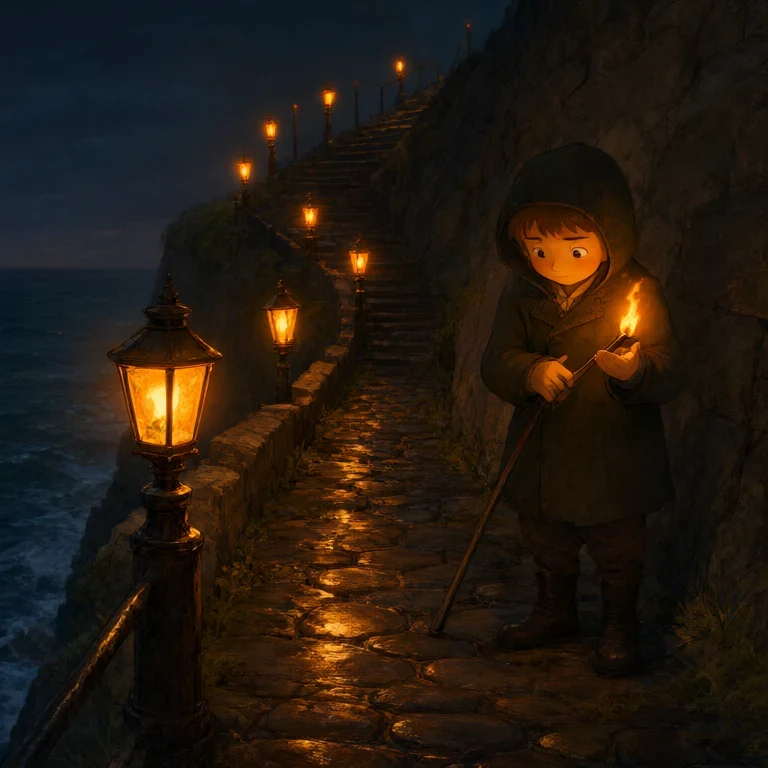
Two hundred and eleven on the cliff path. He had the round by heart and had had it since he was nine. The round is not written down. It is passed from a lamplighter to a boy, and the one ward where it is written down is the one people make jokes about, and that is not this ward. He worked seaward from the Old Milestone. Eleven standards in nine minutes, a small hard orange point put into a great deal of nothing, with the halo standing out in the wet air the size of a hat.
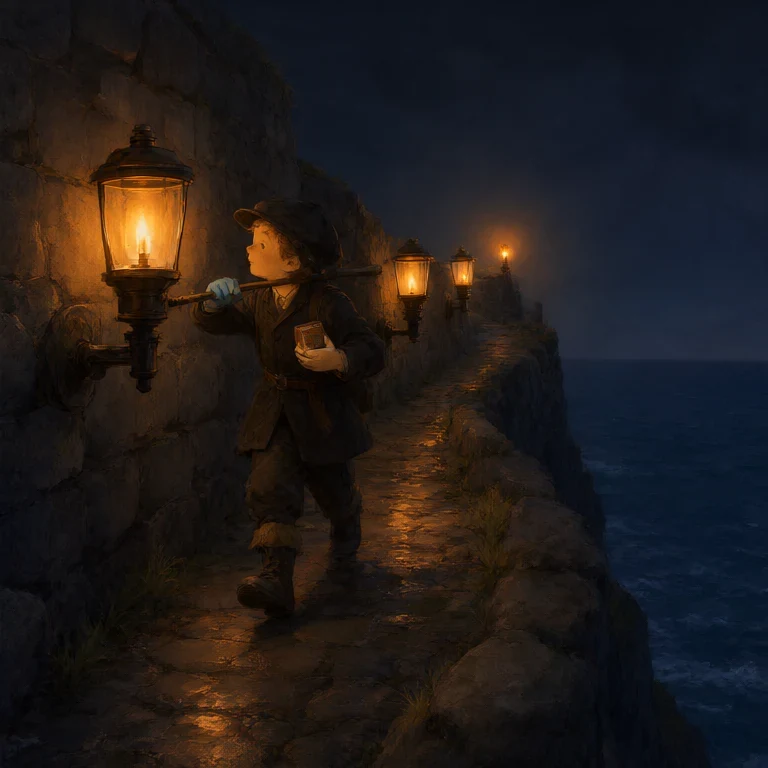
At the twelfth the wind came round the head of the cliff and hit him in the chest and stayed there. “One hundred and ninety-seven,” he said. He knew the number before he knew the lamp. That is how it worked with him. Then he saw the light.
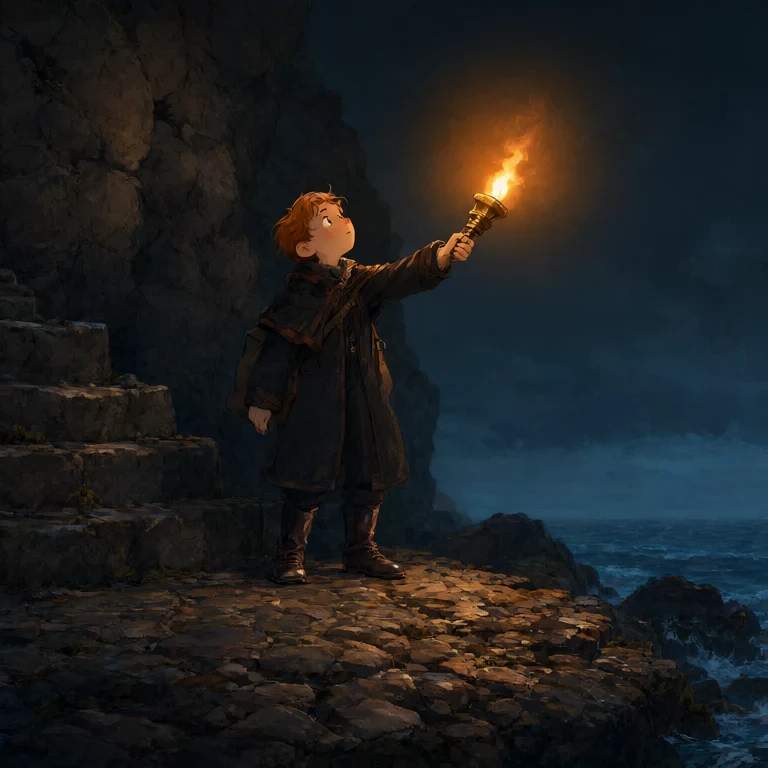
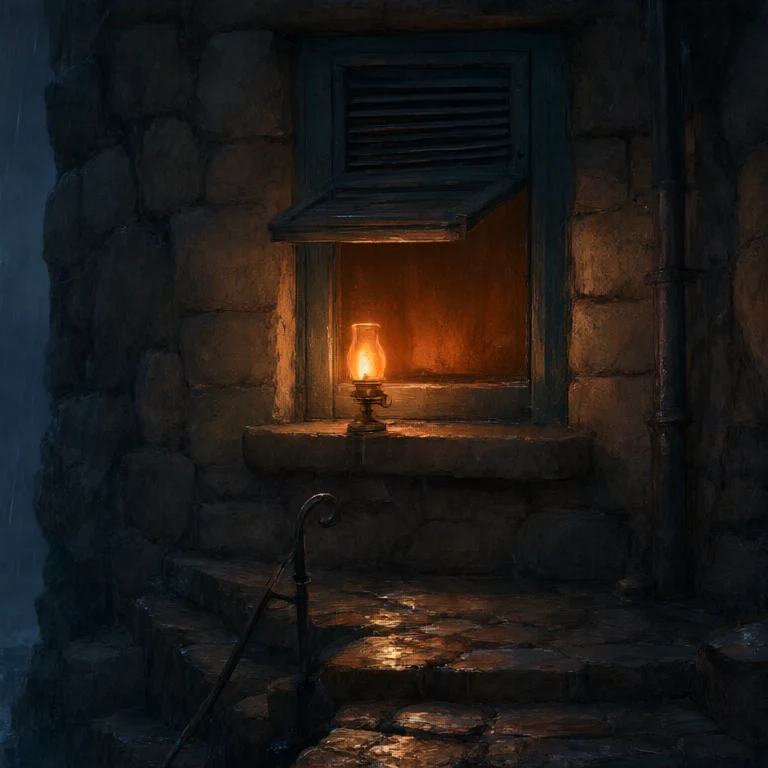
It was a good flame. You could tell it from thirty yards, the way you tell a man who has cut his own bread from one who has not. It stood up straight and small and orange, and the ring on the standard was polished into a shallow dish the exact shape of a hand. The bracket was empty. No oil can, the wick dressed and trimmed, the ash under the burner neat. Somebody had dressed that wick properly. You do not do that in a westerly.
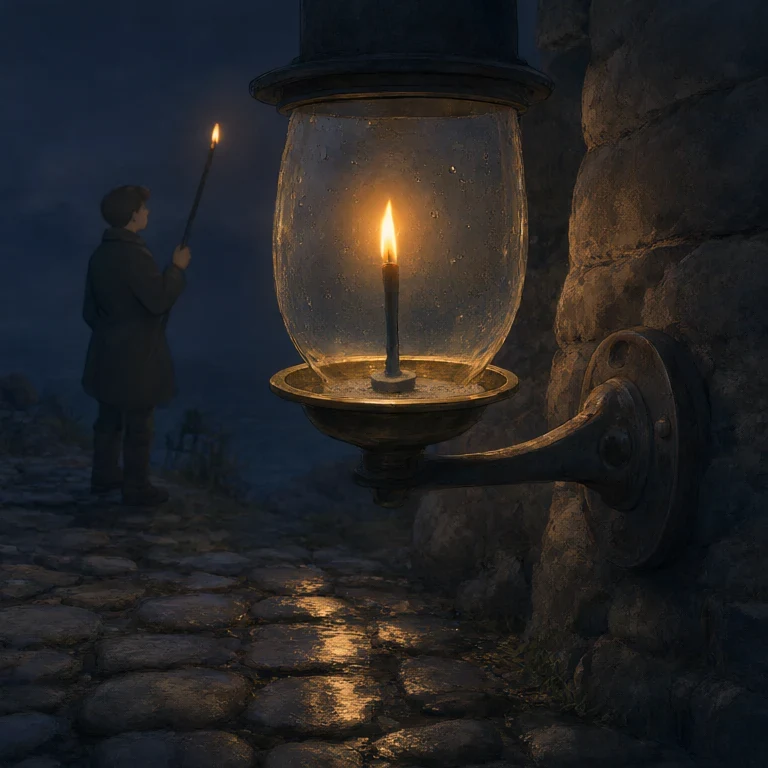
Wren brought the taper to the wick, because that is the thing you do, and no man in Ninehook arrives at a lamp and does not touch the wick. The flame of his taper lay over and went flat and went out. Not snuffed. It did not blow out. It went over into the chimney of 197 and was gone in one bite, whole, and the lamp was suddenly twice the size and twice as clean, and the wet air above it caught a hard ring of orange up under the iron.
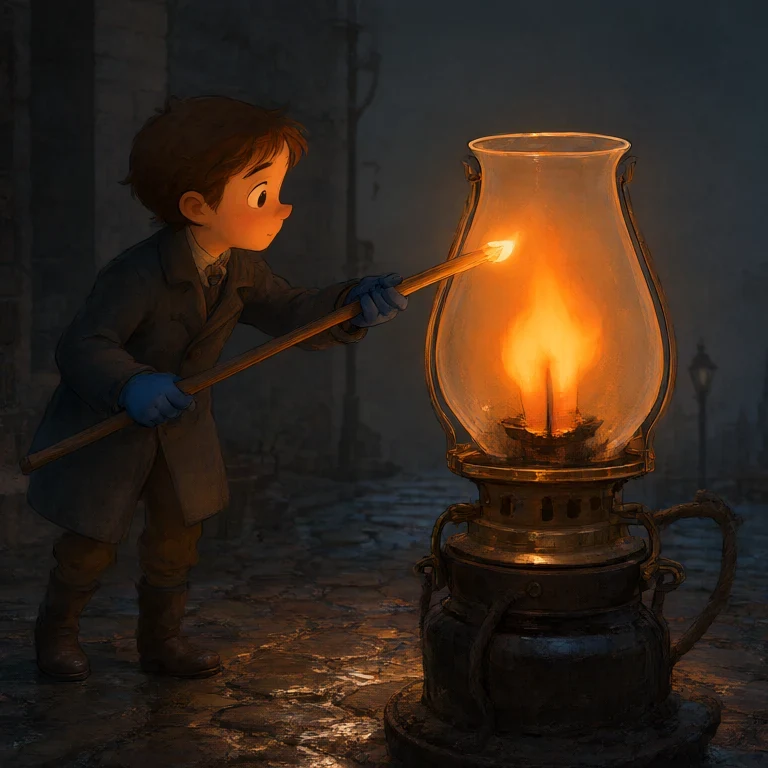
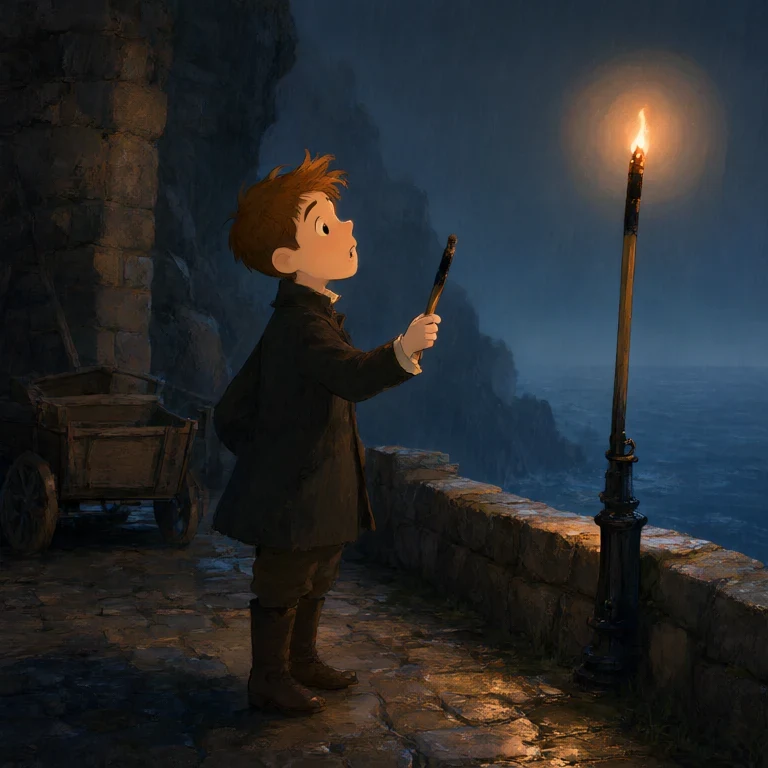
His hand was still up. The taper on the end of the pole was a black stub. He counted, because he counted. He got to two hundred and eleven, started again at the Old Milestone, and got to a hundred and ninety-seven a second time, and the number would not go anywhere. Then he said the line he had been carrying about with him for two years.
“Lamp one hundred and ninety-seven. Let to Erskine, Thomas, of Kettle Rock, the eleventh of April, eighteen seventy-one, one penny the week for the light on his landing stage. Paid to eighteen ninety-five. Crossed out at the margin, and the margin says the stage is pulled up. And then the last line, and the last line says, fourteenth of March, eighteen ninety-eight, unlet.”
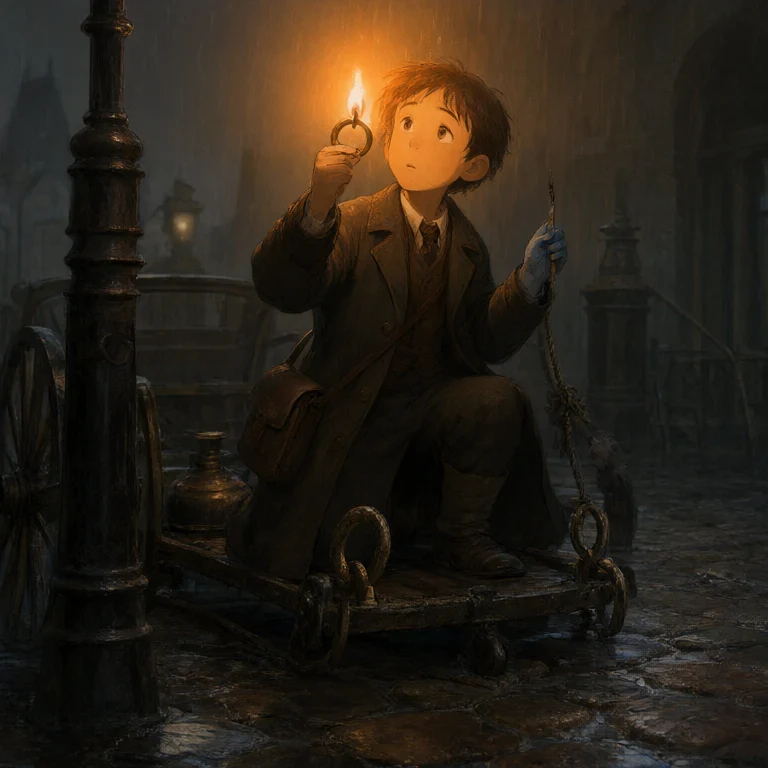
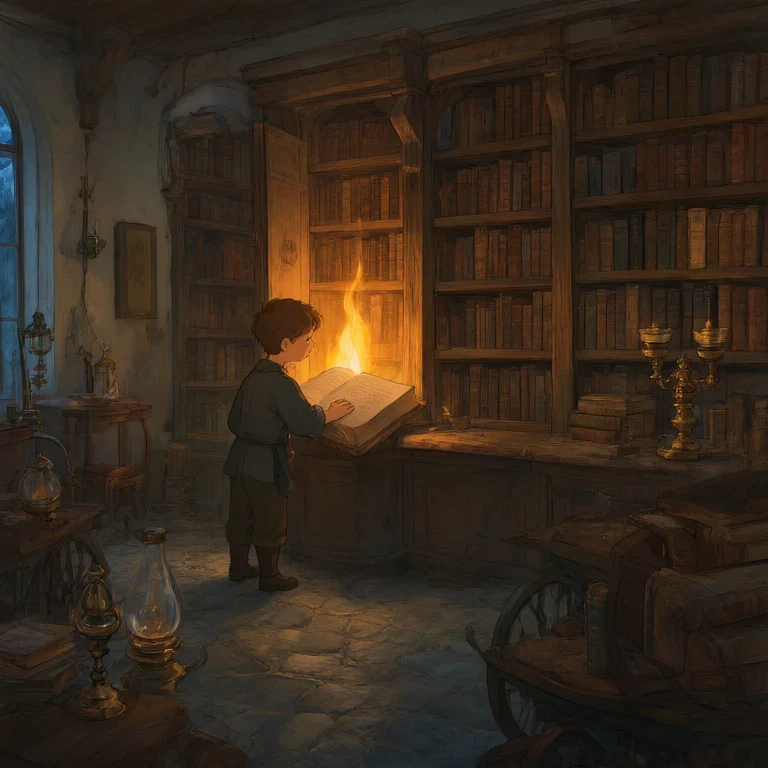
He knew it to the letter. He had read it standing at a press in the Lamp Office with his back to the fire, the only warm public room in Ninehook, and the big volumes lie open on the desks all day while the clerks copy, and a boy who wants to be warm can stand as long as he likes. Unlet. A lamp with no lease has no flame. A flame with no lease is an accident. An accident in Ninehook is put out inside the quarter hour by whoever gets there. He was whoever got there. He had been there nine minutes, and the rain was coming over the cliff a quarter of a mile out. Eleven minutes, then. Perhaps twelve.
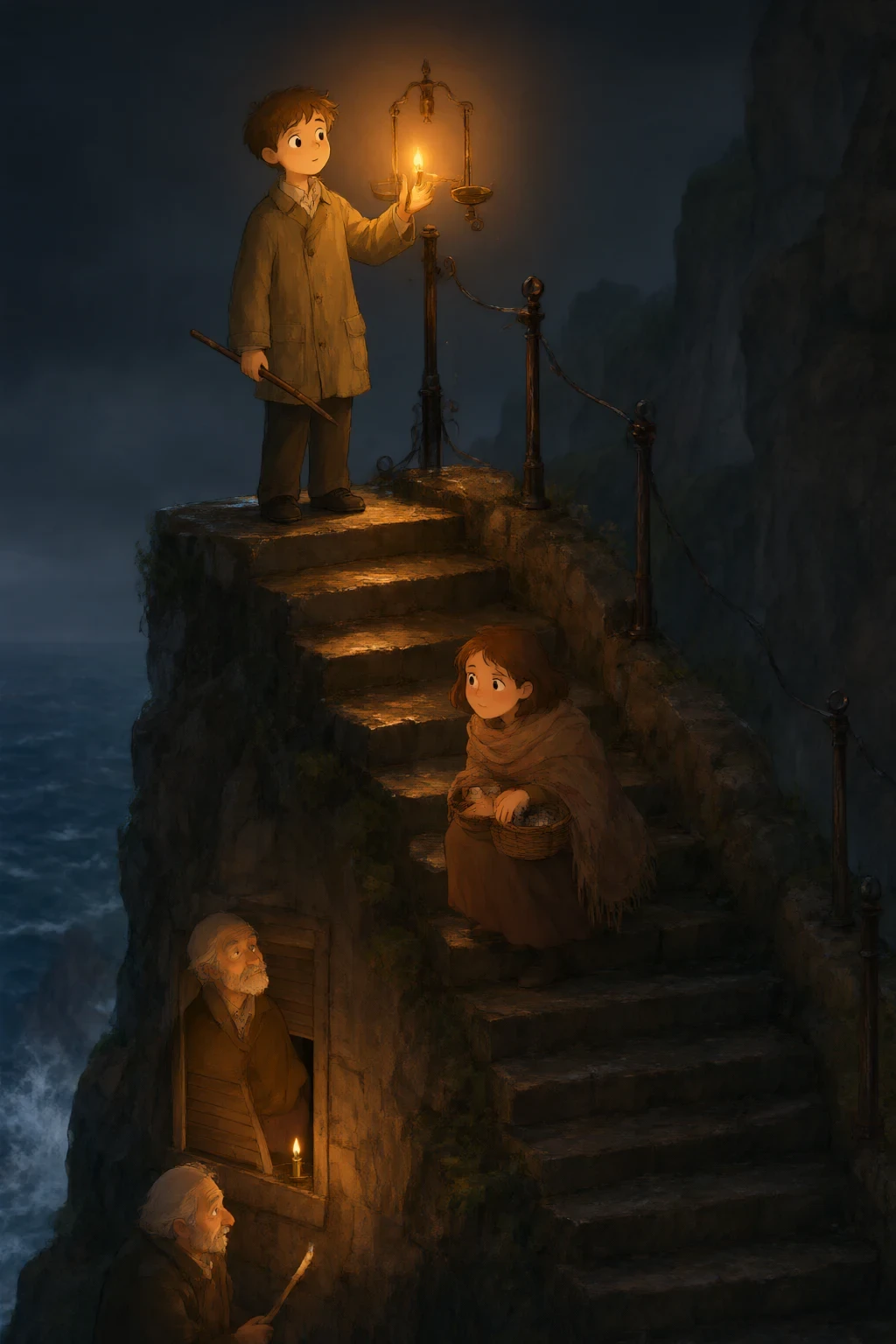
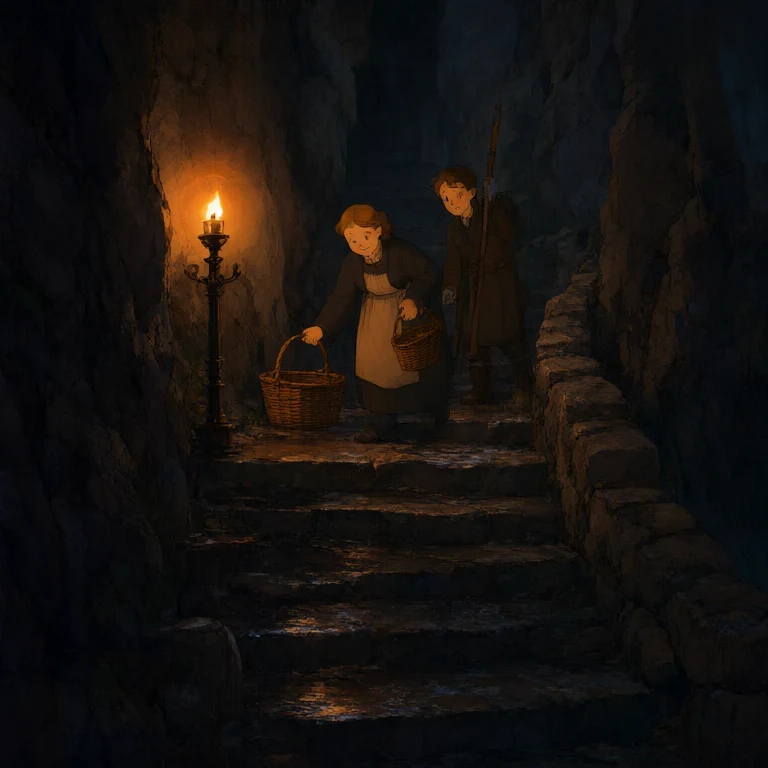
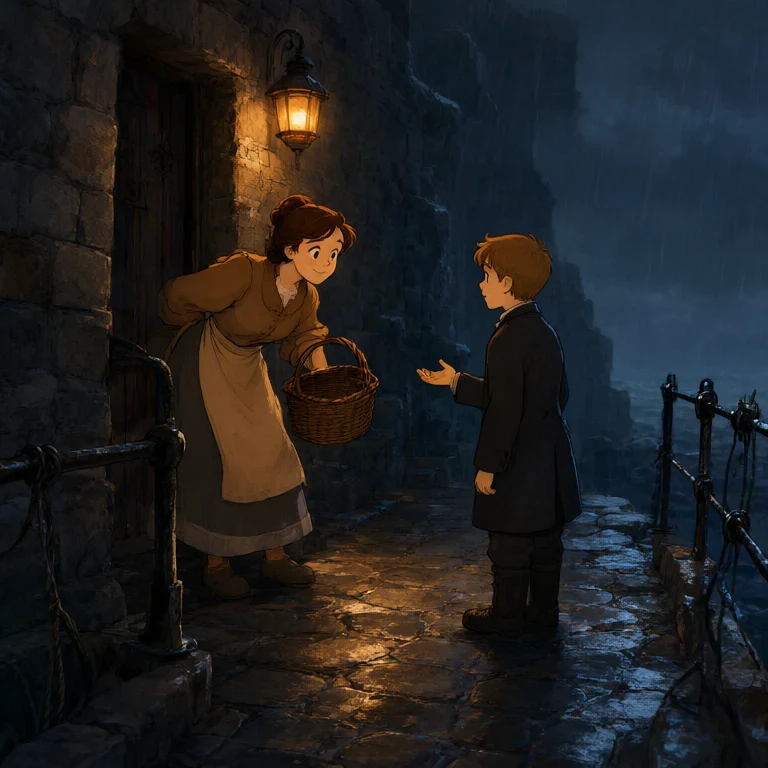
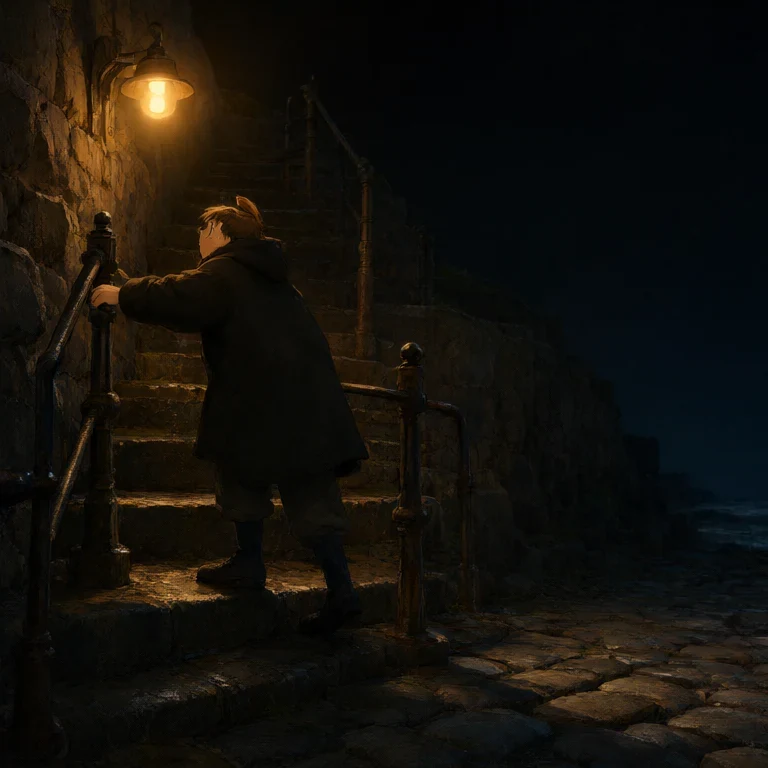
He went down the steps to see who was on the path. Nine stone steps cut into the rock, wet and shining, and at the bottom a slipway and a hundred crab pots against the wall. A woman was coming up with a basket on her hip and no lamp at all, and she came up them without looking, the way a person comes up steps she has come up ten thousand times. “Mrs Karr,” said Wren, because it was Nell Karr, and because he gave the time and the ward before anything else and had forgotten to.
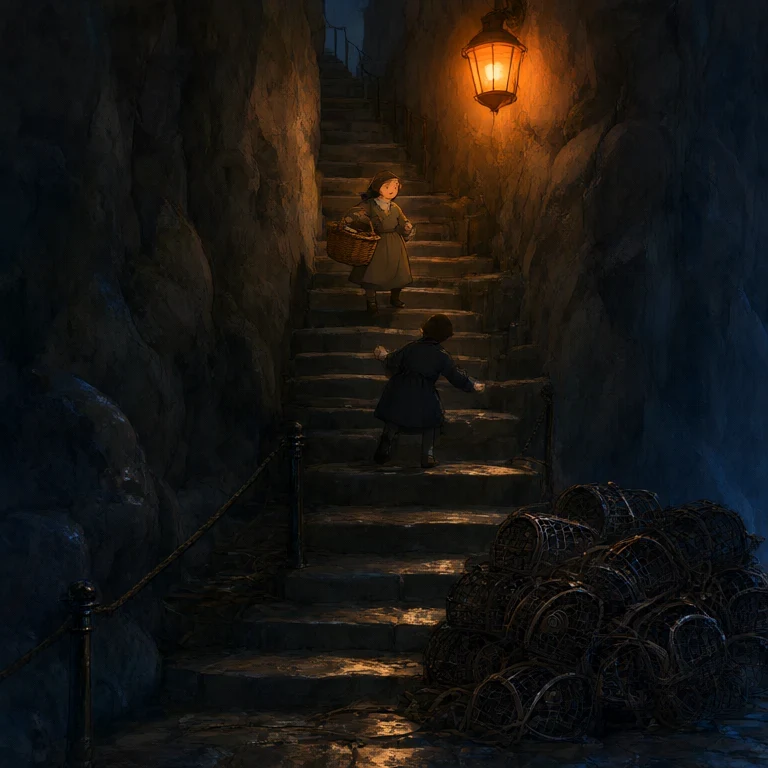
“Two hundred and eleven lit,” said Nell Karr, “and the glass is coming.” “You have not got a lamp.” “No.” “There is one at the top of your steps.” “There is.” She set the basket down on the flat stone and took the weight off her hip. “Five years, near. Since the men stopped coming up for the pots I light it. Taper, same as yours.” “The round does not come up here.”
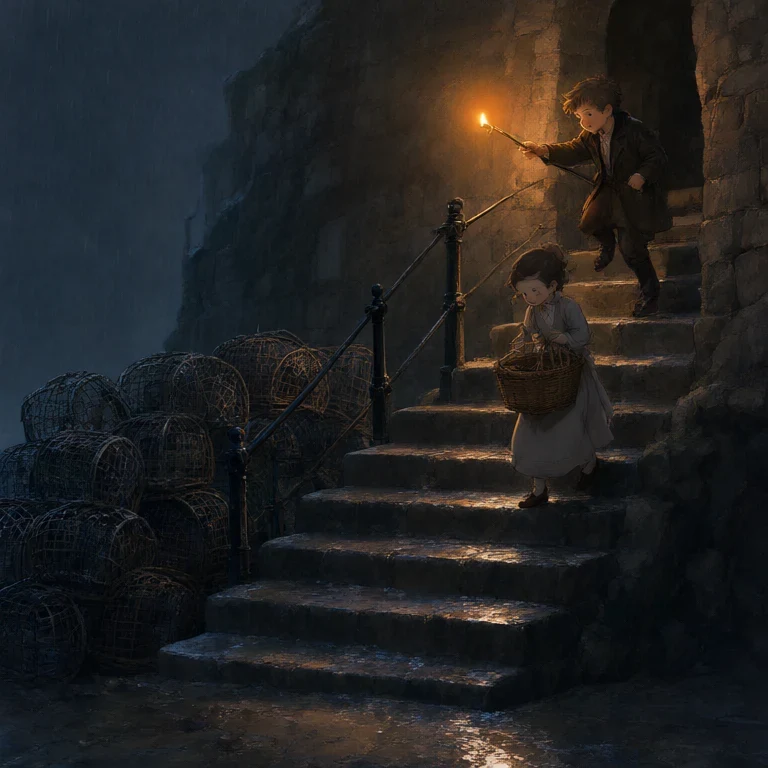
“No. It used to.” She looked at him and not at the light. “I know what the book says, boy. It has been dark since ninety-eight. It is not dark.” He had no book on him. He had a round in his head, and one line in a warm room saying the twelfth of that section was not a lamp any more. “Then who is trimming the wick,” he said, which was the only question he had left. “That is what I have asked myself for five years,” said Nell Karr, and picked her basket up.
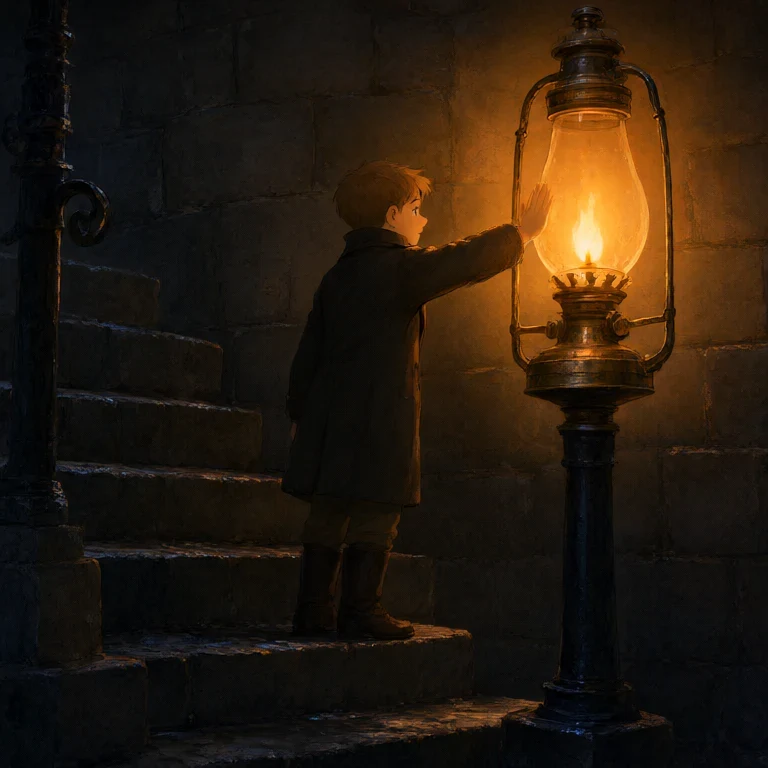
The rain reached the top of the steps. He went back up the nine stones and held his right hand up to the glass, palm back, the way a man holds his hand to a fire he is not going to have. The heat came through and dried the salt on it in a patch the size of his hand. He could have put it out. He would have had to take the chimney off its seat first, one-handed, and it would have taken him a minute and a half in that wind.
The register records and does not adjudicate. It had nowhere to put a line saying that a woman at the bottom of those steps was lighting 197 by hand five nights a week, and so it had no line, and so it was not wrong. It was complete. The cliff path is lit by hand. That is the whole of the cliff path, and it is the only round in Ninehook that is.
In the spring he was going to be given ward seven, the harbour wall, the worst round in the town, and he had wanted it since he was nine. Tonight he would write nothing down, because there was nothing to write on. Then he took the handrail and went down, and at the bottom he turned round and looked up. The lamp was a small hard orange point in a great deal of black, its halo caught in the salt air, and it was the only light in Ninehook he had not lit.
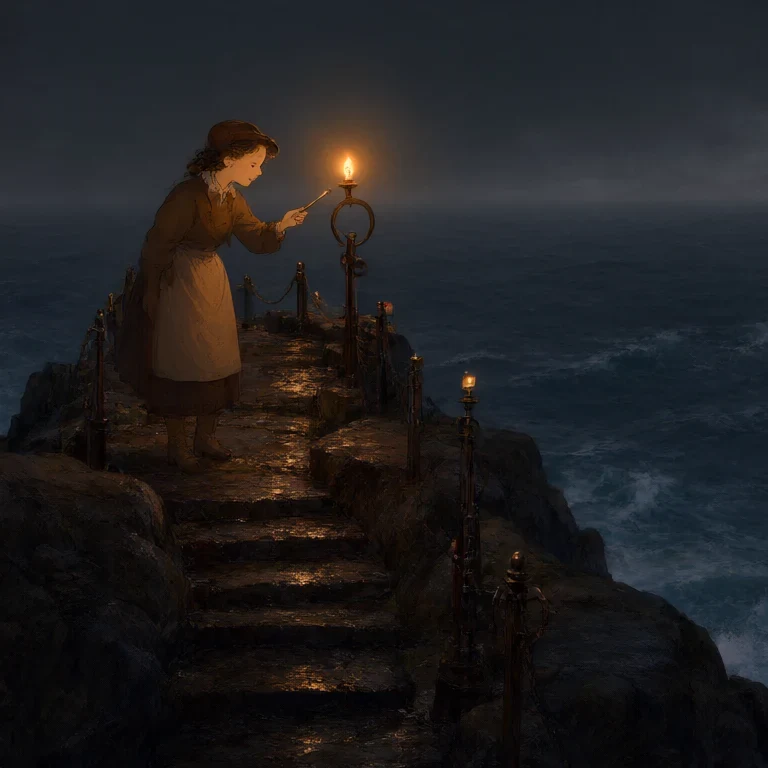
He counted it. One. And then the seaward eleven going back up the path, and the number he carried in his head came out at two hundred and eleven, and there was one more, and there was no two hundred and twelfth on the cliff path, and there was not going to be.
Under a shuttered window at the bottom of the cliff steps an old man stood out of the wind with a taper burning down in his fist, the way a man does who has lit tapers indoors for forty-one years and cannot be in a room with an unlit one. Wren stopped. That was Old Perrin Oll, seventy-eight, forty-one years on the harbour wall and off it since the spring. “How did it go,” said Perrin Oll.
Wren gave him the bell and the ward first, because he could not stop. “Four bells. Ward four. Round done, and the glass came on at the seaward end.” Perrin Oll nodded at the shutter, and then at nothing, and worked at the place where a number ought to go. “Seventeen was the wall,” he said. “It is not seventeen now. I have not been able to put a number to a ward since ninety-one, boy. I take them out and I cannot put them back.”
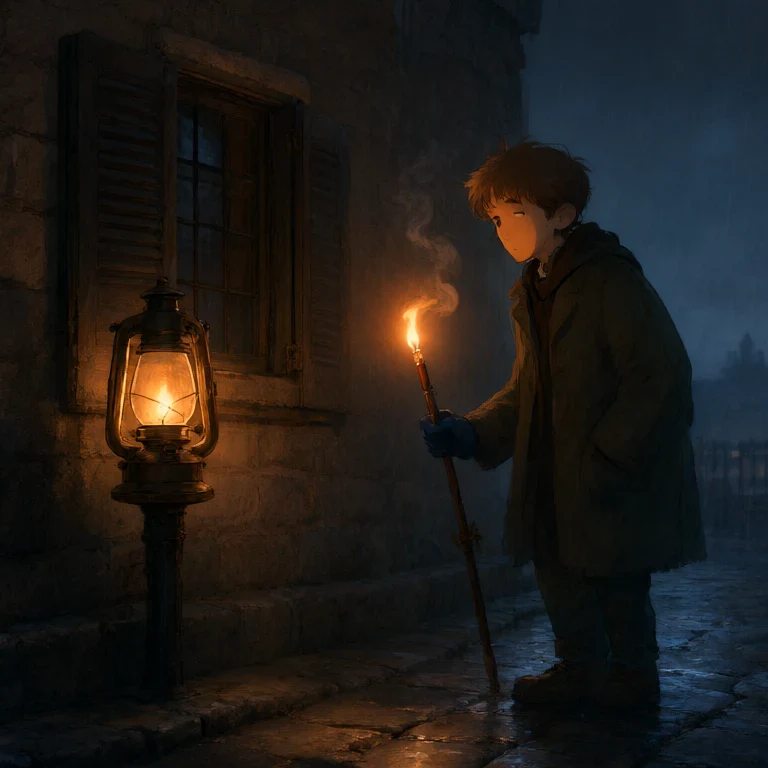
“One hundred and ninety-seven was Erskine’s,” said Wren. “Thomas Erskine, of Kettle Rock. A penny the week for the light on his landing stage, twenty years, and he never once looked up at it.” “Then who is lighting it,” said Perrin Oll. The taper in the old man’s fist had burned down to the wood, and he had not noticed, and the smell of it went out into the rain.