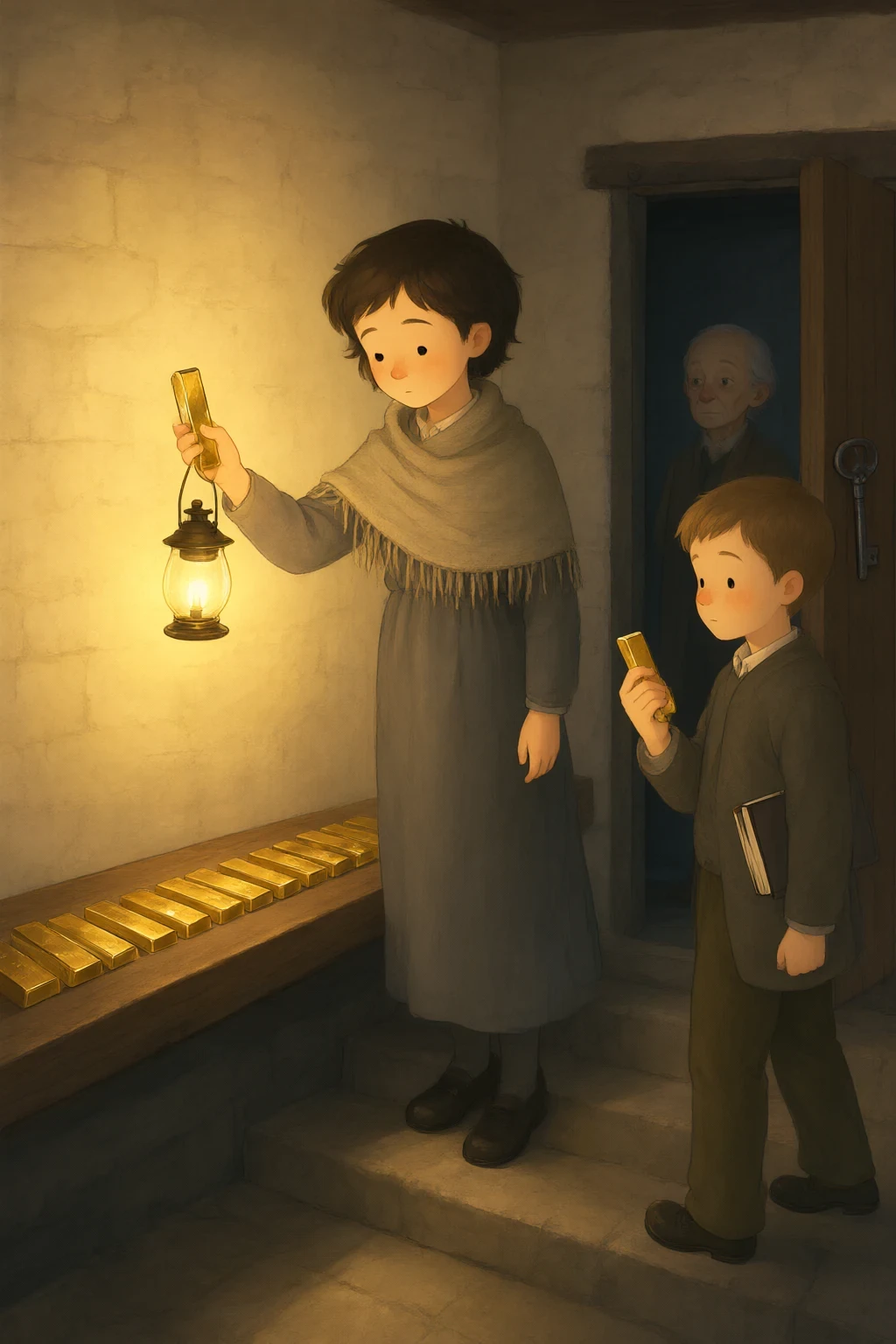
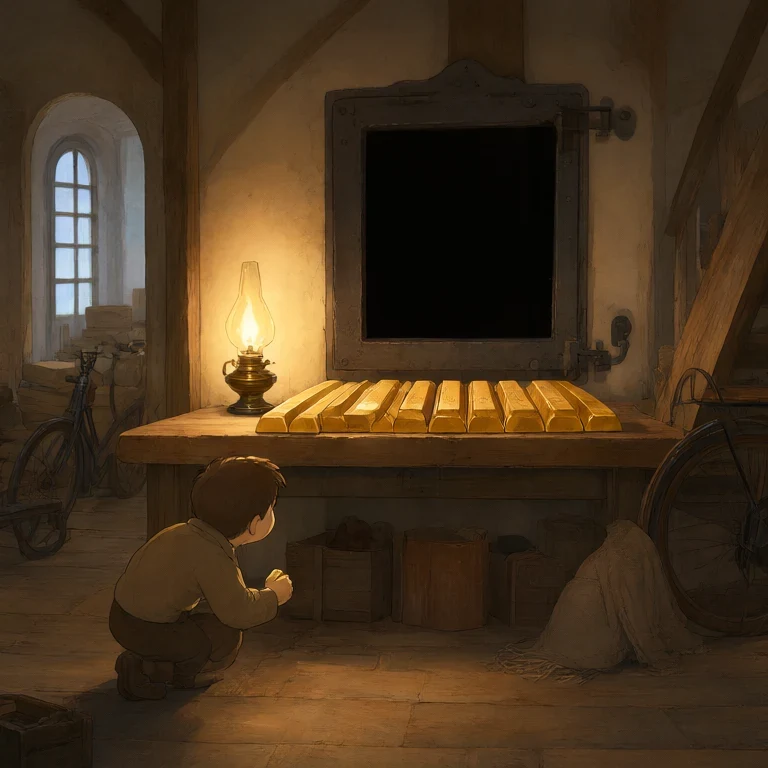
The thirty-one bars came down at six in the morning in a box with a lock that was not the mill’s, and Corve Merrick had the counting-house key in his hand before the box was on the floor. He weighed them himself, with the balance that had gone up ninety-one steps the night before in its leather case, with the fire lit in the counting house and nowhere else in the mill, and he set the bars in a row and went along the row with the tweezers, one at a time, the way he did with the pay.
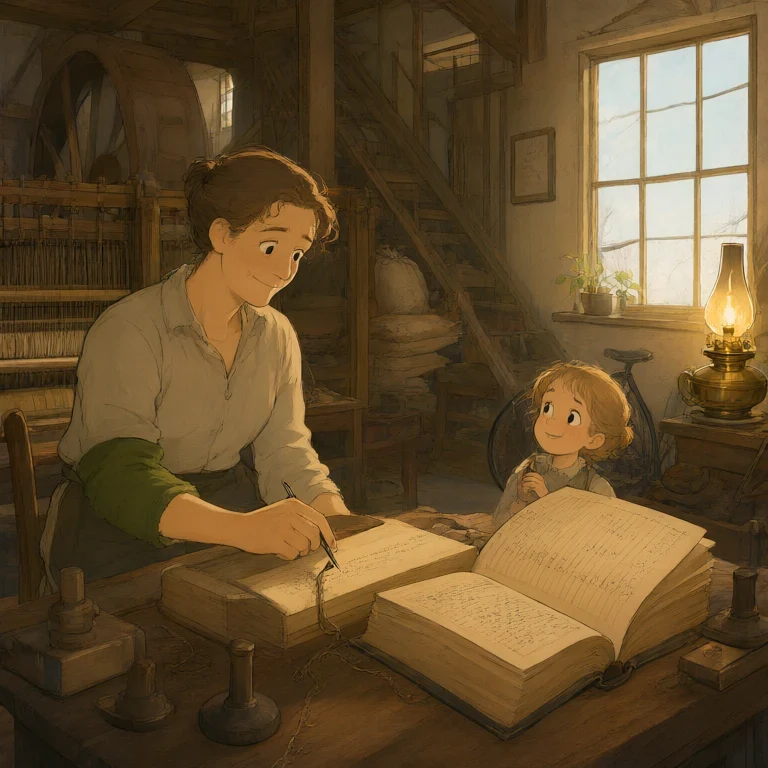
“Forty-six ounces and two pennyweights,” said Aldis. “The same as last night, to the pennyweight.” “Entered at three hundred pounds,” her father said, and wrote it, and did not say by whose valuation. “Entered at three hundred pounds,” said the little man, who had come down behind them and stood in the doorway in his clean old coat with his hands behind his back. “Security only. It is mine until the account is paid. You may not spend it, you may not melt it, and you may not put it anywhere.”
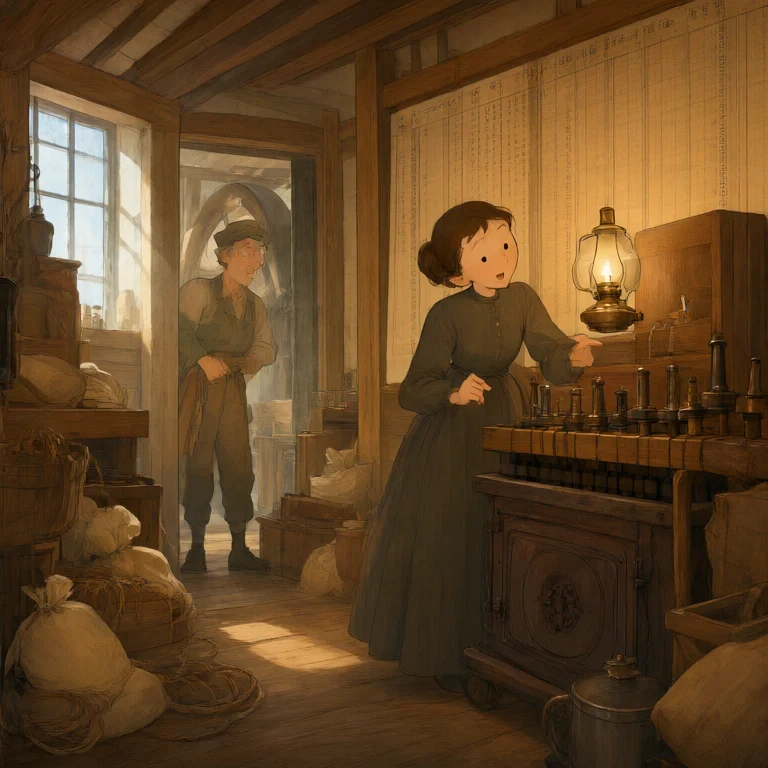
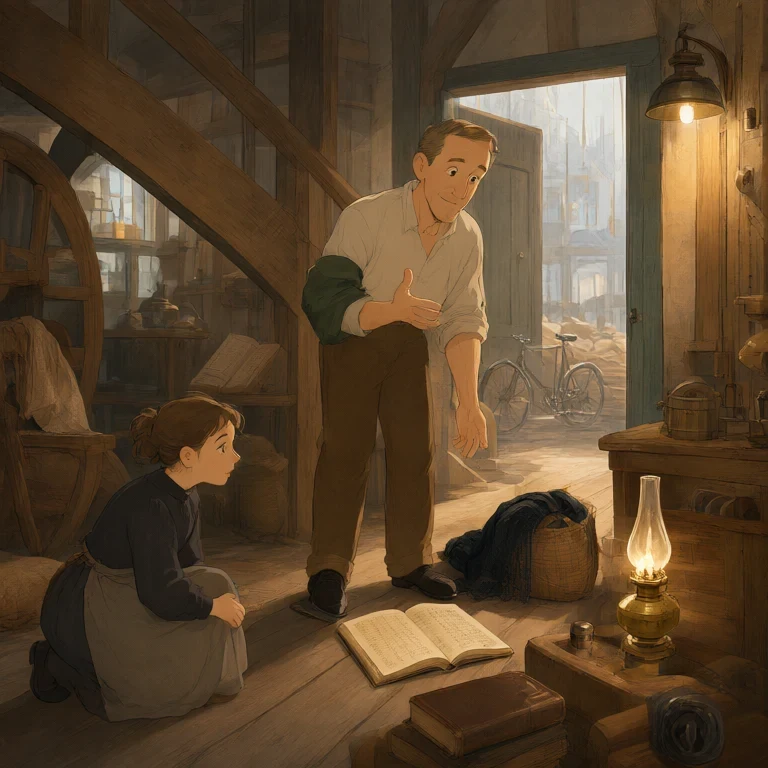
“There is a seed room under this one,” said her father. “There is,” said the little man.
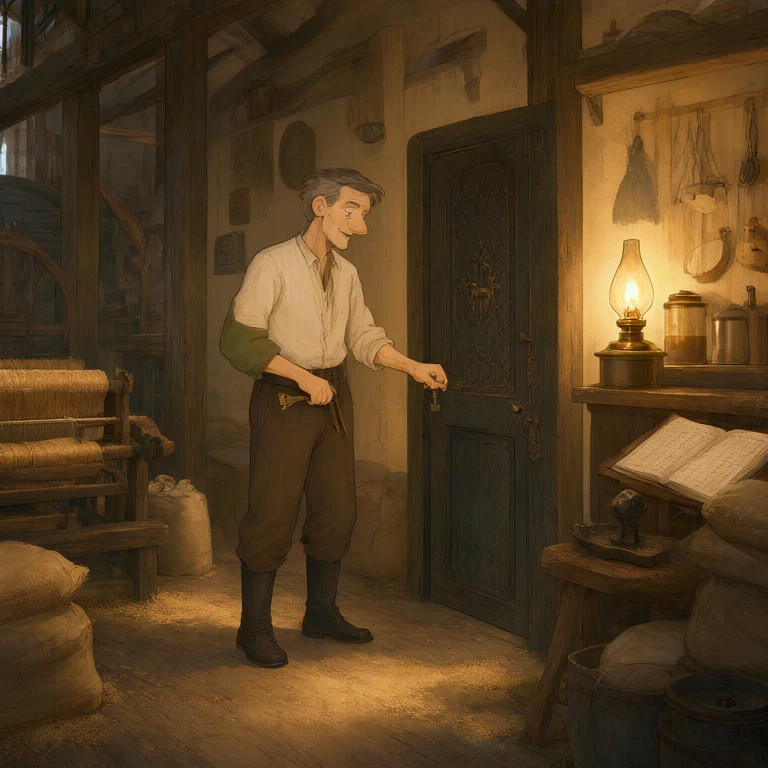
The seed room had an iron door and a key as long as a man’s hand. The counting-house book said the door had two keys. There was one key. It went on Corve Merrick’s belt, and on to the nail by the door every night, and off the nail every morning. Nobody had ever written the second one down, and Merrick looked at the nail twice on the first day and did not ask, because a man who enters four hundred names a year does not waste a question on a nail.
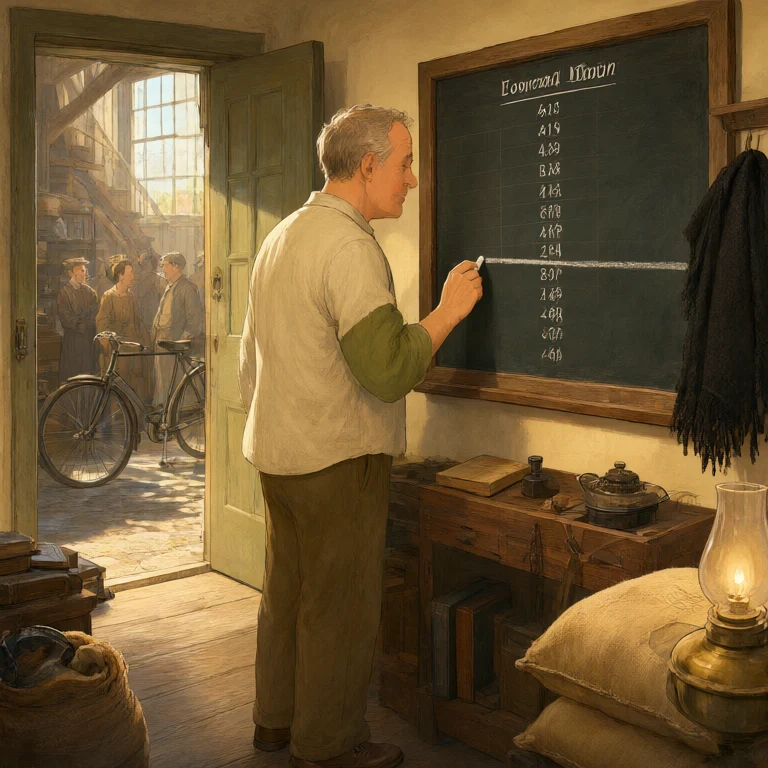
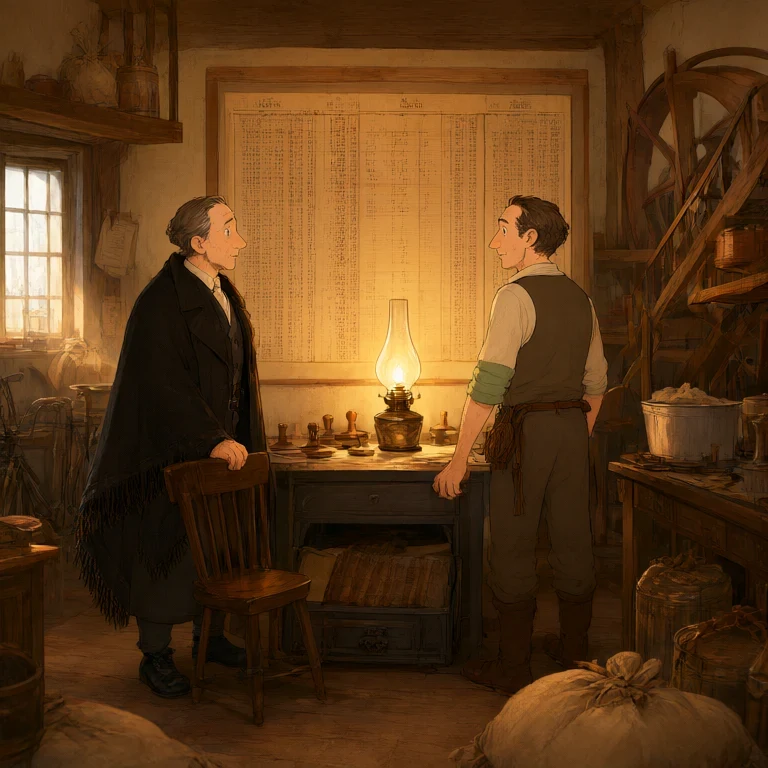
The pay board in the counting house had the word HELD chalked across it in letters a foot high, and had had since the fourth of November, and the whole valley knew it before the mill did. Nobody in Nether Combe was paid until the mill was paid, and this quarter the cloth was good and the mill was still three hundred and forty pounds short, which is a thing that cannot happen and had happened. The letter that said so was in the third pigeonhole with a crease in it Aldis could feel with her thumb.
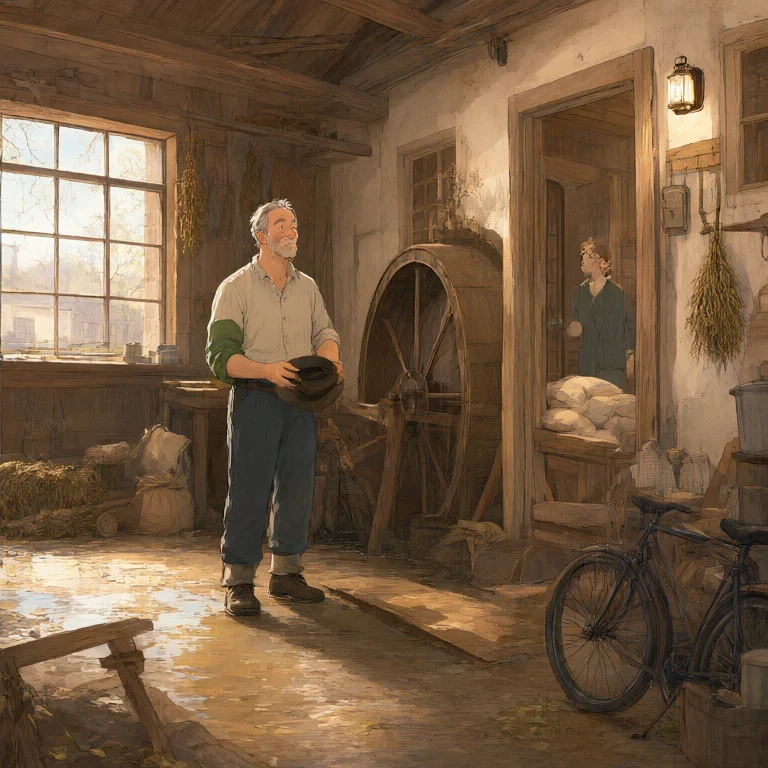
The first week of the fortnight, the seed corn that was to have been cattle cake went into the bread. A man from the fourth house up the lane sold his pig for eleven shillings and stood in the yard afterwards with his hat in his hands, and nobody could think of anything to say to him, so they all looked at the wheel.
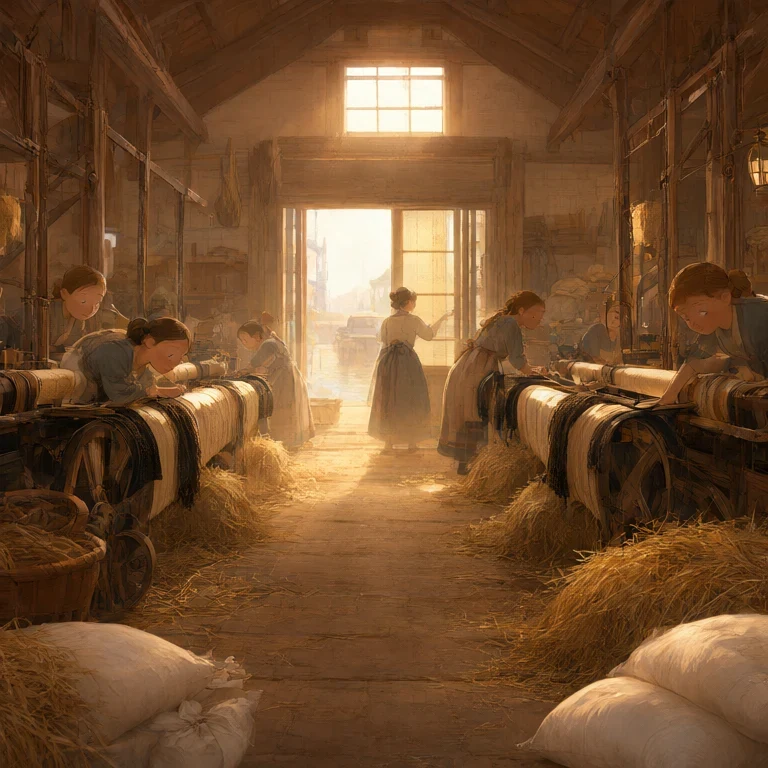
The tow shed was hot with forty women in it and the air stood still and blue where the light came through the one high window, and Innett Sly was at the third frame with her back to the door, counting. “Ninety-one, ninety-two, ninety-three,” she said, without turning round. “Fourteen to the pound, and a bad join at four hundred, and the join is mine because the doffing was late yesterday. How much of it.” “Sorry?”
“How much gold.” Innett Sly turned round. She was twenty-three, and people had made such a point of her hair being shorter than both her sisters’ since the twenty-first of November that it had stopped being a thing she did. “Three hundred pounds. I have heard the figure. Three hundred pounds is a hundred weeks of my wage, and I have been in this shed three years, so it is thirty-three years of me, and I do not say that to be pitied. I say it because it is the quantity, and the quantity is the only part of it I am certain of.”

On the second day Merrick had the seed room open while he entered the weights, because the light in there is not the light in the counting house and he wanted the bars counted where they lay. That is all the reason the valley ever got.
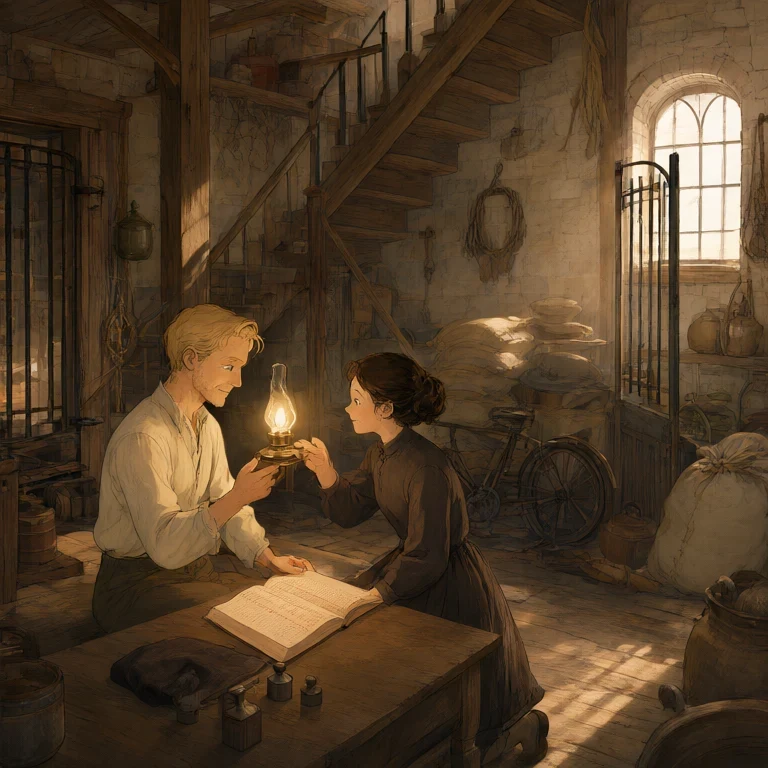
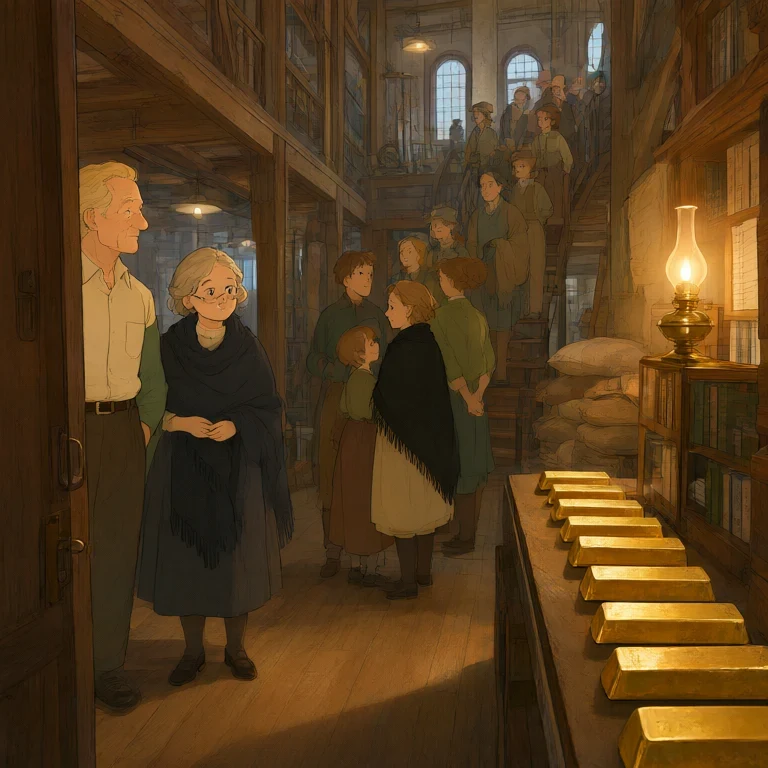
By the third day there were eighty people down that stair, going down, looking at a row of yellow bars on a bench, and going up again without touching anything. A woman stood in front of them a long time and then told Aldis, in the voice people use when they are being very careful, that her cottage roof wanted doing since the spring, and that she had been told six pounds.
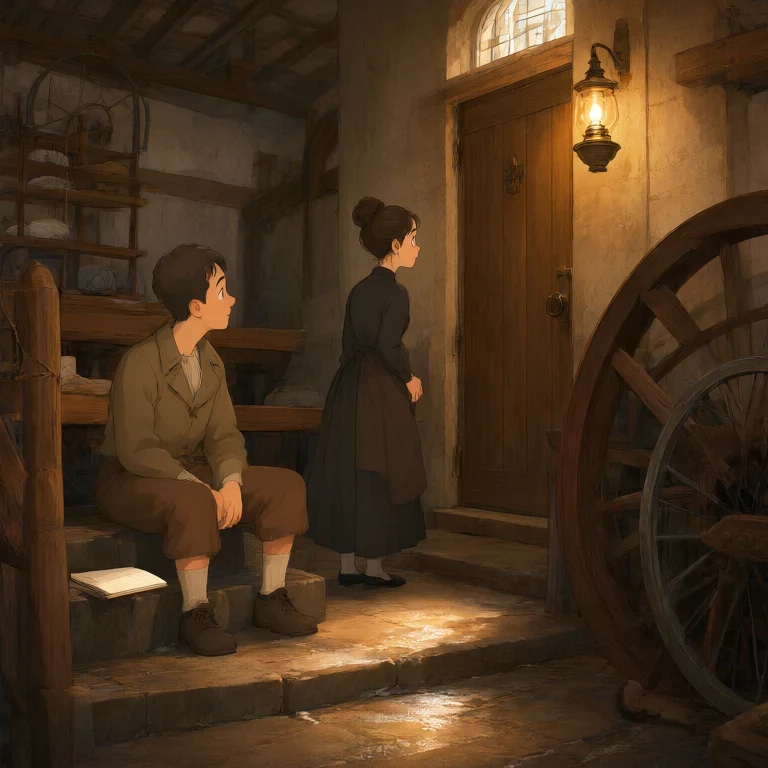
Jory Vasc kept a notebook that nobody had asked him to keep. He was fifteen and an apprentice, and the hundred and forty pounds a week written down the left-hand page of it in a very clean hand was every wage in the valley, every Friday, for two years, copied off the pay board and out of the shed mouths, because the shed mouths were quicker. He showed it to Aldis at the bottom of the stair on the fourth day, frightened of it, wanting somebody to say it was all right.

“The valley’s wages are a hundred and forty pounds and sixteen shillings a week,” he said. “In here. Not spent. Locked. And the account is three hundred and forty, and three hundred and forty is two weeks and five days of this valley going to work.” “Yes.”

“And the whole year of wages is seven thousand four hundred and something, and the gold is a twentieth of it.” He put the notebook down on the step. “So there is a year of everybody’s living lying in a room under this room with the door shut, and a man is not allowed to give anybody a slice of bread out of it.”
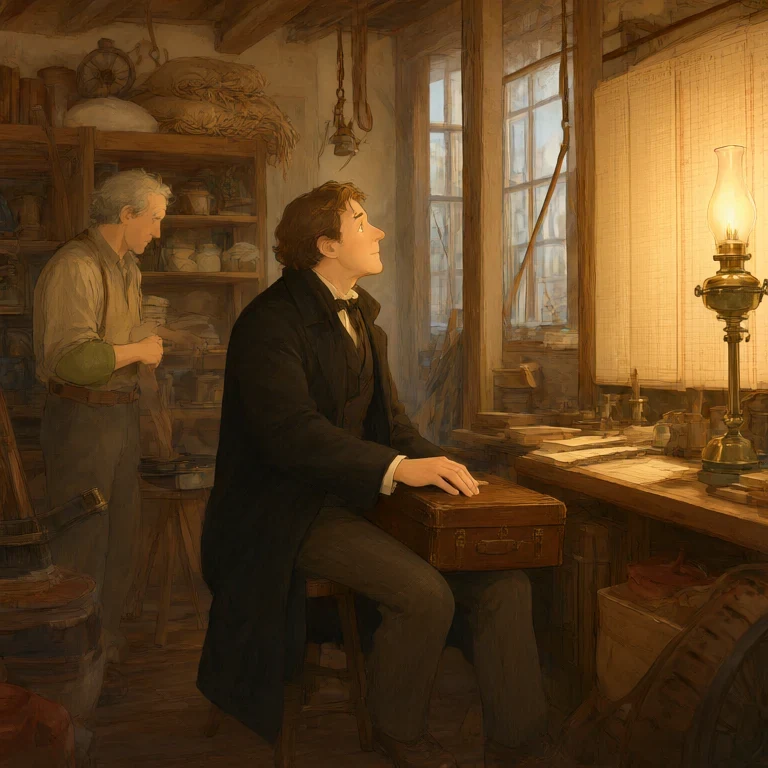
Pell Harrow came on the fifth day in a hired trap. He was the Bristol merchant’s factor and he was thirty-four and he carried a document case that was not dust. He did not look at the gold first. He looked at the counting house for a while, at the ledger walls and the merchant’s letters and the iron tally, and sat down by the stove. “Strictly, for my part, a man in my position does not come about three hundred pounds of bullion.” “Then you will want the book,” said Corve Merrick.

“There is a list. Every name the Combe has ever put up, in one hand, in 1841. It came to me with a bolt of cloth and I have never been able to do anything with it.” He touched the case and did not open it. “A list of names is a piece of paper, because I cannot make one of them answer me.
Strictly, if the roll upstairs is short by a page, and has been since before anybody alive was born, then a great many names in this valley are unaccounted for, and a man in Bristol would find that extremely interesting.” “The roll is not the mill’s,” said Corve Merrick. “The roll,” said Pell Harrow, getting up, “is nobody’s. That is the whole difficulty, and I have had it for nine years.”
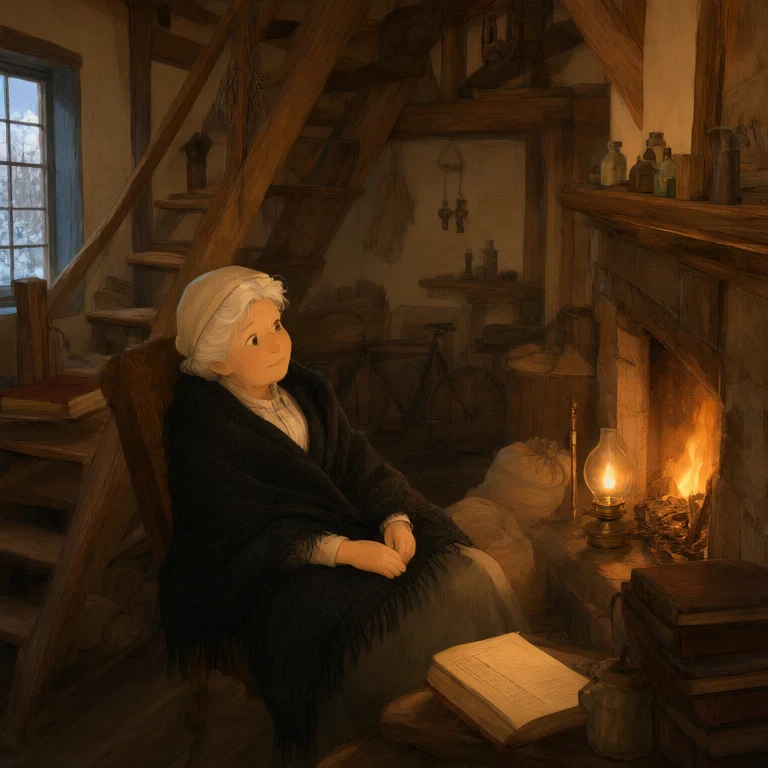
Aldis asked Nanny Rowe on the seventh evening, and it took a while to get her started, and it was not the question Aldis had meant to ask. Nanny Rowe was seventy-nine and had been in service at the Combe, and she wore a black wool shawl indoors and out, and she turned the lamp down before she began.

“Nobody has ever asked me anything about 1971,” she said. “Not one thing. I have told it eleven times in the dark and got eleven answers, and I decided a long while ago that the difficulty was mine. But if a person asks, then it wants doing properly, and so I will do it properly, once.” She put her hands under the shawl.
“They sent me up the ninety-one steps with a lamp and a cup of broth, for the man who was spinning, because he had not eaten since morning and the cook said a man in your condition gets his hands unsteady. The door was open. The wheel was going round. The roll was out on the table with a pen lying across it, and I remember the pen, it had a red feather on it that was not his.

And I came down again, and the broth went cold on the table, and I have not been up those steps since.” “Was there somebody in the room?” “I never said there was nobody in the room,” said Nanny Rowe. “I said I did not see anybody. There is a difference and it has been the whole of the difference for fifty-five years, and I have let people put the other thing in instead of me at breakfast because the other thing is easier to sit next to.”

The key was on the nail on the ninth night, because Merrick had taken it off it in the morning for the weighing, had been called out to the yard over a broken belt, and had not come back. Jory Vasc knew the counting house. He had been in it two hundred times copying figures.

He got the seed room at ten minutes past two, and took the bar with the file mark on it, which goes nearest the wall, which is the only thing about those bars anybody in the valley could have told him. Then he stood on the landing with four ounces in his fist and could not get his breathing right. The wheel stood still over his head with nothing driving it. He could not go down the stair with it and he could not put it back, and after a while he opened the door and went in.
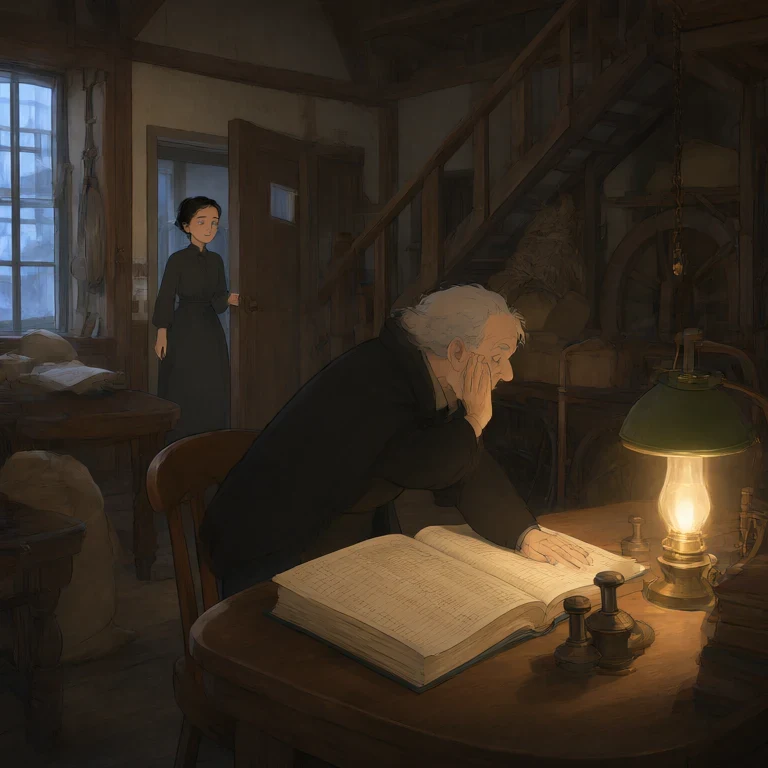
Aldis was awake and on the stair, and she was up the last flight before he was in the room, and she came in behind him. The lamp was turned down. The little man was standing by the wheel with his hands out in front of him, and he did not ask them a single question. When he had the bar he weighed it himself, and put it into Jory Vasc’s hand again, palm down over the boy’s palm, and closed the boy’s fingers round it.
“Four ounces one pennyweight,” he said. “The rest of them are the same to within a grain, and there are thirty of them and that is the one, and the file mark on it is a file mark and not a name.” “Please, sir,” said the boy. His voice went in the middle and came out at the top. “Put it back on the bench where it was, and count them, and if they are all there you may go to bed.”
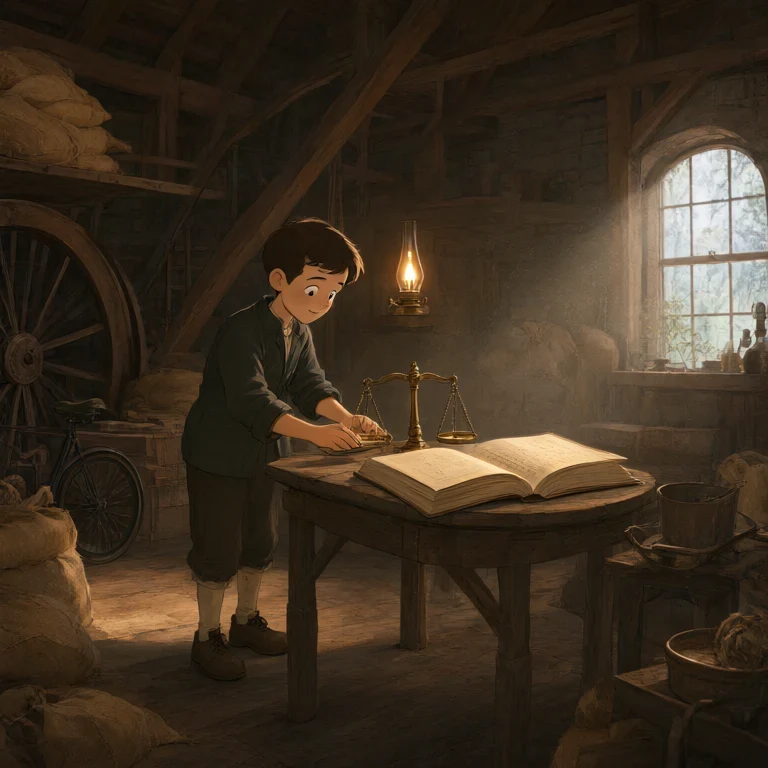
Jory Vasc put the bar back and counted them out loud, all thirty-one, twice, with the little man standing by the wheel the whole time, hands behind his back. The gold was cold when the boy picked it up and warmer by the time he had it in place. Then the boy said, “Whose name did you take?”

“None,” said the little man. “You have not given me anything. You have a debt in a notebook and no lender behind it, and a debt with nobody behind it is not a debt, it is a habit. If you want to be lent, you must be the one who lends, and the name must be your own, and you must mean it, and I could not spin for it if you did not.”
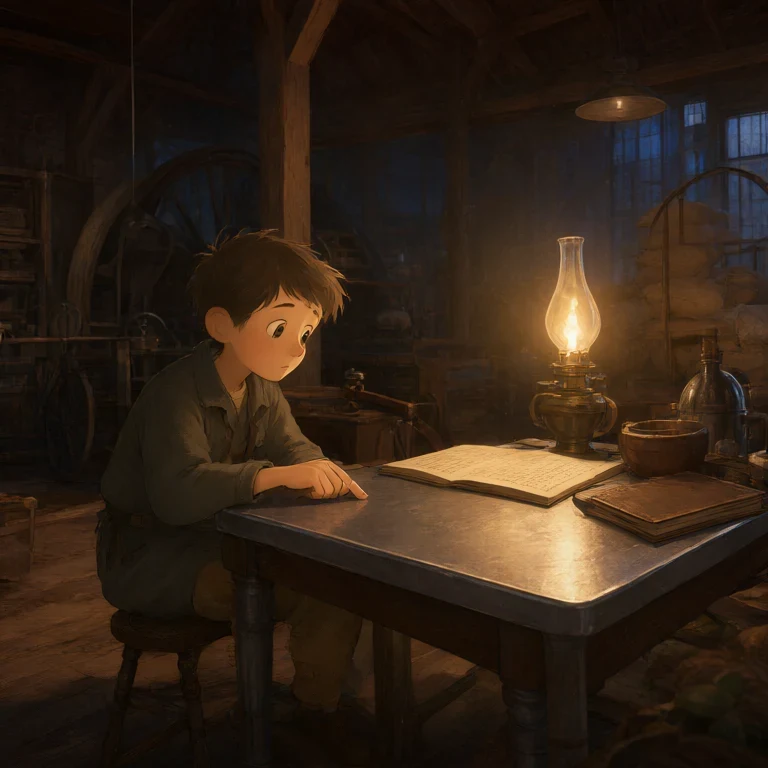
The account was still forty pounds short in cash at the end of the fortnight, and nobody in the valley could say how. The seed room stood open and empty, the door unlocked, the strong box gone off the floor without any marks on the boards. Corve Merrick stood in it with the lamp and looked at the nail in the counting house, where his own key was hanging, and the second key was not, and had never been, and there was no line in his book for it.

Jory Vasc had his notebook out on the yard step and did not open it. That was the first thing in four years that anybody in that yard noticed about the boy. Aldis had a list in the back of her own account book, and there were thirty-one items on it, and she had never once written a name against an item. Then the assayer’s letter came up from Bristol, the bars were worth three hundred and four pounds, her father entered it in the margin in pencil, and there was nothing he could do with it.
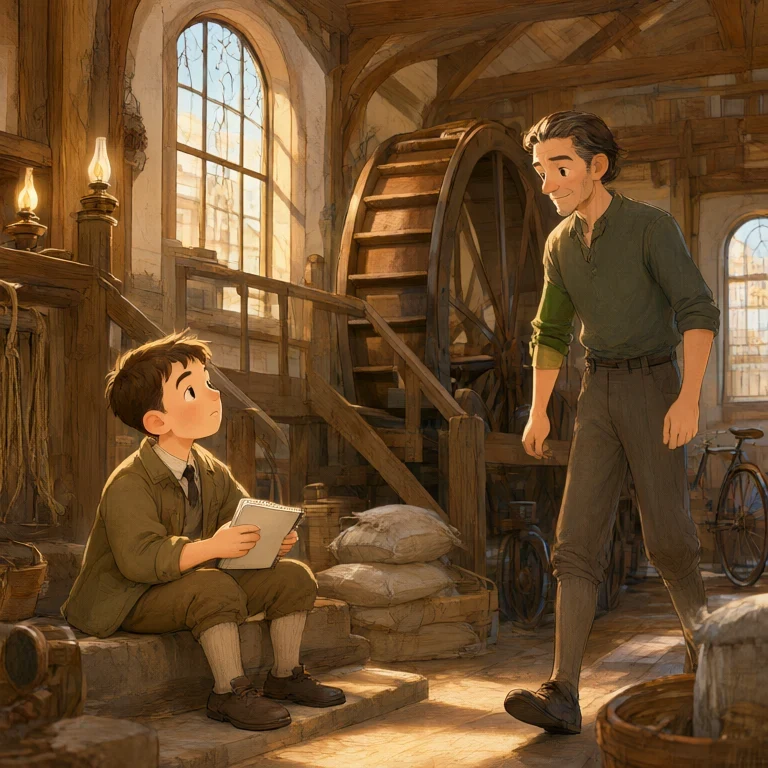
On the last night of the fortnight the bars went up the ninety-one steps again, in the same box, and the boy carried two of them as far as the landing with a lamp in his other hand, because there was nobody else to carry them, and because the one key that existed was on his father’s belt.