Marguerite Okonjo was seventeen and she had the ration book for a whole street in her own handwriting, which was not allowed, and everybody on Aire Street in Sowerby knew it and nobody had ever said a word about it to her. Her job was at the food office in the Corn Exchange, four desks and a gas ring and a ledger a foot thick, and in November 1941 the ledger was the ration book. Not her ration book. The one that said which house on Aire Street had drawn which coupons, and when, and how many were left.
The office issued books to the households, and households used them at whichever shop they were registered with, and the shop cancelled the coupon when it was spent, and at the end of every four weeks Marguerite counted the cancellations in the books that came back and wrote the total in the ledger against the house, and the ledger had to agree with the office in Wakefield, which sent a figure she could not argue with and had to reach.

The rules were short. One book to a person. A coupon could not be sold, given away or split. Sugar had been twelve ounces a week when the books started and it was eight now, in coupons of two ounces, and it was cut out of the book and not torn, because a torn coupon was a spent coupon. Nobody could have two books, even if two households wanted to keep one, and nobody went without a book if they were on the list, and everybody had to be on the list, and being on the list meant a number, and the number was the whole argument.
Aire Street was forty-one houses. Marguerite could draw it from memory with the numbers on top, and she drew it most evenings, because she liked a street that made arithmetic. Number one was Mrs Tolley with her mother. Two to eight were the Kowalskis, nine children and two parents. Ten was empty and had been empty since before the war. Eleven was the Garricks. Twelve and thirteen were the same family, the Overends, in two houses either side of a passage, and that was legal, because two houses under one roof and one passage was one household and not two. Fourteen to nineteen were the flats over the Co-op stores.
Twenty was a man called Birtley who lived alone and had no family and had asked, in the middle of September, to be put down as a household of one and a half, because half a person still eats, and Marguerite had refused, and the reason she had refused was not in any rulebook she could have shown him. Twenty-one was the Cleeffs. Twenty-two was Mrs Cleeff's mother-in-law, who had come down from Leeds at the end of September and had never been registered anywhere, and this was where the book went wrong.
It went wrong in November, when the total came to four hundred and six coupons where it should have been four hundred and eleven. Five coupons. Not a missing sugar coupon of eight ounces. Five, and she had checked twice with the shop's own cancellation sheet, and Wakefield's figure was right and hers was short, and a short return from Sowerby in November was a letter and then a visit from a man from the county office, and the visit was worse than the letter. She went through the houses with a pencil. Number one, all drawn. Two to eight, all drawn. Eleven, all drawn. Twelve and thirteen, all drawn. Fourteen to nineteen, all drawn. Twenty, drawn. Twenty-one, drawn. Twenty-two, drawn.
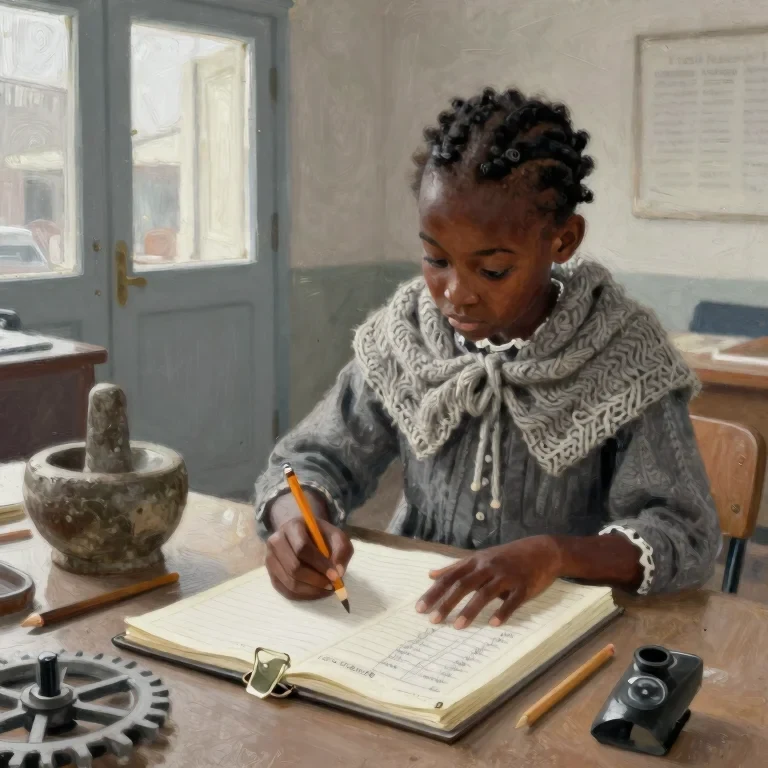
Twenty-two was Mrs Cleeff's mother-in-law, who had come from Leeds on the fourth of October, and Marguerite had never issued a book to her, because there was no form, because there was no registration, and because the woman had not wanted one and had said so. She had come to be looked after. She was sixty-eight and could not get to the office on a Tuesday and did not want anybody from the council in her kitchen, and so there was no book and there were no coupons and she had spent seven weeks on what the household brought her, and the household was nine people.
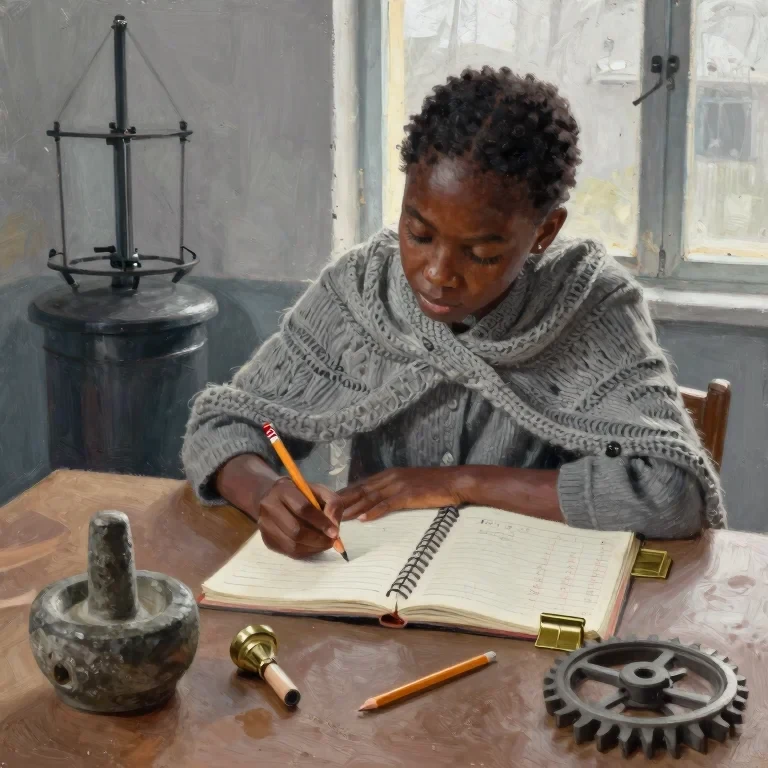
Marguerite looked at the ledger for a long time and then she went to work out what five was. The allowance that month was eight ounces of sugar a week, which is four coupons of two ounces, and five was not a week of anybody's allowance and it was not two weeks and it was not a book. Five is what a person draws when a person has no allowance at all and eats what is going, seven weeks of it, on somebody else's plate.
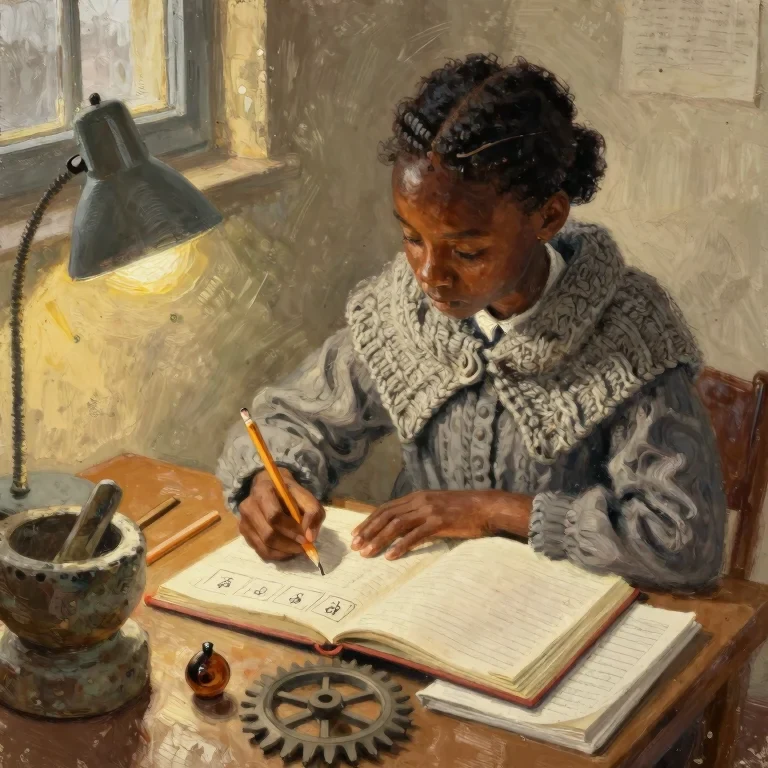
There was one person on Aire Street eating sugar without a book and without a number and without a line in the ledger. And she was sixty-eight years old, and she had said no out loud, in her own kitchen, to a girl with a ledger a foot thick.
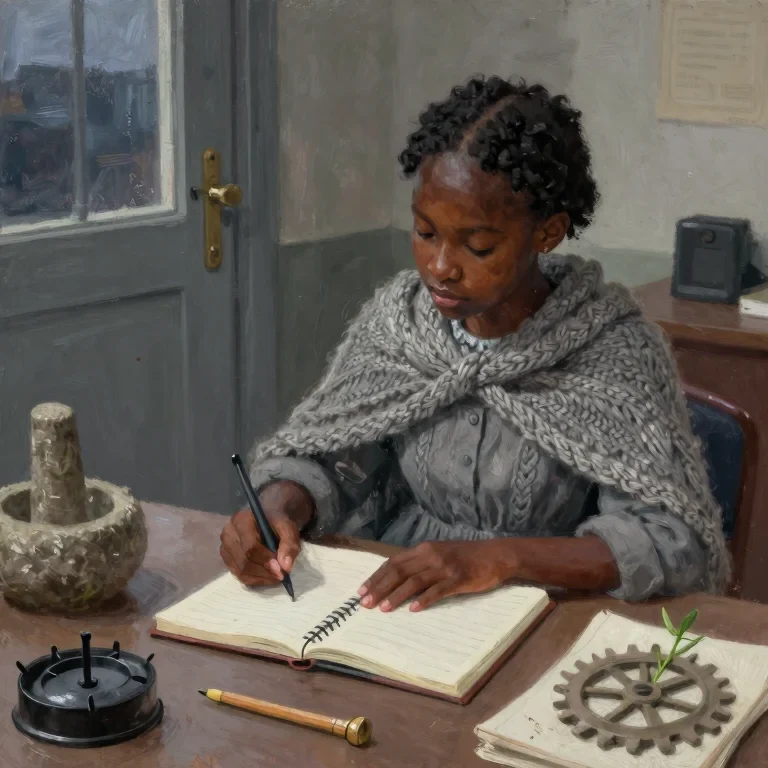
The rule said what it said. Marguerite sat on the edge of the desk with the pencil and she could hear the two sentences in her head, the one that was lawful and the one that was true, and the lawful one was the only one she could write down. She could write the five down. She could write them in the ledger as sugar coupons unaccounted, house twenty-two, and Wakefield would have her total, and there would be no letter and no visit, and the return would be four hundred and eleven again, because five coupons owed are five coupons given, and the county only ever wanted the sum. Or she could issue the book.
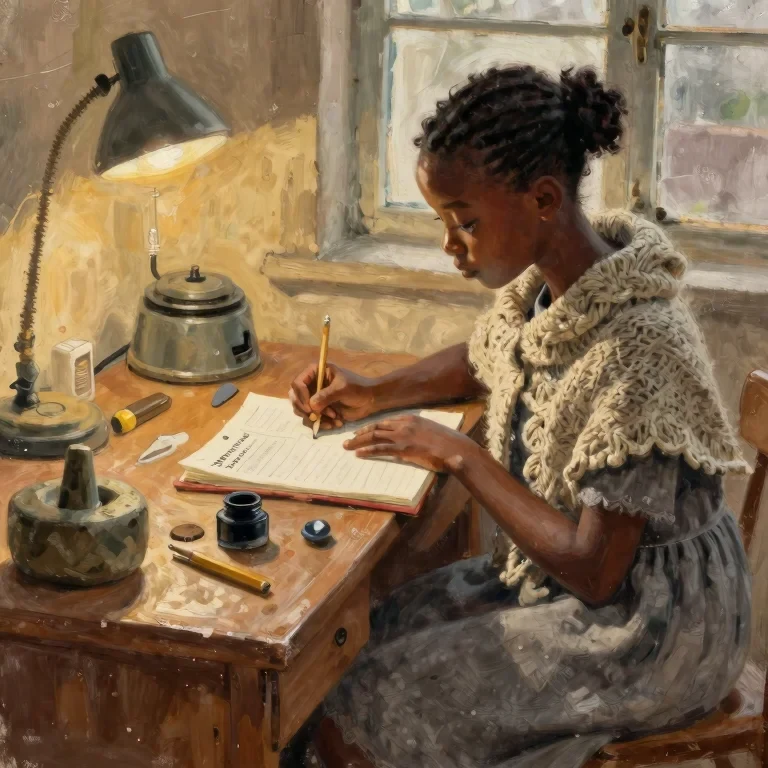
If she issued the book it would take an hour. It would take an hour because the coupons could not be cut out of a book in the office and handed over. A new book had to be written by hand, name and number and address and the household it belonged to, and the four weeks of coupons cut in it with a pair of nail scissors along the dotted line, and every cut coupon had to be accounted for at the end of it by the total that had been used.
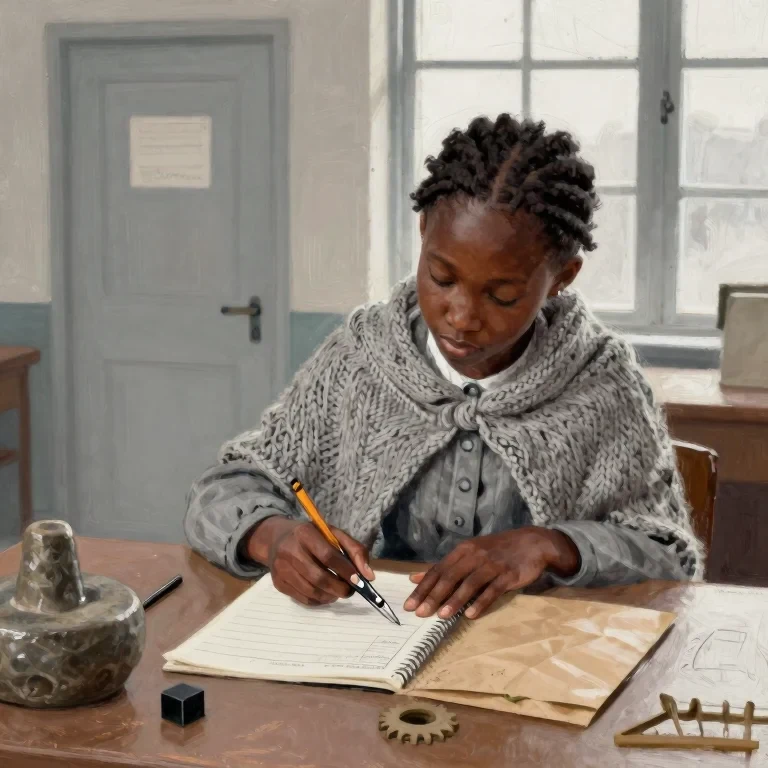
The book could not be made up at home and brought in, and it could not be made up by anybody else, and the rule against that was in the same printed sheet as the rule about Mrs Cleeff's mother-in-law. So it was the ledger or the scissors, and one of the two was in a house on Aire Street by the middle of the week, and Marguerite went down the street with the ledger under her arm at half past four on the Thursday and knocked at twenty-two.

Mrs Cleeff opened the door and said she had told the girl not to, and Marguerite said she had, and she came inside and sat at the Cleeffs' table with the book blank in front of her and the pencil in her hand and the mother's-in-law chair by the fire with a shawl on the back of it.
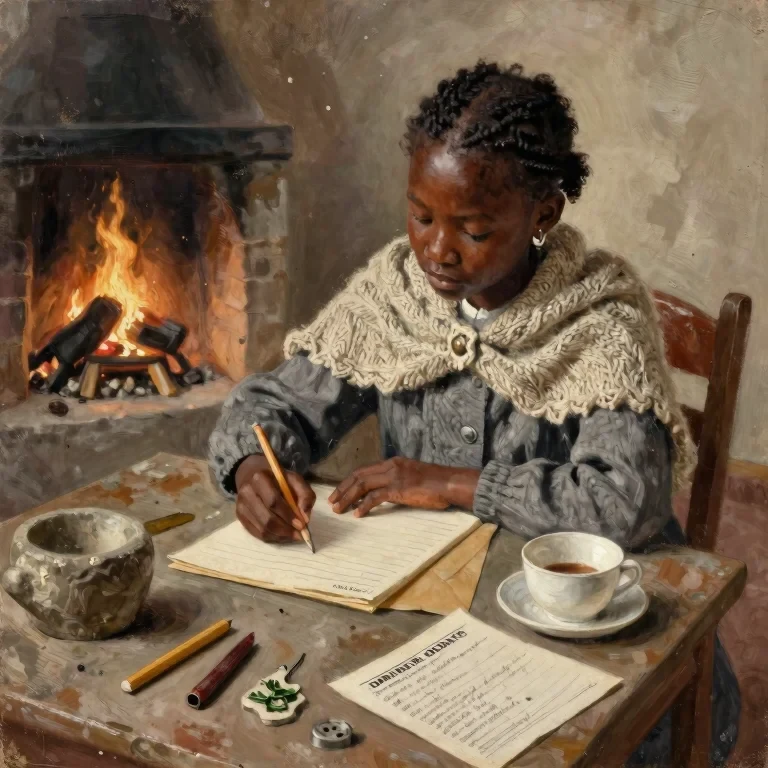
The woman looked at the pages for a long time. She read her own name as Marguerite wrote it, and read the number, and read the address, and read the line that said the household was two households: Mrs Cleeff, and her mother-in-law, sixty-eight, of no previous address in this district. Then she said, without any fuss at all, that she had not wanted the book because the last one she had had was in Hull, and she had not wanted a second one in front of them, and she had not said a word about Leeds either, and she had been living seven weeks off a plate.

She said the sugar had not been as bad as that. She said the thing she had wanted was the soap, and she could not get at the soap without the book, because the soap was not in the ration, it was in the ration but the coupons for it were worth two ounces of hard soap each and Mrs Cleeff had already spent hers on the children, and the woman had been washing with soda.

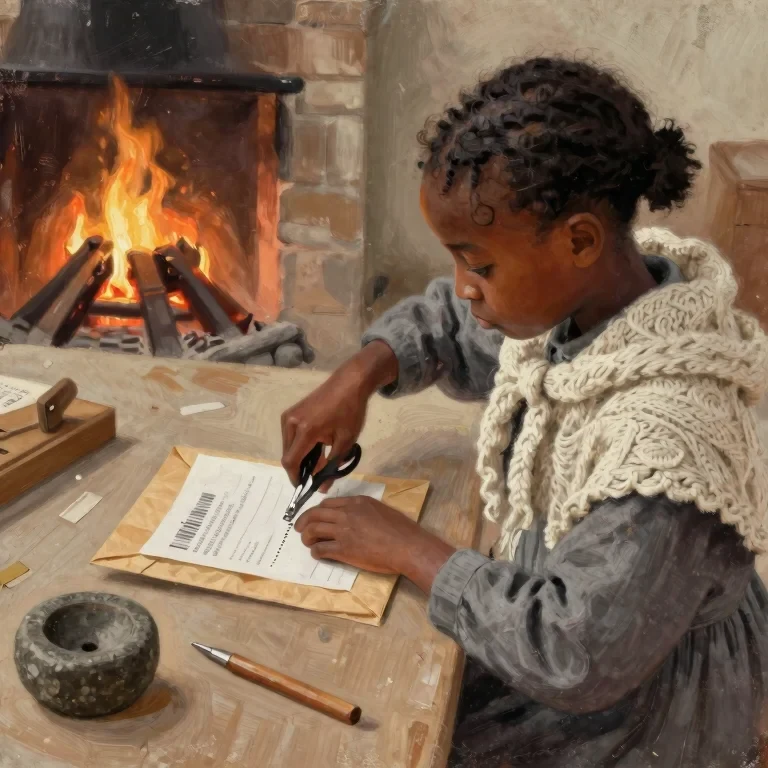
Marguerite cut the coupons out. She did it on the Cleeffs' table, one at a time, along the dotted line, and she put the used ones in the envelope with the cancellation sheet, and there were five more left in the book that had not been touched, and she wrote those five in the column that said returned, house twenty-two, five, and then she put the pencil down and looked at the five, because five was the whole of it, and if the five was a woman of sixty-eight eating seven weeks off somebody else's plate, then five was not a thing that could be written in a column marked sugar.
The difference between four hundred and six and four hundred and eleven had not been five sugar coupons stolen or burnt or sold on. Five is a very small number to be out by, and that was the whole of why it lasted a quarter. Four coupons a week was the allowance, so five was not a week of anybody's, and not two weeks, and not the four weeks of a book, and there was no sum in the arithmetic that five would go into except a person.

At the end of March the books went round again, and Wakefield wrote and said the return for Sowerby for the quarter to the end of December was short by five and had been received so, and that the matter was closed.
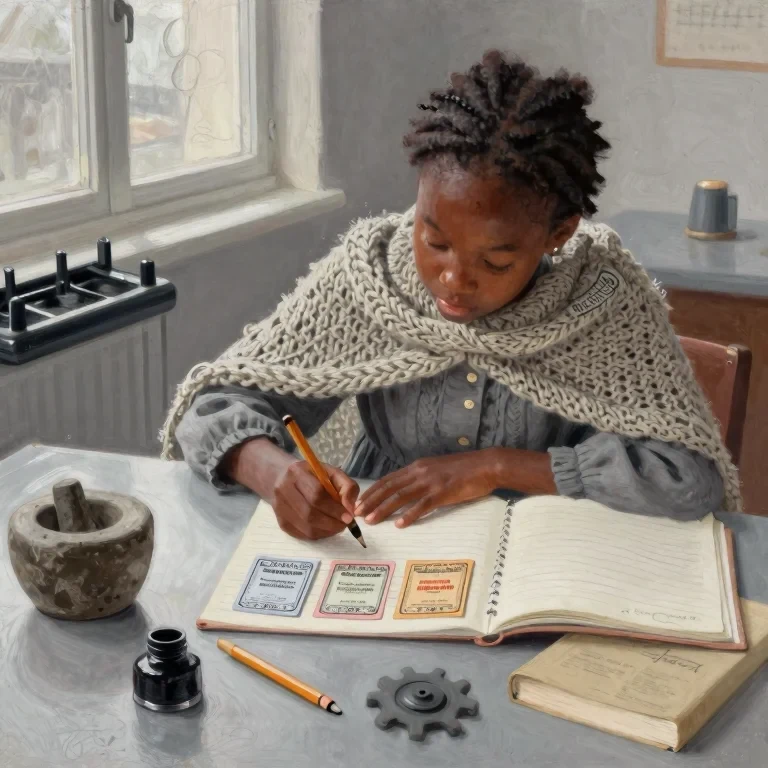
It was not a matter of two numbers. It was the whole of the book, because the whole of the book is a row of names with a number against each one, and there was no row for a woman of sixty-eight in the back of number twenty-two, and there had been no row for her all winter, and it had been possible to keep a street of forty-one houses in a ledger that added up exactly, every week, for months, with a person eating off a plate in the last house that had no line in it anywhere.
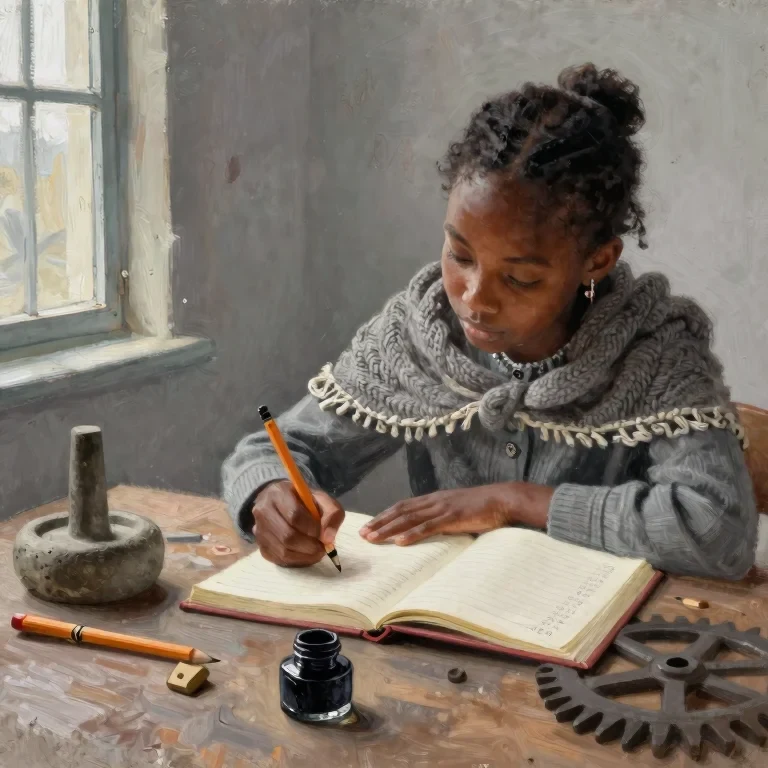
Marguerite went back to the file and put her hand on the sheet for that week. The five was in the returned column, and a returned coupon was a coupon that had never been taken, and these five had been taken, and that was the one place in the ledger where she had put down something she knew to be untrue.

She wrote it up the way it was, which was that house twenty-two held two households, one of them registered and one of them not, and that the sugar drawn for the week included five coupons belonging to a person who had no number, and she signed her own name under it, which she had not done once in two years, and she put it in the envelope for Wakefield, and she walked down to the post office in the rain with the ledger under her arm.
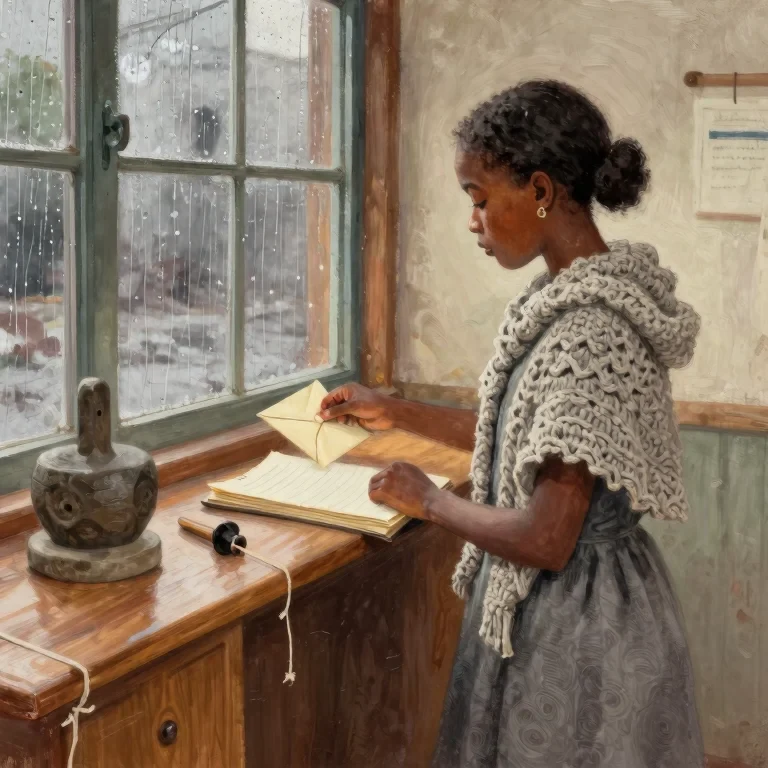
The letter said five and the ledger said five, and they were the same five, and that was the part she had got to the bottom of. Five was a number of coupons of two ounces each. Five was ten ounces of sugar. And it was seven weeks of a woman of sixty-eight eating whatever came over somebody else's table, and the ledger had a column for the first thing and had never had a column for the second, and there was nobody in Wakefield she could send it to. So she wrote five, and signed it, and the clerk gave her a receipt for the letter and not for the sum, and she put the receipt in her coat pocket. The five was in the ledger and it was correct, and it was still the wrong number.