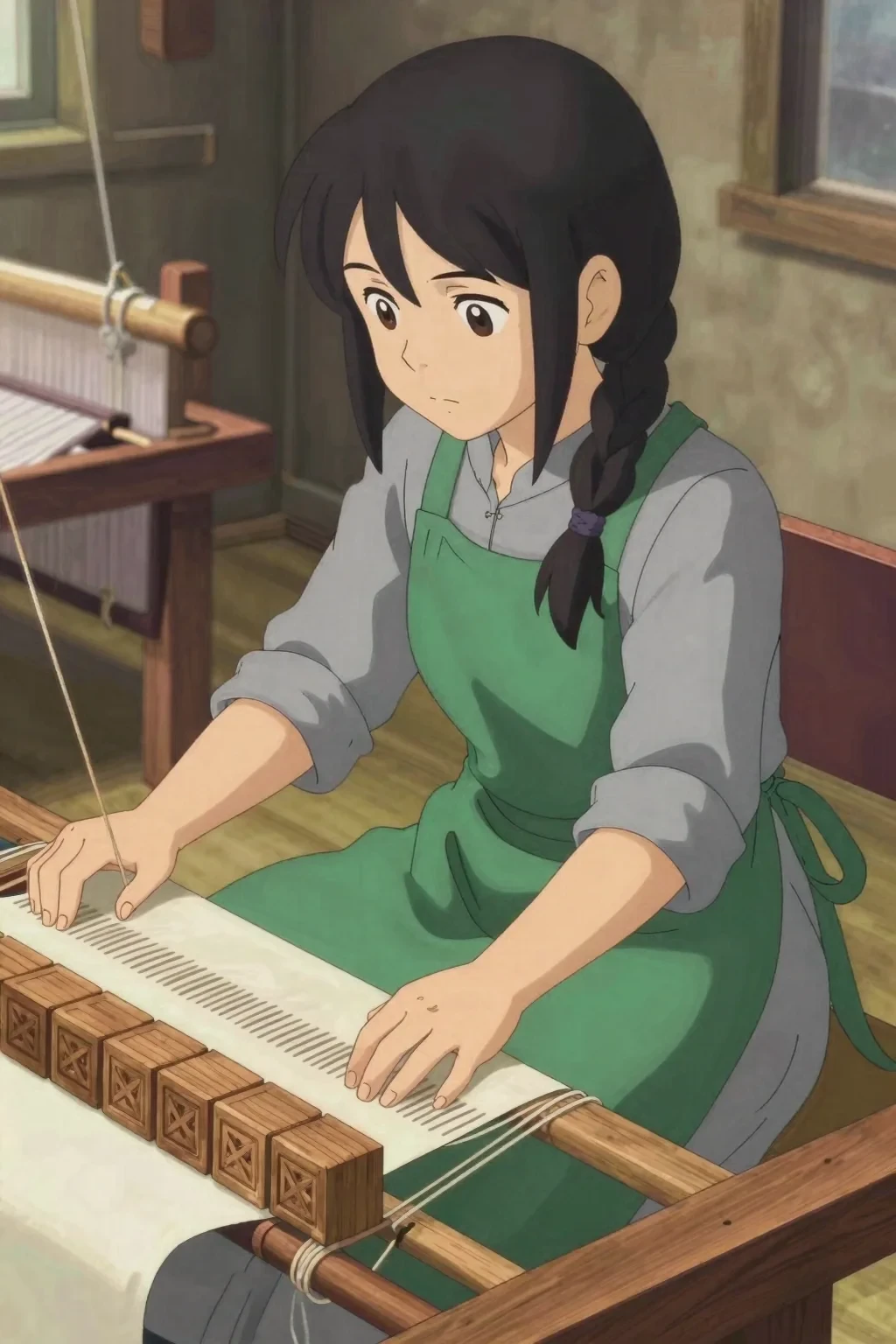
The valley of Corris had nine hundred looms, one river, and not enough water in the river for all nine hundred of them, and it was not the water that had made it a weaving valley. It was the naming. Every bolt of cloth woven in Corris was set for a wind. Not for the weather on the day. For the wind the cloth was meant to be worn in, so that a coat made of it would lie straight on a person standing in that wind, and a blanket would not lift off a bed in it.
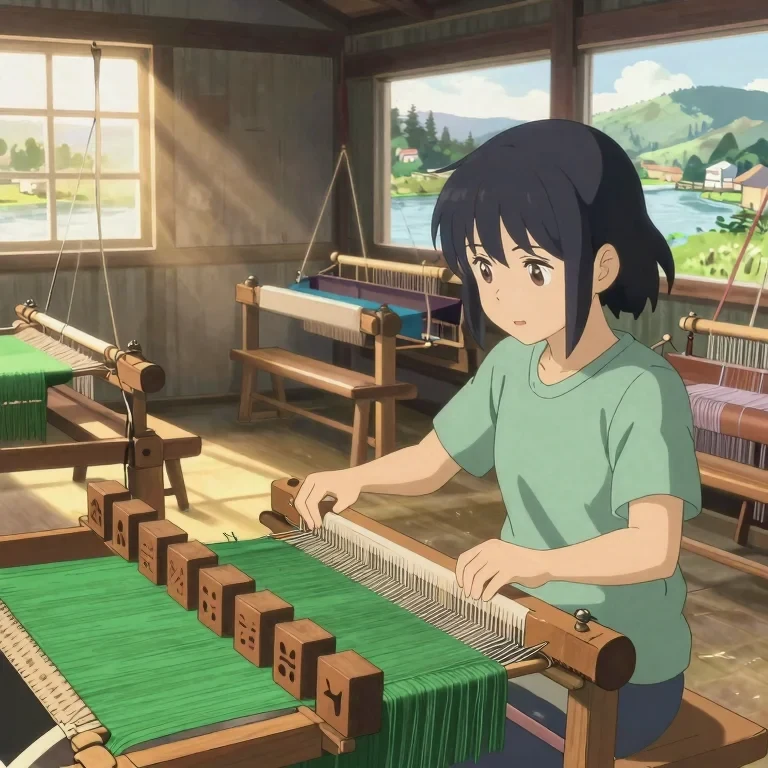
The valley knew seven names, and four of them any child could set. The other three were the Green, the Grey and the Long Dry, and the valley could not set one of them, because the names for those three were not in it. A loom cannot be set by guessing. The warp threads go across the weft at an angle, and the angle is chosen so that when the wind gets at a finished cloth the threads take the wind in the right order and lie down. Set it a little wrong and the cloth wears through in a season. Set it right and it lasts nine years. The names were in the lower valley, at the house of Vernay, and Vernay sold them.
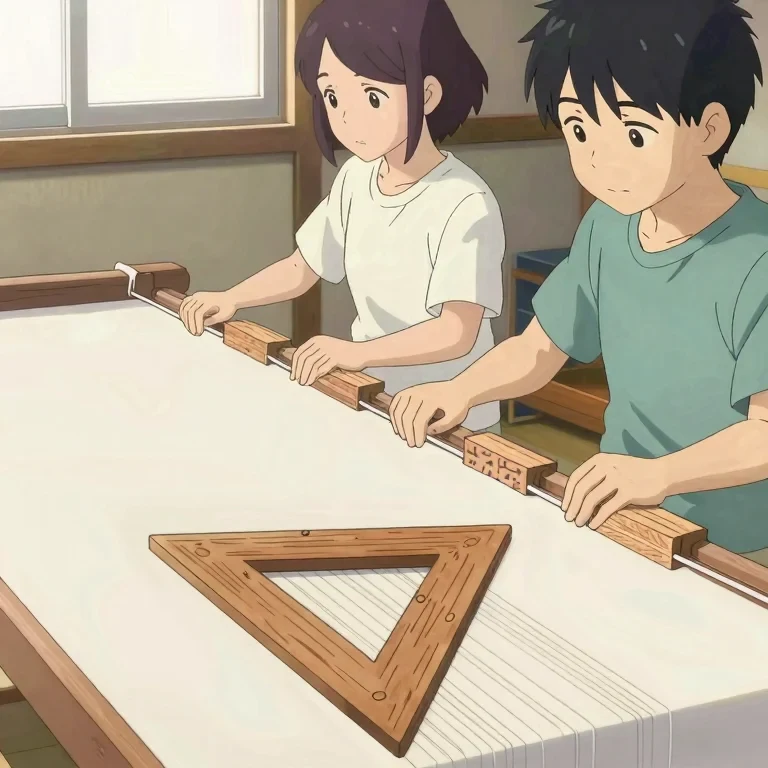
A weaver in Corris bought the right to set a warp the way a miller bought the right to a millrace, once a year, in writing, and paid for. The buyer at Vernay came up twice a year in a cart, sat in the shed for four days and went through the books, and his name was Pell and he was never unkind.

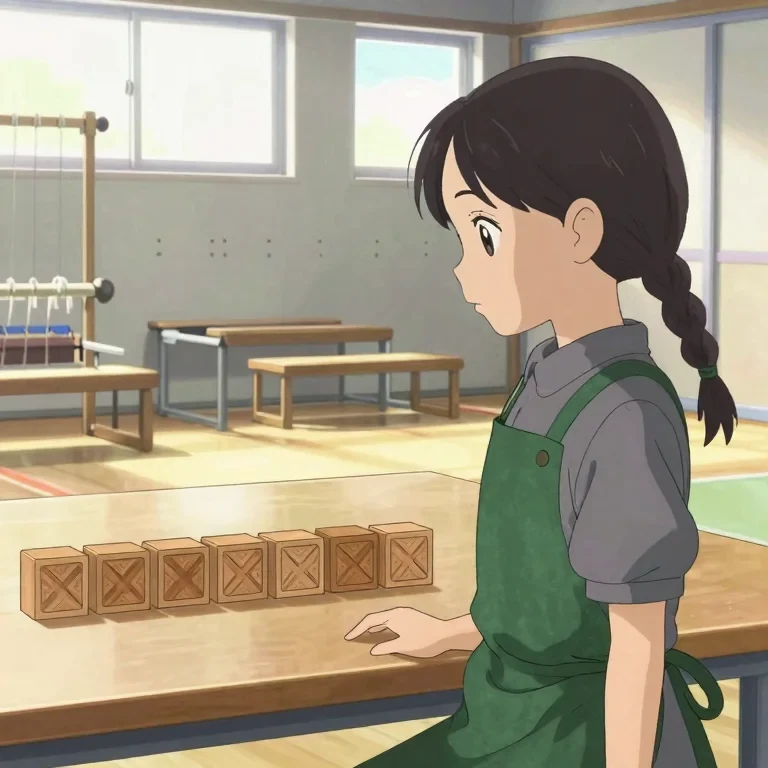
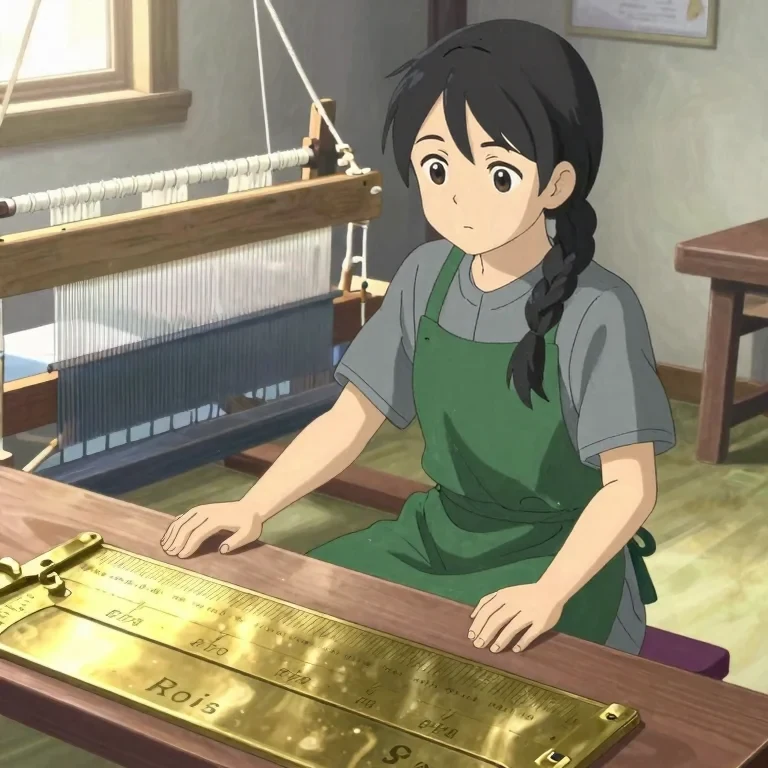
Rois was fourteen years old. She had dark hair in one braid over her right shoulder, a green wool apron, and a shuttle she kept in her hand even when she was not weaving, and she could set any warp in the valley. That was not a thing anybody had praised her for. It was a fact about the loom, in the way that a person can carry a half-filled pail without a handle. Her mother was Asta and wove the Salt on the long loom in the back shed with the door that stuck, and had done since she was nineteen.
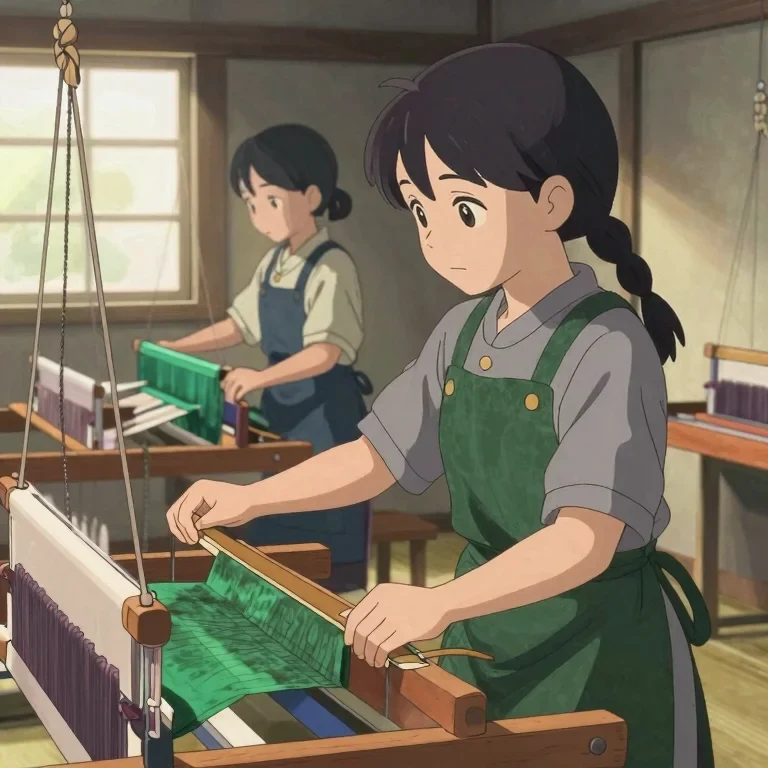
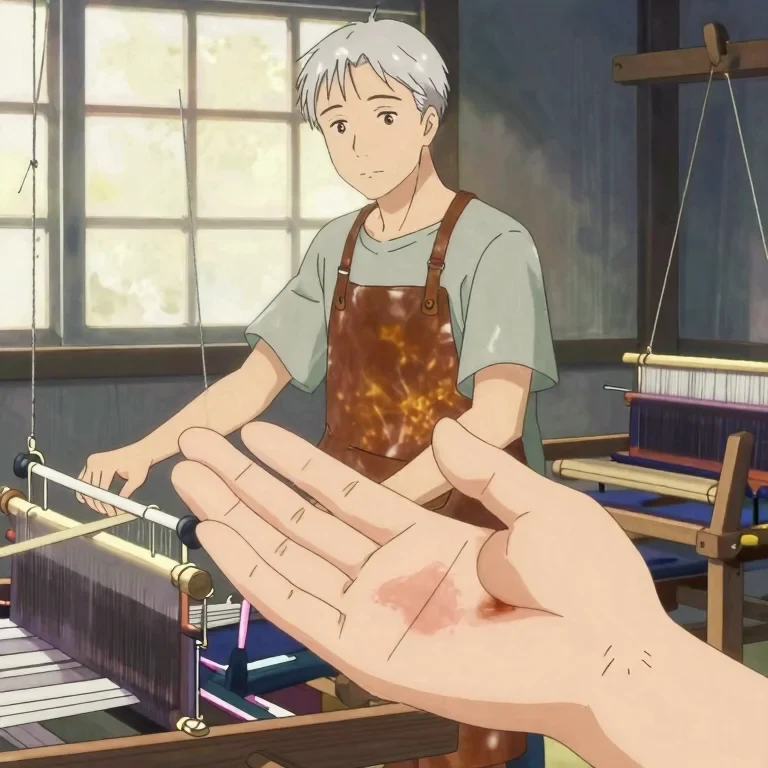
Ansel had taught in Corris for thirty-one years. He was sixty-one and thin, with white hair cut short, a leather apron the colour of dark honey, and a burnt place on his right hand from a shuttle he had never got right in fifty years. He taught four or five apprentices at a time, and he would not let a warp be beamed until it was right, and the valley had decided long ago that he was a good master. “A name is not a word you say,” he told her. “A name is an angle. If you are saying it instead of setting it, you have stopped weaving and started talking.”

The bolt came off Rois's own loom in the fourth week of the month after she was fourteen, forty-one yards of Green wind cloth, and it was sound. She checked it three times, thread by thread, and the cloth went round her arm and felt like cloth. And there was a fault in it, a diagonal break, a place where the cloth went thin along a line like a crack in ice. She found the first near the end. Then she found the second. Then she stopped looking and started counting.

The breaks came every fourth pick. She counted them the whole length of the bolt with a pencil on a board, and they went through at four, and at eight, and at twelve, and every fourth pick all the way down.
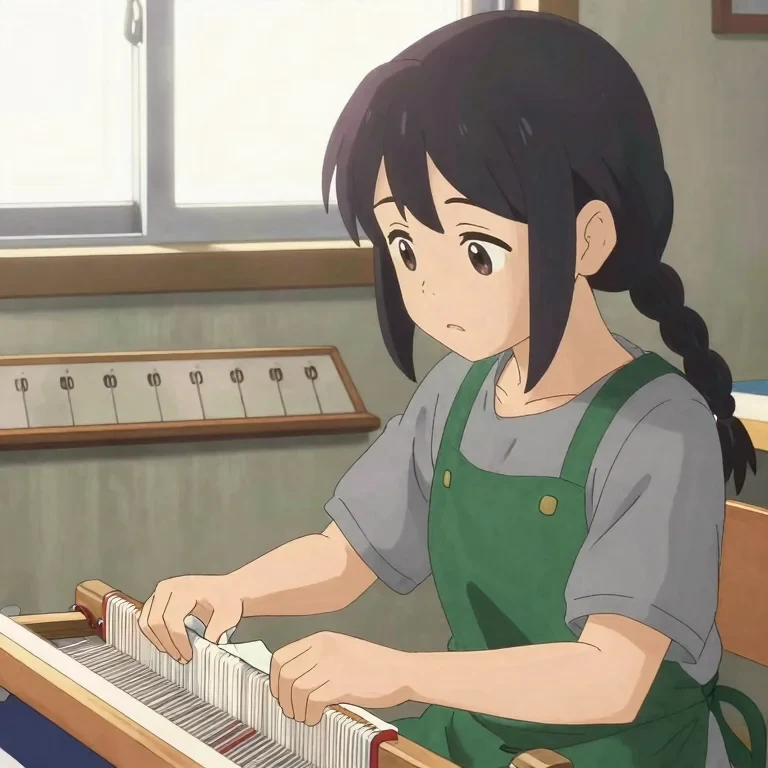
She told Ansel before the hour was out. He came and put his thumb on a break and turned it to the light, and stood for a while with his hand still on it. “The flax was drawn in the last month,” he said. “Tull has been drawing short since the frost lifted. It is a bad draw, and it makes a bad cloth, and it is nobody's fault.” “It is every fourth pick,” said Rois. “A bad draw does not keep a count.” Ansel looked at her. Then he said, “Then set it aside until the next Green comes round, and you will not say it at the shed.”

Rois did not say it at the shed. She said it at the wash, and at the mill, and to two apprentices, and to her mother. By the end of the month she had seen eleven bolts of Green wind cloth in the valley and the fault was in nine of them. She saw six bolts of the Grey and the fault was in five. She walked up to the high meadows and found a bolt there made by a man dead two years, with the same break at every fourth pick.
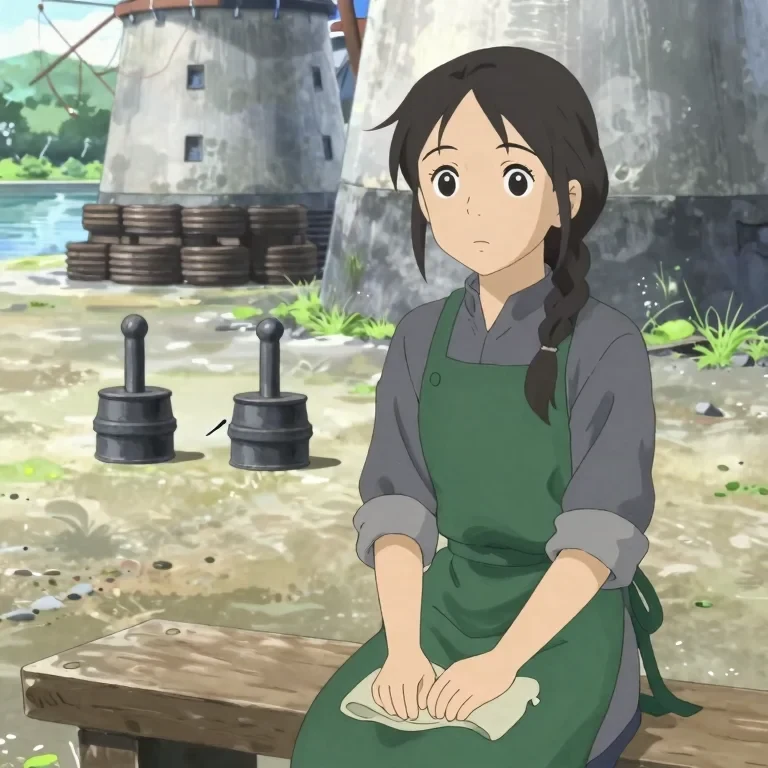
Then she sat down at the long loom on an evening and did the thing she had been turning over since the first week. She beamed a warp by the Green at the angle Ansel had taught her, the angle that was in nine heads in the valley, and wove twenty yards, and counted. Twenty-two breaks, every fourth pick. She came off the loom and cut the warp off the frame, and beamed the same warp again, bringing the threads round until the cloth came off solid, and wove twenty yards, and counted. None. She sat on the bench in the dark with the lamp and did it once more, in case the first had been a lucky day. None again.
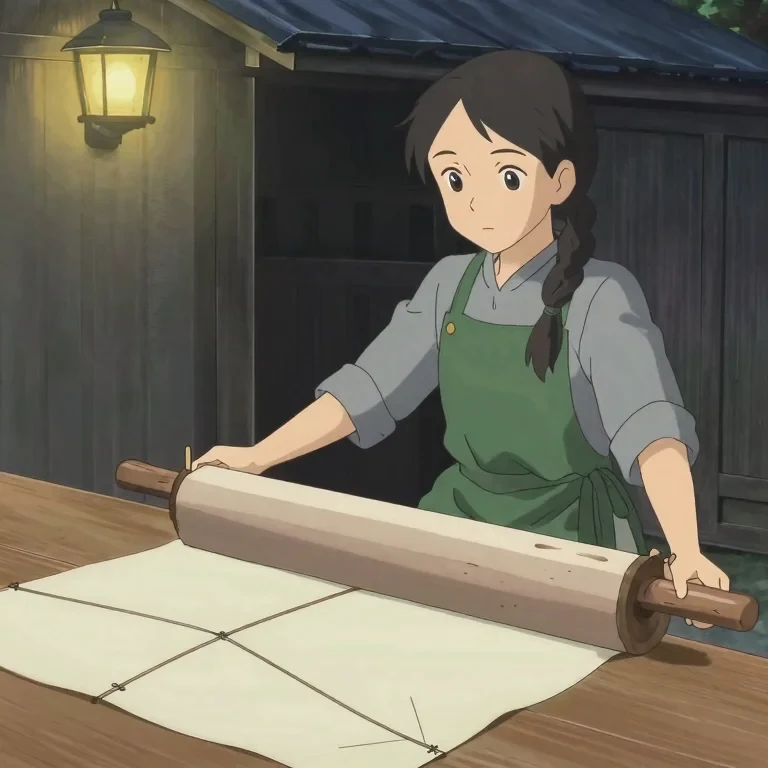
On the fourth morning she went to the shed and asked Ansel, and she asked it the way you ask a man for a thing you already know. “Master, the Green is not a bad draw.” “No,” said Ansel. “The Grey is not either.” “No,” he said. “Nor the Long Dry. I taught you the Green and the Grey and the Long Dry wrong, and I have taught them wrong for thirty years, and I taught them wrong to everybody who came to me.” He said it standing up with his hands at his sides, the way a man says a thing he has had ready a long time and is not proud of.

“Because of the water?” said Rois. “Because of Vernay,” said Ansel. “Not of the water. Come out and walk, and I will give you the arithmetic, because you will want to do it again on your own.”

They walked down to the weir, and Ansel talked the whole way, and did not ask her once to keep it. The river ran short in Corris from the middle of the second month. Vernay had four times the water and a mill that wanted the whole flow, and it bought cloth from three valleys and sold names to all of them. A valley that could name its own winds would not need to buy anything, and Vernay would have found it cheaper to buy the finished cloth than the cloth's only reason for existing. That was the first part, and it was the part that made sense.

The second part was this. Vernay bought Corris cloth as seconds. A faulted bolt, well woven, that would last a season went from a Corris loom to a Vernay counting house for a price that would feed a weaver for a year, and went out to be cut up for aprons and lining, and Corris lived on it. A sound Green bolt was worth more at the counting house, but the coast made the same cloth with water all year, and Corris was paid under half what it was paid for a faulted one.
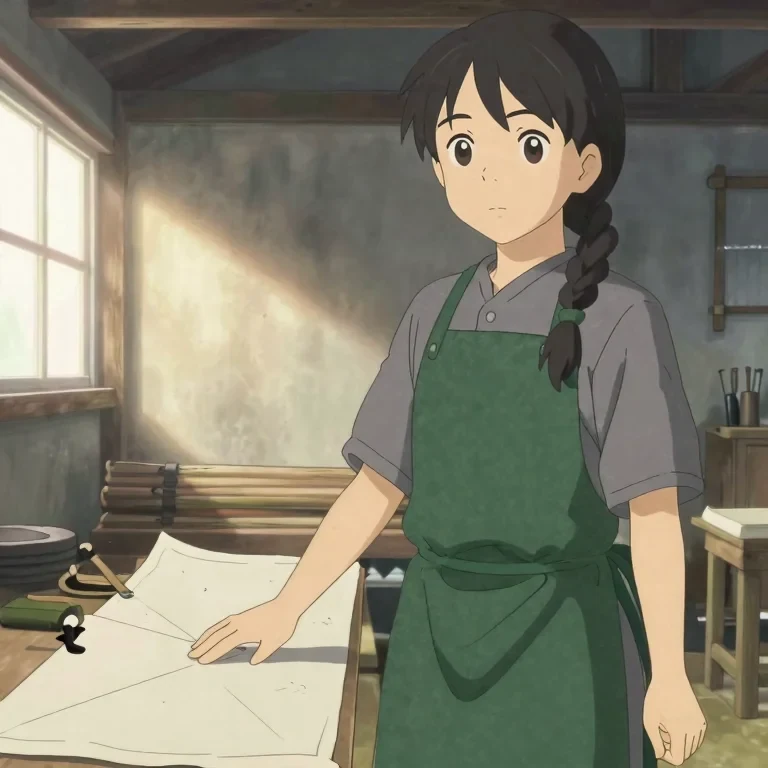
“They are not cheating us,” said Ansel. “They are buying seconds because seconds are what we make. If this valley set the Green right tomorrow, then in a year the Green would be sound in nine hundred looms, and Vernay would pay coast price for it, and the price of a Green bolt would fall by half inside four years, and there are four hundred people in this valley whose single skill is the Green.”
“The last one who tried was Sennet Fisk,” he said. “She was sixteen, and she set her own warp in the market at Ashlund, and a draper bought forty yards from her and was delighted and bought eleven more. The following spring Vernay put their orders to the two valleys above us, and the draper was told that Corris cloth was not to be had. It is not a threat. It is a buyer with a book, and there are three valleys with water.” “Sennet is a weaver still,” said Rois.
“She is a weaver in Ashlund with two looms and a bad chest and a name in two valleys,” said Ansel. “That is what I bought. Not with a lie, if you want it straight. With thirty years of a truth that is wrong, and a valley that had no way of checking.”
On the Thursday, in the shed, with the whole valley's apprentices in the room, Rois said all of it out loud, because the working week put them in one place at noon. She said it standing at the frame, and she did not say that anybody had lied to her.
She said the fault was at every fourth pick, and that it was in nine Green bolts out of eleven and five Grey bolts out of six. She said she had beamed two warps from the same flax on the same frame in the same week, and woven twenty-two yards on one and got twenty-two breaks, and twenty yards on the other and got none. And then she gave the number of degrees, which she had worked out over four nights with a protractor borrowed from the school, and said the taught angle was wrong by that much, in the Green, and in the Grey, and in the Long Dry. The shed was quiet for a while.
Then the master weaver of the second shed, whose name was Corven and who had been in the valley fifty years, asked Ansel whether he was going to stand there and take it. “I have had thirty-one years to say it and I did not,” said Ansel. “Stand where you are and take your own part of it, Corven.”

It cost what it was always going to cost, and it cost in the correct order. The first month, nothing. Pell came up in the autumn with the cart and the books were straight and the price was the price. Vernay bought everything Corris wove, faulted and sound, and paid the fault price, because faulted cloth was still what Corris made. The winter after that was the winter of the sound Green. Every loom in the valley wove it correctly, because Rois's four nights with the protractor were in every head in it by the end of the summer. Pell's cart came up in the autumn with a letter, and the letter set out what a sound Corris Green was now worth, and it was a little under half.

The Long Dry followed in the next summer and the Grey after that, and by the second winter there were eleven families in Corris with no buyer for what they could make, and the houses they had bought on the strength of the fault price were taken back. Asta's cottage went in the second spring. The loom went to a man in the upper valley who was glad of it. Asta wove the Salt for another house for eleven weeks and then did the washing for the Hallorans, and then the mending for the school, and then whatever came.

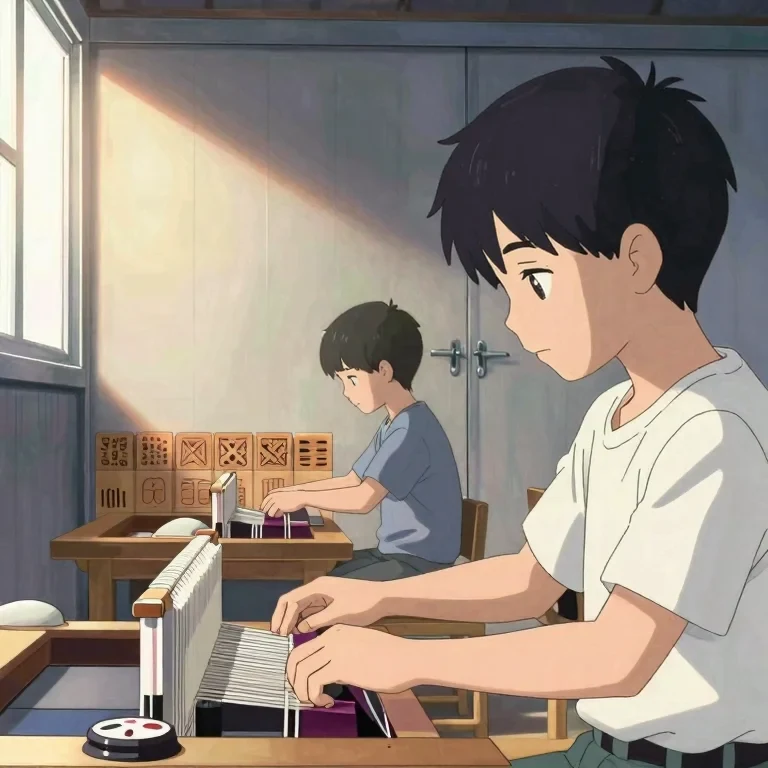
Ansel shut the shed that spring. He said nothing about it and nobody in the valley said anything to him about it, and the last apprentice in Corris that year was a boy from the mill, and he wove.
Rois was seventeen. She had the angle right for three of the seven winds, and the other four were right already. She took what work she could get, and the valley did not thank her. A year into it, a woman at the wash would not carry her basket, and said, when another asked her why, that the Green was the fault of somebody in the shed.

The last of it was in the third spring, in the back shed, with the door that stuck. Rois was beaming a warp for the Salt, and Asta came and stood in the doorway with her arms folded, and neither of them said anything for a while. “You have my mother's cottage in it,” said Asta, “and my mother's loom in it, and I am not going to pretend that I do not know where it came from.” “I know,” said Rois. “And you would do it again.” “Yes,” said Rois. “That is the part I cannot get past. It was true, and it was mine to say, and I am the one who has to go down the lane with it every day.”

Asta looked at the warp on the frame for a while. “A thing kept back from you may be the reason your street still has a trade in it,” she said. “You cannot have that and have the other thing. That is the whole of it, and it does not get cheaper, and nobody is going to thank you for choosing right.” Rois went back to the beam and put the shuttle down into her hand.