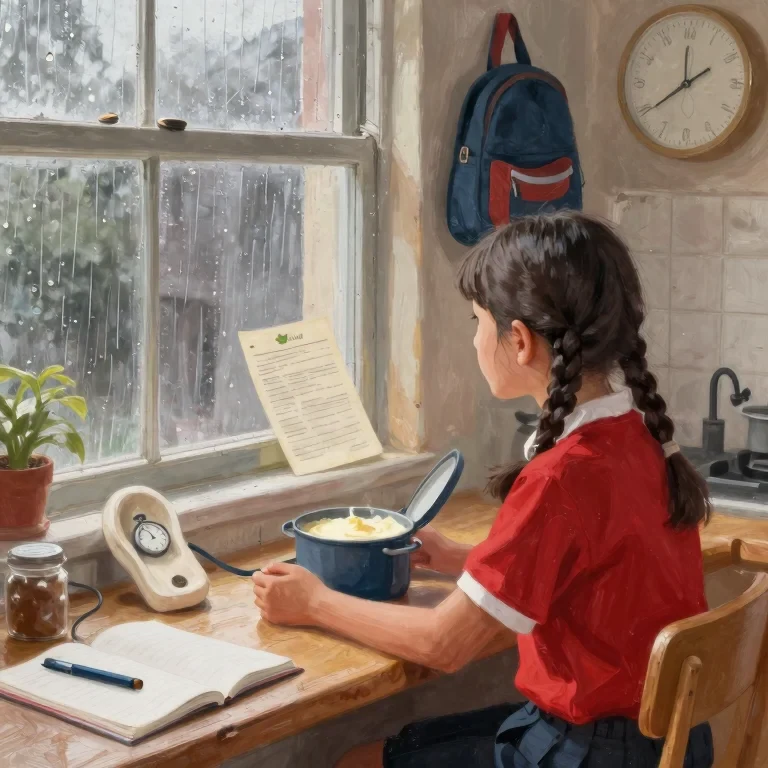
The letter had been in the second drawer of the kitchen dresser since the spring of 2019, and Anahera Ritchie knew it was there the way you know where the light switch is. Her name on the letter was spelled correctly, which she resented. It said: syncope following immunisation, aged four. Not a reaction to the vaccine. Fainted in the practice waiting room, recovered within two minutes. See your GP before any further immunisation is given.
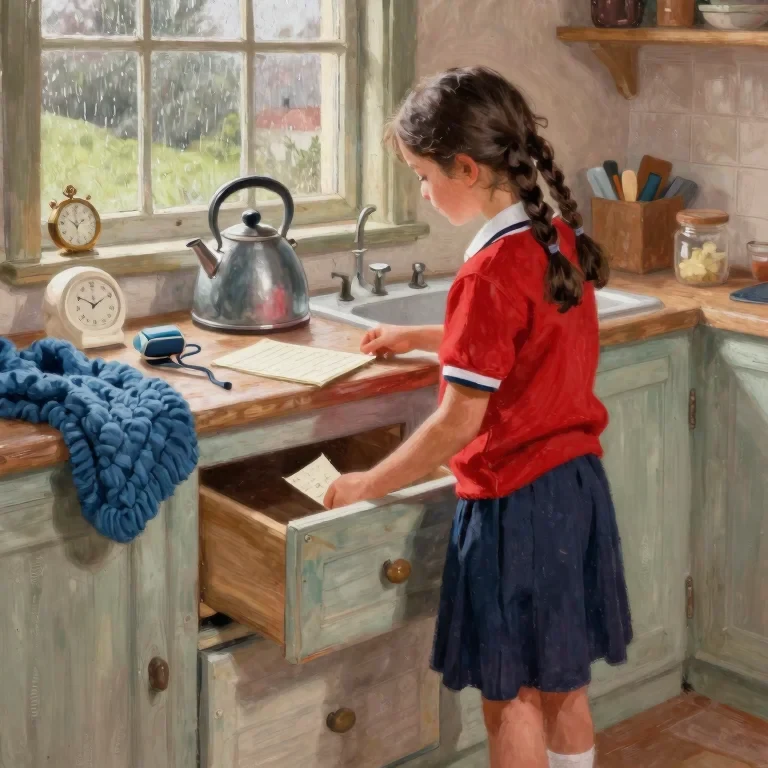
She had been in the next room with the door ajar, so she had to be told about it afterward, and being told about it meant her mother's voice going up in the way it does. It was the front room at the medical centre on Goodhue Street. What Anahera remembered was Hine's face and not her mother's. The needle was not the part she remembered. The sting was nothing. She remembered the half second before it, when the nurse took the skin flat and said hold still, and her stomach came up into her throat and the light got smaller at the edges.
Hine Waitoa had a four month old boy called Wiremu and she talked about him the way other people talk about the weather. She said it in order, because Hine did things in order. About a hundred babies a year go into hospital here with whooping cough and nearly all of them are under a year old, because a baby cannot cough hard enough to get the thing out of its chest, so the cough goes over the ribs and takes the breath away eight or nine times in a row. It is at its worst in the first fortnight, and by then the child is spreading it round the gate.
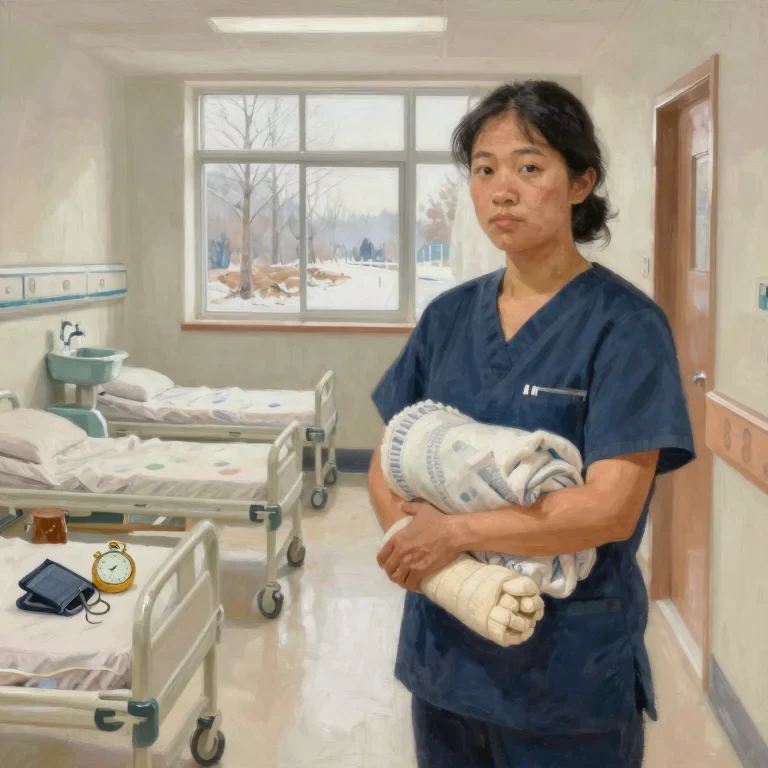
And here is the part Anahera did not want. The babies are not the ones catching it. They catch it off the school, off the family, off the grown-ups and the big children who feel fine and have coughed for three weeks. Hine worked on the ward in Palmerston North and had a six week old in a humidity tent for twenty days in a February.
Then the arithmetic, at the kitchen table, on the Tuesday before. Anahera's last needle had been the four year one and the next was the eleven year one, so there were seven years in between, and they were not a break. They were an answer. What the four year booster gave her had gone down over those years the way a battery goes down in a drawer. Hine wrote the numbers on the paper placemat so her mother could not say they were made up. Four years, last dose. Eleven years, this one. Forty-five years, the next one in this family, which is the tetanus-only one, and that is the one that matters most for a nail in a garden and a child.
The eleven year one had appeared on a school calendar and she did not say why. 2018. The government put it in because whooping cough was climbing in the grown-ups. The year it started, the babies in Hine's ward went from four a month to about one. The older ones went up, because that is where you are catching it, and the older ones are the ones the needles went into. Anahera's mother said, “Then that is the whole reason,” in the voice that had already won, and Anahera said the thing she had been holding in all day, which was, “I do not care what the whole reason is, I am not having it.”
Wednesday morning, and the rain of the kind that does not fall so much as sit in the air and wait. The cream went on at twenty past seven, on the top of the left arm, and the leaflet said an hour, which meant the longest part of the whole thing was sitting still in a cold room with a numb arm not sure whether it was numb.
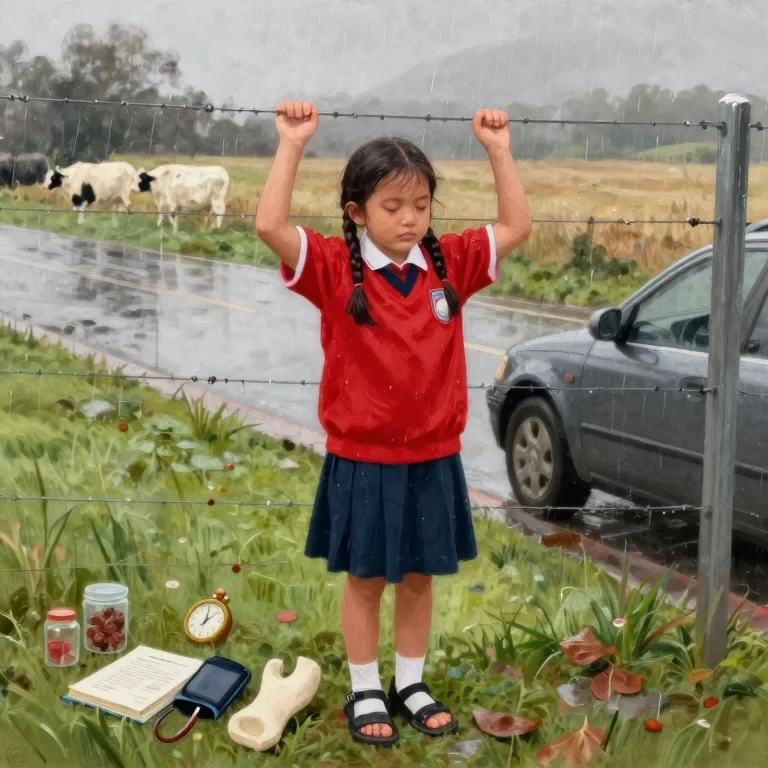
Her mother drove and the radio was too loud. On Rangitikei Street Anahera said she felt sick, and her mother pulled over at the dairy, and Anahera got out into the rain and stood at the fence and breathed, and her mother came out and stood on the other side, and neither of them said anything at all, which was better than saying it.
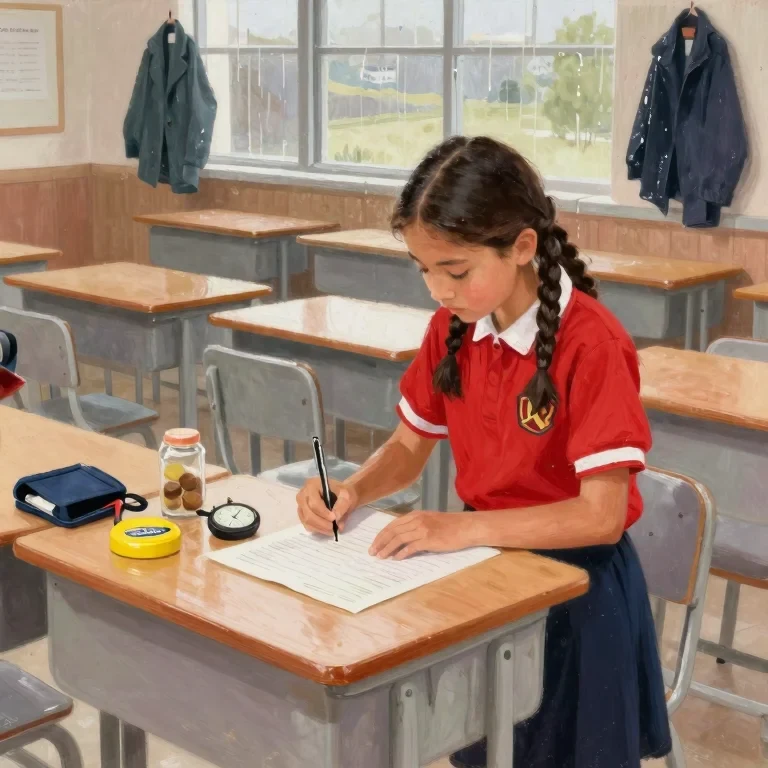
The hall smelled of floor polish and wet coats. There were twenty-two chairs in a row and a yellow lidded sharps tin on the table at the front, which was the only object in the building that frightened her. The form went on the table by the door, third row of the tray, which is where it belonged. Then the line. The line went girl, boy, girl, girl, boy, all the way down, and each one took six seconds. Two taps of the cotton, two taps, the plaster, finished. The boy in front of her had his sleeve down over the plaster. The girl in front of her said it is fine, and sat down.
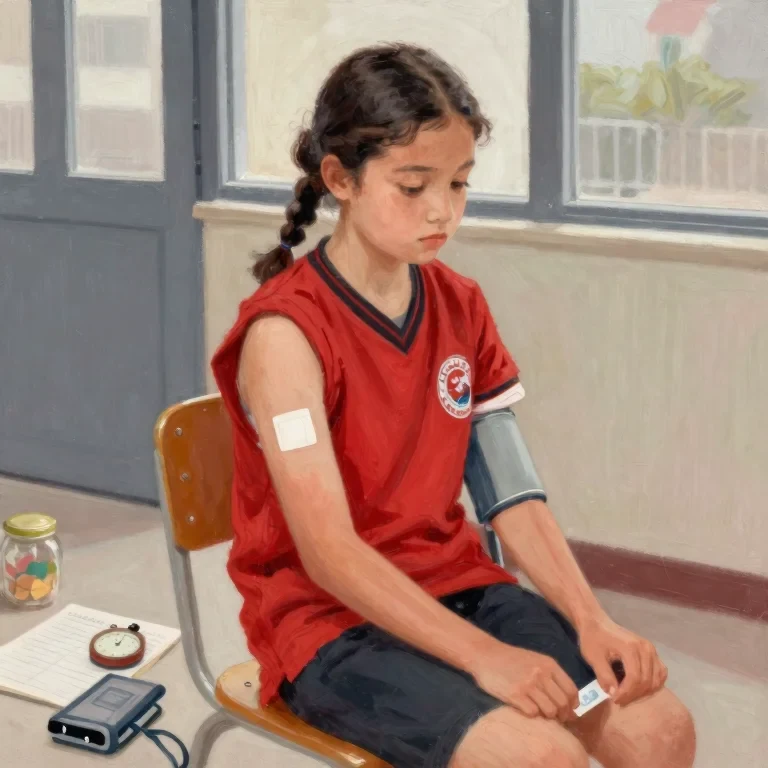
Then it was her. The taps took two seconds each and the plaster took four and sitting down took a minute and a half, and from the front of the line to the chair by the door was nine minutes. Hine did the whole slow version. She put the card on Anahera's knee and wrote on it, and she said the year, the name, and the left arm out loud, so that there was one more thing in the room than just the fear. Then she took the skin flat with her thumb, which is the exact thing Anahera had spent seven years unable to think about. “There,” Hine said. “It is done. Breathe out.” The cold went in, and the arm went away, and that was the whole needle. Anahera had given it eight or nine seconds in her head and it had four in it.
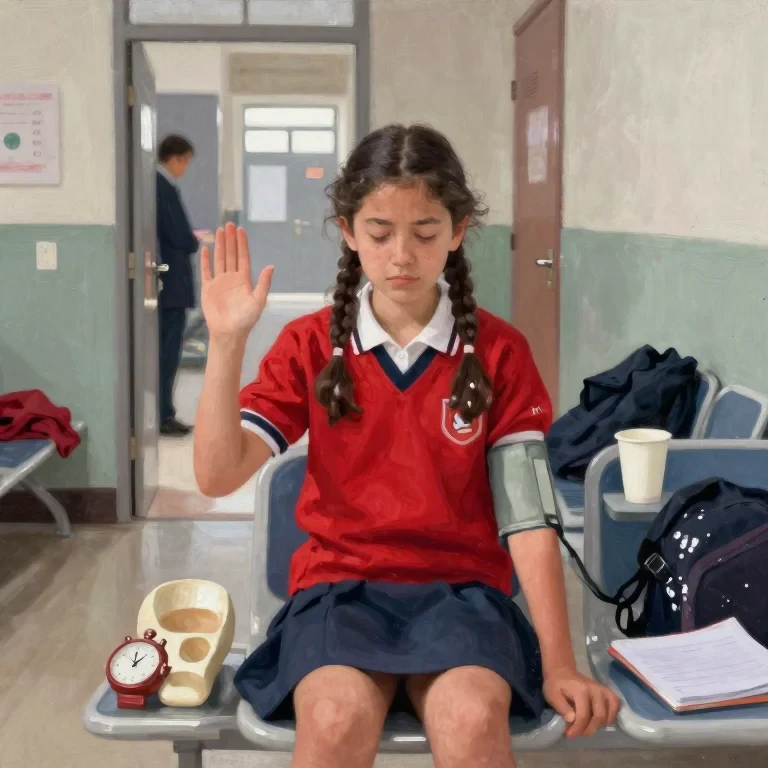
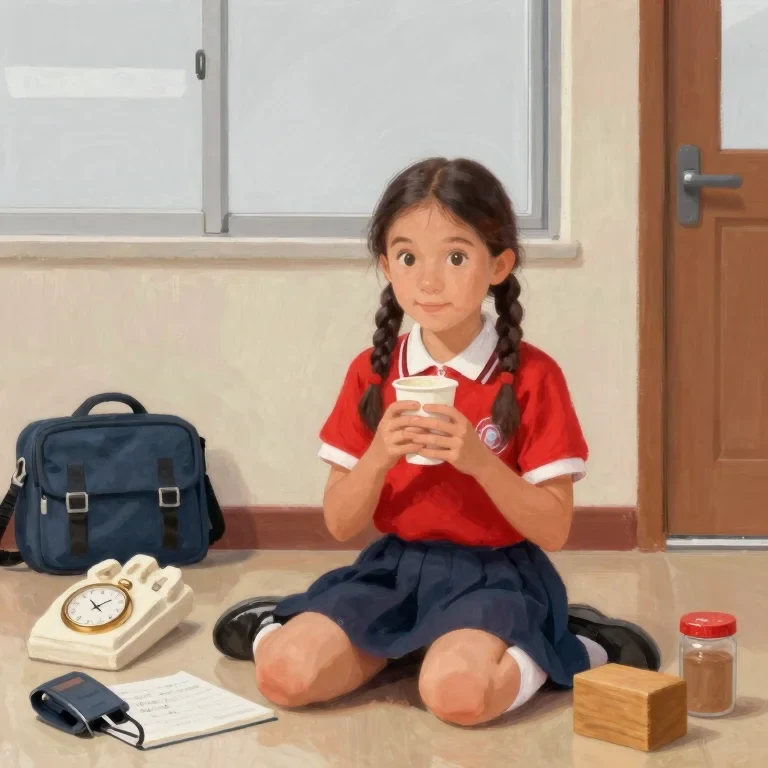
Hine put her in the chair by the door with a paper cup of water and the wooden block, which was the one from 2019, still in the same corner of the room, which Anahera noticed and could not say a word about. Twenty minutes, because of the letter. Nobody else in the hall stayed twenty minutes. The rest of them went out in tens and came back at break and were loud about it.
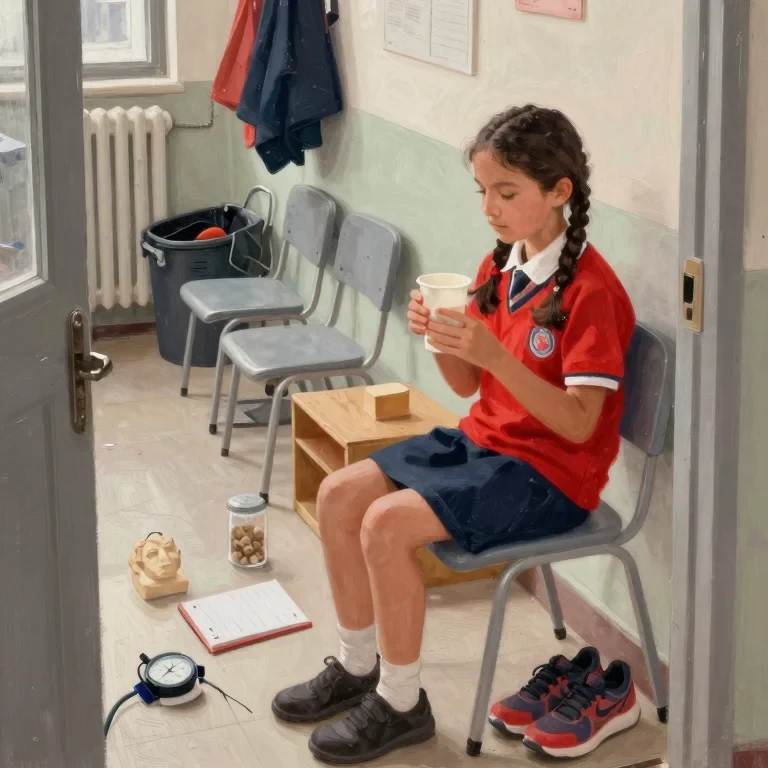
She did not faint. She wanted to. Around minute six she wanted it the way you want to sneeze, her ears went to cotton and the floor tilted half an inch, and Hine said, “That is the third stage. Breathe out, do not breathe in,” and Anahera breathed out, and the floor came back, and nothing else happened. She sat there another fourteen minutes holding a paper cup, the only person in the building who was disappointed.
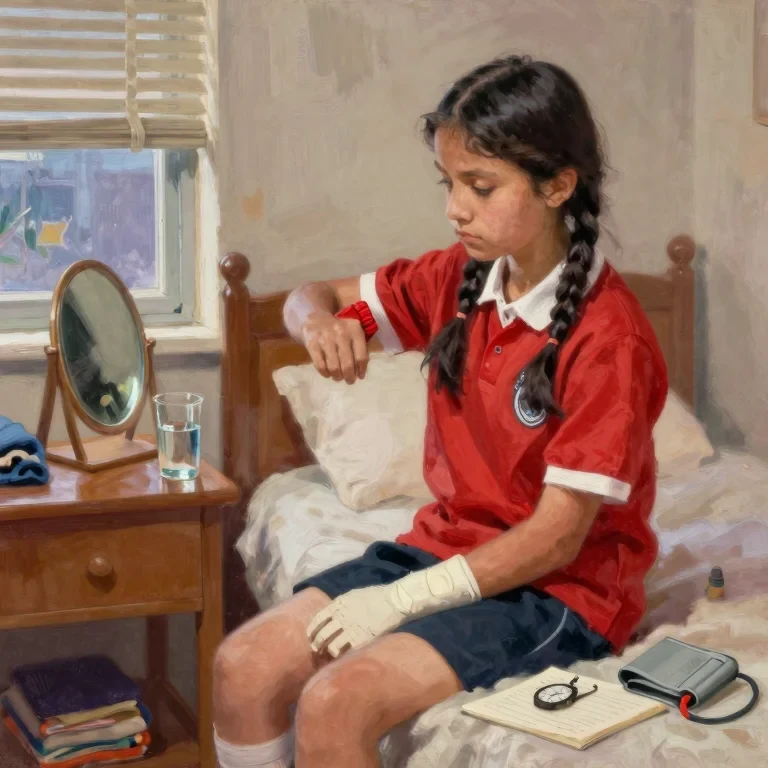
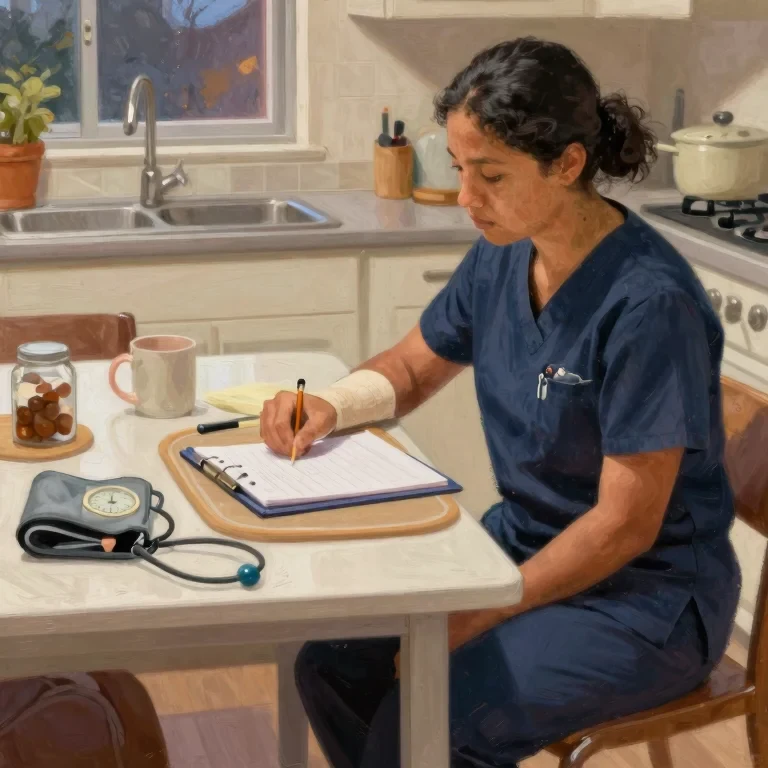
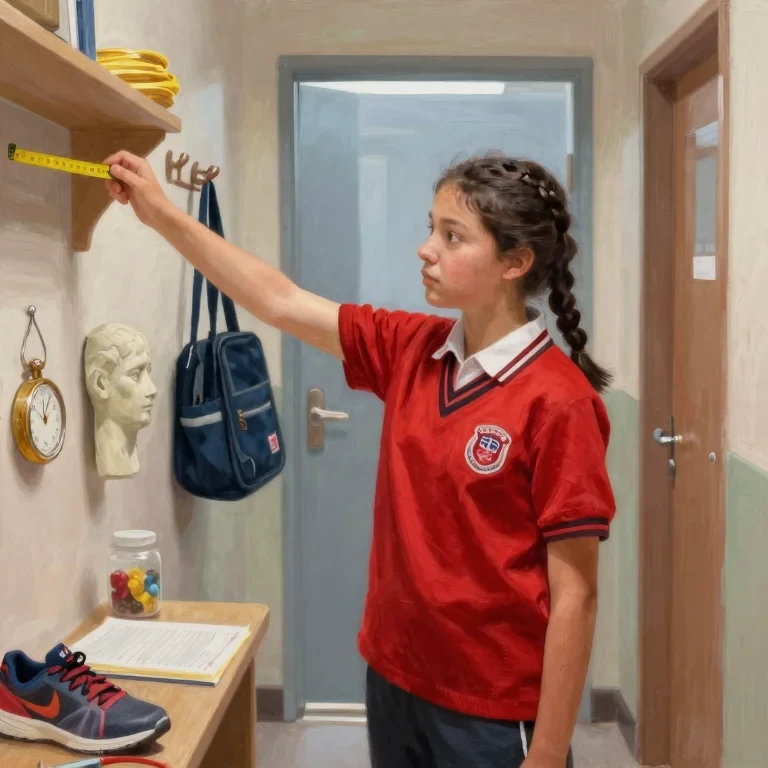
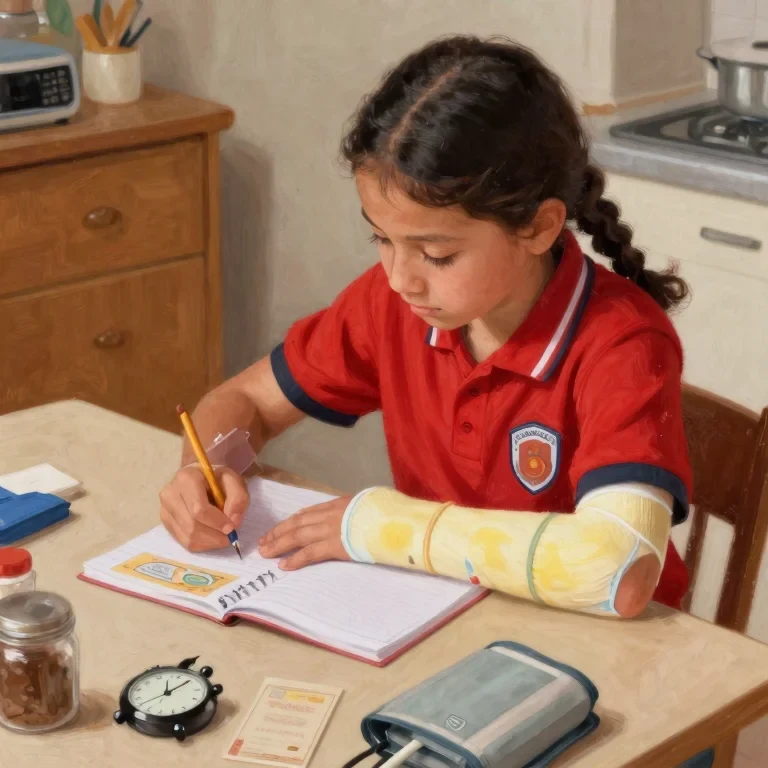
Thursday, the day the arm came up, and the day the thing she had been carrying for seven years stopped being about fear and started being about arithmetic. The arm measured 13 centimetres across and 9 on the other side, which she measured with her mother's tape twice, because the first time she did it wrong. It was hot in the middle of it. Her temperature was 37.4 in the morning and 38.2 at eight at night, and her mother wrote both numbers in the kitchen notebook in pencil, in the column she used for the baby.
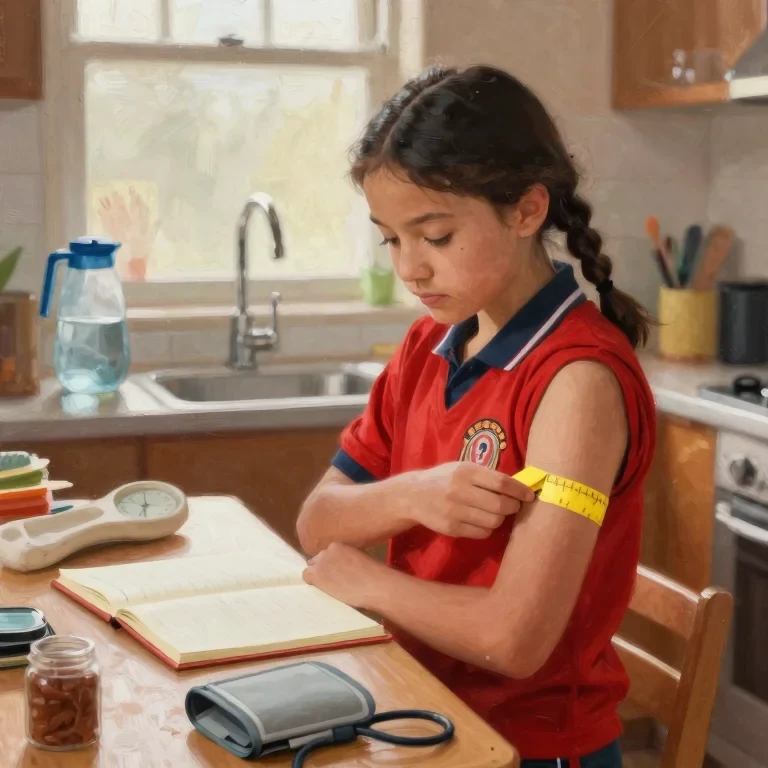
This was worse than 2019. That was the sentence that made her put the tape down and sit on the step. She had a memory of 2019 being the worst thing that had ever happened to her arm, and now she had something worse, and it was because the needle had worked.
And here is the argument, which took two evenings and most of a loaf. Anahera's position, which she held for two full days, was that her arm was the scoreboard. The needle went in, the arm came up, the arm is how you know. She had numbers now, 13 and 38.2, and it was worse, so it must be worse, or it must be better, but it was definitely a number. Hine's position, which she laid out on the table with a mug on each corner, was that the arm was the delivery and the scoreboard was somewhere the arm could not reach.
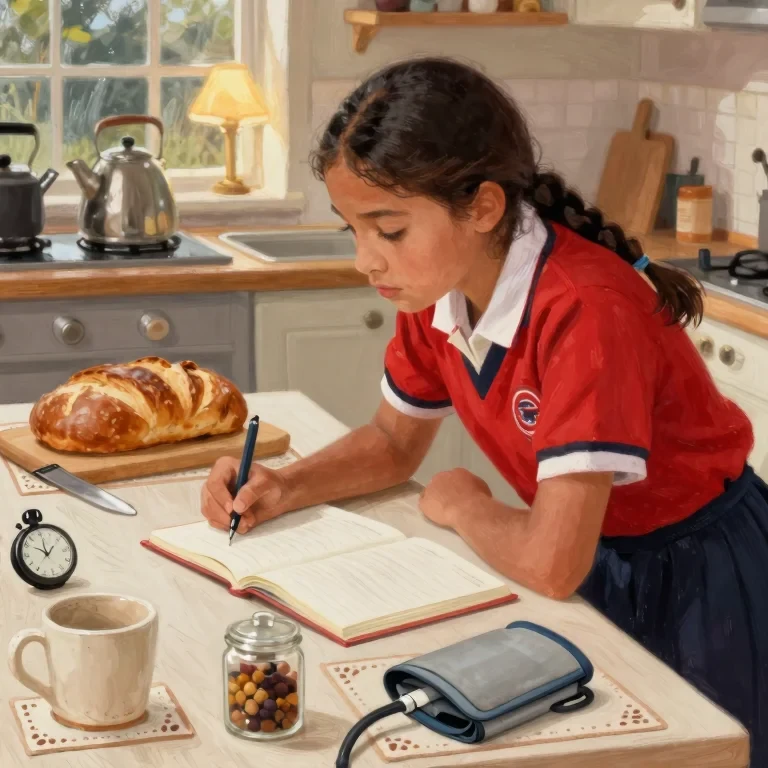
The sore arm is a local thing. It is the tissue round the injection site complaining about the needle and the salt of what was in the syringe, and it is real, and on a booster it is often bigger than it was the first time. The second dose is not a repeat. It is answered out of a memory, and the sore arm is made of the ordinary cells, not of the memory ones.
And the part that answers is the part you cannot see. The first time, a body has to learn a whole new thing, and that takes weeks. The second time it already knows, and it can have antibodies standing up inside a fortnight, and that fortnight is why the tablets after a house case have to be swallowed inside a fortnight. Hine's finger went down the placemat. The register in the folder has three rows filled and a blank one, and the blank one has her name on it, and the date, and the batch, and the name of the nurse, and the site. The left deltoid, which Hine had said out loud in the hall so that it would get written down.
And here is the number that does not exist. Hine's voice did something on the word that Anahera had not heard her do before. There is no way to check it. There is no blood test. The clinic will not do one, not because they cannot, but because the reading would not change what happens next, and the day the number came back low would be the day she got the same needle anyway. So the scoreboard does not exist. The scoreboard is a 13 centimetre arm, which is the delivery fee, and 38.2, which is the delivery fee, and two days off school, which is the delivery fee. The result is fourteen days of something her own blood did without her.
Anahera's mother said nothing for a while, and then she said the thing Hine had been waiting for her to say, in the voice she uses when she is not being told anything. “You said none of it was a reaction. To the vaccine.” “No,” Hine said. “That was never the vaccine. That was the fright. The fright is the only thing in this business with a name and a number and a floor you can watch somebody go white on. The needle was never the ready part.” She turned the placemat around to the last line, which she had not shown either of them. “The ready part happened in 2019, in her own blood, while she was asleep at home with the door ajar. That is what is ready. Not her. The other one.”
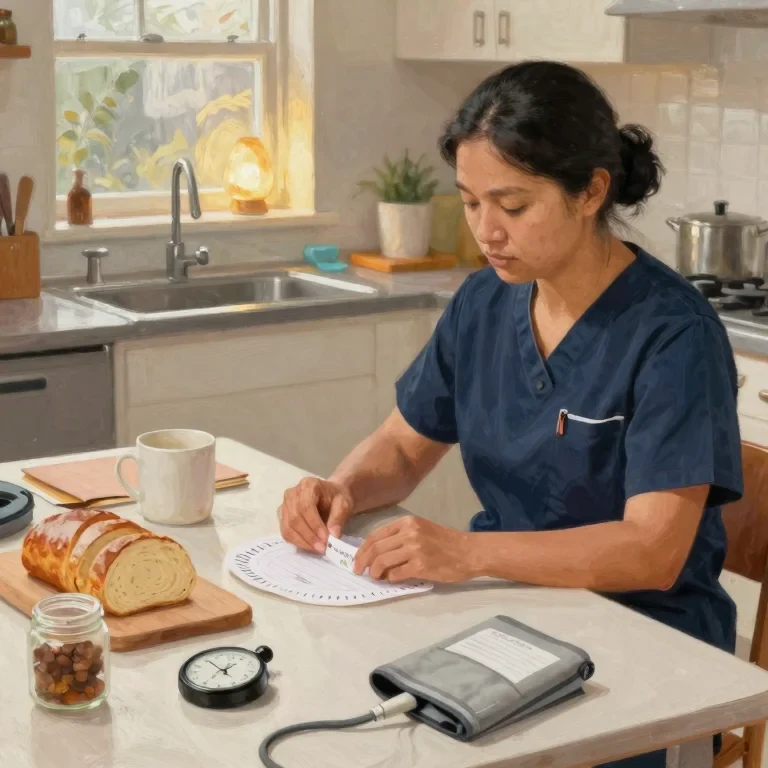
The card went back into the clear plastic sleeve, at the front of the kitchen notebook, on the page with the birth certificate. The notebook belongs to her mother and her mother is not tidy, so it will be there. The arm was still sore on the Sunday and the plaster had gone yellow at the edges, and the number in the column was 38.2 and the number with the tape was 13, and both of them were true and neither of them was the result.
The next one is in 2037, and nobody will go and get a letter out of a drawer to show the child. Anahera has decided she will be the one who says it out loud, for whoever. She has not decided how. She has decided that it will not be said with a face, and that the cream goes on an hour before, because the leaflet says an hour and the leaflet is the only thing in this story that has never once been wrong.