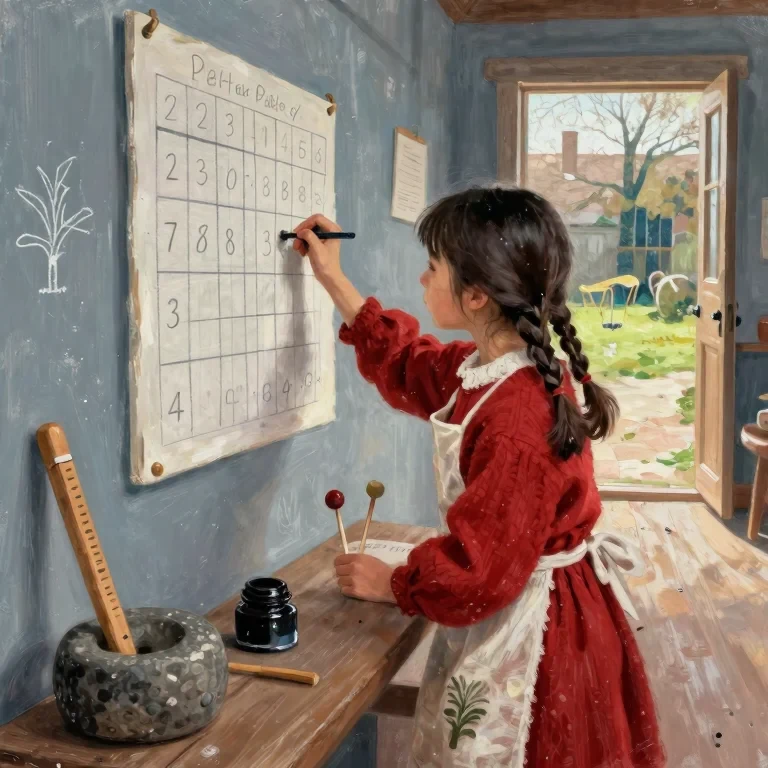
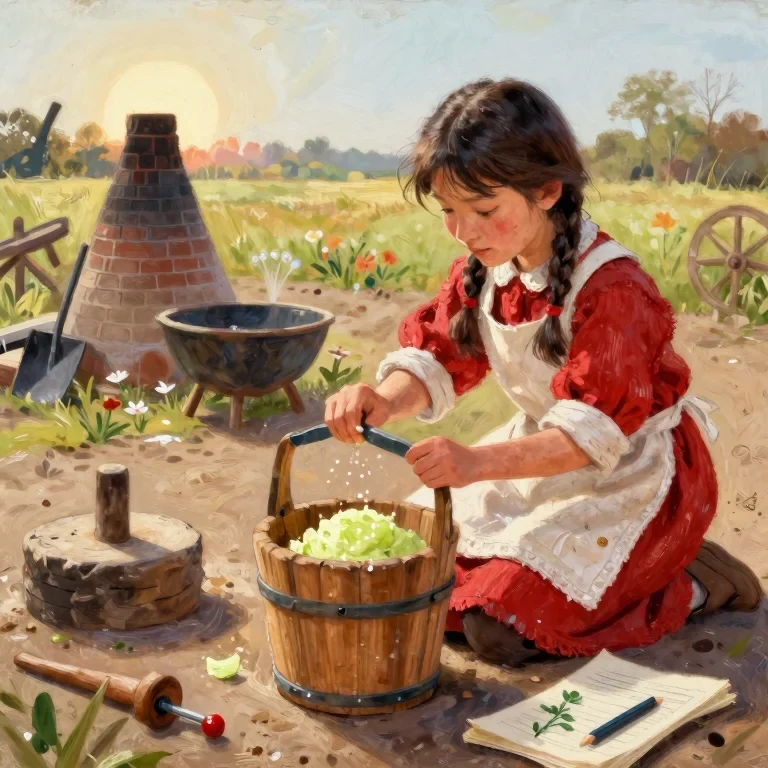
Nell was ten, and she stoked the lime kiln at Black Bank for her father from six in the morning until the kiln was done. The kiln was a mound of brick and rough stone, twenty feet high and the shape of a wasp's nest, with no door in it. The broken limestone went in at the top, in barrows, tipped over the rim. The fire went in at the bottom, under an arch at the front that Nell could crouch at and reach into with a poker.
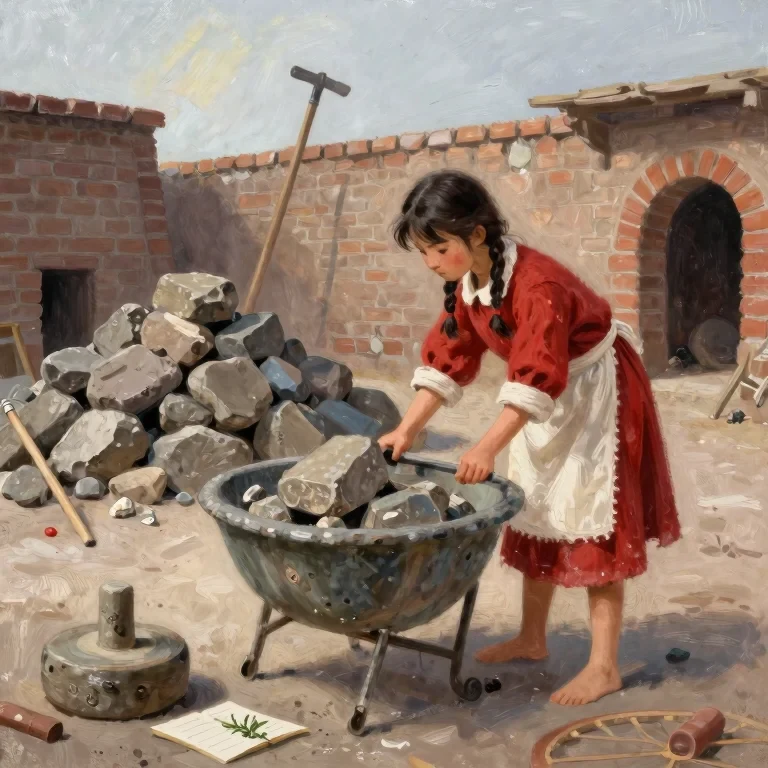
The kiln burned five days and five nights without stopping. Nobody put a cold shovelful of anything on it. It ate its own wood from the fires underneath, and the fires ate the stone above.
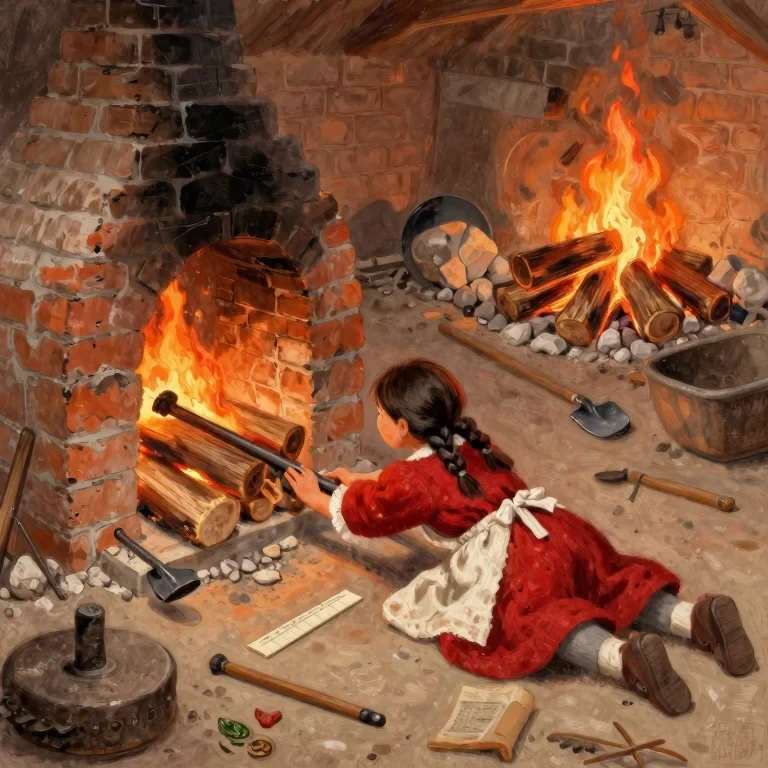
Limestone comes out of the ground as stone. It comes off the kiln as lime, and that change is her father’s whole trade. Of every hundred pounds of stone that goes in, fifty-six pounds come off as lime. The other forty-four pounds is a gas, and it goes up the chimney, and nobody has ever sold it. Nell could work that out in her head, and her father made her say it out loud every Saturday. The stone came in broken to the size of a fist, because a lump left whole in the middle of the kiln stays raw.

That autumn her father had forty-one barrows of stone broken by the gate, and a contract to deliver lime before the end of the month. So he burned hot. He fed the fires every hour and pulled the air out of the eye with a long iron hook. Nell was the one who went into the eye with a barrow to draw the lime off the bottom, once a day, while the fire was banked.

The first day the lime came out pale and soft and flaked into the barrow. On the fourth day it came out grey and heavy, in hard lumps with a grey skin.
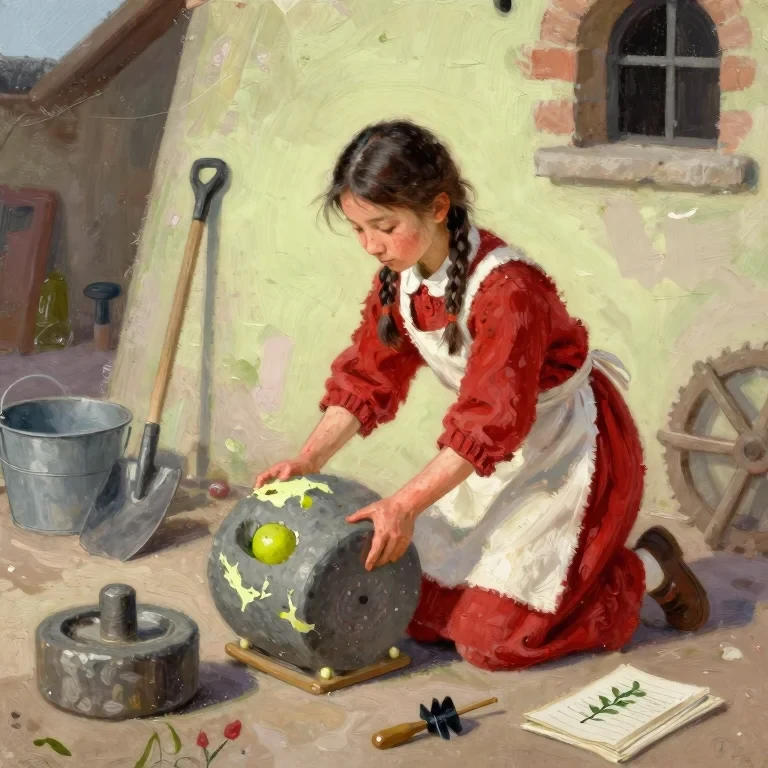
Lime that has been burned too hard is called dead lime. It is heavier than good lime, and it will not take water. Good lime hisses in the bucket, swells, and goes soft in under a minute. Dead lime sits in the water like a stone and must be poked all day. Nell put a fistful of the grey lime in a bucket and waited. The water went warm and then stopped being anything.
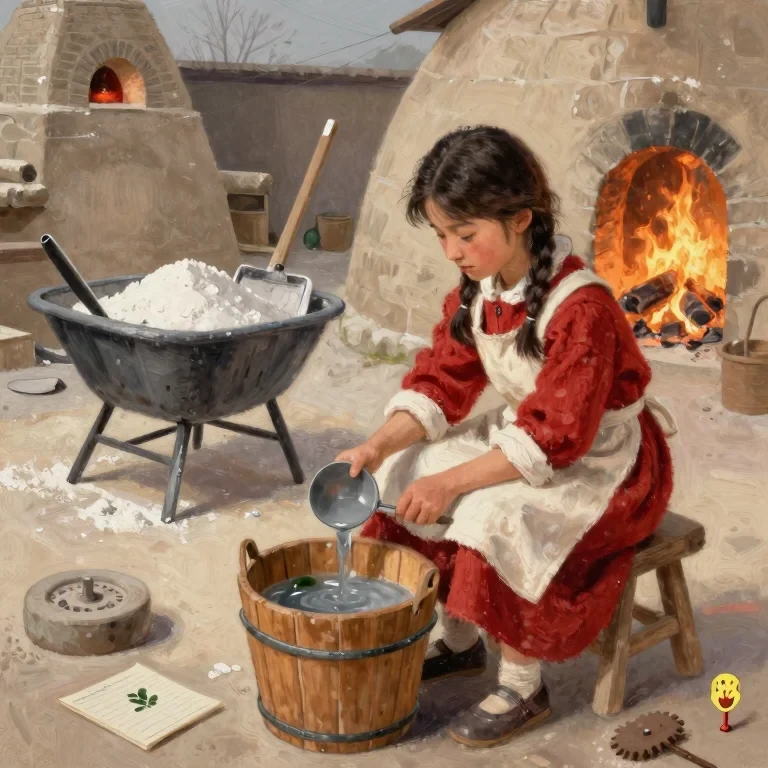
The draught comes in at the eye, at the bottom. It goes straight through the front of the kiln and up the middle, where the fire is fiercest. So when you feed a fire hard, the bottom front burns first and burns hardest, and the sides never catch the heat. The top of the charge is still cold stone when the front has turned to dead lime.
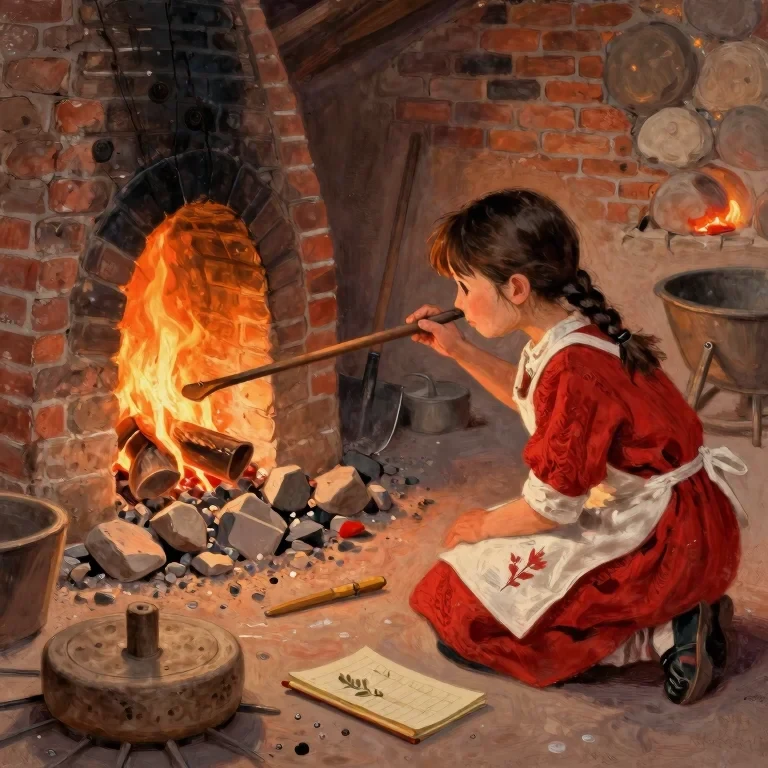
A fast kiln wastes the bottom and leaves the top raw. It is not a quicker kiln. It is the same kiln with half of it spoiled.
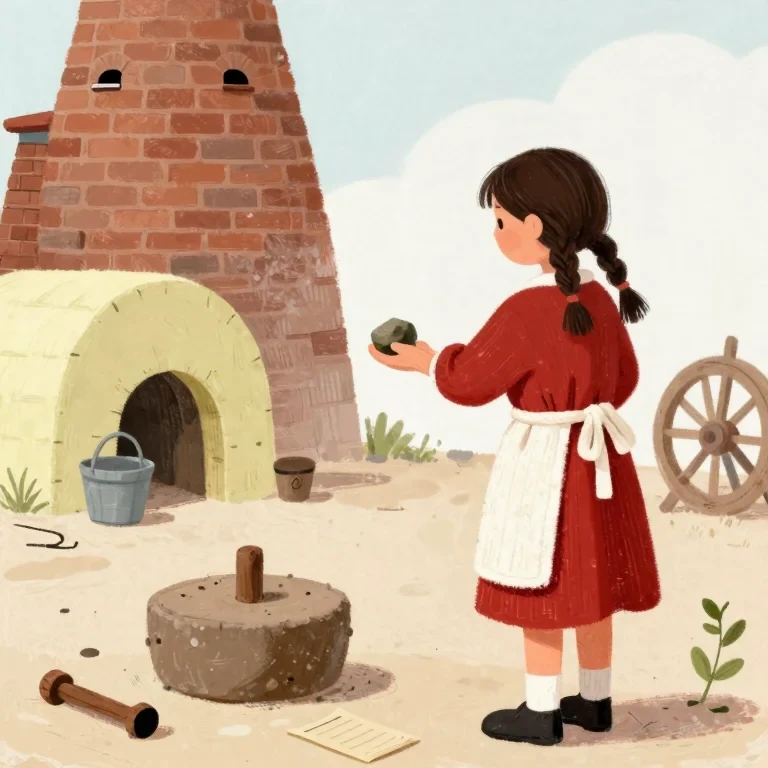
Nell kept two tally sticks hung on the wall by the door. One notch for every barrow of stone charged in. One notch for every barrow of lime drawn off. The stone stick had forty-one notches on it. The lime stick had twenty-two. She did the sum on her fingers that night. Forty-one barrows ought to give twenty-three of lime, so they were one barrow down, and nobody had lost a cart.
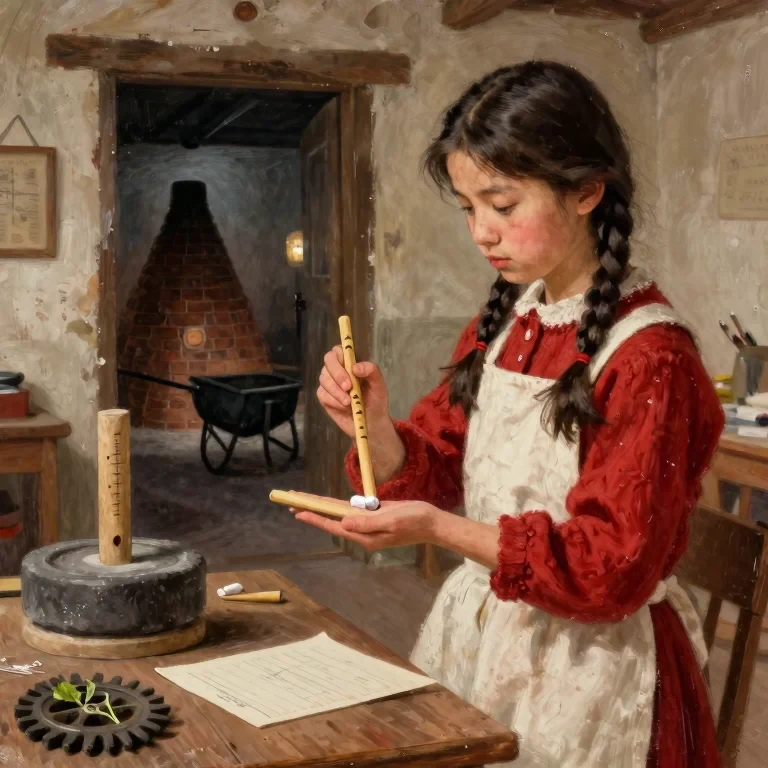
She mended the kiln on a Sunday night, when the fire was banked down to nothing and the eye was only warm. First she raked the whole fire out of the arch and carried it away on a barrow. Then she waited until the bricks at the eye were only warm. Then she packed the arch with limestone rubble and mortar, and set a flat iron plate across the front of it on edge, so the arch would not burn through.
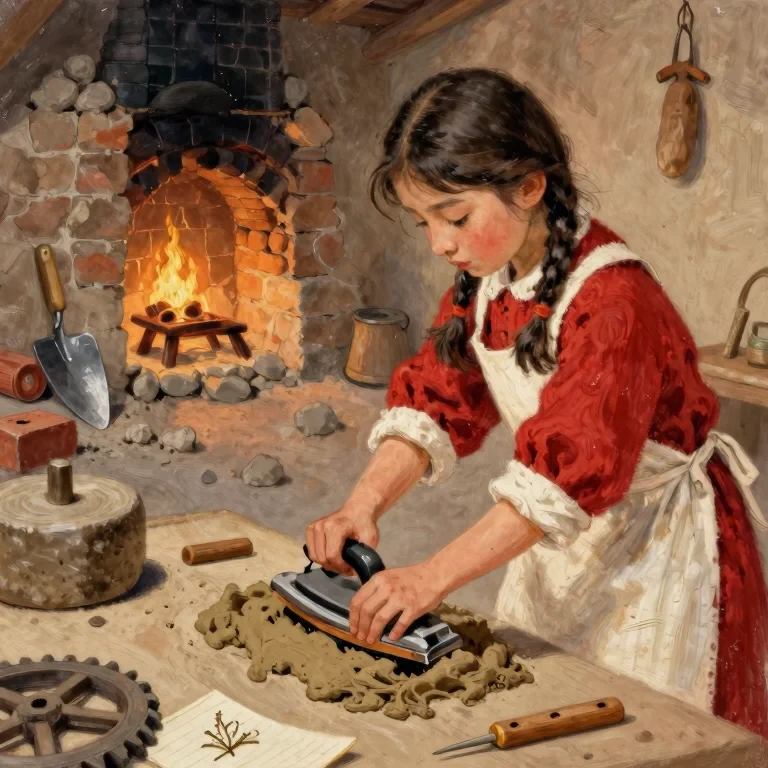
After that she choked the eye with one stone and half a barrow of rubble, so the air could come in slow through the gaps. Her father asked her who had taught her that. She said she had watched where the fire went, and it went where the air went.
The kiln burned six days that time instead of five, and Nell fed the fires every two hours instead of every hour. The lime came off the bottom pale and soft again, and it hissed in the bucket and swelled up over the side of it. But the two sticks still did not agree. The stone stick had forty-one notches. The lime stick had twenty-four.
Nobody weighed a barrow, before or after. A barrow of lime is heavier than the barrow of stone it came from, because the stone left its gas behind, and they were counting barrows. Nell wrote twenty-four on the board, and her father wrote twenty-three under it, and he did not rub hers out either, and both numbers have been on that board every week since.