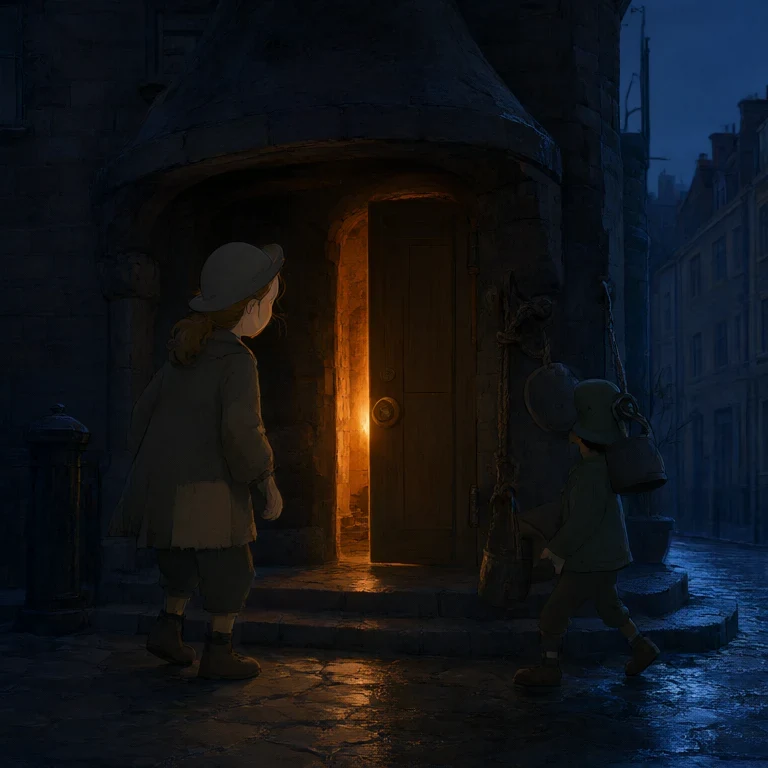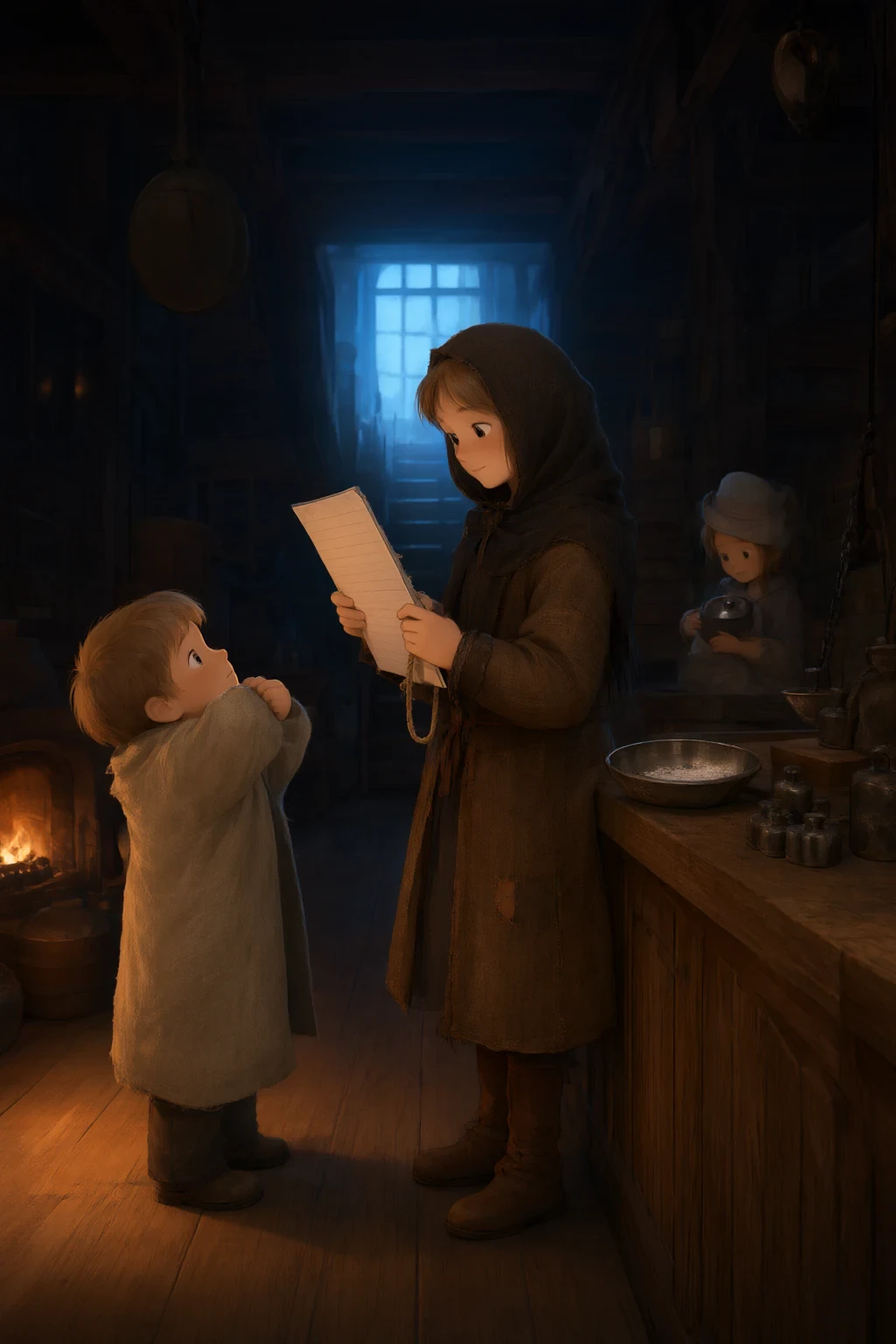
The arrears came to Emberwyke in January and stayed. Coal at the Coalquay went up to a price nobody had seen, and the licensed coal stopped stretching, and by February there were houses on the Rope Walk where the fire was let go again before the keeper came. Bess Tallis, fourteen, kept the boards for numbers 208 to 220 on the Rope Walk, and carried her slate on a loop of tarred twine under her coat, and checked it in doorways the way other children check a hand. Two hundred board-keepers, and she was the largest.
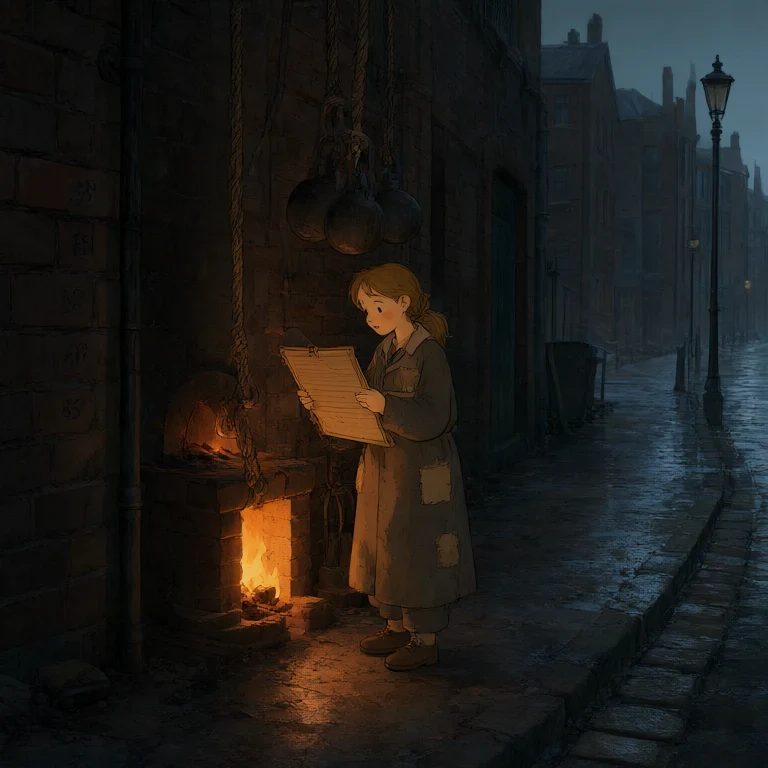
Number 214 was the only clean board on the street, and she found it herself, on the ninth of February. The right-hand column is the ash, the left-hand is what the fire cost, and all winter on the Rope Walk the ash had run below the cost. On 214 it ran the other way. Every night. Eleven weeks.
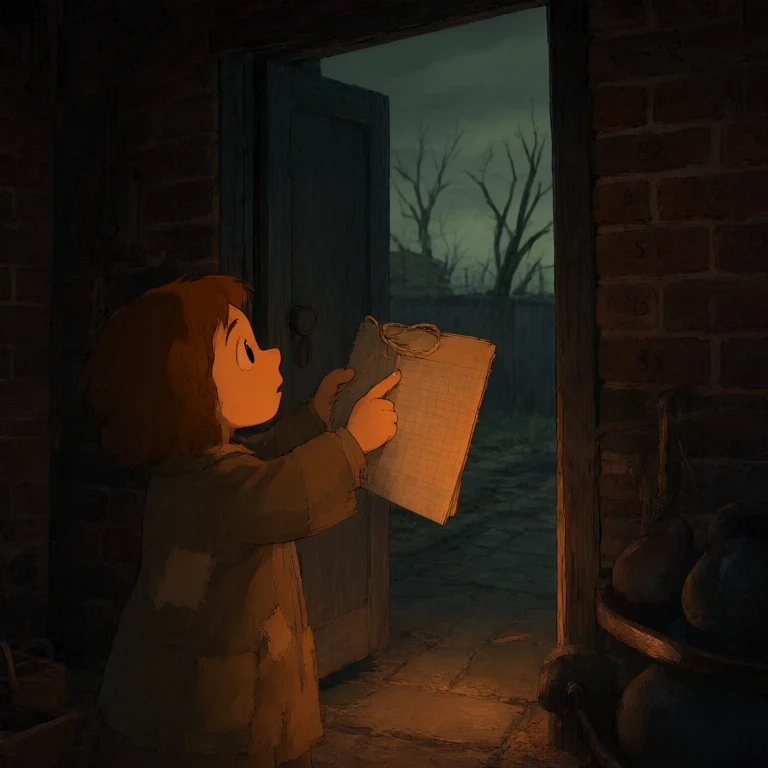
A house that is not burning makes no ash. Ansel Rew had died in the fog on the ninth of October, and the fire had gone out with him. Which left Pip Rew, seven, his grandfather’s board-keeper since the September, alone in that house with one thing he could do about it.
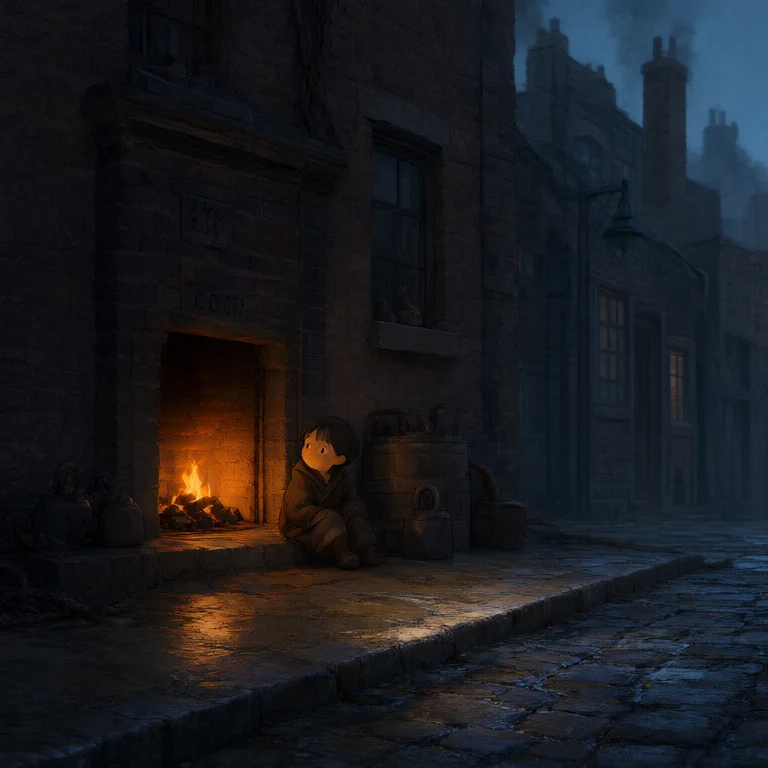
The hearth-master came up the Rope Walk on the eleventh, in a good coat buttoned to the throat. “The season closes,” he said. “A dead man’s board settles once before the volumes go up.” “Somebody has to carry the board and somebody has to carry the sack.” “I have nine houses.” “You have nine houses and one clerk,” said Bess, and drew the slate out from under her coat by its loop, the way you draw a knife, so that everybody could see she was not drawing it. “And I am the one who would know.” “You have never carried a board to the Scale House.” “No. I have ruled two hundred and forty of them.”
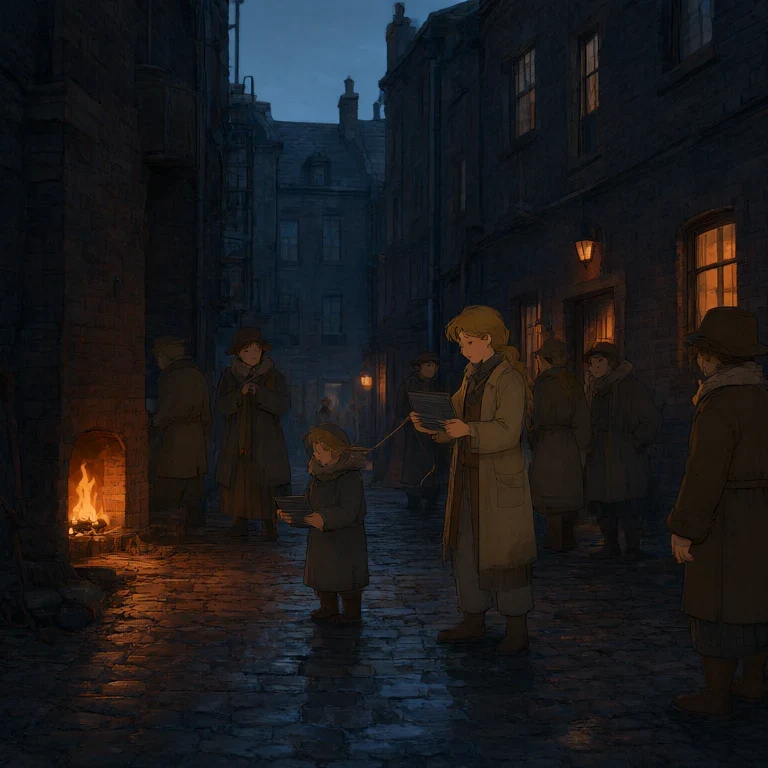
The sack was on the step of 214, and Pip Rew stood beside it with his hands in his sleeves. He had carried it down himself, ninety-one pounds of it, a boy of seven, eleven weeks of nights, and told nobody. When the hearth-master said the two words Scale House, Pip put his shoulder under the sack and would not let go.
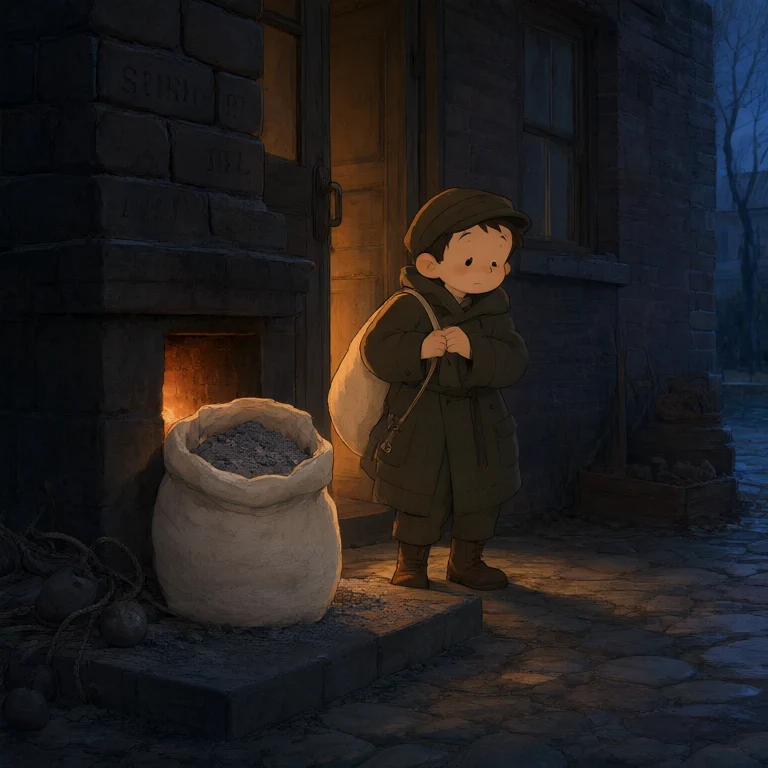
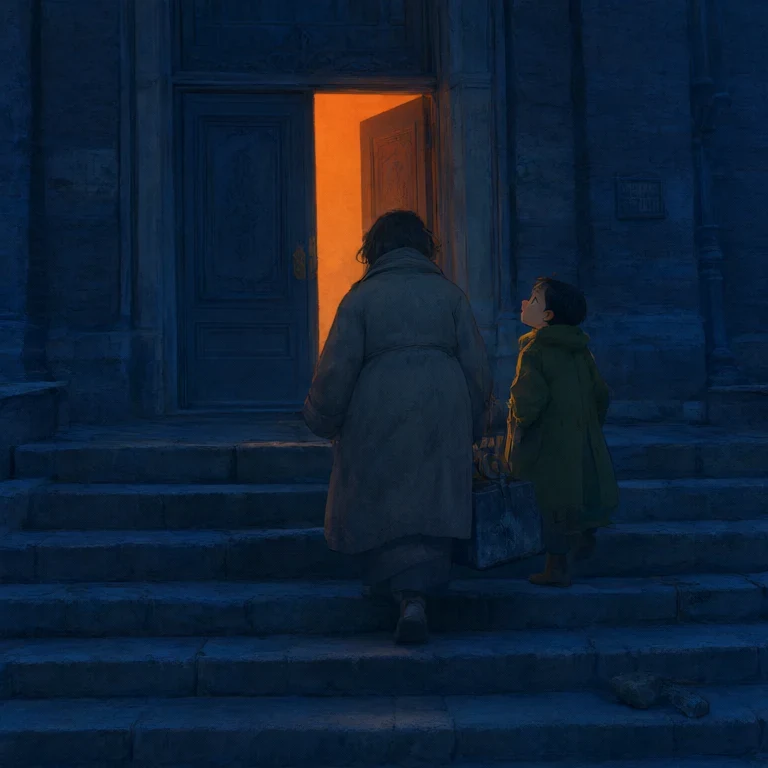
The Scale House has nine steps and a hood over them, which makes it the best place in Emberwyke to be nobody. Ottoline Vray, nine, grey felt hat turned up twice, had worked that out before she could read, and turned the hat up again because an adult was looking at her. “That is heavy.” “That is a season’s ash.” “No,” said Ottoline. “That is about three nights.”
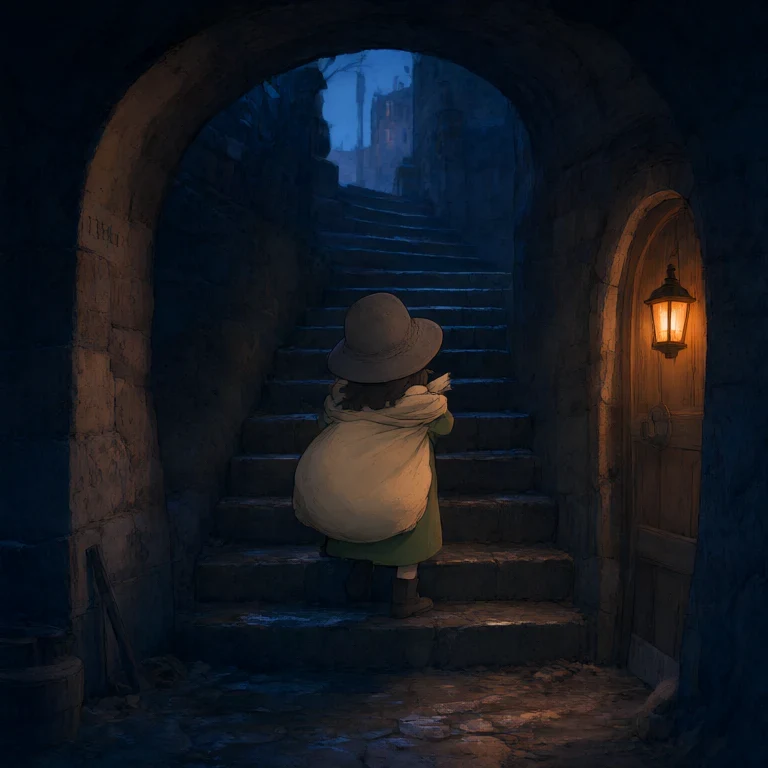
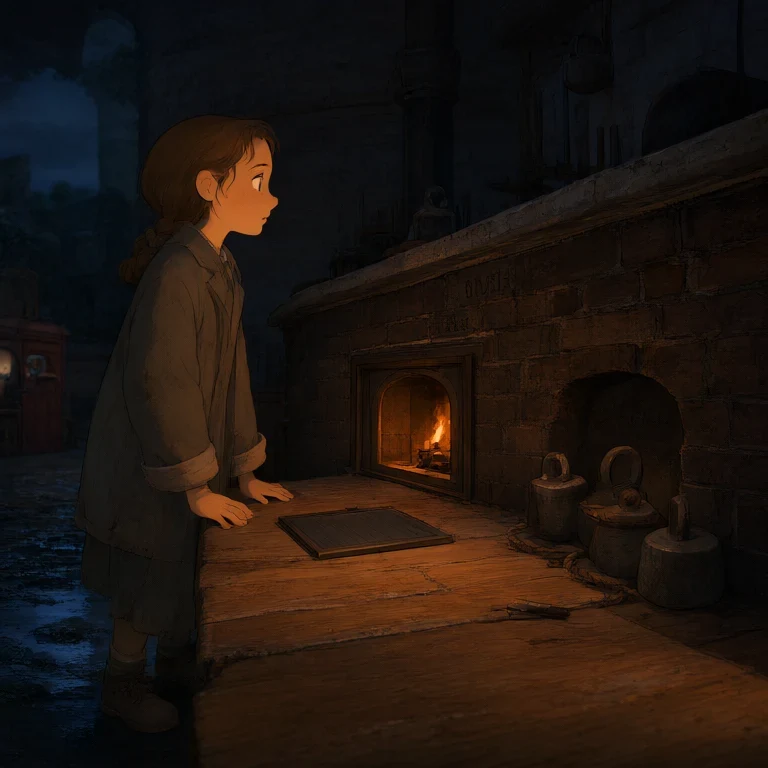
The Scale House is the only stone building in the city: a plank floor stained in three generations of ash, an oak counter, and at the far end the beam, a bronze yoke on a cast-iron column, with a stow of duck-weights down one side and a catch-pan underneath. Two clerks, a beam-man, a queue. The sound of it is one voice at a time saying a number. They put the sack on the pan, and the beam-man chose his ducks with his hand, and did not hurry. “Forty-one pounds,” he said.
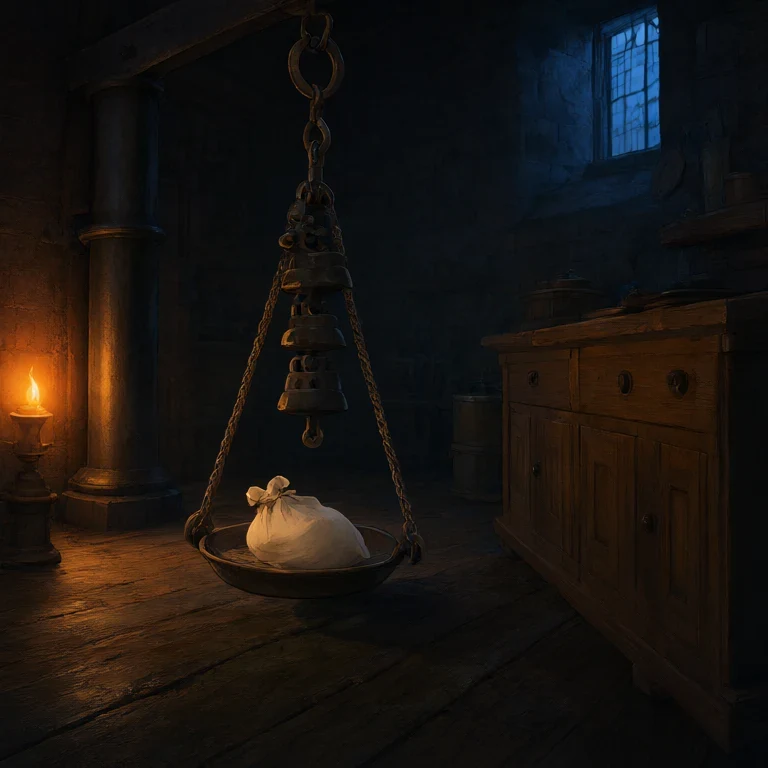
The clerk wrote it, then read down the right-hand column of the board, which is the ash, and added it up twice. “Four pounds and six ounces,” he said. Pip said, “That is right.” “No,” said the clerk. “It is not.”
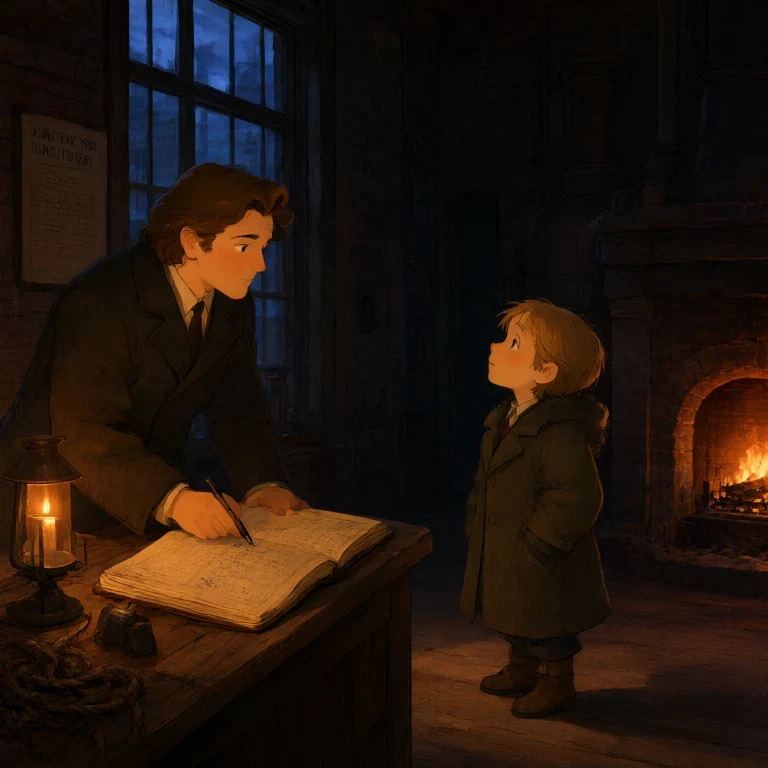
“That is a forgery,” said the beam-man, to the queue rather than to anybody. A figure on a board that was not weighed is a forgery, and a forger loses their hearing and their name for a year. You hear me, lad. Not the hearing you use to hear it with. The hearing. “A year,” said the boy. “I am seven.” “Then it will be eight,” he said, and got it wrong on purpose, and Bess had to look at the floor.
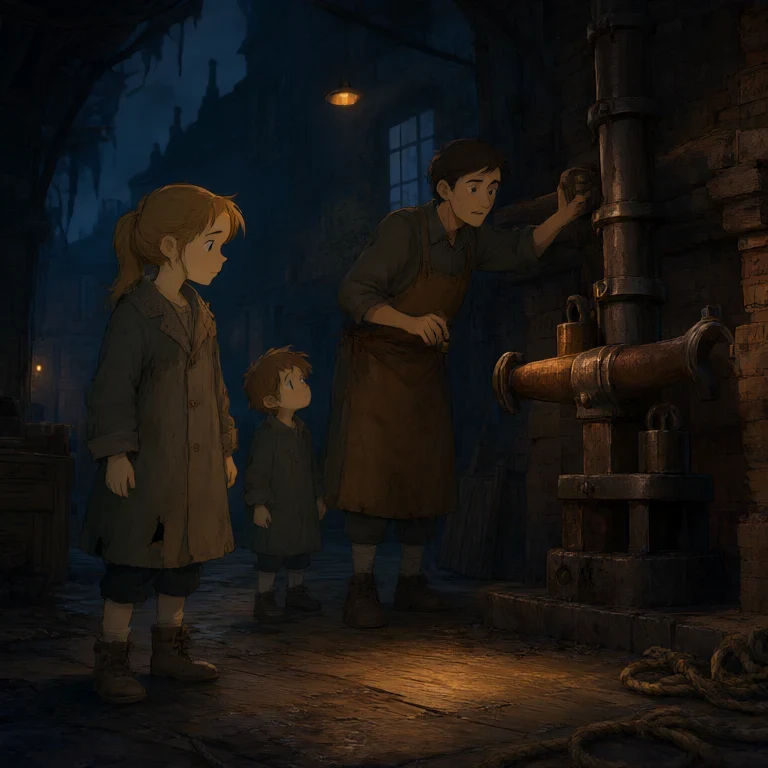
“And I cannot weigh you twice today,” said the beam-man. “The beam says what 214 is today and then 214 is done.” “You have until the door shuts,” said the clerk, “and then it shuts.”
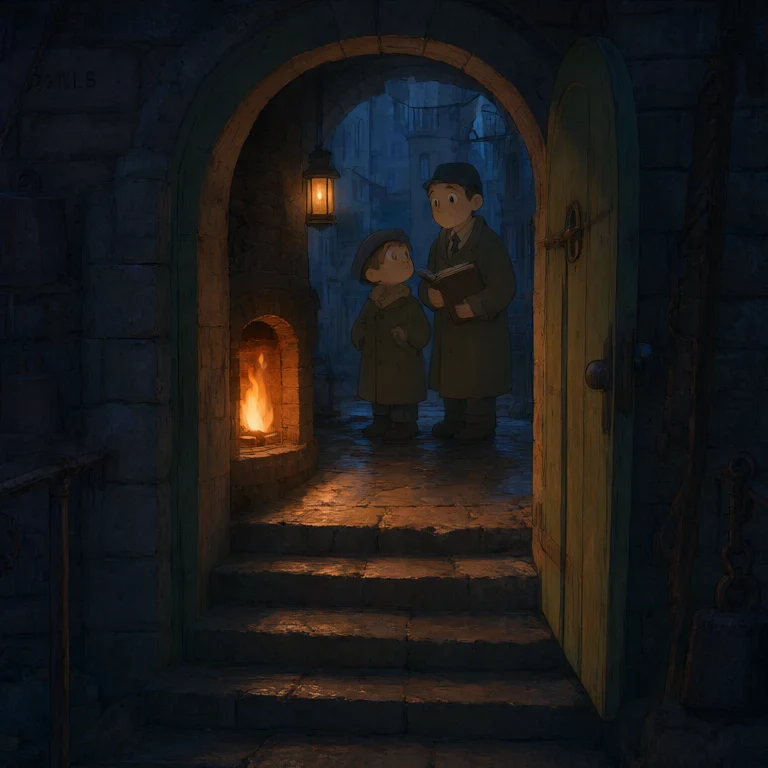
Two hundred and fourteen was a one-room house with the number cast into the third course of the chimney, and a bed in the corner, and a table, and a chair. There was no bed. There was no table. There was no chair.
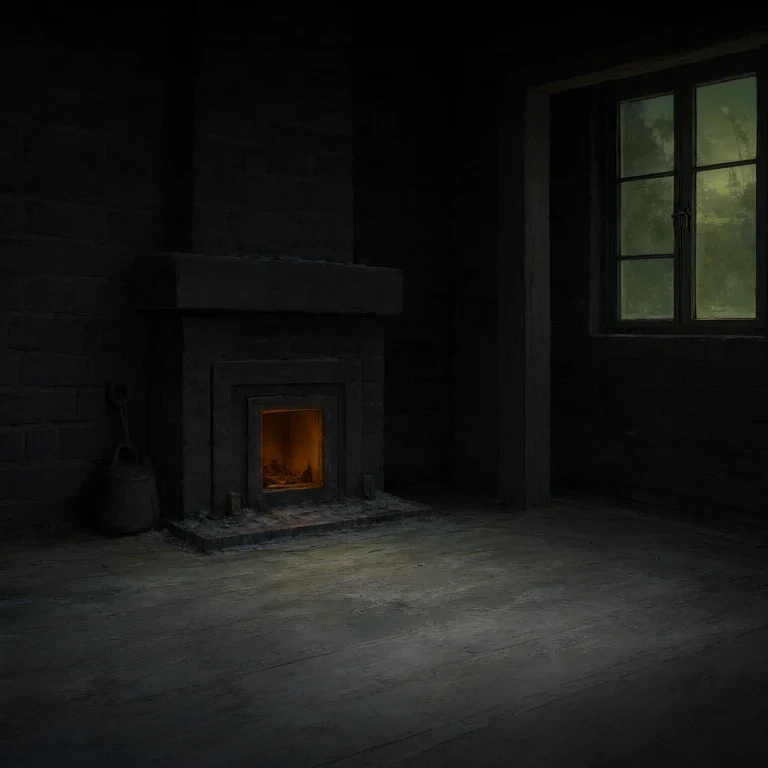
Bess stood in the doorway with the board and did the sum, because it was a sum. Four pounds and six ounces in eleven weeks, and nothing in the left-hand column. Coal goes in that column every night whatever it costs, and he had entered nothing, so there had been no coal, and the fire had not been burning coal. The hearth was swept. Beside it were kindling, a saw, a scorch in the shape of a chair back, and four bright rectangles where pictures had hung and nothing was hanging now.
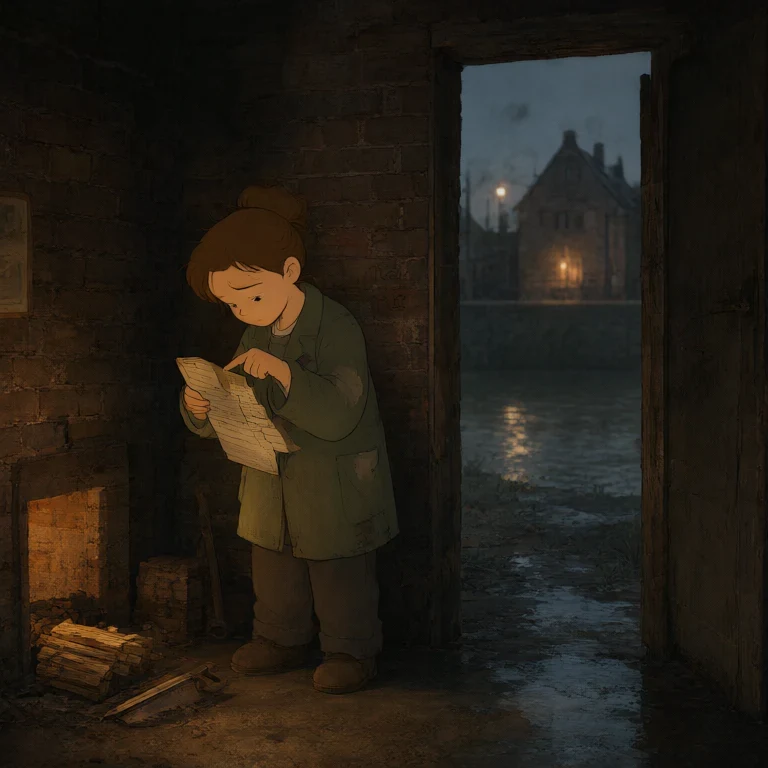
Burning a thing of a person’s is a claim against them, entered the same night at the value the board gives it, and Bess had it the way other children have the multiplication. “He is burning his grandfather’s house,” she said.
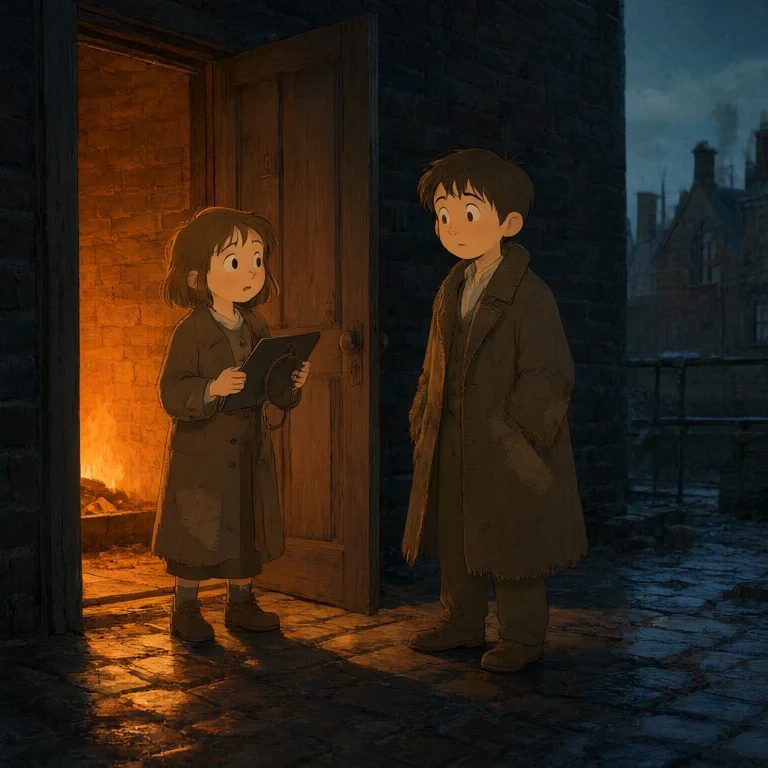
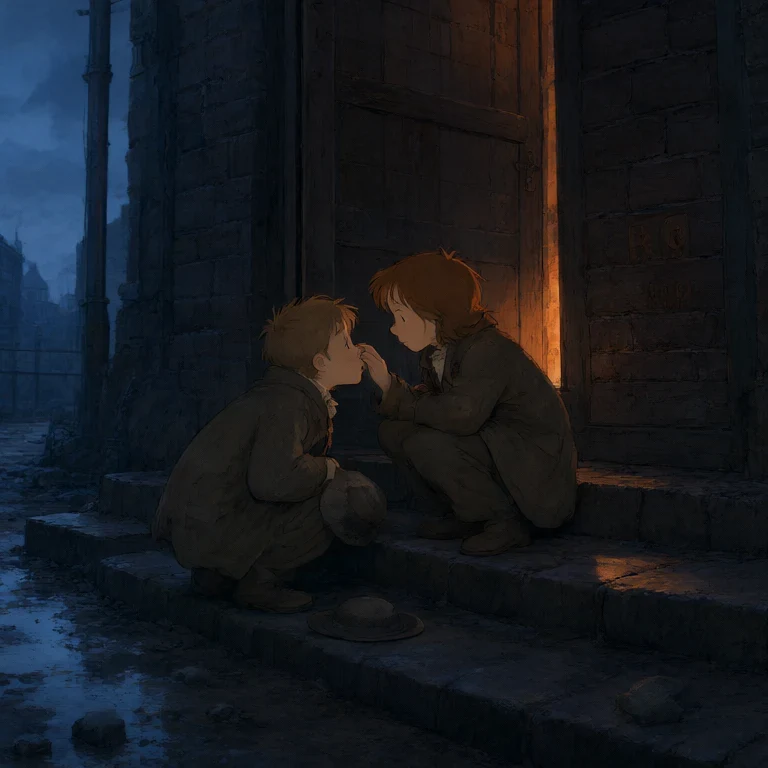
On the second step, in the rain, he turned the grey hat over in his hands. “Why four pounds and six ounces?” “Because I did not want it to be a big thing,” he said. “If the number is small then the chair was not worth much. And if the chair was not worth much then I have not done it. It is not the same as taking. Taking is when you take it and it is yours. That was still in the house.”
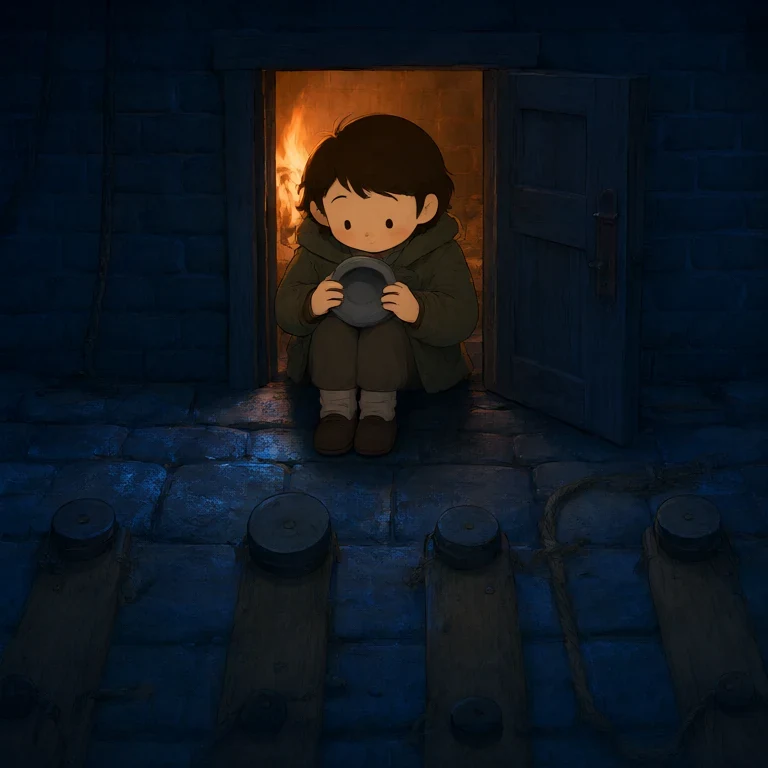
Bess Tallis, who ruled her figures in advance because the cold is worse in the morning, looked at a boy of seven doing the identical thing with worse tools. “It is not the ash,” she said. “It is what you think the ash ought to be. And it is not a fire that cost nothing either. It is a fire you paid for out of the wall.” “You put a bit in the left and a bit more in the right,” said Pip, “and then the street sees a house that got through the winter.”
They went back up the nine steps at twenty to nine, and the queue stood back. Bess put the board flat on the oak counter. “Forty-one pounds is the ash of a bed, a table, a chair and a deal chest, burned by a fire that went out on the ninth of October and was put back in by a boy at the same hour every night, out of the house of Ansel Rew. That is a claim on Ansel Rew, at the value the beam gives it, because the beam gave it and not the boy.”
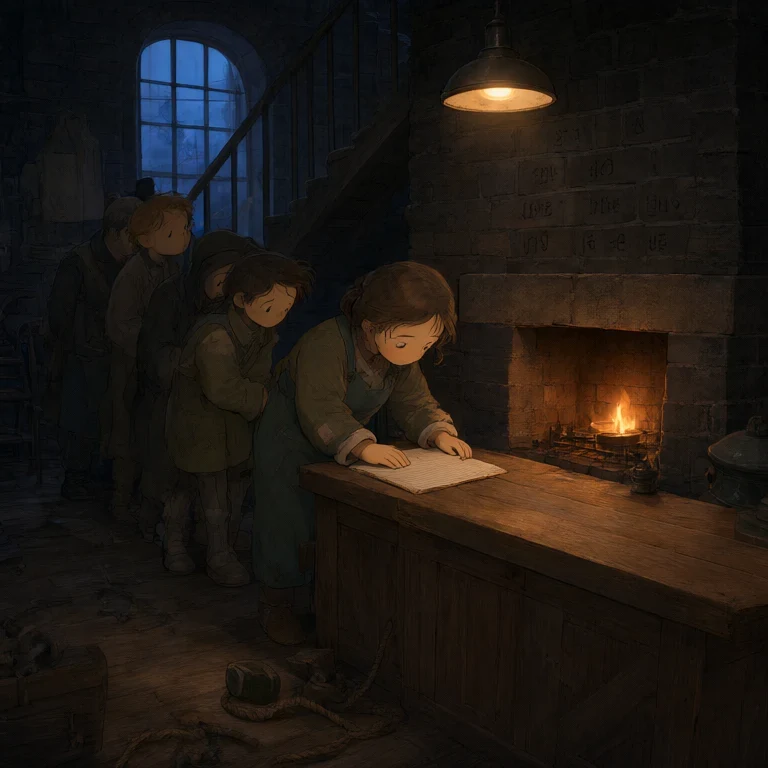
“And the eleven weeks before it,” said the clerk. “Are forgeries. And they are in my hand as much as his, because I taught him the threes.” It was not true, and she said it anyway, and the clerk looked at the board, because a keeper who says that about her own figures is a keeper whose figures anybody can read.
Mared Holt came up the steps at two minutes to nine with the ash-track grey in the seams of her coat. She had seen 214 lit for the last time on the ninth of October. She said so before anybody asked, and then said she was sorry, and said it again. “It goes on the house, then,” said Mared Holt. “Not on the boy.” “It goes on the house,” said the clerk, and wrote it, and the boy was still a forger for a year and lost his name for one, and that part did not go anywhere.
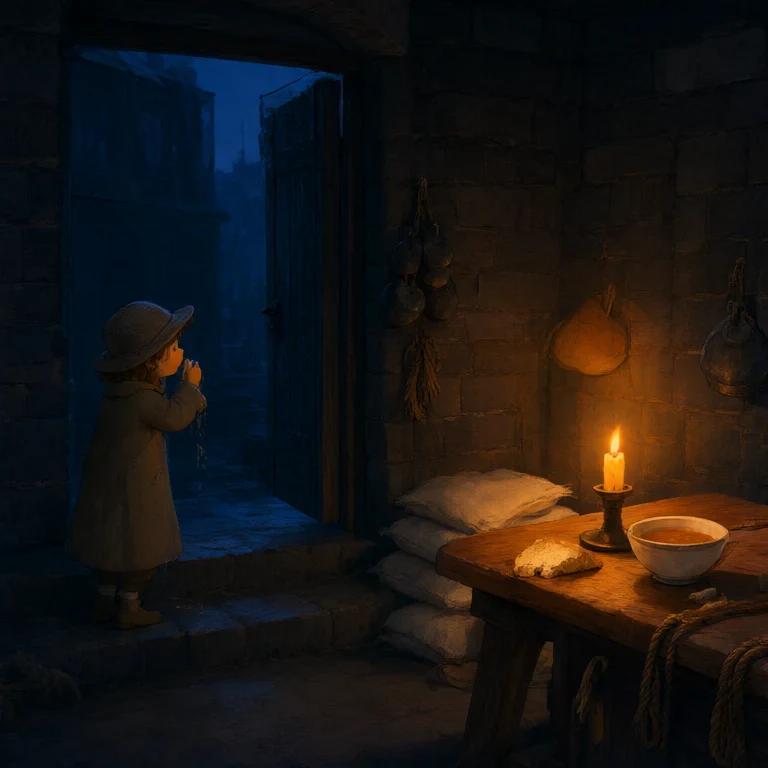
There is bread and soup on the counter for the queue, and the rule, written down nowhere, is that a board-keeper who brings in a figure that has to be corrected eats first. Pip Rew ate it standing up and got most of it on his coat. At nine the door shut. Bess looked at the right-hand column of 214 one last time. There was a figure in it, and it was right, and it had been weighed. Ottoline Vray was still on the top step under the hood.
“That is a claim now. It is on the house and not on him. Who is it for?” “It is for you,” said Bess, without stopping, the way you say it to a child. “It is always for me,” said Ottoline. “That is the thing about the whole city I have never understood.”