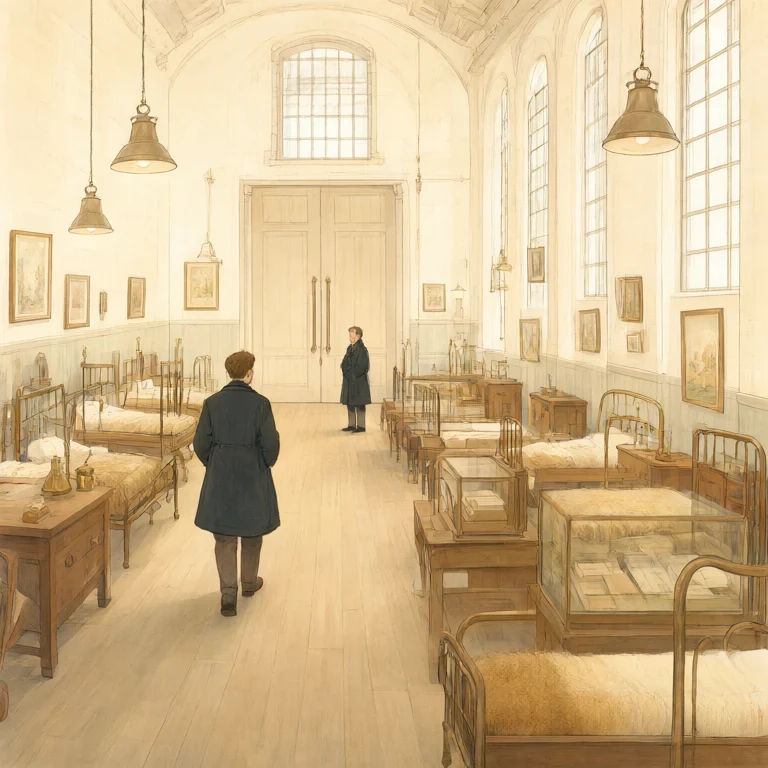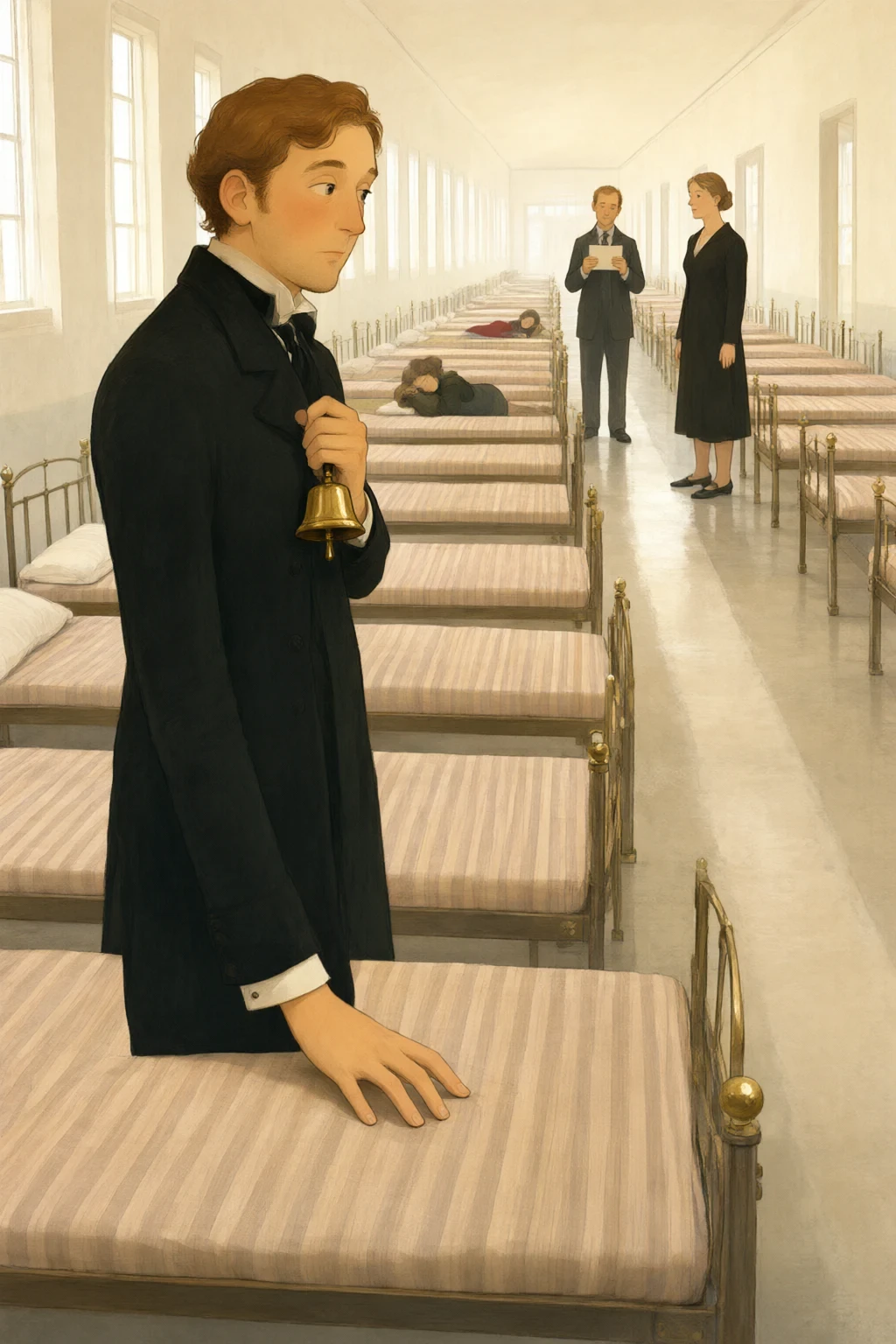
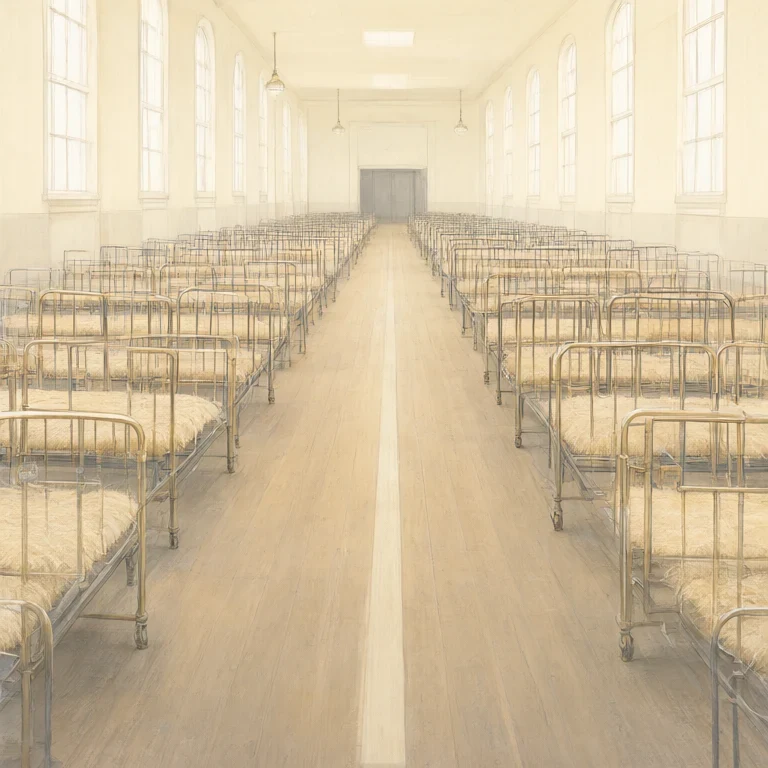
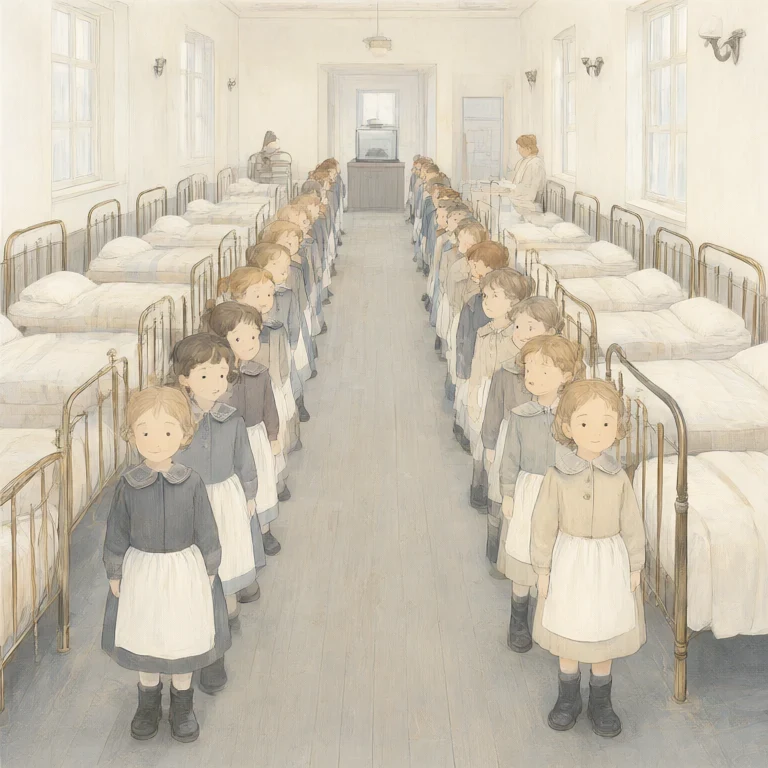
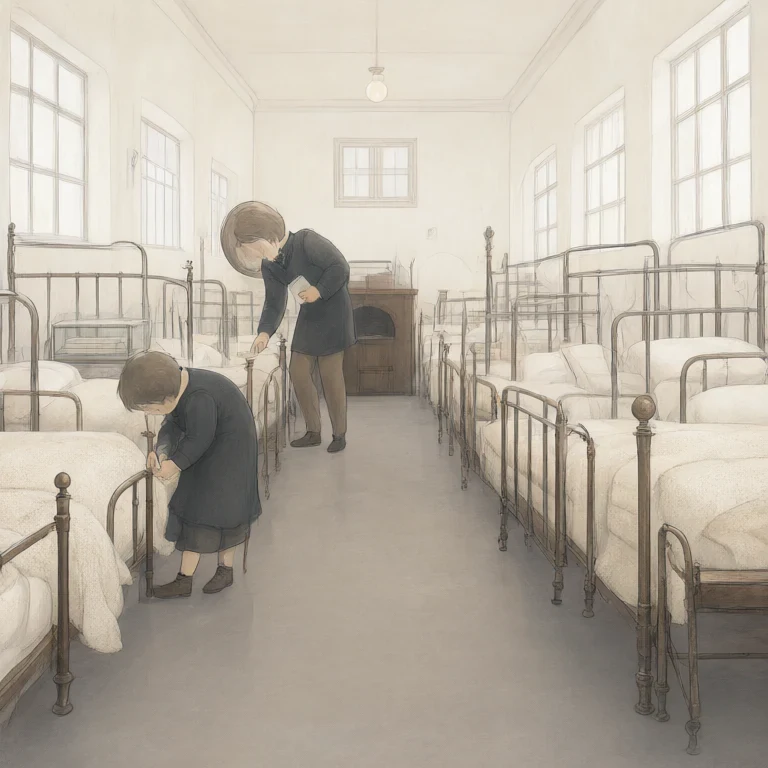
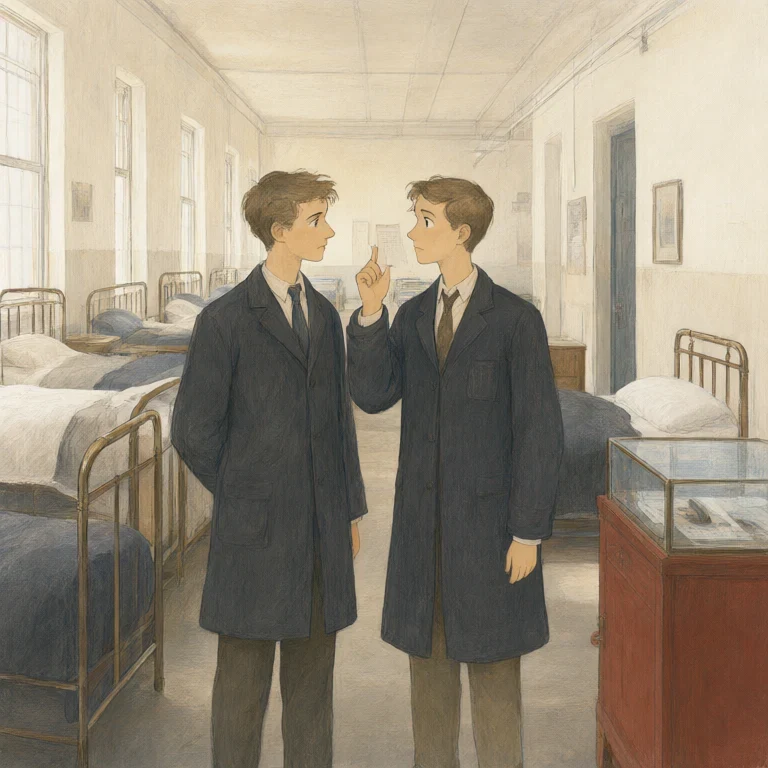
There are ninety-one beds on the test floor of the Bureau of Featherstone and they are in rows, and the floor is worn in two tracks between bed one and bed ninety-one, and nobody has ever asked who wore them, because the answer is everybody who has ever been a tester. The light comes in at the north windows high up, and it is flat and shadowless and unsentimental, and there are no rugs, and a hundred yards separate the first bed from the last.
Ambrose Kell was twenty-two and in his first year, and he had been told that the hundred yards was the whole of the job, and after four days he understood that the man who told him that had been not joking. The rules of the floor were four, and he had them by heart. You walk the bed; you do not examine it, you declare it, and a declaration stops the moment your hand says stop. You put the heel of your hand flat, not your fingers.
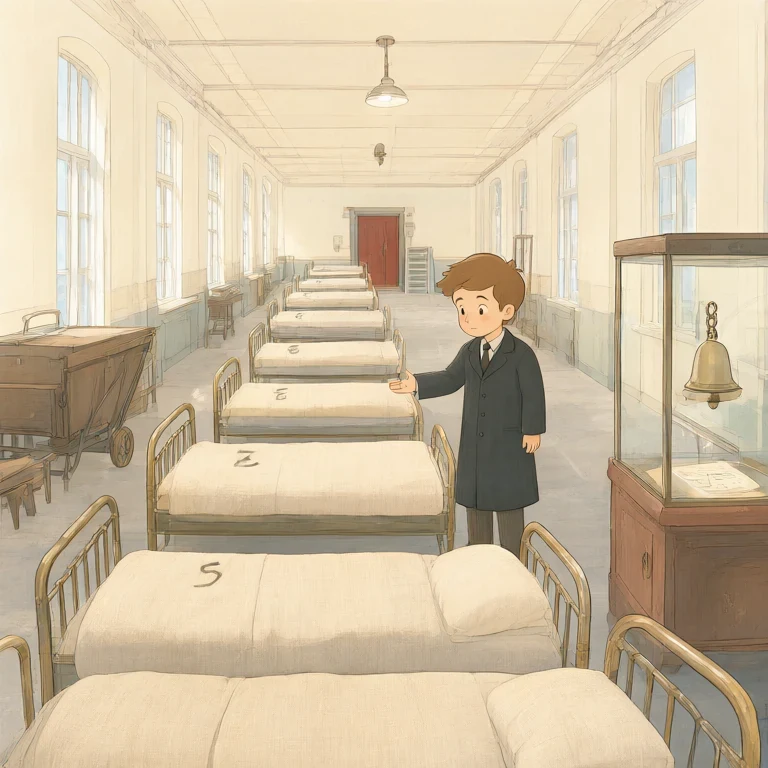
You say the figure, and then the verdict, and then the figure again, because the figure is the promise and the verdict is only an opinion about the promise, and in this building the opinion is the cheap part. You ring the bell, once for in and twice for out, and you write the figure on the foot in pencil in one hand, and you do not cross it out and you do not put your initials on it, because the figure belongs to the bed and not to you. Then you walk the hundred yards to the next one, and nobody hurries on this floor, and a hand bell in a hall is the loudest thing in Featherstone.
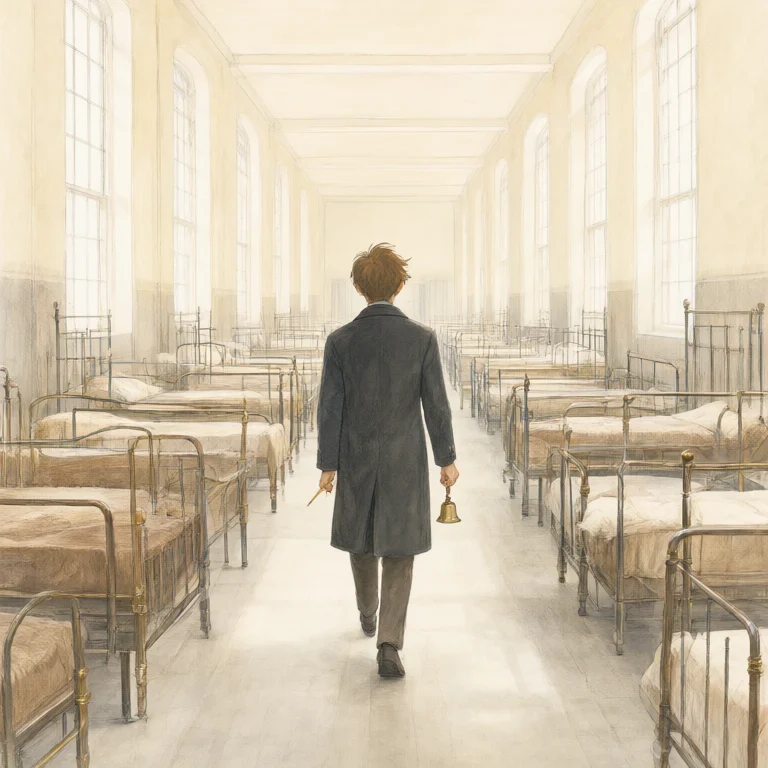
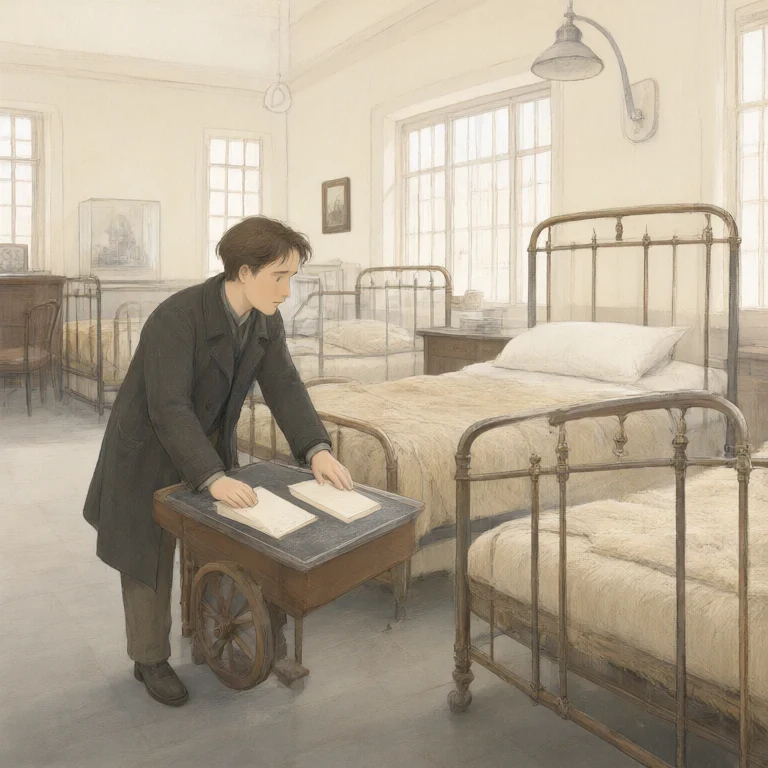
Bed one was on the frame at eight o’clock, and Kell put his hand on it, and the hand went down through the ticking in one slow line from the head to the foot, and the hand found the middle and stopped, and the hand knew. Eleven minutes. He wrote the figure, and rang the bell, and walked. The second walk was longer than the first, because he looked at his feet all the way. By bed nine he had stopped looking at his feet, and by bed fourteen he had stopped counting out loud, and at bed twenty the clerk marked the time in a book, which nobody does on the last walk of any other day, because on the last walk of any other day a first-year is not behind.
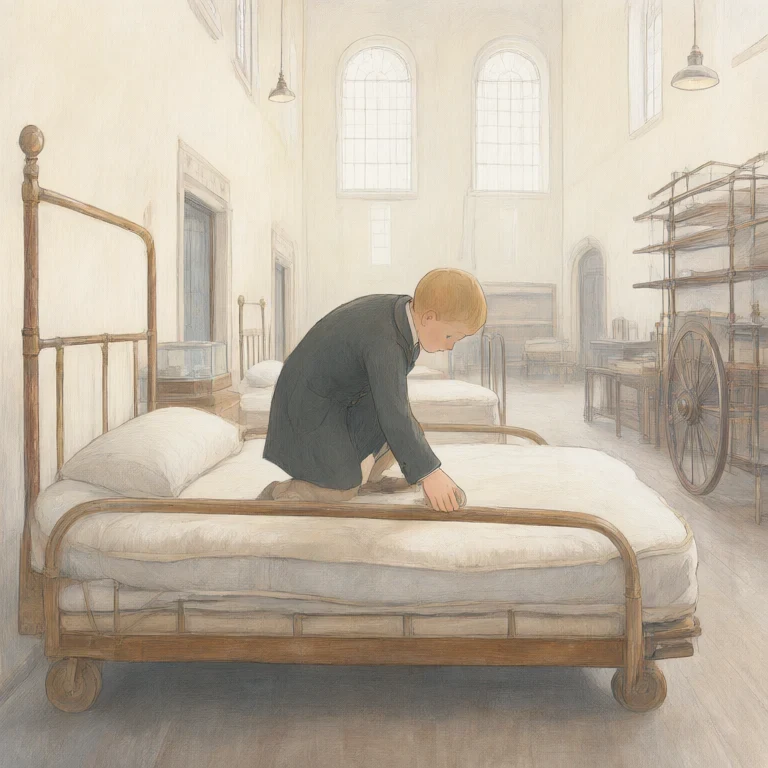
Twenty minutes for the hundred yards and back, with the declaration in the middle of it. That was the arithmetic of the floor and it was the arithmetic that killed first-years, and Aldis Prome had said so on the first morning without looking up from the bed he was declaring. Twenty minutes, ninety-one beds, thirty hours, and eight hours in a day, and the middle of those two numbers is a thing you find at about bed forty.
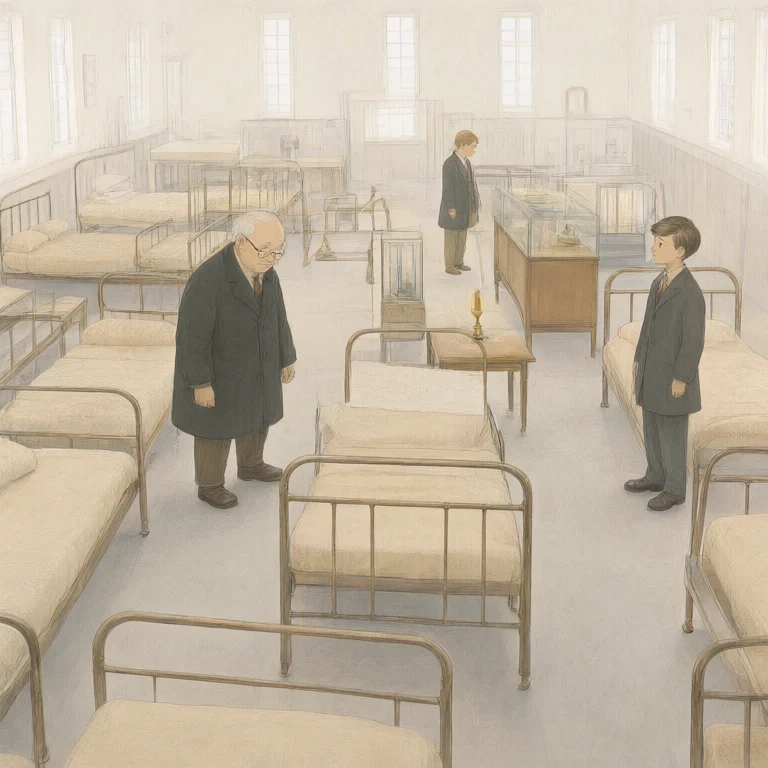
The test floor of Featherstone is public property, and anybody may walk it. That is in the charter, and the town is proud of it the way it is proud of the smell of the works, which is to say quietly and once a year. Any person may come up to the hall, walk the rows and read the figures on the feet of the beds, which is why they are written in pencil in a testing hand and never in a hurry. So there was always somebody in the hall.
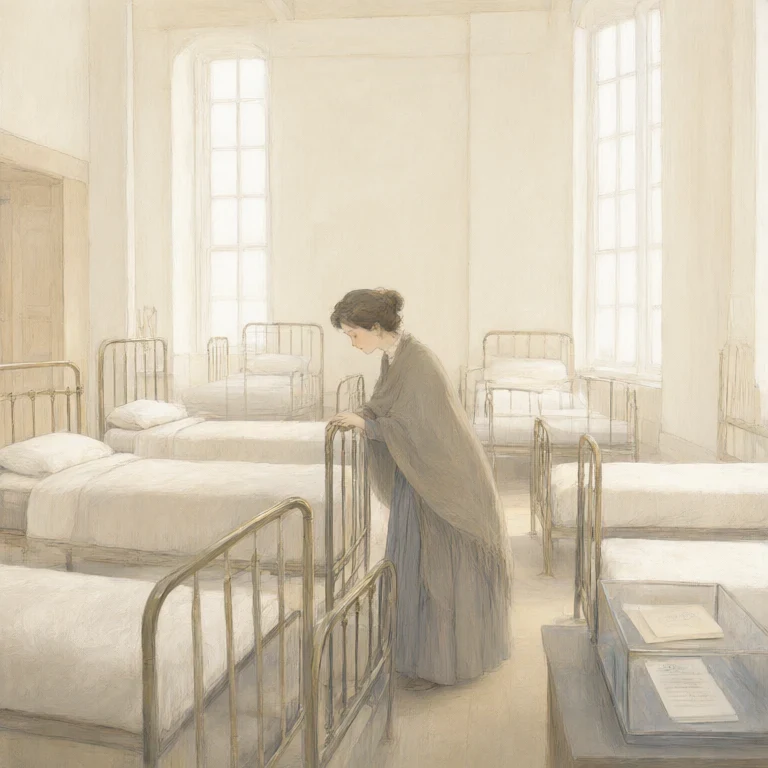
On the second morning it was forty schoolchildren with a mistress, who walked the rows twice and said nothing at all, having been told that the correct thing to say about a bed was nothing. On the third it was a woman from the terrace who stood at bed sixty-one for forty minutes reading its figure over and over, and who asked for nothing, because the charter says a person may walk the floor and not that a person may be answered.
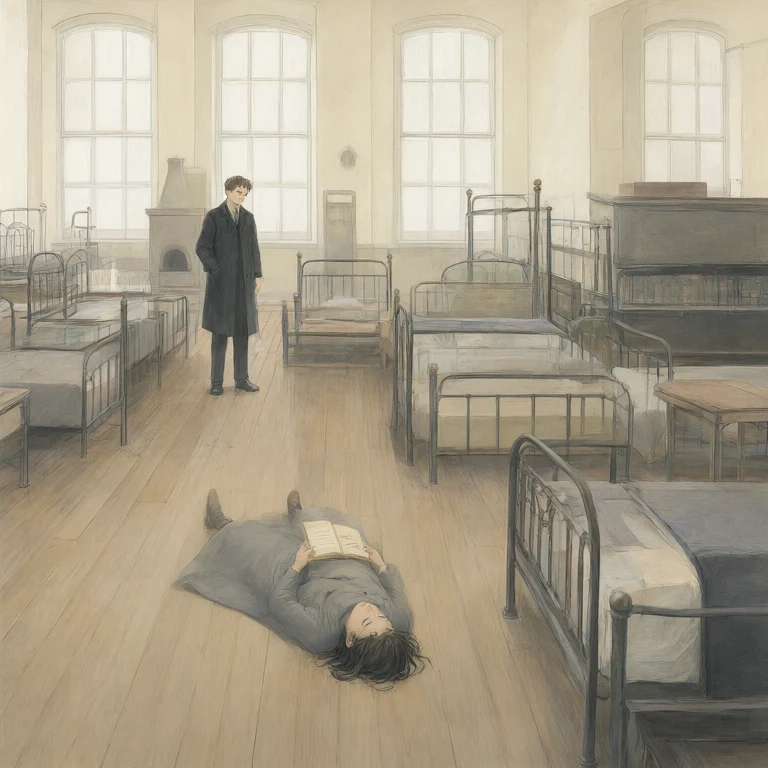
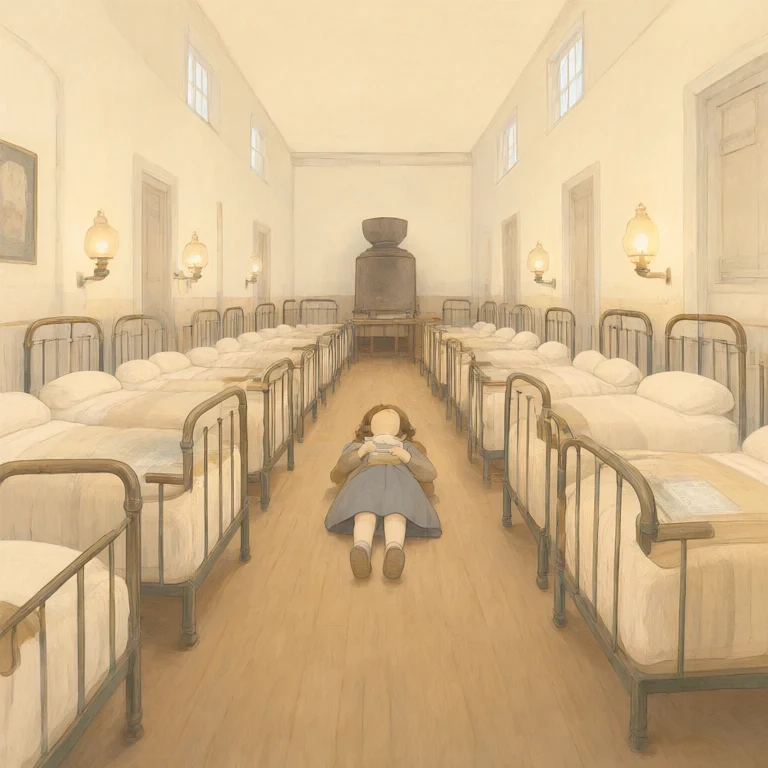
On the fourth there was a girl of fifteen lying on the floor between rows nine and ten, reading, with her feet toward the north windows and her coat folded under her head, in a place where nobody lies down at all. Kell walked past her four times before he asked. “Marguerite Fenn,” she said, without turning round. “And if you put your hand on bed nine at the shoulder instead of at the middle you will declare it faster and it will still be right, because the shoulder is where a lump ends up and the middle is where it hides.” “That is not in the rules.” “It is not in the rules,” she said, “and I have watched nine first-years, and you are the ninth.”
At bed twenty the clerk marked twenty minutes for the walk. At bed thirty it was eighteen. At bed forty it was fifteen, and Kell noticed the fifteen the way a man notices a stair that is a little higher than the one before it, and he did not stop noticing, which is the last thing that happens to a first-year before it matters. He told himself that the first beds are always slow, and that the hand does not know the bed yet, and that the first forty are the hand learning, and everything after that is repetition. That is all true, and repetition is what a tester is for. At bed forty-four the hand was fast. At bed forty-five it was faster.
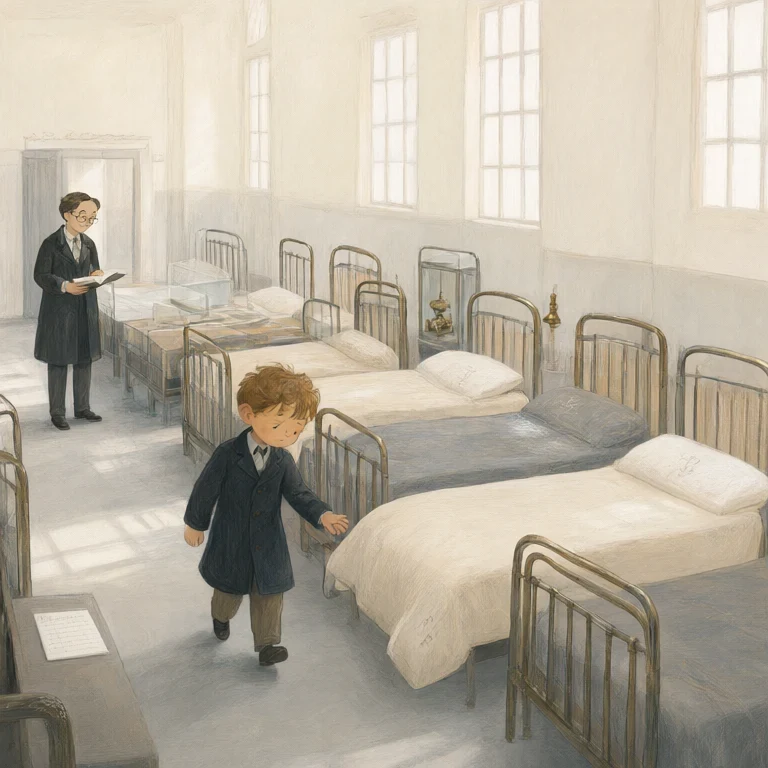
At bed forty-seven it went down into a lump the size of a fist, in the middle, where the horsehair had gone in as a rope, and the clock said four minutes past eleven, and there were forty-four beds still to do and an hour and a half of the afternoon left and a hundred yards in each direction every single time. Kell felt the lump. He understood the lump. He was twenty-two and alone on a floor that nine hundred people could walk. He rang the bell once. One ring for in. The hall heard it. A woman from the terrace, a registrar with a book, and the girl on the floor between rows nine and ten all heard one ring, and one ring in this hall means that a bed is in.
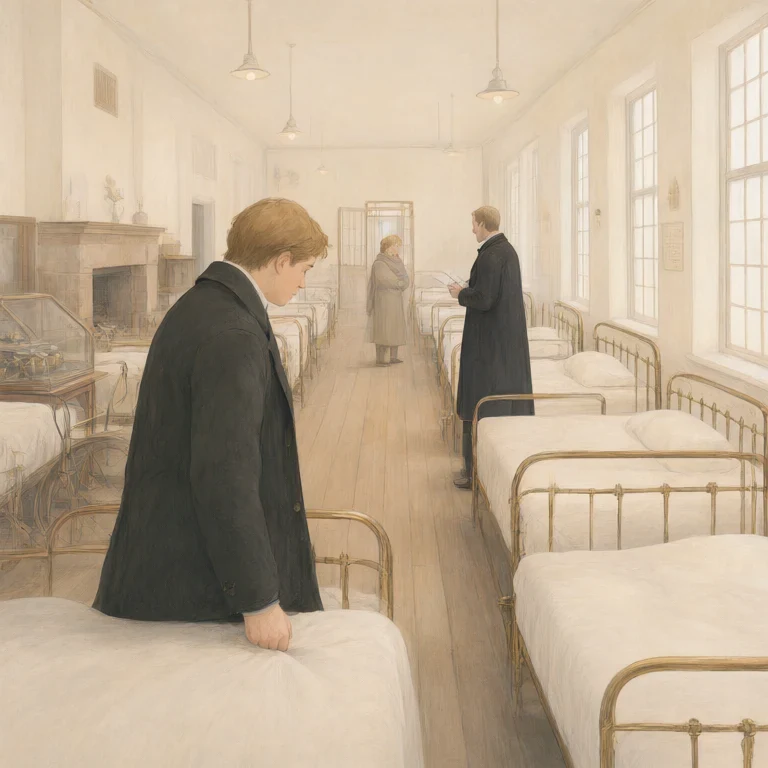
There is no neutral act. A tester who declares a bed out when it is in is a liar, and a tester who declares a bed in when it is out is a criminal, and there has never been a way to say nothing, and the hardest discipline in the Bureau is not the pea in the cellar. It is the requirement to finish. So Kell did not stop. He wrote two-tenths on the foot of bed forty-seven in one hand, put his initials nowhere, walked the hundred yards, and the arithmetic on the way said go on.
He did bed forty-eight. He did bed fifty-one. He was quick now, and quiet, and accurate in the sense that he knew exactly what he was doing, and he was doing it in four minutes and twenty seconds, and at bed seventy he could not have told you the difference between declaring and guessing, and that is the sentence that ends a career in this trade and it takes eleven years to write and about four days. He was on bed eighty-eight at ten past three.
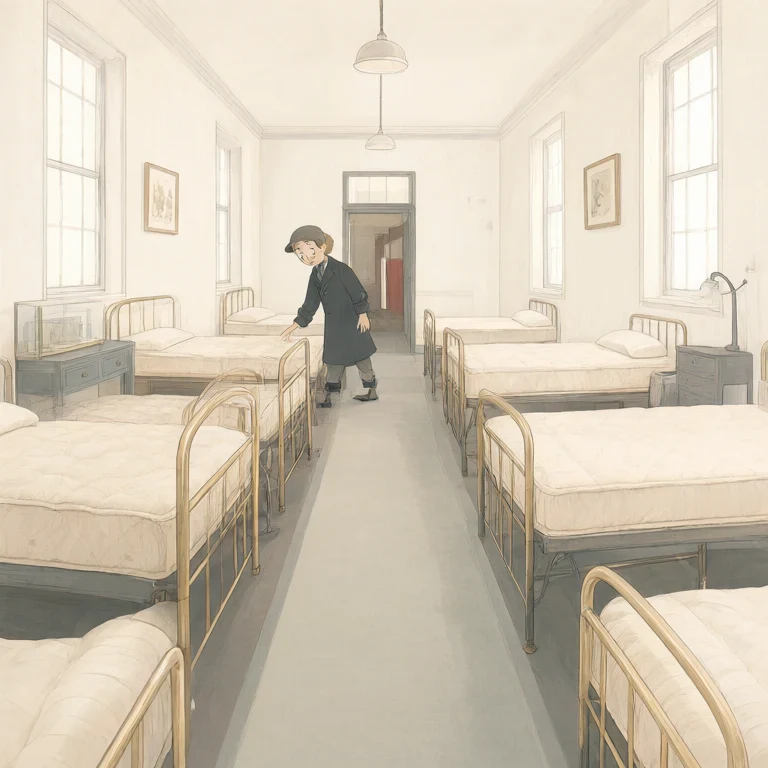
Cobb Tarn was standing at the end of row seven with a findings card in a very small hand, and he had been on the floor since one o’clock, and he was not there to be tested. The registrar’s business was the nine hundred and four cards in the wall of drawers at the end of the hall, and twice a week he walked the floor reading the figures off the feet of the beds as he went, the way a man reads a shop window, because that is how you know whether a shopkeeper is honest.
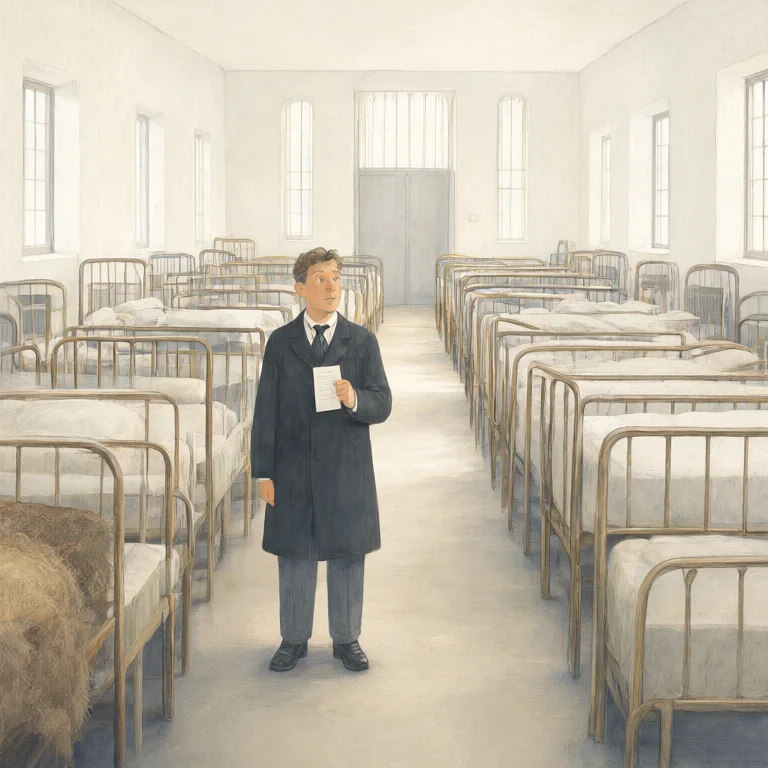
He had walked past bed forty-seven four times that afternoon. He had not stopped at any of the other ninety beds. Kell came down the row towards him at bed eighty-eight, and Cobb Tarn was standing in the aisle with the card against his chest, and he did not move. “Forty-seven,” he said. Kell stopped. “Two-tenths, the bed is in, at two-tenths,” said Cobb Tarn. “You rang once at eleven minutes past eleven and you were on that bed for three minutes and ten seconds, and the whole hall heard you, and I heard you.” “It is in.”
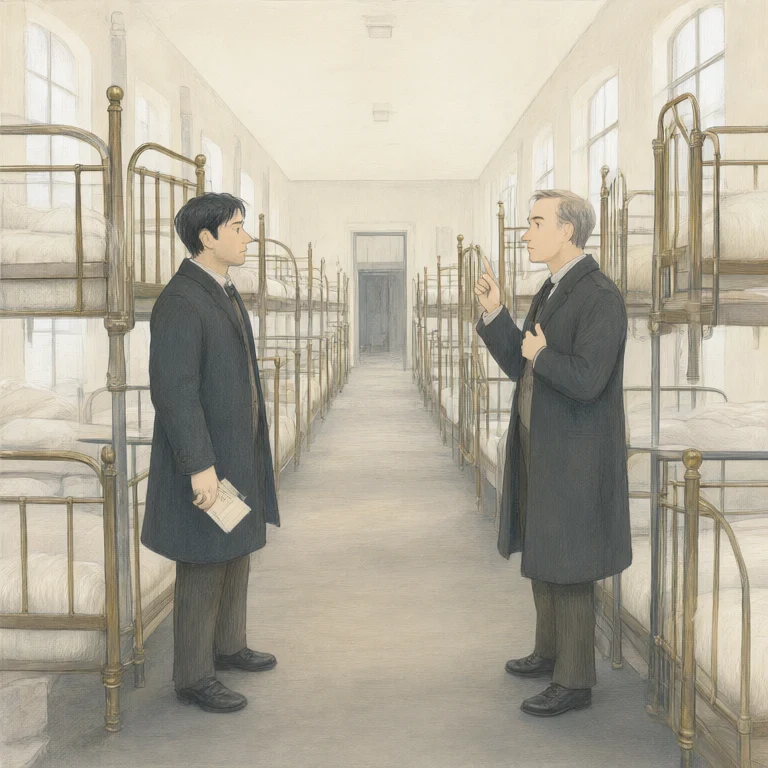
“It is not in. I have read nine hundred and four of those figures and I have not got to the bottom of what they are for, but I know what a four-minute declaration looks like, and this one was three minutes and ten seconds.” “That is not a figure.” “No,” said Cobb Tarn. “It is not a figure. I am the registrar. I can walk the floor and I can read, and I have just done both.”
Bed ninety-one was a great house. Every fifth year the Bureau re-certified the great houses, and a great house was not a place, it was a set of measurements: every bed, every door, every stair, every floor, re-tested against the declared sensitivity of the family, and one child designated as the Sharp One, who is the house’s instrument, and who cannot be retested, because the instrument is used up by the certification, and a house that loses its Sharp One is blunt, and that is a real and permanent loss.
The Vantry house had been certified in 1874, sharp for fifteen years and blunt since 1889, and it was bed ninety-one, and the figure on its foot was two-tenths, and it was ten past four, and Kell walked the hundred yards to it with a hundred and six seconds in his mind and no afternoon left at all. Lady Hesp Vantry was in the room. She had walked down herself. She had a cold face and a very warm hand, and when she introduced the clerk to the tester she turned her palm down, and she said, without being asked:
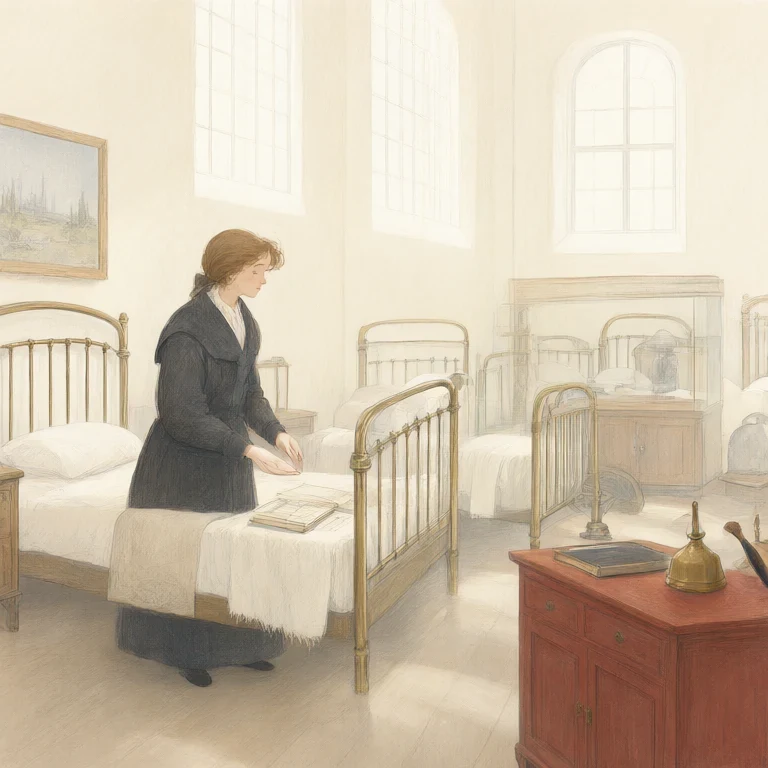
“We are not a delicate house.” “That is noted,” said the clerk. “It is in the past tense,” said Lady Hesp Vantry, “and I would be obliged if it stayed in the past tense for twenty minutes, because there is no instrument in this house and has not been one since my eldest daughter was certified, and if you want a figure out of this bed you will have to put your own hand on it and hope.” Kell put his hand on it.
A dull hand feels nothing. A blunt house is a house where the whole apparatus — the declared figure, the Sharp One, the four years of training, the pea in the cellar — has nothing to work on. A blunt house is easier. A blunt house is the cheapest kind of house there is to certify, and nobody has ever been found asleep in it.
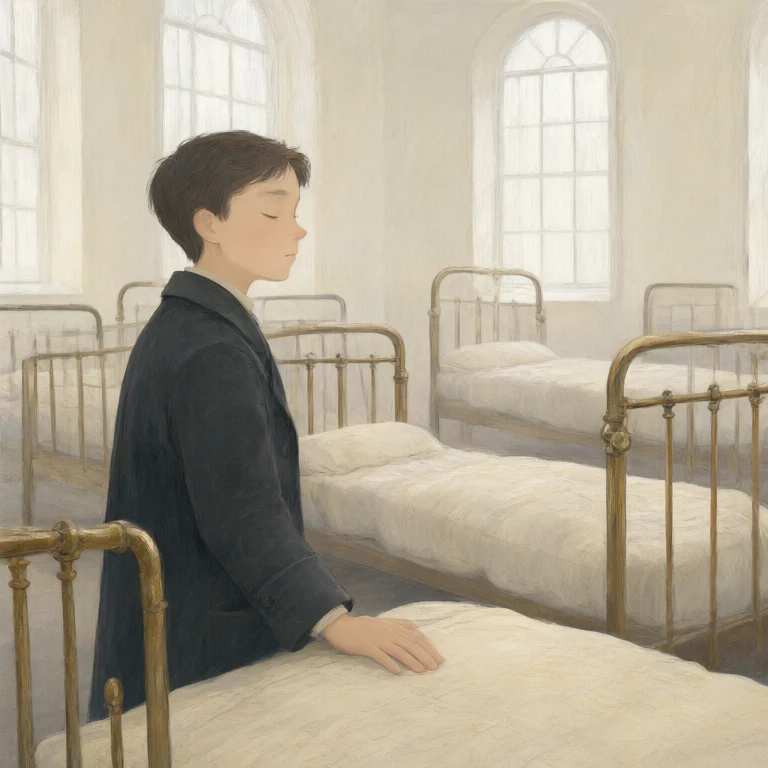
He could have written anything on that foot. One ring. Five minutes. Figure on the foot. The hall would have heard one ring, and the great house would have been in for another five years, and no finding would ever have said otherwise, because the instrument was used up in 1889 and there is nothing in that house to feel anything with, including Kell. The registrar was standing in the aisle at the end of row eleven with a card.
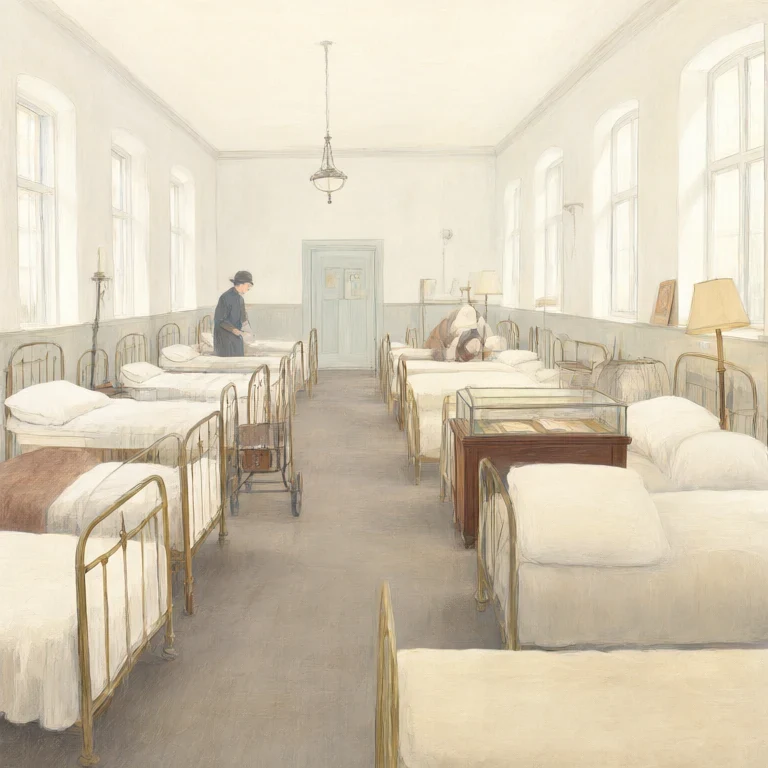
Kell put the heel of his hand flat and left it there, and thought about bed forty-seven, and about how a man can be entirely correct for eight hours and then wrong in three minutes and ten seconds on a Tuesday. Lady Hesp Vantry said, “Well?” And Cobb Tarn, from the aisle, in the voice of a man reciting a card he has known for eleven years and has never once had to stop in, said: “House of Vantry, certified the ninth of October, eighteen seventy-four, declared sensitivity one-tenth, Sharp One designated the second daughter, and —”
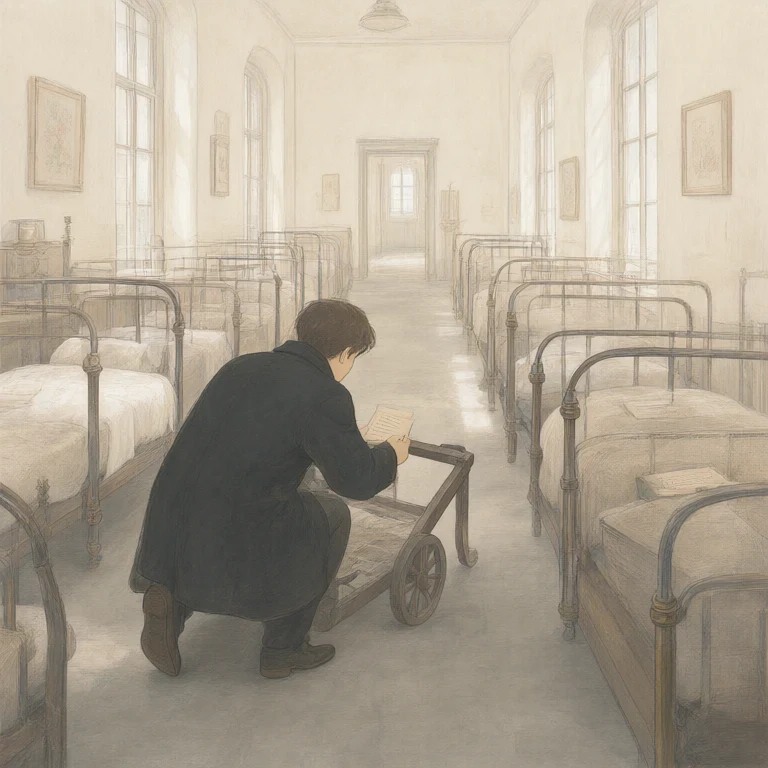
And then Cobb Tarn stopped in the middle. He did not stop because he had forgotten it. He stopped because there is no card in the wall of drawers for the year the instrument was used up, because it did not lapse, and nobody wrote it down, and Cobb Tarn knew every one of the nine hundred and four and this one he did not know because nobody had ever written it. He stood in the aisle with the card against his chest and his mouth shut, and looked at the tester.
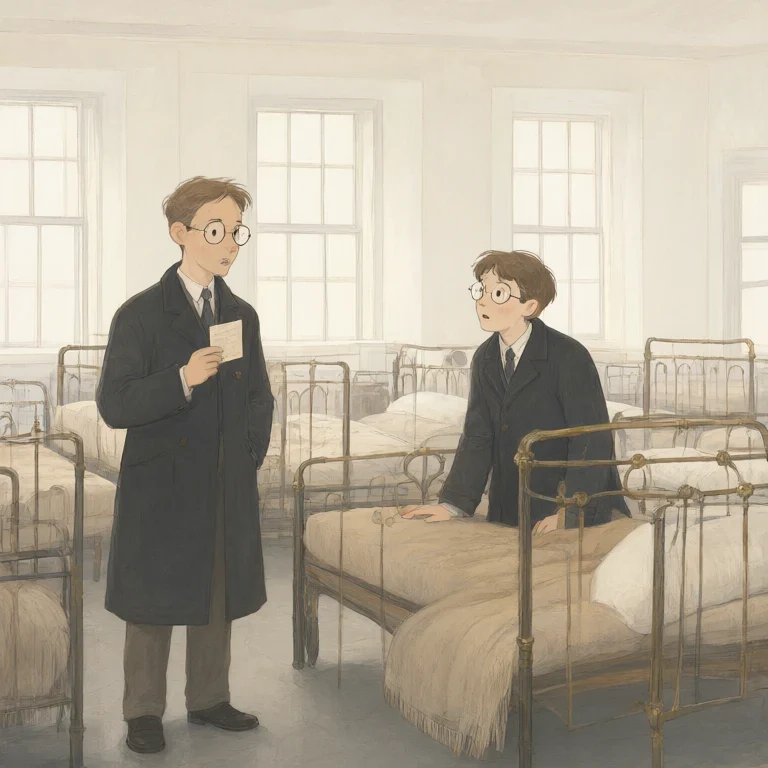
The hall clock said ten past four, and the north light had not changed, and there were forty-four beds between bed ninety-one and bed forty-seven, and a hundred yards between each of them, and a first-year with a bell in his hand. Ambrose Kell said, “The bed is in.” “Two-tenths, the bed is in, at two-tenths,” said Cobb Tarn, and it was not a question, and it was not the Bureau, and Kell wrote the figure on the foot of bed ninety-one in one hand and did not cross it out.
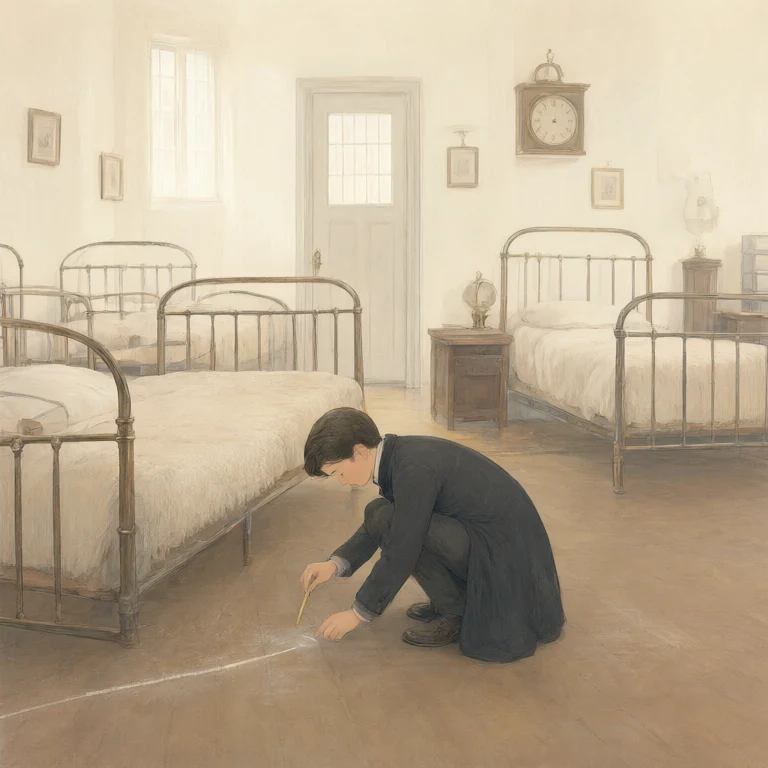
Then he rang the bell once, and a great house that has been blunt for thirty years was certified for another five years on the word of a boy of twenty-two with a hand he was not sure of. And then he turned round and walked the hundred yards back to bed forty-seven with the bell in his hand, and the floor was public property, and there was nobody on it at all, and nobody hurried, because nobody was hurrying.
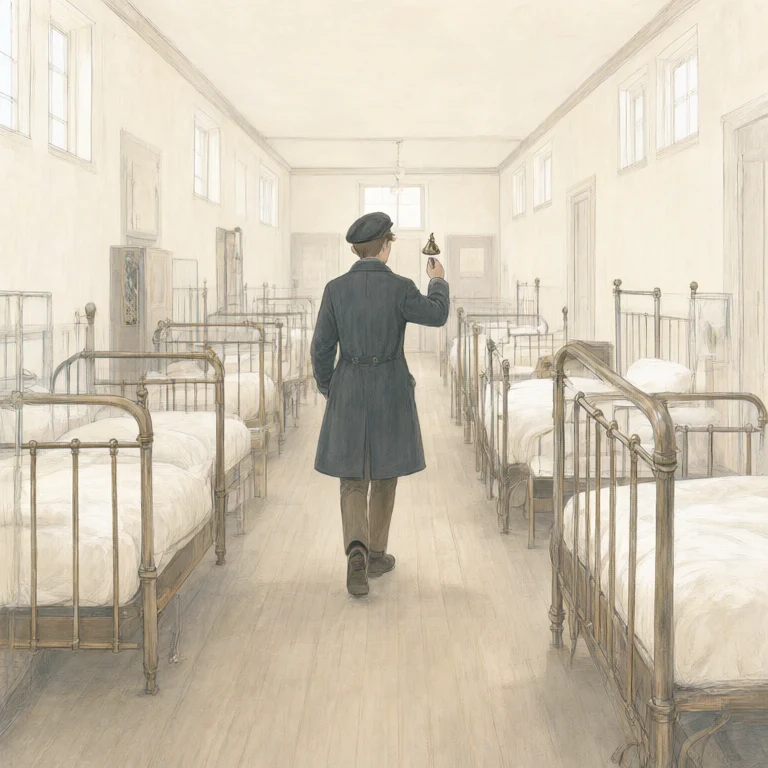
They tell it in the Bureau as the first-year who went back. He went back to bed forty-seven and did it again, and the second time his hand took the same three minutes and ten seconds, and the bell rang twice, because the bed was out, at six-tenths, and a lump the size of a fist in the middle of a mattress sold at two-tenths is not a fault of the bed.
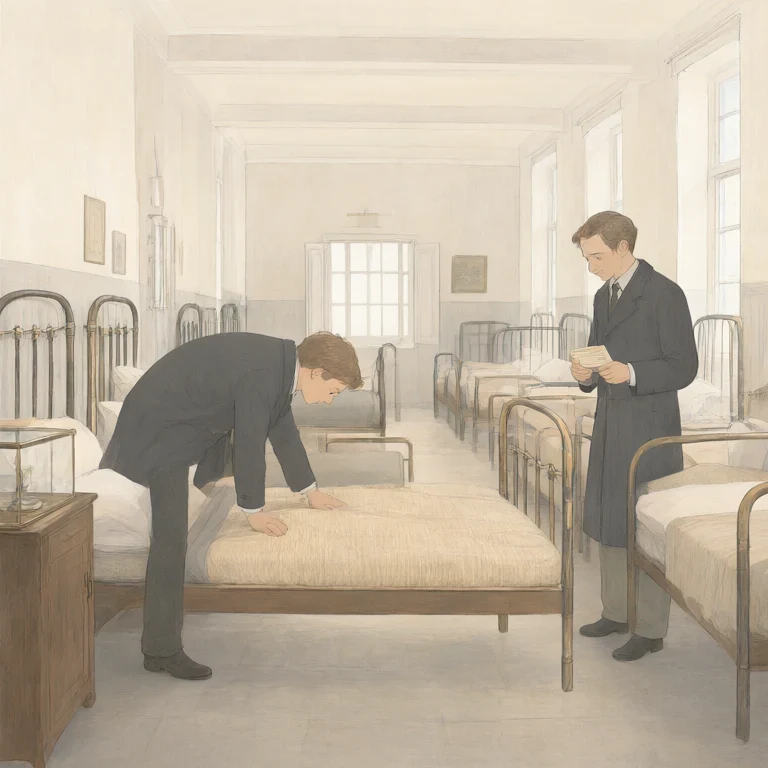
It is a fault of the man who laid the hair in a rope on a Friday in a hurry, and it would have come back to the shop within the year, and the shop would have paid for it, and the family would have had no bed for six weeks. Cobb Tarn wrote the card. Two-tenths, the bed is out, at six-tenths. Bed forty-seven. And then, in the same small hand, because the form has a line for it and nobody had ever used the line: declared at three minutes ten seconds by the tester.
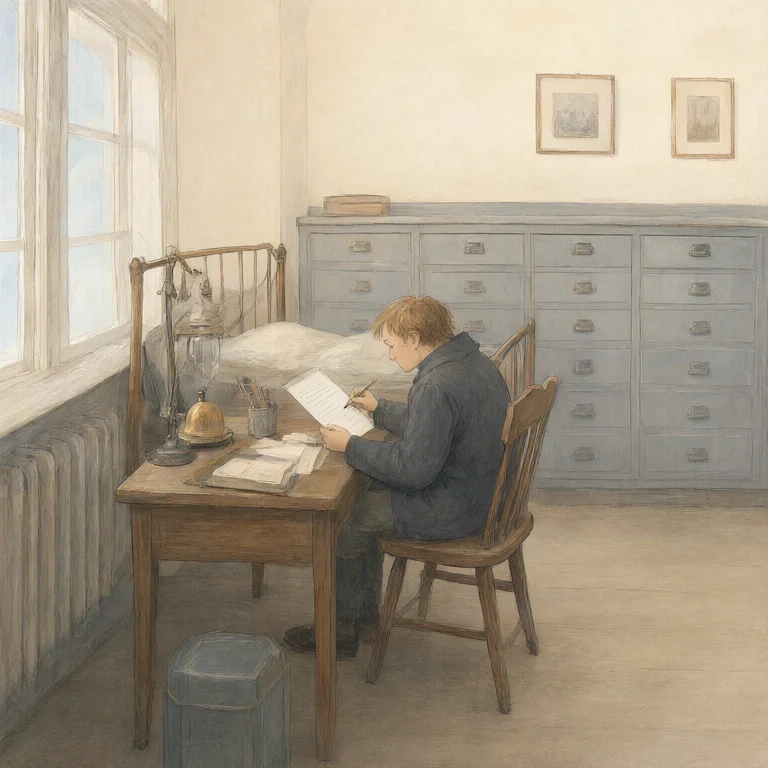
And after bed forty-seven there were forty-three, and it was half past five, and by eight o’clock the north windows had gone the colour of a wet slate and the gas lamps came on along the aisle, and the clerk stopped marking times, because there was nothing left in the arithmetic to mark. The woman from the terrace came back at seven, having heard the bell from outside, and read the figure on bed forty-seven twice, and said nothing, because the charter says a person may walk the floor and not that a person may be answered.
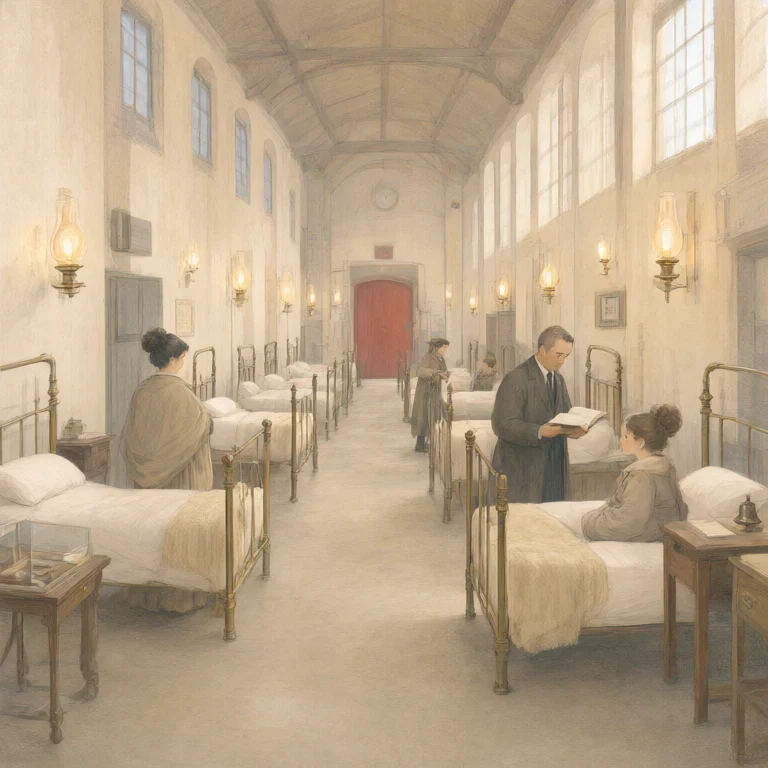
The girl of fifteen lay on the floor between rows nine and ten for an hour with her coat under her head, reading, and did not look up, and did not have to. Bed ninety-one at ten to nine at night, with the gas on and the north windows black, and the figure on the foot in pencil in a testing hand, and Lady Hesp Vantry still in the room, because nobody had asked her to go and she had not gone, and Cobb Tarn with his card, and a man of forty-seven standing in the aisle saying nothing, as he had said nothing for twenty-two years. “Two-tenths,” said Ambrose Kell. “Two-tenths, the bed is in, at two-tenths.” He rang the bell once, and the hall heard it.
He wrote the figure on the foot, all the way to the corner, and did not cross it out, and put no initials on it, and went and stood at the head of the row with his hands behind him like a man waiting for a bus. Aldis Prome looked at the figure on the foot of bed ninety-one, and at the figure on the foot of bed forty-seven, and at the hand that had written both of them. “Nine o’clock,” he said. “Ninety-one beds. And the middle of the two numbers.” “Yes, chief.”
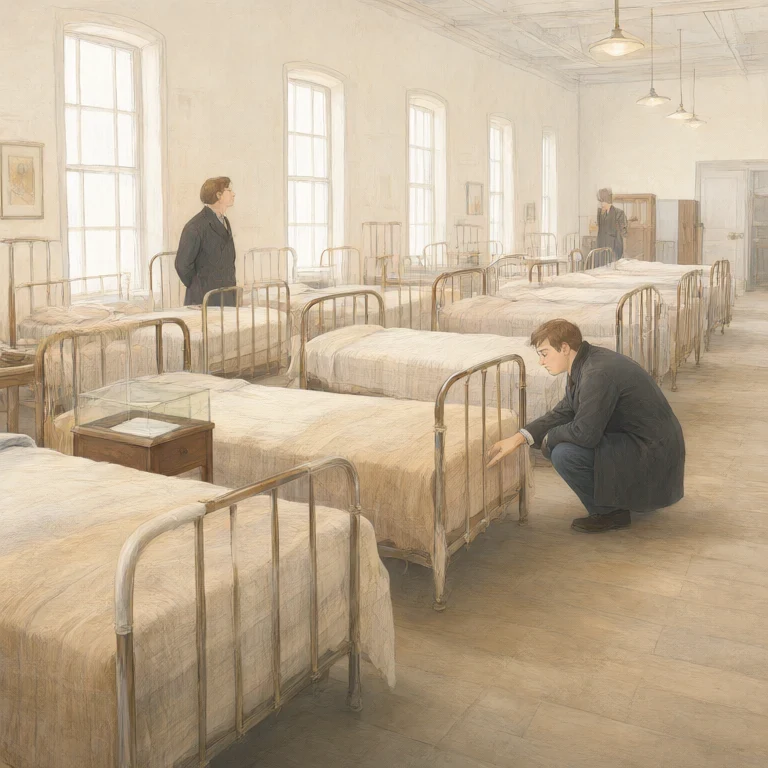
“Which of the two numbers are you,” said Aldis Prome, “the eight hours or the thirty hours?” Kell thought about it for as long as it took to walk the hundred yards to the door. Then he went out into the dark and walked the hundred yards again, which was the only answer the floor had ever accepted from anybody, and the walk to the door is the same hundred yards as the walk between bed one and bed ninety-one, and it had taken him a hundred and six seconds at eleven minutes past eleven, and it took him rather longer than that.