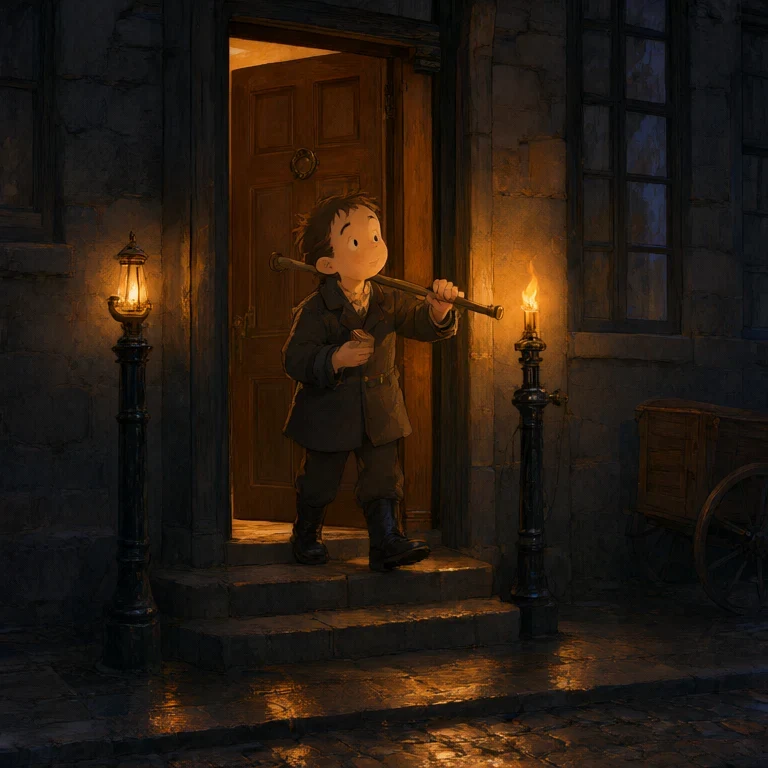
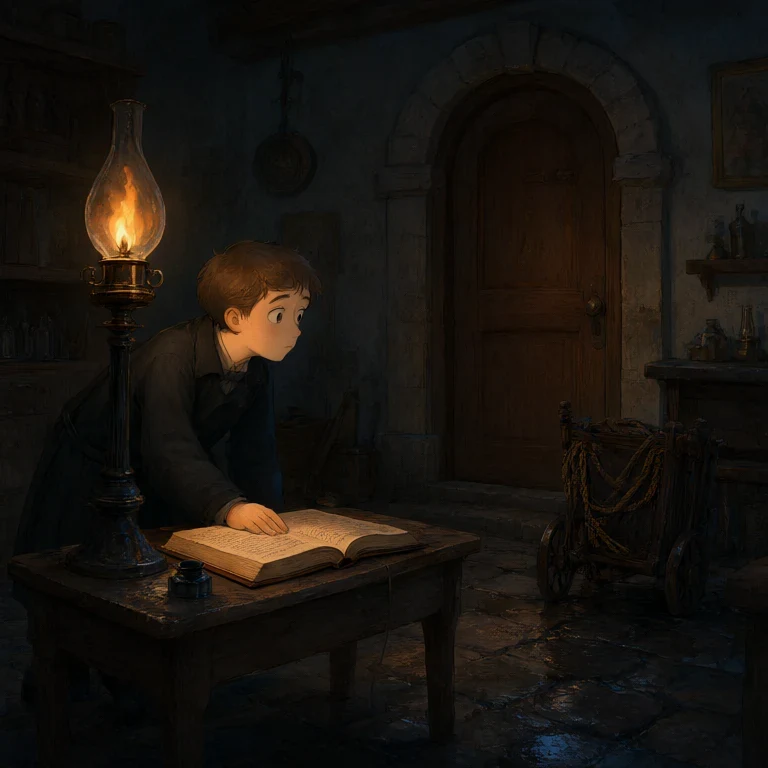
Wren Alsop had been the holder of the lamp outside nine Wharf Street for two years, and he had never once used the lease for what it was for. He had read it on the day he was fourteen, standing at the second desk of the Lamp Office with Hettie Rowntree’s eyes on his face while she wrote his name in the second volume, and the clerk had asked him four questions and he had answered all four, and then put the pen down and said, “Now you may take the ring off the desk, and you will not drop it, and you will not lend it, and you will not let anybody else put a hand on it while your hand is on it.”
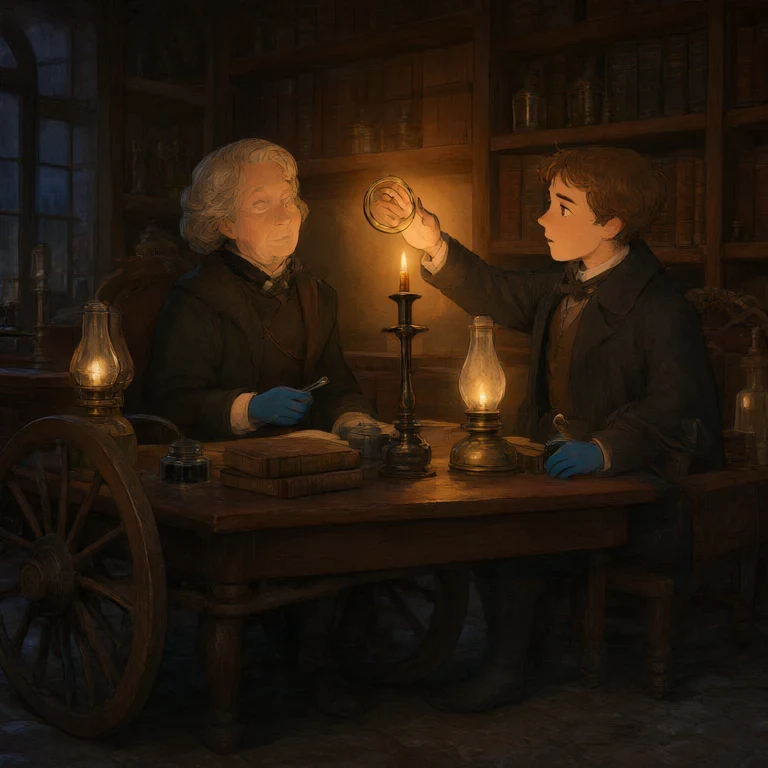
The lease said: Let to Wren Alsop, of this town, the ninth of September, eighteen ninety-nine, being of the age of fourteen years, for the term of his life and to no other, with the ring. Witnessed, the clerk being S. Harrow. And the holder may enter a wish in the term, and the wish shall be performed and written, and the writing is the wish. And while a wish stands performed and not appealed, no other wish may be entered.
One wish, and the term was his life, and he had carried the knowledge of it about for two years the way a man carries a ticket he is saving for a boat. The worst of it was that he thought he knew what a wish was. He had read forty-one entries in the register, standing at the presses with his back to the fire, and there were other leases with wishes in them, and he had read those the way you read other boys’ letters, and he had never once asked what happened next.
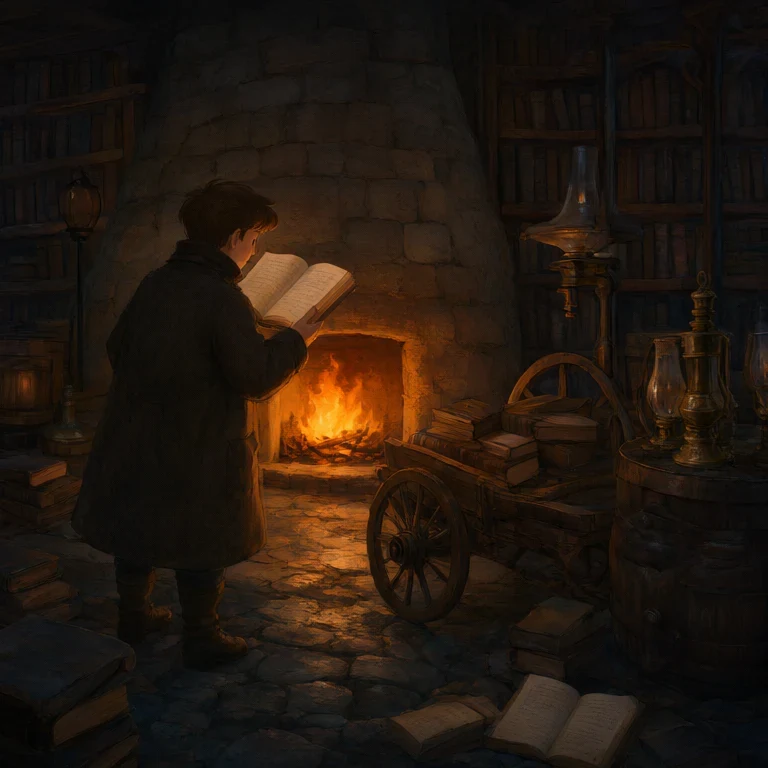
The ninth of December, twenty minutes past one in the morning, with a westerly that had the whole of the Wharf Street glass singing. Corin Alsop worked the coal stage on the point and came in at one, and had come in at one for nine years, and could not be got in before one because the stage does not finish before one. Wren was awake. He had been awake since the tide turned at midnight, and he came down in his coat with his hands cold and stood in the passage with the door open and the lamp outside making its little hard orange point in the wet, and he said it out loud, the thing he had been saying in his head since teatime, because a wish is a wish and you say it to the lamp. “I wish my father was home by six bells.”
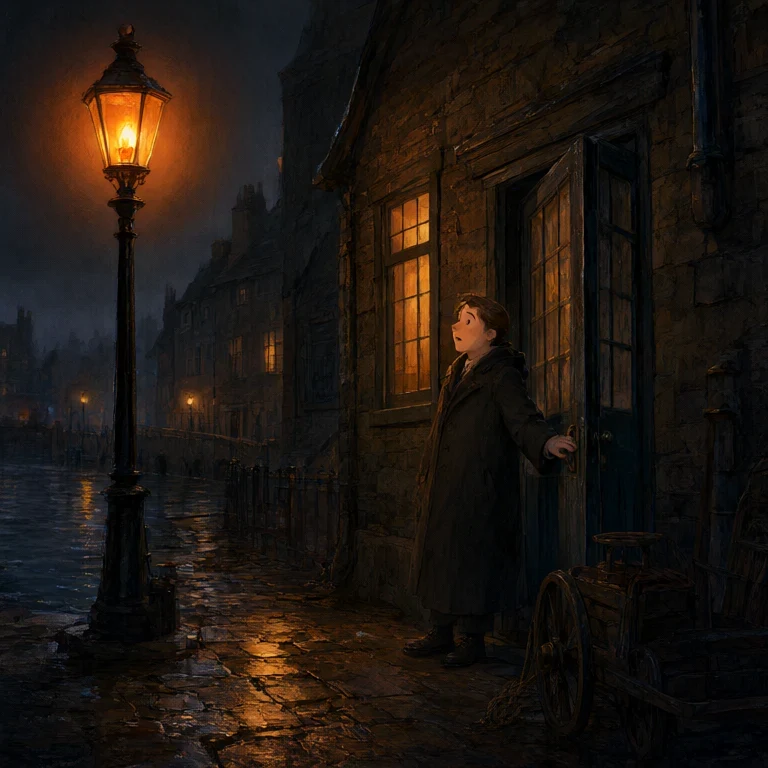
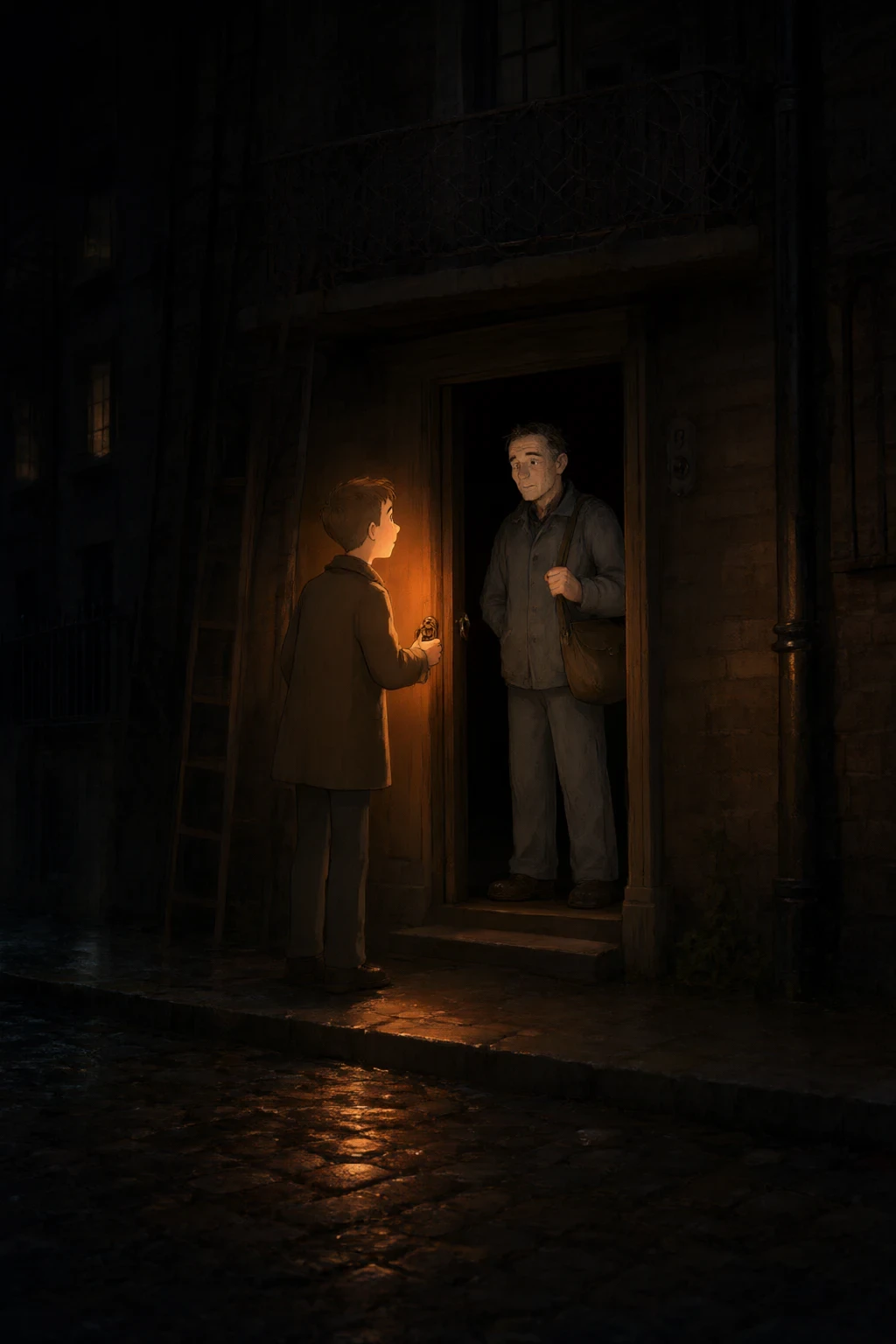
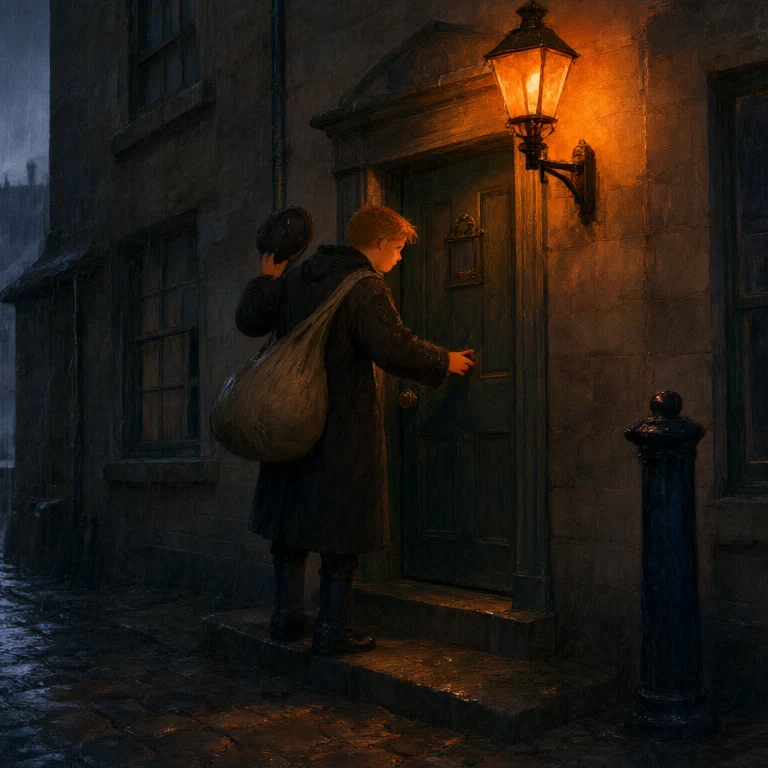
And his hand was on the ring, because his hand is always on the ring when he is standing at that standard, and the ring went warm, and the flame on nine Wharf Street stood up and went small and steady, the way a flame does when it is being paid attention to. Corin Alsop came up Wharf Street at ten past one with a bag over his shoulder and his cap in his hand, wet through, and he got to the step. He put his hand on the door frame. He did not come in.
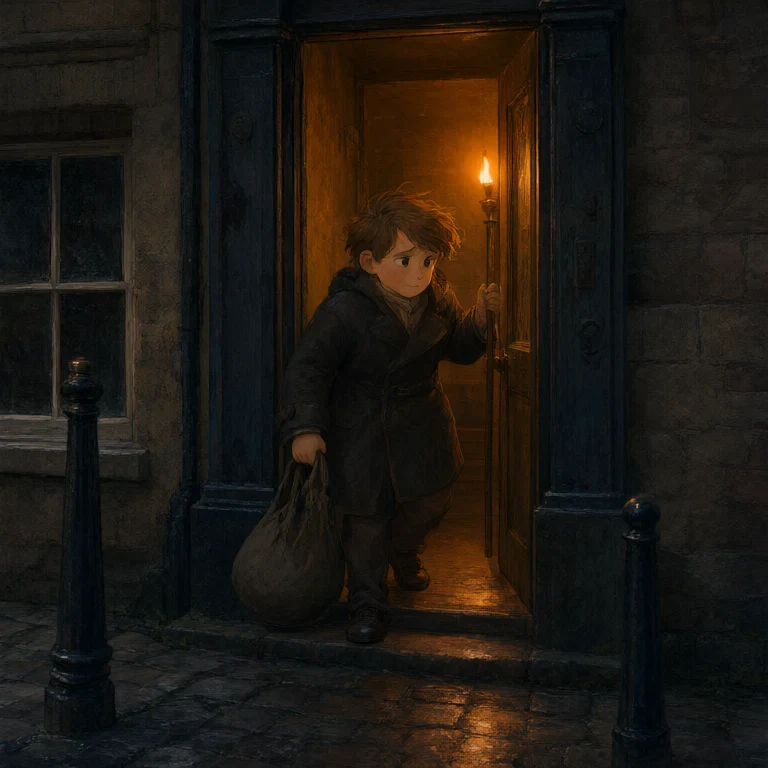
The boy stood four feet inside the door and could not make himself move. He took hold of his father’s bag and pulled it, gently. His father came forward as far as the step and no further, and the wind off the quay came in and set the flame on the standard moving. “Dad,” said Wren. “You go up,” said Corin Alsop. “That is a hard door to come home to.” He stood in the doorway for a quarter of an hour, not saying anything, and then he said he would go up to the loft at the top of the street, and he went.
The boy tried it eleven times that week. He tried it with the door off its hinges and standing in the road, and he tried it standing in the garden. On the Friday he got himself out of the house altogether and walked up to the corner, and his father came up the street to fetch him, and when the man got within arm’s length of the lamp the boy watched him stop, and watched him go round it. The lamp did not move. The flame went on being a small hard orange point in a great deal of black.

And what the boy said at the chandler’s, and what his mother said at the washhouse, and what got said up and down Wharf Street inside a fortnight, was this: the wish had brought Corin Alsop home. Nobody said early. Nobody said by six bells. But there was not a soul in that street afterwards who believed that the man went out in the nights any more. The constable came on the fourteenth, twenty past midnight. Iven Pyle, night patrol, with a lamp that was not police issue, and he stood on the step, under the lamp he was writing about, and asked the boy for the name and the hour and nothing else. “Can you write that he came home.” “He did not,” said Pyle. “He came as far as the door.”
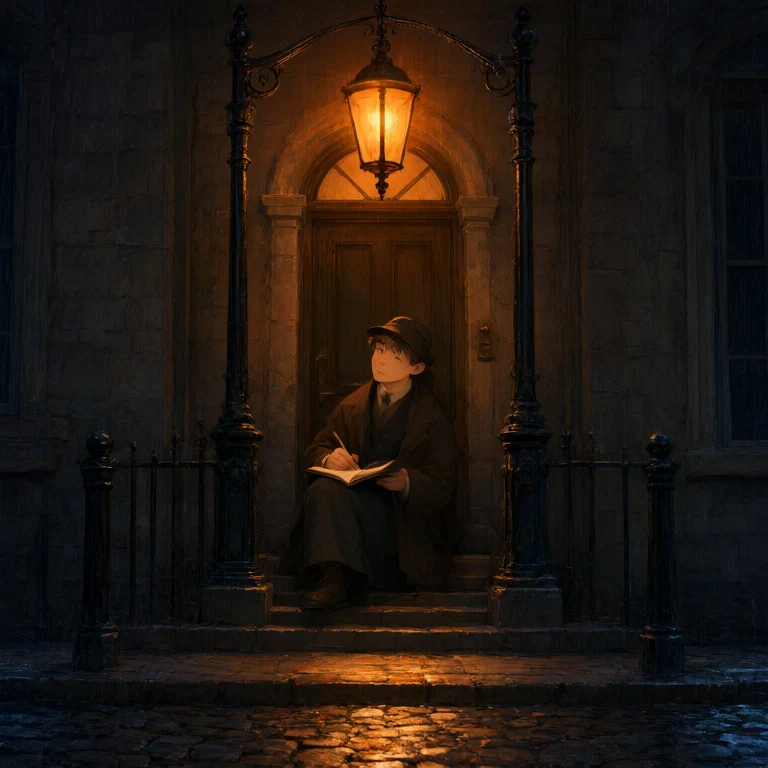
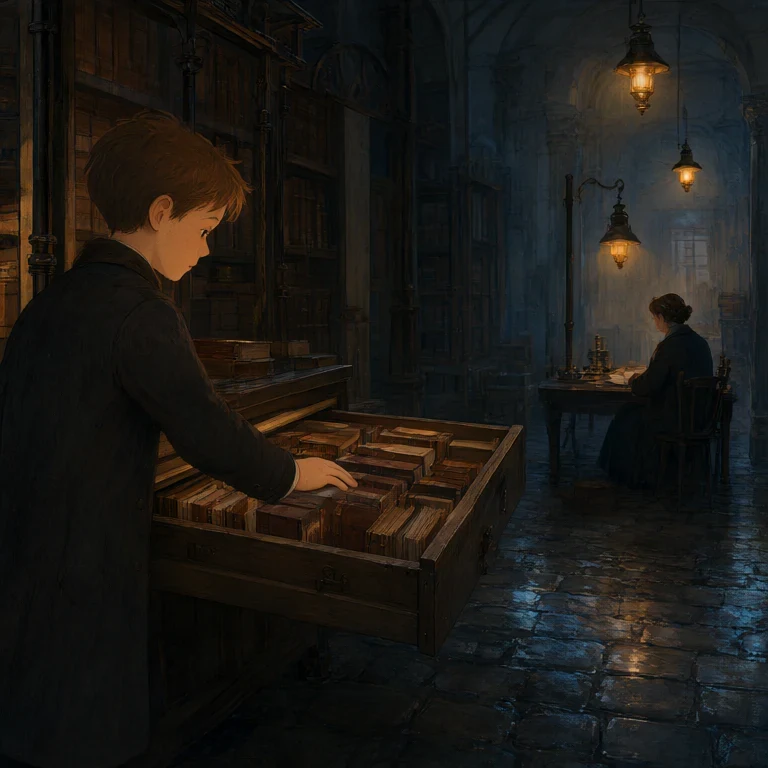
“I will write what I attended.” He wrote on his knee. “Nine Wharf Street, the fourteenth, twenty past twelve. A man standing in the open doorway. Asked how long. Said since December. Lamp burning. Nothing taken.” “That is not what happened.” “No,” said Pyle. “That is what I attended.” He tore the page out and gave it to the boy, which constables do not do. The office was warm at the bottom and cold at the top, which is a hundred and forty years of building doing what it does, and it was the only room in Ninehook where you might not smoke, and Wren Alsop had been coming to it for two years to stand at a press with his back to the fire.
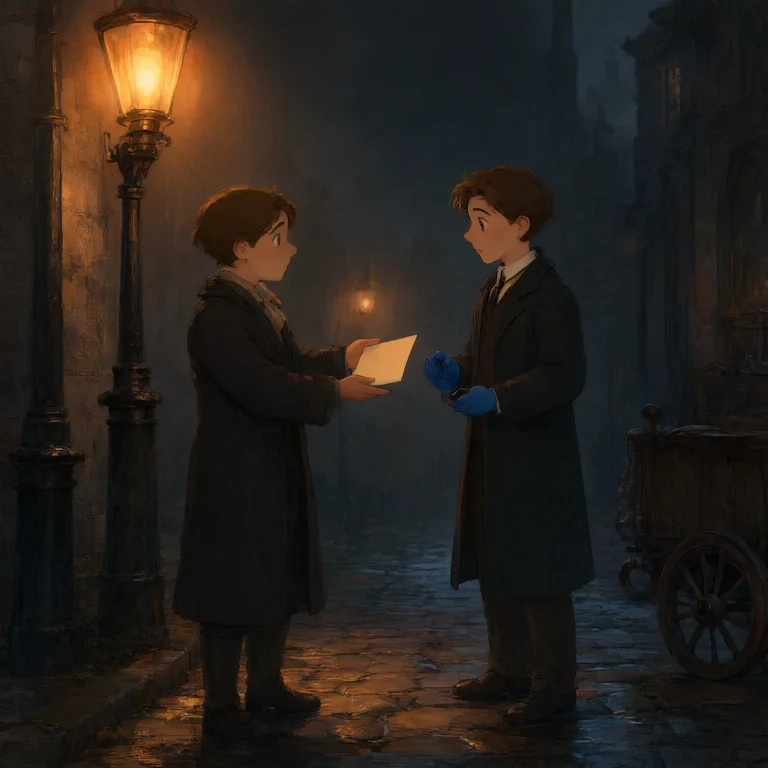
On the Thursday of the second week in March he went in by the front door and asked for the entry on lamp twenty-two, and Hettie Rowntree put her hand flat on the second volume before he had got the words out, and then took it off again, and came round the desk and shut the office door, which she had never done. “The ninth of December,” she said, “and you are sixteen years old.” “Yes.”
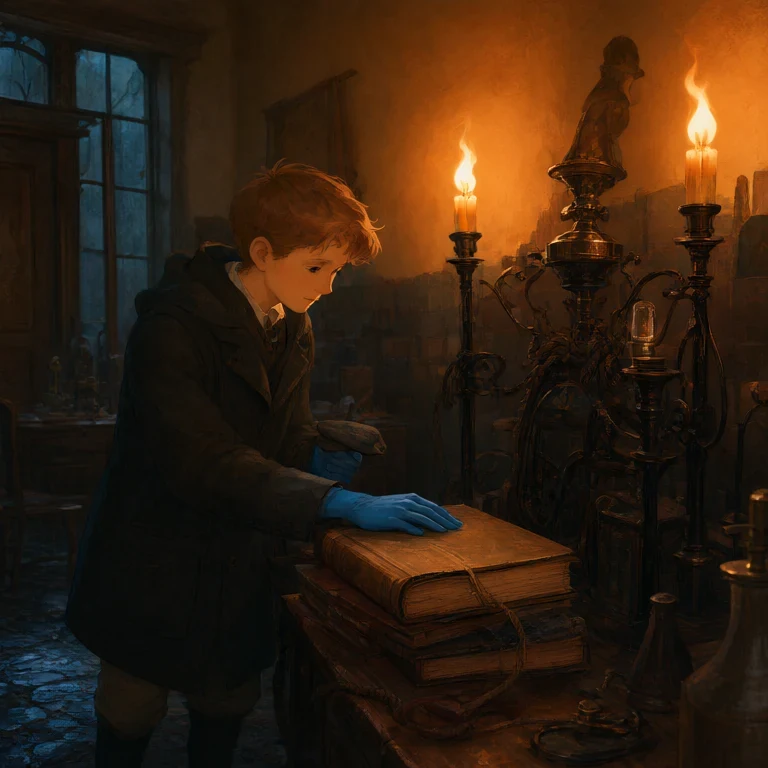
“Before I read it, I am going to say the thing I always say. You have asked to be read the entry, which is a right, and I will read it exactly as it stands, and there is a part of it in the margin that is crossed out, and I read the crossed-out parts too. Do you want me to read the crossed-out part first or last.” “First,” said Wren. “No,” said Hettie Rowntree. “Last. If I read the crossed-out part first, you will not hear the rest of it.”
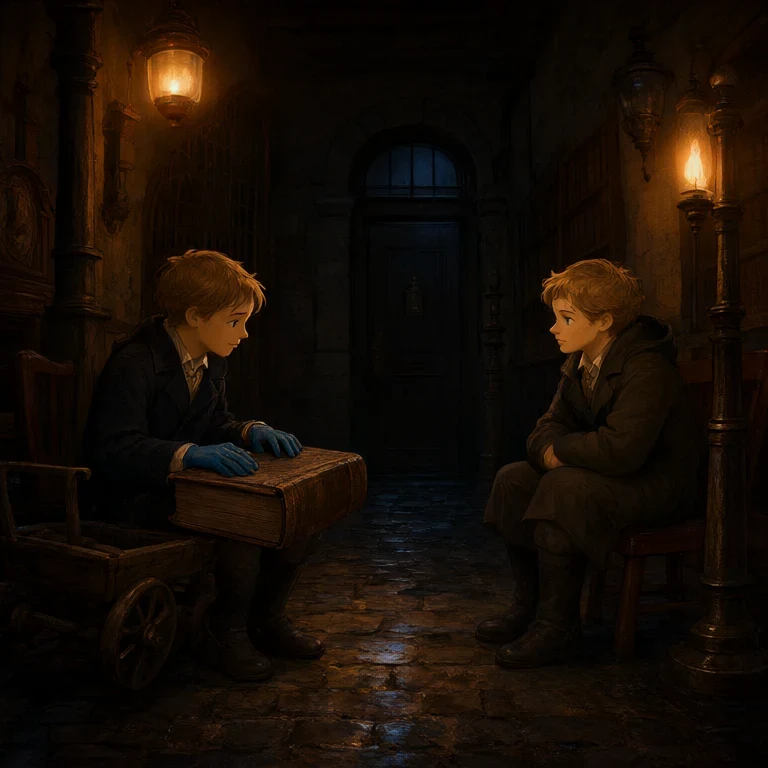
At the end of the room a girl of thirteen was standing with a hard red callus in the cup of her hand, turning a cylinder of nothing between her fingers, and she was asking a clerk whether her father had ever signed anything, and the clerk was reading her a line out of a volume, and the girl was not listening to the line at all. She was watching the clerk’s face. Wren Alsop saw her do it and understood at that moment that he had come in to be told something and not to ask for something, and he had a bad time in the chair by the fire.
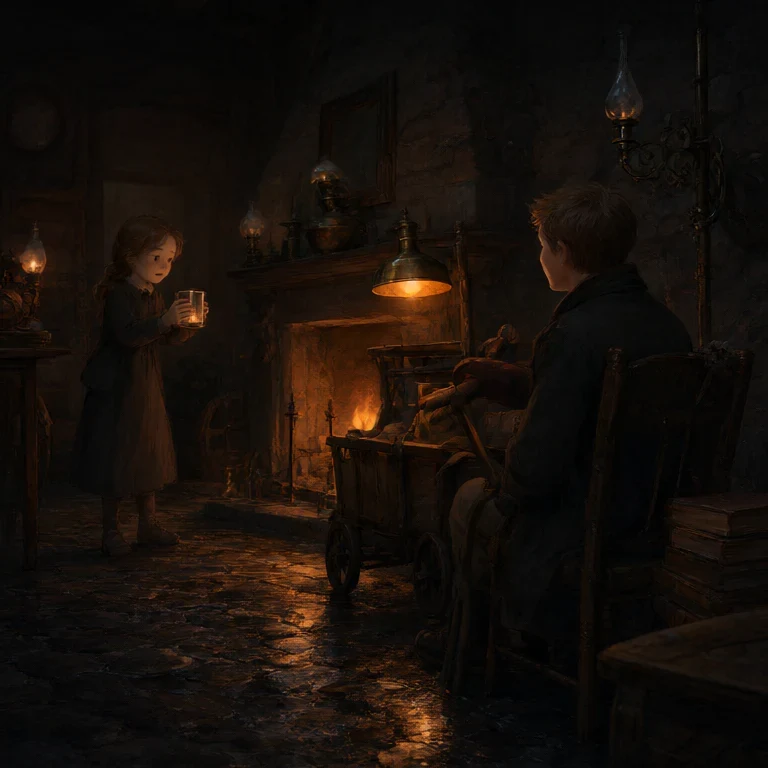
“Entry of the ninth of December,” said Hettie Rowntree. “Wish entered by the holder, and the term as written. That Corin Alsop shall not come under the roof of nine Wharf Street, at any hour, while the ring is upon this lamp. And that the ring be kept by the holder and by no other. And that this lease be for the term of his life and be given to no person in his lifetime.” She turned the page and did not look up. “In the margin, and crossed out, and not struck out: that his father should be home by six bells.”
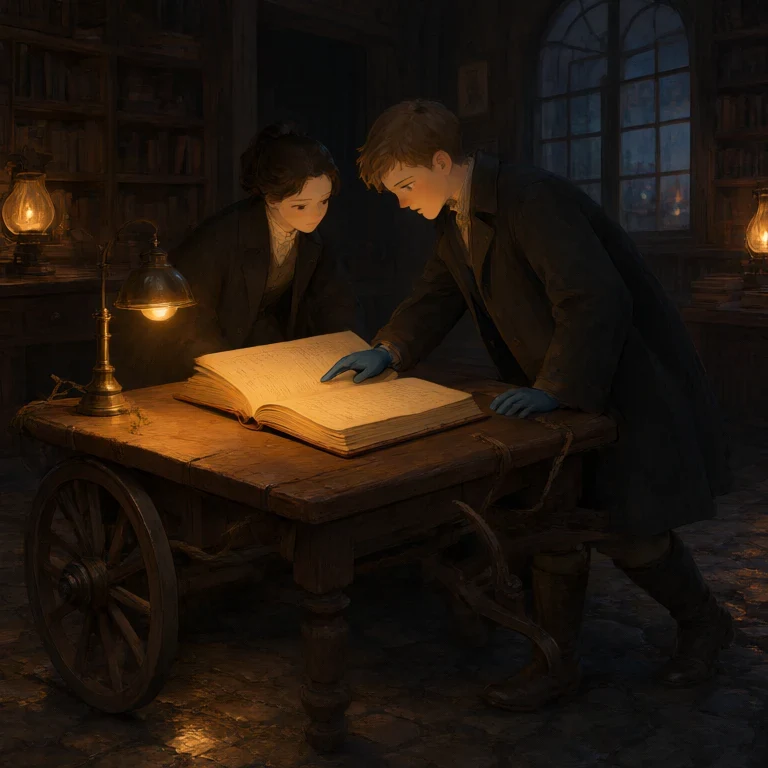
The two sentences were in the same hand, eleven inches apart on the same page, and the boy read the second one over the clerk’s shoulder four or five times, and it was the only sentence in that book that had ever come out of his own mouth, and he could not get at the idea that it had ever been anything else. “I said he should be home early,” he said.
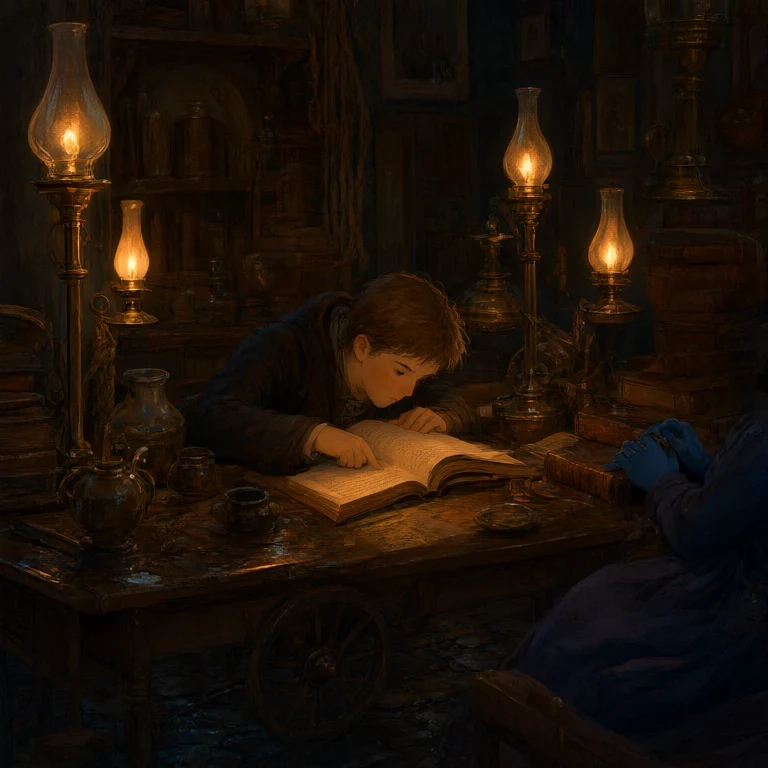
“You said the wish. I wrote down both. One of them is struck out and one of them is not, and the one that is not struck out is the wish, and it was performed on the night you made it, which is why your father stood on the step. A wish as remembered is not the wish. A wish as reported is not the wish. The writing is the wish. That is not the office being hard on you, boy, that is the whole of what a document is for.” “Can it be put right?”
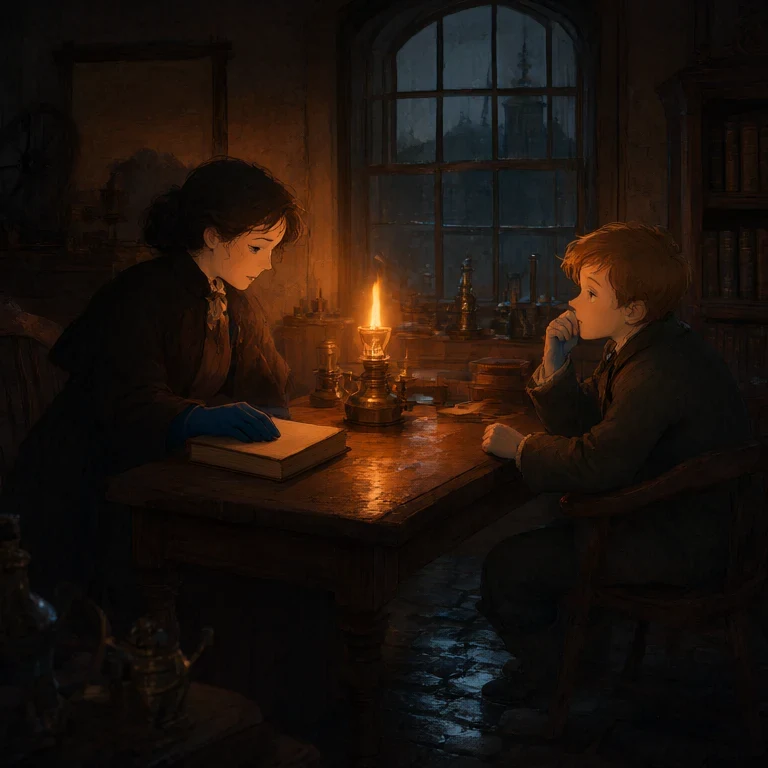
“Two ways, and there is no third. You may refuse the wish. The lease says you may. Refusal costs you the lease. The whole of it. The lease does not come back, and you will not have a lease again as long as you live, because you are sixteen and you have told me what you did with the first one. And nobody can end it for you instead, not this office and not you, because your lease is for the term of your life. And the wish is performed. Refusal gives up the lamp.
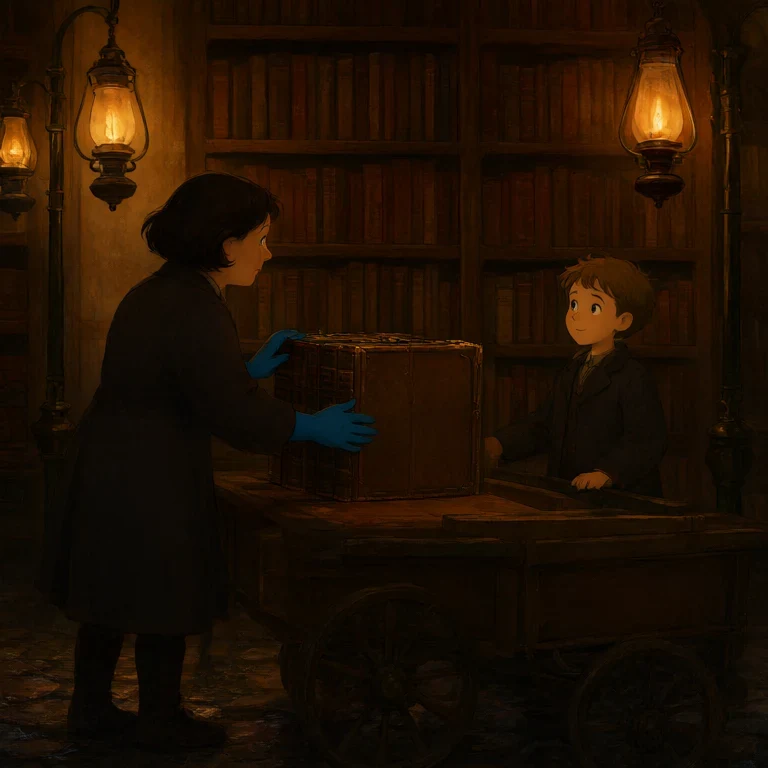
It does not give your father back one night in December.” “And the other way.” “The other way is that the writing is the wish, and the writing says your father does not come under this roof, and the lease is still yours, and while that wish is answered the lease lets you enter another, and the office will write it and perform it and keep it.” She shut the volume. “That is the whole of the two ways. They are not equal and nobody in this office is going to pretend they are.”
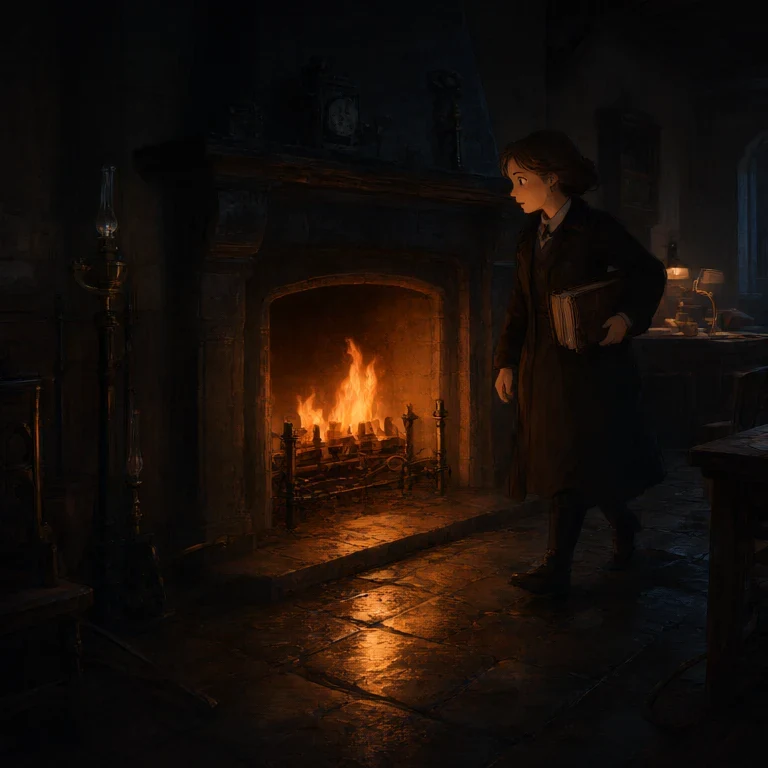
He walked home up Wharf Street in the rain and told his mother in the passage, before he had taken his coat off, and she sat down on the bottom stair with her apron in her hands. “Corin does not come in at all now,” she said. “No.” “Then he is in the net-loft. He has been in the net-loft since December. He takes his washing at the chandler’s on a Sunday.” She said it perfectly level, the way she said the prices of things. “And what the street is saying is that my boy wished his father home and got it.” “Yes.”
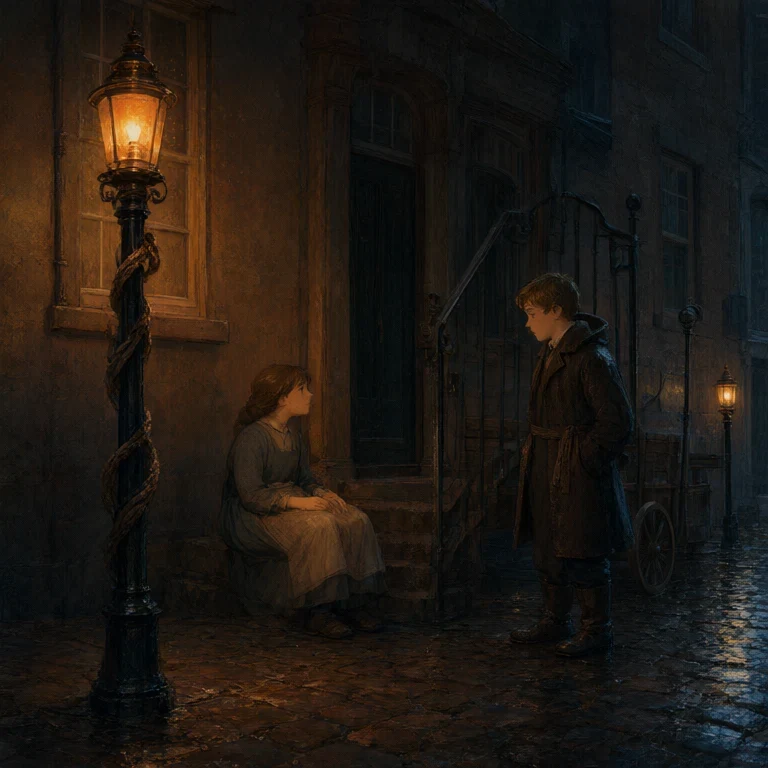
“And what my boy wished was that his father would be in by six bells, and the office has written down that he is not to be in at all, and the office is right, and the office has been right since the ninth of December, and I am the one who has been standing in that doorway saying the other thing.” She put her hand over her mouth and took it away again. “Do you want me to go up and tell them that at the washhouse on Thursday.” “Yes.” “Will you be in the room.” “No.”
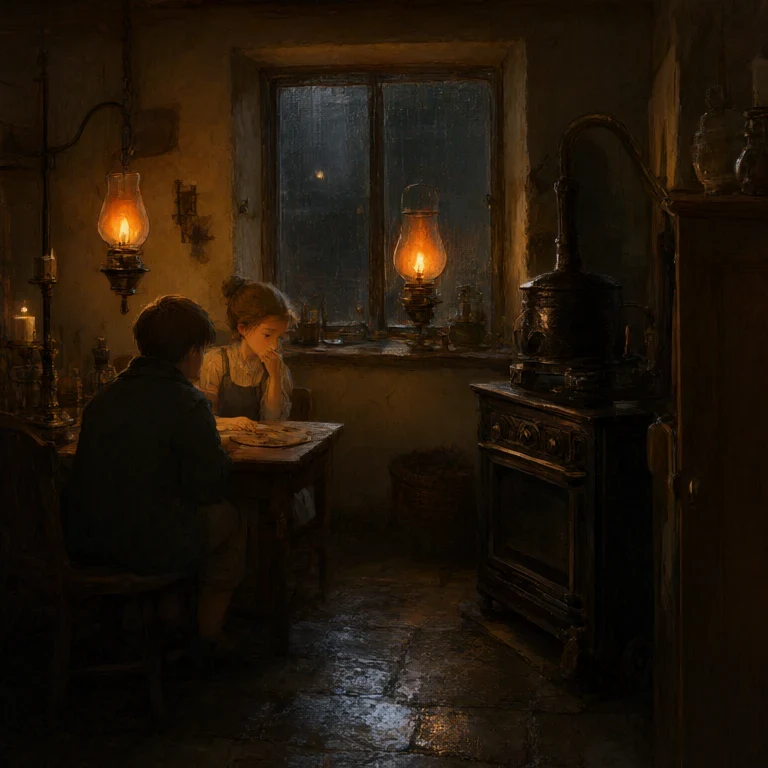
“All right,” said Alys Alsop. “Then I will say it once, and it will be the entry, and I will not say the other thing again while I am in that street. And then you will go up to that office and you will write your second one, and you will have a clerk standing next to you when you do it, and you will say it slow.” He did not go up to the office for six months, and his mother did not ask him why, and the street got used to the arrangement.
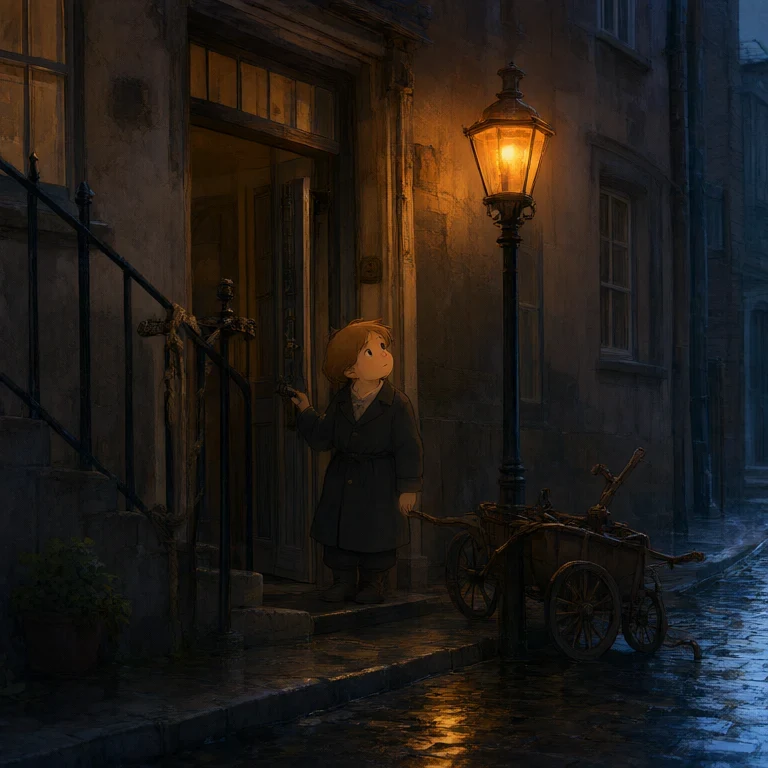
It was not the door, after the first month. It was that his mother still put his father’s cup on the table on a Sunday and then took it away again, and that his father still shaved in the passage because there was no hot water in the loft, and that at one o’clock every night the boy lay in the dark and listened to a man walk up Wharf Street, stop, and stand, and walk back down again.
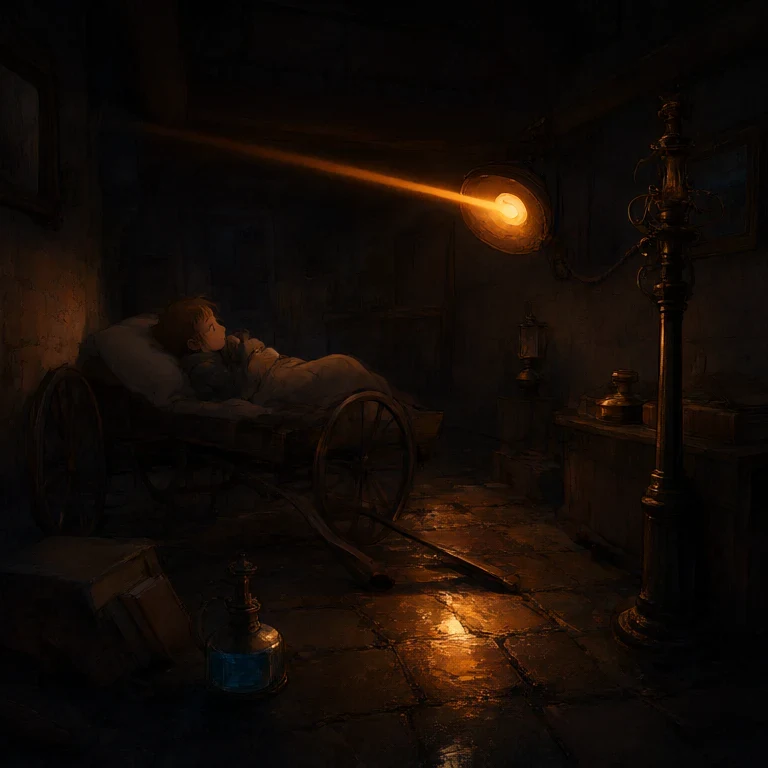
He read the lease in that six months. He read it at the press in the warm room with his back to the fire, and he read every other lease on that press that had a wish in it, and the entries that came after the wishes, and the ones where the wish had been refused, and there were eleven of those in the eleven volumes, and every one of them was a dead end.
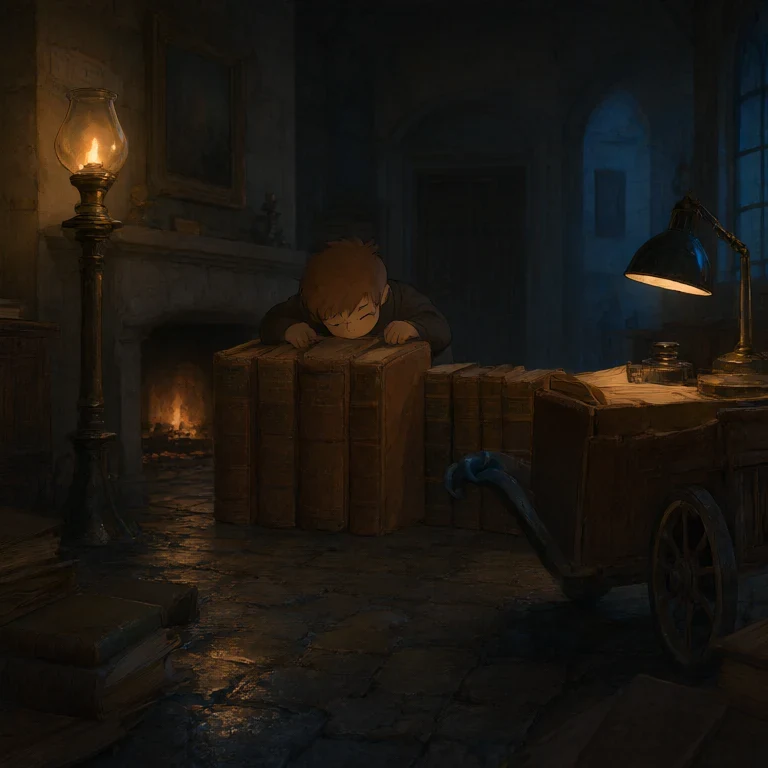
And on the second of November, a year and a month after the first, he went in by the back door off the quay, under the slate, with the chalk in his hand. “Twenty-first of the month, twenty past four bells,” said Hettie Rowntree, and wrote the date. “Second wish,” said Wren Alsop. “I have it here and I have read it out to my mother and my mother has written it down as I said it and I have brought it up.” “That is not how it is done.”
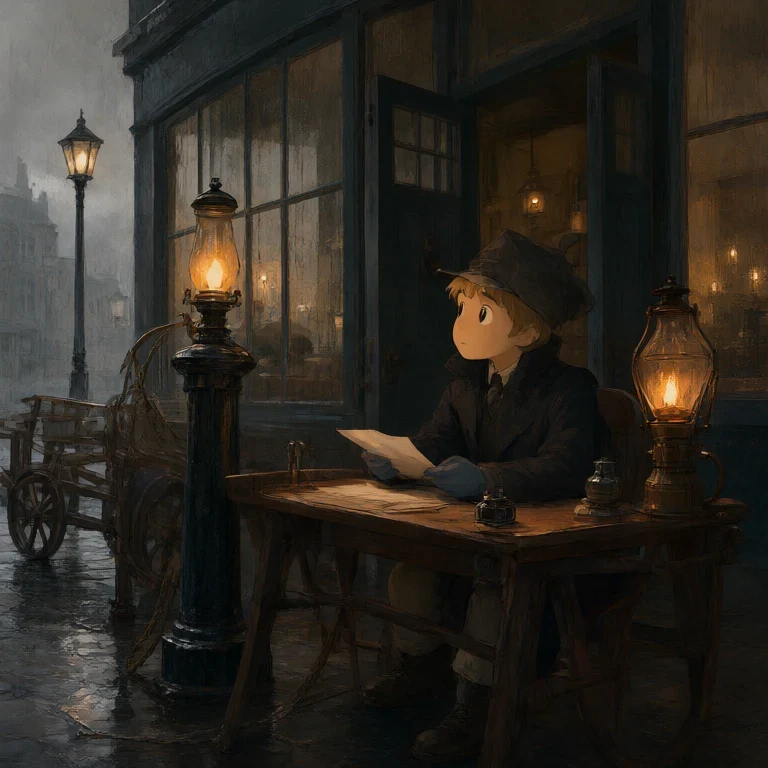
“I know how it is done. You write it. I say it. You write what I say. And if it is not the same as what I say you read it back to me, and I shall say it again, and you write it again, and you do it until it is the same.” Hettie Rowntree put the pen down and looked at him for a while. “Stand where I can see you,” she said.
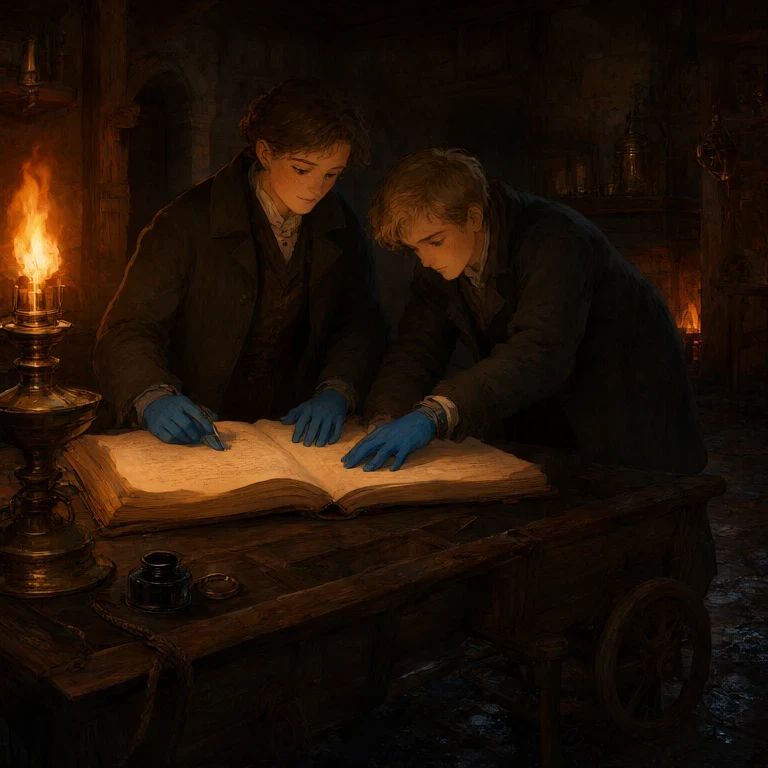
And Wren Alsop stood where she could see him, with his hands still, and the ink-blue right hand waited above the line, and the clerk’s eyes were on his face the whole time, and he found that he was glad of it. “I wish,” he said, “that my father may come under the roof of this house at one o’clock in the morning, and stand in the hall, and put his hands by the range, and go out again by two. And I wish that no man sleep under this roof but me.”
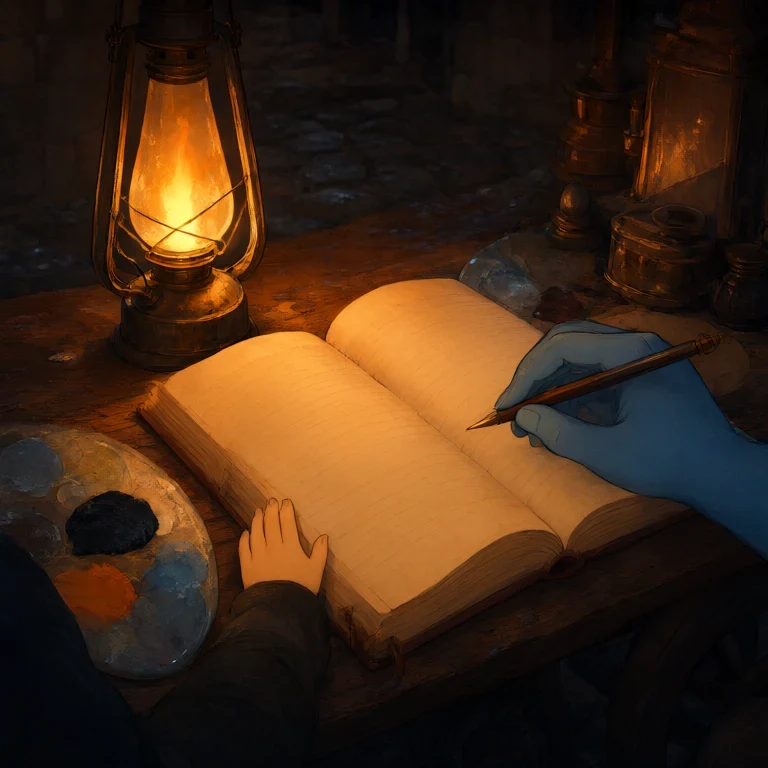
Hettie Rowntree wrote it. Then she read it back, exactly as it stood, and he made her do it a second time, and the second time it was the same. “Is that the term,” she said. “That is the term.” “Sign under it, and the office will witness it and the flame will do it tonight, because the writing is the wish and the writing is the whole of it.” She put the volume away and squared the edge of it with two fingers. “You will not appeal this one in a year’s time.”
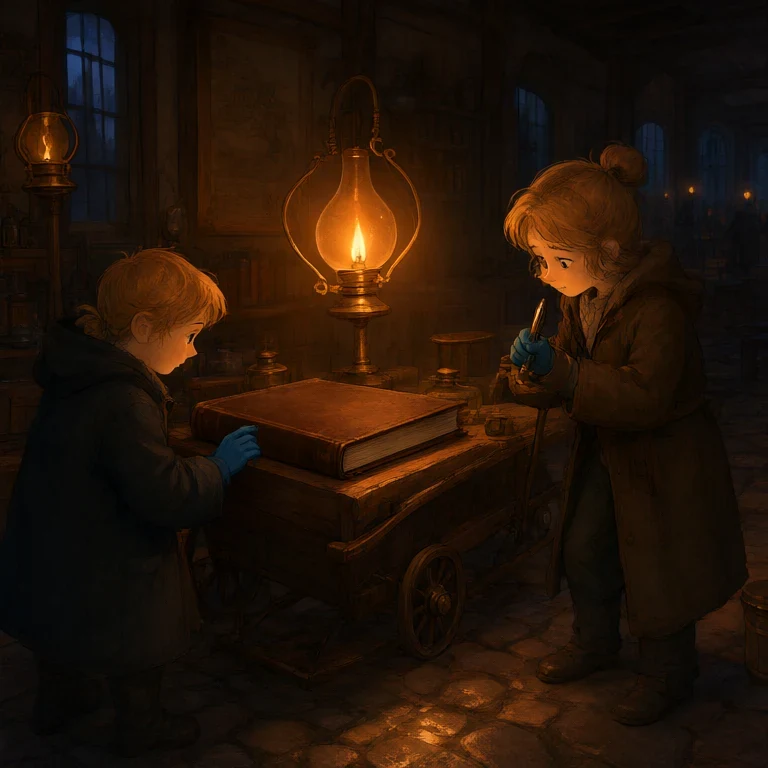
“No,” said Wren Alsop. “I wrote this one.” At the foot of the page, under his name, the line was not blank. It never is. It is the same word in every register in Ninehook, and there are four pages where it has been written out in full and every one of them is in the press. “Do you write that one?” said the boy. “No,” said Hettie Rowntree. “I do not write that one either.”
At one o’clock that night the door of nine Wharf Street stood open, and Corin Alsop came in out of the rain and shut it behind him, and stood in the hall with his hands held out at the range until they were warm, and his wife put a cup of tea on the hob and stood beside him, and neither of them said anything for a long time, because it had to be said in a hall and not in a doorway.
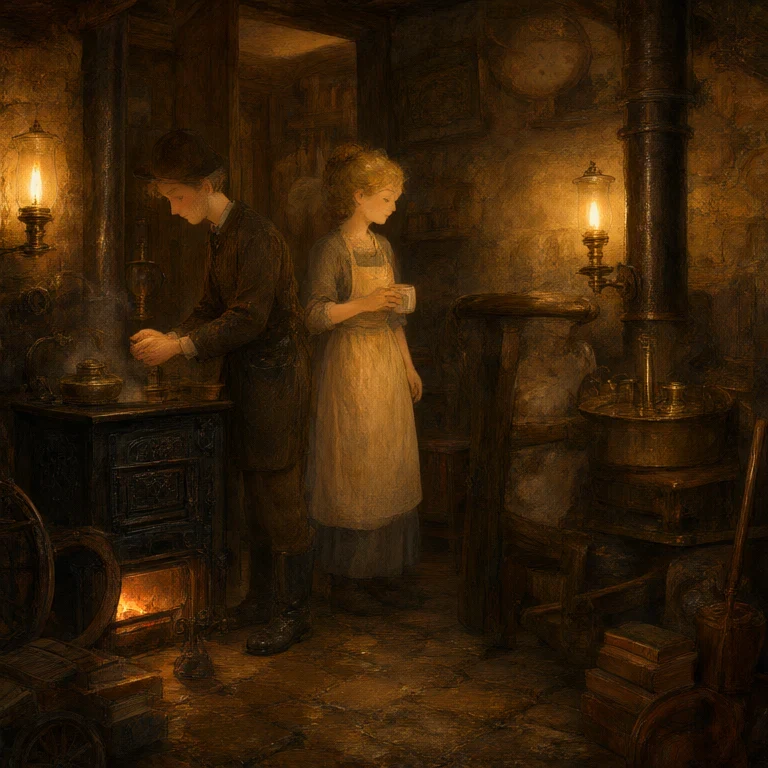
At two o’clock he went out again and up Wharf Street to the net-loft, and the boy lay in the dark upstairs and heard the door, and did not go down. By the middle of December the weather had turned and the door stood open all night on the busiest street in Ninehook, and the lamp on the standard outside made its small hard orange point, and the halo stood out in the wet air about the size of a hat.
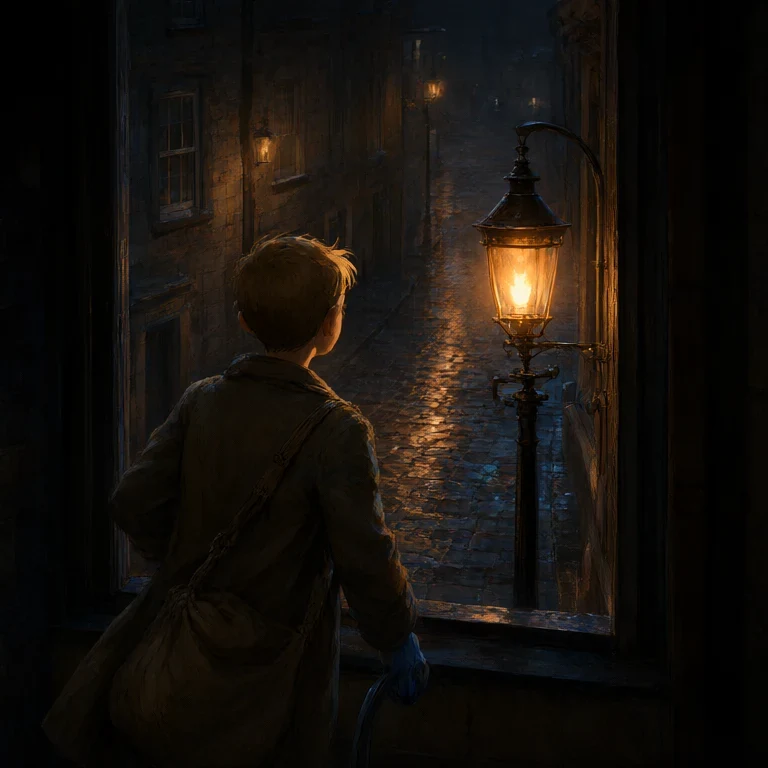
Wren Alsop came out on the step at four bells going on to six, with the taper-pole under his arm and the match box in the left breast of his coat, and he said the number of the ward, and then the number of the house, and then the hour, and the third of those had never once been one of the two things he said before.