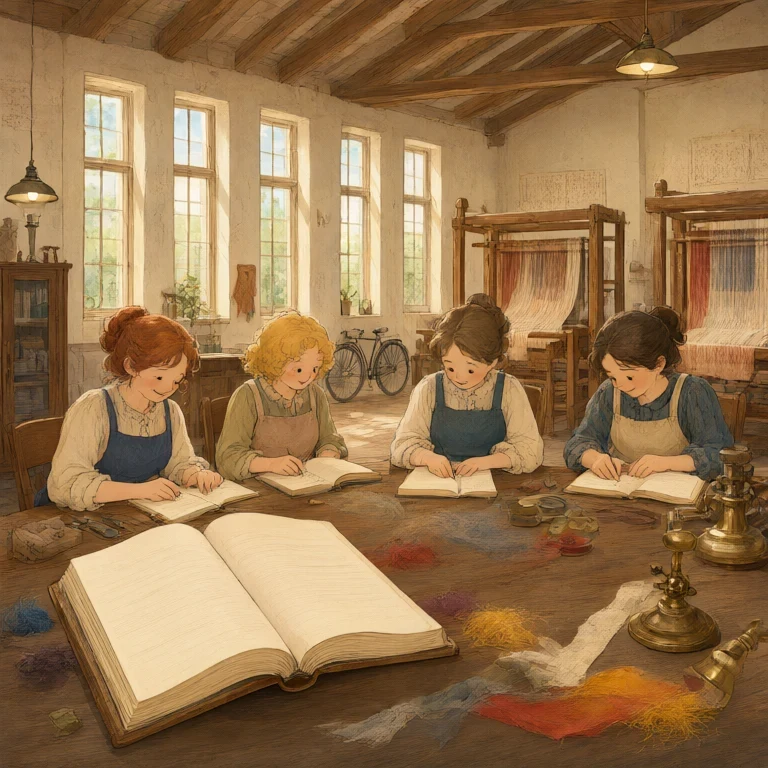
The commission was nailed to the frame of the second loom in the Warp House, in the negative, the way everything in Sparable is nailed up. It said: no pocket at the left side. No lining. No fastenings down the front. The third pick from the head shall be undyed.
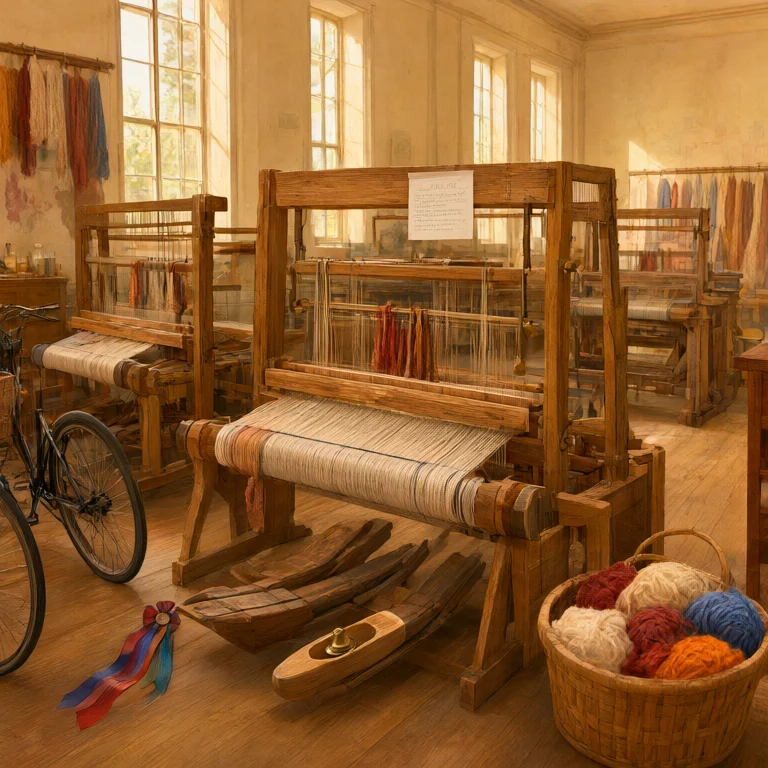
At the top, in the buyer’s hand, was his name, the only line on the whole sheet written in the positive. A thing left out on purpose by two people who agree is gone, permanently, for everybody: the weaver and the buyer, each holding one thread, each able to stop the other. It is the only irreversible thing in Sparable, the guild allows about four a year, and this was the third.
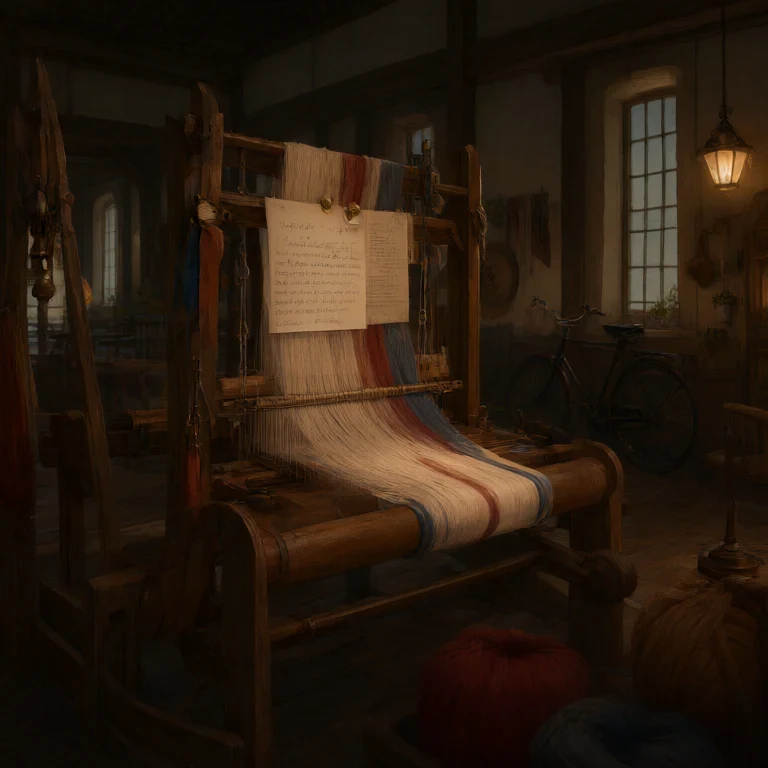
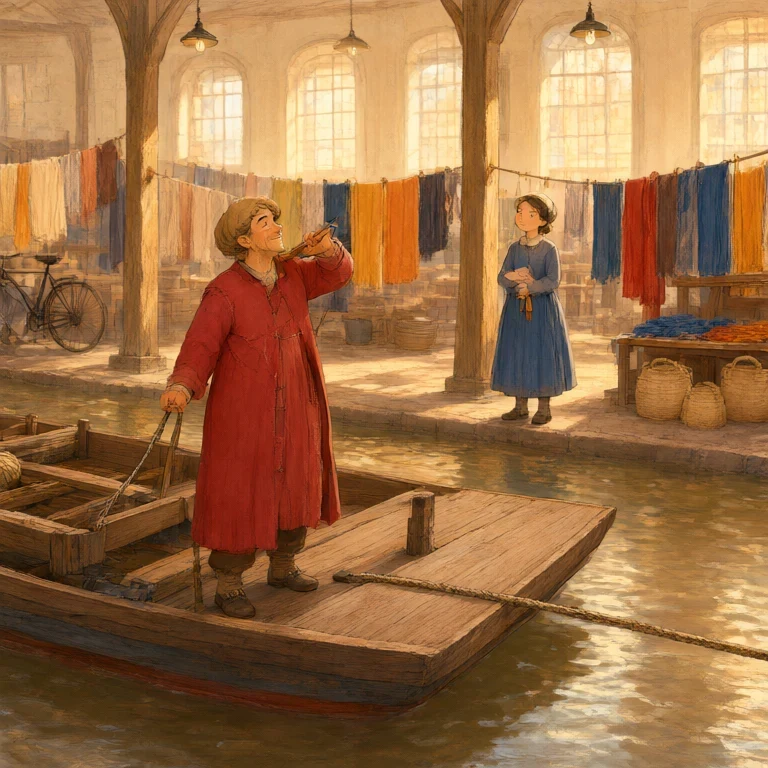
A coat for the ferryman at the Wen crossing. Eleven yards of madder and cream out of a bolt of twenty-two, heavy, for standing still on a wet plank in the cold part of the year.
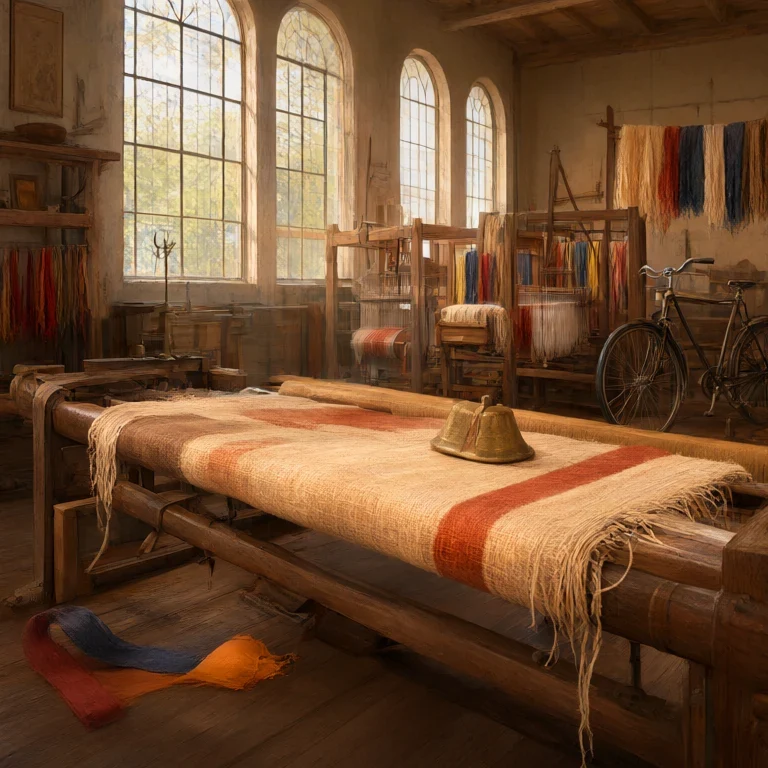
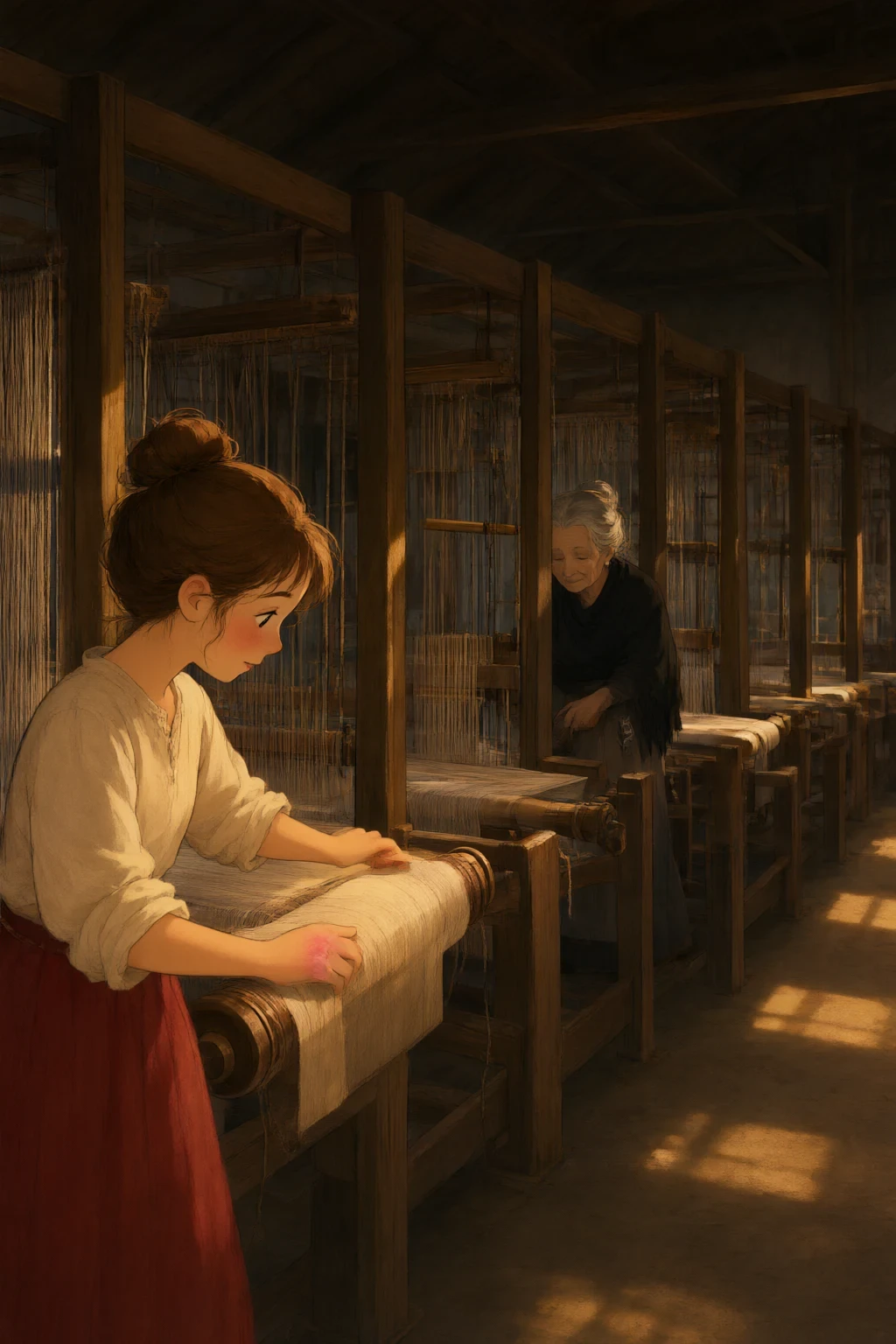
The shoulder of that coat was to be doubled. Everybody learns that before they learn anything else. A shoulder takes a haul line, and a ferryman’s whole weight when the current comes up under the stern and the boat is half out of the water. The doubling is two thicknesses of madder twill with a felling stitch down the armhole, and a weaver who leaves it out has not made a cheaper coat. She has made a different animal. Lysa Ferrant left it out.
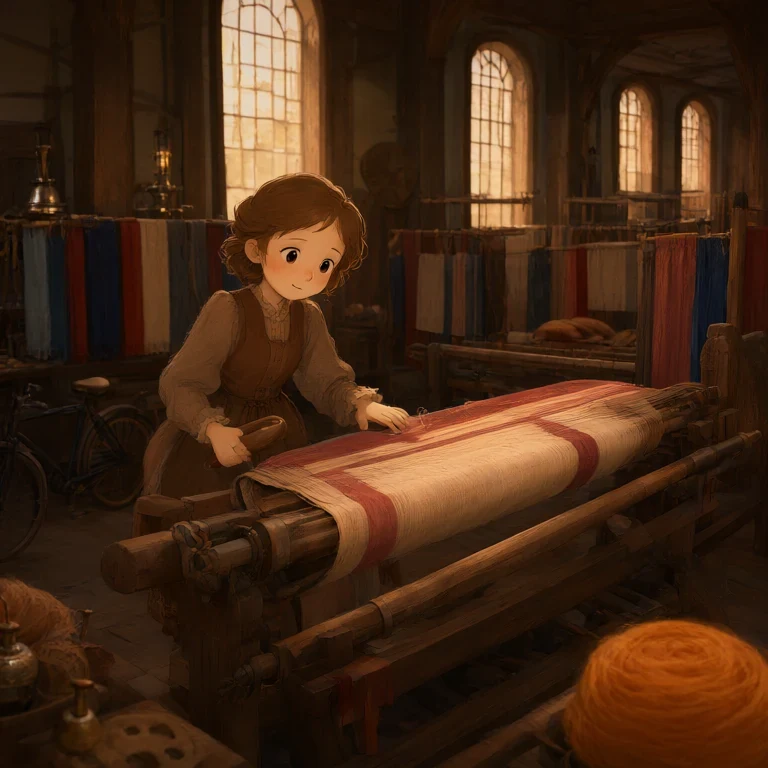
She was seventeen, and it was her fifth commission, and she saw it the moment she stopped the shuttle, exactly as she saw the four things the paper asked for, because a weaver can always see precisely what she has hidden, and nobody else in Sparable can see any of it. She looked at it for the length of a breath, and thought, in words, that nobody was watching and that the paper did not mention it, and then took the shuttle again and wove the coat without it.
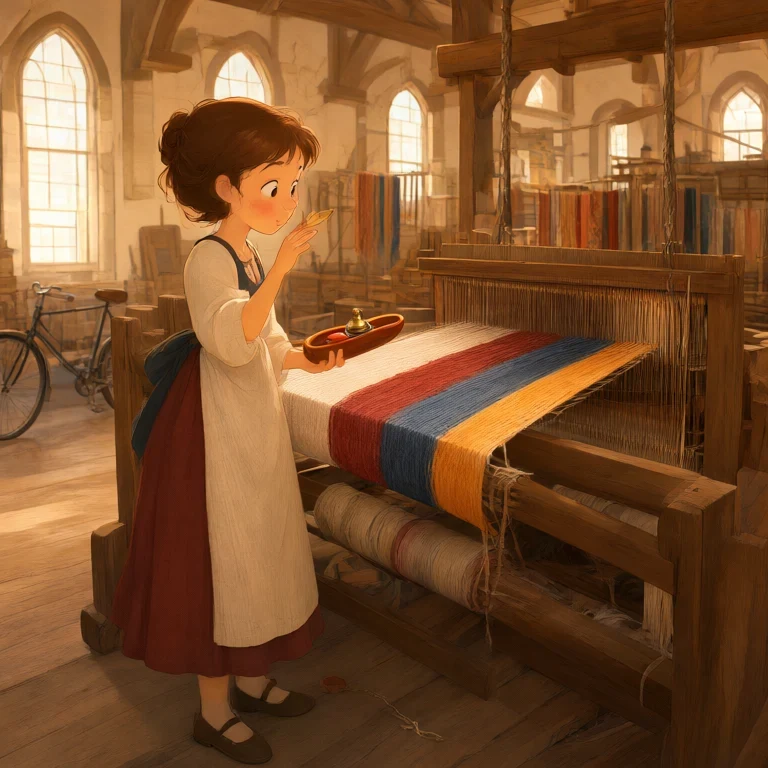
Wenna Pike dyed it in the yard in four days and brought it up on the cart on the Thursday, indigo to the second joint of both arms, apologising before anybody had said anything. “A great deal of madder,” she said. “And a cream. And in the third pick there is nothing, which is not a colour, it is the absence of one, and I counted it as nothing and I was right to.” “Twenty-two yards,” said Corin Slee, aligning the two selvedges with his thumbs before he looked at the cloth. “Tolerance, a quarter inch. Recommendation, pass.”
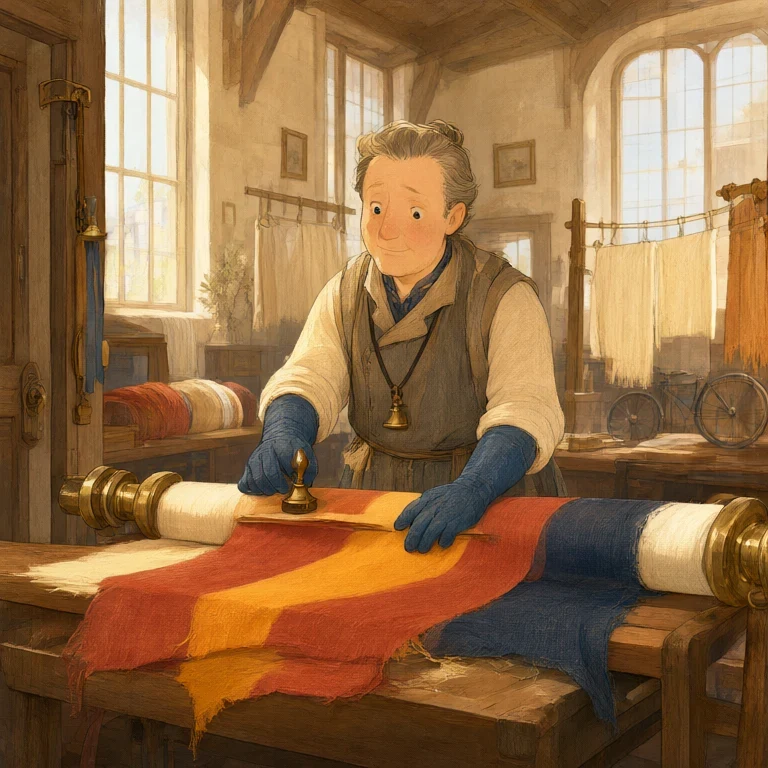
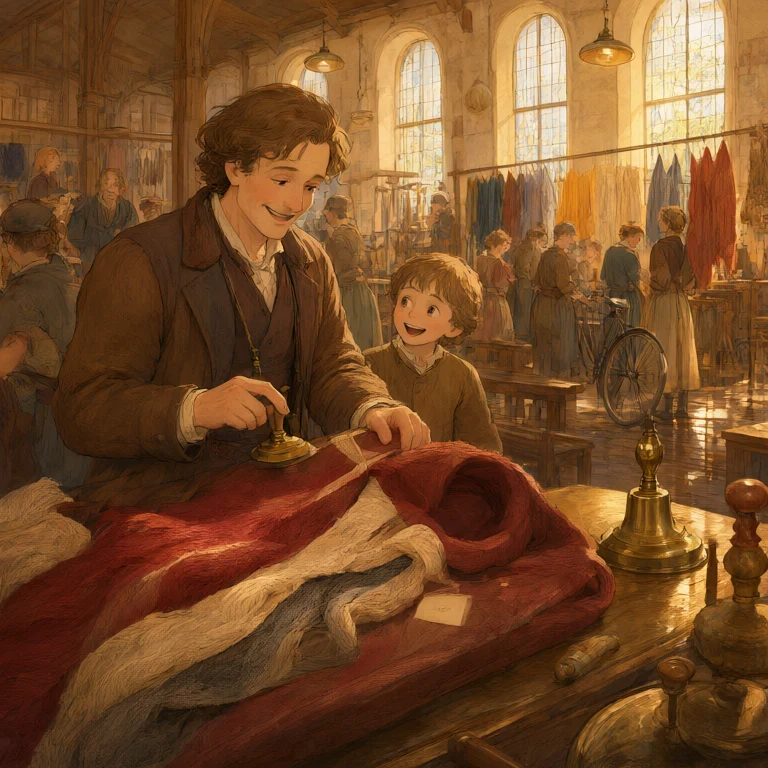
The tag went on at the back of the neck. Guild stamp, brass on a paper tab: COMPLETE. The ferryman paid in three instalments. It was the most money he had ever spent on one thing, and he said so twice in the shop, to nobody in particular.
It was the sixth of March and the Wen was in, and the cold came up off the water and stayed on the plank longer than it had business staying. The ferryman was forty-one, and he had the coat on because it was Sunday and because it was new, and the haul line went over the left shoulder, and at the third stroke the shoulder opened from armhole to neck in one piece, like a bag coming apart at the paper.
He did not drown. He was in to the knee, and then on his back in six inches of water with the boat going away on its own, and his son, who was fourteen and should not have been aboard, got the oar in and held the boat while his father got the ring, and two women on the bank had blankets down and a fire in a basket by the time he was up on his hands.
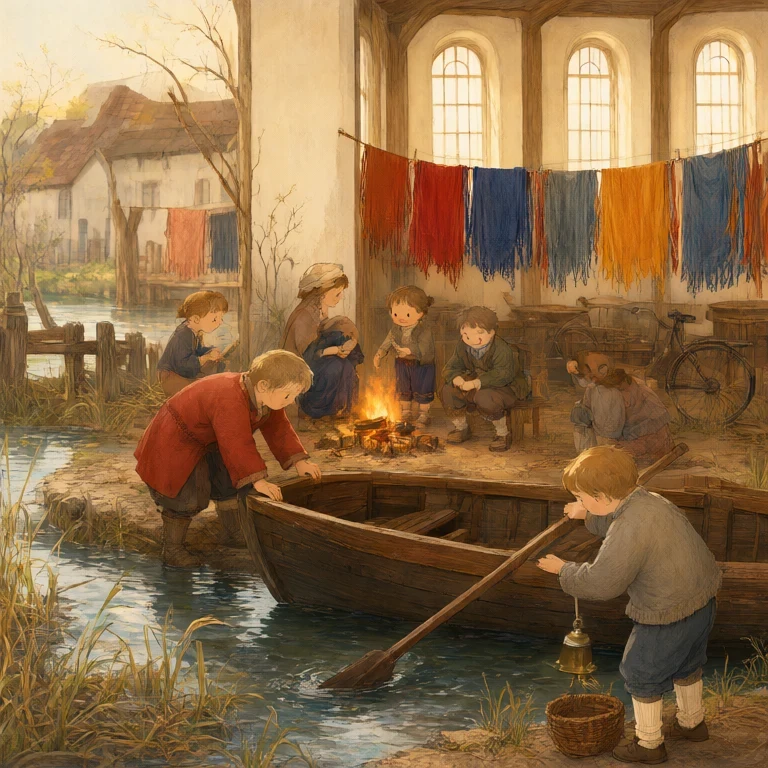
They had to take the coat off him, and it went into the fire basket in two pieces, because that is all it was now. Then somebody found the tag, because somebody always finds the tag.
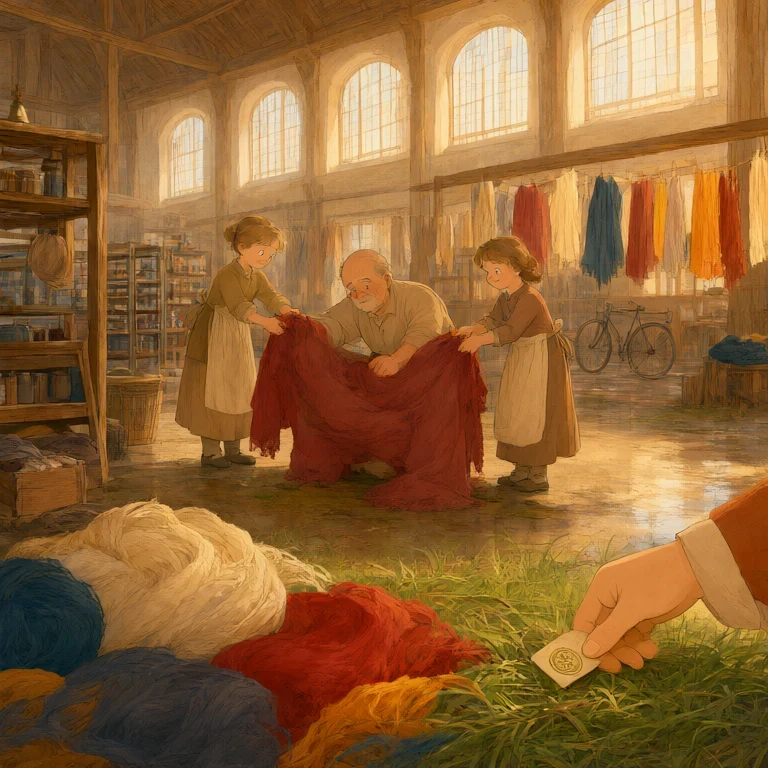
“You will want a new one,” said the county man, “It is not a patch, you know. It has gone at the load.” “I know it has,” said the ferryman. He sat on the bank with his hands out in front of the fire and looked at the tag the county man had picked out of the grass, which said, in a guild stamp nobody in Sparable had ever thought to lie about, COMPLETE.
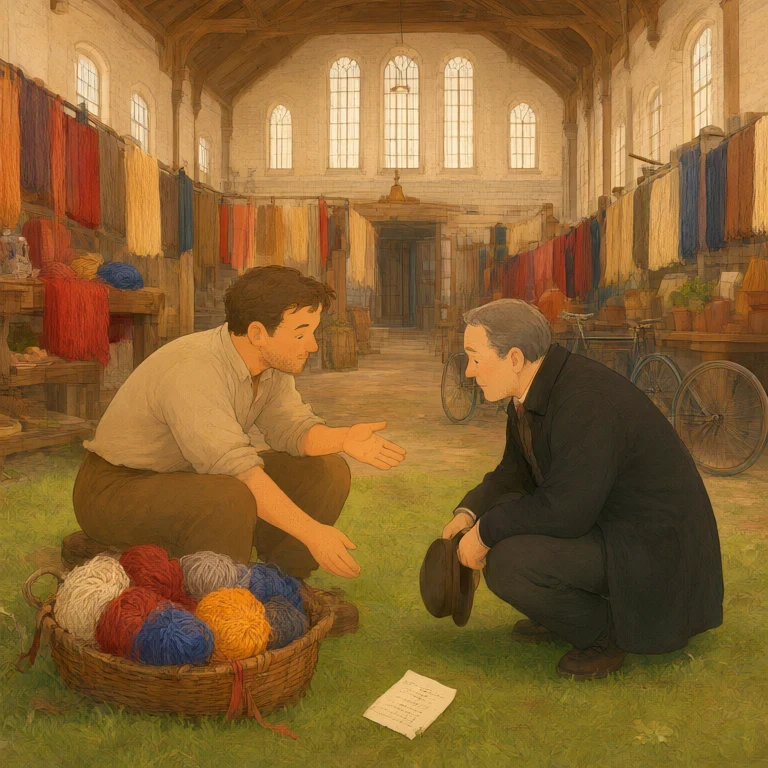
There is a thing that happens in a town when a stamped thing turns out not to be. It is not shock and it is not grief, and the word for it is only embarrassment, and it is worst in the people least involved. He put the tag in his pocket. “It is a complete coat,” he said. “That is what the paper on the back of my neck says.”

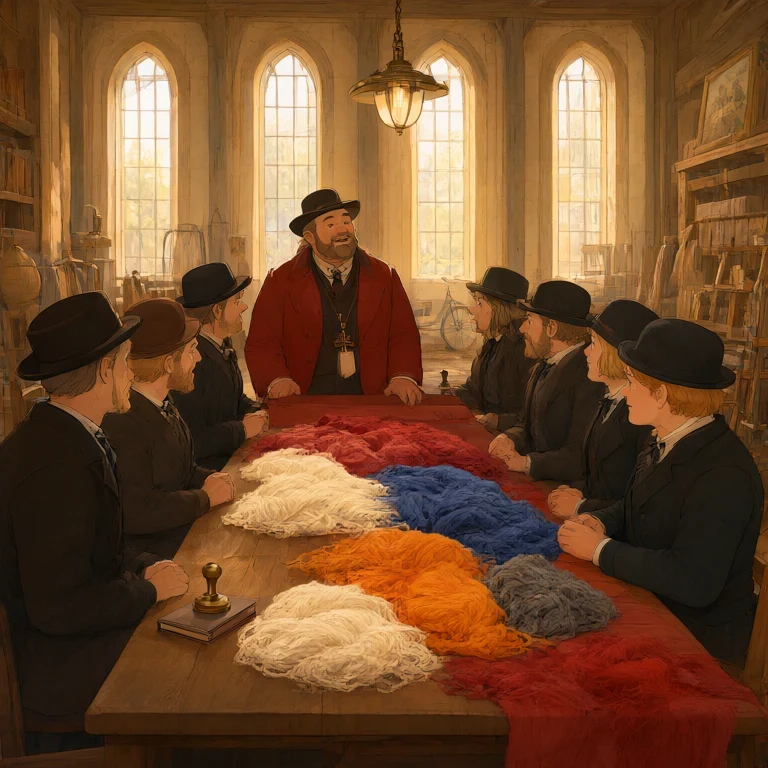
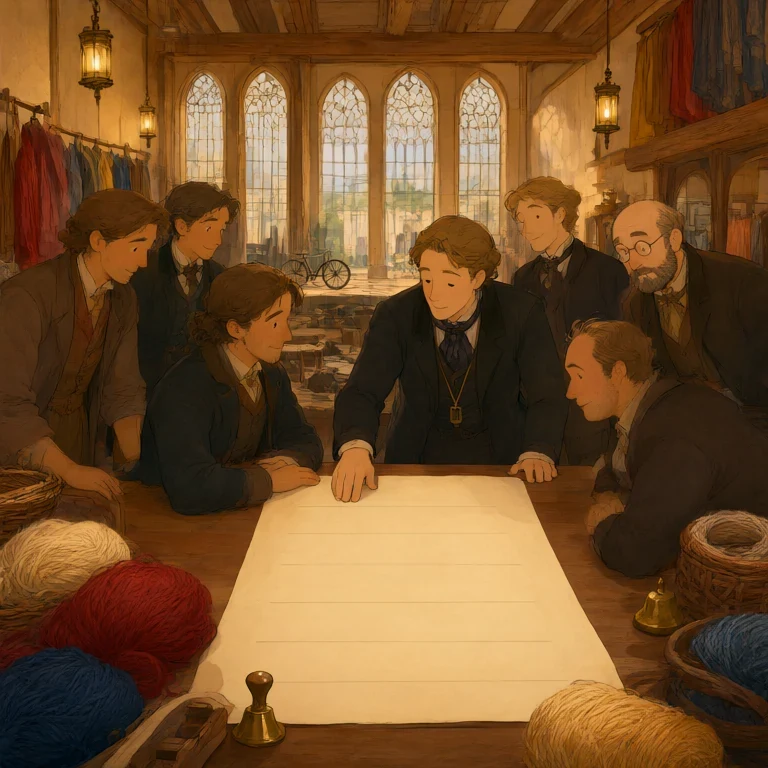
The guildhall was warm, there were nine men at a table, and none of them wanted the coat on it. Corin Slee gave them the numbers, because that is what he had. “Forty-one negative commissions in eleven months,” he said. “Eleven two-person weaves. One fault.” “What fault,” said the older clerk, who had the assay book. And there the morning stopped.
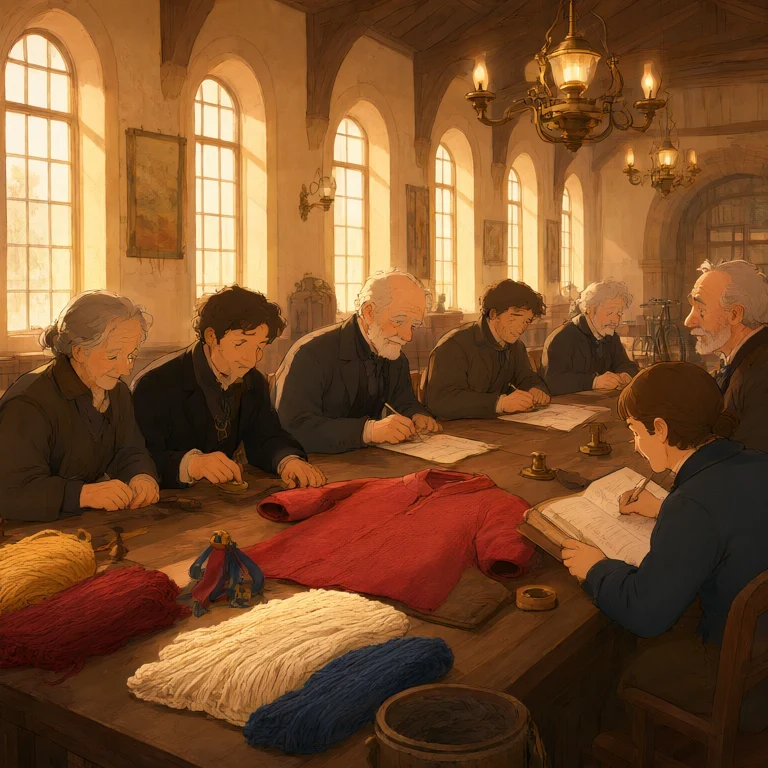
Because nobody could name it. That is the part the town could not get round all morning, and it was not stupidity. To name a thing missing from a cloth is to describe the cloth, and describing a cloth kills it, and every adult in that corridor had been taught what to leave out by the people who taught the loom, and the training does not come off. Corin Slee stood at the end of the table and could not finish the sentence. “I can give you a number, a tolerance, and a recommendation,” he said, “and I have not got a number for this.”
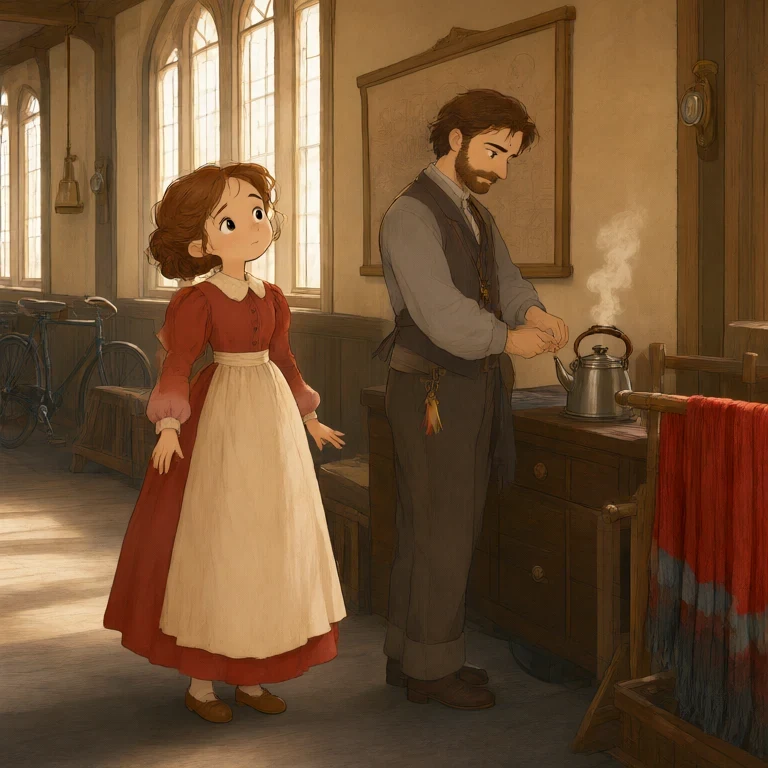
There were two people in Sparable who could see the whole of the ferryman’s coat. One was nine years old and was not sent for. The other was standing in the corridor with a shuttle burn on the pad of her hand. “Was it deliberate,” said Corin Slee. Lysa Ferrant said nothing for long enough that the kettle came to the boil. “Yes,” she said. “Then somebody will have to write that down,” said the older clerk, “and then we shall have to act on it.” “The loom already knows,” said Lysa Ferrant.
Nobody in the corridor knew what she meant, and she could not explain it, and the sentence she meant was this: a loom reads the weaver, and cloth woven by a person who does not believe in the omission comes off the loom complete. This one had not come off the loom complete. The loom had read her at the second loom and put her into the cloth, and a loom has no mouth, and a thing that cannot speak cannot be cross-examined, and cannot be put in a form.
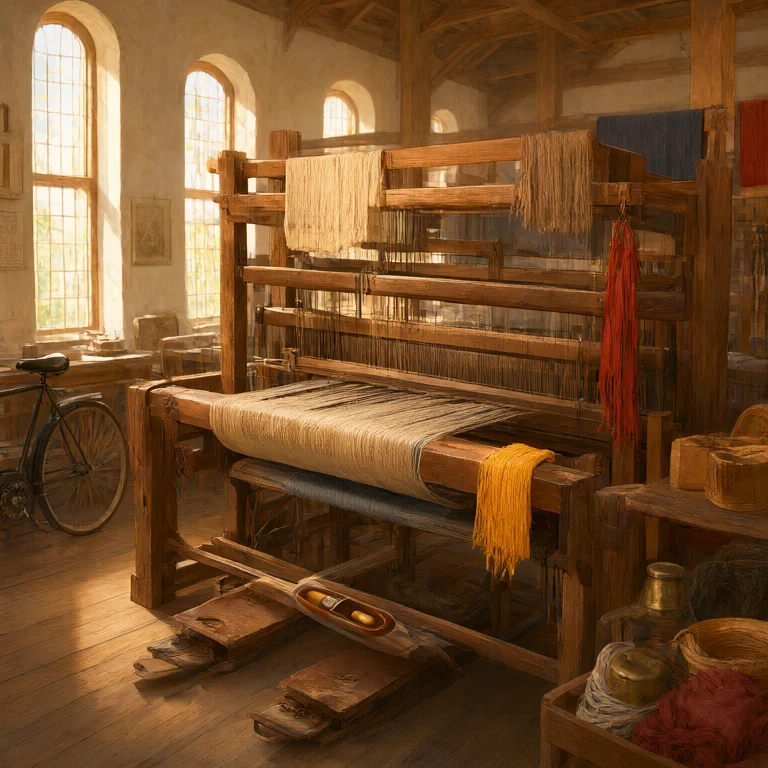
They sent for Old Mab Ostry, who was seventy-one and blind in one eye and counted the looms by touch on the way to her own, because that was how she found the second one in a shed kept dark on purpose. She was asked what she made in the winter of the flood year, and she said what she had left out of it, and would not say anything else, and they asked her three times before somebody asked her the right question. “Mab. Was it on the paper?” “No,” said Old Mab Ostry. “Then it was not omitted.” “No,” she said. “It was not omitted. It was not woven. There is a difference, and I have watched forty-nine years of men and women confuse the two of them.”
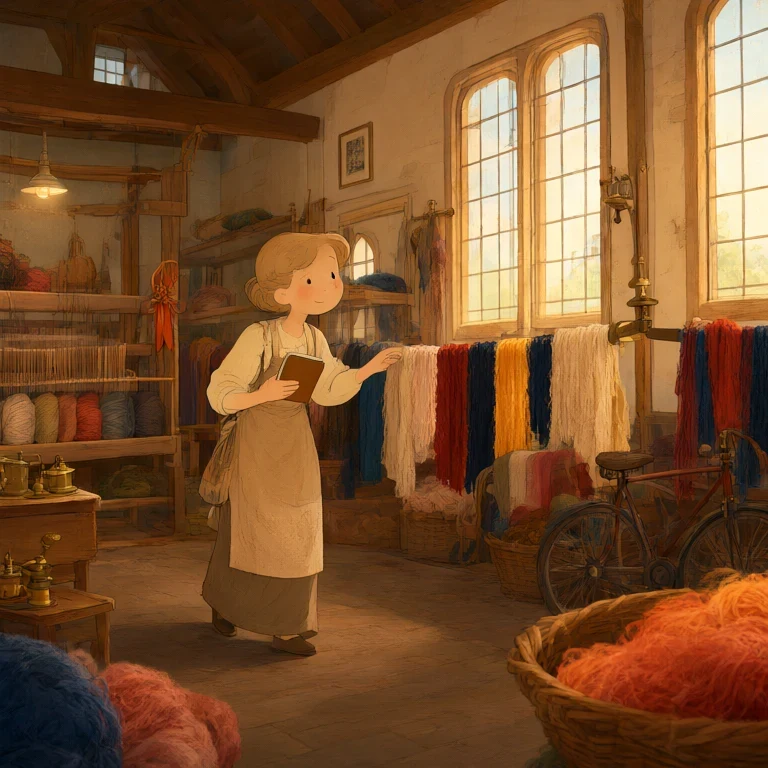
The difference took the rest of the morning and it was the whole of what the town had. A negative contract cannot promise. That is what the negative is for. There is no line in it for what is going to be there, because the form is built on saying only what will not be. So the ferryman had signed five lines about a coat with no pocket in it, and not one of the five said a word about a shoulder, and the shoulder was therefore not withheld from him. It had never been promised.
It had simply not been there, and there had been nobody in Sparable to say so, because the town has been keeping the other promise, the one made in the silence, by accident for two hundred years, and has got very good at it.
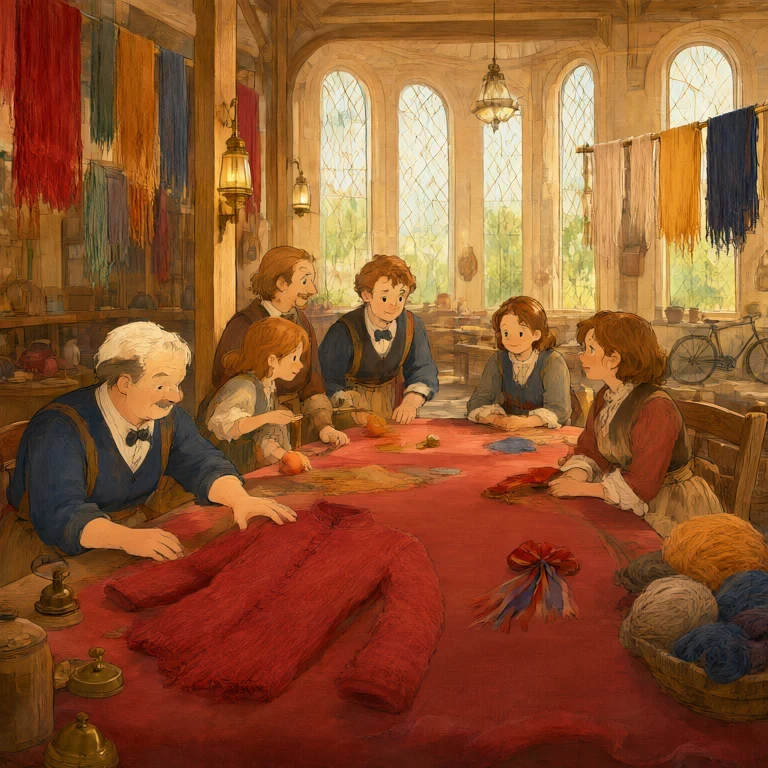
“It is not an omission,” said Corin Slee. “An omission is a thing a weaver and a buyer agreed to lose. He agreed to lose a pocket. Nobody agreed to lose his shoulder, because nobody wrote it down, and what nobody writes down is not a weave. It is a fault, and a fault cannot be sold, and it is not a gap.”
He looked up when he said the last two words, because a gap is a different and permanent thing, and Sparable has four gaps and one confession, and was not going to get a fifth over a coat.
A fault is not a gap. A fault is a dropped pick, a broken reed, a bolt with a bad inch in it. That goes to the Mending House, a low grey well-lit room with four people in it whose entire job is to put a thing back that cannot be put back, which they do by weaving a new thing around the hole and recording the change. They had the coat in there by Tuesday.
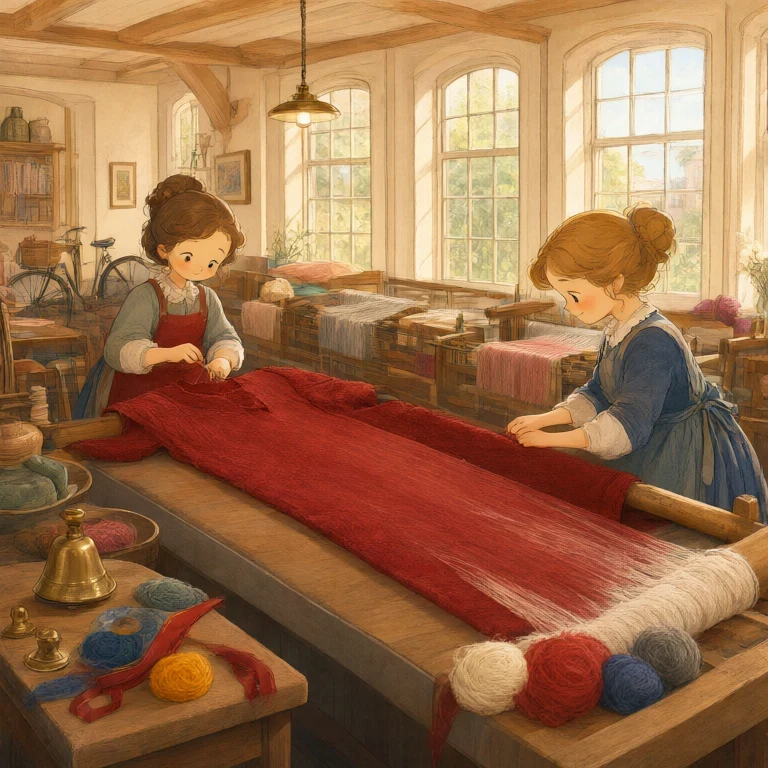
They wove the shoulder in madder, four picks to the inch, two thicknesses, felled down the armhole, because madder is the only colour in Sparable that takes the dye twice. The coat came back out of the door eleven days later in one piece with a shoulder on it, and the guild stamped it regulation, which is what you stamp a thing that has been mended. They wrote the change in the book. They write everything in the book, and it is the only trade record in Sparable anybody has ever had a copy of.
The coat cost the ferryman eleven days off the river, and the guild paid out of the common purse, which meant eleven weavers’ commissions, and that was written down too. “You could put that against me,” said Vaughn Ostry to Corin Slee, with the corridor empty. “Put it against me. I take it.” “There is no form for that,” said Corin Slee. “Then make one,” said Vaughn Ostry, and went home in a coat with a collar that has been altered four times by four different tailors.
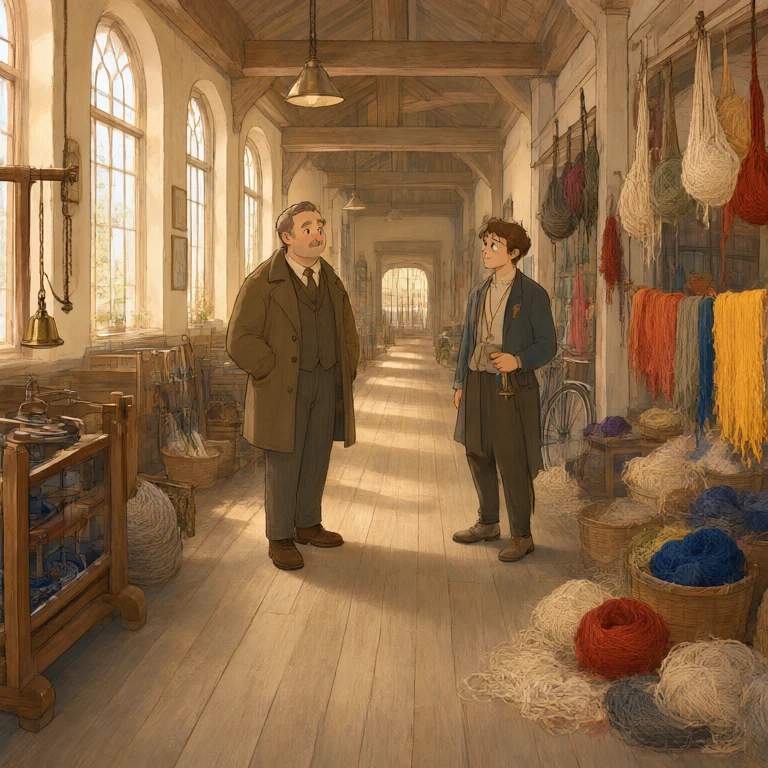
Lysa Ferrant stood outside the Mending House on the Tuesday for most of an hour and did not go in, because the four women inside work in daylight and she does not, and there was nothing she could usefully hold. On the Thursday she had pinned a slip of paper over the commission on her loom, where anybody coming up the shed would have to read it before they could get past.
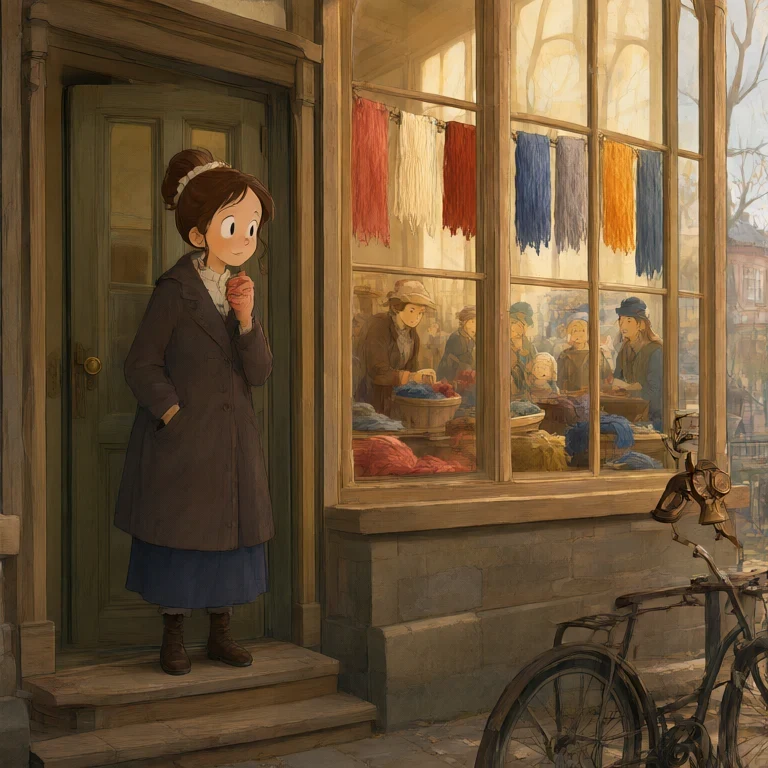
It was in the negative, all the way down, in her own hand, and the eight lines on it were every part of a cloth she was not to leave out ever again: selvedge both sides, felling at the armhole, doubling at the shoulder and at the seat, a name in the corner, a number, a date, a border at the head, and nothing anybody was counting on.
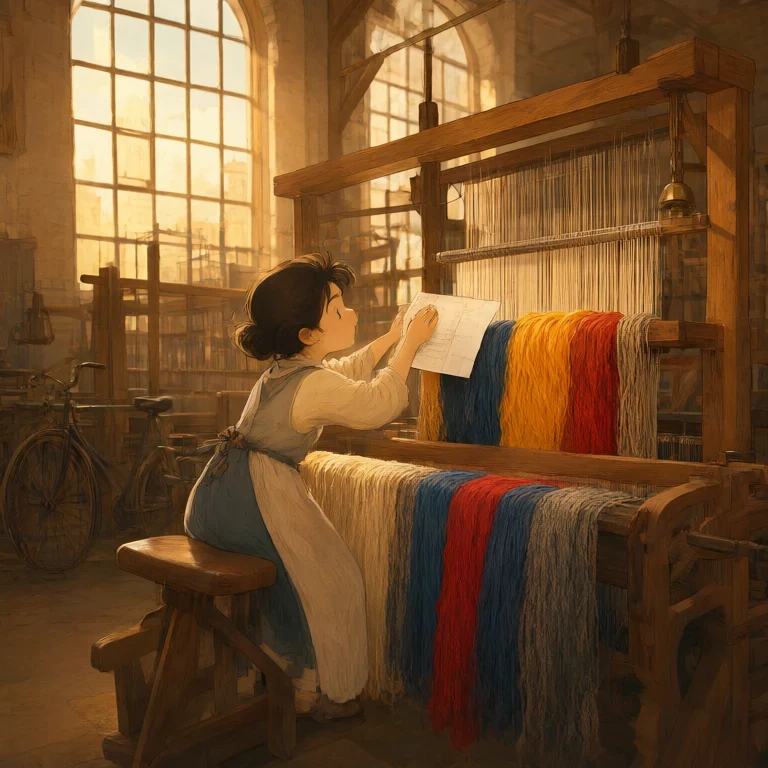
And then she had left the top line of the commission form clear and written in it the name of the man on the Wen, because it was the one thing on the sheet written in the positive, and because it had always been the second person, and because the second person is the part the town keeps forgetting. Old Mab Ostry came past the second loom on her way to her own and read the slip from the wrong end of the shed, upside down, with her good eye. “Your mother had one of those,” she said. “Different hand.”
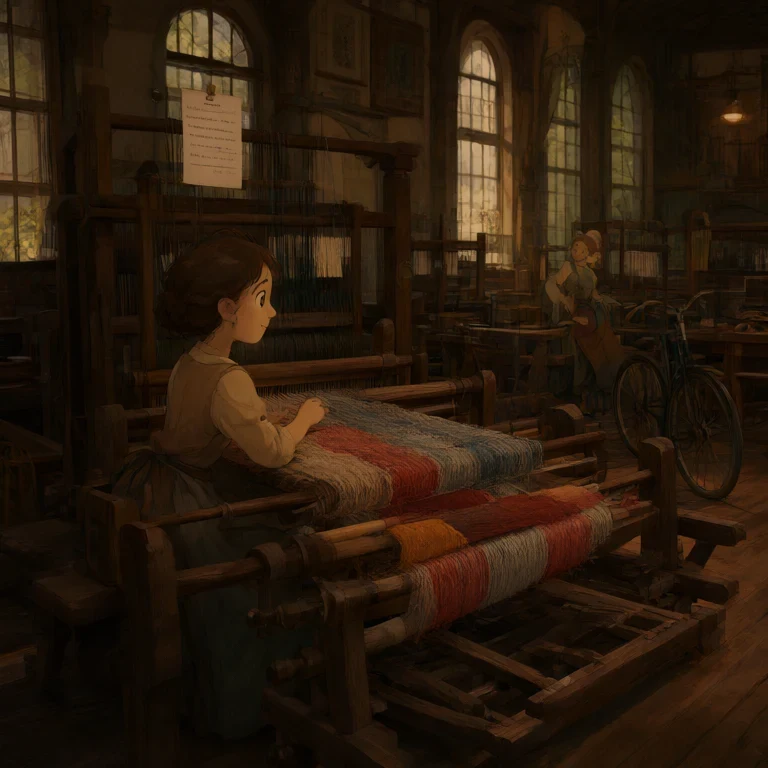
The ferryman put the mended coat on and worked the river in it to the end of March and into April. The shoulder is heavier than the old one. That is what doubling is for. You take the weight and you do not put your arm through. “It is warm,” he said, when the woman who kept the crossing books asked how the guild’s work had come out, and he said it to her, and did not say anything else.
In the Mending House the change was written in the ordinary book, on the Tuesday, in the ordinary hand, between a fault in a blanket and a fault in a saddle girth, and nobody has ever read that book except the four people who write in it.