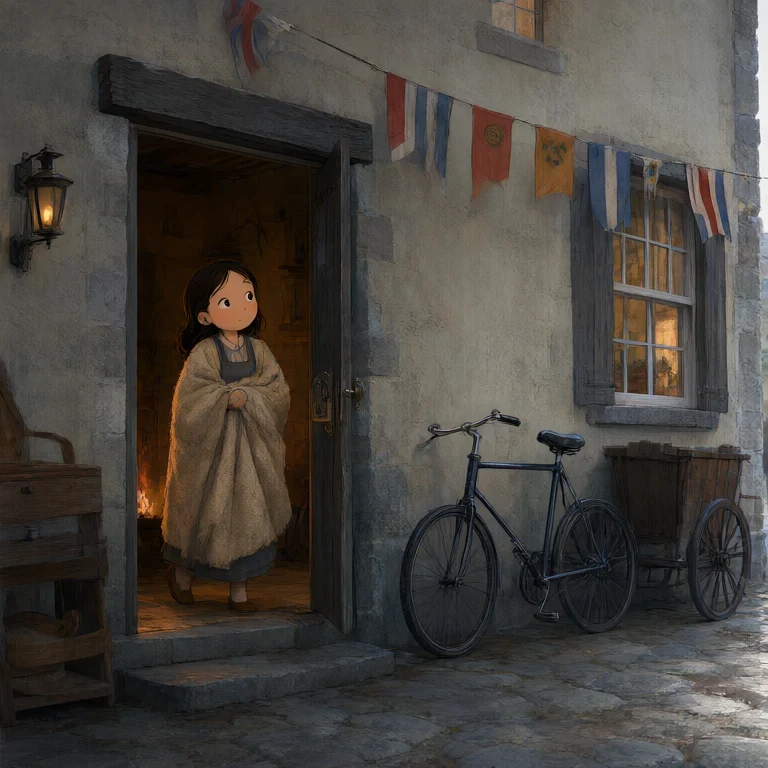
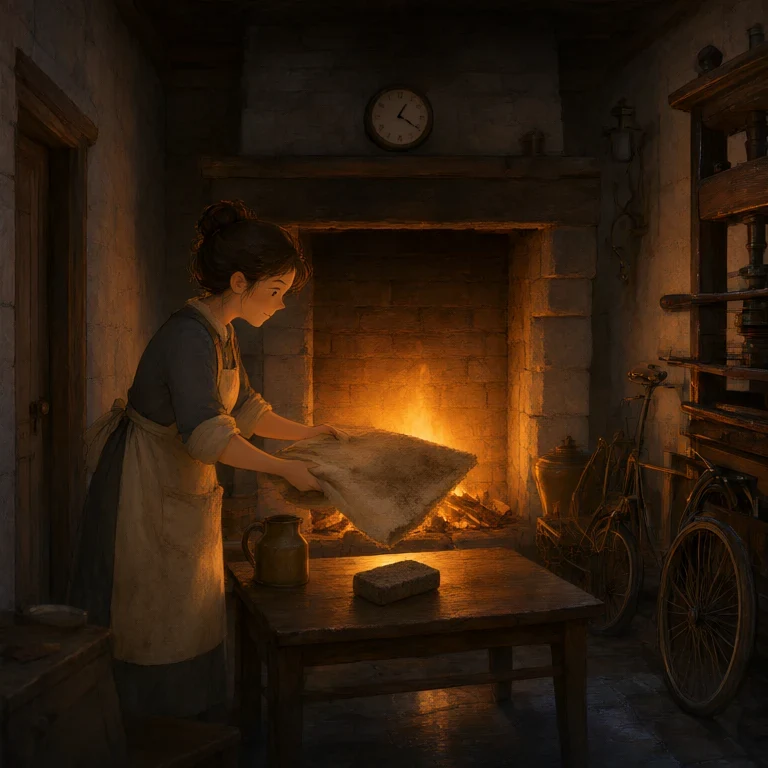
The fire was made up at four and banked at eight and the cloth went over it at nine, and Pell Ottery did those three things in that order because they were the three things that room did in an evening. The wind was coming off the pasture in long pushes, the kind that gets under a door and lies there. There was a jug, a tin, the scrubbing stone wet on the table, and the clock on the shelf said nine and a quarter and would say it again for a quarter of an hour because the spring of it was dead and had been since Michaelmas.
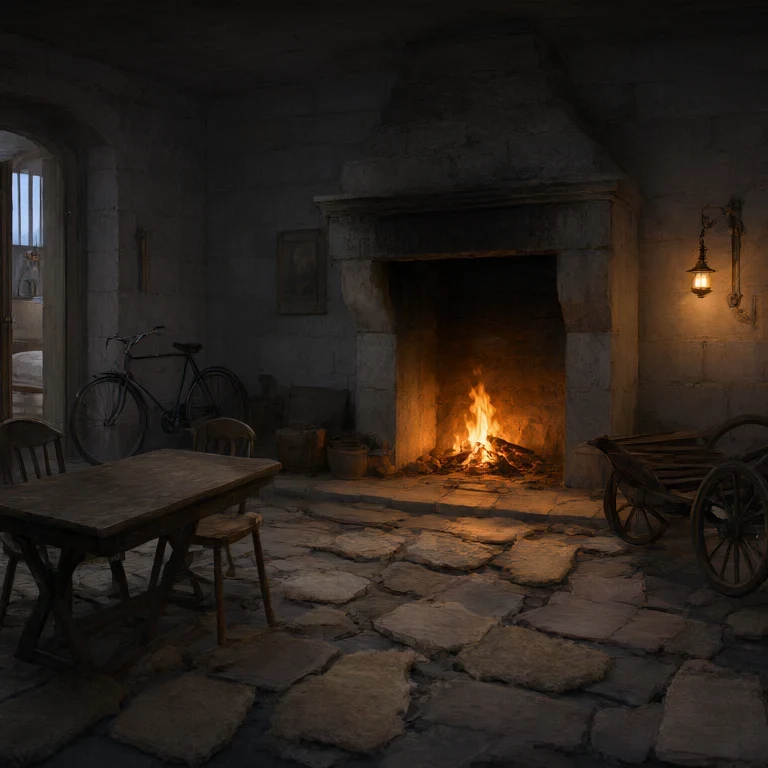
There was no corridor and there was no spare room, and nobody in that lane thought it a hard house. It was one room deep, one door, one hearth, a table, two chairs, and a bed in the back, and the door to the back room stood open because it does not lock and never has, because a door that locks says somebody might come in, and no covenant in Coldhay allows anybody to come in.
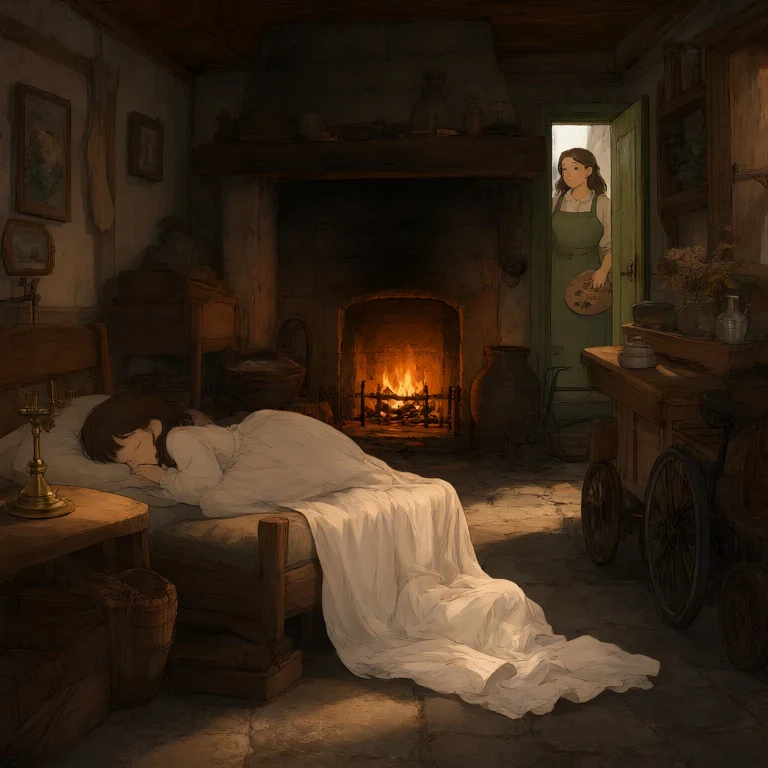
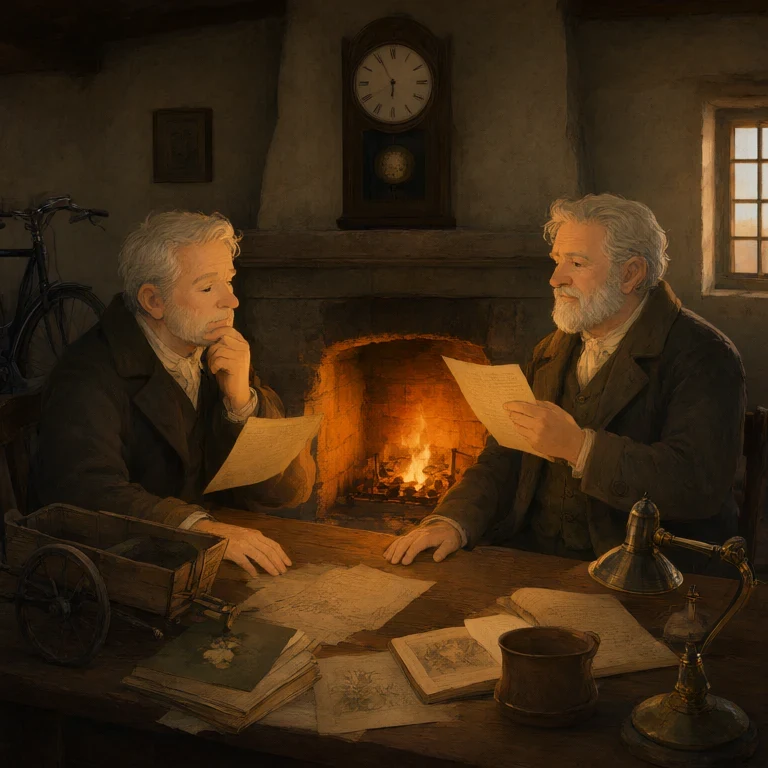
She had looked in at nine. The blanket was up to the chin, and Mira was asleep with her hands under it and her nightdress in a heap on the flagstones by the bed, because the flagstones are cold and she had learned to cross them in her shift in one movement like a cat going over a wet gate. She had looked in at ten. Still asleep. Still under. Tam Kelder had the terms in his head and had them in the lining of his coat as well, folded in four, and he took the copy out and put it on the table and read it at ten o’clock exactly, word for word, in the order it was written, and nobody in the room was allowed to stop him.
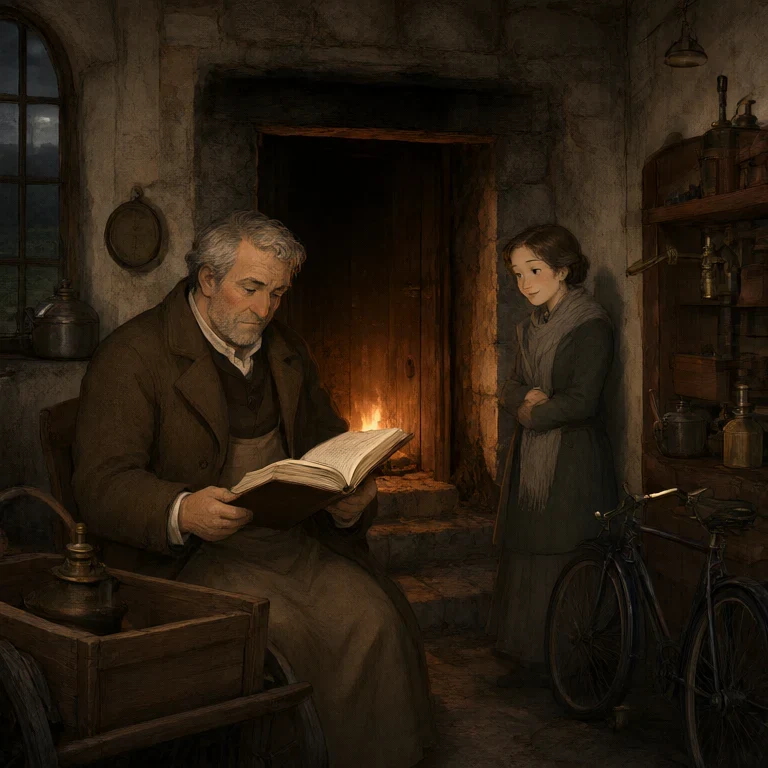
“Where a holder of the row gives of her own part of the strip between the fifth and sixth gates into the keeping of the row, the giving is made in the giver’s own house, and not in any other house, and not in a market, and not in a field, and the giver shall name the part and the keeping and the term, and the clerk shall enter it, and the row shall hold the part for the mending of the seventh gate.” “That is the whole of it?”
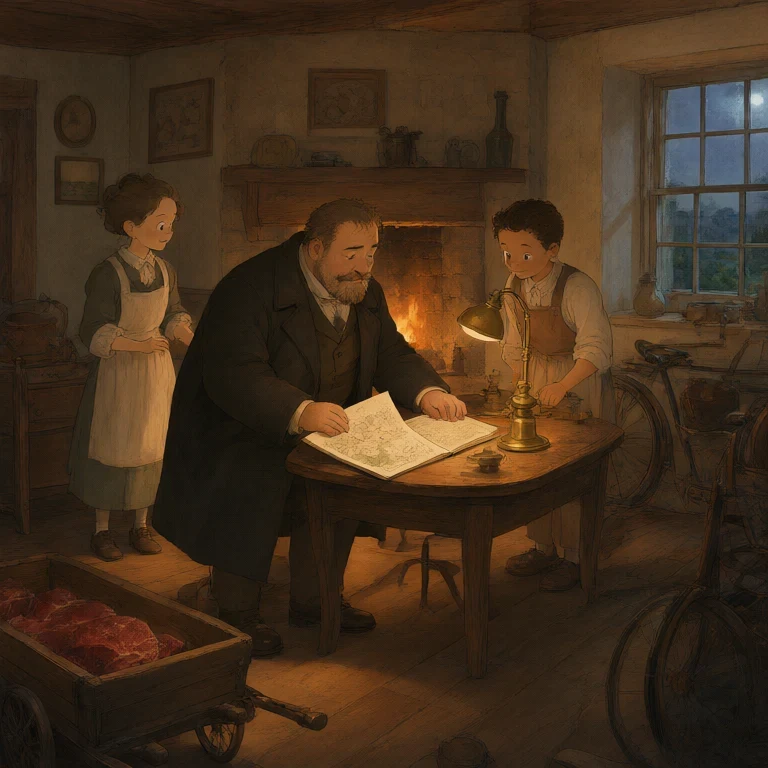
“That is the whole of it. There are eleven more lines and I am going to read the eleven more lines.” He read the eleven more lines with his head a little to one side, the way a man reads a thing he has read before and expects to be interrupted and is not, and Ivo Colm sat by the one door with the book open and both his hands flat where they could be seen, and Halla Dree stood with her back to the wall, which was not her wall and had not been her wall since Tuesday, and her back liked it anyway.
“A witness,” said Tam, when he had done. “Somebody awake, of an age to know what is being said, and not one of the parties, and both hands showing, because a man with his hands in his pockets is in the room and is not a witness. That is in the roll and it is not my wording.” “We have one,” said Halla. “We have a clerk.”
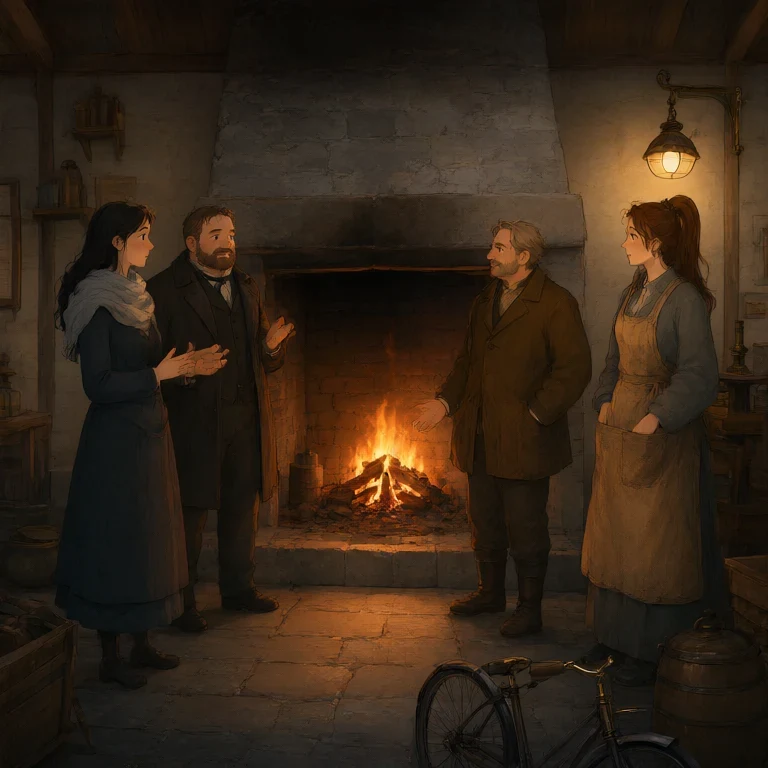
“A clerk is not a party. A clerk holds nothing in this row, so a clerk is the best witness in the lane on a wet night.” Tam put his finger on the paper. “And a clerk cannot be got to say what he did not see, so if you want a thing made tonight, make it in front of him as well as in front of anybody.” He was not being clever. He wanted the strip dealt with, and he had wanted it for nine years, and the six of them had never once been all in the same place at the same hour, and a Thursday in November with a fire and a clerk was the best night Coldhay had ever offered him.
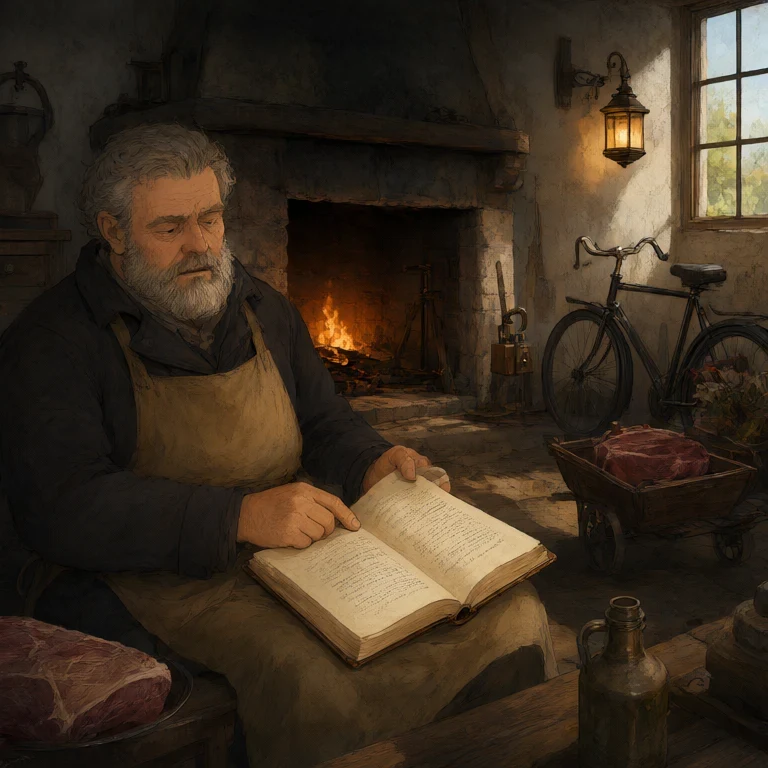
He had a small hand-bound book in the inside of his coat with what the six of them had said in it, and under what witness, and every year since he was sixteen. He did not take it out. He had been asked twice and had not, and both times by people who wanted it for their own ends, and a book like that in the wrong hands is a fire with somebody else’s name on it.
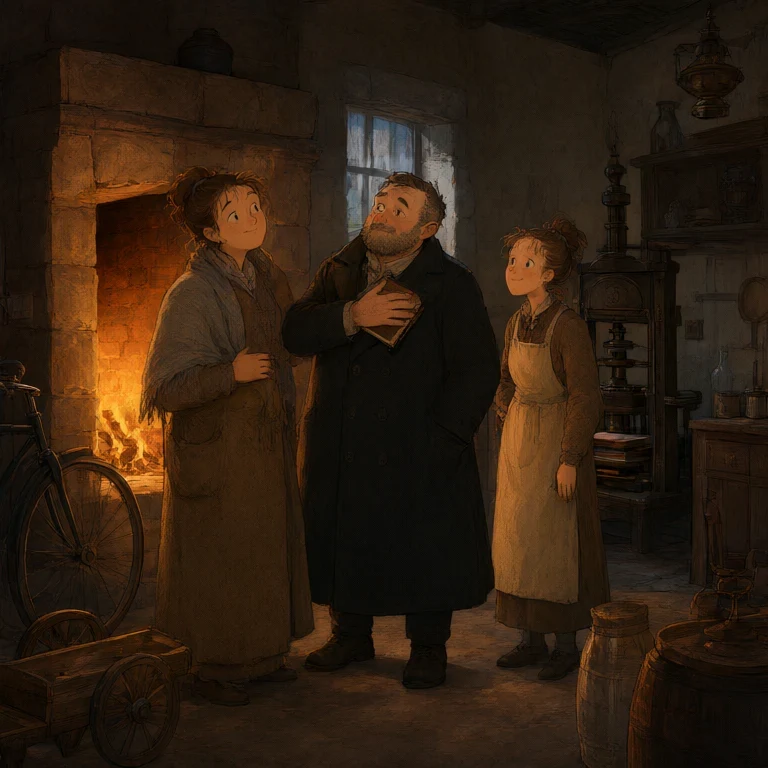
He counted the doorways as he came through them, which he could not stop doing, and there had been two: his own at the third stand, and the one at the fifth. The lane between them was not a doorway. It was a lane. Pell Ottery said the words at eleven o’clock because eleven was the hour she had in her head for it, and because Halla Dree had asked her twice, and because it would be finished. She stood up off the chair and put her hands on the scrubbed table and said it to the room at a decent speed and in a decent voice.
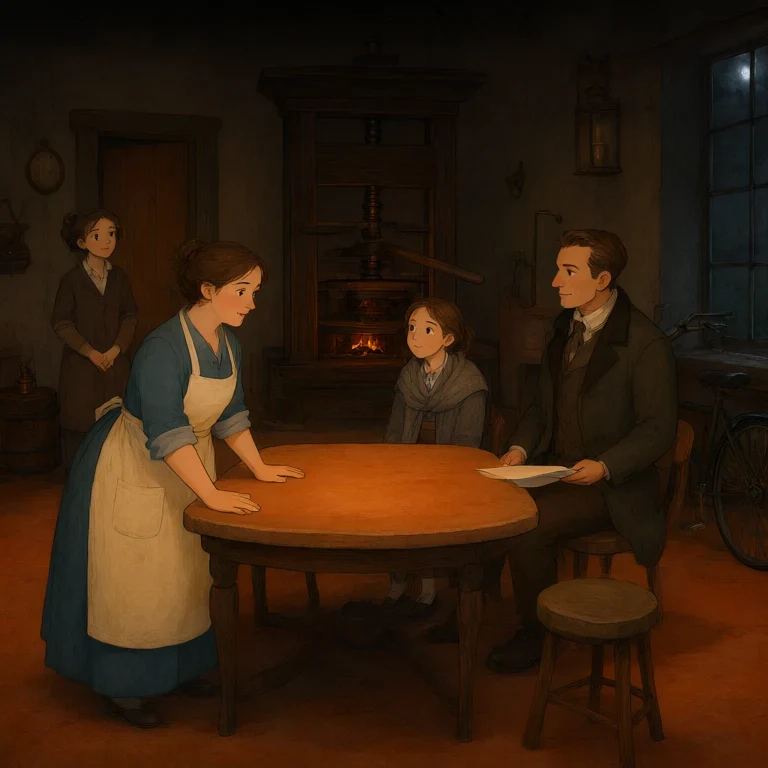
“I give my part of the strip between the fifth and sixth gates into the keeping of this row, and the part is mine, and the keeping is the row’s, and I will not be asked about it again.” “That is the whole of it?” said Ivo Colm. “That is the whole of it. I have been nine years being asked about it and I am finished.” She sat down. Halla Dree said, in the exact words she had been asked in a kitchen in the second stand eleven years ago, that she took it, and Tam Kelder said that he took it for the third stand, and Ivo Colm wrote it down, and nobody in that room said one word about the back room door, or about the wind getting under the door and going at the banked fire by morning.
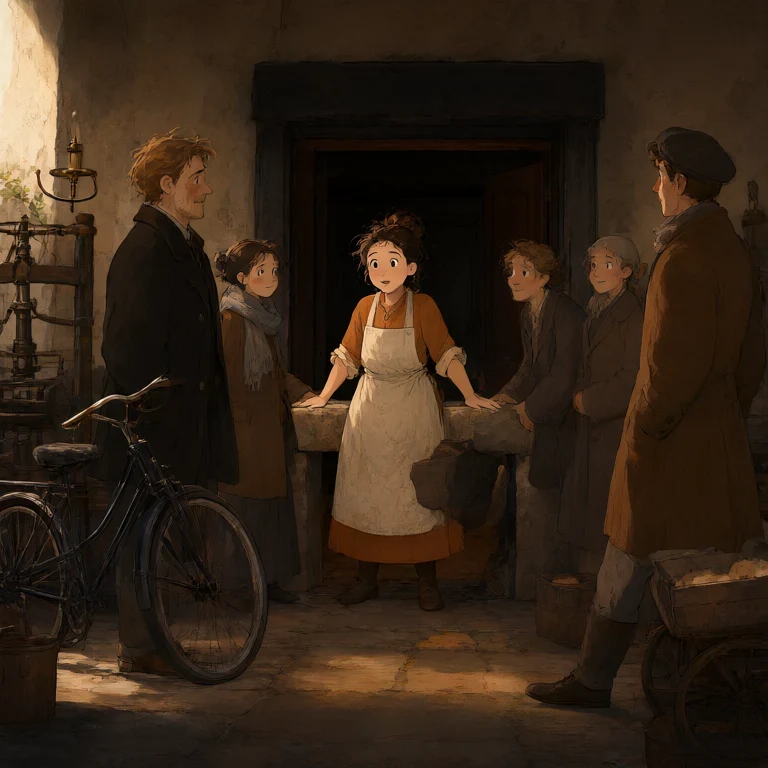
That was the whole of what happened in that house on that night, up to the point where Pell Ottery looked in on a sleeping child and went no further than the settle by the fire, and lay there the rest of the night without sleeping, because a woman who has been asking a question for nine years does not sleep on the night it is answered.
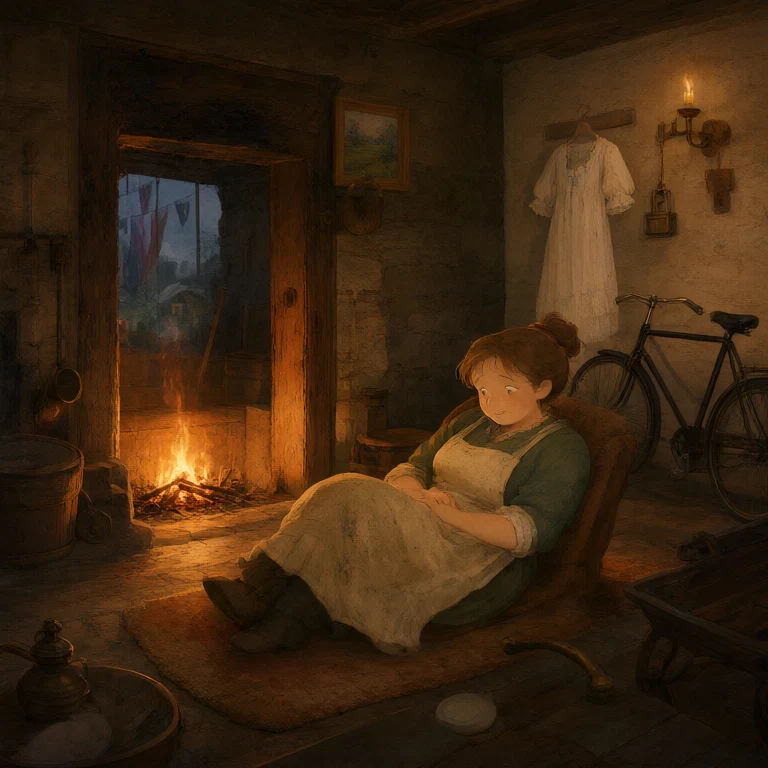
Halla Dree had not been asleep and could prove it, and the proof was that she had been asked. She had put the question at the fifth stand’s own table at ten, in the exact words, and the answer to it was hers to keep, and when you have been asked a thing in your own house at ten o’clock and you have not slept since, you have not slept, and that is arithmetic and not memory.
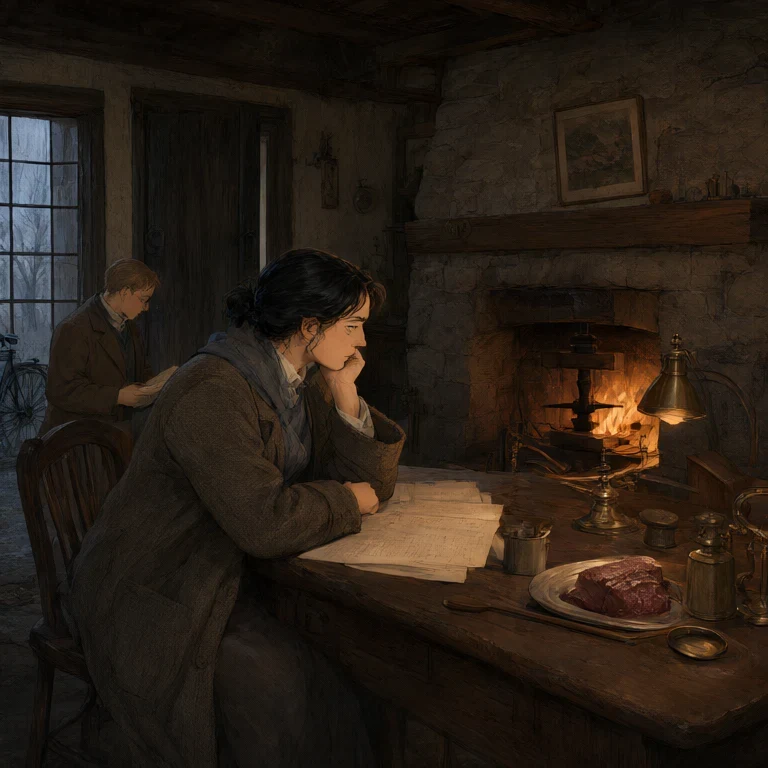
She had the stone in her apron pocket. She had brought it up the lane on the off chance, because a stone taken out of one house and put into another is the oldest move there is and nobody in four hundred years has admitted to having done it, and she had brought it in case somebody tonight needed to be given a thing that could not turn into a claim.
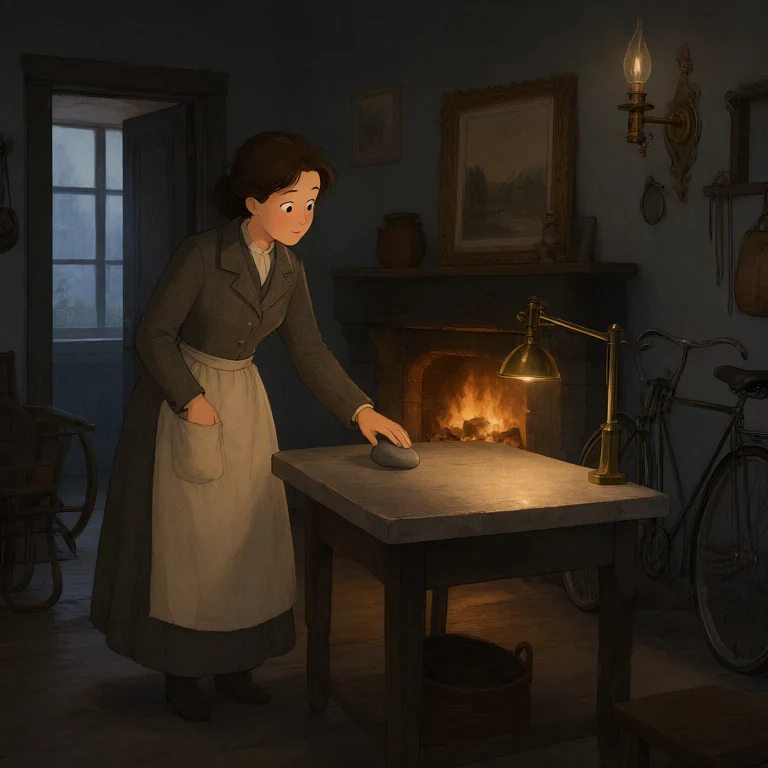
She took it out at half past ten and put it on the scrubbed table and turned it round once with her thumb, a smooth grey thing worn down like a river stone, and she did not use it, and it was on the table at the end. At two she asked Ivo Colm, quietly, whether the clerk thought a thing said in a house with a child asleep in it was a thing said in a house.
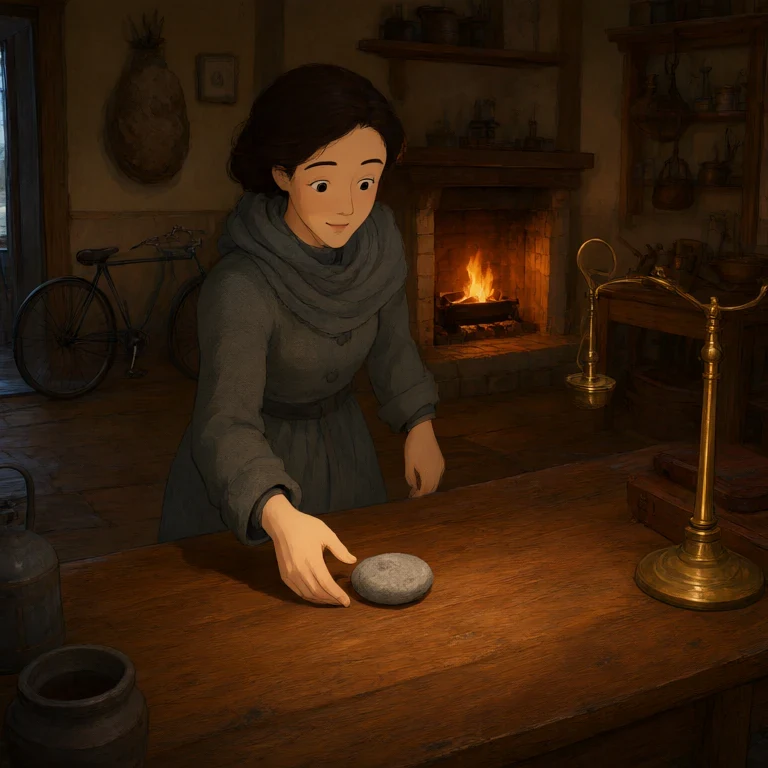
“A house with a child asleep in it is not a house that hears,” said Ivo Colm, without looking up. “That is the whole of the rule and I did not write it. She is asleep, so nothing done in this room tonight is heard by this room tonight, and the rule is older than me.” “Then we made nothing,” said Halla. “You said the words.” “I said the words to a room that was not listening. There is a difference, and you know there is a difference, and I am the one who has to say so, because I asked her to say them.” Tam did not look up from the paper.
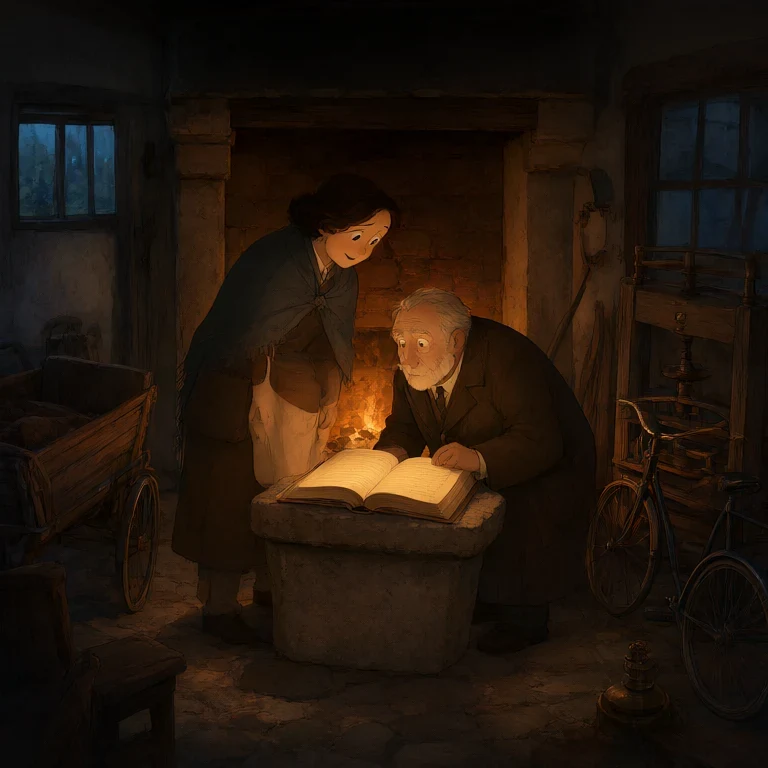
“Do not take it further tonight,” he said. “Not in this room, and not with the door open. If a woman says out loud in a house that what she has done is not done, and somebody else in the house has heard her say so, that is a second thing said in a room that is not hearing anything. I have seen a man lose eleven feet of boundary by saying a true thing at the wrong hour in his own front room. Sit down.”
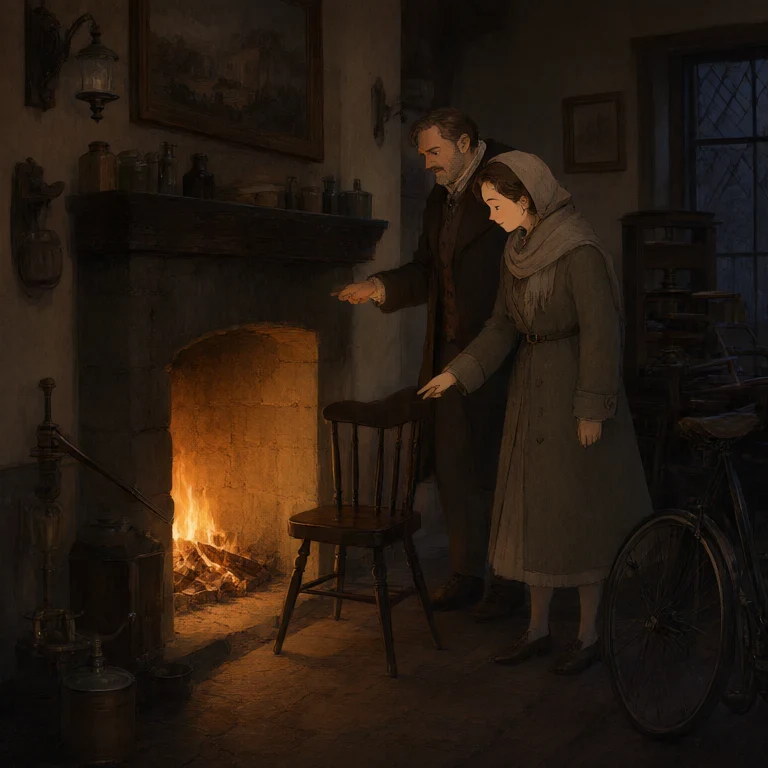
So Halla Dree sat down with her back to a wall that was not hers and did not say it again, and at three she got up and set a chair against the fire and put a blanket over the table where the stone was, so that nothing would come off it in the night, and at four o’clock she stood in the middle of the room with her hands at her sides and looked at the back room door, which was open, and had been open since nine, and which was the door nobody in that house had gone through all night.
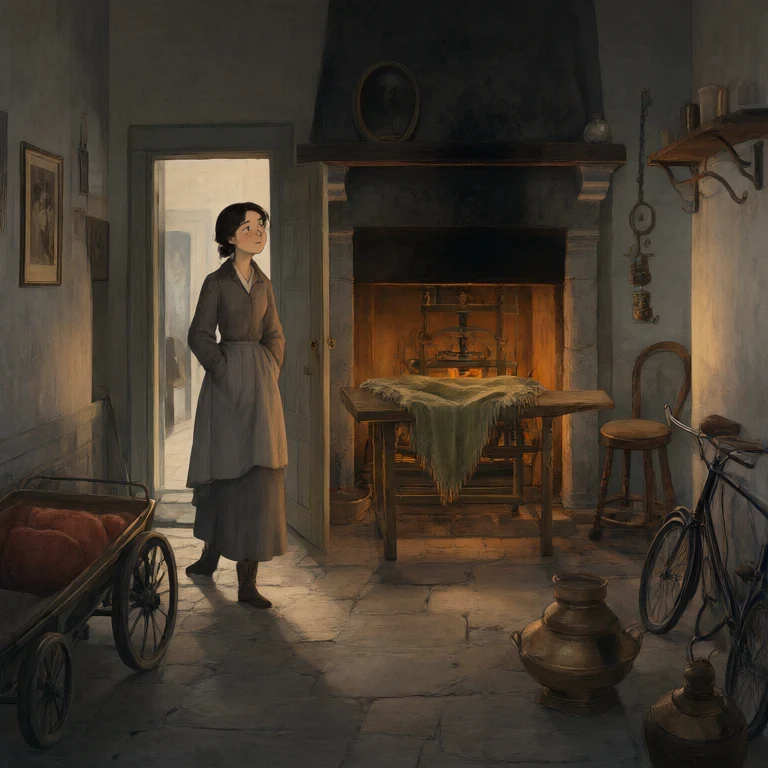
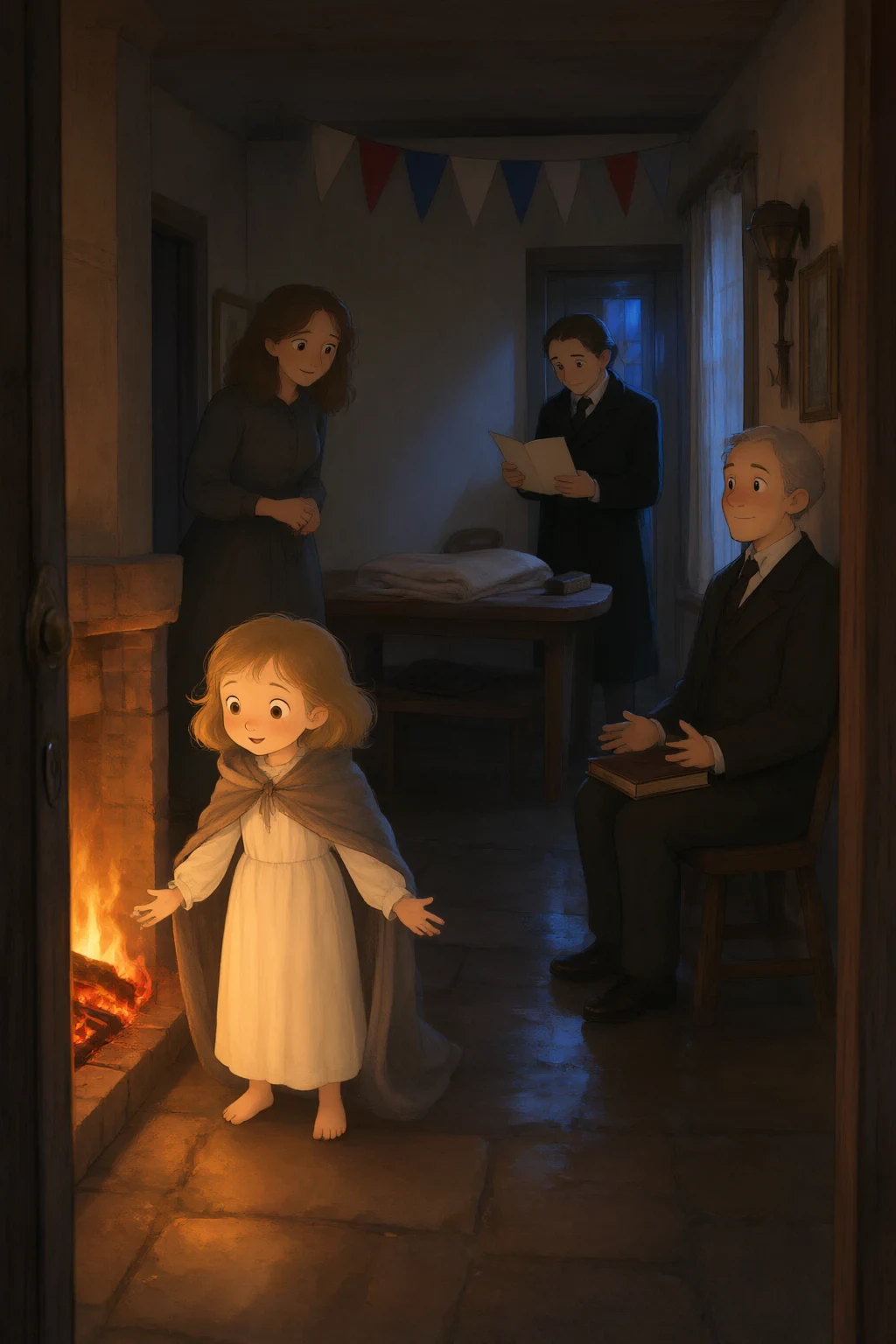
The nightdress was on the flagstones and the child was in the doorway in her shift with the blanket round her shoulders, and she said it in a clear voice, the way she said everything at four in the morning. “Why does nobody wake me up?” Nobody in that room breathed for a second. Halla Dree had a fair answer ready and it was the wrong one, and she knew it while it was still in her mouth and put it back, because her whole life she had asked questions in the exact words she was asked and waited for the exact answer, and she was not going to give an answer that was nearly right.
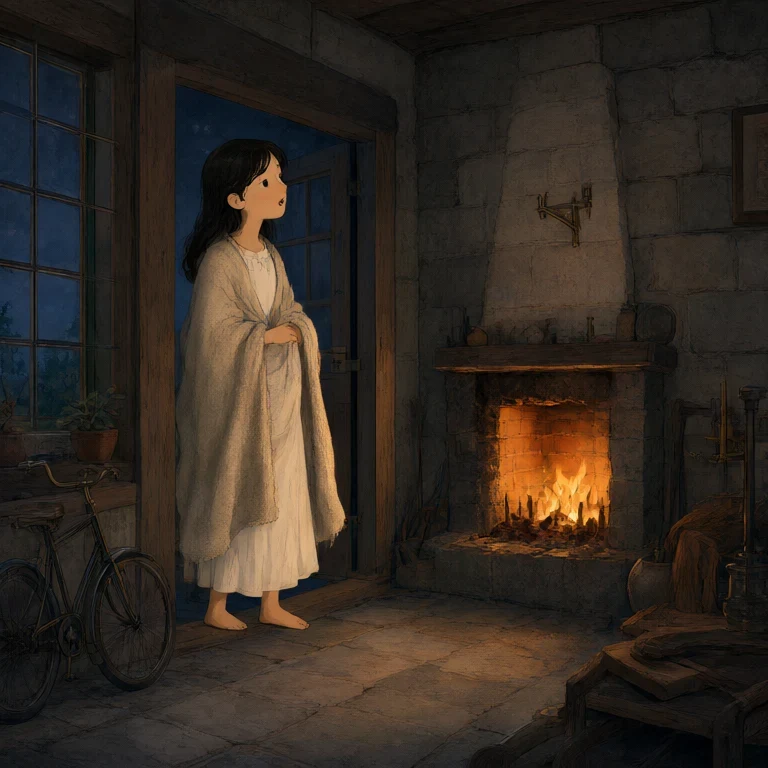
“Nobody wakes you up,” she said, “because a word said to somebody asleep is not a covenant. If you were asleep and somebody said a thing to you, and you went along with it, then in nine years there would be nothing in your hand and nothing in anybody else’s, and you would be a person who had agreed to something in her sleep. So this room has been careful with you for nine years, and you have been lying in the back of it hearing none of it, and I am sorry for it, and nobody chose it.”
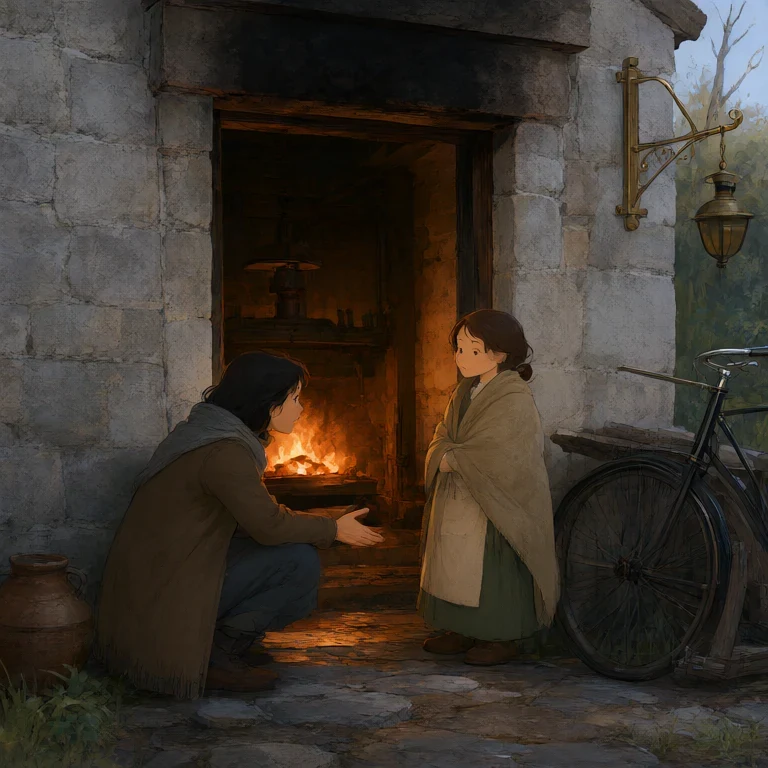
Mira said, “Oh.” “Yes. And there is one more thing it does, and nobody has ever told you, because there is nobody here to tell you. It is not only that we cannot say things to you when you are asleep. It is that when you are asleep this house stops hearing altogether. The fire, the wind, four grown people, a covenant if there was one. And at four o’clock this morning you are not asleep, so this house is awake, and it heard me say that, and it will hear everything else that is said in it tonight, including the thing your aunt is standing here to say.” Halla turned round.
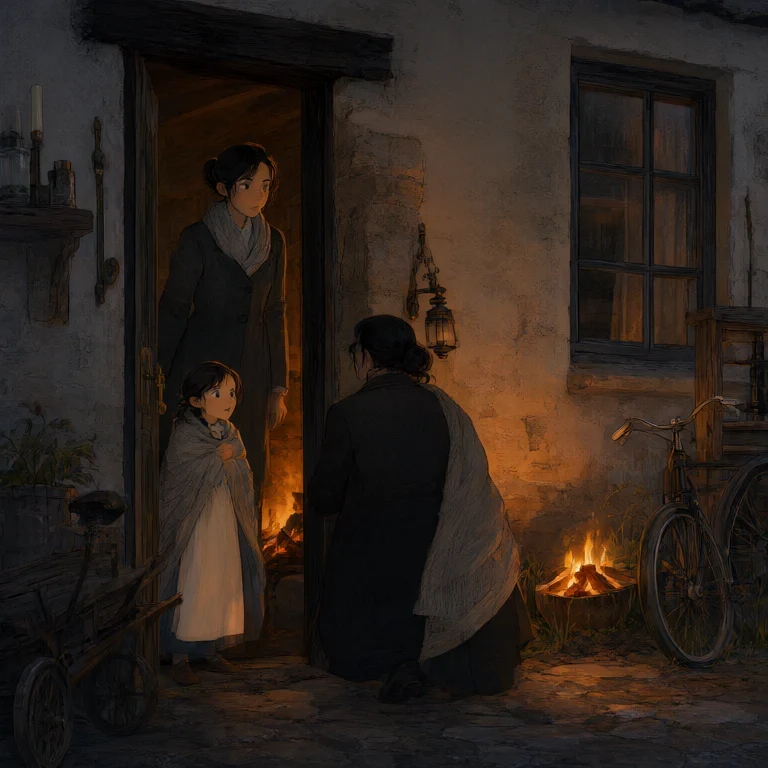
Pell Ottery was already standing, with her hands on the scrubbed table, and she was not a woman doing a thing she had decided to do. She was a woman nine years tired, and there was a child in an open doorway with both her hands showing, and the room was awake, and there was one thing to be said in it, and it had been said once already into an ear that was not there.
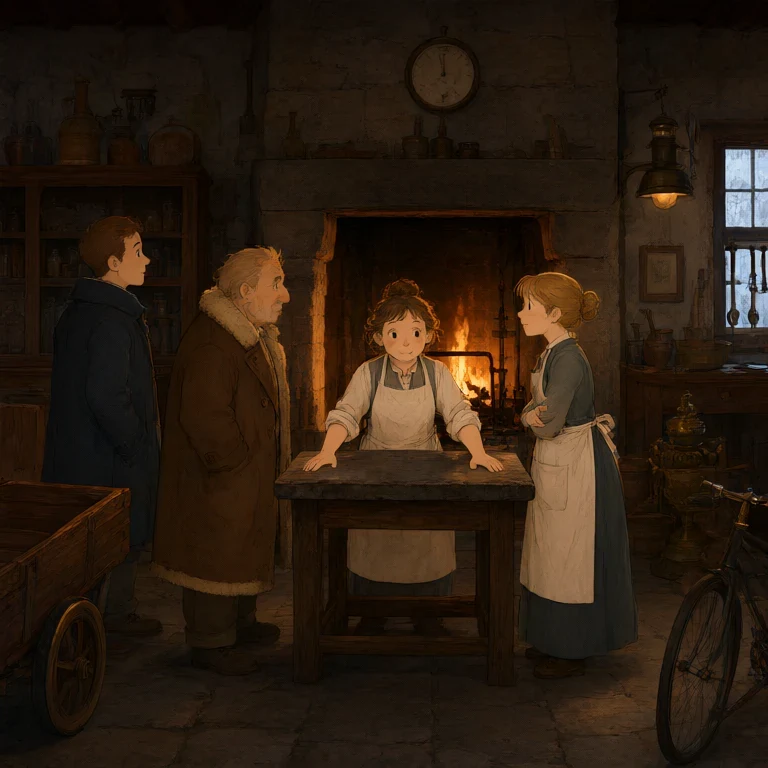
“I give my part of the strip between the fifth and sixth gates into the keeping of this row, and the part is mine, and the keeping is the row’s, and I will not be asked about it again.” Tam Kelder read the terms out again, all of them, in order, at a quarter of the speed he had done them at ten o’clock, and nobody in that room interrupted him, not even Ivo Colm. “Entered,” said Ivo Colm, and entered it, with both his hands on the table, and the clock on the shelf said twenty past four and then said twenty past four again for a quarter of an hour.
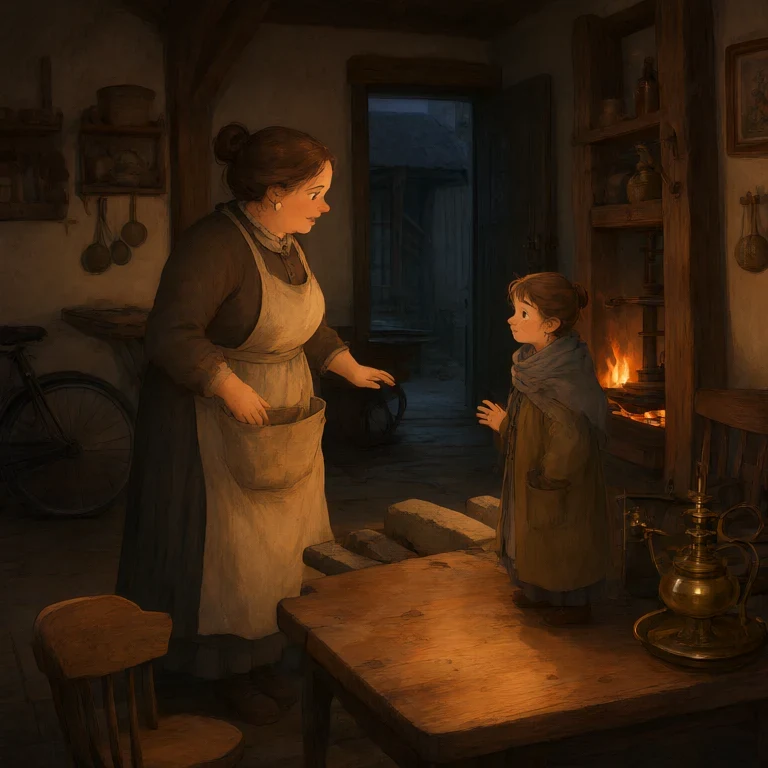
At twenty past five the fire was down to one red bar and the four of them were in the room where they had been all night, and Ivo Colm had the book on his knee and the stub of pencil in his right hand, and he was asking one question, which was: what will you enter. “I looked in on her at nine and again at ten,” said Pell Ottery, “and she was asleep both times, and I will say so in the book whether it is in the book or not.”
“I will enter the giving as made at twenty past four this morning,” said Ivo Colm, “and I will enter the witness as a child of nine standing in the doorway with her hands showing, and I will not put down her name, because a witness is not a party. And if one of you can tell me that child was asleep at twenty past four, I will tear the page out.” Nobody said anything.
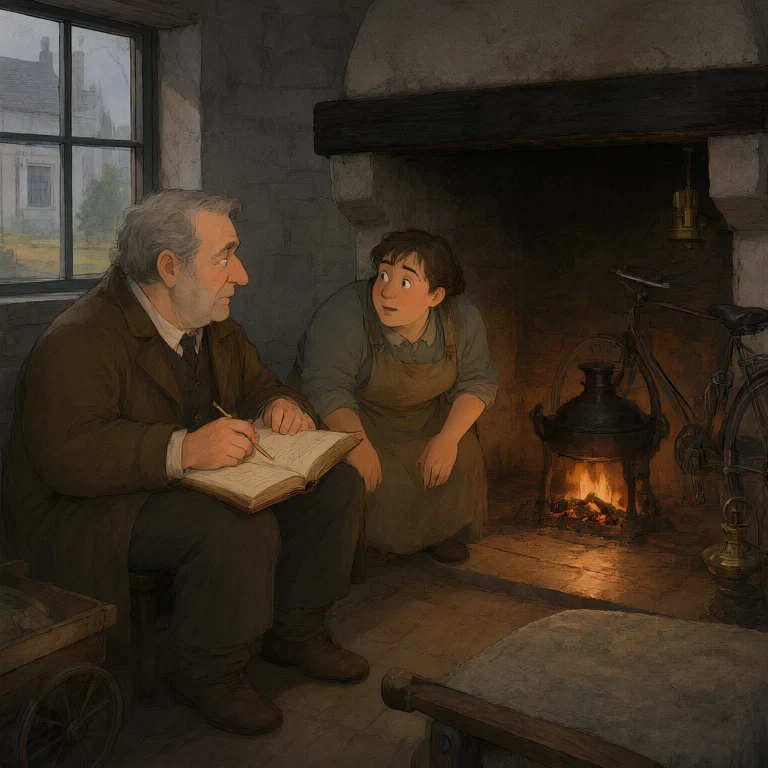
“That is the trouble with the four of you,” he said. “You have each got a reason, and not one of the reasons is a lie. The fifth looked in at ten and saw her under the blanket. The second stood with her back to a wall and watched a door. The third read a document for two hours and never once looked up. And I had it from a woman who is not a liar, and I wrote it down.” He turned the page.
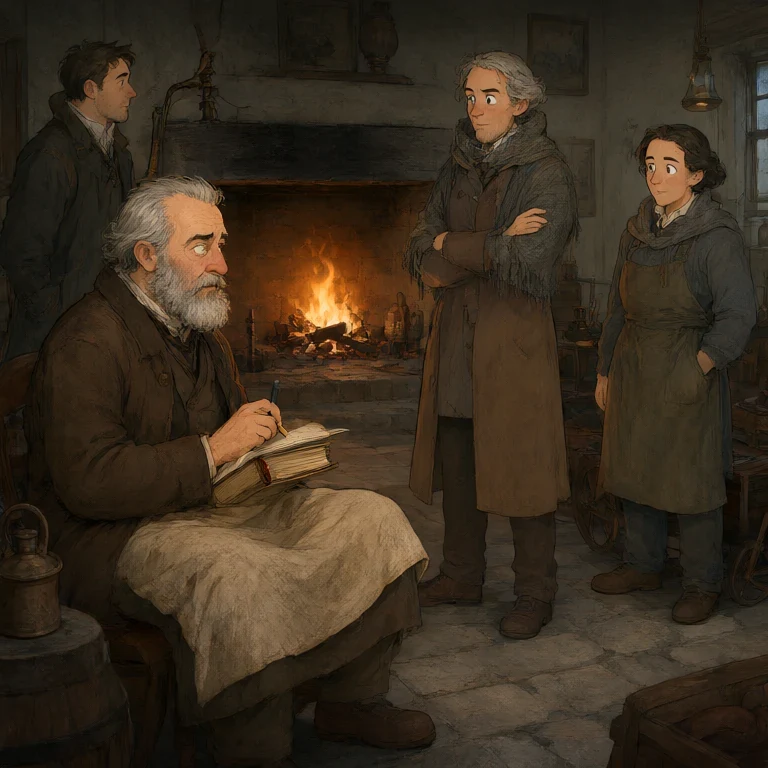
“So I am entering a child, and if the row does not like it, the row may come and look at her.” He opened the book back to the Thursday morning and found his own hand, and the line was the one he had written on the step of the fifth stand in the frost with Mira Ottery in the doorway not asking him what it said. The child asleep in the fifth, all night, as reported. He read it out. It was a report. It was true. It had been given to him by the fifth stand’s own holder with her own two hands on the cloth over the fire, and a true report is a true report, and it was the only line in that book that had ever come to him out of somebody else’s mouth.
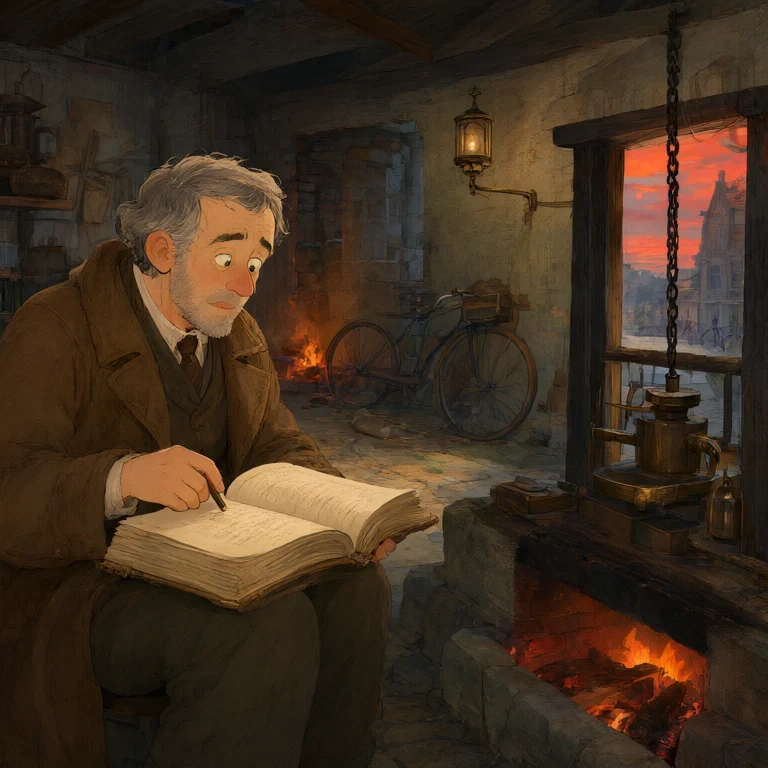
He did not rub it out. He put one stroke through it, so that the old reading could still be read underneath, which is what a strike is for, and a strike is not a rewrite, and a rewrite of that roll is the only felony Coldhay has, and it has been done twice. Then he wrote the new entry. The fifth stand, night of the Thursday, the giving made at twenty past four, the witness in the doorway, nine years, hands showing. The line of the Thursday struck, it being a report and not a record.
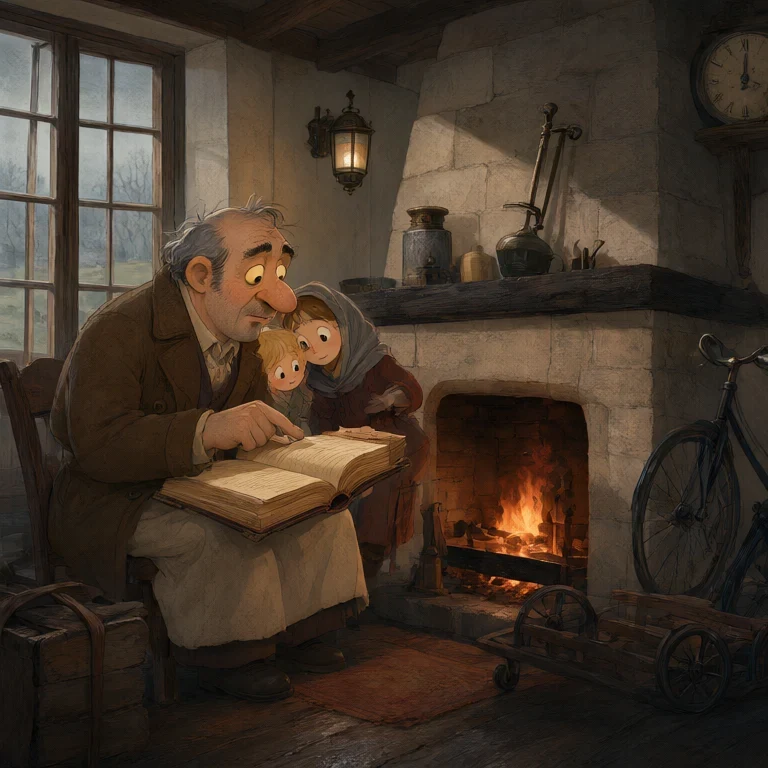
“Is she of an age to know what is being said?” said Tam Kelder. “She asked me what a witness was on her sixth birthday and she has asked me every year since,” said Pell, “and last week she asked me whether a house can hear a person who is not speaking. So put down the age.” “The 1978 entry is in a hand I have never once doubted,” he said, to nobody, “and I am not going to be able to think about that for a week.”
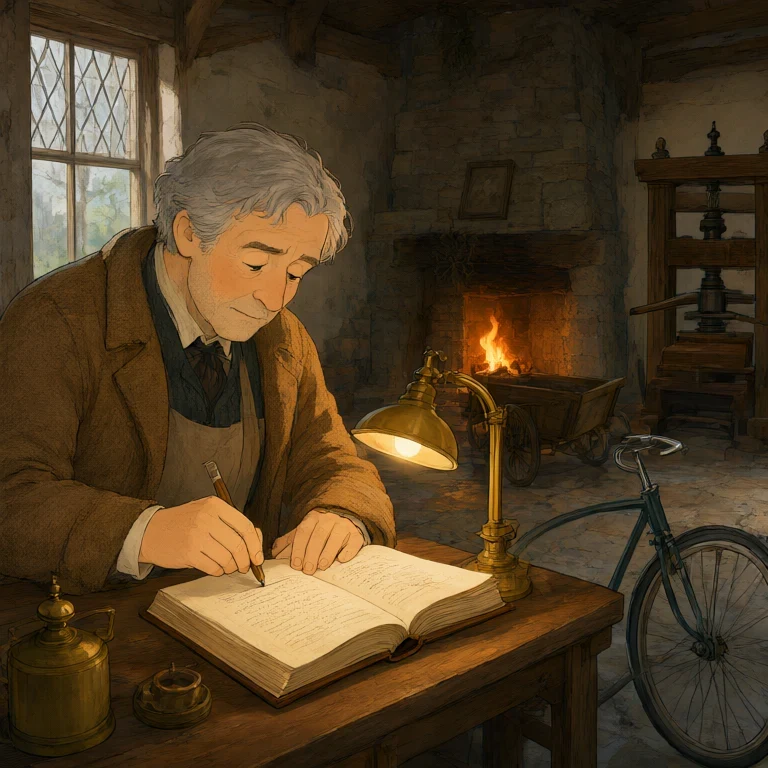
He shut the book. The wind was still coming under the door and lying there, and the clock said twenty past five, and the back room door stood open the way it stood open every night of that child’s life, and the nightdress was in a heap on the cold flags by the bed.
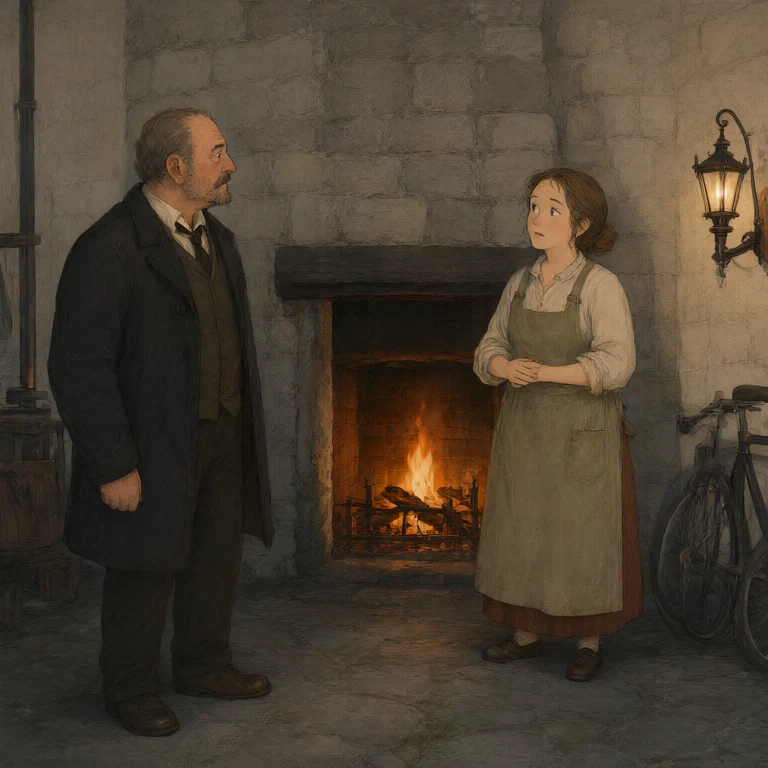
She had not gone back. She was in the doorway with the blanket round her and both her hands out of it, nine years old, waiting for somebody to tell her what she had been awake for, and nobody was going to ask her, because there was nothing left to ask, and because she had not come out of that room to be asked anything. Then she went back across the flags in one movement and got under the blanket, and left the door open, in a house that could hear her.