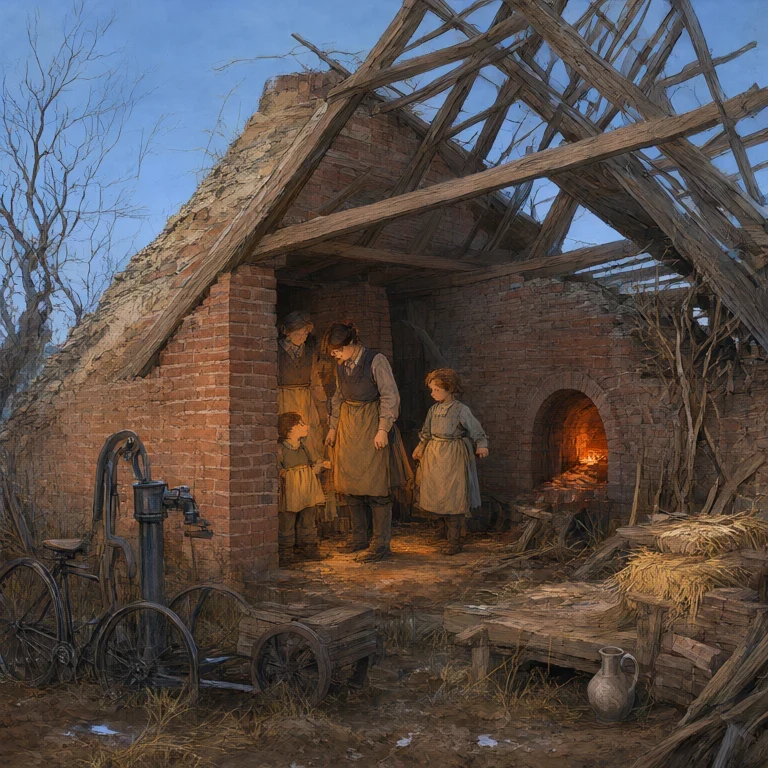
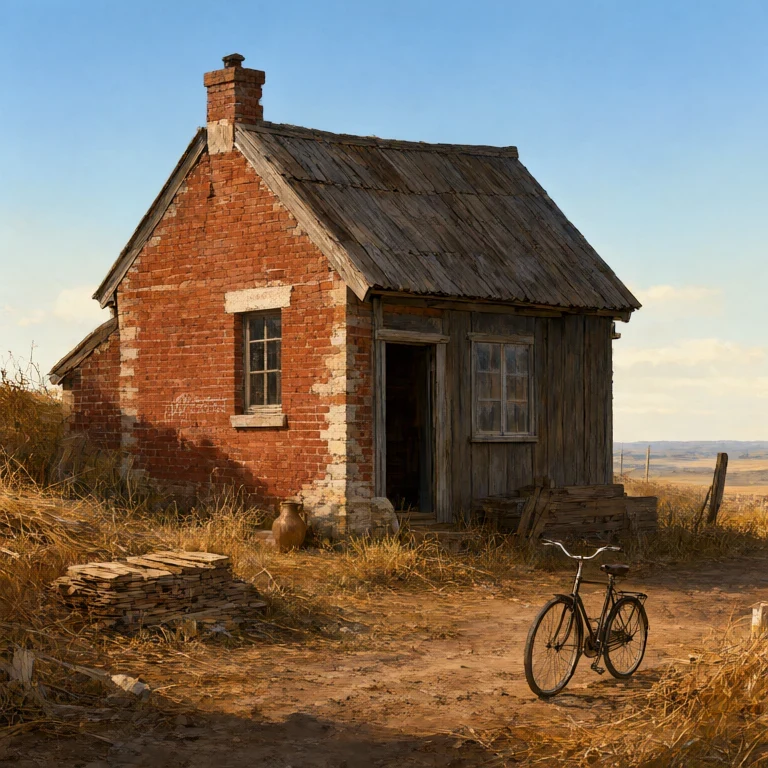
The timber house at the end of the furlong came down on the Monday and was up by the Wednesday evening, and it was a better house than the one that had been there before. That is the whole of what happened. It took three days, and every one of those three days was good work.
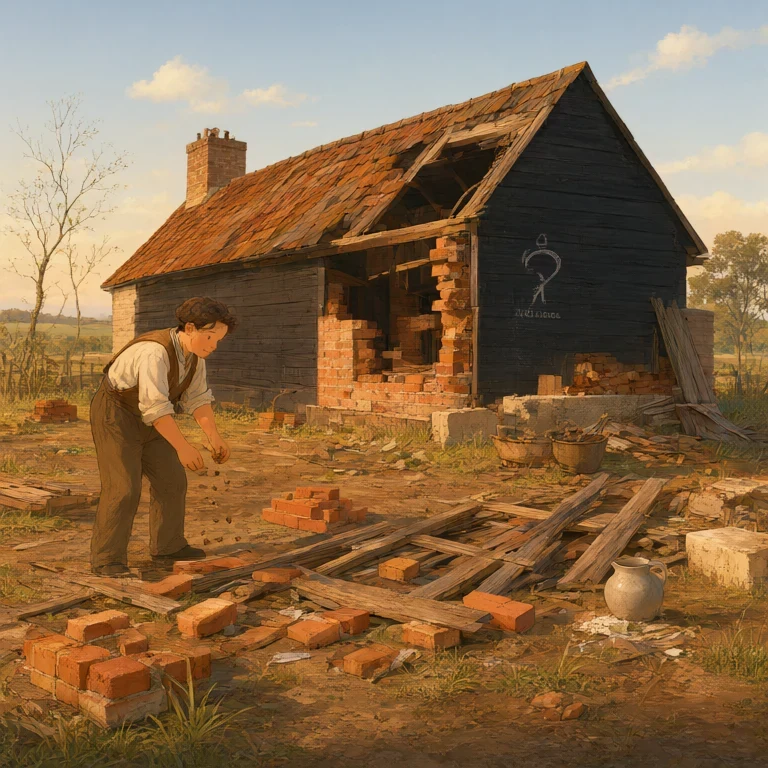
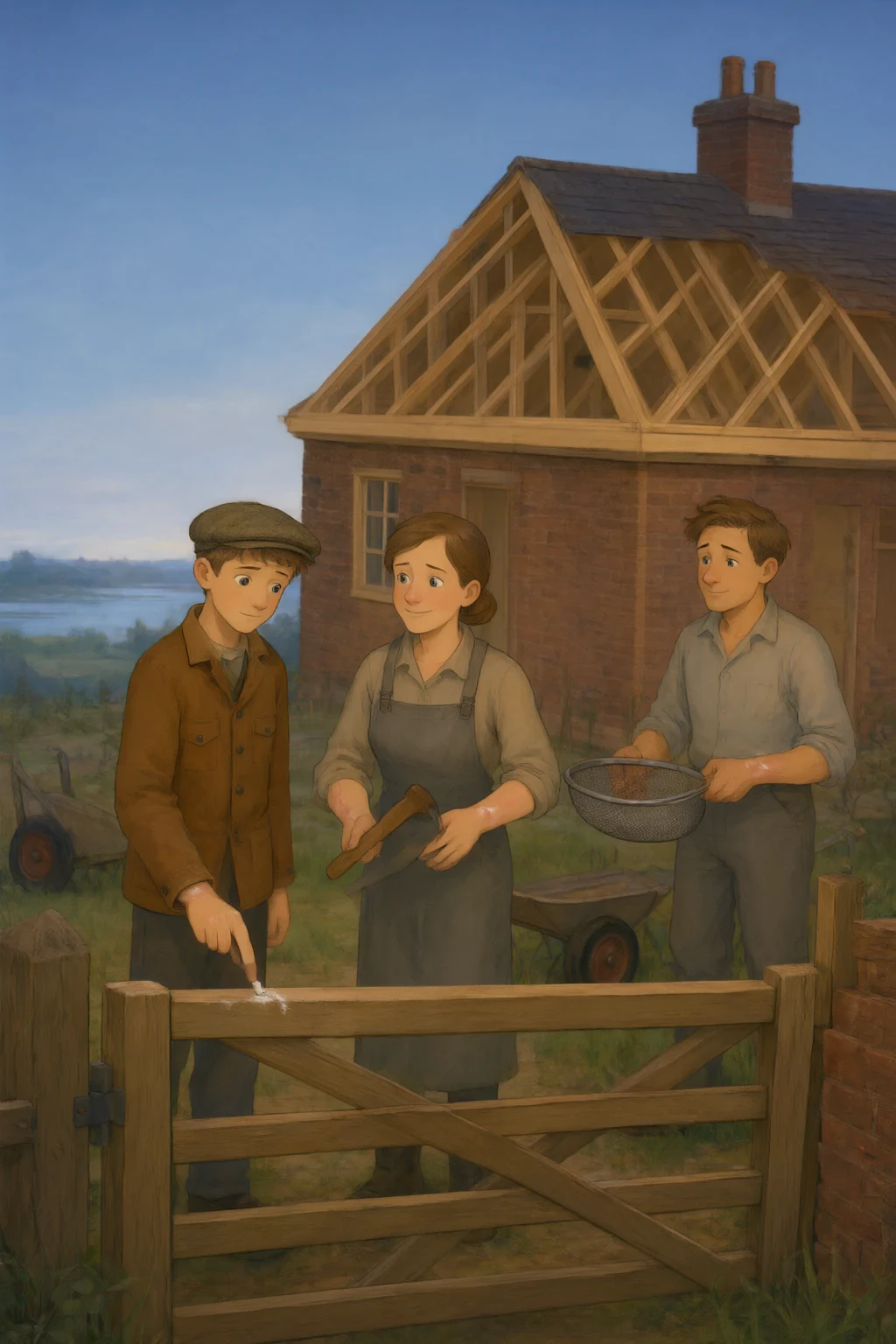
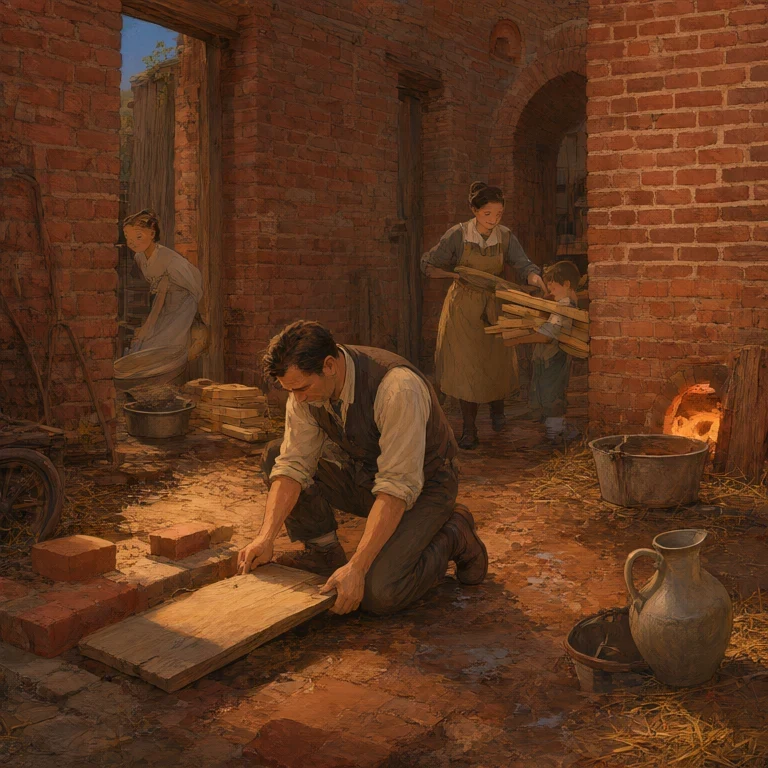
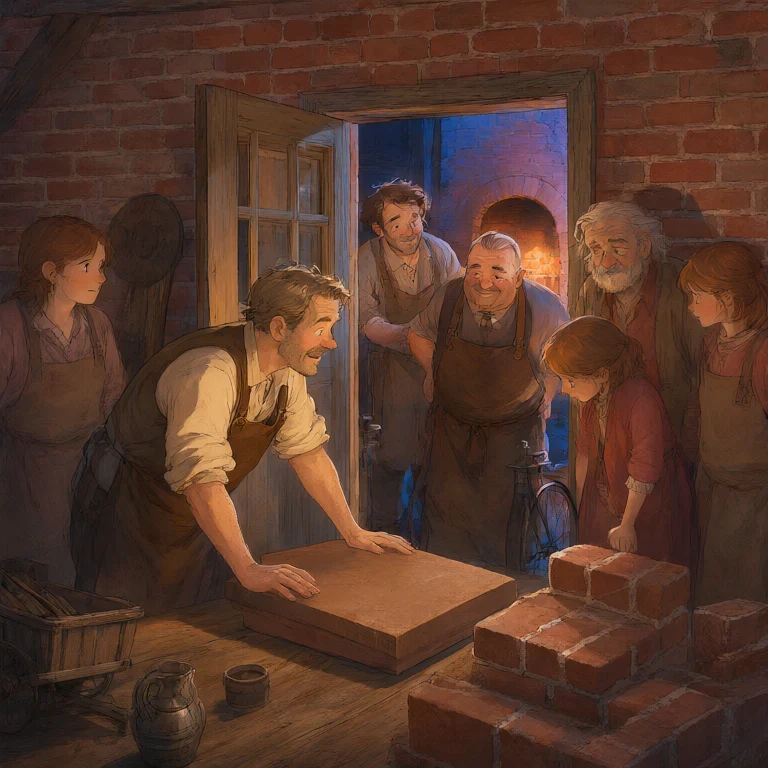
The man took the frame down himself, board by board, drawing the nails and keeping them in a twist of paper, because nails are worth something. His wife mixed the lime in a tub by the gate and sieved it, because lime with a stone in it takes the skin off the outside of a wall in one winter. The boy carried timber up from the cart and stacked it, and was not permitted to lay a course, and did not argue, because he is nine and knows the licence rule as well as anybody in Marl.
They bought the timber off the second brickfield in the spring, when the kilns were cold and the gangs owed for the winter, and tarred it themselves behind the terrace, eleven lengths for the frame and forty for the roof, and shingled the new roof out of the old one. The lime came up the furlong in a handcart with a bad wheel that the whole village heard coming. They had eleven pounds six.
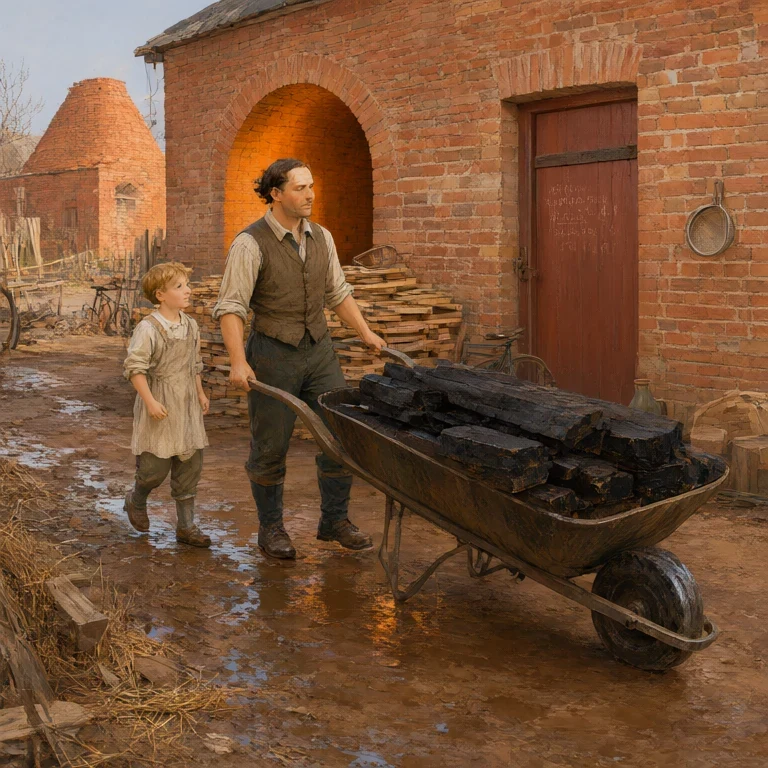
It had been in a tin under the bed for eleven years, and when the tin was empty the lime was mixed and the timber was up, and there was nothing left in Marl to buy with. They had learned. That was what everybody said afterwards, and it was true, and it did not help.
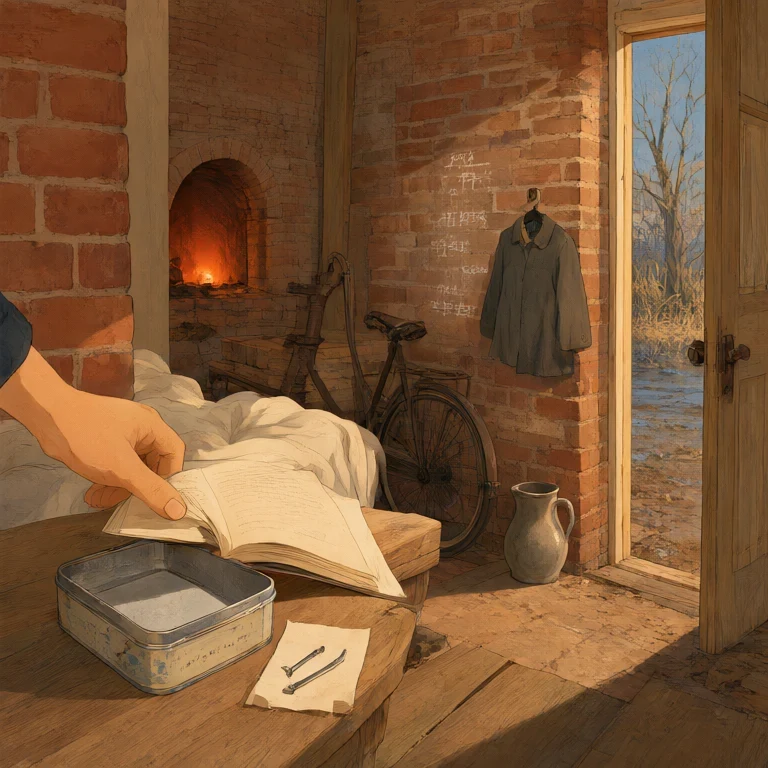
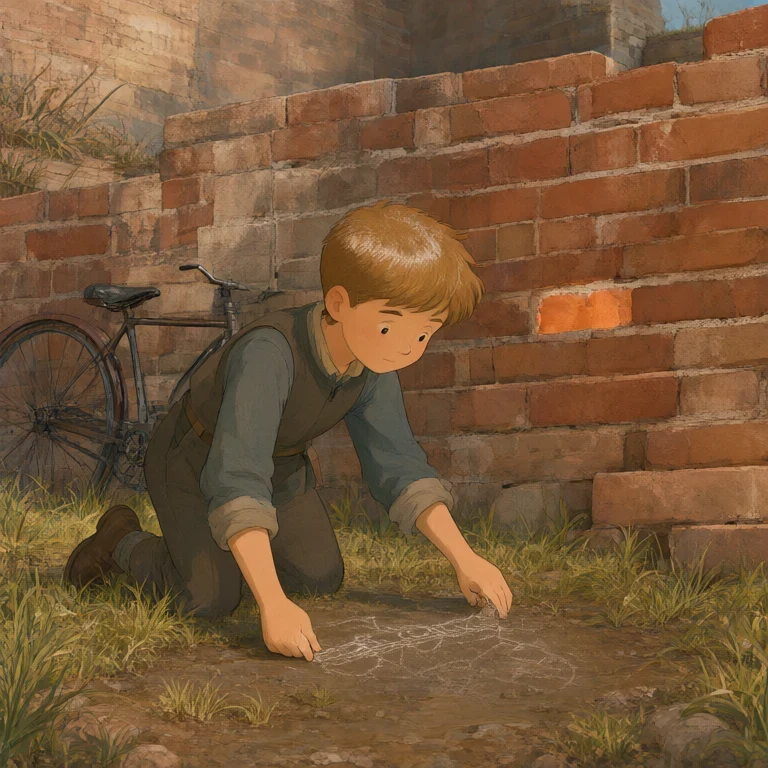
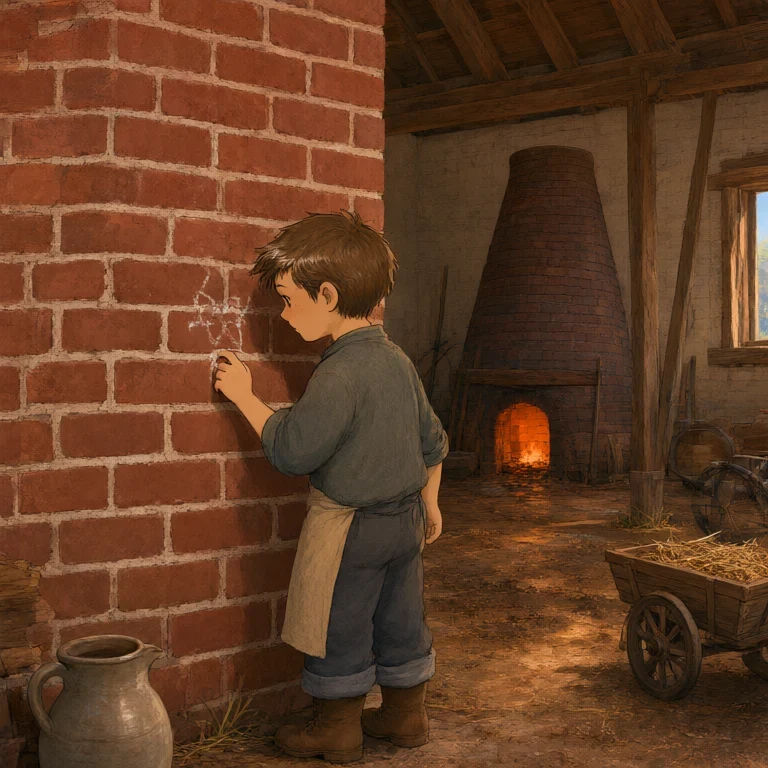
Tomas Peake came up on the Tuesday to look at a wall, which is what he came up for. He was fourteen, there was a line of white brick dust across his hairline that never washed out, and he could not get within ten feet of a brick wall in the county without reading it.
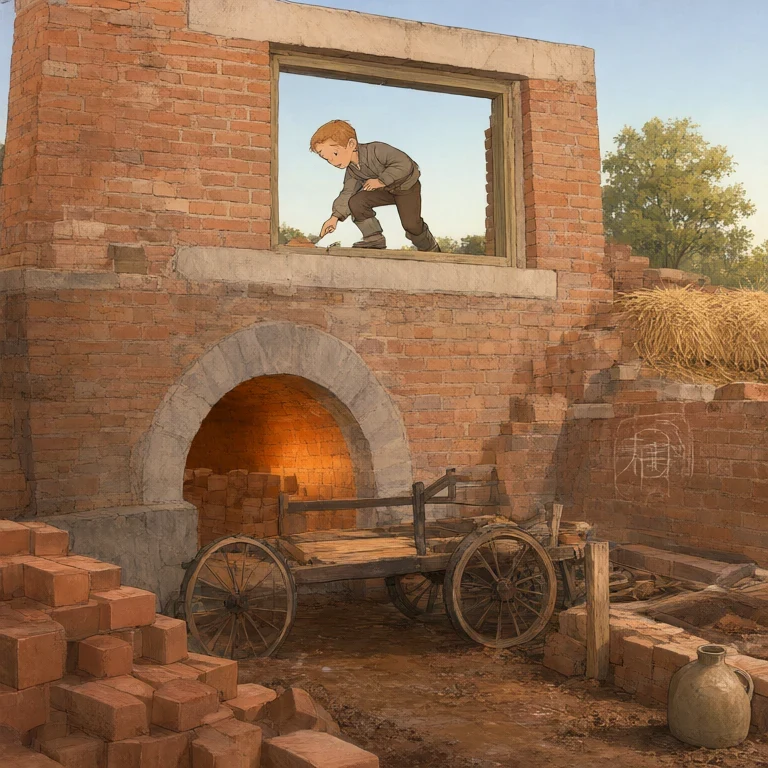
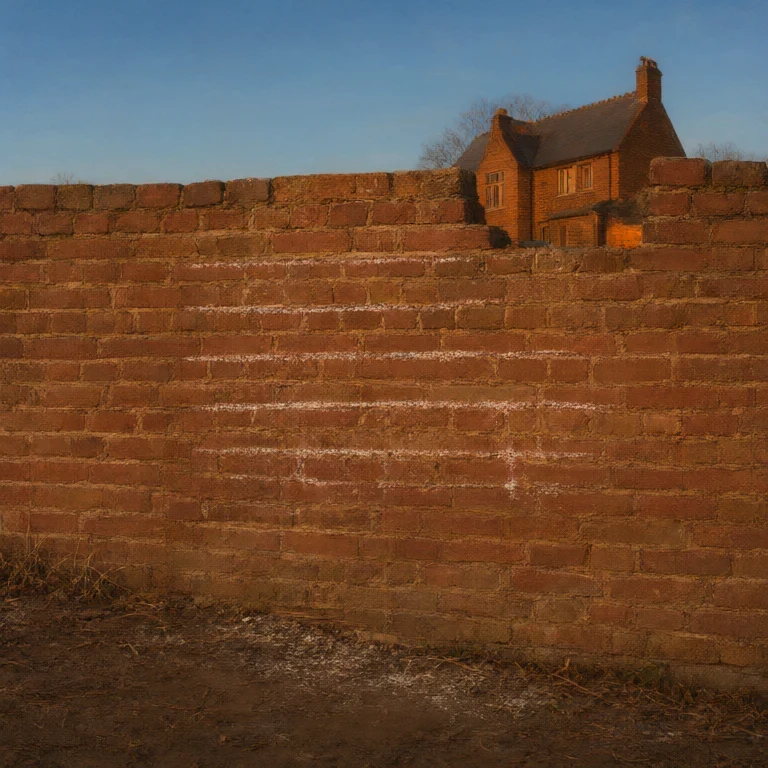
The new sill was down and the frame was up and the whole thing was open to the weather, and the old lime was still on the footings, grey and hard as a biscuit, and under it, on the bottom course, where no lime had ever been laid, was a figure in chalk. Tomas went down on his knees in the wet grass and read it. “Four pounds six and eightpence,” he said. “The third of June, nineteen hundred and four. And under it, TO STAND WHILE I DO. And under that the name.” He stopped.
“Whose name,” said the man. Tomas read it again. “Peake,” he said. Down at the bottom of the wall, holding the sieve, there was a woman of thirty-eight with a burn scar inside one wrist from a bucket of lime thirty years ago. She had built this house in nine days in the summer of 1904. She had not been paid for one hour of it, and she had never told anybody that, because there had never been anybody to tell. “Go on,” Aline Peake said. “There will be more than one line.”
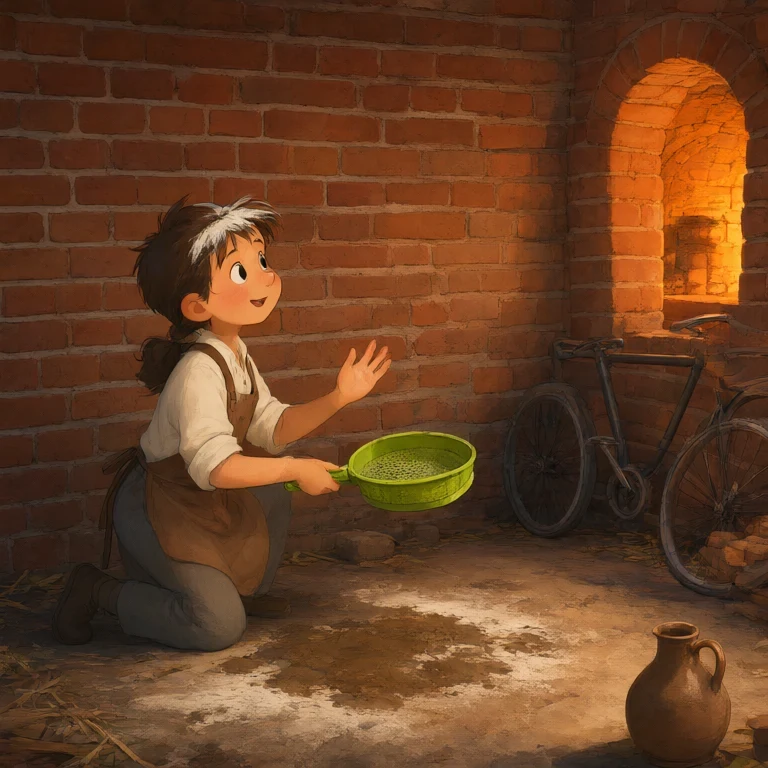
“There is a second line. Eleven shillings, the eleventh of March, nineteen hundred and eleven. TO STAND WHILE WE DO. That is a different hand.” “That is my husband’s. He is dead.” She set the sieve down on the wall. “Go on.” “There is a third line, in fresh chalk, four days old, in your husband’s hand, and it says four pounds six and eightpence.” The man let out a breath he had been holding since the Monday.
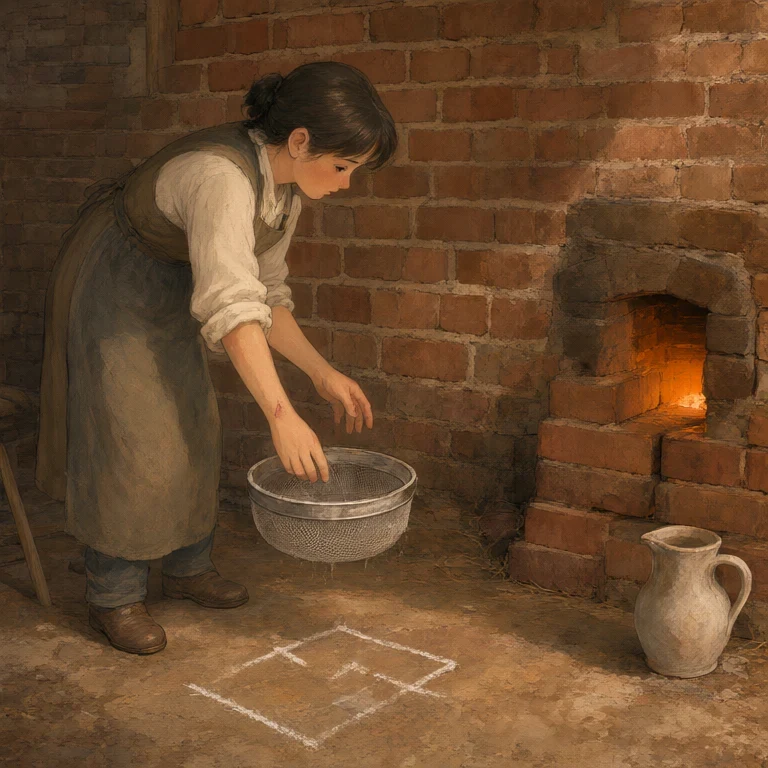
“Then that is right,” he said. “The materials are eleven pound six and that is all of it, and if the charge is for the promise then this is the same promise as the one in nineteen hundred and four, and it is the same figure, and I got it right in a week.” “You got it right in a week,” Tomas said.
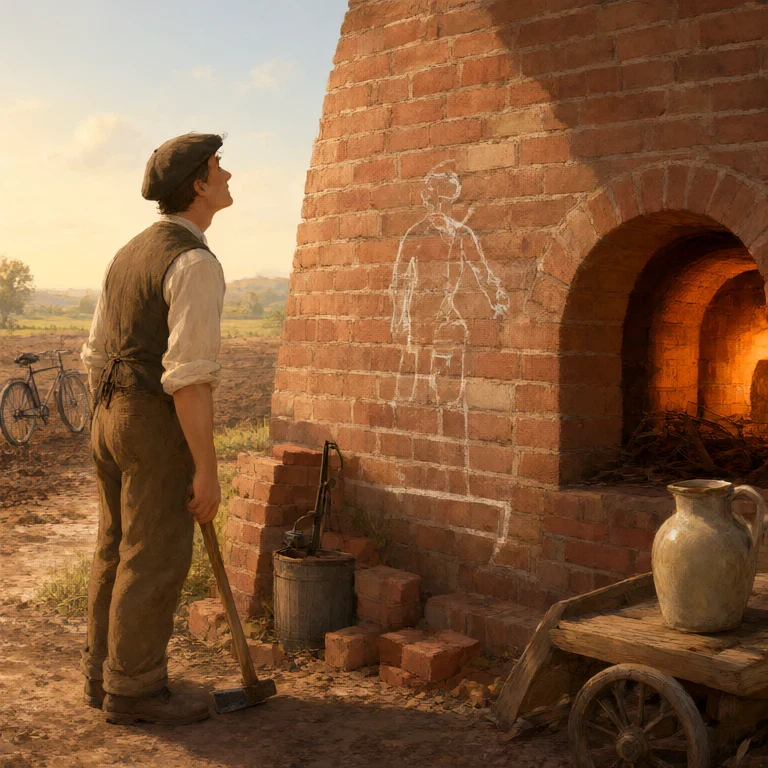
He could not leave it there. He had read the wall and the wall was not finished being read. “Three lines,” he said. “Running, it is nine pounds four shillings and fourpence.” “That is a good deal for a house like that,” said the woman with the sieve. “It is the whole of what the house has been promised, added together.” Tomas put his finger on the bottom course. “And I will tell you why nobody at the smithy will tell you.” The man put down his adze. “Tell me why, then.” “You are the second creditor.” “We are.”
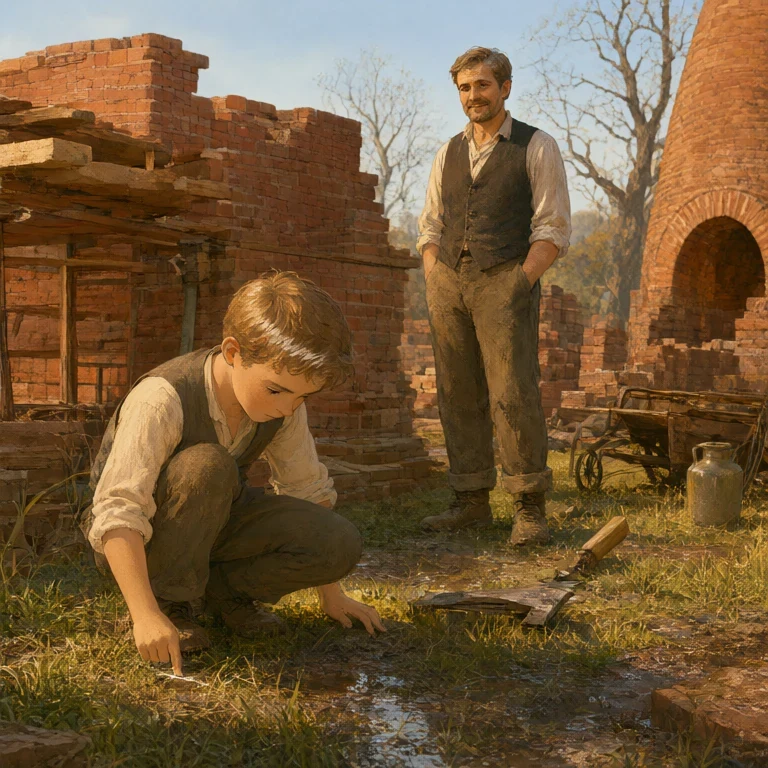
“A house that has been remortgaged twice may not be sold. The second creditor is the one who keeps it, and the second creditor is not permitted to sell it either.” He kept his finger on the course. “So you cannot sell this house to clear the nine pound. You cannot sell anything. And the charge goes on the house, not on the builder, and the house pays it whether or not anybody ever comes to blow. So it does not go down because you are good at building.
It goes down when the house comes down, and then you have nine pound four to pay and no house and nothing to sell.” The wind came over the ridge and went through the open frame with a noise like a wire. “So that is why nobody will say,” the man said. “Yes.”
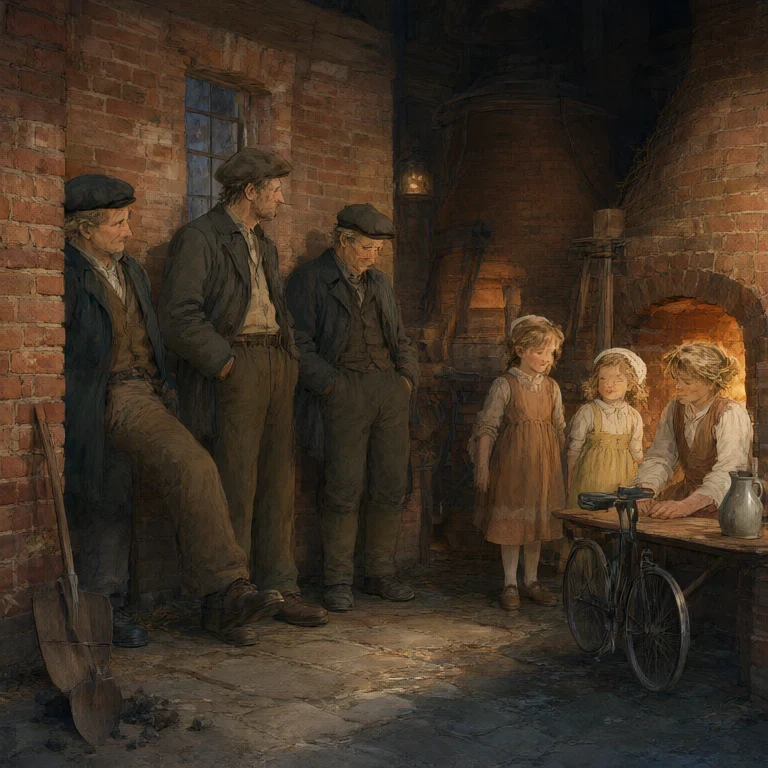
Fennick Roke said the same thing at the smithy in fewer words, with the queue book open on the bench and four men standing about. The man had come down to ask when the nine pounds four could be called in. He had brought his wife and the boy, because a man who asks a favour in Marl brings his household, and it is not respect, it is a queue. Roke looked at the man’s hands first, and then at the woman’s, and then at the boy’s, which he had not done in twenty-six years and did not do again.
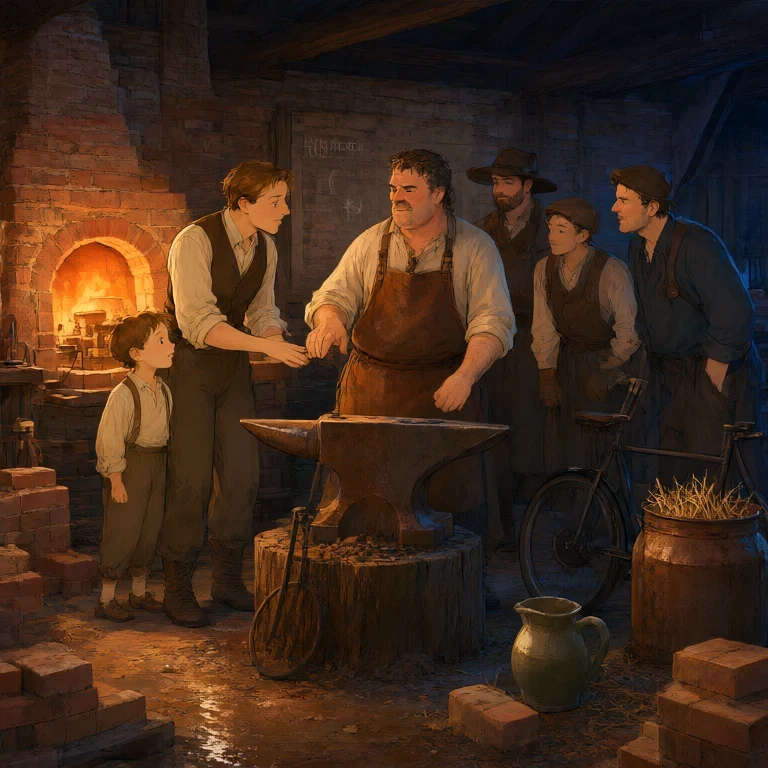
“Two lines the same,” he said, turning the page back a little with one finger. “I have never had two lines the same in that book. A man builds a big house or a man builds a small house, and the wall takes what it takes, and it does not take the same twice.” “He learned,” said the man. “He learned off your wall. He did it in three days instead of nine and he thought that would count for something.” Roke shut the book. “Not this year,” he said. “That is what you said about the licence.”
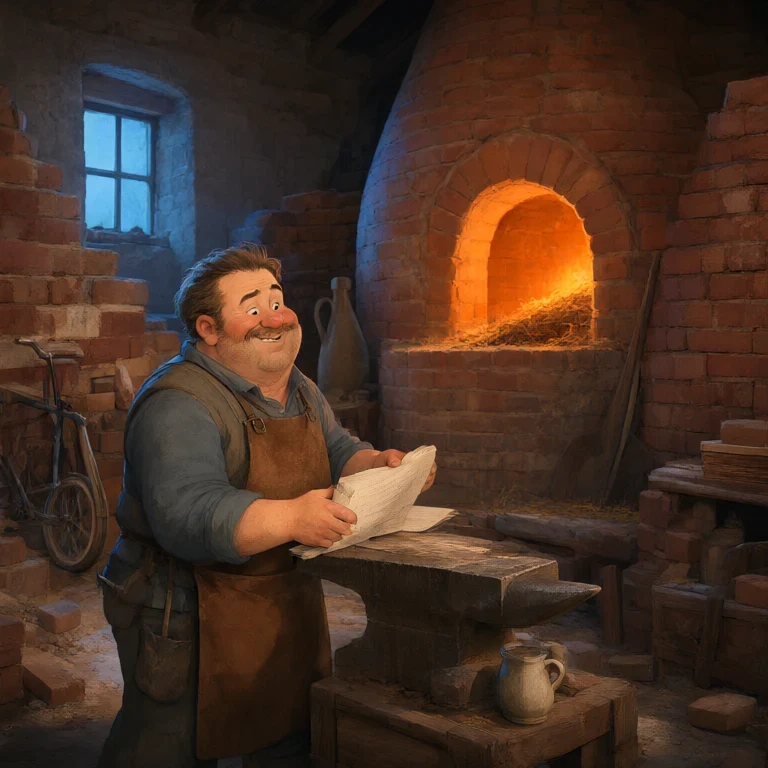
“It is what I say about everything.” Roke put his hand flat on the cover. “I gave you the licence and I cannot tell you why I was permitted to. It is not in the book. There is no line in that book that says a man who has already got the timber up may have a licence.
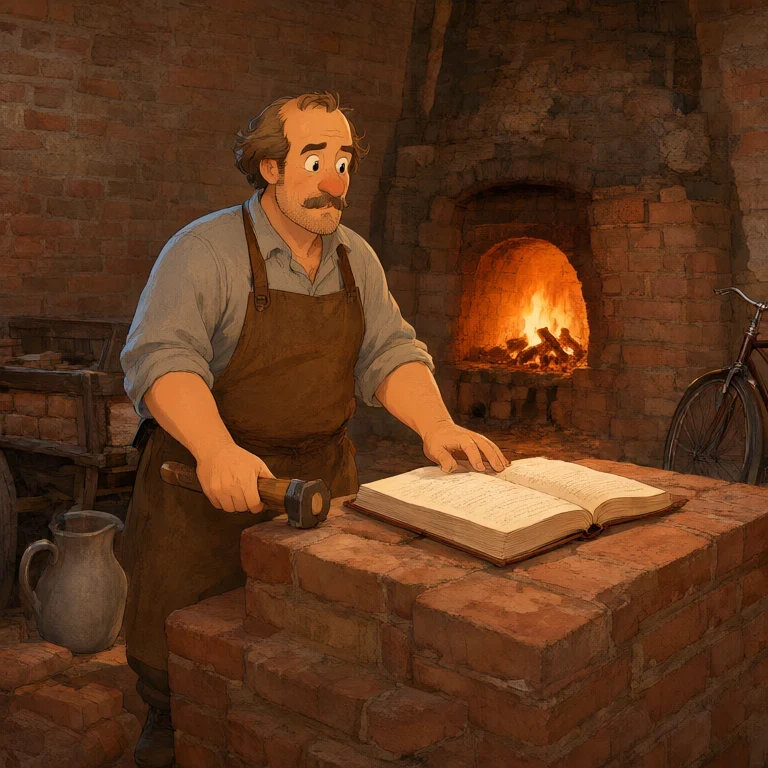
I have run this queue twenty-six years and I decide, and there is nothing written down, and if you asked me to show you the rule I would have to show you the wall of this smithy, and there is no rule on that either.” The four men by the fire moved a little. It is not a comfortable thing to hear in a village that has always believed itself careful. “Will you put the second figure in the book?” the man asked.
“It is on the wall. That is where it goes. If I put it in here as well there are two books and one of them is wrong.”
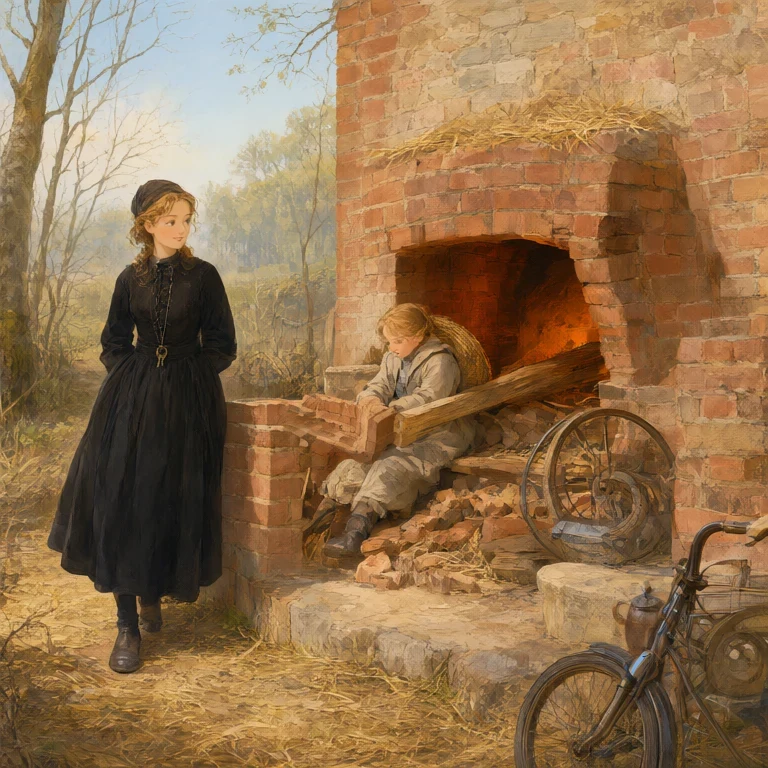
Mira Sedge came up the furlong at four in the afternoon, which she does not often do. Her house is the last one below the ridge, and she has two creditors and no money, and a key on a chain that has worn through the cloth. Wren Copse was sitting on the new hearthstones with the fourpence course of straw behind her and her glove on its string, waiting, because she had come up to ask Mira Sedge for a figure and she was going to do it before she was asked for anything.
Mira read the slate the boy had carried up from school on Friday, and gave Wren the number she had not asked for yet. “Four pounds six and eightpence,” she said, “both times, and eleven shillings in between, and nine pound four and fourpence running. And there is no version of the fortnight in which anybody in this village hands that to you.” “That is fair,” said the man, surprised.
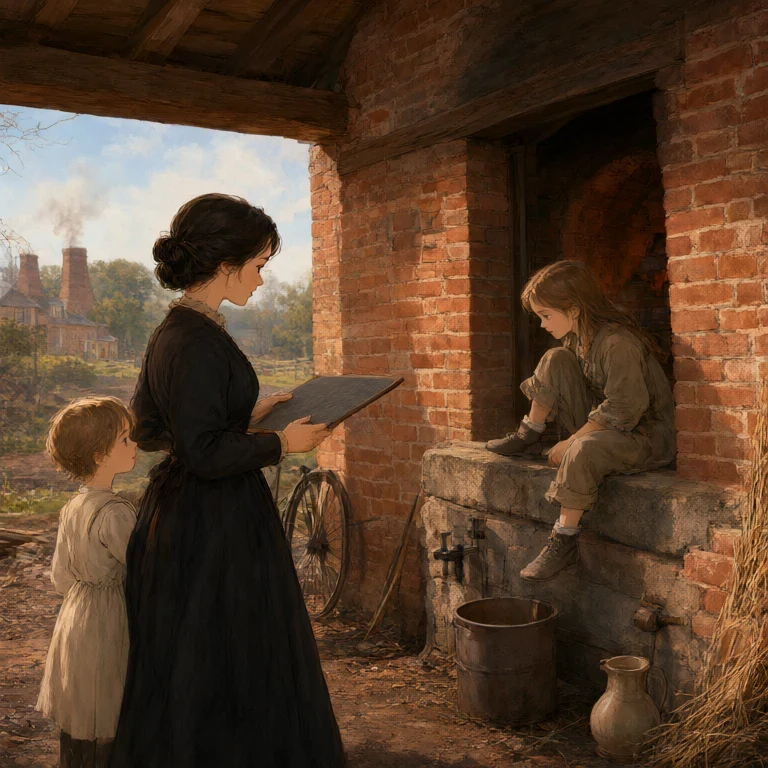
“That is fair, and I will show you why, and then you will not enjoy it.” Mira turned the slate round with two fingers. “The charge is on the house. The house is timber, and timber does what it was asked by somebody else, and the somebody else is a woman standing at the bottom of your wall with a sieve in her hand, and she is never going to be asked. The house stands.
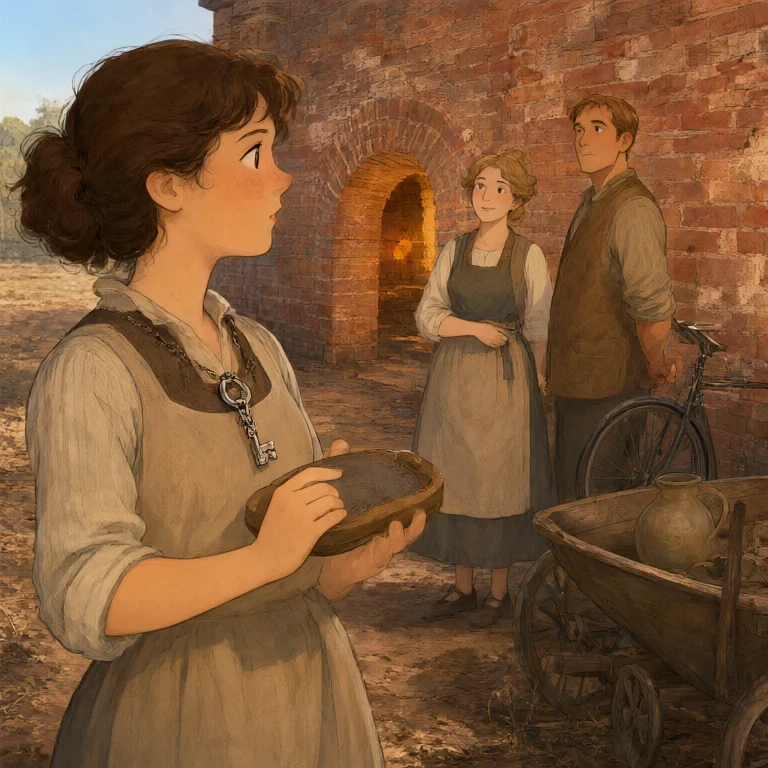
It has stood since the third of June, nineteen hundred and four, through two wars and a winter with eight weeks of frost in it, because timber will do what it was asked by somebody else, and it was never your timber.
And every day it stands it stands on a promise that was not yours, and the charge for that promise is in the wall, and the wall is not yours, and you cannot sell it, argue with it, or take it down, because a house that has fallen is not a house until somebody arrives with a builder, and there is a queue, and the man who keeps the queue says it is not his fault, and he is telling the truth.” “Right,” said the man.
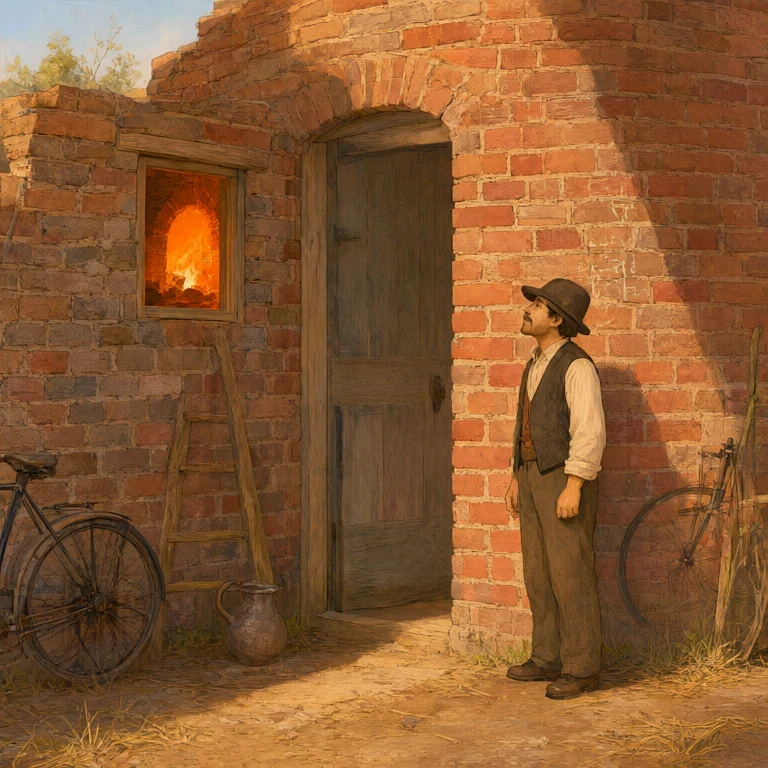
“I am not here for amusement,” said Mira Sedge, “and I will put it plainly, because you have been at it four days and you have earned a plain answer. You will not pay the nine pound four. Not this year and not the year after. The only two people who could ever have been asked for it are a woman who built the first one and was never paid, and a man who is dead.
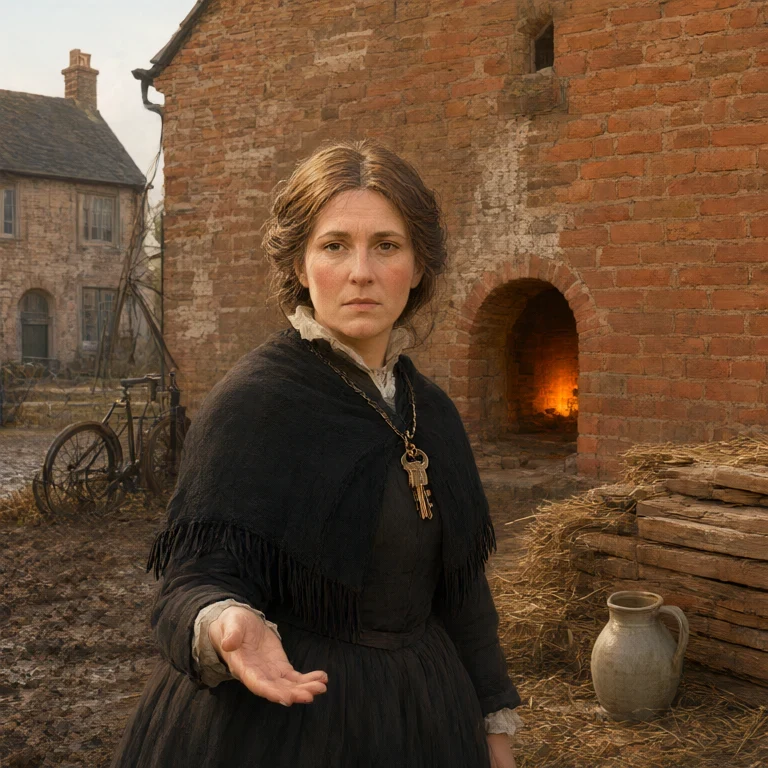
You bought a house for eleven pound six that already had nine pound four against it, and you did it because you understood the rules better than anybody who has ever explained them to you, and that is the joke, and I am the one telling it.”
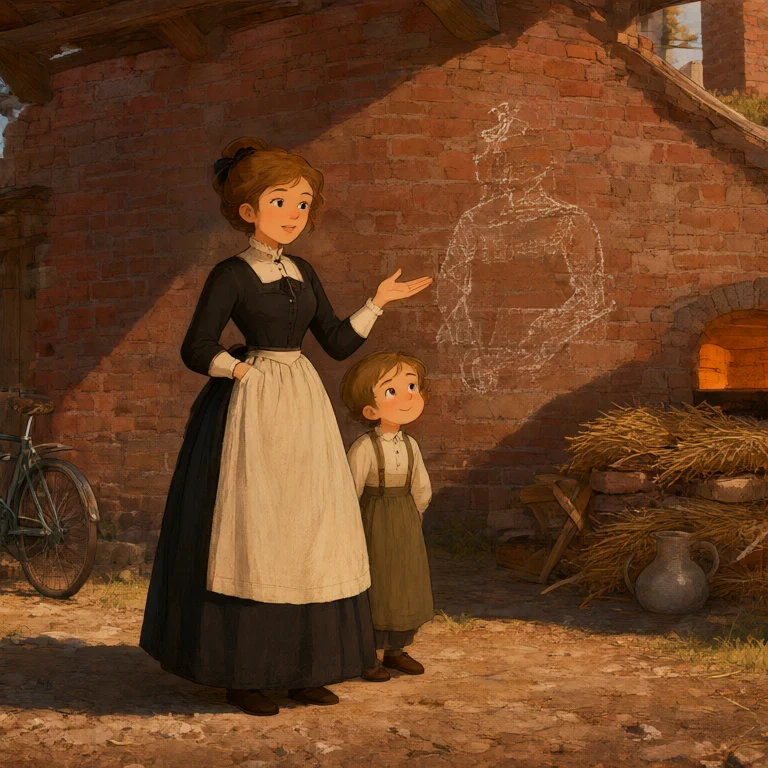
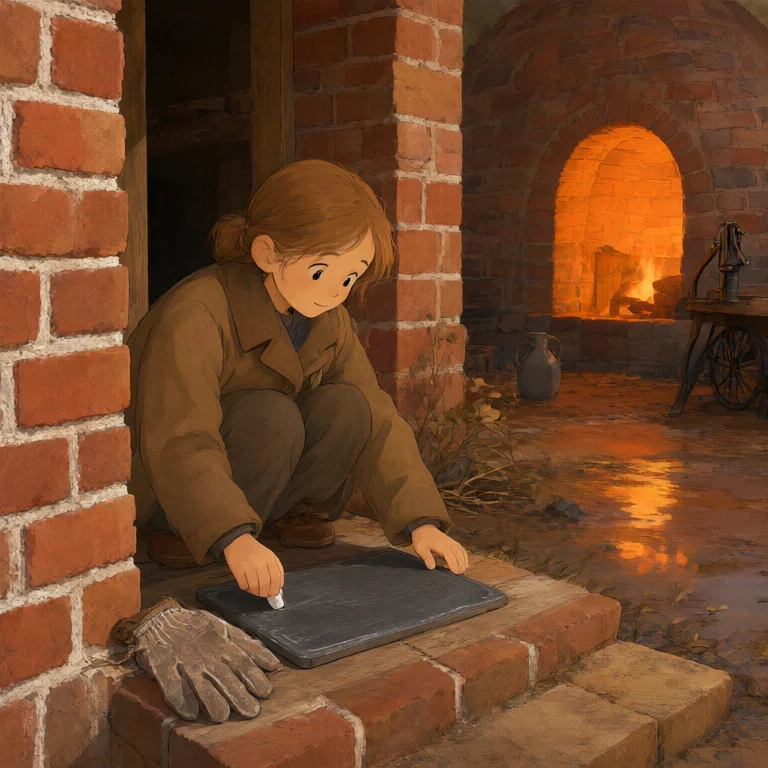
Wren wrote the total on the slate in her good round hand, and then put the slate face down on the step, which nobody asked her to do, and which was the correct thing to do, because a number on a slate is nothing at all and a number in a book is a charge, and she is twelve, and a child may not be a creditor at all.
On the Wednesday evening the wind dropped and the light went flat and blue off the fen, and the four of them stood in front of a new timber house with a shingle roof and a tarred frame and lime pointing done properly, and it was the best-looking thing at the end of the furlong and it was a week old. The boy went in. Tomas Peake stood in front of the wall, because he could not pass a wall.
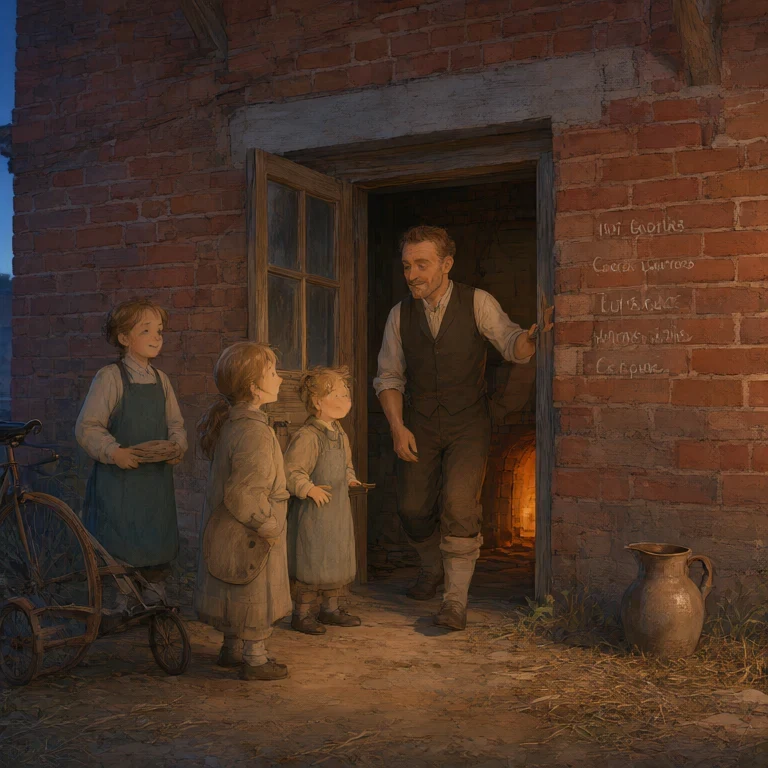
“Four pounds six and eightpence,” he read. “The third of June, nineteen hundred and four. Eleven shillings, the eleventh of March, nineteen hundred and eleven. Four pounds six and eightpence, the sixth of May, this year, in fresh chalk, TO STAND WHILE I DO. Running, nine pounds four shillings and fourpence.” “You could have done it in one day,” the woman with the sieve said, not unkindly. “That is what I keep coming back to. Suppose you had a gang. Suppose you did it in one day. What then?”
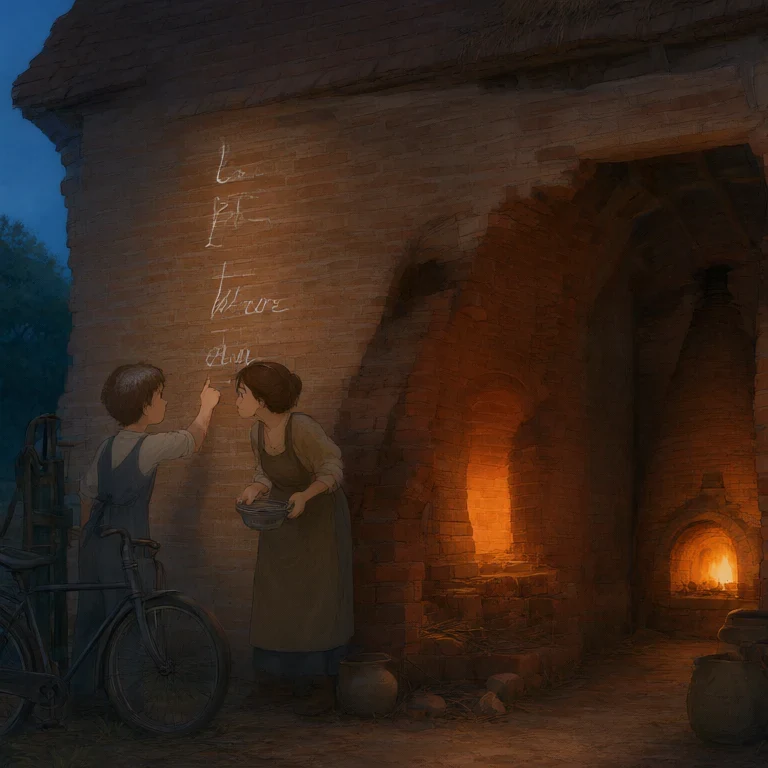
“Four pounds six and eightpence,” Tomas Peake said. “I should have read the same figure, and I should have read it exactly, because that is what I am for.”
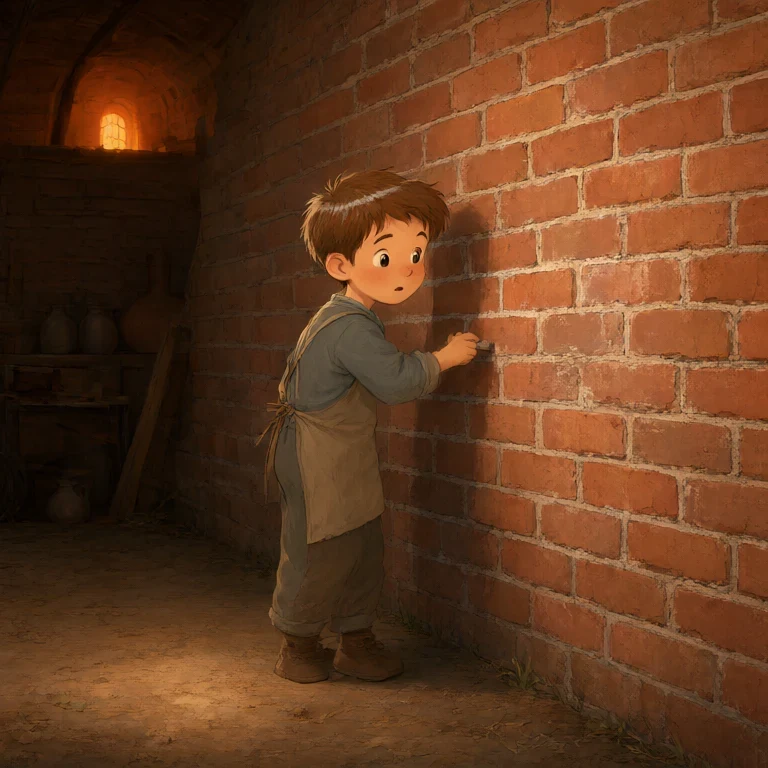
The lime smell came off the new pointing in the cold air and went out over the ridge, and behind them the brick house stood with its eleven hundred and six pounds on it, and in front of them the wall of the timber house carried three figures, two of them identical, and the newest the same size as the oldest, and a total at the bottom that nobody had ever written down, in fresh chalk, by the only person at the end of the furlong allowed to read it.