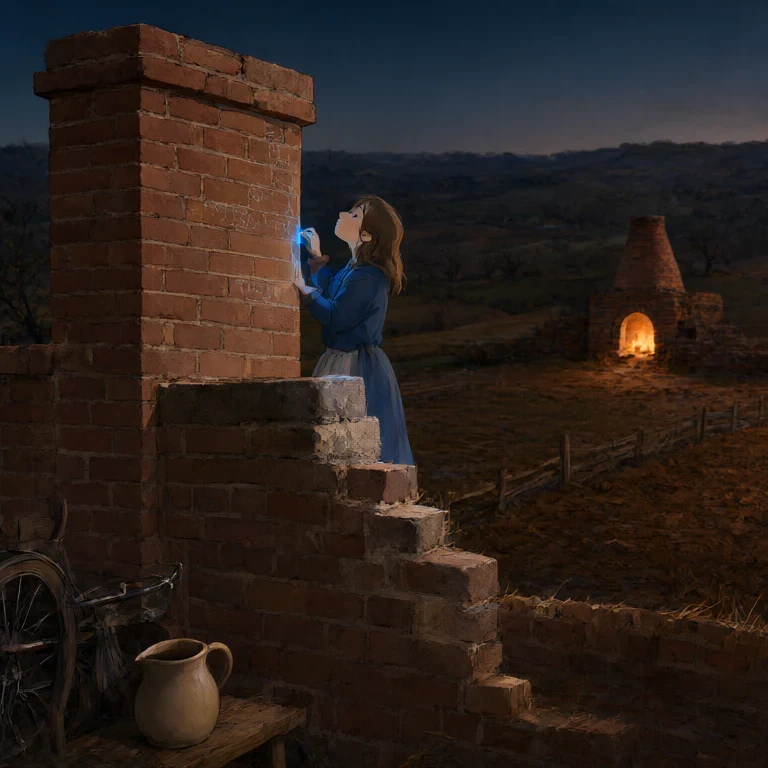
The furlong end stands twelve feet above the rest of Marl, and on the last Tuesday of April the wind came over the ridge with nothing at all in front of it. There are three houses up there. Nobody chose the ground. It is the worst in the village, and Marl puts its poor on it the way a village does, which is to say without deciding to.
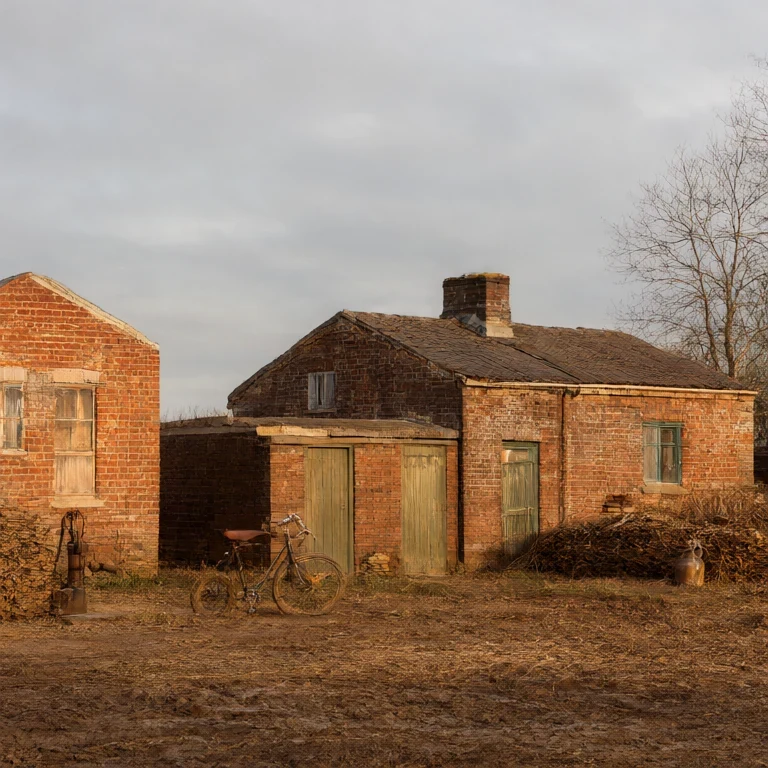
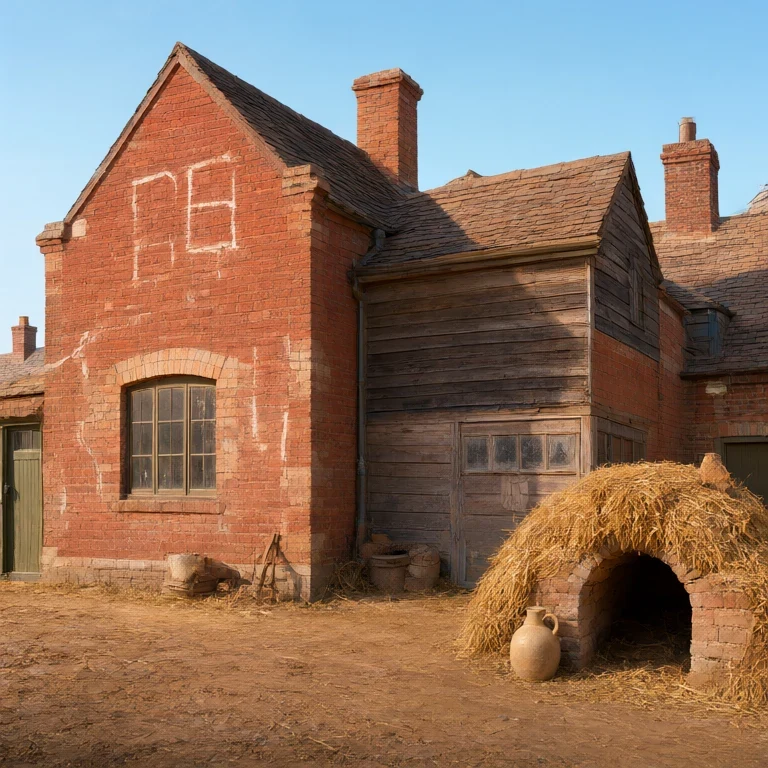
The first is brick and sound, with a figure chalked on it in a mason’s hand that you have to walk backwards to read. The second is tarred timber, standing, mortgaged, with a second figure under the first. The third is a heap. The heap was straw once. There is a hearth in it, a chimney breast, and nine inches of wall, and on the wall the words TO STAND, and under that the smallest total at the end of the furlong by a long way.
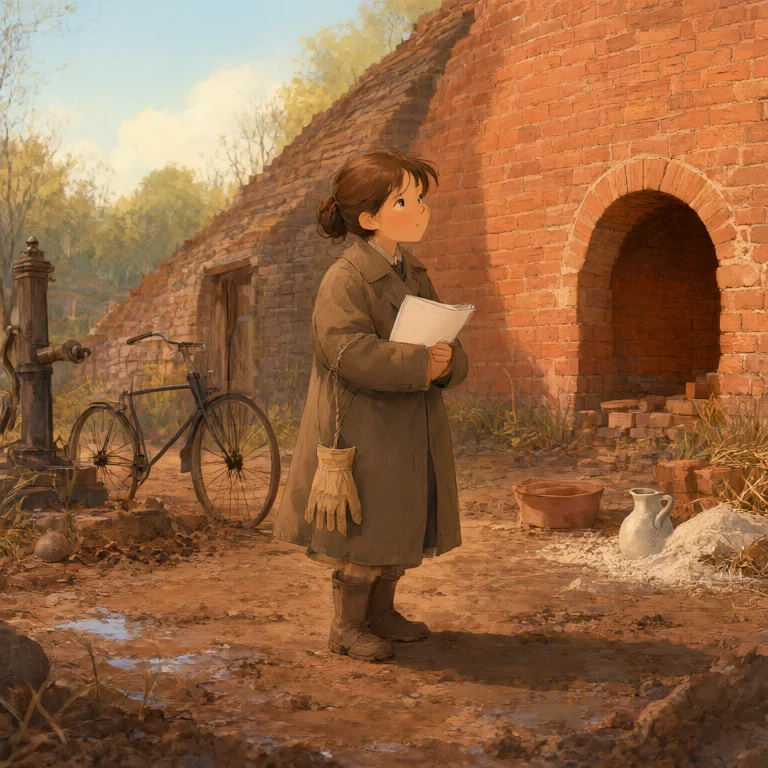
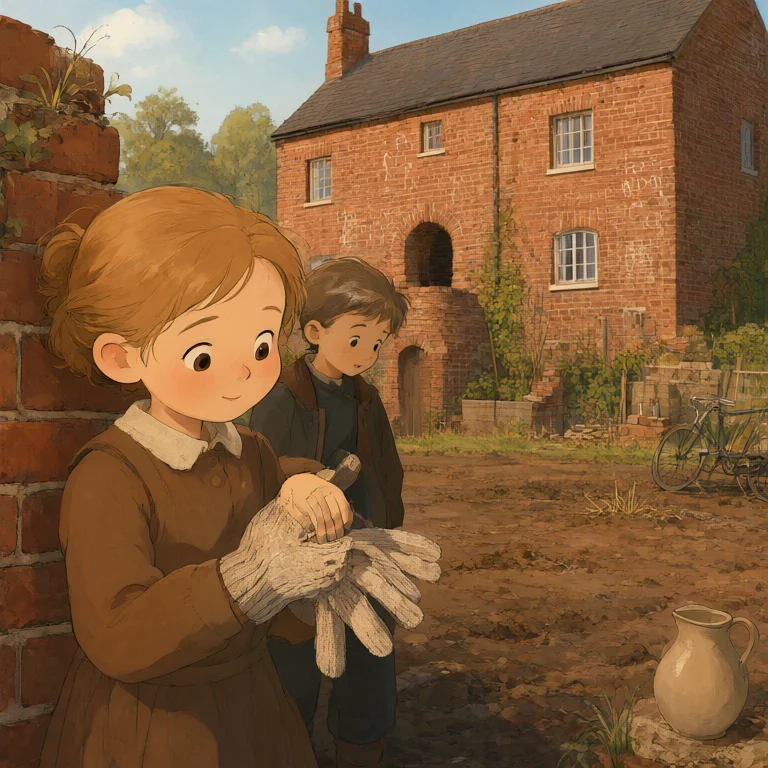
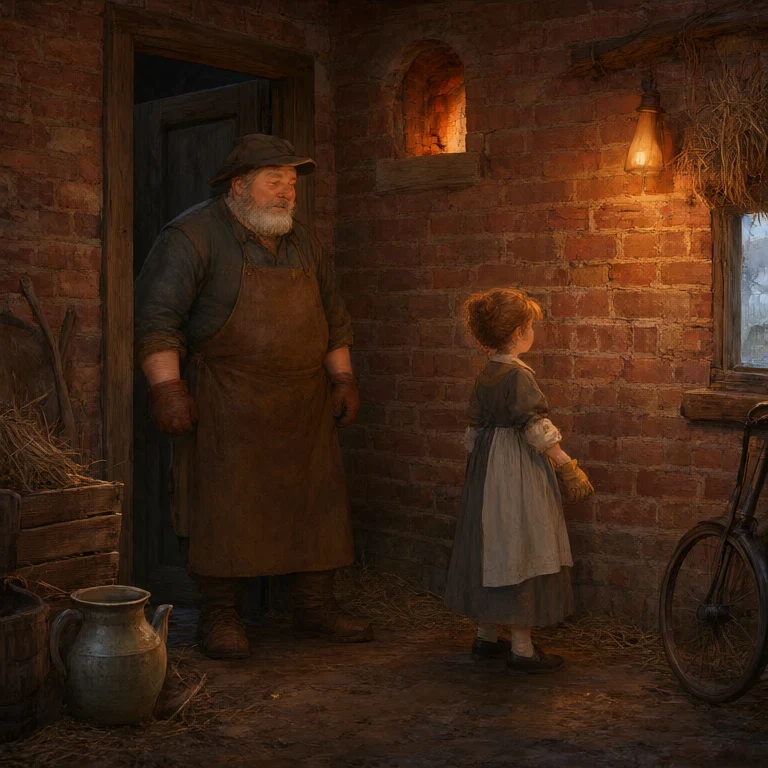
Wren Copse came up the furlong at four in the afternoon with a folded sheet of paper in her pocket. She was twelve, in a coat two sizes too big for her, and a bricklayer’s glove hung on a string at her wrist, and there was no hand in it. She had written to the smithy. One side of a page in a good hand, and her age at the bottom, because somebody had told her you always put your age.
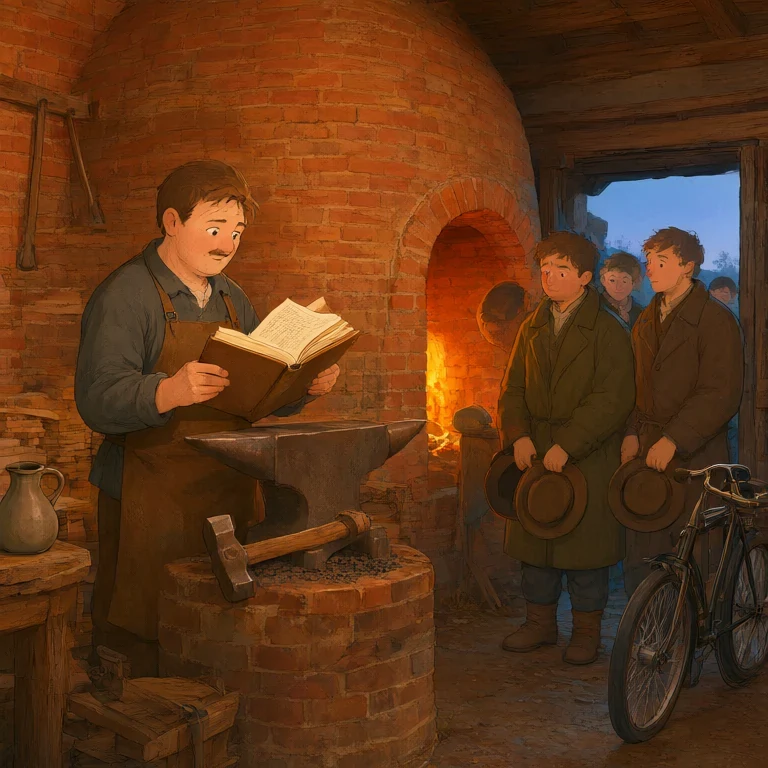
The smithy was the only warm room at the end of the furlong. Fennick Roke had the bar down and the queue book open on the bench, and four men were standing about with their hats in their hands. He looked at her hands before her face, which was what he did instead of looking at anybody’s face. “Wren Copse, of the terrace, aged twelve, applies to be assessed on the straw house at the furlong end,” he read out. “Is that your figure?” “Yes. Against me saying no. I want to know what I am.”
He squared the paper to the edge of the bench with two fingers. “Miss Copse, there is nothing to assess.” “Because it has fallen.” “Because it has fallen. A house that has come down is a heap, and the heap is the builder’s business, and the builder is not you. You are twelve, and there is no builder’s licence here you could hold.” “I did not ask for a licence. I asked to be assessed.”
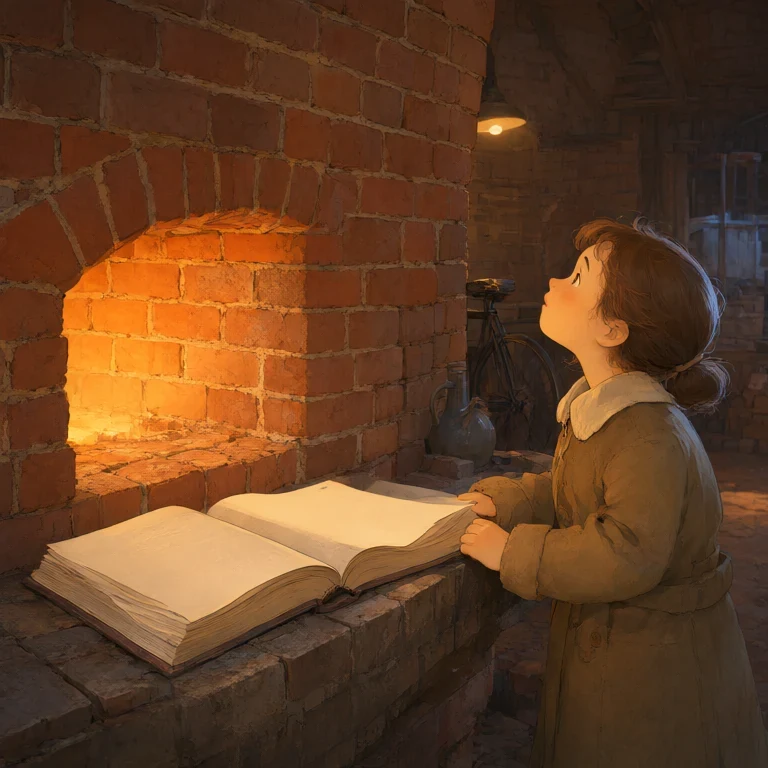
“No, I know what you asked.” He put his thumb on the paper. “A promise made to a child is not a promise until the child is grown. So there is nothing in writing to you. Which means no charge, and no figure, and nothing on a wall to read, and there is your nothing to assess.” “Ah,” said Wren.
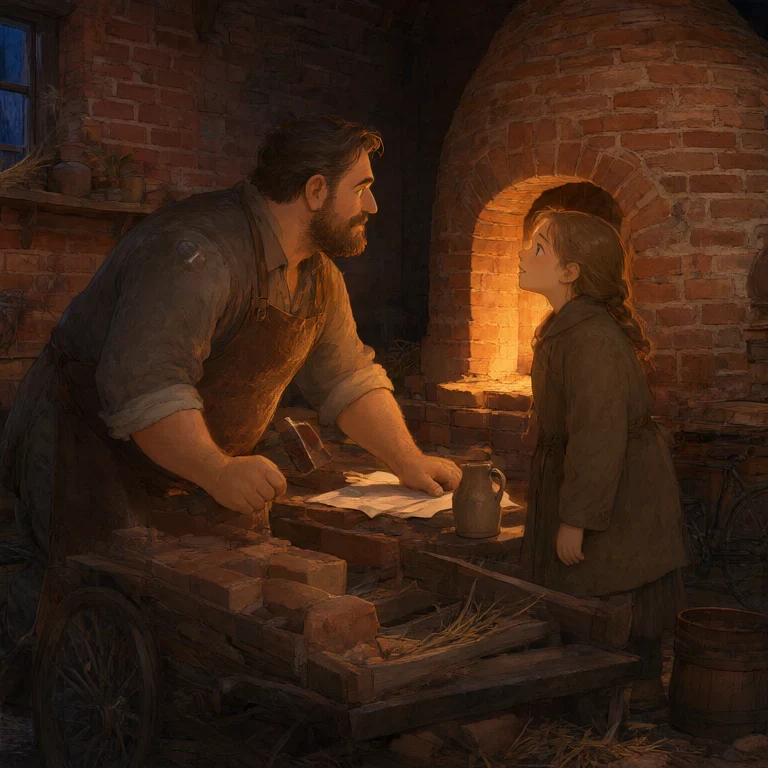
“I cannot tell you why you will not get one this year,” Fennick Roke said. “There is no reason. I have done this twenty-six years and never once written down a rule. Ask me for the rule and I would have to tell you there is not one.”
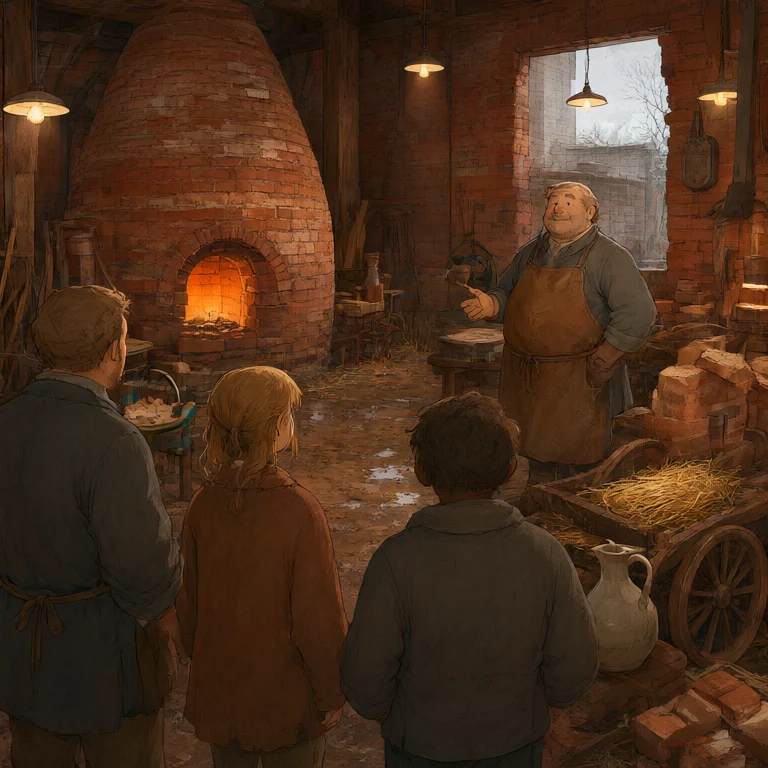
Tomas Peake was in the corner by the coal with his coat off, and he had been listening without moving. He was fourteen, and the only person at the end of the furlong who could read a wall. “Ask me on the ground,” he said, when she asked which wall. “Not in front of the queue. I will not have four men listening to me read a wall.”
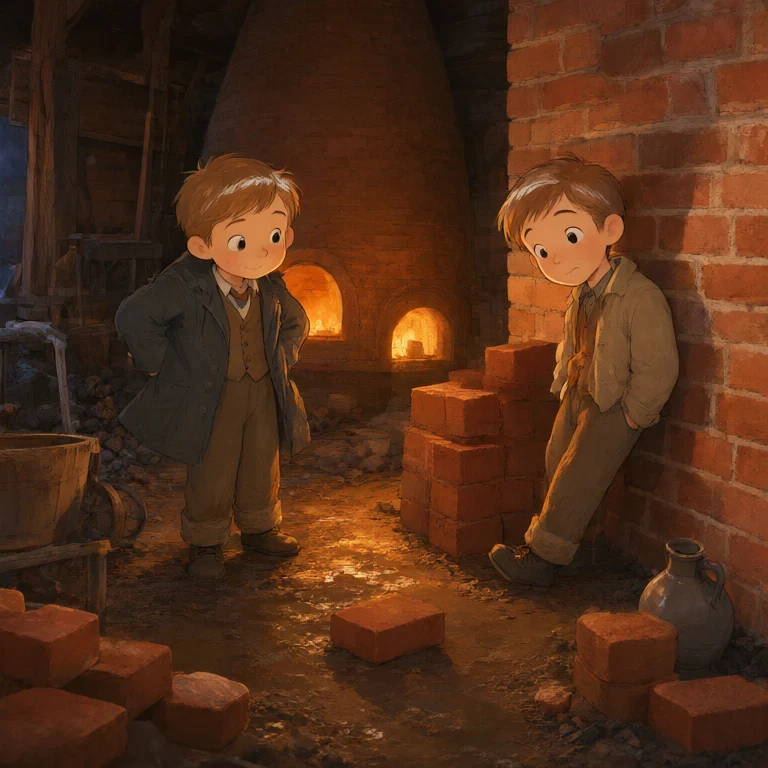
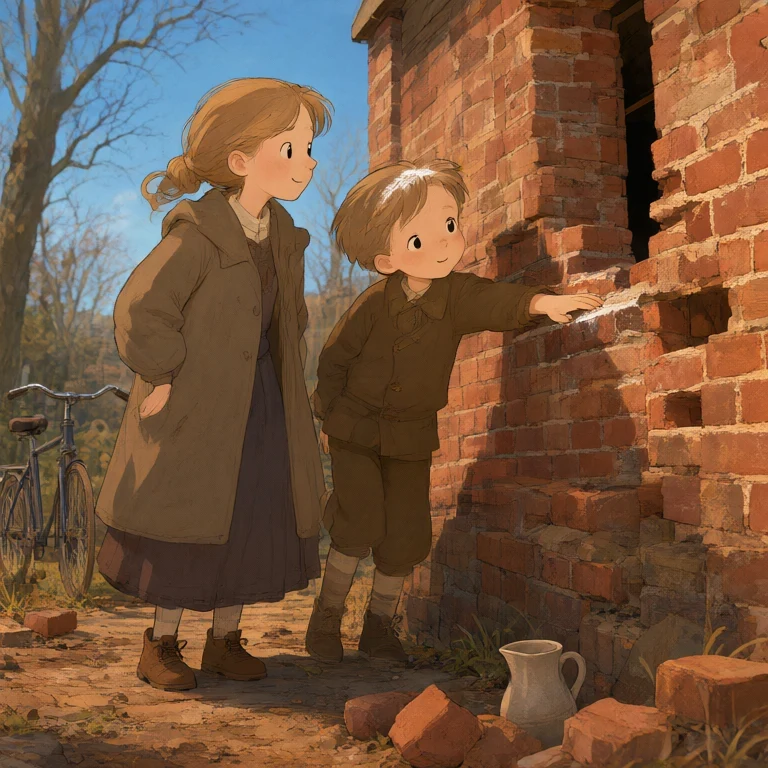
So they went up the last hundred yards into the wind and stopped at the heap. Tomas crouched and read the courses with his fingers the way other people read a newspaper, his lips moving. “Straw. Heaped, not laid, so it is not a wall. It is a stack that stood up for a while. Lime and mud, nothing else. No timber, no brick, not one nail in it.” “And the figure.”
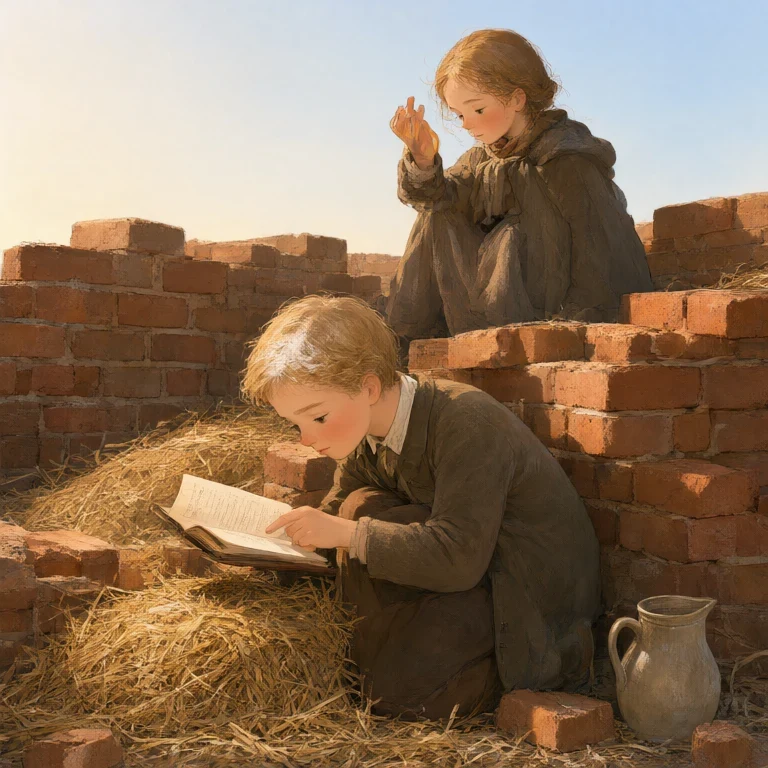
“Three pounds eleven and fourpence, the ninth of April, nineteen hundred and one.” He put his thumb on it. “And under it, TO STAND, which is the promise. And under the promise the builder’s name, and under the name a mark like a cross, because he could not write.” “Was that all?”
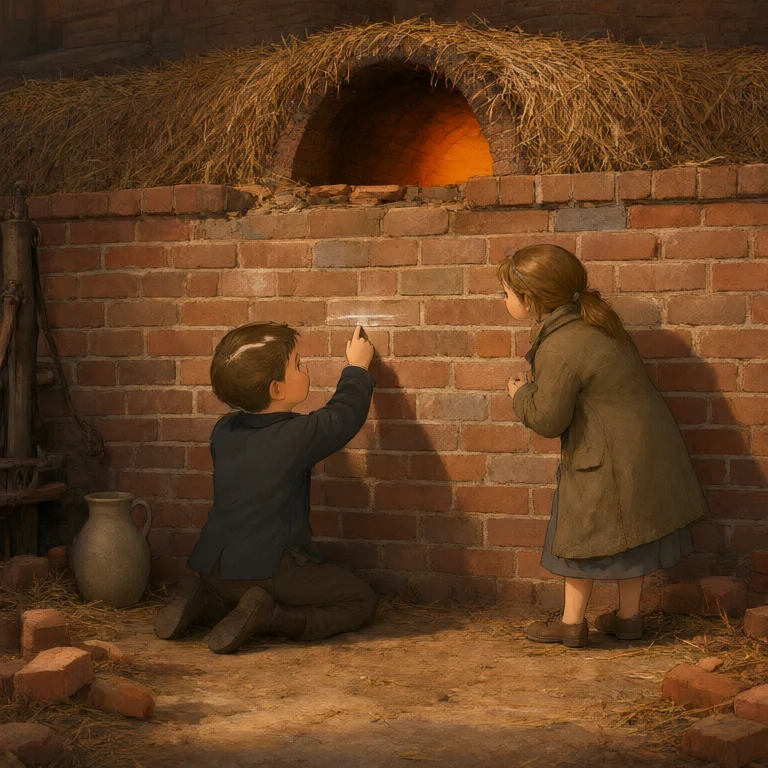
“A line at the bottom in a different hand, later, thinner. The promise is broken, and the date it broke is the ninth of April, which is the day it was charged.” He stood and brushed his knees. “Charged the day he promised. Broken the day he promised. Nine days, and it was never a house.” Wren looked at the two figures higher up the ridge. The brick house’s went past her shoulder and kept going. “How much is the brick one.” “Eleven hundred and six pounds, three times over.”

“So the expensive one is the one that is still there.” “It is not a joke. The promise is what the house is charged for, not the wall. Promise a hundred and fifty years and you are charged for a hundred and fifty years. Promise nine days and you are charged for nine days. He could not afford brick.” Wren turned the string over in her fingers. “Can I build one.”
“A house that has fallen can be rebuilt by anybody at all. That is the rule. It is the only rule anybody in this village has ever said out loud to you, and I am not saying it twice.”
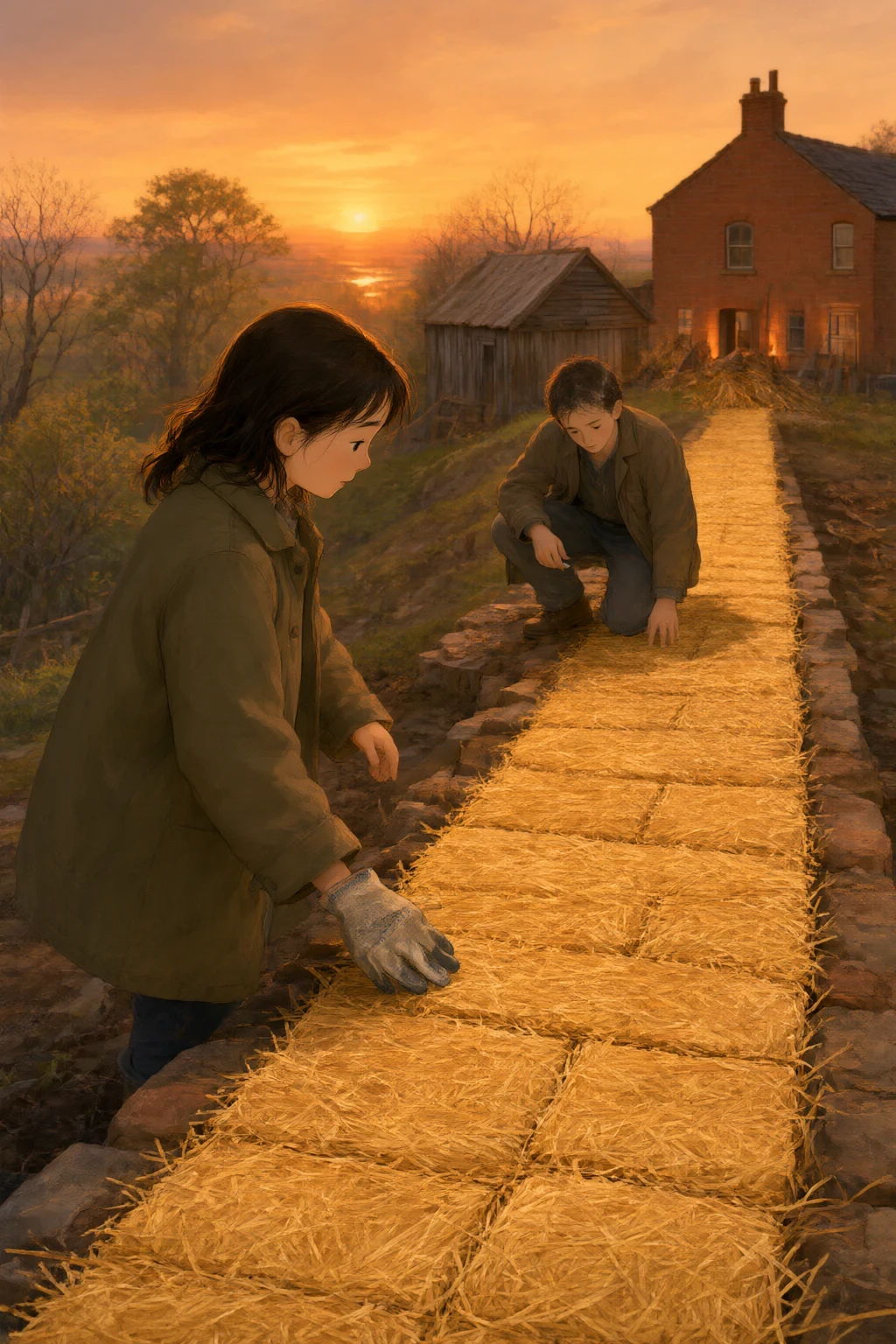
She worked for two hours and got one course up. The good straw was at the bottom of the heap under the weather, so she pulled out the long lengths and laid them in a row on the dry side of the hearth.
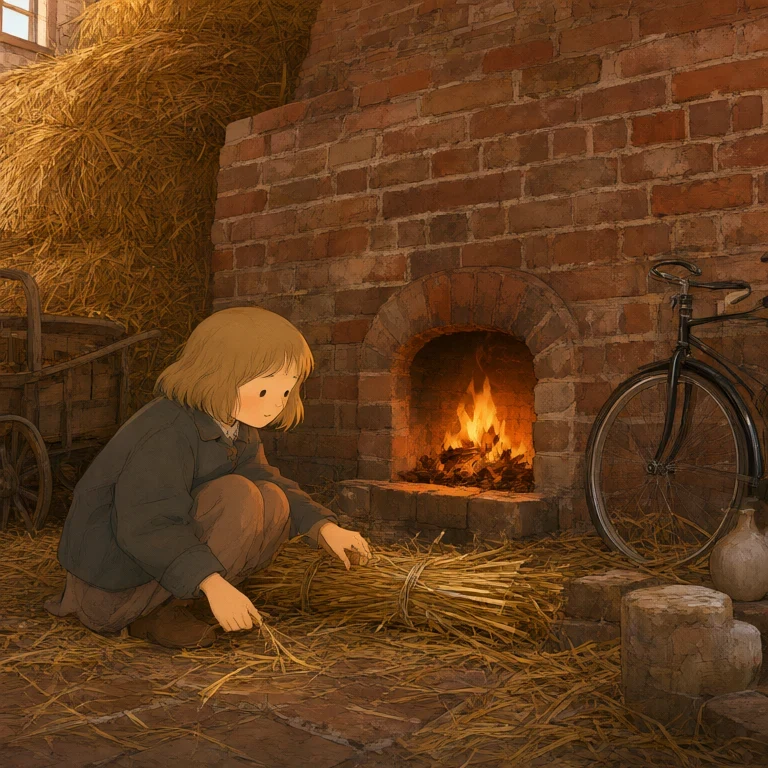
Straw goes in a wall the way a brick does, ends square, course even, and if the course is not even the next one cannot sit on it. She had no trowel, so she used the flat of an old door off the terrace to press it down, and she kept the glove on the string and laid it on top like a weight, and where the glove sat the straw went flat. At half past five Tomas came back up with a stub of chalk, which is what everybody at the end of the furlong keeps in a pocket.
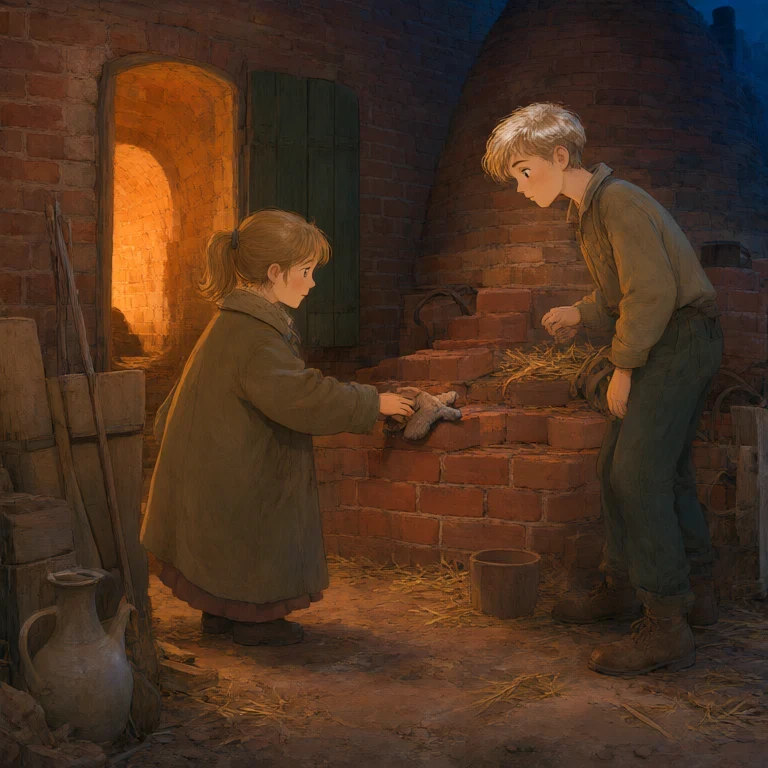
“The cost of the promise goes on the house and not on the builder, and it goes where anybody can read it. A wall without a figure is a wall nobody can answer for, and the wind finds those first. Date, and the promise.” She wrote the date, and then stopped with the chalk half an inch off the brick. “I am not grown. So it is not a promise yet.”
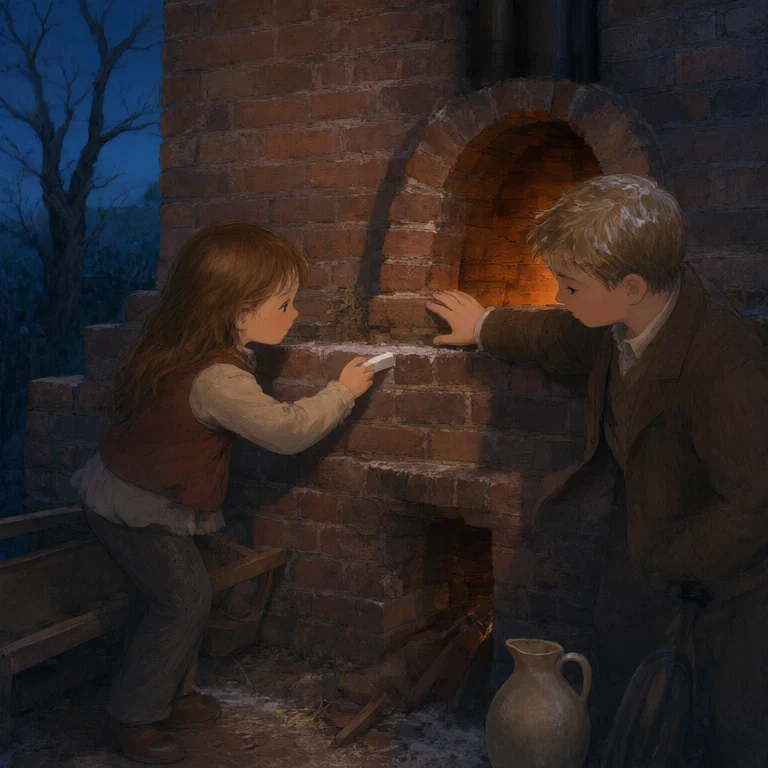
“It is charged to the house. And the house is you, this afternoon, because you are the only one of the three up here that anybody is standing in front of.” She thought about that, and then wrote a very small figure in the corner of the brick. “What is it,” he said. “Nothing for the straw. It was the heap’s, and the heap is nobody’s. Fourpence for the chalk, because I am using yours.” She sat back on her heels. “So it is fourpence.” Tomas read the wall.
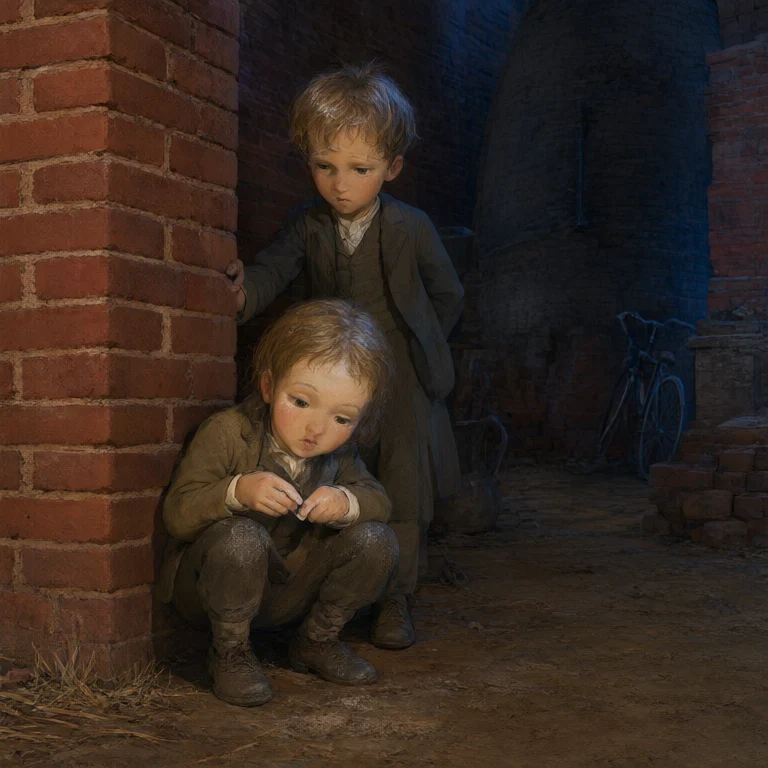
“Fourpence, the twenty-ninth of April, the promise is TO STAND, and the total is fourpence.” That was the whole of the accounting for a course of straw eleven inches long.
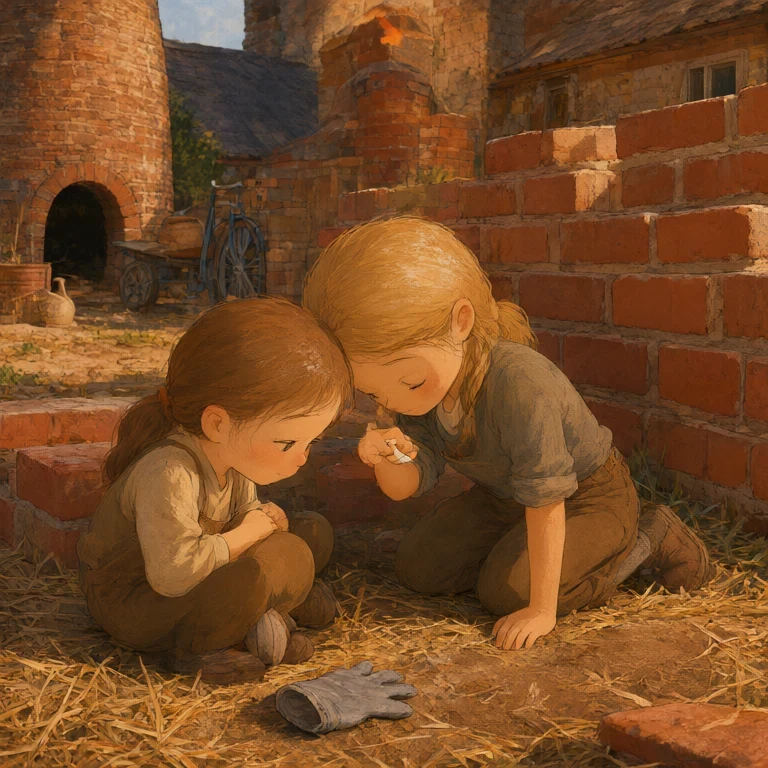
The wind came up at six, all at once. It took a length of guttering off the brick house and a shingle off the timber house and it did not touch the course. Wren stood in front of the course with her hands behind her back. Straw is not a standing material. It stands while the person who promised it is watching, and there is no other condition on it at all. She could not go home. The terrace was a quarter of a mile down the furlong, and down was the same as away.
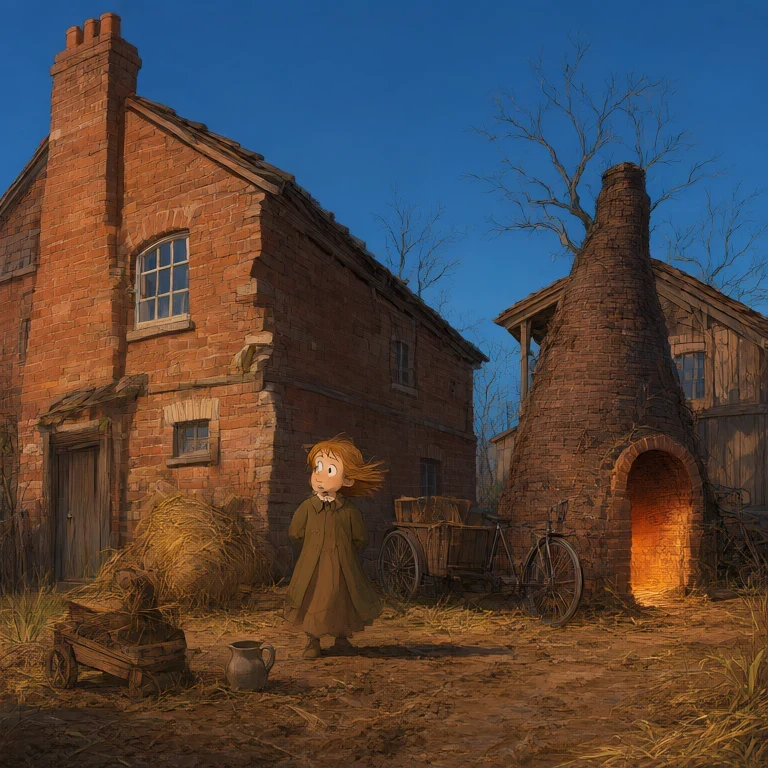
Down at the smithy the forge light lay across the mud in a long orange bar, and Fennick Roke had put her paper in a drawer and would look at it again in the winter. He came out once, looked up the furlong at a child standing side-on to a wall of straw, said nothing, and went back in, because there is no rule that says he has to. The glove hung at her wrist and swung a little in the wind, and there was no hand in it.
The figure on the chimney breast was fourpence, and it was the smallest figure at the end of the furlong, and the only new one anybody had added in twenty-eight years, and she was not permitted to sign it, because a child may not be a creditor at all.