The notice is four pages long and it says no. It refuses to make a marine reserve out of the kelp forest on the west side of Ruapuke Island, because the survey found seven point six hectares there and the plan asks for ten, and it names the person who did the survey, Hine Raukura, and in the box marked NAME OF RESERVE it says Wiremu. Wiremu Raukura cut kelp out of that water for thirty-one years and died in 2021 at the age of eighty-one, and Hine Raukura is his daughter, and the only reason his name is on a council notice is that people had already been saying it. A government body cannot make up a place name. It can only use one that is already in use, and prove it.
Giant kelp does not stand up. It lies flat on the water and holds on to the bottom by one grip, and everything above the grip is a rope of stiff green sausage lying end to end, and on that rope sit the blades that do the work, each blade propped up on a gas bladder about the size of a pea. Each plant is one holdfast the width of a dinner plate on bare rock, and from it come twenty or thirty of those ropes, and on each rope come twenty or thirty blades. A big plant carries about eight hundred blades. Hine's sheet said eight hundred and thirty, which was her own measurement and the only number on it that was hers.
When the canopy is dense it carries a hundred and eighty blades to the square metre at the surface. Divide that by eight hundred and thirty and you get under a quarter of a plant to the square metre. A good hectare of that forest is about two thousand plants, each one holding on with a plate, each one feeding eight hundred blades off the light, and there is not one blade of it in the place where a blade grows. The forest is the holdfasts on the bottom. Everything else is on loan.
Depth decides what happens next, and it was the reason nobody had asked her the question sooner. A holdfast in four metres sits in the reach of the urchins and the urchins work it over every winter, so the shallow plants are a crop and the deep ones are the seed. The twelve metre plants are slow and they are almost never grazed, and when the shallow part of a forest is stripped the twelve metre part throws off spores across it and the shallow part comes back in a season or two. Take the twelve metres away and the four metres is a crop that ends. In her twelve metre quadrats she counted sixty-one plants inside two metres of the drop line, which is the line where the deep ground stops being able to seed the shallow ground, and there are five point nine hectares inside that line in the bay, and every one of them is inside the seven point six two.
Her father's shed is on a rise above the road and the shaft of his stripper is in it, nine metres of it, ash, with a blade on the end that has been sharpened so many times it is short as a shovel now. He worked it from a dinghy. He took the blades off the tops and left the ones underneath so the plant would keep them and come again, and he said once that a man who took the last blade off a plant was a man cutting firewood. He cut at Wiremu and he wrote it on the invoices, and there are sixty of them in a cardboard box, and the oldest says nine tons and the last says eleven. The kelp went to the mussel farms at the bottom of the strait and then into the works, and the money from it paid for Hine's dive course and then paid it back to her in the end, slowly, over four seasons of survey work for a company that holds the permit.
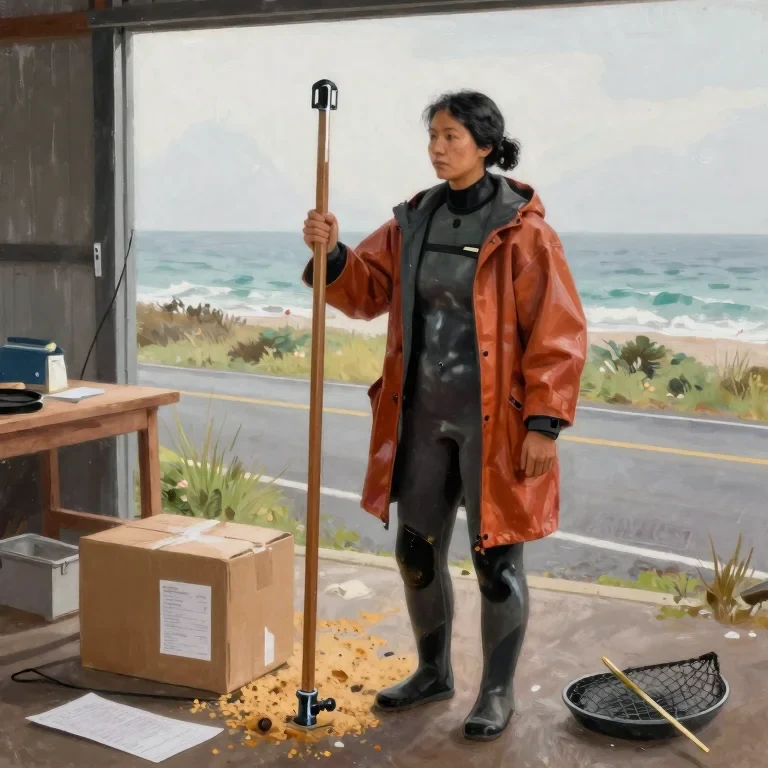
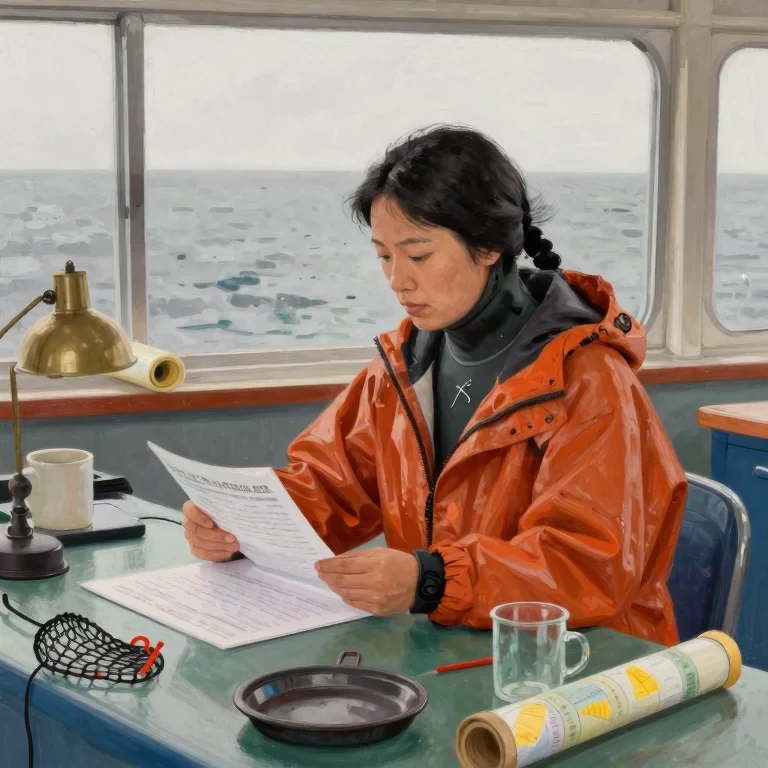
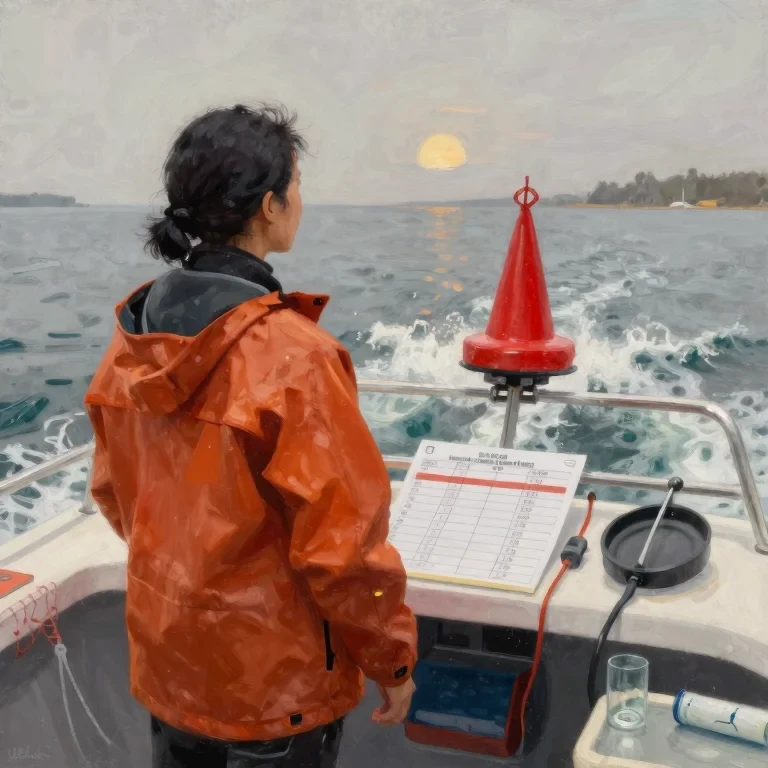
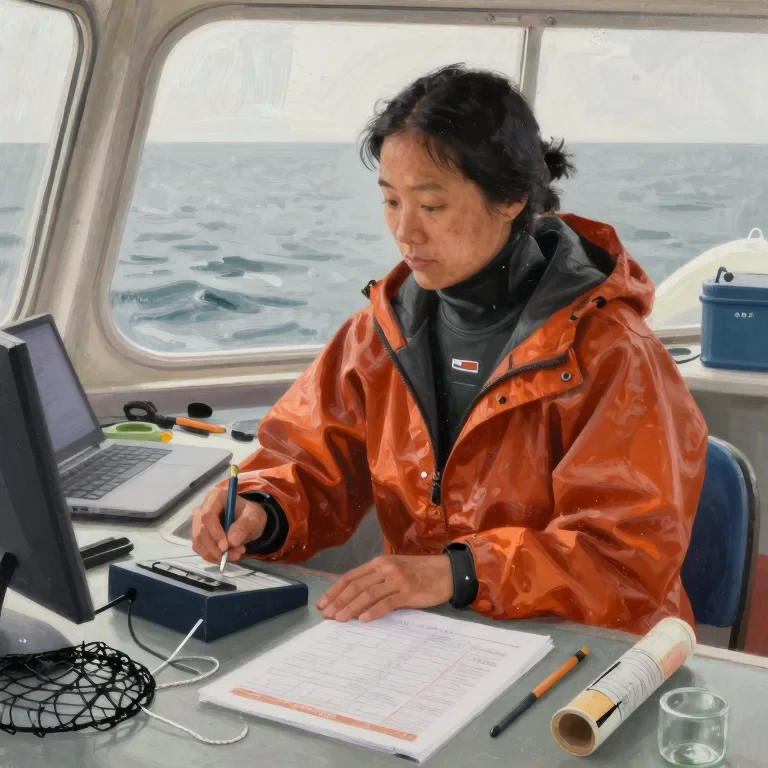
The canopy has to be mapped before any of it can be protected, because the plan measures it from above. The plan says forty per cent of the surface of the water shall be covered in kelp, held for five years, over an area of at least ten hectares, and that the plants underneath shall be attached, because a raft comes and goes. So the first number is a canopy number and it is taken from a boat. In the second week of November 2025 Hine Raukura went out in the tender Pareora with Rennie Toon driving and a camera on a pole off the stern, a hand-held video camera in a housing with a light, held over the side at four metres, wired to a receiver that printed a fix every second. They ran lines across the bay at thirty metre spacing, thirty-four kilometres of them, and Rennie kept the boat at four knots whether or not there was kelp under the bow, which took eleven days and most of Hine's right arm.
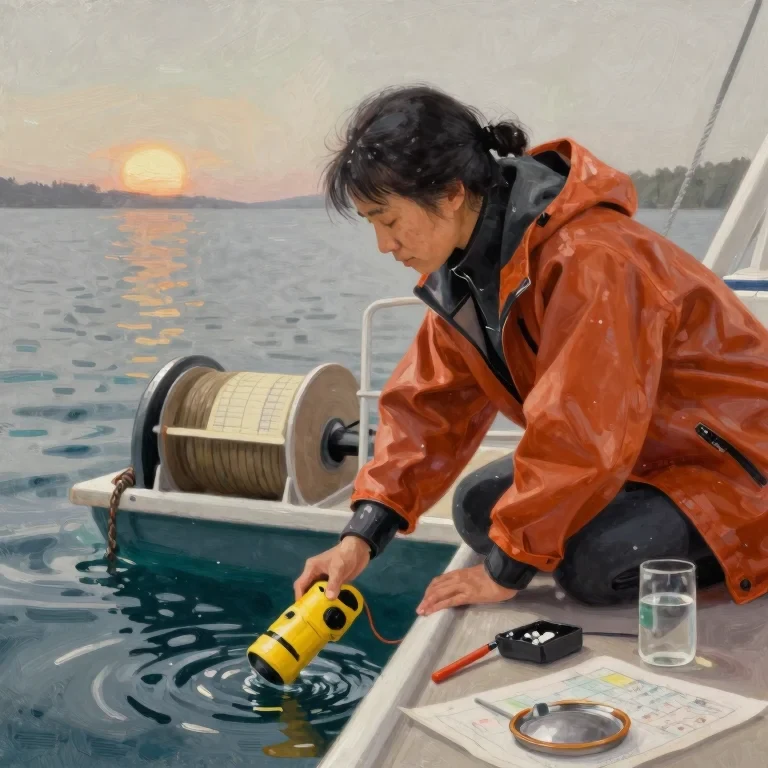
She read the canopy off the screen. A patch with blades tangled across it is in. A patch with light coming through is out. Where it was fifty on the screen she wrote fifty and circled it, and where it was forty she wrote forty and put a small tick beside it, and by the evening of the fifth day her sheet was covered and the boundary of the kelp ran for eleven and a half kilometres across the chart. Eleven point four two hectares. Rennie drew the polygon in the office with the track laid over the chart, and smoothed the corners the way he has smoothed them since the first survey in 2011, and when it came back from the printer the area was eleven point four two and the line was smooth all the way round a fringe that had been ragged and doubtful for most of that five kilometres.
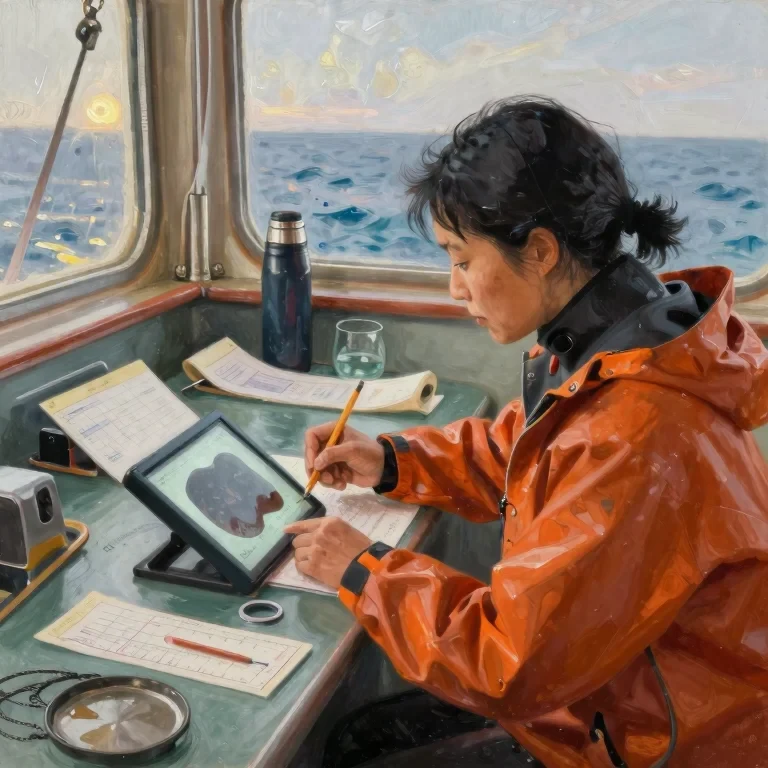
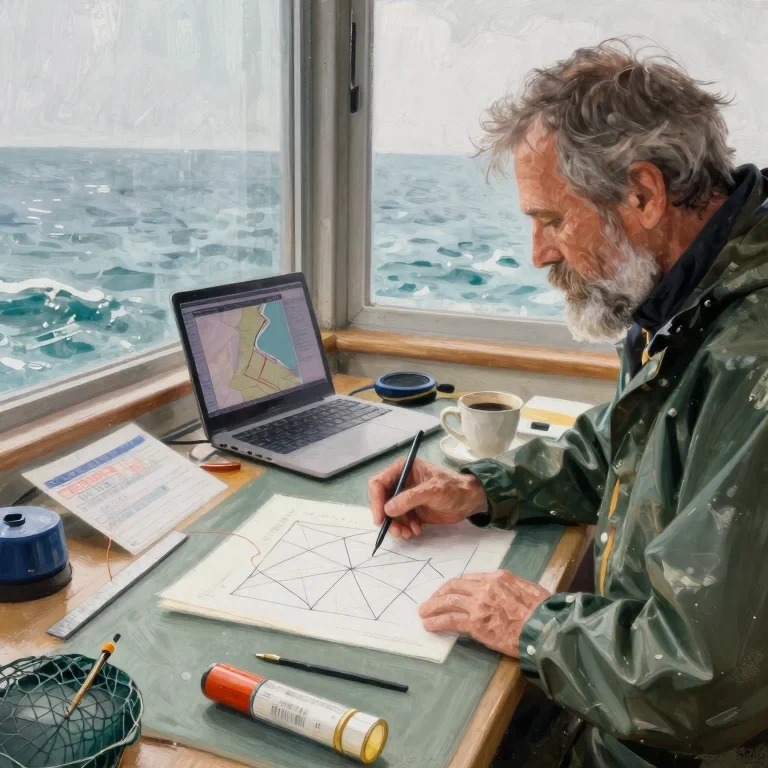
The smoothing was Rennie's and he did not hide it. He said he had smoothed the fringe on every polygon he had ever drawn because a line a camera made at four knots is two boat widths wide anyway and a survey that admitted it was a survey of nothing. He had drawn this same bay in 2011 and in 2016 and in 2021, and every one of those maps said eleven and a bit, and the cut allowance had been set off those three maps since 2012, and the farms had a man in Dunedin who set their budgets off the number on the map without ever asking where the number came from. “Eleven point four two,” said Rennie. “I have said that number out loud at a meeting in Bluff four times and every time somebody wrote it down.”
The plan says a forest that can stand on its own is one that has held forty per cent for five years. The plan says a reserve is ten hectares. Hine had eleven point four two on her sheet and the deadline for the application was the last Friday in June, and between them those two numbers were the whole of the argument for three months. Taine Peirse was twenty-six and did the marine plans for the council and had a folder for the application with everything in it in order, and he read Hine's canopy notes the way he read everybody's, which is to say he read the number twice and asked what it was a number of. “It is a number of surface,” said Hine. “It is a number of hectares,” said Taine, “at forty per cent.” “Yes.” “Then it is a number of forest, and the plan does not have a category for kelp that floats.”
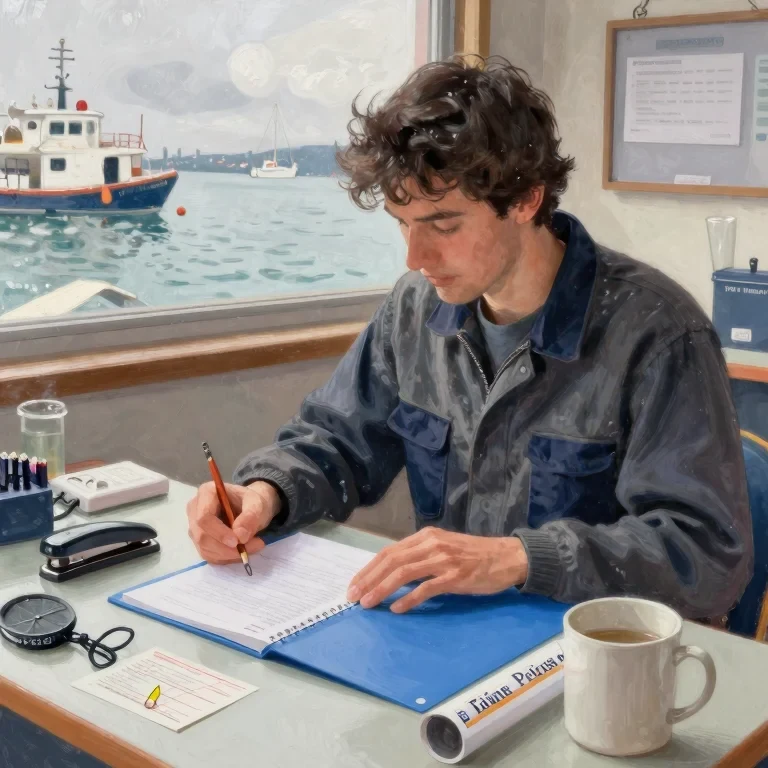
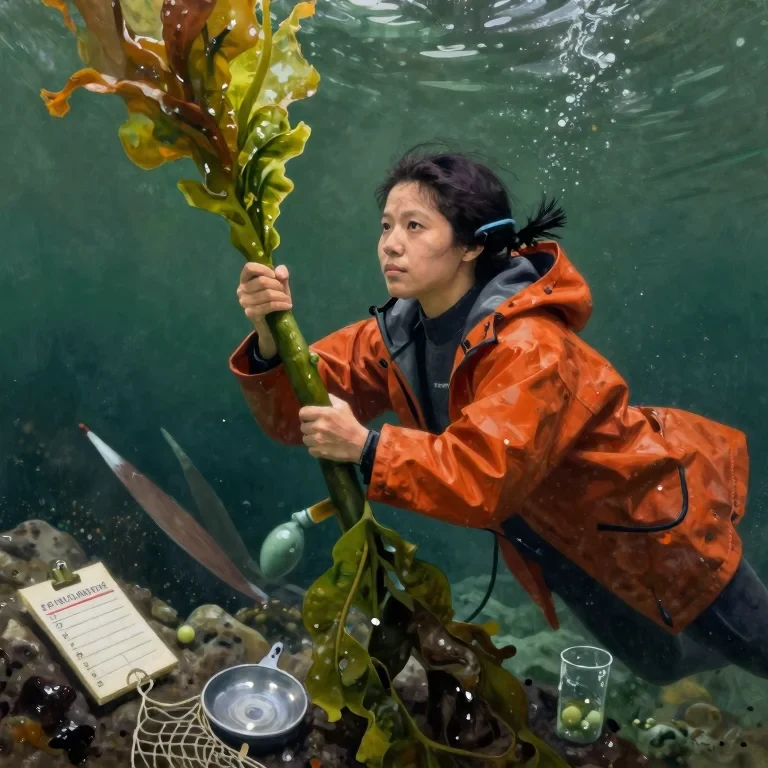
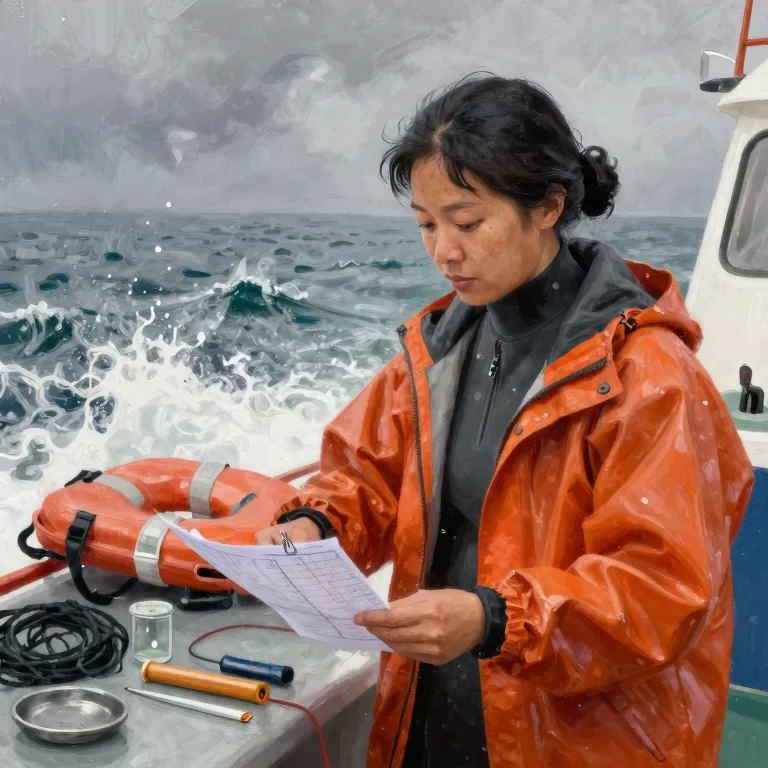
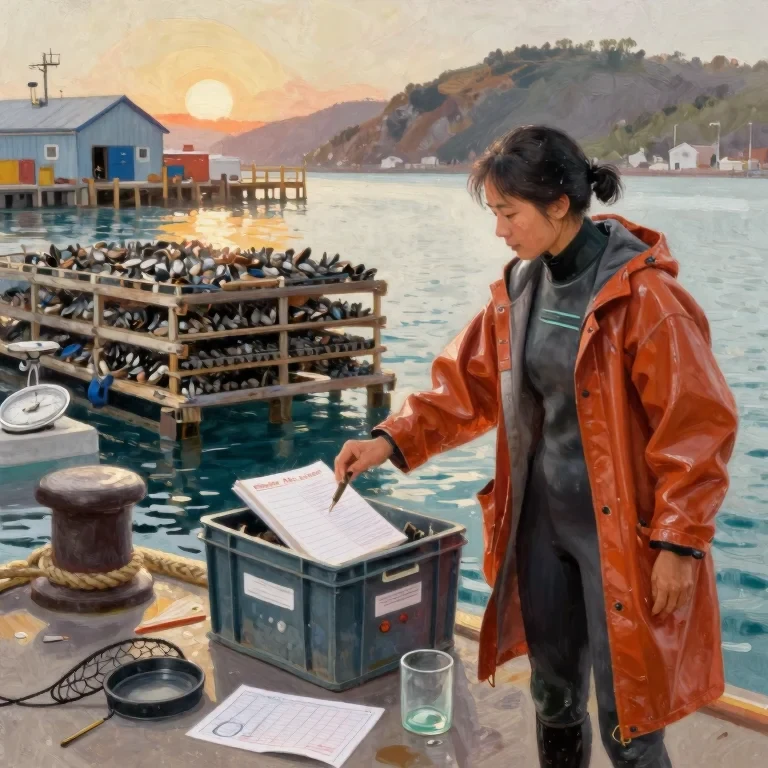
The dive survey was in the second week of February with a neap tide and a five-knot southerly that made the tender work like a bucket. Twenty-four stations on a grid, and at each station two one-metre quadrats, one at four metres and one at twelve, and in each quadrat the blades counted off the slate and the stipes counted off the slate, and at twelve metres she went down and sat on the rock and counted the holdfasts she could put her hands on, which took four minutes a quadrat and made her hands into something she had to warm for an hour afterwards. At the twelve metre stations she counted forty-one whole plants one after another to see how many blades a plant on that ground actually carries, because the survey sheet asks for it and the number on the sheet came off the Tasmanian method and had never been checked here. Thirty-four thousand and thirty blades on forty-one plants. Eight hundred and thirty.
At four metres the plants were young and carried two hundred blades each and the quadrats were thick with them. At twelve metres the plants were old, and old plants on that shore have more stipes and more blades on each stipe, and eight hundred and thirty is the right number for the deep ground and four hundred is the right number for the shallow and the sheet does not say which one it means.
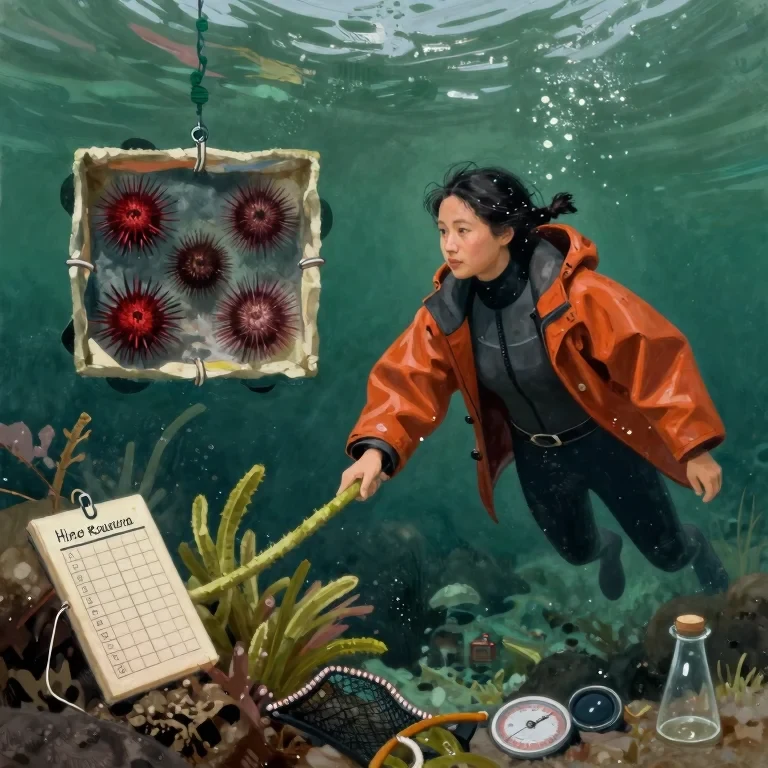
Two and a half hours into the fourth day they came onto the mat. There is no other way to say it. The canopy map had eleven and a half kilometres of line on it, and this was two hundred metres of that line where there was nothing underneath the blades at all. Hine went down the line at twelve metres with her hand out from the rope and there was rock under her, and clean rock, and no plate and no grip and nothing green. The mat was four to six metres thick and it was making its own shade, and under the shade the rock was bare of weed and bare of animals except for the urchins, which were red Centrostephanus packed at something over a thousand to the square metre in the gravel, which is what an urchin barren is, which is what the mat has been sitting on top of since it arrived.
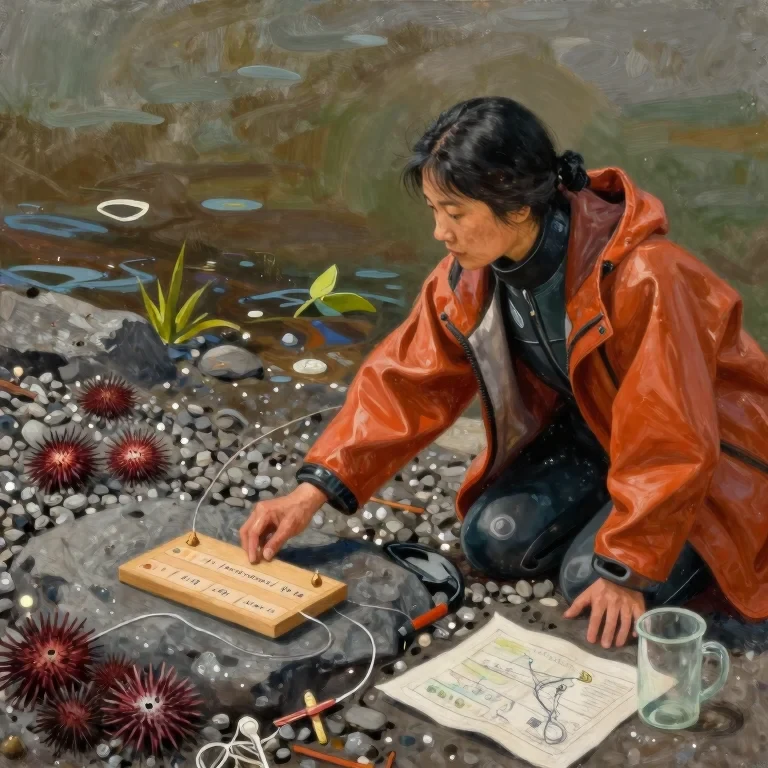
They put a marker buoy on the western end of it at half past ten and by three in the afternoon it was sixty metres to the south-east, and it kept going. A raft of detached plants is not attached to anything. It comes in on the flood and it goes out with the tide and it does not feed the bottom. It cannot be a forest because it has no root of any kind. The plan's word for this is attached and she had read it eleven times. By the twelfth of February the mat had gone out of the bay and taken two and a quarter hectares of somebody's canopy with it.
Nine tenths of a hectare came off the boundary that Rennie smoothed, and seven tenths came off the drift, because the run took eleven days and the mat moved thirty metres a day and the north lines and the south lines never described the same water. Seven point six two hectares, and then eleven stations instead of twenty-four, because on the eighth day the wind came up to thirty knots from the south-west and the tender could not hold a working position and they stood off and waited four hours and then went home, and the eight stations they lost were on the outer edge.
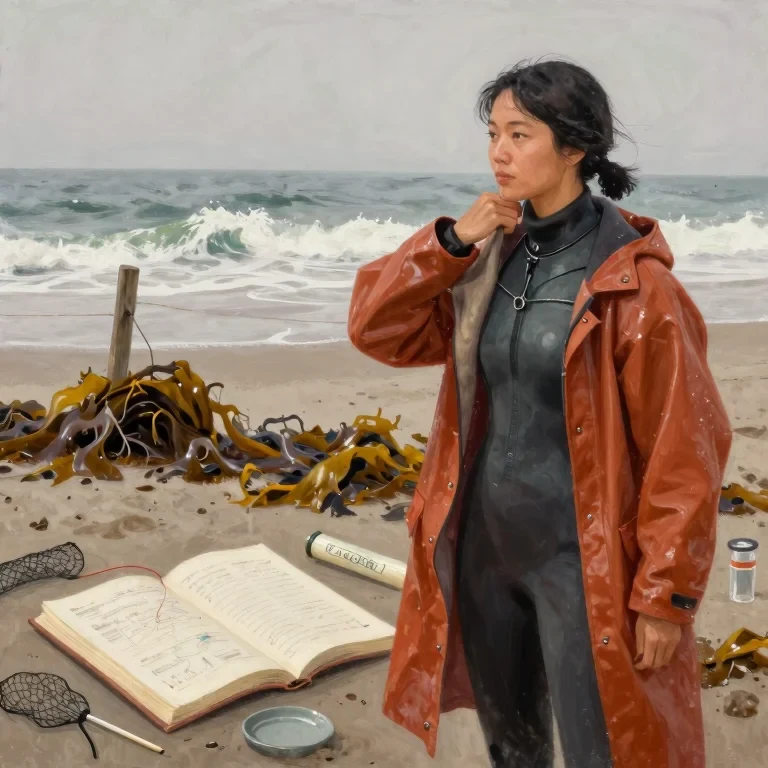
There is drifting kelp on this coast every year and everybody who works it knows it. It comes up from the south on the southerly grounds and it beaches from Stewart Island northwards, and it used to beach thick enough on the sand at Ruapuke that the school went out and picked it up by the sack, and the coast has never put a stop to it and never will. What the raft is not is a bottom. It is a few hundred plants that have come away from somewhere else and are going somewhere else, and there is a difference between a forest that is somewhere and a forest that is passing, and the one that is passing is the one that has been on the map since 2011.
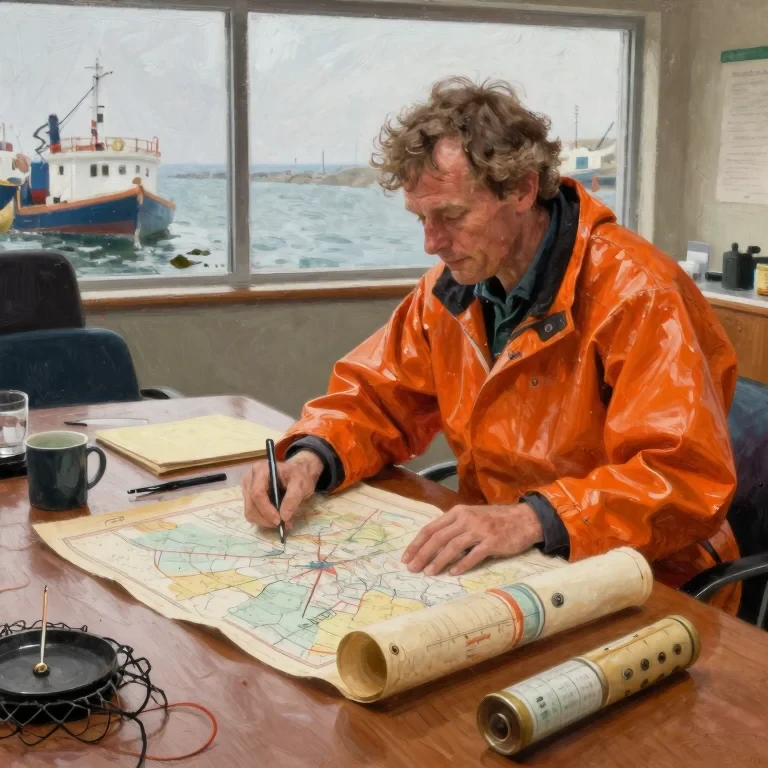
Neville Pyke is fifty-nine and holds the permit and cut on that water with her father for nine years, and he came out to the office on the Tuesday with a rolled chart under his arm that he had brought in from his own boat. He put it on the table and opened it at 1974 and put his finger on a patch of green ink shaped like a bean. “There,” he said. “That has always been there. My father cut it. Everyone in this harbour has been selling kelp off that mat since before I was born and you have come here with a number and told me it is not kelp.” “It is kelp,” said Hine. “It is kelp that has come loose.” “Then you have taken eleven and a half thousand tonnes of industry off the coast and put it in a footnote.”
“There were two hundred and fourteen plants in it,” said Hine. “I counted them on the fourth day from the boat with a tally and Rennie drove the track and we did it twice and got two hundred and nine and two hundred and fourteen, and I have written down that the difference is five plants drifting during the count. Two and a quarter hectares. That is the size of it. It comes back in the autumn and it goes out in the spring and it is not on the bottom and it does not seed anything, and if you go out in April and look at that ground there is an urchin barren on it, and it will be there in April next year and the year after.”
What the smaller number did to the town was worse than what it did to Neville, and nobody had thought about it. The mussel farms take their food from whatever kelp comes ashore and the cut allowance is worked out from the mapped area, because a bigger forest is a bigger catch and a bigger catch is a bigger pile. Drop the area from eleven point four two to seven point six two and the allowance for the whole harbour falls by a third, and the allowance is what five farms and one works are budgeted on, and the works was budgeted in June off a number that no longer exists. The farms did not want the reserve. They wanted the map.
The name was the last thing and it took three weeks, and Taine Peirse fought it properly and not because he was being difficult. “A reserve has a name for what it is,” he said. “It is not a memorial. The box says name of reserve and this is a marine reserve and the thing it is, is kelp.” “Ten hectares of kelp,” said Hine. “Ten hectares of kelp,” said Taine. “You are proposing to call seven point six hectares of kelp Wiremu, after a man, because you are his daughter, and I will be asked who chose it and I will have to say that.”
“It is not after him because I am his daughter. It is after him because there are sixty invoices in a box in my mother's garage and the first one is dated the eleventh of August 1961 and it says cut at Wiremu nine tons, and it is his hand, and the council cannot put a made-up name on a map and the Board will not sign a made-up name, and so it has to be one that people are already using. This is the one they use. They have used it in writing for sixty-five years.” He read the invoice on the screen. He read it twice.
She signed on the eleventh of June and the figure she signed was seven point six two hectares over twelve of the twenty-four stations, with a note that it was seven point four two if the eight stations the wind took were assumed to be forest, and the note said assumed, and the word assumed was the only soft thing on the whole sheet. And in the last line of the annexe she wrote that the eight hundred and thirty was measured on the fourth of February with thirty knots of southerly across the whole bay and that on a flat day a plant on that ground carries nearer nine hundred and forty blades, and that if the true number is nine hundred and forty then seven point six two hectares is six point seven, and she would like that checked in flat weather by somebody who is not me.
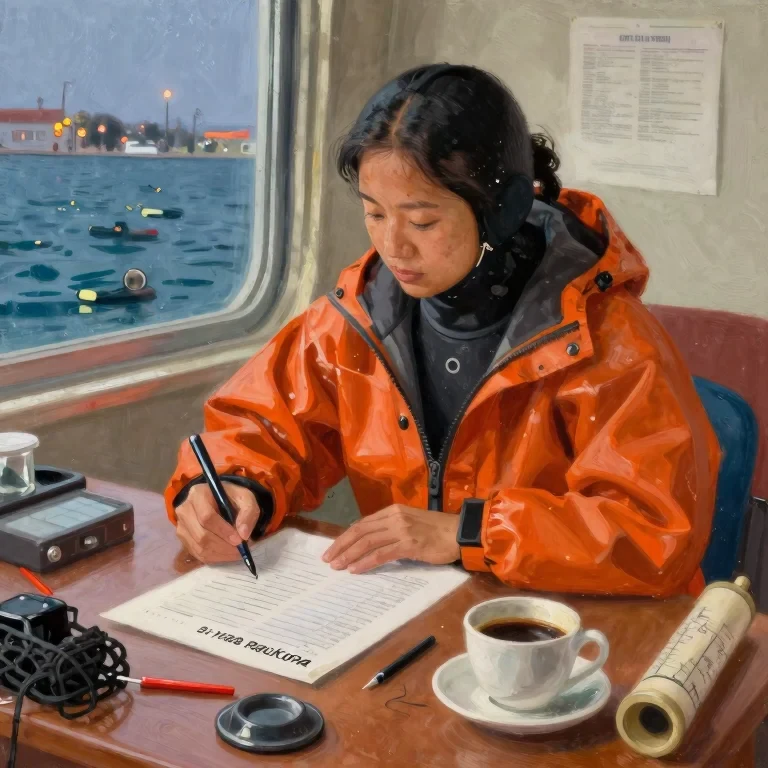
The notice went up on the website on the twenty-fourth of August. It is four pages. It says no, because seven point six two is under ten and the plan is the plan. It names the surveyor. It names the reserve, on a form that has the same box whether the answer is yes or no. Four days later a south-easterly came up and held for nine days, and the mat came back onto the ground that is not in the reserve, which is on the bottom, and where it stands today it is four hundred metres long and two blades thick and the light comes through it green the way it does on any water on any day. Nobody counted it. There was no line for it.