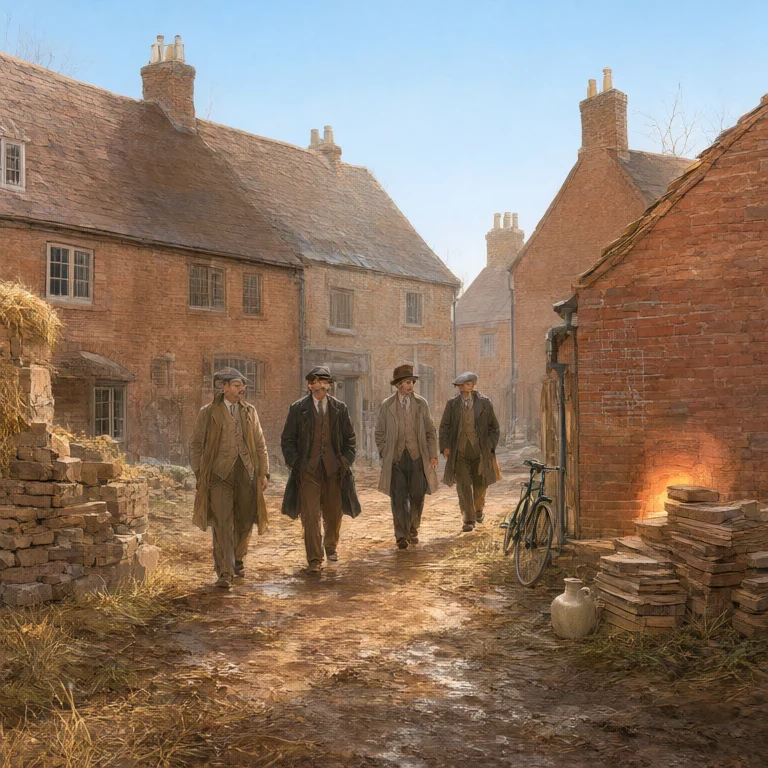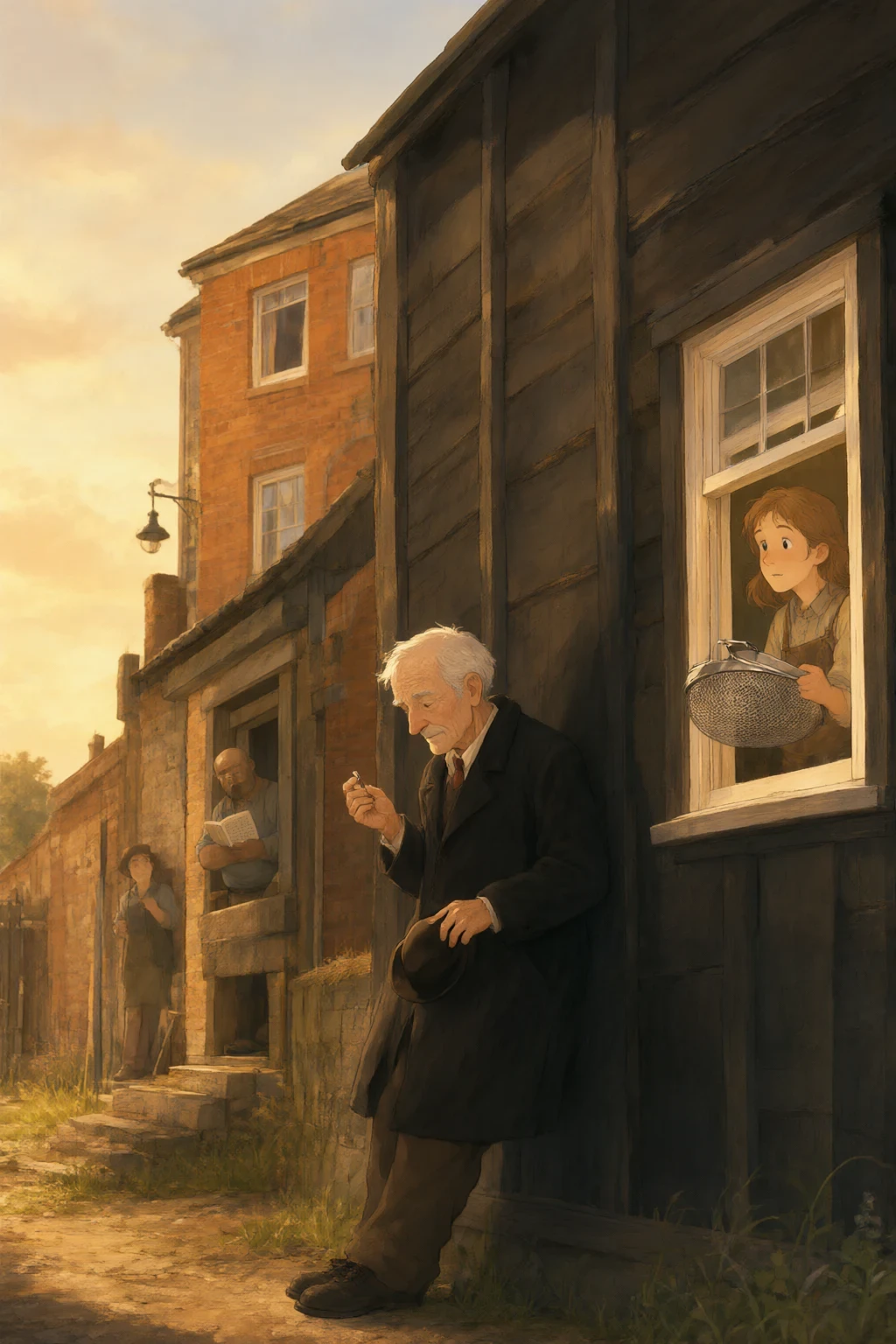
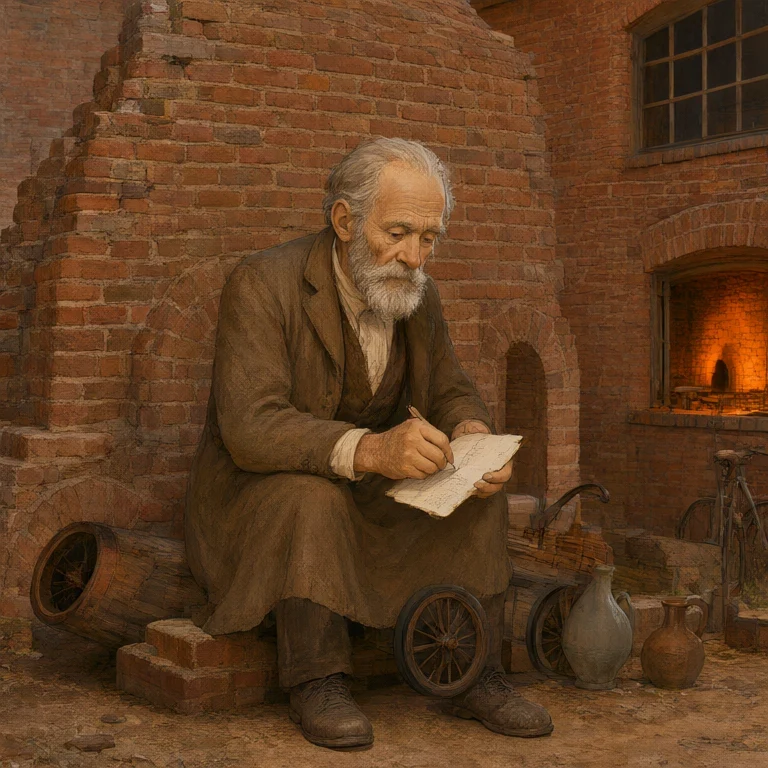
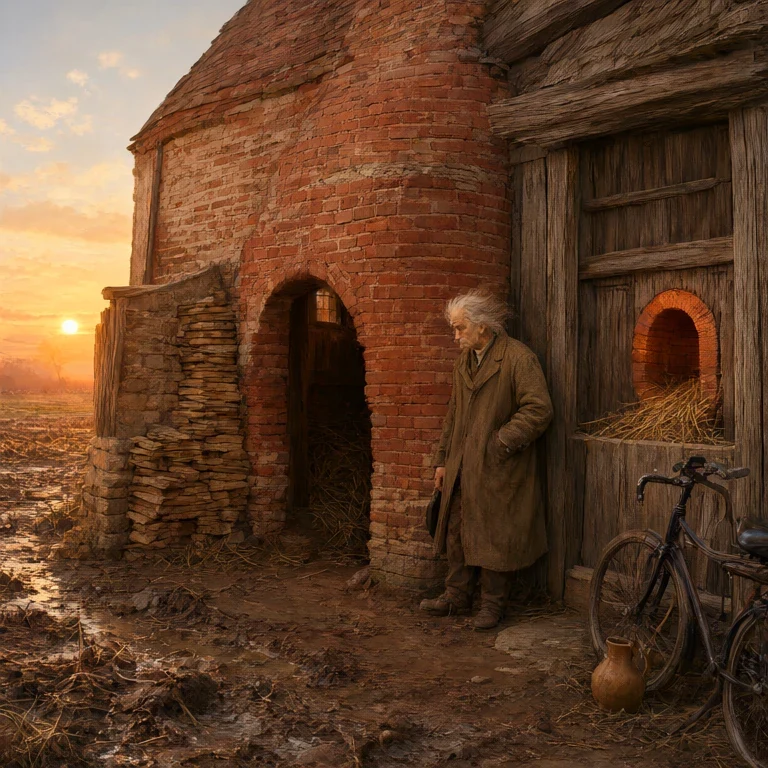
The assessor came up the furlong at two in the afternoon with his back to the wind and one hand on the rail of the last hundred yards, which is not a rail, it is a rope, and it has been there since the chapel was built to stop people going off the edge in the dark. His name was Obadiah Cressy and he was eighty-one years old. He had held a creditor’s licence for thirty years, and been an assessor for longer than that, and in the year he refused the renewal of the first one he walked out of the weighbridge hut and left the card on the table, and nobody in Marl has ever worked out whether that was the bravest thing that happened here or the plainest.
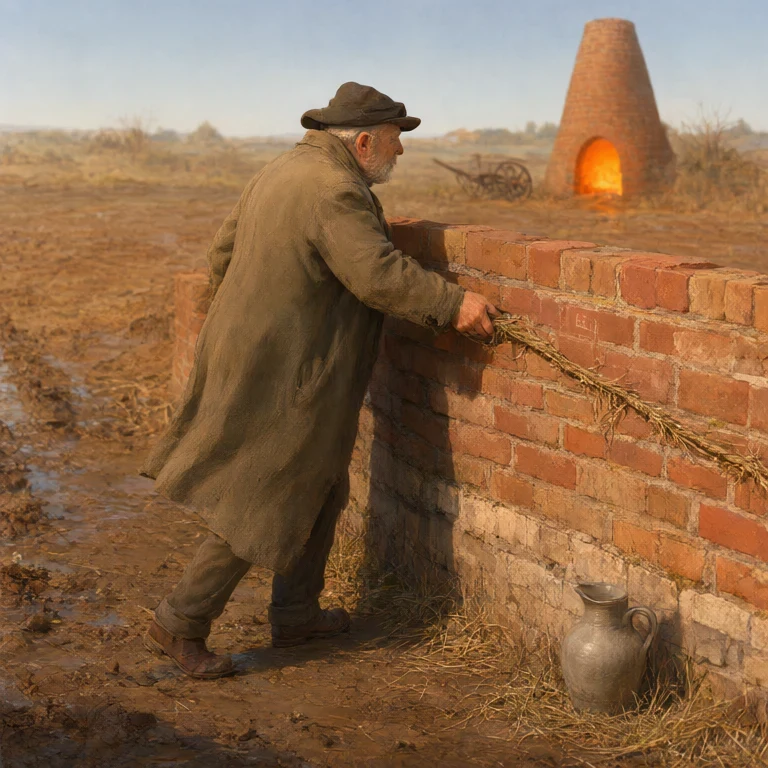
He had it in his coat. It was a chemist’s card, folded in four, and the printing had gone soft at the creases from thirty years of being taken out in weather. He asked the house before he asked the person. He did it every time. He would come up to a wall, stop, and say to the wall that he was sorry, before he said one word to whoever was standing next to it, and the four households at the end of the furlong had all seen him do it and none of them had got used to it.
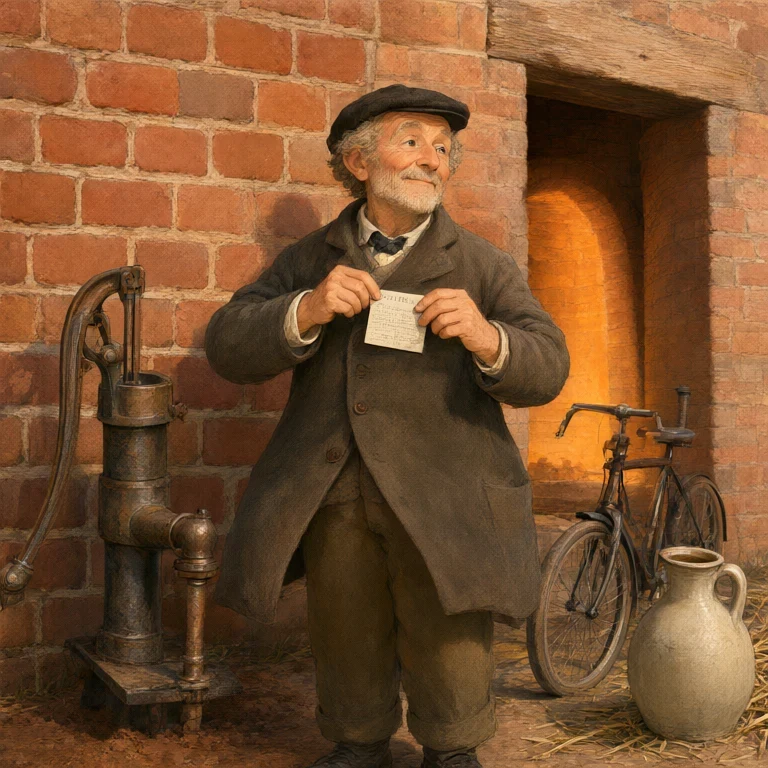
“Mr Cressy,” said Fennick Roke from the weighbridge hut, with the rate book open and the copy of the last assessment in it, and the door of the hut propped with a shovel. “Mr Roke. I want the licence read out.” “There is no need to read it out.” “There is a need,” said Obadiah Cressy, “because it is a card and it is in a coat, and the last time I did this I did it from memory, and a man who does it from memory is not an assessor, he is an opinion.”
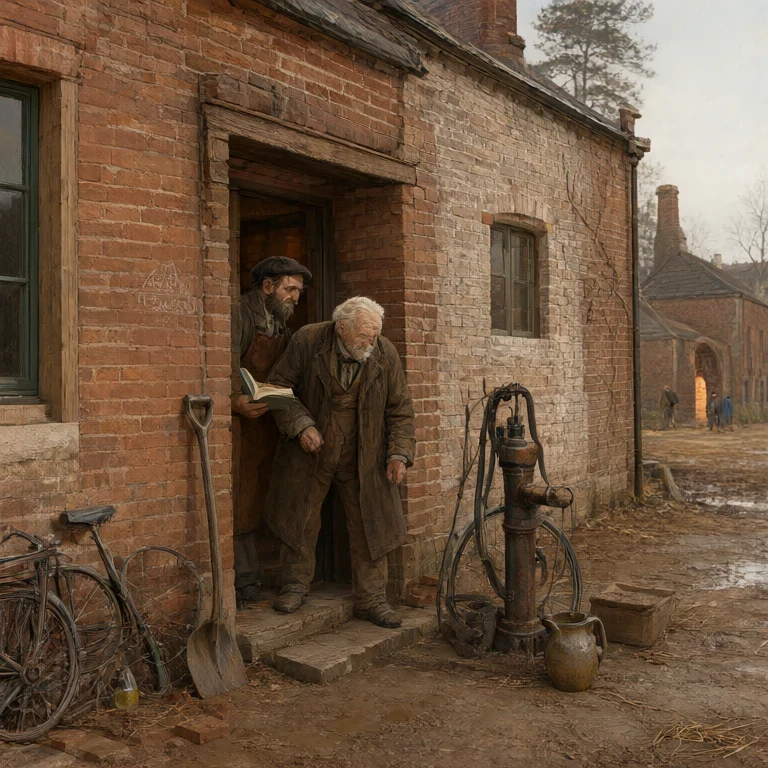
So Fennick Roke read it out from the rate book where it had been copied in 1889 and amended twice since, in a voice he used for reading weights. Obadiah Cressy. Assessor. Renewed. May ask a house what it is made of. May ask a house what it was promised. May read the charge and may add to it in chalk. May blow once at each house named, in the order named. May take nothing. Houses named: No. 1. No. 2. No. 3 is not named.
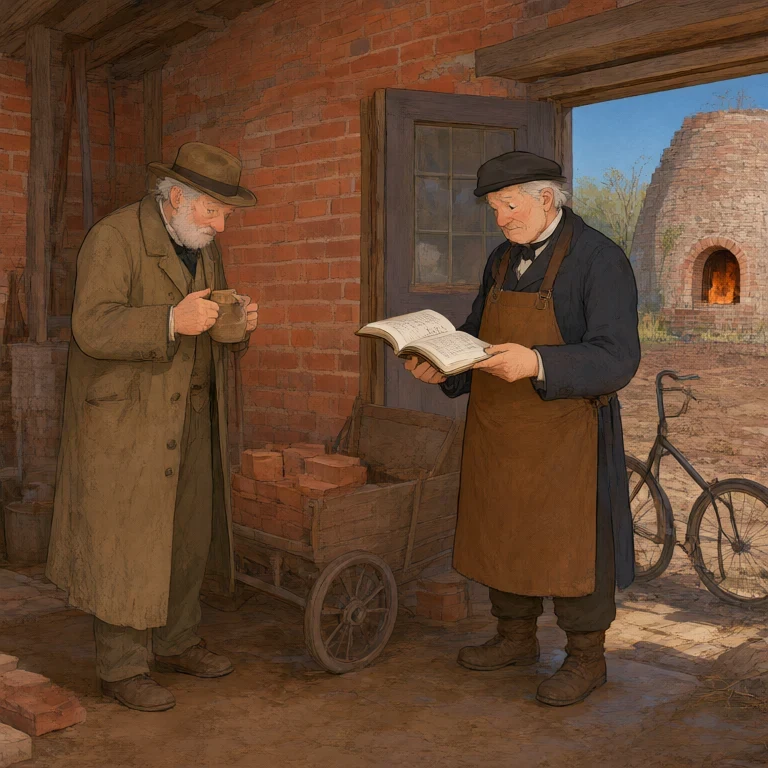
“That is the whole of it,” said Cressy. “Four things, two houses, in the order on the card, and the last line is the one your grandfathers cared about.” “May take nothing,” said Roke. “It has said that since you had it.” “It has said that since the year I stopped.” The houses are numbered from the road end. No. 1 is the brick, nearest the village, standing since the chapel was built. No. 2 is the timber, a fortnight old and the best-looking thing on the ridge. No. 3 is the nine inches of wall with the hearth in it, and No. 3 fell in 1901, and the card does not name it, and the card is right.
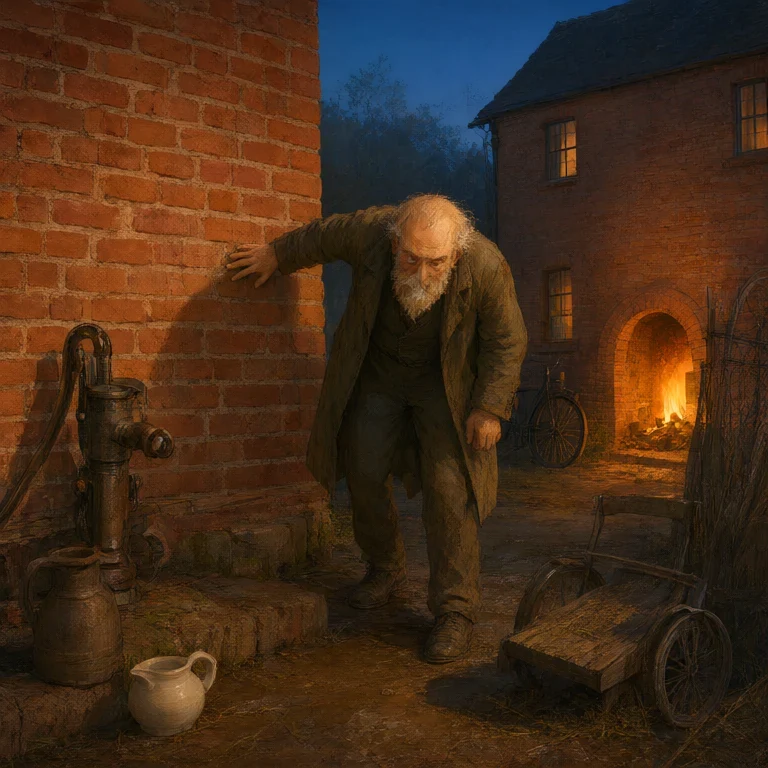
Cressy started at No. 1, because the card said No. 1 first, and he would not do it in any other order, and he could not have told you why that mattered, except that a man who rearranges the order on a card is a man who would also rearrange the figures. He stood in front of the brick house with his back against the wall, because he always sat and stood with his back to a wall, and there were thirty-one years of it in the way he did that. Then he said, to the brick, that he was sorry. Then he asked it, out loud, in a voice that carried about as far as a voice needs to carry in a village of nine hundred people. “What are you made of.”
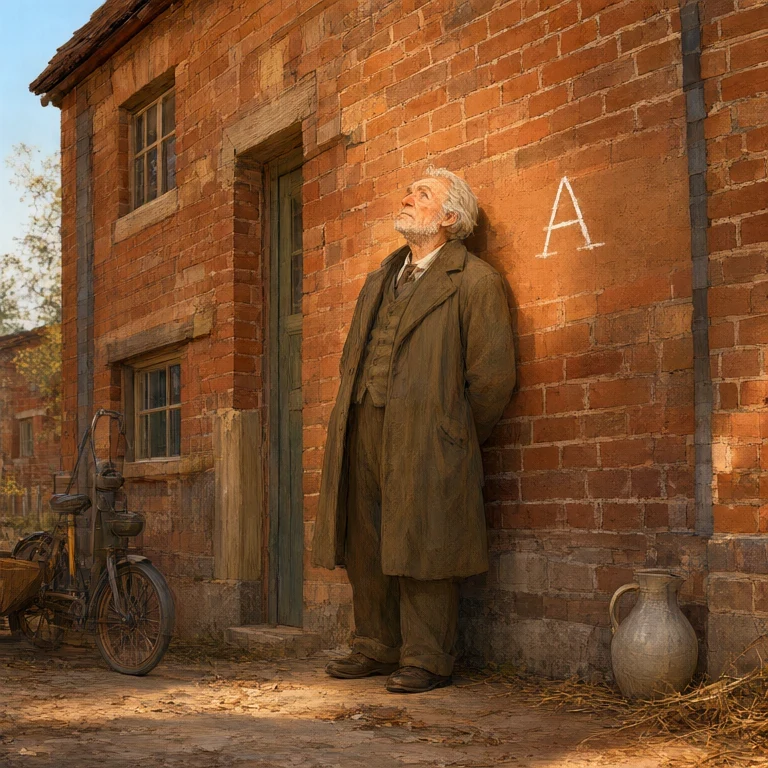
And the brick house answered, the way a wall answers when somebody who knows how to read it asks properly, which is not with a noise. It answered by being the thing it had been asked. Flemish bond, hard blue engineering brick from the fields below, laid by a man whose name had worn off the panel by the door. It did not have to be asked twice, and the four households at the end of the furlong were at their windows. “Right,” said Obadiah Cressy, and wrote one line on a slip of paper against his sleeve.
Then he asked it what it had been promised. “Brick does what it was asked for a hundred and fifty years,” he said, when the wall had finished answering. “That is what a standing material is, and it is the whole reason this village has buildings and no money. You were asked to stand, and you have stood, and you are safe for a year from this afternoon, and you will be safe for another year when somebody asks you, and nobody has to do anything else to you for ever.”
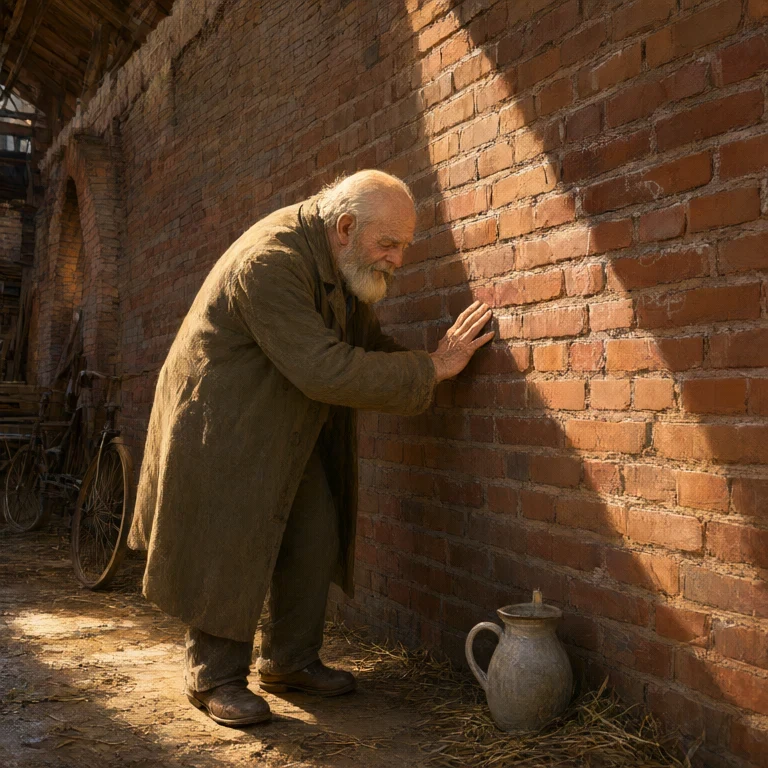
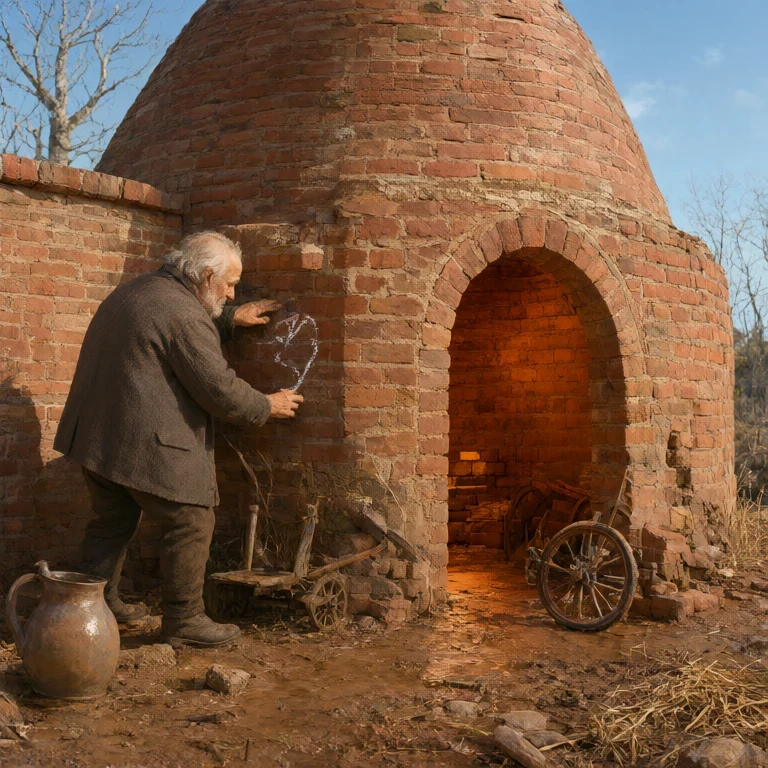
He put a figure on the wall in chalk, small, under the one that was already there, which was the only thing the last thirty-one years of his life had left him permission to do. The wind came over the ridge at four, all at once, the way it comes at the end of a working day. It took a length of guttering off the brick and set the new shingles on the timber house moving in their bundles, and it came at the open side of No. 2, which faced four miles of fen with nothing in front of it. Cressy went along the ridge to No. 2 and apologised to it, and asked it what it was made of.
“Tarred timber,” he said, when it answered. “Eleven lengths in the frame and forty in the roof, and a man and a woman and a boy who was not permitted to lay a course. The timber is a standing material too, and I will tell you the whole of what that means, because nobody has ever told you. A timber house will do what it was asked by somebody else.” The woman who had mixed the lime was standing at her own gate with the sieve in her hand and did not say anything.
“A brick house does what it was asked. A timber house does what it was asked, and then it keeps doing it, for whoever made the promise, and that person may not be you, and is not you, and is not in this county. That is the whole difference between the house you can read and the house you live in.” He asked it what it had been promised, and took the answer from the house and not from the people, and wrote that down in the same words.
Then he read the charge off the wall, and he read all three lines of it, because he is an assessor and that is what the third thing on the card is for. “Four pounds six and eightpence, the third of June, nineteen hundred and four. Eleven shillings, the eleventh of March, nineteen hundred and eleven. Four pounds six and eightpence, the sixth of May, this year. Running, nine pounds four shillings and fourpence, and I have it right because a boy of fourteen read it out to me on this ridge a fortnight ago and would not let me leave until I had.” “Thank you,” said the man, meaning it.
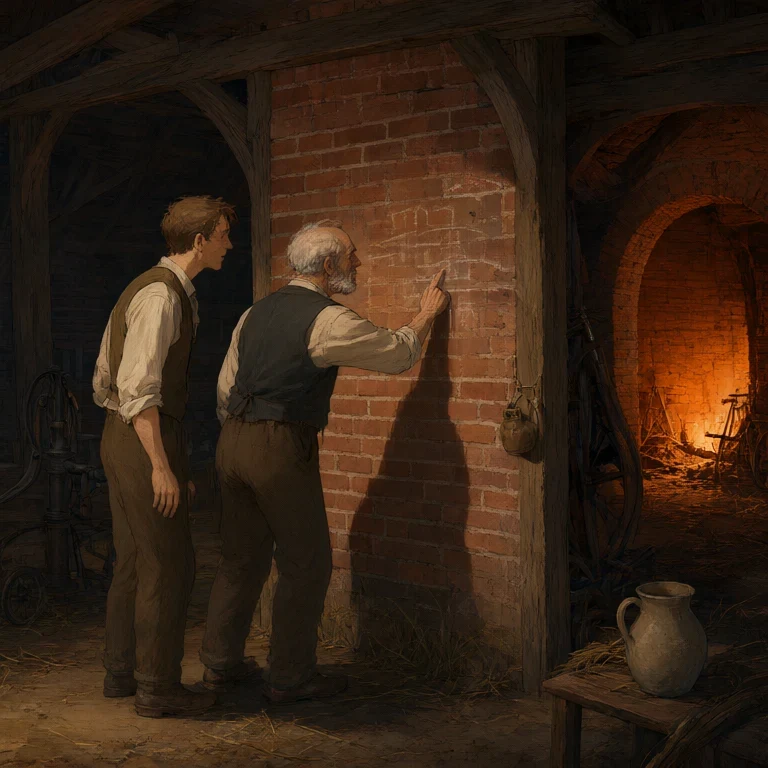
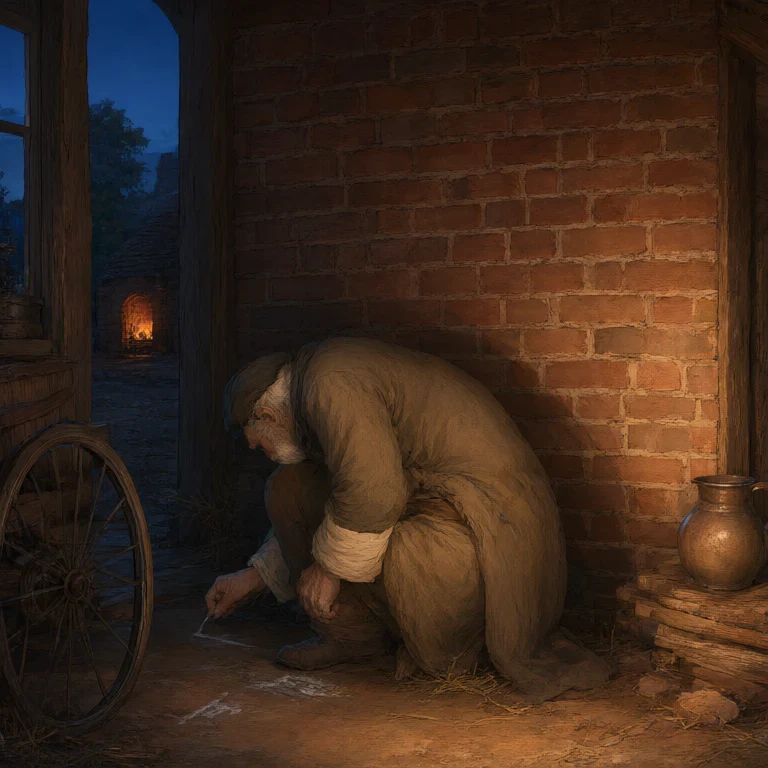
“It is not a favour to you. It goes on the wall.” He put the figure on the wall in chalk, under the other three, in a small neat hand, and it was the fourth line and the newest and the freshest, and Marl adds figures to walls and never takes one off, and the wall is the ledger and the ledger is the village.
Then there was the last thing on the card, and the wind was on the open side of No. 2, and the sun was going down over the fen and going flat and blue. He blew once at No. 1 at half past three, before the wind, and the brick house gave him back a short flat sound off a solid wall with something behind it, the sound a wall makes when it has been doing one job for a hundred and fifty years and expects to go on doing it.
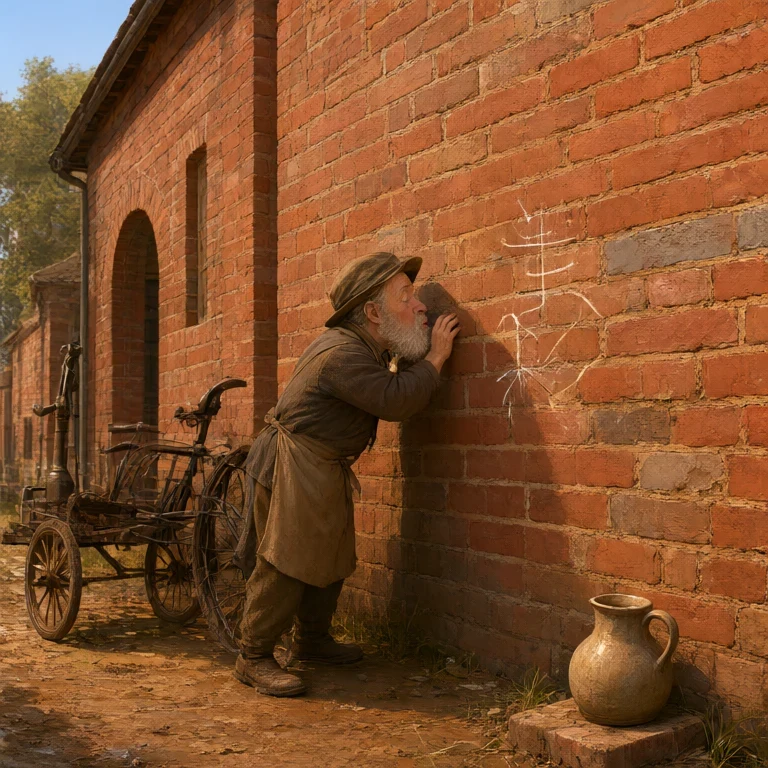
No. 2 was the second, and the order was the order, and the wind took everything. He waited. That was the whole of the rest of the afternoon. He stood against the wall of the timber house with his back to it and his hat off and waited for the wind to drop, and he could not go round to the other side, because the other side is the open side, and there is nothing at all over there between the house and four miles of fen.
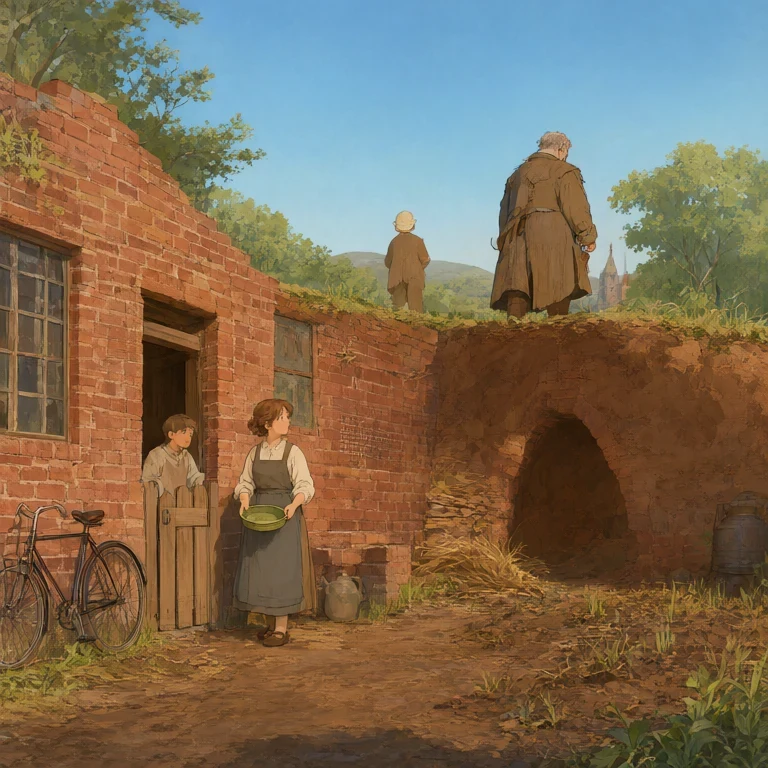
Up the ridge the brick house had one window open. In the timber house two, and the woman with the sieve was at the lower one. Mira Sedge was at hers, below the ridge, and did not shut it, because Mira Sedge has been through the machine twice and knows exactly what a card that says may take nothing is worth. The fourth window was the weighbridge hut, where Fennick Roke stood in the doorway with the rate book held against his chest.
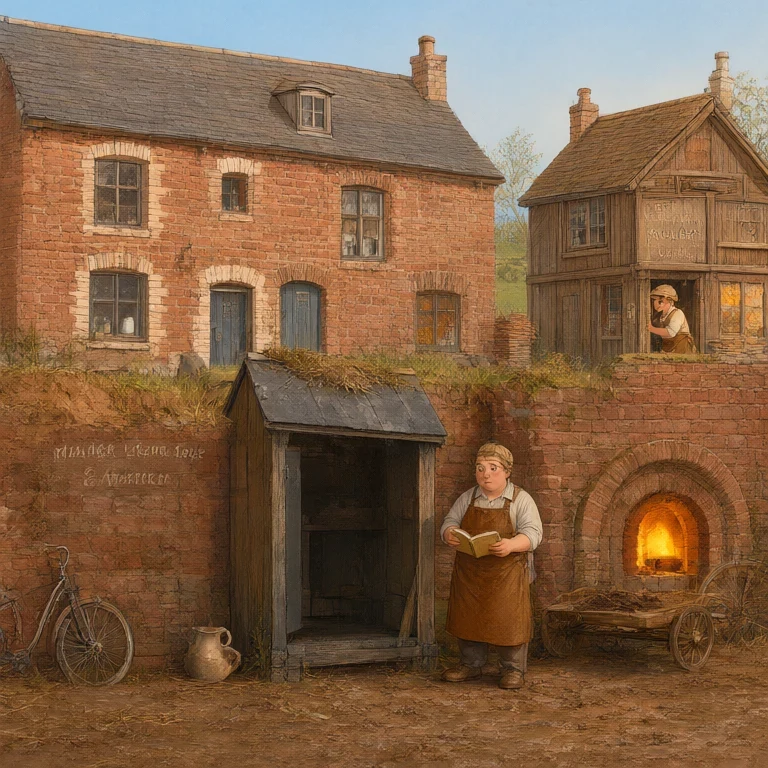
The light went off the clay fields to the west and came back off the fen as a flat grey, and the kiln on the third field stood forty feet high with its mouth shut and cold, and the wind came down off the ridge again and stopped, and went, and stopped. Cressy blew once at No. 2.
The sound it gave back was not the sound of a house a fortnight old. It was the sound of a hollow thing with a great deal of empty space in it, and the space had an old note in it, and the note was not new, and there was nobody at the end of it but a woman with a sieve thirty-one years ago, asking a different man for a different thing. He wrote it down in one line and the line took some getting down.
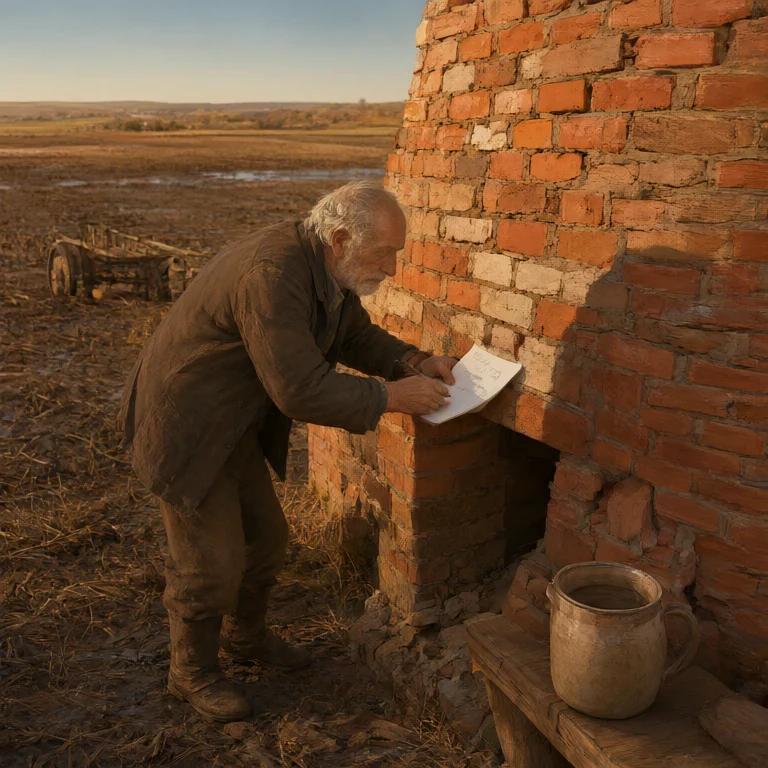
“Nine pounds four shillings and fourpence before I came, and fourpence for the assessment,” he said, “and the wall is honest and I cannot do anything about it, and the man is not liable for the one from nineteen hundred and four, because timber will do what it was asked by somebody else, and the somebody else is not in the room. So the old charge stays on the new wall, and the promise he made in May is on the same wall, and the two of them run together.”
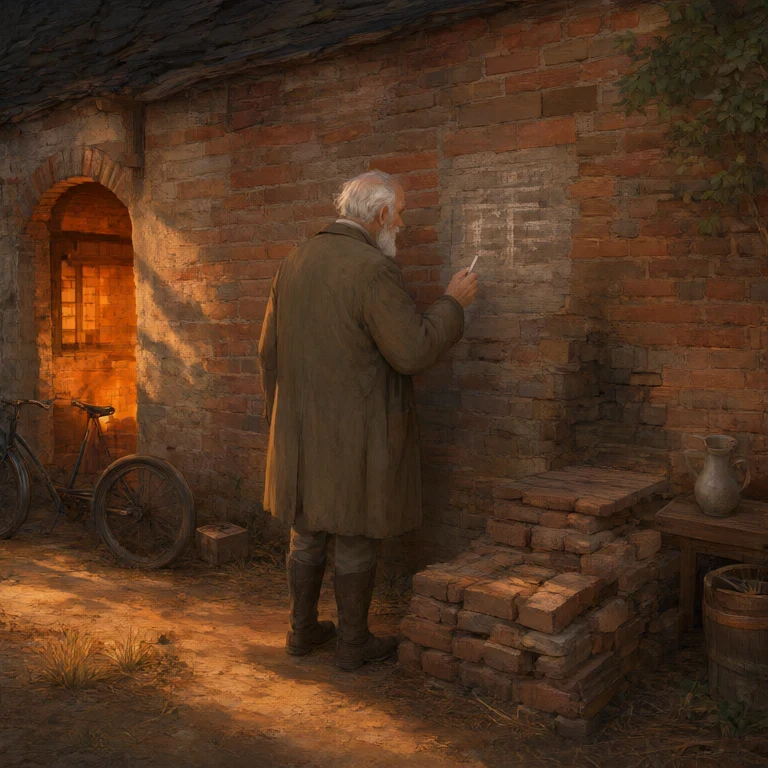
Then he went down the ridge to No. 3, which is nine inches of wall with a hearth in it and a chimney breast and a figure on it from the ninth of April, nineteen hundred and one, and he apologised to it, and he stood in front of it, and he did not ask it anything.
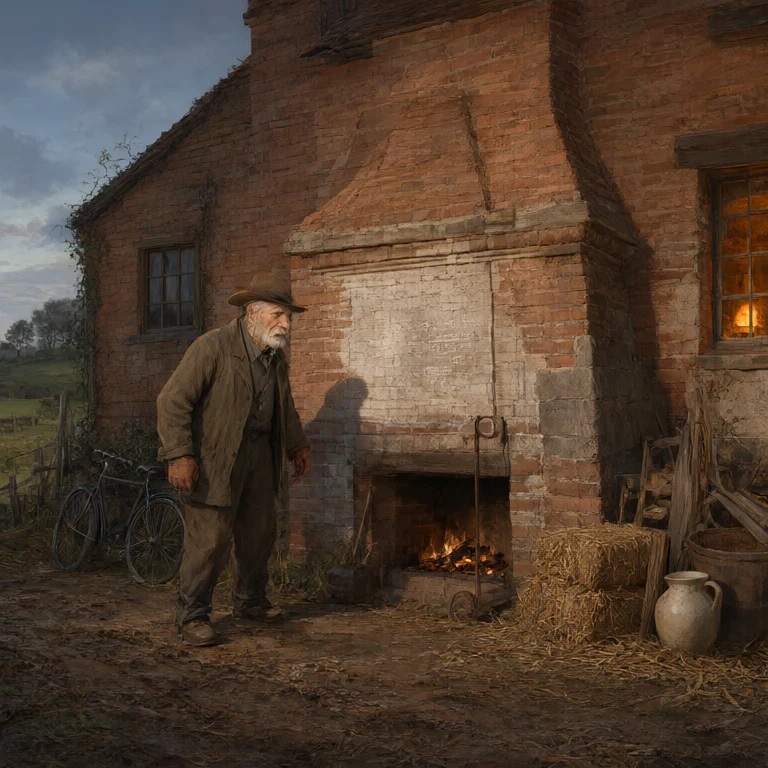
“You are not on the card,” he said to it, and to the wind. “You fell, and a house that has come down is not a house, and I have no licence to say one word about you, and I am not going to say one word about you.” The chalk figure on the chimney breast said three pounds eleven and fourpence, and under it, in a later and thinner hand, the promise is broken, and both of those were true, and there was no line anywhere for either of them.
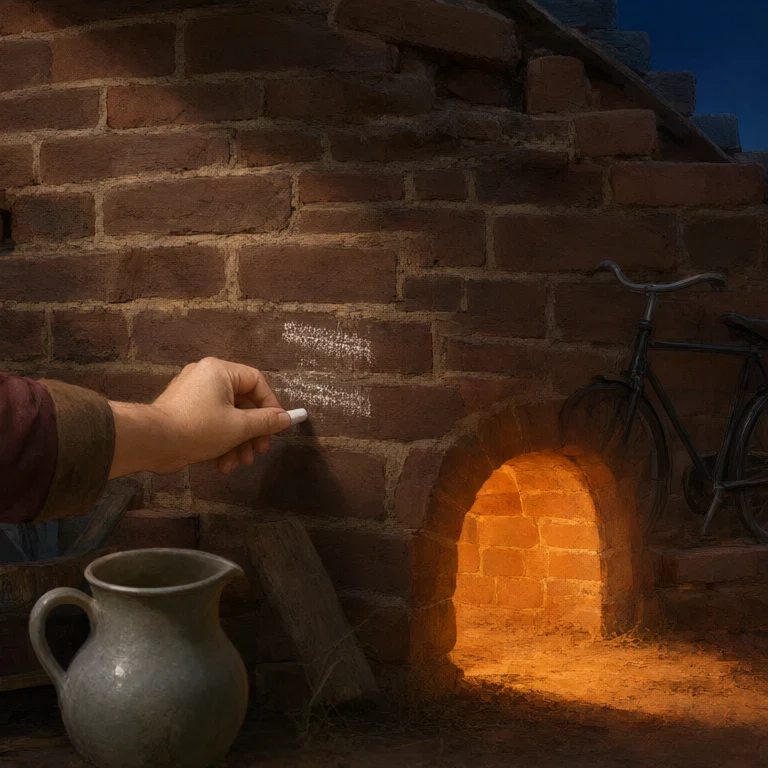
Down on the hearthstones, eleven inches off the stub, there was one course of straw laid like brick, with the ends squared, and a figure on the chimney breast above it in a small round hand a week old. Wren Copse was standing side-on to it in the way you stand side-on to a thing in this wind. “What are you made of,” said Obadiah Cressy. The girl did not answer, because she knew the terms. She waited until he had said the rest of it, out loud, to the wall.
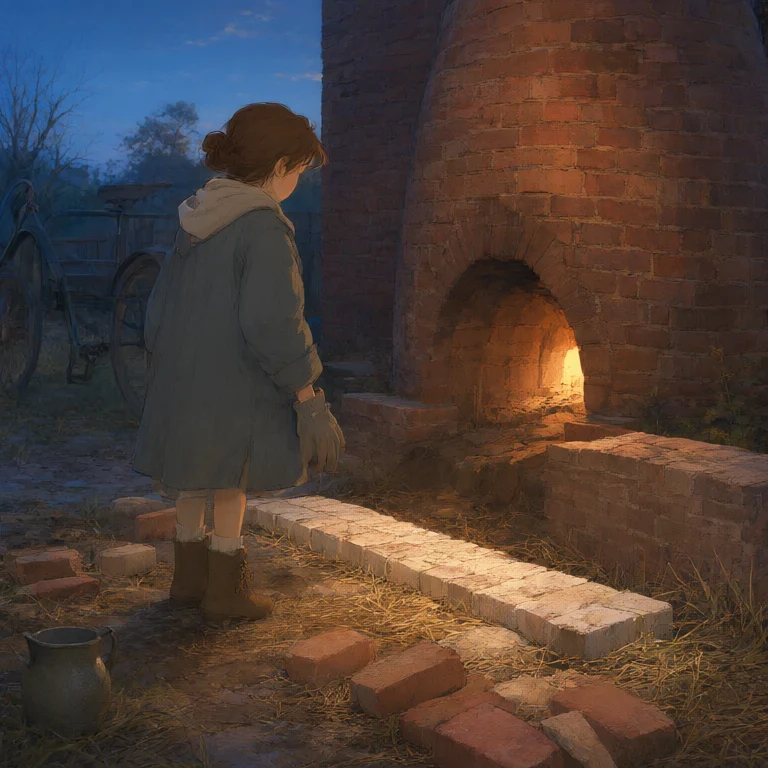
“That is the first thing on the card,” he said, “and you are not on the card, and neither is your course, because the numbering is done in this smithy by a man who looks at his hands, and your course is not in the smithy and has no number. So this is not an assessment. Nothing I say to you this afternoon is an assessment, and none of it will be put down anywhere anybody will ever read, and I would not do it if I had a licence.” “Straw,” said Wren Copse, when he had finished.
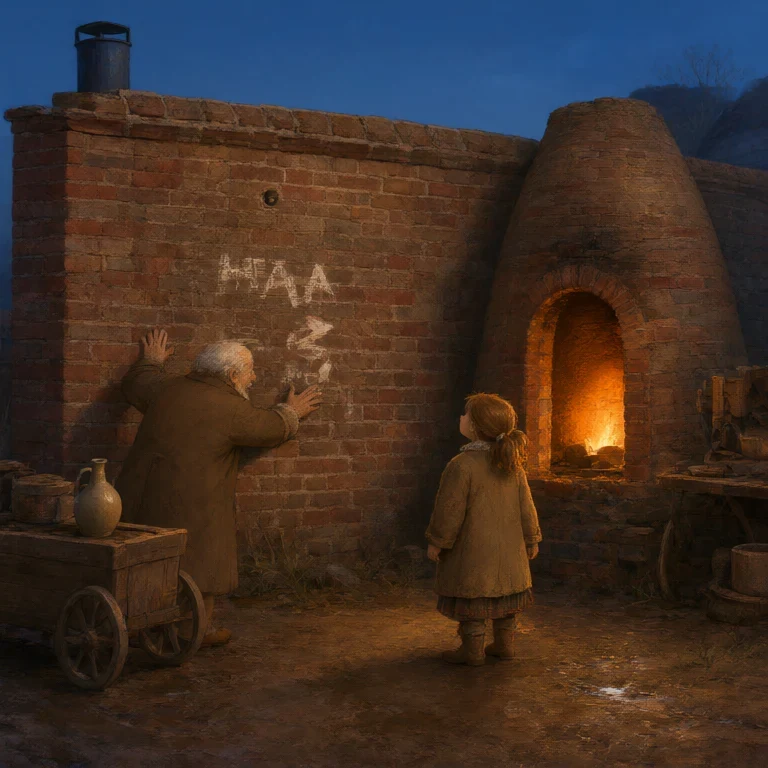
“That is what I thought.” He put his hat back on. “Then you are safe for a year, because a house asked what it is made of and answered honestly is safe for a year, and the wind does not take the ones that have been asked.” “What is the figure,” she said. He looked at her for a moment longer than he needed to.
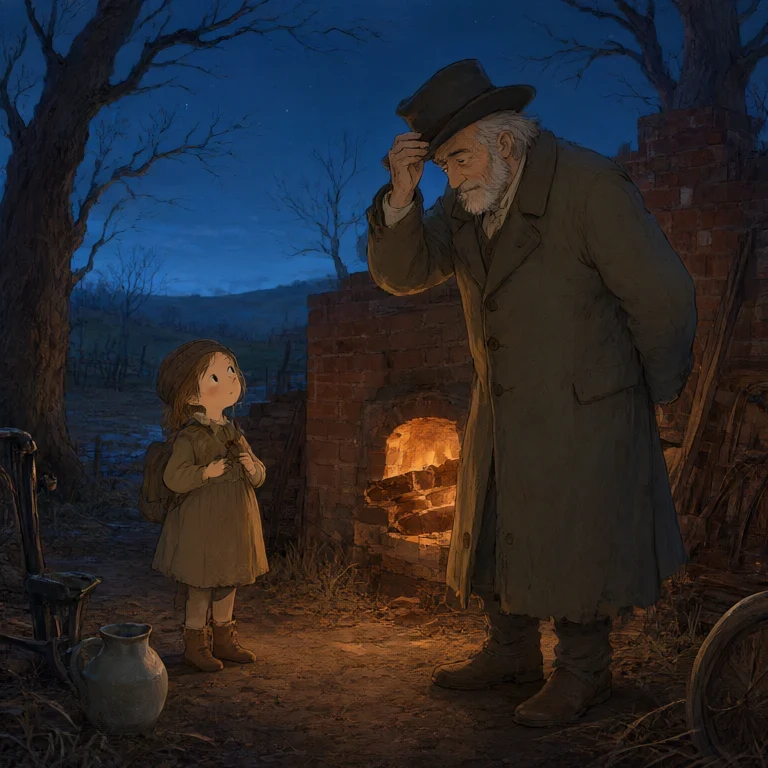
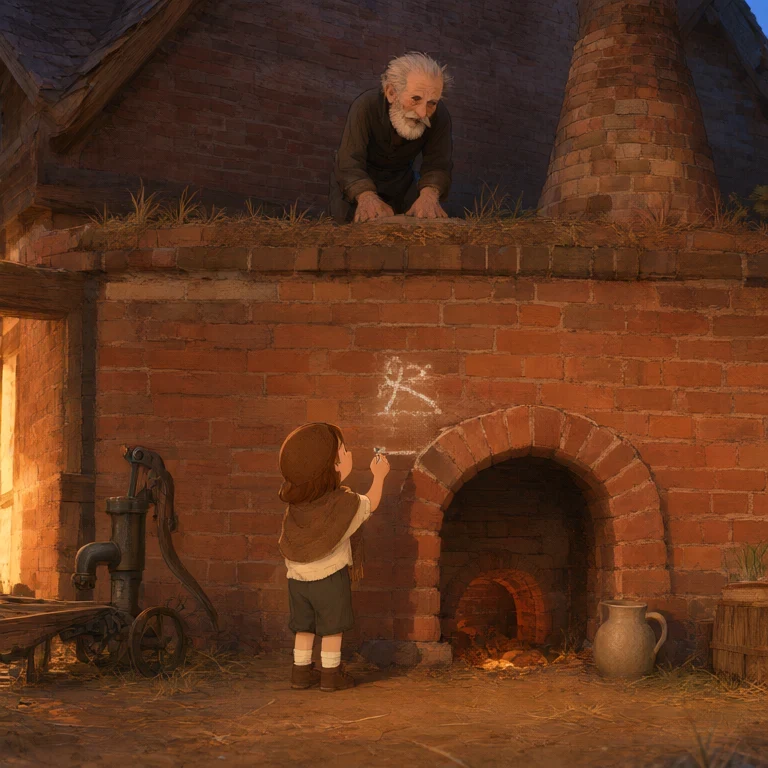
“A year,” he said. “That is the figure. It is not a charge and it is not in shillings and it is the only thing left in me worth writing down, and if somebody comes here in a year with a card they will ask you again, and you will have to be here, and that is the whole arrangement and I am not sure it is a good one.” She took the chalk out of her pocket and wrote one year under the fourpence in a small round hand, and did not sign it, because a child may not be a creditor at all.
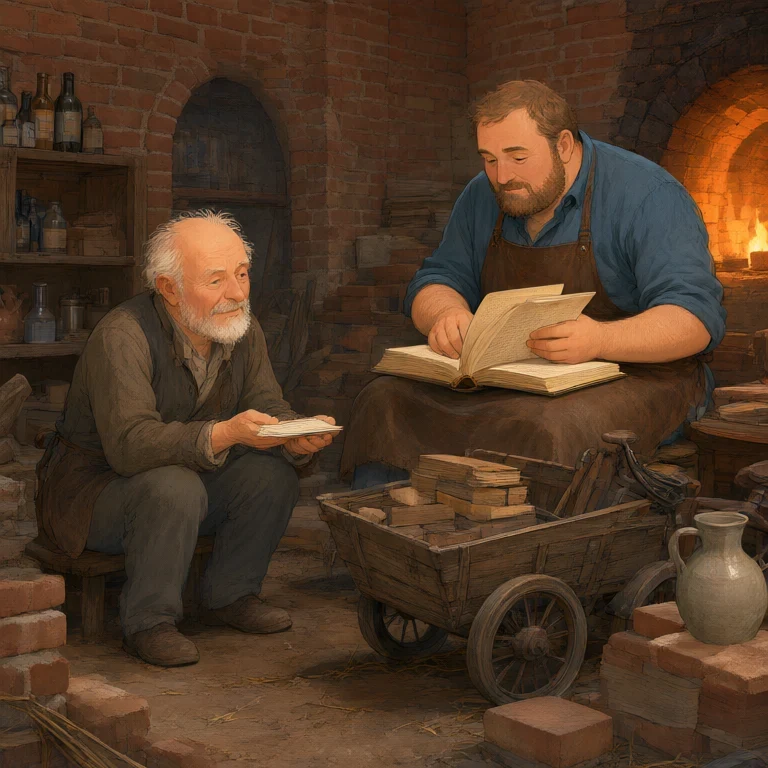
The report went to the smithy, because the smithy is where everything goes, and it was four lines a house and it was copied into the rate book at the weighbridge and the original went on the anvil bench under the queue book with a stone on it. Tomas Peake read it out on Saturday morning with four men standing about, because that is what the anvil bench is for. “No. 1 asked what it is made of. Brick. Answered. No. 1 asked what it was promised. To stand. Answered. Charge read, eleven hundred and six pounds and fourpence added. No. 1 blown at half past three. Reported.” “And No. 2,” said Fennick Roke.
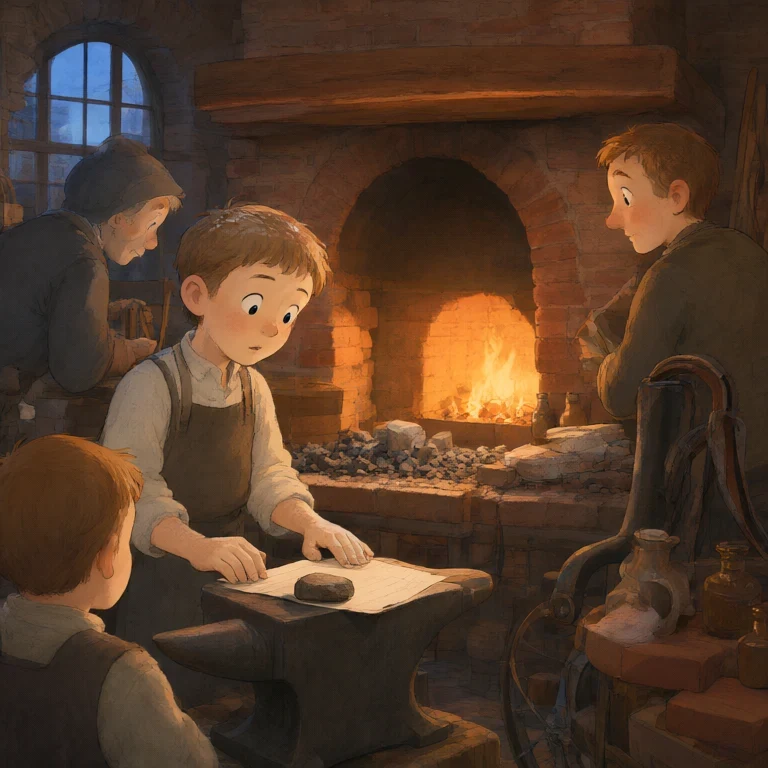
“No. 2 asked what it is made of. Tarred timber. Answered. No. 2 asked what it was promised. To stand while I do. Answered, and the answer is the promise of nineteen hundred and four and not the promise of this year, and the wall reported the difference. Charge read, nine pounds four and fourpence, fourpence added. No. 2 blown once at ten past seven in a lull. Reported. May take nothing.” The four men were quiet. The forge was not going, for once, because it was Saturday and Roke had banked it.
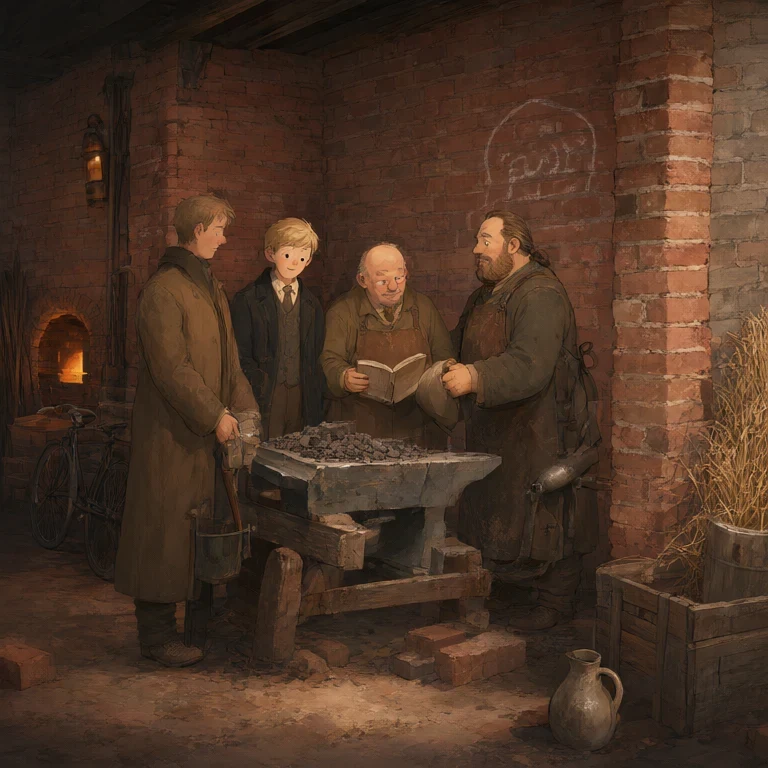
“And No. 3,” said Fennick Roke, because a man who keeps a queue for twenty-six years knows what is missing when a thing is read out. “There is nothing about No. 3,” said Tomas Peake. “It says on the card that No. 3 is not named. He has written that it is not named and he has not written anything else about it, and that is the whole of his afternoon, and it is correct.” “And the course,” said Fennick Roke.
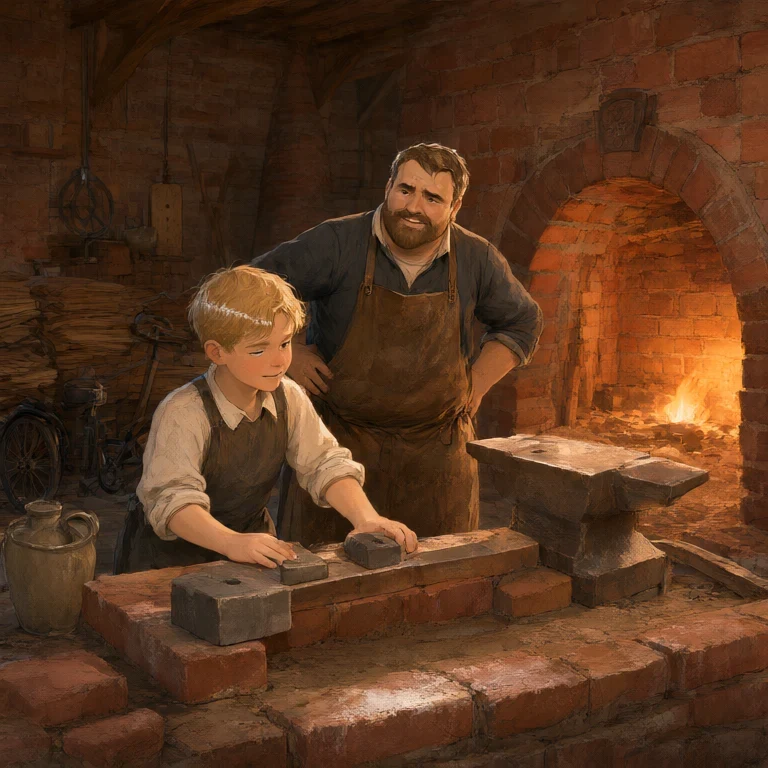
Tomas Peake looked at the open book, and at the four men, and read out the last line of the report, which was the last line Obadiah Cressy had written and the shortest one and the only one with nothing in it at all. “Two houses assessed, both made of what they are said to be made of, both answered, both safe for the year. The year on No. 2 belongs to somebody who is not in it. The card permitted two houses and the ground holds three, and there is a fourth thing on this ridge that has no number, and I blew twice.”
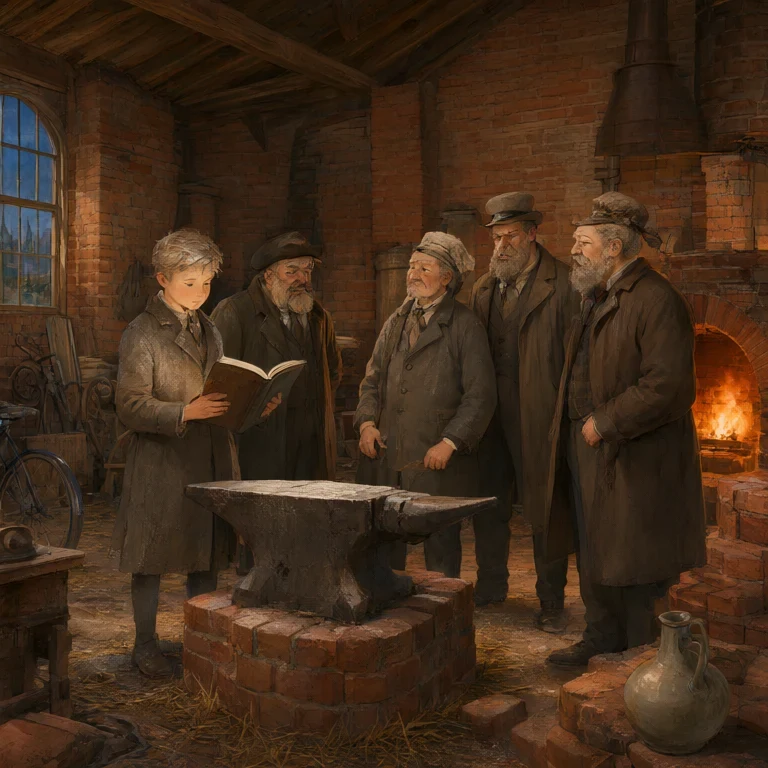
Fennick Roke shut the book, because the reading was over, and the four men went out into a bright cold morning to find that the guttering was still off the brick house and the wind had gone round to the north and made a hard blue light of every face in the village, and that the two new figures were on the walls, in chalk, in a small neat hand, and would be legible in the rain, and would be added to again the next time a man of eighty-one came up a hill with a card in his coat.