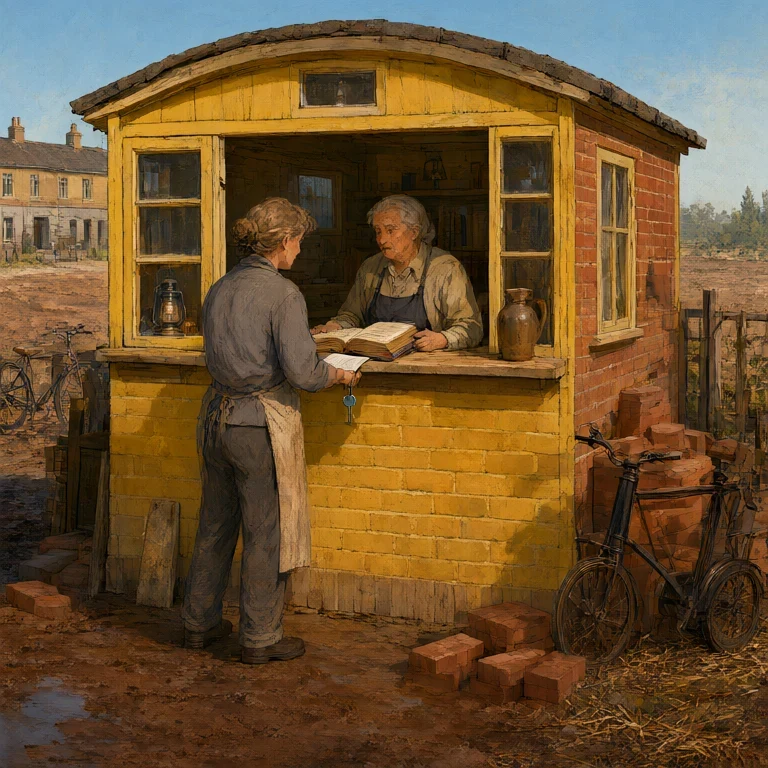
The letter came on the Friday and the offer came on the Monday, and both of them came to the weighbridge hut, because a house in Marl is dealt with where it can be weighed. Nell Tarrant was there at nine with the Friday letter in her apron, unfolded and refolded so many times along the same two lines that the paper had gone soft there, and Hollis Merrick had the lamp lit although the morning was as good as mornings get, and the scale beam was down and the hut smelled of oil and ledger. “Nine, in the terrace,” he said, before she had got the letter out. “Thirty-four hundredweight. Brick, two floors, eleven rooms including the scullery, promised in eighteen eighty-nine to stand a hundred and fifty years.” “Thirty-four hundredweight and eleven rooms, and you had it off the book.” “I had it off the book. I have had it off the book since the day I came in here, and I could not tell you one room in it.”
The Friday letter was from the Ely and Fen Building Society and it was four lines long, which is what a letter from a building society is. They were pleased to enclose the quarterly account. The account was one pound, twelve shillings and sixpence. Three quarters were outstanding, being one pound, twelve and six, twice, and one pound, twelve and six, and the sum required was one hundred and one pounds, four shillings and eightpence. If the sum was not received by the thirtieth of the month the charge on the house would be remitted to the Works. “They will remit it to the works,” said Nell Tarrant, “because the works is the only thing on this road with money in June.” “They will remit it to whoever holds it,” said Hollis Merrick, “and they have held it since nineteen oh eight, and they have not written the word Works anywhere in four years, so you have read ahead of the page.” “I have read ahead of the page,” she said. “What I want to know is what remitted means.” “It means the house stops being yours and starts being theirs, and it does not stop being a house.”
The Monday offer was on worse paper than the Friday letter and had more figures on it, and it came from the Third Field Works, and it was signed by a steward who did not come to the hut and did not send anybody who did, because a thing signed by a works is a thing you may read on your own and a thing you may only discuss in the room. Nell Tarrant read it twice at the counter and then read it a third time to the middle of it, which was the part that mattered, and the middle of it said: THE WORKS WILL DISCHARGE THE SAID CHARGE IN FULL, BEING ONE HUNDRED AND ONE POUNDS FOUR SHILLINGS AND EIGHTPENCE, AND WILL TAKE A CHARGE UPON THE SAID HOUSE OF NINETY POUNDS AT FOUR PER CENT, AND THE SAID HOUSE SHALL BE REMORTGAGED TO THE WORKS, AND THE SAID HOUSE SHALL NOT BE SOLD.
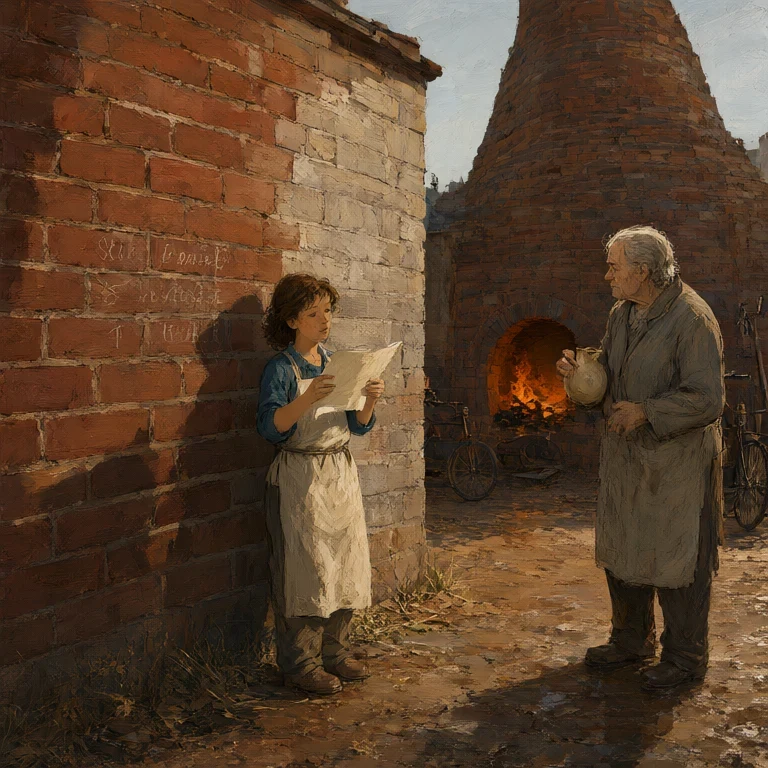
“Ninety pounds,” she said. “They are charging me ninety for a hundred and one.” “They are waiving eleven pounds four and eight, which is theirs to waive or not, and they are charging you four where the society charged you five and a half, and there is not one pound of that they are being kind about.” “That is not what I am asking about.” “Then ask.”
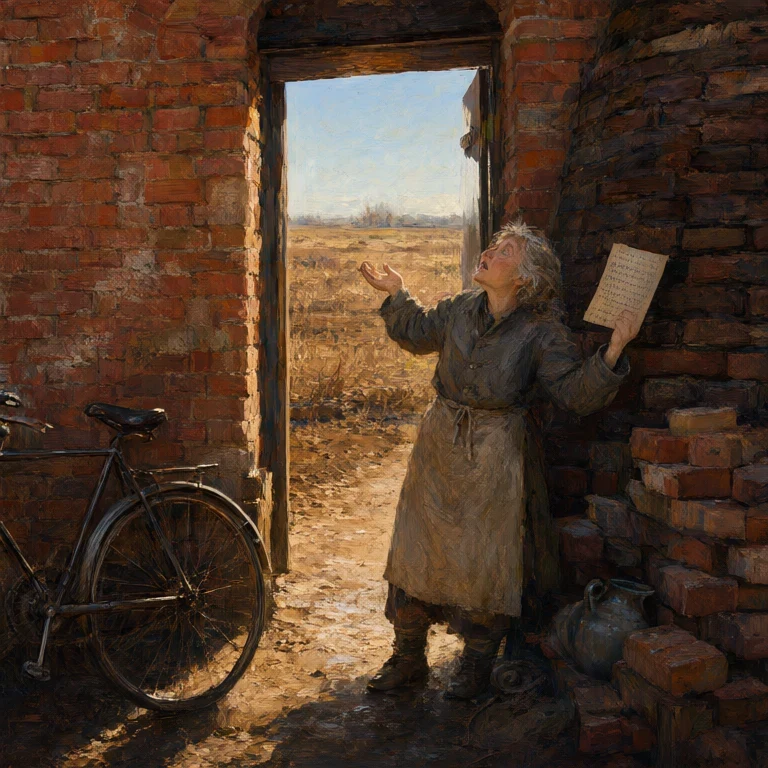
She had a way of asking that Fennick Roke later described in the smithy as asking for the figure first and the permission afterwards, and which had got her the name of the worst woman in the fen, and which was true. “What have they taken?” she said. “They have not taken anything. They have given you four per cent.” “What have they taken, in the sentence.” “The sale of the house.” “Then say the sentence out loud.” “The house shall not be sold,” said Hollis Merrick, and put his finger on it, because it was the only fair thing he could do, which was to make a man read a thing himself.
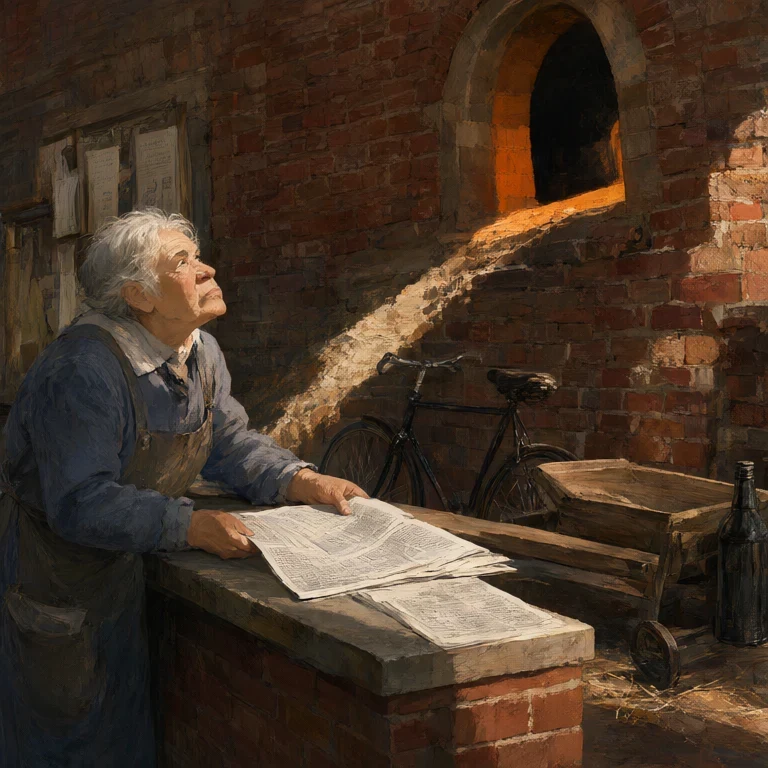
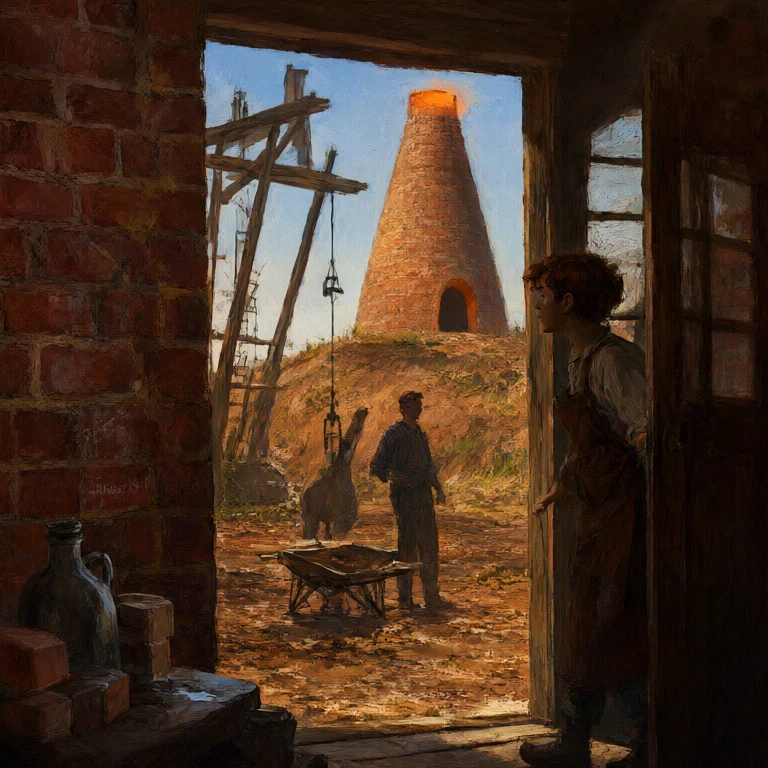
Nell Tarrant stood at the counter of the weighbridge hut for a while. The gang was on the third field and the kiln was in its eleventh day and going well, and you could hear it, a low sound like a man breathing asleep, and she could see the six men in silhouette against the orange mouth, and her own boy was one of the six, and he was seventeen and had a place on the gang and would have it until October. “They do not want the house,” she said. “Thirty-four hundredweight of house and eleven rooms that I have papered twice.”
“No,” said Hollis Merrick. “They want you in it. You have been in it since eighteen eighty-nine and there has never been a hole in that roof. If you go to Ely you go to your sister and there is nothing in Ely, and if you sell to a man from the road you get a hundred and forty pounds and you are in a lodging house in Ely by Midsummer, and the house is a lodging house by Christmas, because that is what a house is when nobody is keeping it.” “So the works keeps me.” “The works keeps the house. Whether it keeps you is a question I am not the clerk of.”
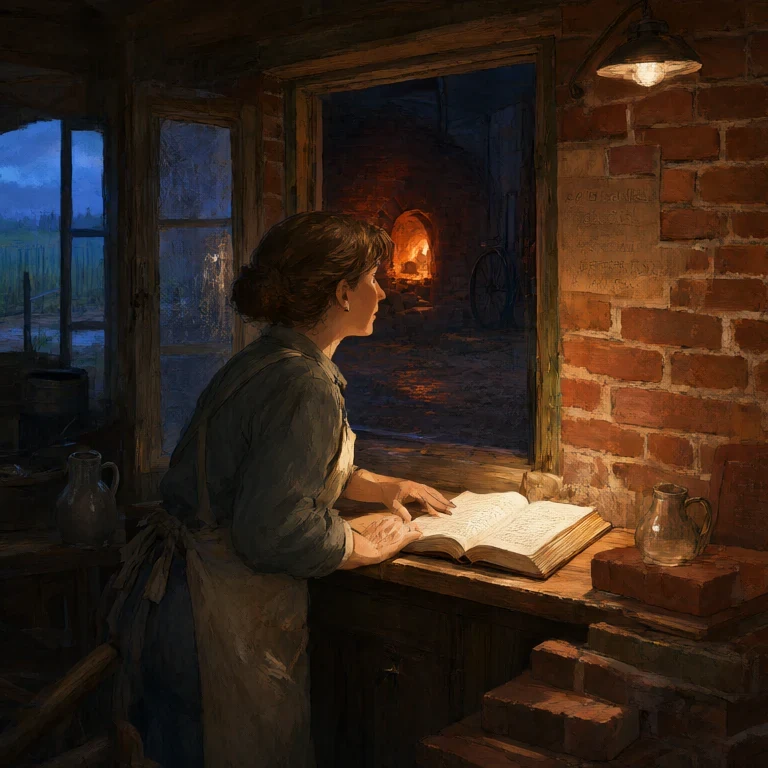
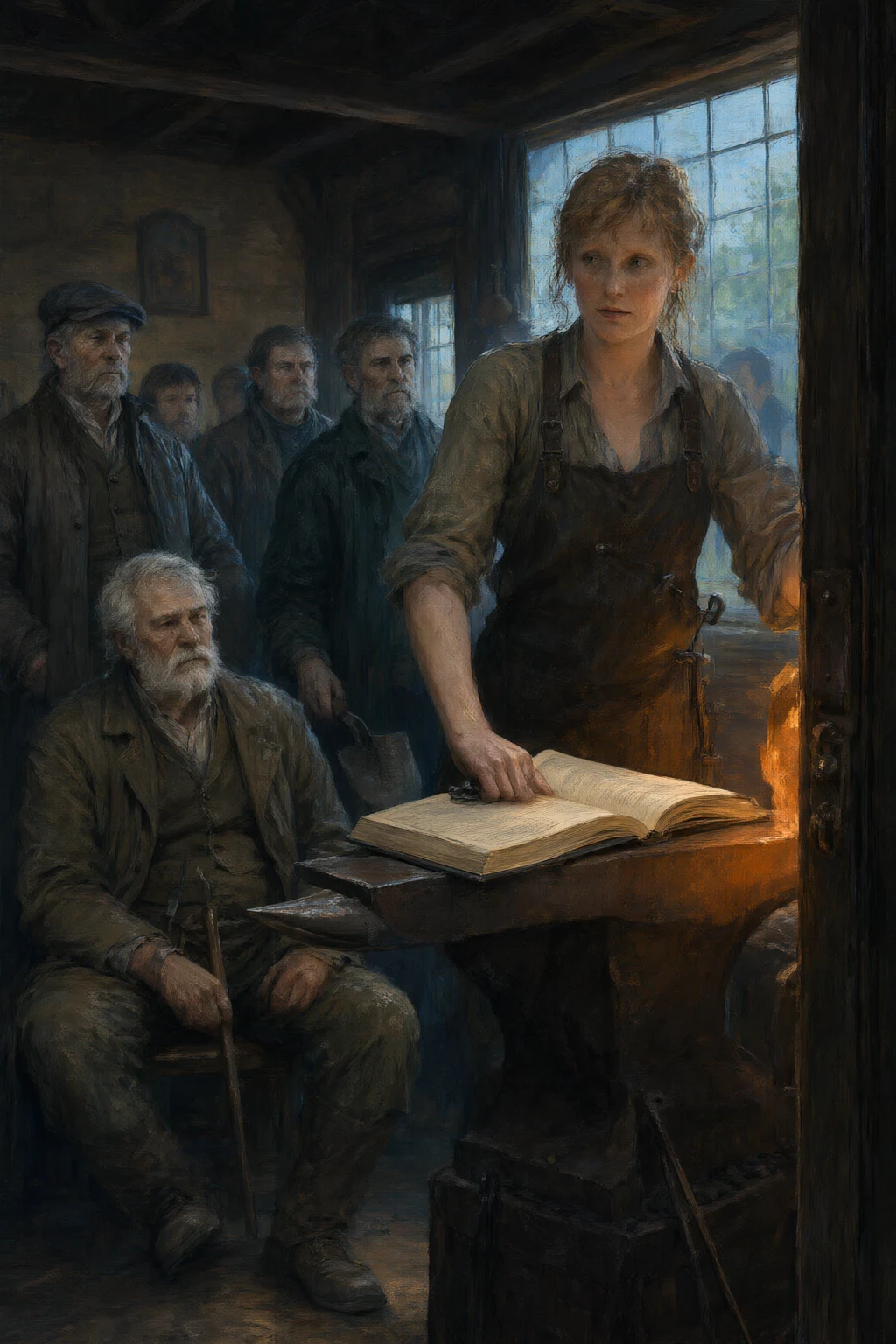
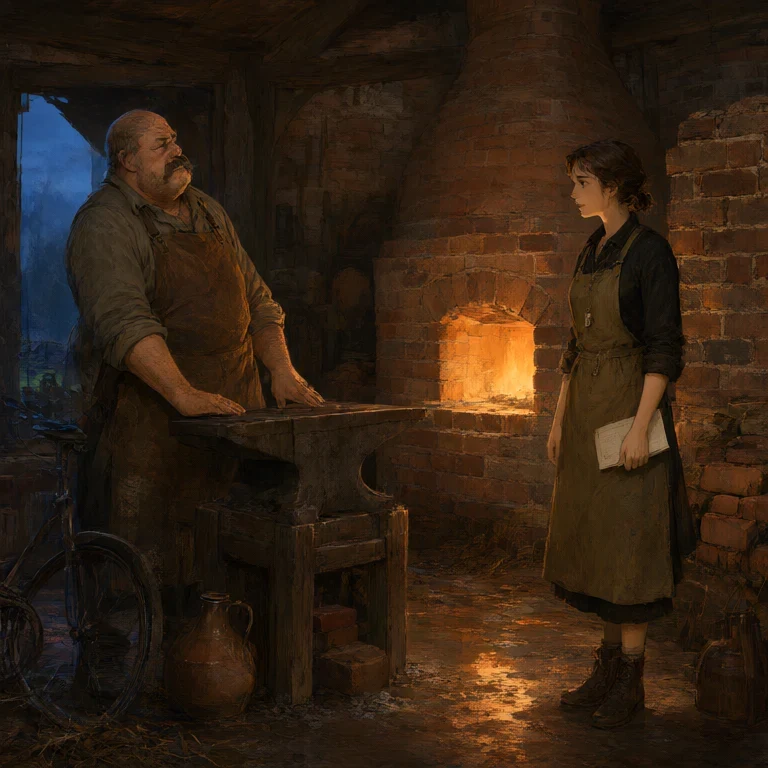
She went to the smithy at eleven, because the smithy was the only warm room at the end of the furlong and because Fennick Roke had been the only man in Marl who had ever said no to her face in twenty years, and she wanted the other thing said to her face, and she could have had both in one room but she did not want them to hear each other first. He had the queue book open on the anvil bench. There were four men waiting. One of them had a spade. “Put my name in the book,” she said. Fennick Roke looked at her hands first, which were the hands of a woman who had done four hours of a woman’s work before eight o’clock and would do four more, and then he said the only sentence he had. “Not this year.” “Why not.” “The book is for houses that have fallen.”
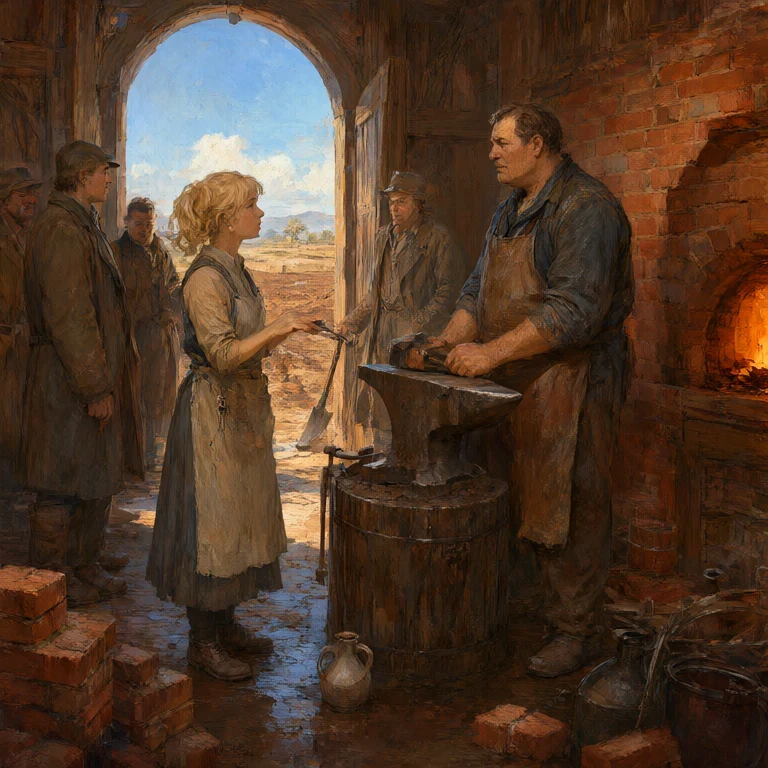
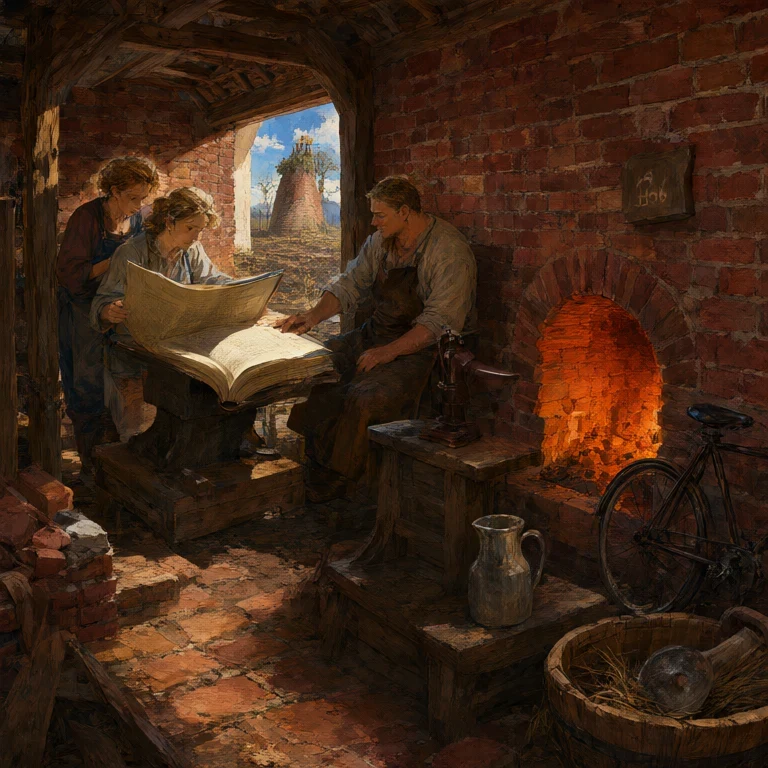
“Mine has not fallen. If it had fallen I would not be here, and you would write me in, and we would both be better off.” “That is true,” said Fennick Roke, “and I cannot tell you why it is not true, and it is not because I have anything against you, and I have said that sentence to about four hundred people since eighteen ninety-one.” He turned the book round so she could see the page. “There is no rule in this. There is no rule anywhere in this book. I have decided who builds and I decide it by looking at them, and if I wrote down the way I decide it you would all laugh, and if I did not write it down you would all have to trust me, and I have never once asked anybody to do that.” She looked at the page for a while. “Then what do I do about a wall?” “The wall is your own business.” “The wall is going to fall in October.” “Then the wall is going to be my business in October,” said Fennick Roke, “and not one hour before, and I am sorry.”
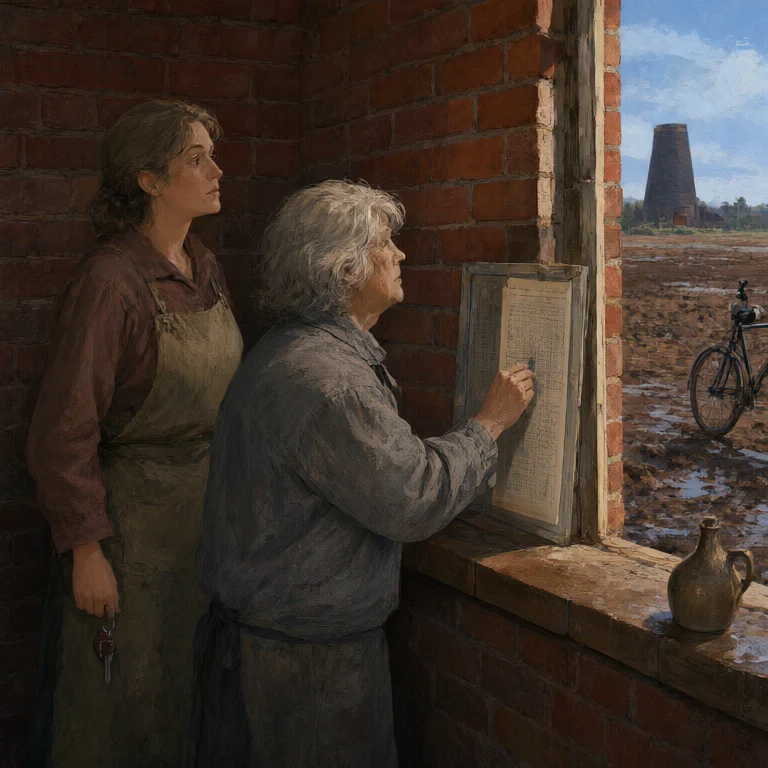
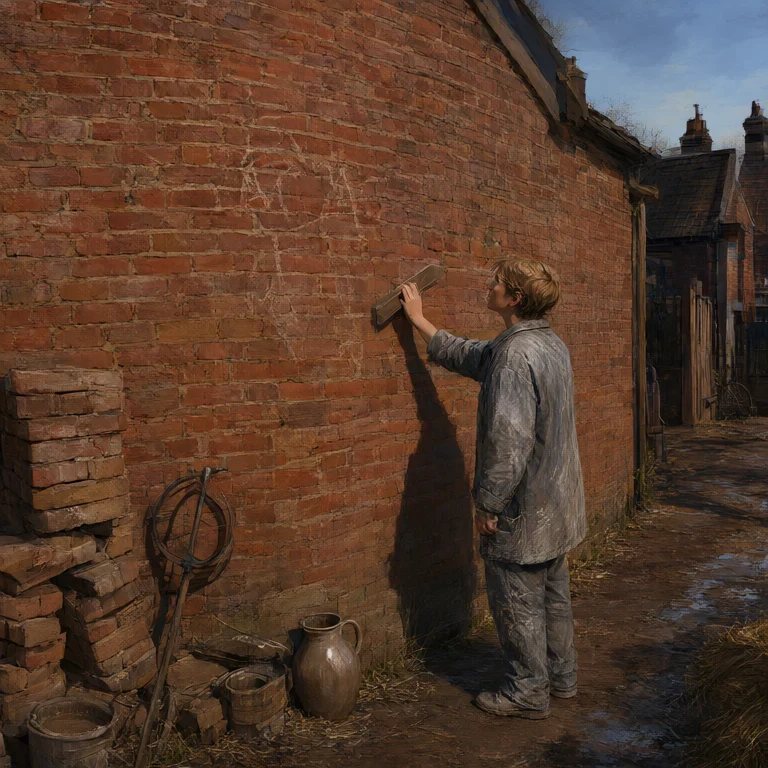
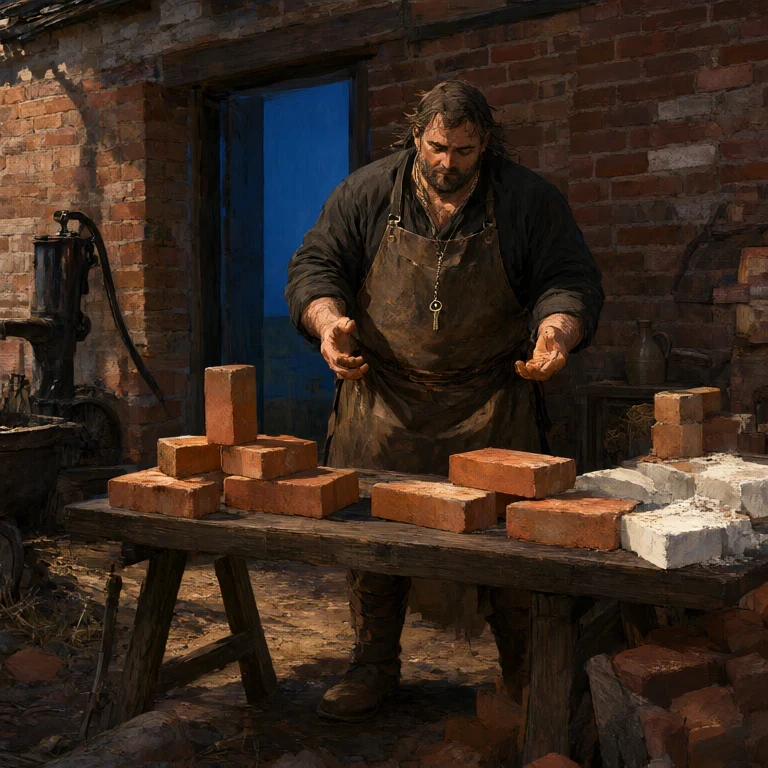
Tomas Peake was on the third field that week, cutting, and came up the furlong on the Saturday because the kiln gang had a half day, and found her at the back of number nine with a scraper and a bucket, doing the one job on a Saturday that does not cost anything and does not go on the wall, which is taking the moss off eleven feet of north-facing brick with a scraper that had belonged to a man who is dead. He read her wall on the way past, because he could not walk past one, and then he read it again, and then he stood in the road with his hand on the sill and his face put out of joint. “What have you got written on it?” she said. “Eleven feet of it, and I will read you the total.” “I cannot read. I never could read it. That is why you are standing there.”
“Two hundred and eighty-nine pounds, fourteen shillings and twopence, at Christmas, and the standing is thirty-nine and eight a quarter, which is thirty-four hundredweight at one and twopence, and it has not been entered since the twenty-fifth of December, and it is now the ninth of June, so you are five quarters behind on the standing alone, which is nine pounds, eighteen shillings and fourpence.” “That is a great deal of money for a man who is not a builder to say out loud in a street.” “I am not saying it to a street.”
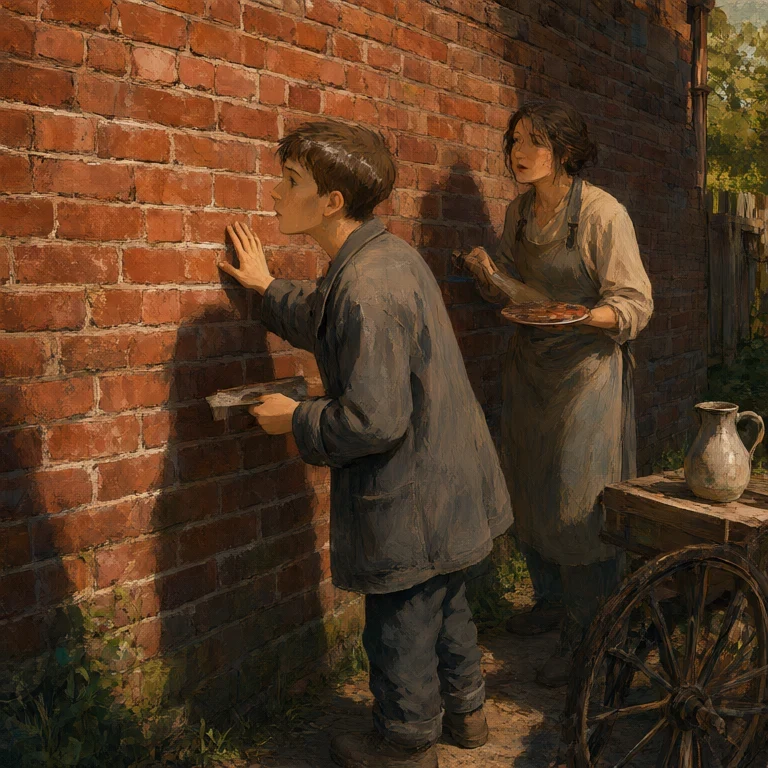
“Then say it to me, and be exact, because I have to sign a thing on Monday and I do not know what I am signing.” “It says what it always says,” Tomas said. “It says the promise is a brick house to shelter two and stand a hundred and fifty years, and it says the charges to date, and it says the standing, and then it will want a new line under the standing when you sign, and the new line will say the house is remortgaged and may not be sold, and then the standing will go on running underneath it for as long as the house is up, because nobody has ever once taken a line out of a wall in this village.” “There is no money in a wall.”
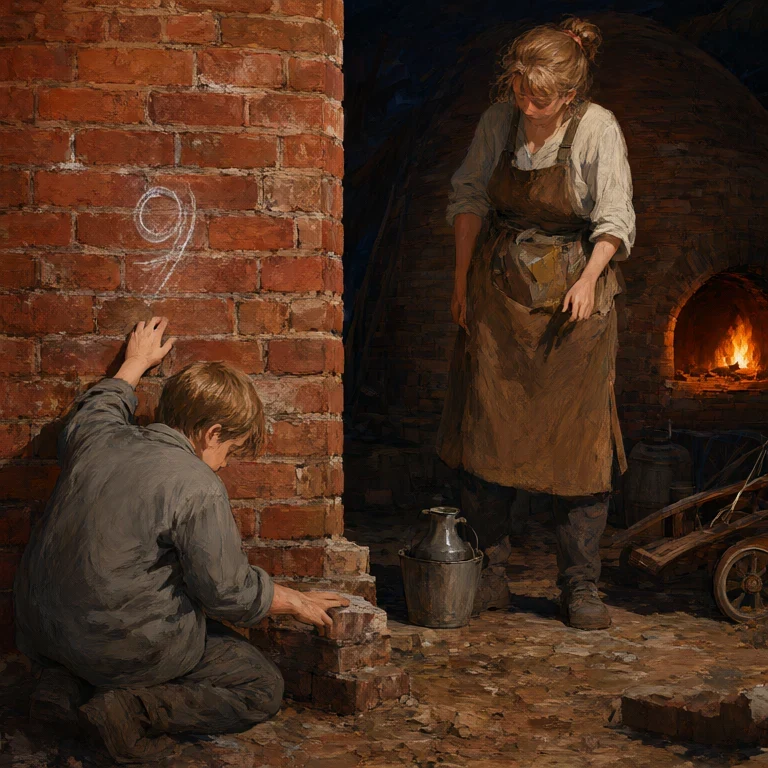
“There is never any money in a wall. It is a book, not a purse.” He looked at the sill she had been scraping, and at the four courses above it that had come out of plumb by half a brick in eleven feet, which is not much and is a great deal in a two-storey wall. “You have a builder coming on that sill?” “I have had one. He came on the eleventh of May and he said eleven feet out of plumb wants twenty-two pounds ten and he would not come back for under that, and I have nine pounds two and six, and I told him to come back when I have the rest, and he said come back when you have the rest, which was the last sensible thing anybody in this village has said to me this month.”
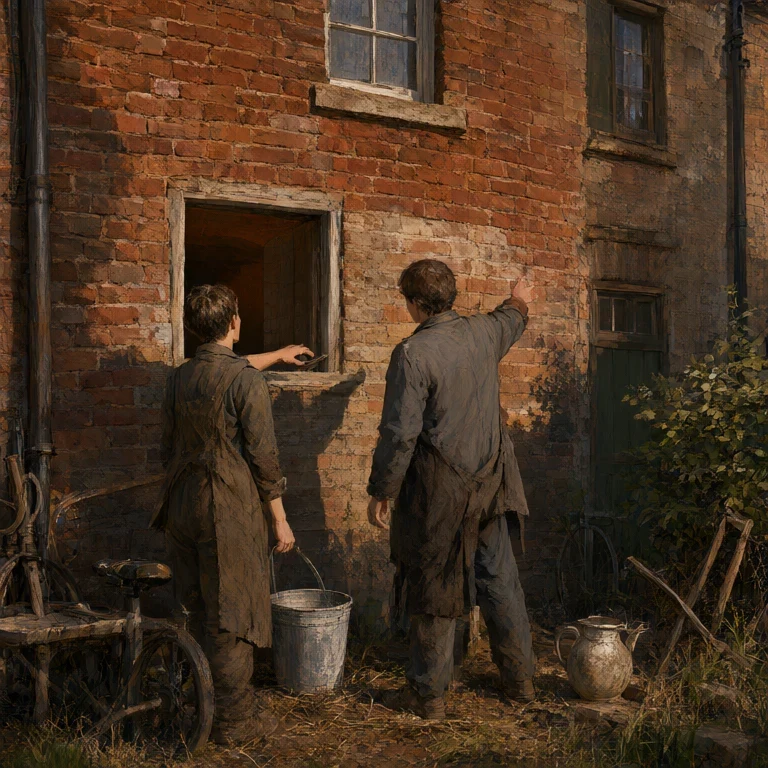
She had a buyer in March. That was the part she had not said to anybody, and she said it to Mira Sedge, and only to Mira Sedge, on the Monday morning, in the yard at the back of number fourteen, with the key on the chain turned to the back so that the cloth of her dress was between her and it. “A man from the road came in March,” she said. “He had looked at two houses in the terrace and one at the end of the furlong and he offered me a hundred and forty pounds for the house and he meant it and he had the money in a bag, and I said I would think about it, and I have been thinking about it for three months.” “Why did you not take it.” “Because he was going to pull the front down and put a shop on it,” said Nell Tarrant, “and I have papered it twice.”
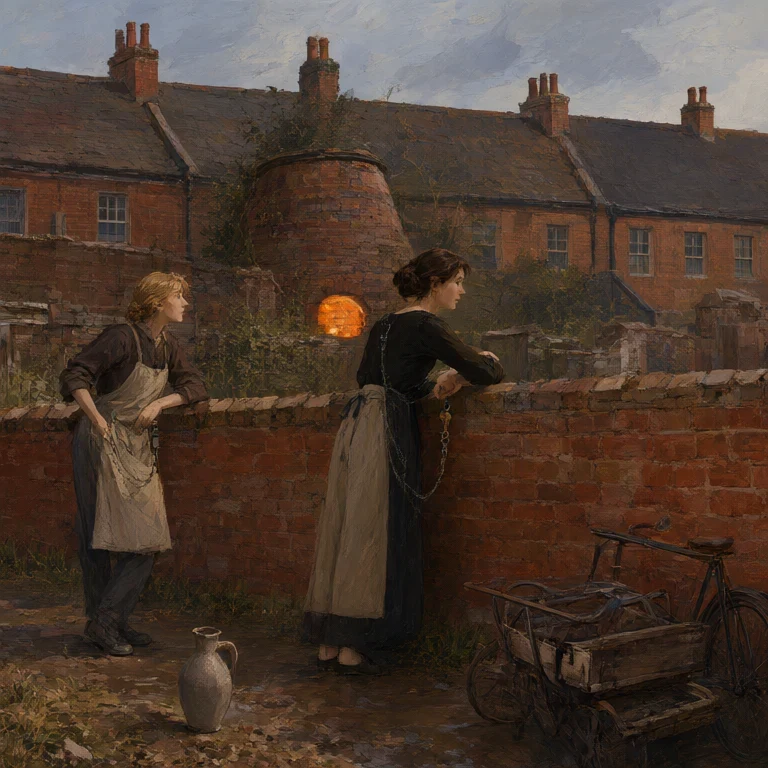
Mira Sedge did not say anything for some time. She had a second key on a chain and the chain was worn through the cloth and mended with a twist of green wool, and she had been through the machine twice and come out with the house standing, and she was thirty-one, and everybody in the parish thought her the woman who did well out of the worst of it. “That is fair,” she said. “I know it is fair. It is the fairest thing anybody has said to me all year and I have been up two nights over it.”
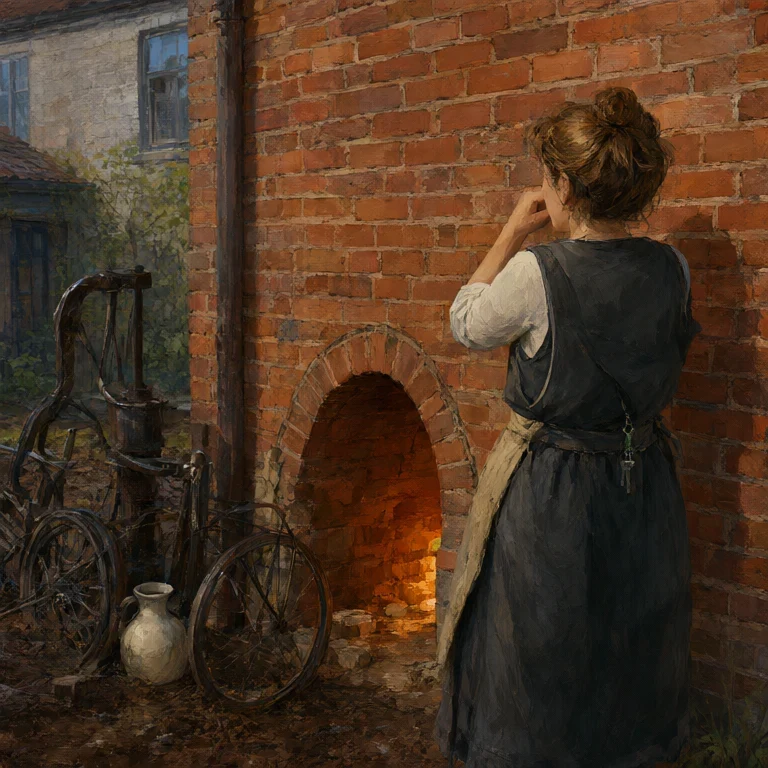
“That is fair,” said Mira Sedge, “and the figure that goes with it is this. You have held that house since eighteen eighty-nine and you have paid the society one pound, twelve and six a quarter for twenty-eight years, and it has cost you the house to do it. Four and a half per cent, compounding, is not an interest. It is a way of taking a house in instalments while appearing to be a loan, and if you had not missed three quarters you would still be in it at sixty, and the wall would be yours and the money would be theirs, and they would have the best of both and you would not have noticed for about nine years.” “Then take the works’ ninety pounds. You are telling me the society is wrong and the works is fair.”
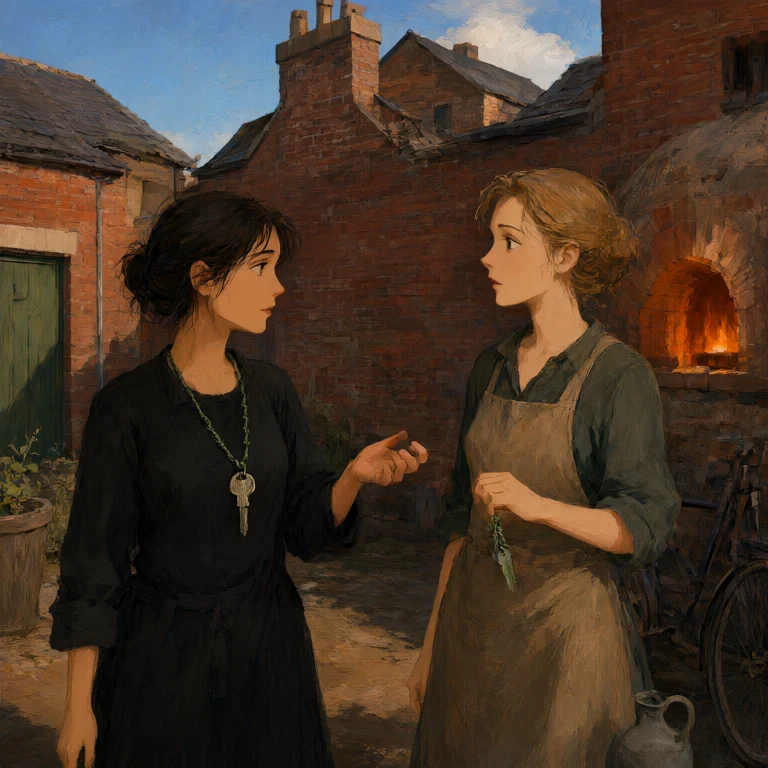
“The works is four per cent and the society is five and a half, and that is the whole of the difference, and it is not a difference of principles,” said Mira Sedge. “The works is fair the way a road is fair when it goes where it was going anyway. They want you in that house because your boy is a good hand and they would rather he had somewhere to sleep. That is in the sheet. I have read the sheet. It is in the sheet, in the middle, where the other thing was.” “You told me not to read ahead of the page.” “I told the clerk not to read ahead of the page. I read ahead of the page at the end of my own business, and I have been doing it for four years, and I am telling you exactly what is in the middle because I would like somebody else to be standing in this with me for once.”
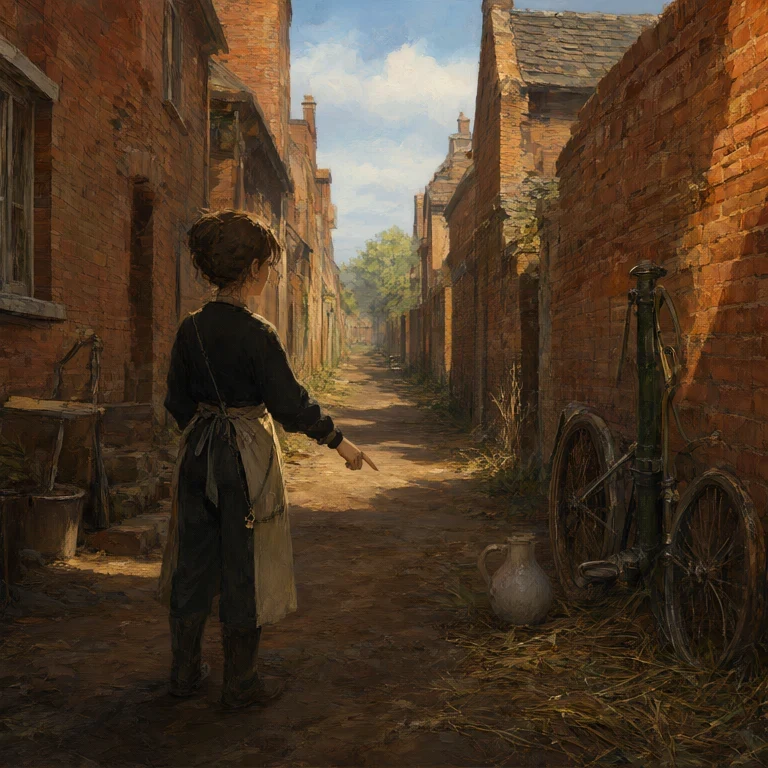
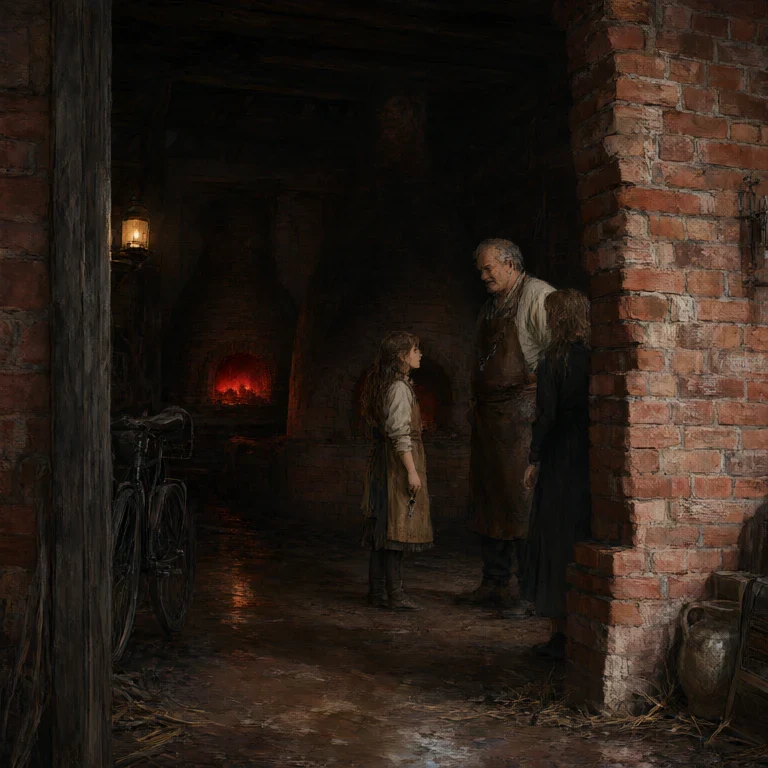
They went to the smithy together at eleven, because Mira Sedge said that if it was going to be decided anywhere it would be decided in the warm room with the book on the bench, and because Fennick Roke was a man who could not move a thing himself and could be moved in a room with witnesses. He was not alone. Obadiah Cressy was on the bench end with his back to the wall, because it was the only place in the smithy with a wall, and he had his stick across his knees, and his jaw was going. “You have come about a remortgage,” he said, to the wall, before he said it to anybody. “I am sorry. I am sorry that it is this, on this week, with you two in the cold all morning.” He turned round. “You want to know whether it is fair.” “We want to know what it is,” said Nell Tarrant.
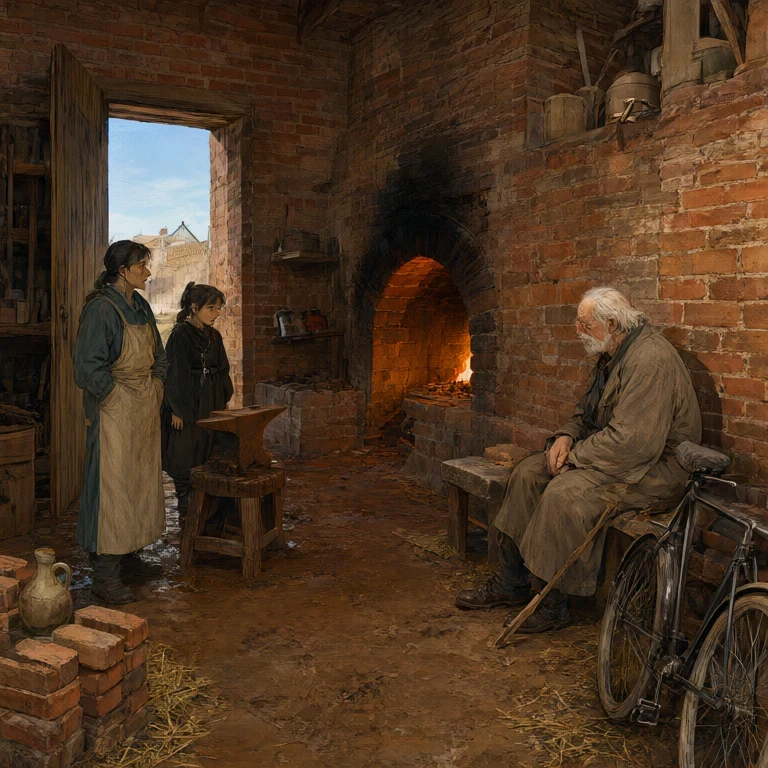
“I have had it twice,” said Mira Sedge, before Obadiah Cressy got there, which she had not meant to do. “I have been twice through it and I have a house and no means, and I would like it on the record, in front of the smith, that I would do it again, and that I know exactly what that sentence is, and that it is the worst sentence I have ever said out loud in this village.” Nobody argued with her, because there was nothing to argue with. She said the figures instead, the way she said everything.
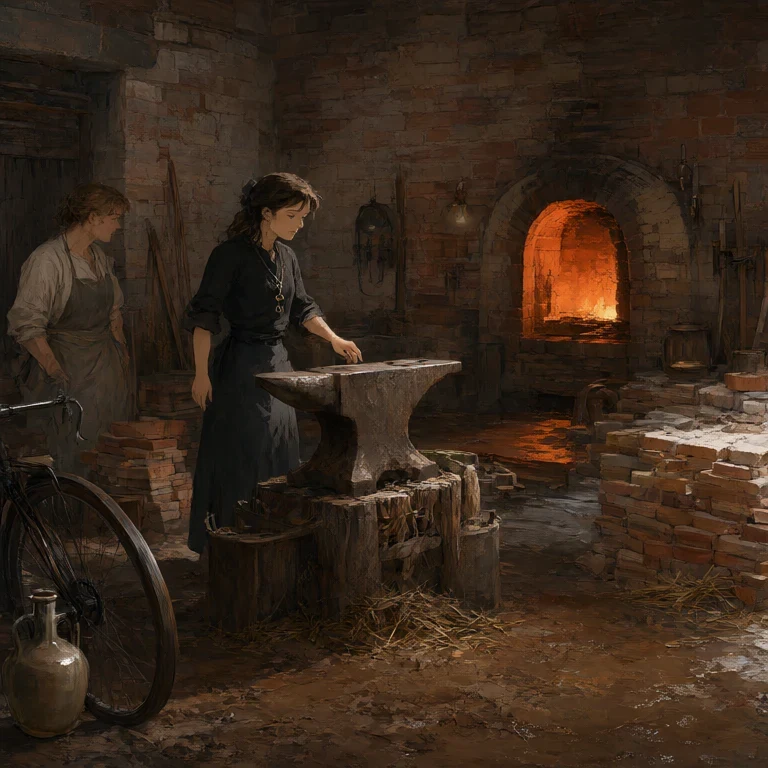
“The works pays a hundred and one pounds four and eight. It takes ninety at four. It takes the sale. It keeps the house and the house goes on standing and you go on in it and the standing goes on at thirty-nine and eight a quarter whether you are alive or not. That is the whole transaction, and every part of it is exactly what it says on the paper, and not one word of it is a lie.” She turned to Obadiah Cressy. “Say whether the last part is true.”
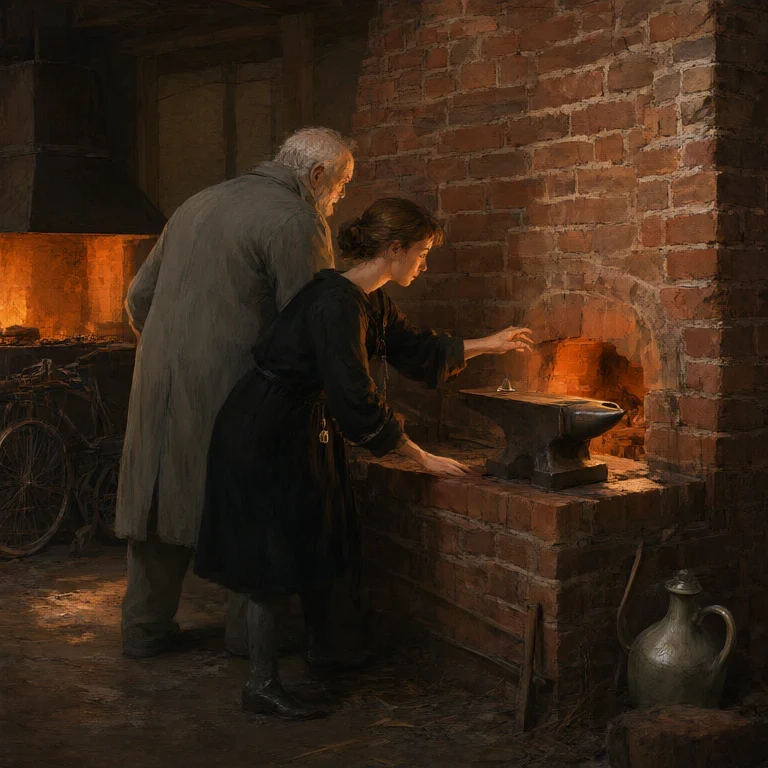
“The last part is true,” he said. “A house that has been remortgaged twice may not be sold. That is not Marl. That has been the law of this fen since before I was licensed, and the second creditor is the one who keeps it, and the second creditor may not sell it either. There is no third thing. You cannot sell it and he cannot sell it, and between the two of you it is a wall with a woman in it.” “Then I am buying a wall,” said Nell Tarrant. “You are buying a wall,” said Obadiah Cressy, “and the wall is the best thing in this village, and the wall is brick, and I will not have anybody say otherwise in my hearing.”
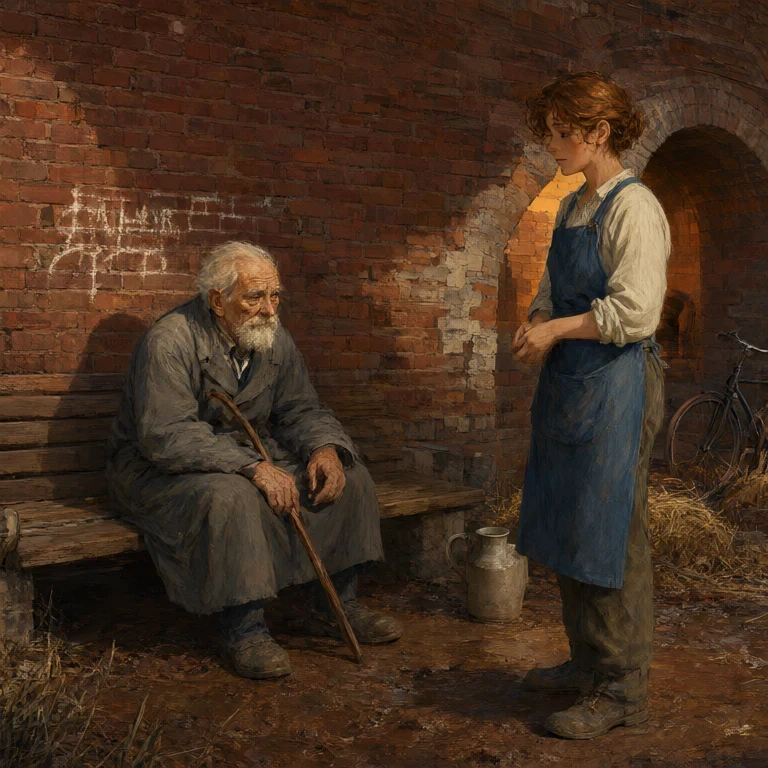
Then Tomas Peake said the thing, because he was fourteen and because he had been holding it since the Saturday. “If she does not sign,” he said, “the house stands until the sill goes. And when the sill goes the promise is broken, and when the promise is broken the house falls, and a house that has fallen can be rebuilt by anybody at all. Not by the society. Not by the works. By anybody, for a new promise, and a new promise is a new book, and the new book has no society in it and no works in it and no charge in it at all.” The smithy went quiet the way the smithy went quiet. “Say the last part again,” said Mira Sedge. “A house that has fallen can be rebuilt by anybody at all.”

“That is Marl. That is the whole of the relief in this story.” She said it flatly, without any pleasure. “And the relief has one condition, and the condition is a queue, and the queue is on that bench, and there is no rule in it.”
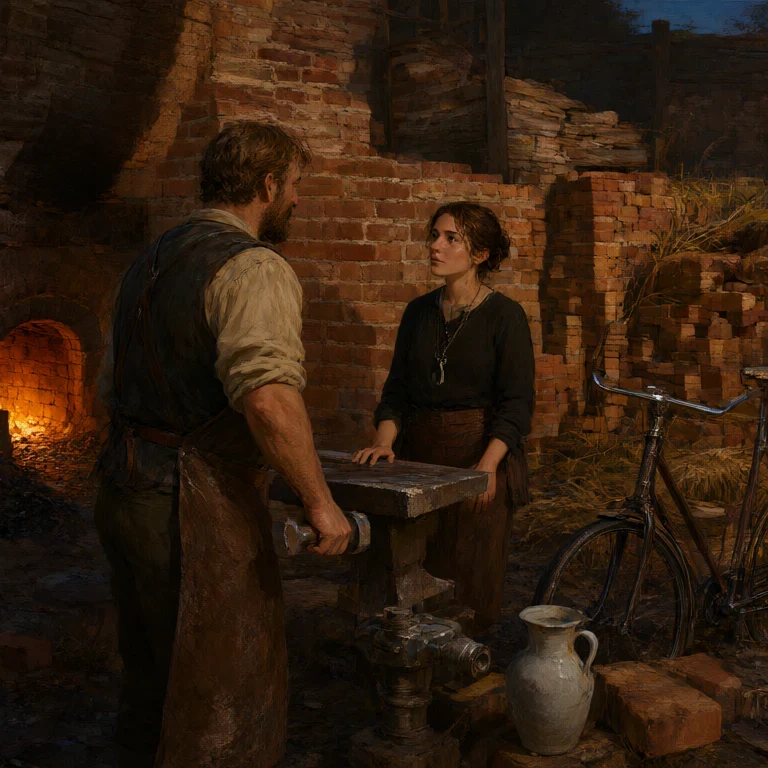
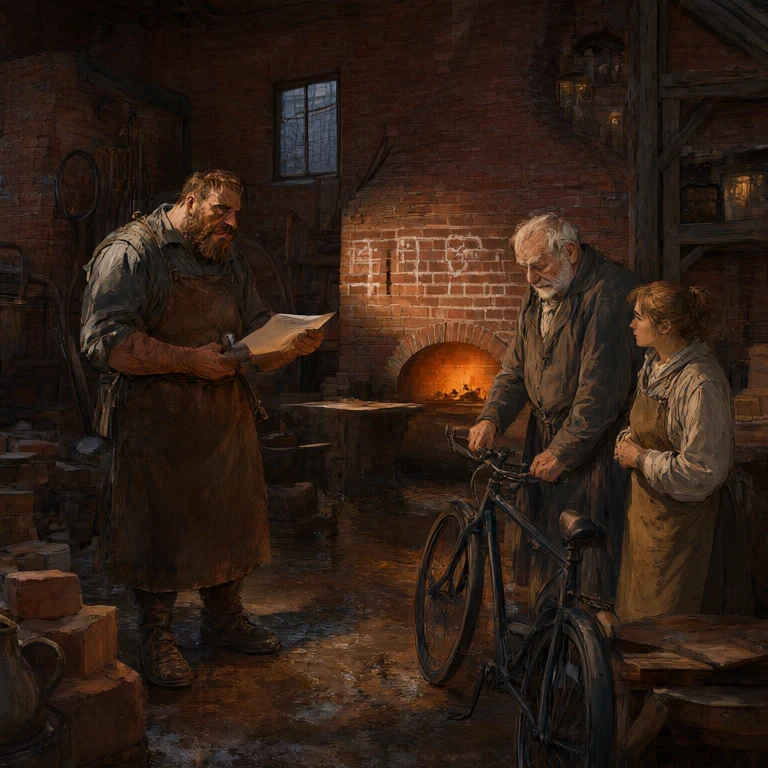
Fennick Roke put both hands on the bench, which he did not do. “Where is the society’s builder?” he said. Nobody answered for a moment. “There is a man from Ely,” said Nell Tarrant. “In the letter. It says that on remittance the charge will be remitted with a builder’s licence attached. That is the phrase. A builder’s licence attached. He has one and it is dated the third of the month.” Fennick Roke looked at the book. “I have not seen him.” “No, Mr Roke. You have not seen him. He is not here yet. He comes on the thirtieth, or the words on the paper say he comes on the thirtieth.” “Then he comes on the thirtieth,” said Fennick Roke, “and if you asked me this afternoon whether he builds first, I would tell you the book is for houses that have fallen, and that is a true answer, and it is not an answer.”
“You have known that man was coming since March,” said Mira Sedge, “because the letter came in March as well and you read it in this room and you did not tell her.” “I did not tell her because it was not my business until it was my business.” “Everything is your business. That is what a queue is. It is a man to whom everything is his business.” She did not raise her voice and Fennick Roke did not put his head down, and the two of them had known each other for a long time. “Say the thing you would actually do, and I will put it in a book.” Fennick Roke said, “Not this year.”
They had it out in the smithy until the light went, and it came out the way things come out in a village of nine hundred people who have all been reasonable for a hundred and fifty years: nobody was a villain in it anywhere, and every single person in the room was right, and the result did not change.
The society was right. It had lent the money, the money was owed, and a charge on a house is a promise, and Marl is a village where a promise is the only thing that holds a wall up. The works was right. It was cheaper for them to discharge a good charge than to have a house fall on the worst ground in the parish. Hollis Merrick was right, and a charge nobody can collect is not a charge. Obadiah Cressy was right, and a wolf that took outside the promise would be a dog, which is why the standing goes on running in four hundred houses in this village and has never once been collected by anybody, including the men who wrote the line, including him.
And Fennick Roke was right, and it was exactly the problem, because being right about a queue that has no rule in it is not a public service. It is a private one. There were one hundred and fifty years of decisions in that book and every one of them had been made by one man looking at another man’s hands, and not one of the four hundred people who had been told no had ever been able to put a finger on the day it turned. “You are all being fair,” said Nell Tarrant, at about six, standing by the smithy door with her key in her hand. “I want to say that out loud before I sign, because I do not think anybody in this village is going to say it for me afterwards. Every one of you is being fair, and I am the one who is losing the house.” “That is fair too,” said Mira Sedge.
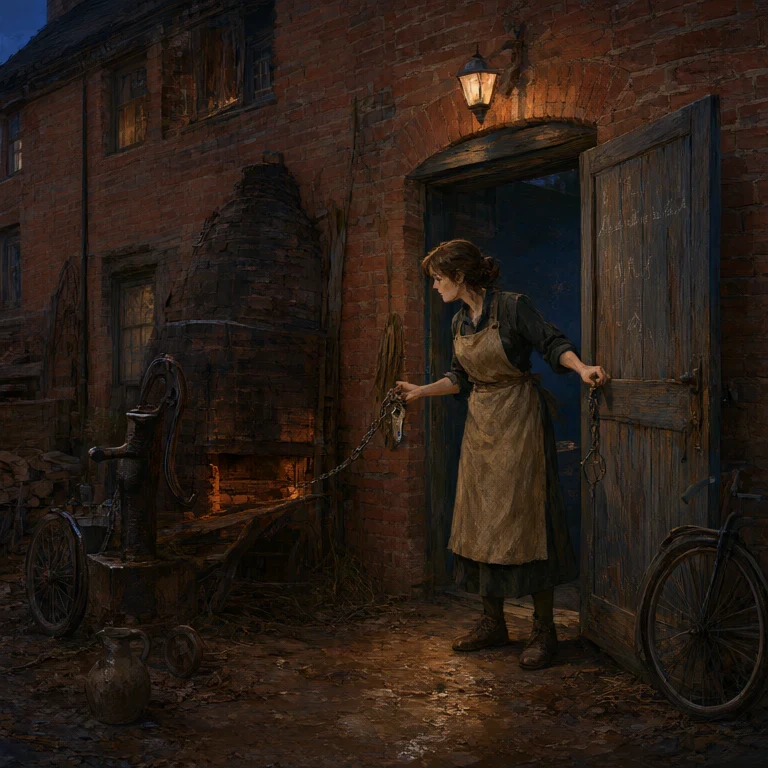
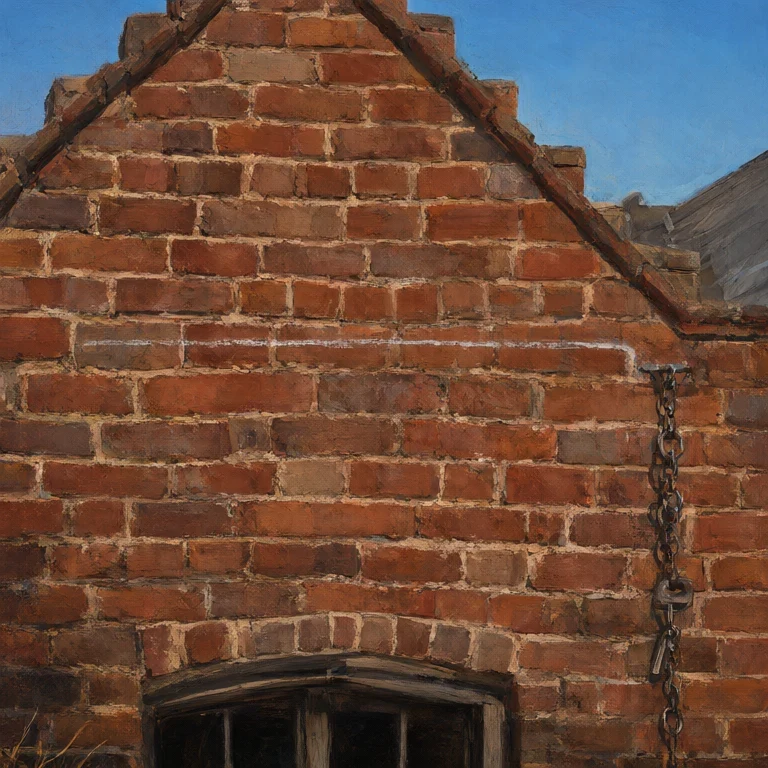
She signed on the Tuesday at the weighbridge hut at eleven in the morning, with Hollis Merrick as witness and Fennick Roke standing in the doorway because he had not been asked to come and had come, and her boy on the third field with a barrow and no idea of any of it. The society’s key came back on the Wednesday by hand, from a man who gave it to her and did not stay. The works’ key came on the Thursday, and it was heavier than the society’s, and the chain it was on was new, because the chain it replaced was worn through the cloth. Under the total, in the mason’s small upright hand, in chalk, on a Thursday in June, somebody put: REMORTGAGED TO THE THIRD FIELD WORKS, THE 14TH DAY OF JUNE. THIS HOUSE SHALL NOT BE SOLD.
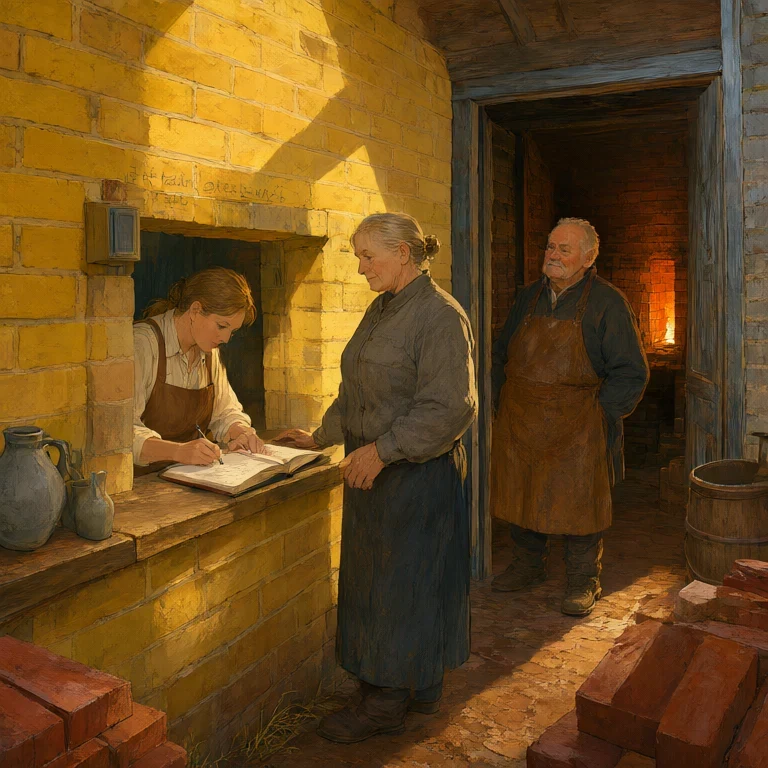
and underneath it, four inches lower, where it had been for a hundred and twenty-eight years and would be in two hundred, in the same hand and the same upright figure, the standing went on running at one shilling and twopence the hundredweight the quarter, which on thirty-four hundredweight is thirty-nine shillings and eightpence, and which nobody in Marl had ever yet found a way to take off a house, and which was going to be there, chalked or washed, when the boy in the kiln gang was thirty and had a licence of his own and a house of his own, if he ever got one that could be sold.