The school had a sundial on a white stone pillar by the office door, and the headmistress had one rule about it. The sundial is right, she said. Do not touch it. If it ever looks wrong, come and tell me. Mika was nine. He had black hair cut in a straight line round his ears and a green duffle coat with the sleeves turned back most of the day. In the last week of term his job was sweeping the chalk off the concrete around the pillar.
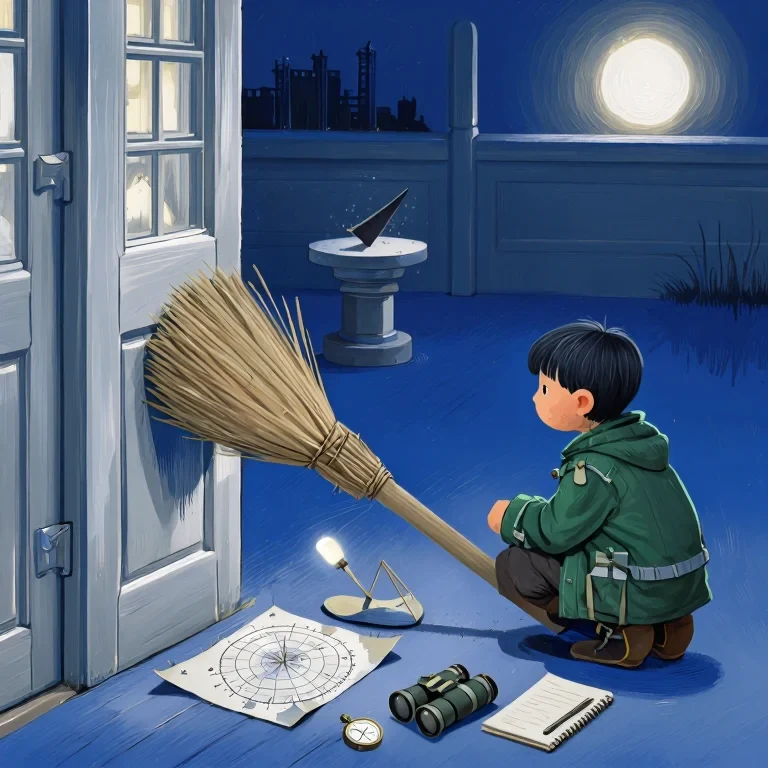
Mr Raukura had rung the lunch bell at noon every school day for twenty-two years. In the holidays the office clock lost twenty-two minutes. Nobody noticed. Checking an office clock means taking a time off a radio signal, and the staffroom radio was unplugged for the painters. So the bell rang at twenty-two minutes past twelve by the clock, and Mr Raukura walked down to the pillar to see what the sundial said. The sundial said a few minutes past twelve, and the sundial is never late for anything.
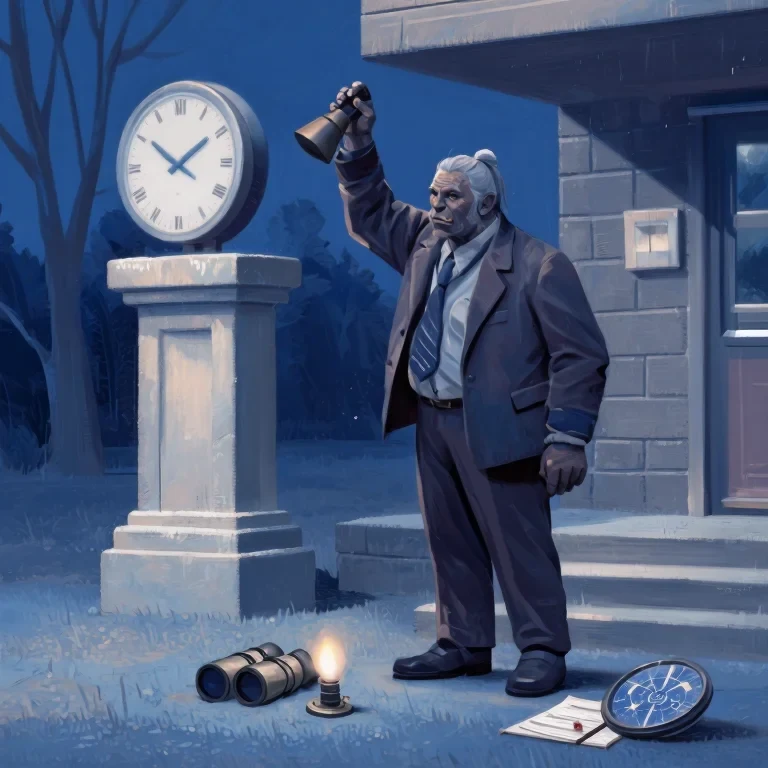
A sundial does not read the clock. It reads the Sun, and in Dunedin the Sun is not at its highest at twelve. He knew only that the bell and the sundial disagreed every day, and that the headmistress said the sundial was right while Mr Raukura said the gnomon was bent. So he decided to find out. He pushed a broom handle into the ground and marked the end of its shadow in blue chalk every ten minutes, with the clock time beside each mark.
On the Monday the marks were a mess. The shadow was long at ten, shorter at eleven, and long again at one. That is impossible, he thought, and then he worked out that it is not. The shadow is longest at sunrise and sunset and shortest at noon, and it does that every day of his life. And the marks were not the same distance apart. Near the middle of the day the tip ran along the concrete. Early and late it hardly crawled. A shadow is not a clock with equal minutes on it. It is a machine that runs at different speeds.

On the Friday he did it properly. He pushed the broom handle deep into the ground so the wind could not shift it, and measured his own stride with the caretaker's tape. It was sixty-one centimetres, and he wrote it on his hand. In the middle of June the Sun gets only about twenty degrees above the sea at noon in Dunedin, so a broom handle throws a shadow more than three metres long, and he measured it with his stride.
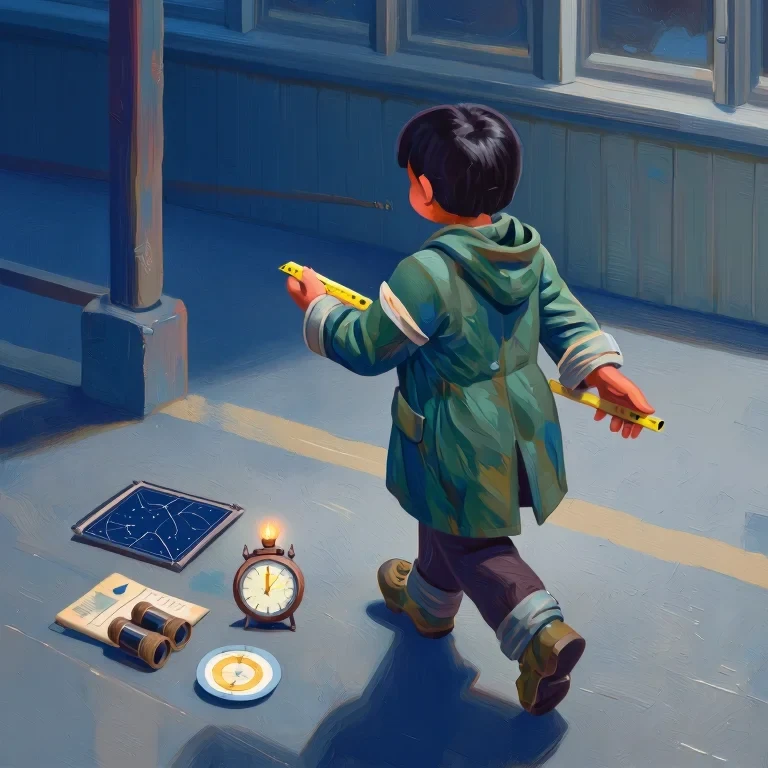
The handle could not say when the Sun was highest. The tip could. The sundial told him which way was south. Every sundial has a noon line, the line the shadow lies along when the Sun is at its highest, and his handle had to stand on it. So he ran a string from the handle out along that line, and stood with his hands behind his back and watched the shadow tip come down the concrete towards it.

The tip lay along the string for less time than it takes to say a number out loud. “Twelve fifteen,” said Mr Raukura from the office window. “By my clock.” “Again tomorrow,” said Mika.
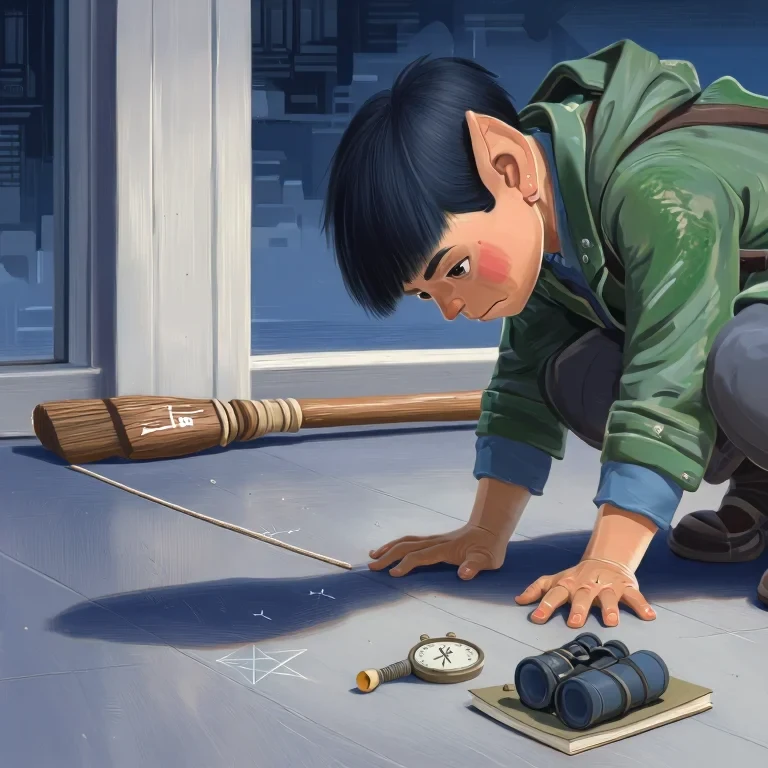
He kept at it for five days. Every day the office clock said a quarter past twelve when the tip lay on the string, except the last, when it said fourteen minutes past. Then he did the sum on the back of the chalk tin. The sundial said twelve when the Sun was highest, and Dunedin sits a long way west of the line the clock pretends to sit on, so the Sun crosses the south at about twenty-five minutes to one.
The office clock said a quarter past twelve at that moment. The office clock was twenty-two minutes slow. Mr Raukura had to say that out loud in the staffroom, which took him a while. So they moved the lunch bell to the sundial's noon. Lunch was at twelve thirty-seven, and the last lesson finished at ten past four. The bus home comes at ten to four.
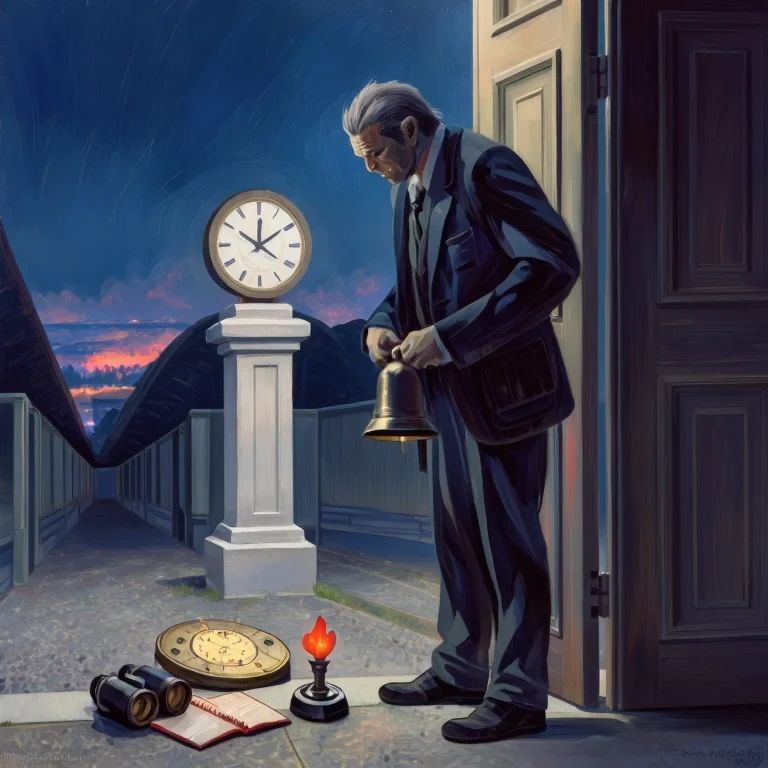
On the Friday after that, thirty-one children stood on the gravel with their bags, waiting for a bus that had gone. Mika's mother stood with them. On the Tuesday the headmistress had the office clock set from the time signal, and the bell went back to noon, and the sundial went on being right at a time nobody in the building agreed with. Mika's chalk line is still on the concrete. It is a band and not a line.

Inside the band there is one number: twelve fifteen by the office clock. Twenty-two minutes slow. The truth is twenty-two minutes slow. It might have been twenty-two and a half. Nobody is ever going to find out which.