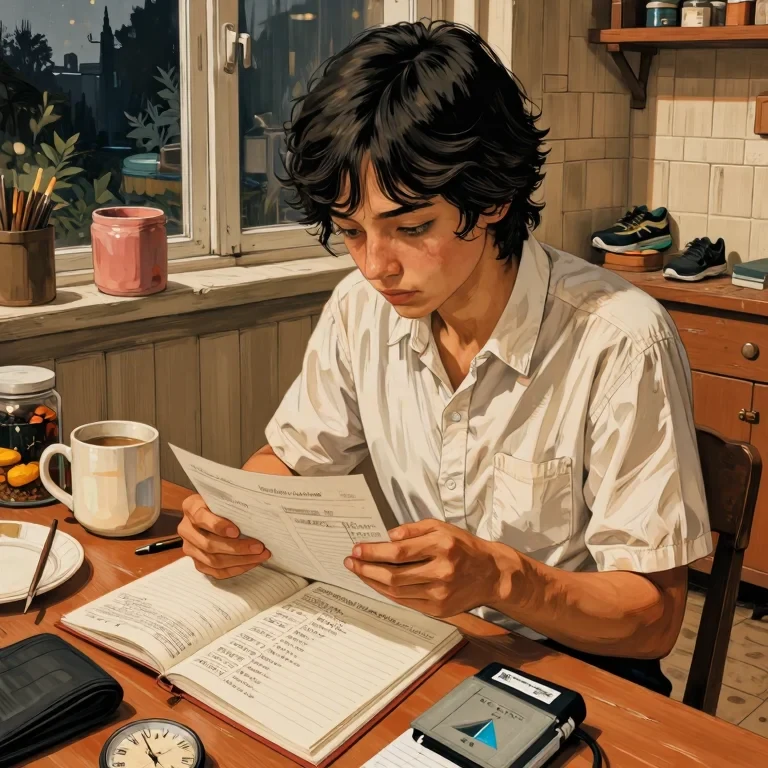
Hemi McLeod came up Summit Road at three minutes and ten seconds a kilometre, which is a 3:10 pace, which is the fastest he has ever run anything, and he got to a point past the hairpin and short of the tussocks where his legs stopped taking orders and his mouth opened by itself and the road went uphill without him. It is three kilometres from the bottom car park to the top of the Port Hills. The top is five hundred and fifteen metres above it, and the road does one in twelve the whole way, which is eight per cent, and eight per cent for three kilometres is not a walk and it is not a run. It is a job.
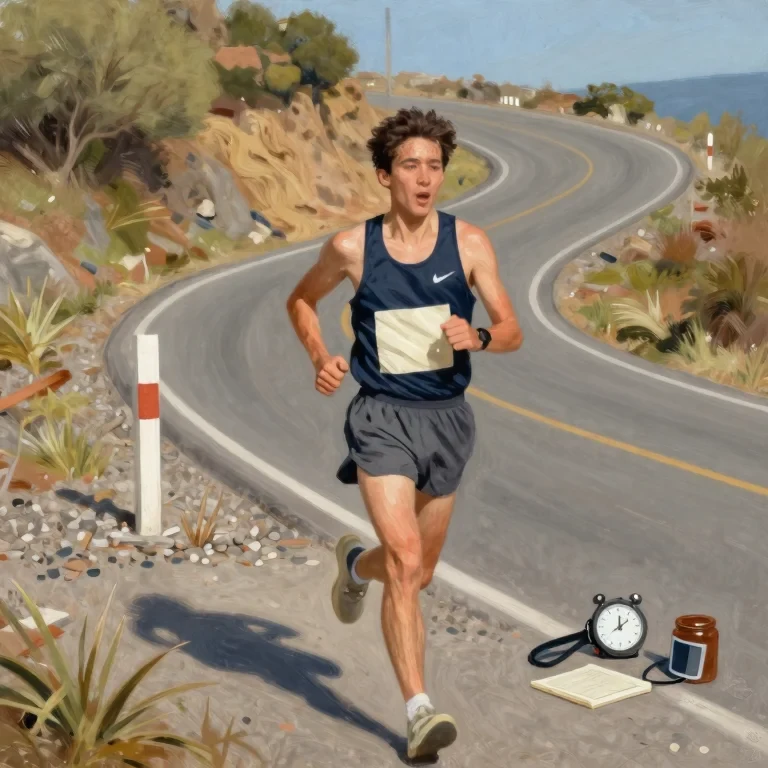
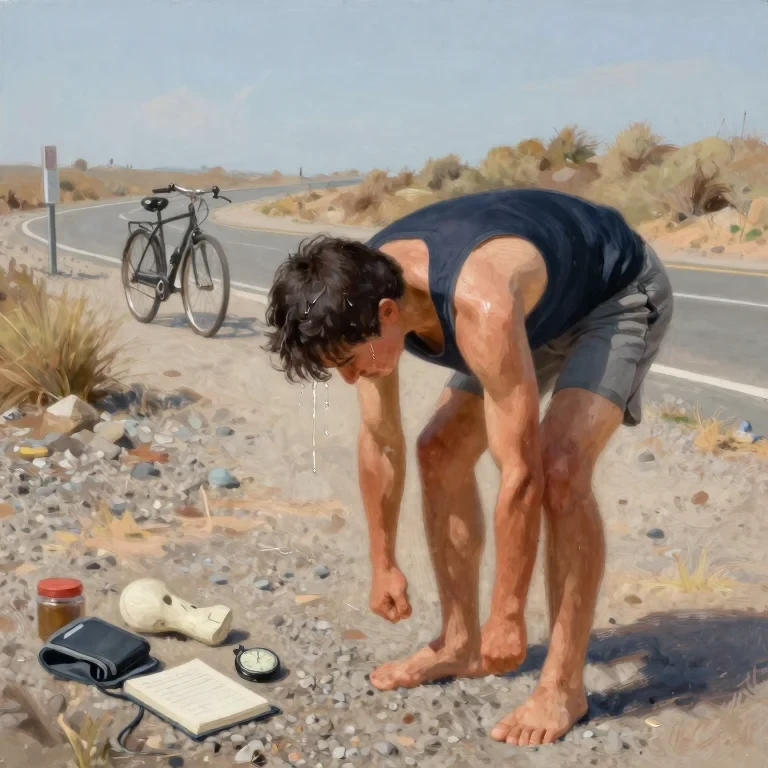
He got a kilometre and a bit. He put both hands on his knees and the sweat ran off his chin onto the gravel and the gravel drank it. He counted his own breaths because there was nothing else to do with his mind. Thirty-four a minute. He tried to say the sentence he had been saying for four hundred metres, which was, this is the hill, I am on the hill, and what came out was a noise with a vowel in it and no consonants at all. The bike was sitting against the marker post at the top where they had left it in the morning, five hundred metres above him and completely out of reach.
The deal had been made at breakfast and neither of them admitted to it. First one to the top. The loser takes the bikes down and does the washing up. The winner gets the front seat and gets to say one thing. Tama was sixteen and his number was three thirty-eight, and he ran the way the coach said he ran, which was that he did not appear to be running at all until it was over. Hemi had one number of his own. Three ten a kilometre, set on the flat at Halswell in March over five kilometres, and he had been trying to make the hill do that ever since.

The tibia had been the reason for a whole winter of nothing, and the reason for the tibia was the hill.
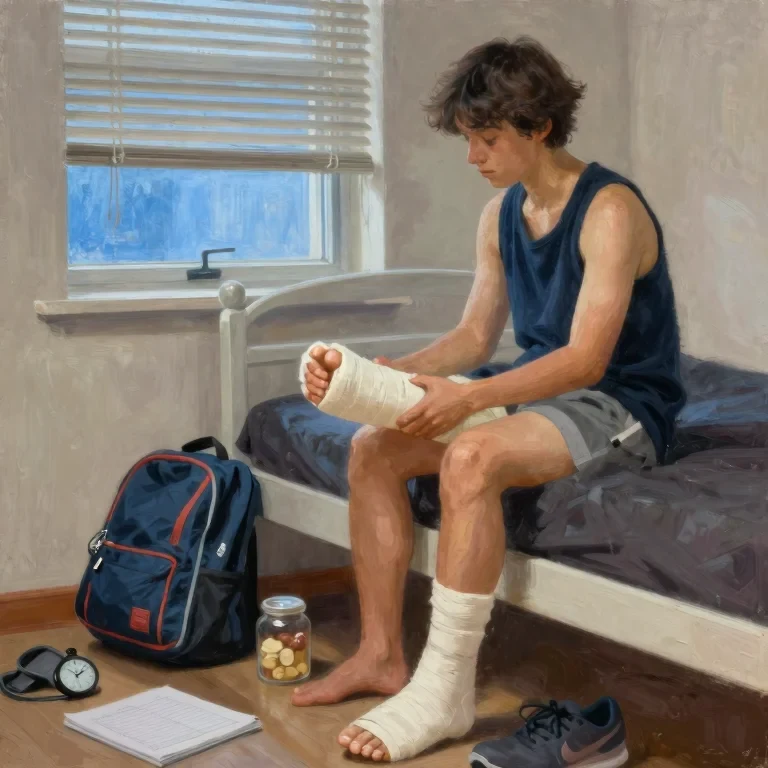
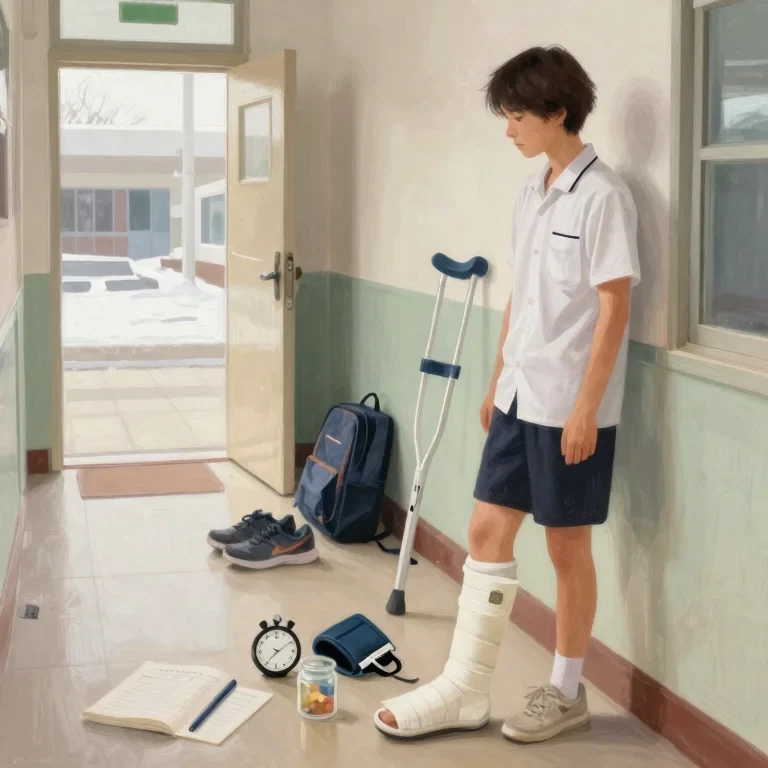
He had run the top of this road four times in August when he was twelve, hard, in a fortnight, and the fifth time he came down the bank on the inside of the road and it went, not a snap but a dull complaint that arrived four steps later. He told the practice nurse it was his shins and she told him it was not his shins. The first X-ray was clear. The second one at six weeks found a hairline crack low down on the inner edge of the shin bone, and by then he had been running on it for six weeks. He was out for ten weeks and missed the first round of the school series in a cast with a sticker on it. He did not blame the hill. He blamed the four hard runs in a fortnight, because a muscle adapts in a fortnight and a bone takes months, and the bone is the one carrying you up the bank.
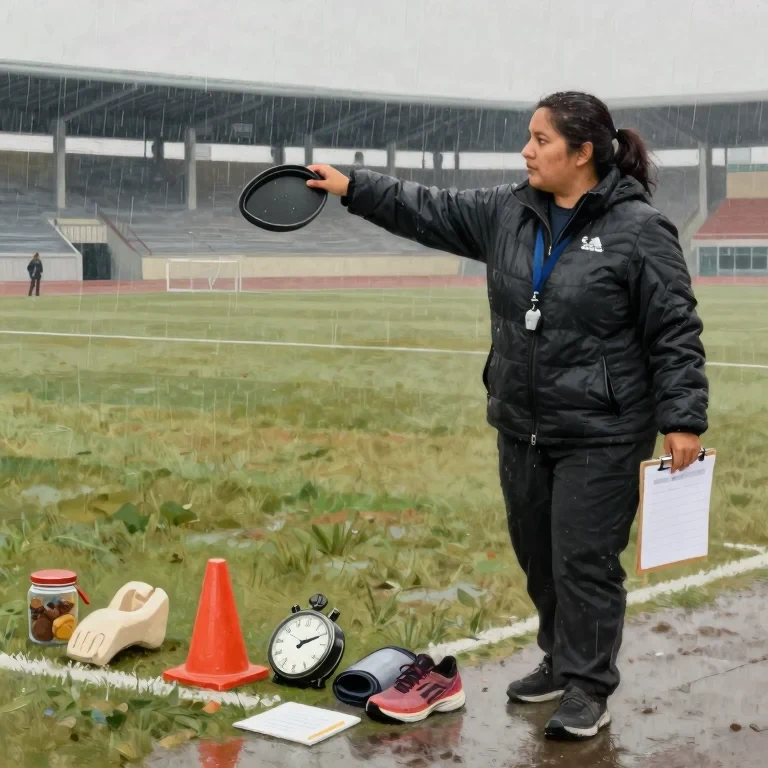
Coach Ria Tahiwi had run the twenty minutes on the school field in the rain in June and the whole time she had walked beside him with a clipboard and a bin lid. Twelve kilometres in fifty-nine minutes, and he had walked the last one and a half. The number that came out of the rain was four fifty-five a kilometre, and that was his whole season, and it was three-quarters of the way between standing still and a race. She did not tell him the twenty minutes was a test. She told him what to do with the number.
Your threshold is a minute a kilometre faster than that. Three fifty-five. Above three fifty-five you are borrowing, and borrowing is fine for twenty-six minutes and it is not fine for one hour. Below it, you are paying, and you can pay all day. His watch said his maximum heart rate was a hundred and eighty-nine. On the twenty minutes it sat at a hundred and sixty-five. On the flat at three ten it sat at a hundred and eighty-six, the same as his brother, and that is what got him round the flat five in sixteen and a half minutes. The hour comes at about four fifteen a kilometre, she said. Three ten is not the hour. Three ten is a race. You have been trying to make a race into a Sunday.
Then the other half, on the track, pointing at his shins, which is the half he had believed with his whole body until she said it.
Three ten a kilometre is about eight watts for every kilo of you and four fifty-five is about five, and the hill takes the extra three. You do not have any more air in you at eight watts than at five. The blood stays nearly fully loaded with oxygen the whole way, the little clip on your finger would read ninety-six per cent if I put it on you now, and what actually runs out is the sugar. There are about five grams of it in all of your blood, the whole lot, and your legs carry a hundred and fifty grams in a bag you cannot see, and at three ten a kilometre you spend two grams of it every minute.

And here was the part that took his shins off the list of excuses. At race pace you burn nearly all sugar and almost no fat. Slow down and the arithmetic turns over: at four fifty-five the sugar pays about a third and the fat pays the rest. Same hill, same legs, different fuel.
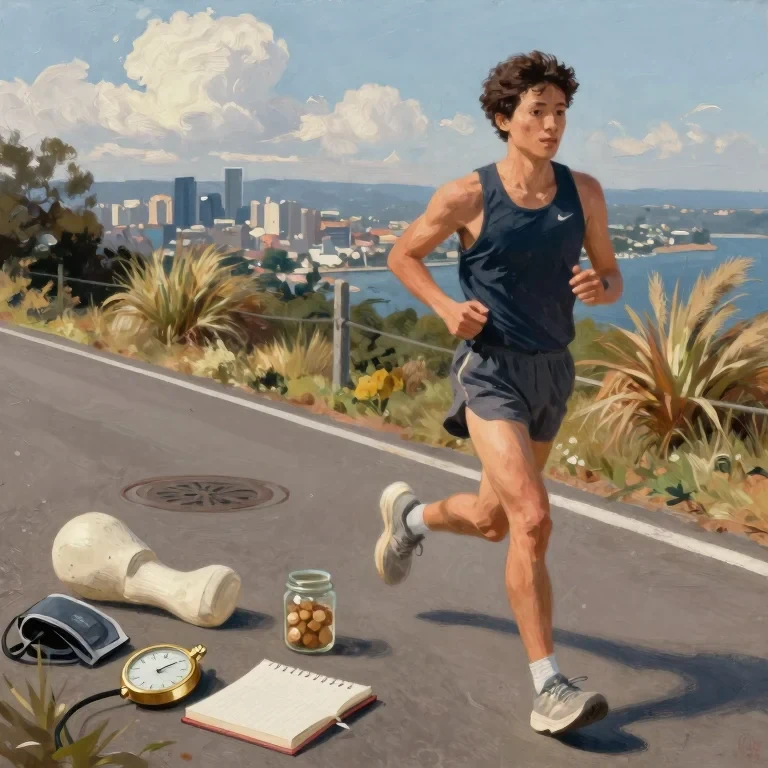
The second wind came on the Tuesday of the second week, at minute nine. He was at four fifty-five, he was uphill, his shirt was through, and at 1.6 kilometres his breathing was thirty a minute and his legs were making their noise. Then between one kilometre and two the breathing dropped to twenty-four, and stayed there, and the noise in the legs stopped, and the hill went back to being a road he was on instead of an event that was happening to him.
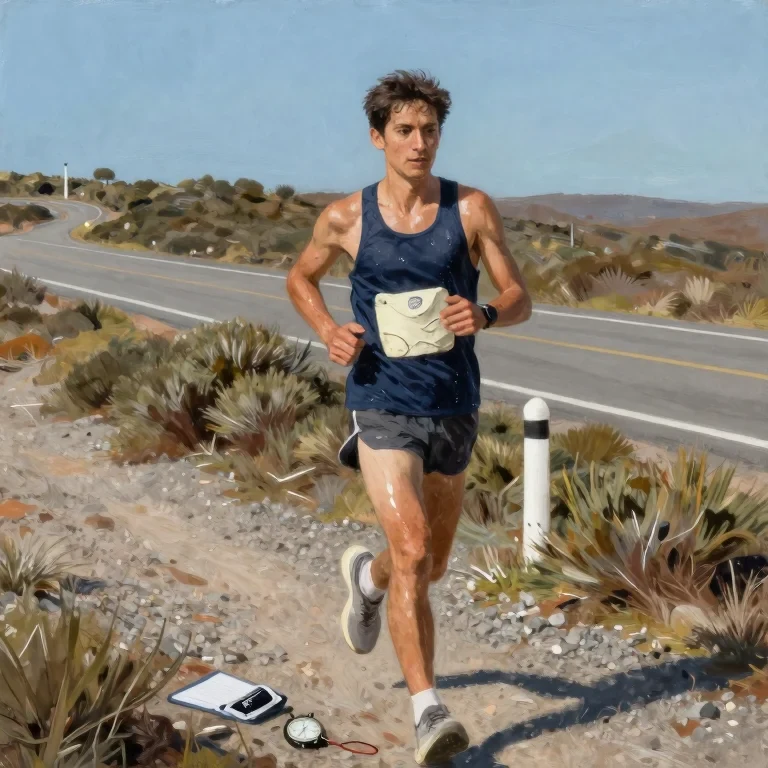
He looked at the watch on the next run. Minute nine, twenty-four breaths, and he had not decided to do anything. That is the whole of it. It is not courage and it is not being fresh. It is blood arriving in the muscles a good deal faster than it had been, and the breathing settling down to match what was left over, and it takes about eight to twelve minutes and it comes sooner the fitter you are, and at altitude it comes much lower down because the air is thinner and there is less to be had. He wrote it in the notebook as: minute 9, breath 24, legs back. He did not write why. He had been told.

The training was five days, and it was the dullest thing he had ever done, and it cost him more than the leg had. Three of the days were four fifty-five. One was ninety minutes and the long one was the other, and once a week he was allowed three minutes at three thirty. Nine weeks. The times did not move, and for three weeks they did not move at all, which was when Tama said in the kitchen that he was going soft, and Hemi said nothing back, which was the hardest four seconds of his winter.
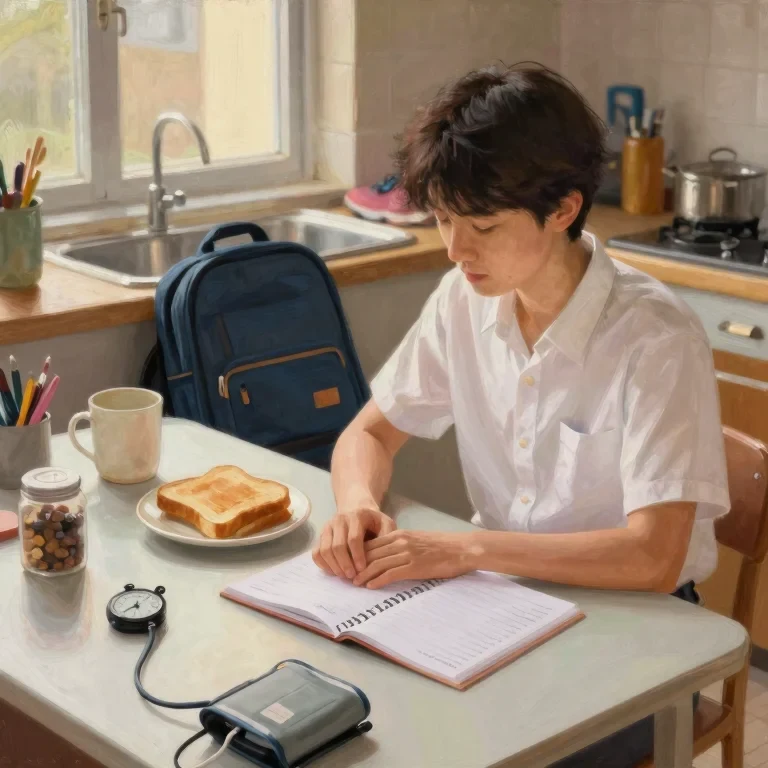
The first round of the series was grass and a flat run through the park, and Hemi ran it at four fifty-five because that is what he had been told, and he was beaten at the line by a boy who had beaten him by nothing in March. Forty-first of fifty-two. Tama was thirty-first, three seconds behind the winner, which for sixteen is not bad and for a brother is a punishment.
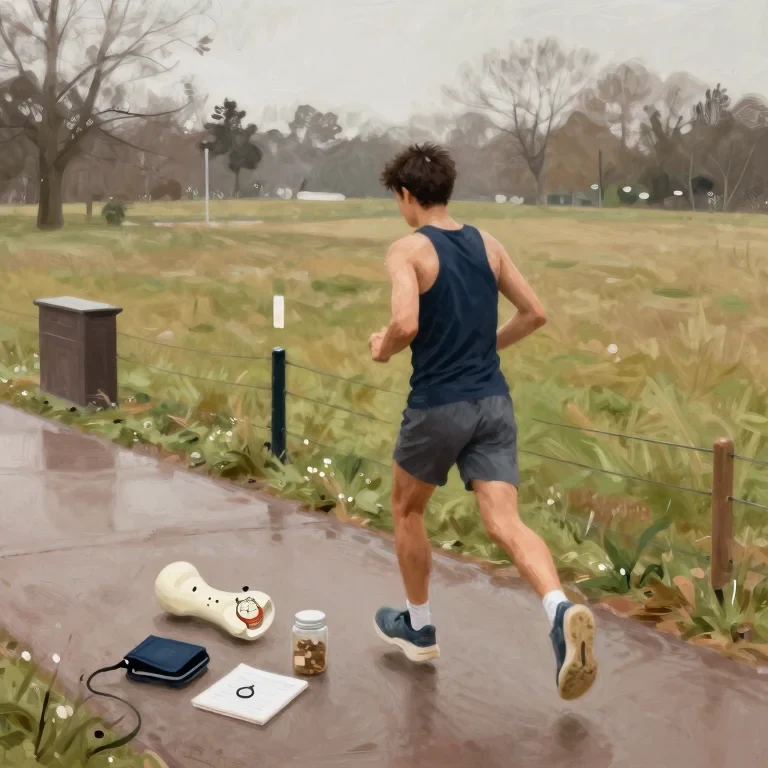
The series moved to the hill for round three, three kilometres on the road, up the Summit and back down, and forty-one of them turned up on a Tuesday afternoon in August with the wind coming over the tops from the west. Hemi had a plan that was four numbers. Four forty for the first kilometre, which was not as fast as he wanted and was the most he could hold. Four thirty after that. And whatever happened on the way up, do not pass anybody on the way up.
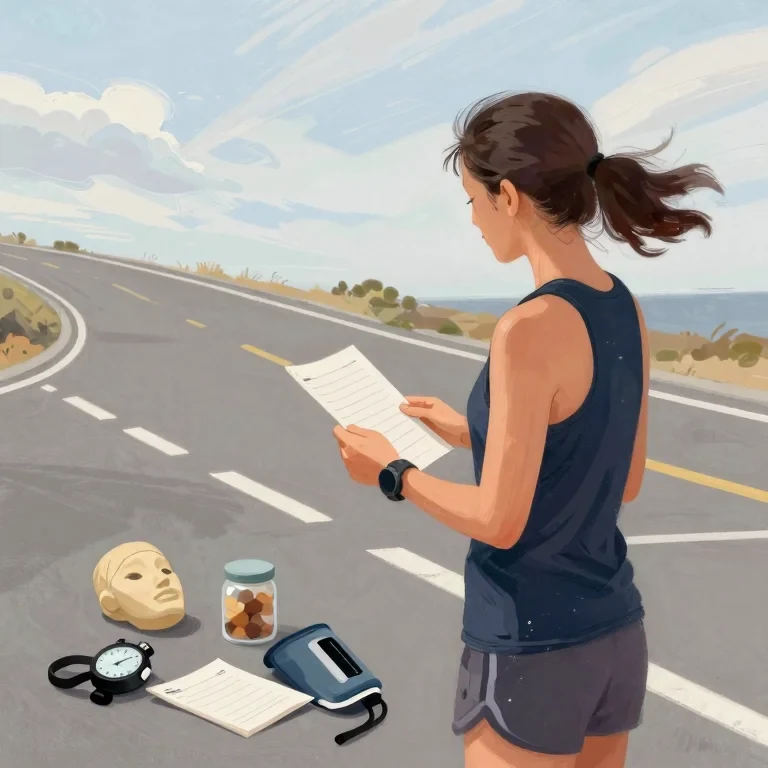
The start took him out at three fifty-five, which is what four hundred of race pace feels like, and by the hairpin he was back to four thirty, three seconds a kilometre down on his own plan, and he knew it before the tussocks.
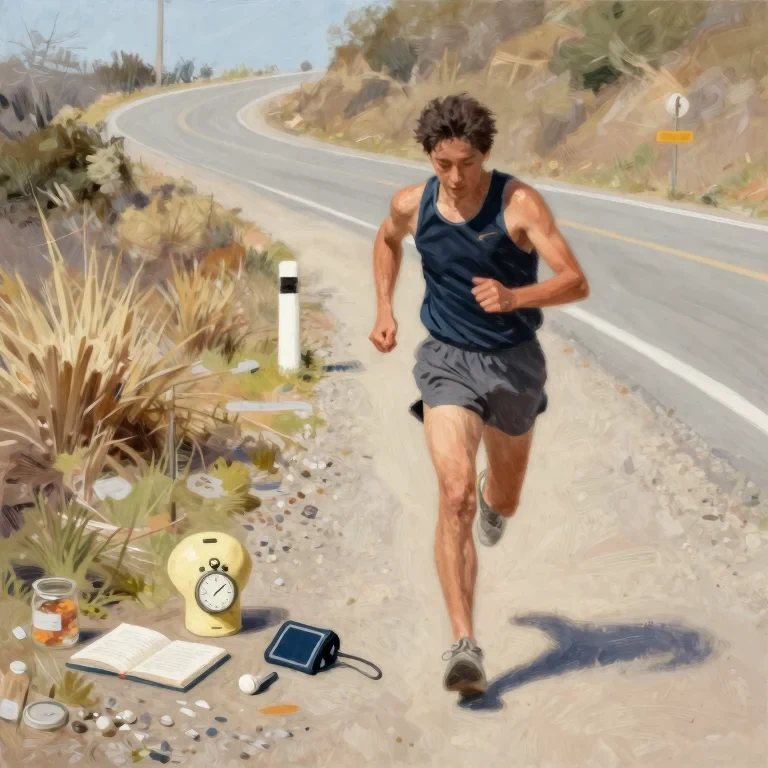
At 1.6 kilometres the second wind came and it was as ordinary as a bus. The legs had been complaining since the hairpin and then they stopped. He looked at the watch without breaking stride and it said a hundred and seventy-two, and he made the top on the plan and not four seconds off it, with the city sitting in the sun under him and the snow still on the far peaks, feeling nothing at all in his legs and everything at once in his chest. The way down was the same road and it was nothing. He came down at a pace he could have held all day, which is the sentence runners are not supposed to write.

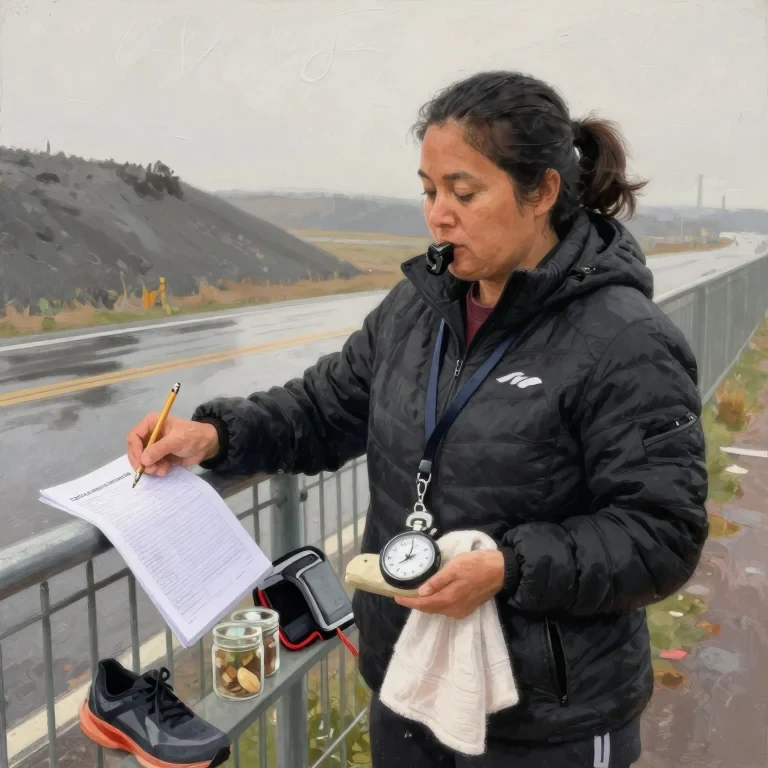
Thirteen minutes and fifty-two seconds for the three kilometres, and Coach Ria Tahiwi turned the book round so he could read it. Four thirty-seven a kilometre, up eight per cent for half of it, in a west wind. That is a long way off your brother's time and that is not the interesting number. Your brother has been doing forty kilometres a week for three years. You have been doing eighteen for nine weeks.
Tama came past at the bottom while Hemi was pulling his shirt on and said, “How was it,” and Hemi said, “Thirteen fifty-two,” and his brother said, “That is slow,” which was true, and Hemi said, “It is a hundred and two seconds slower than my best kilometre and I still had a voice at the top.” His brother thought about that for a second and then said, “Get on the bike,” which was fair.
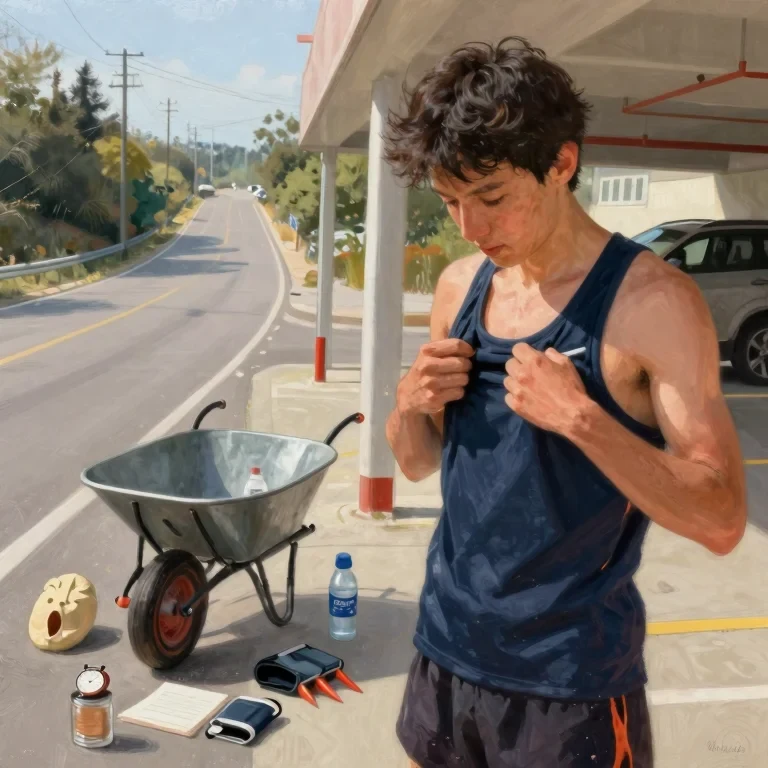
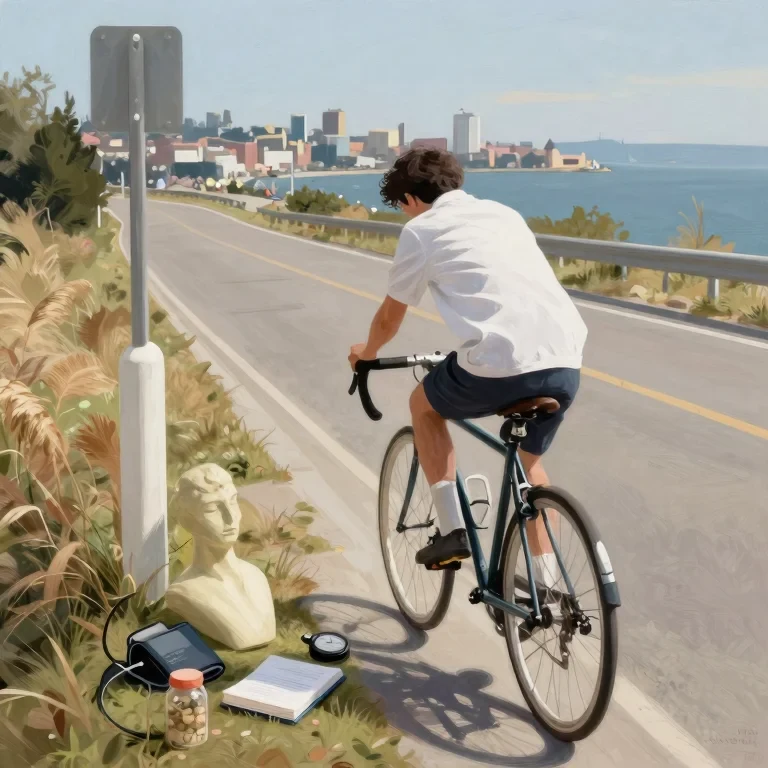
The bike was still against the marker post. He got on it and came down the three kilometres in four and a half minutes, which is the fastest he has ever covered that road and the cheapest thing he has ever done on it, and the four and a half minutes were the only part of the day nobody had to pay for.
The book at home is his own. He writes the date, the distance, the time, the pace, and then, in the last column, which he drew himself, best. In the best column there is 3:10, set in March on a flat road at Halswell with no wind, when he was thirteen and did not know yet what it was going to cost to be the kind of boy who has one fast kilometre and no hour. Underneath it, in the same column, there is 4:37. The coach said 3:10 is a real number about a different day, and that if he wrote it twice he would stop being able to tell which one he was.
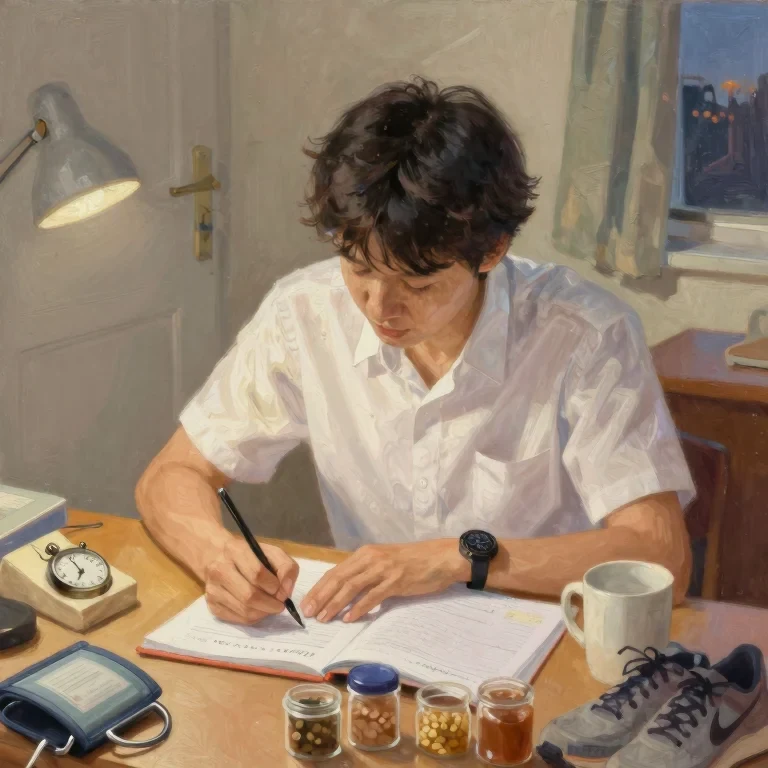
He did not cross either of them out. The book has one column and two numbers in it, and the number he is walking away with is 4:37, and it is the slowest thing on the page, and it is the one that came off a hill.