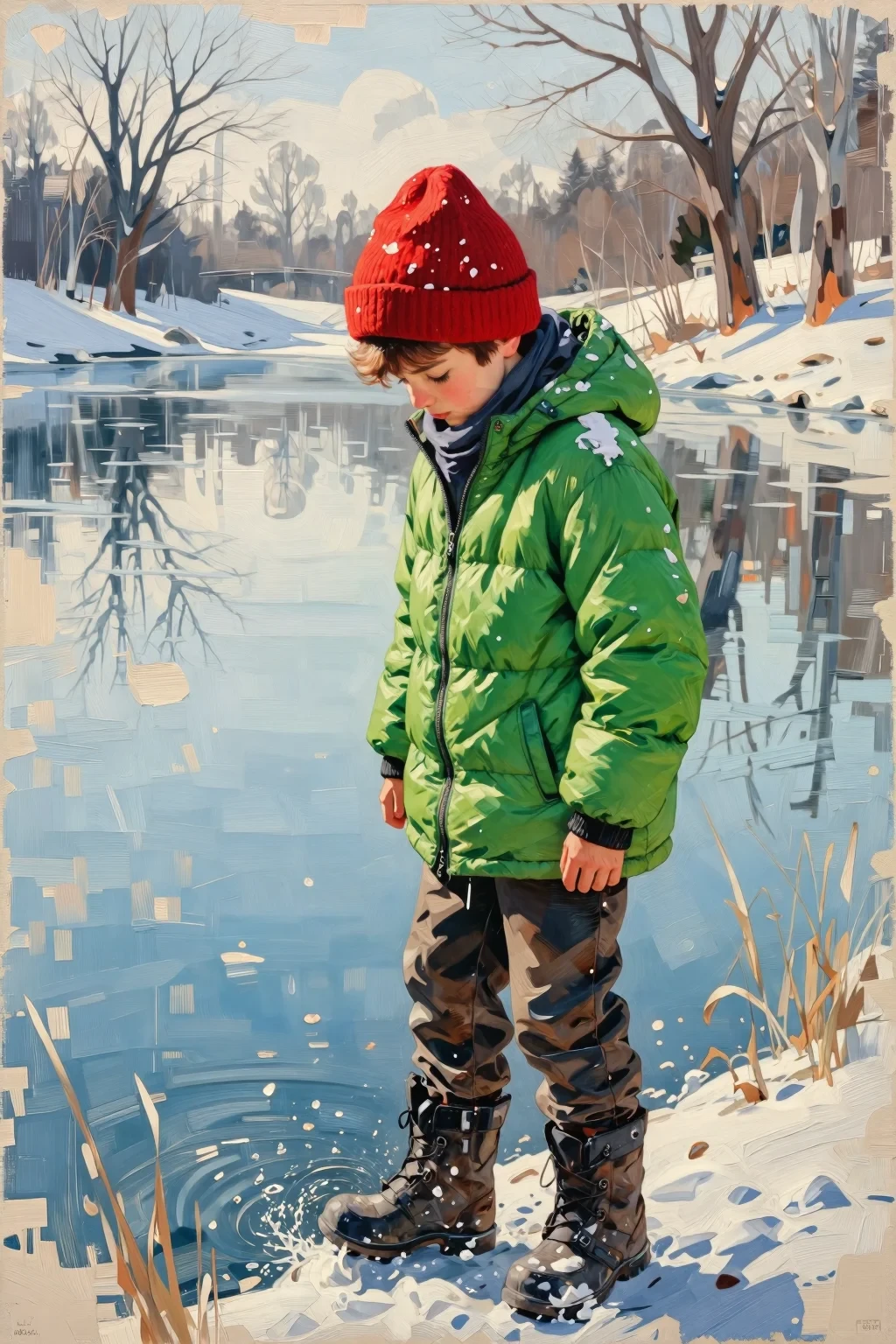
Lasse was seventeen and he was neither one thing nor the other, and he had got to seventeen without once being spoken about at a funeral. His father had been a cobbler before him, in the sense that a man went to the next house and came back with another man's boots. The shop had gone to a man called Pehr, who was sixty and very good. Pehr had made one pair of galoshes that winter out of wood the thickness of a hat brim. They were ugly and not for sale, and they were for Lasse, who had to go out in the cold four times a day and did not want to. “Try them,” said Pehr.

Lasse tried them. They were heavy and warm and smelled of linseed oil and old wood. “Rule,” said Pehr. “They will take you where you most want to be. And they do the walking and they keep it. Every step they save you, they hold, and they hand it back when they please. They come off your feet the day you can do without them, and not a day before.” “That is not a rule,” said Lasse. “That is a way of not giving a rule.” “It is a rule,” said Pehr, and went inside and shut the door, which he did twice a day for eleven years and which was the whole of his manner.
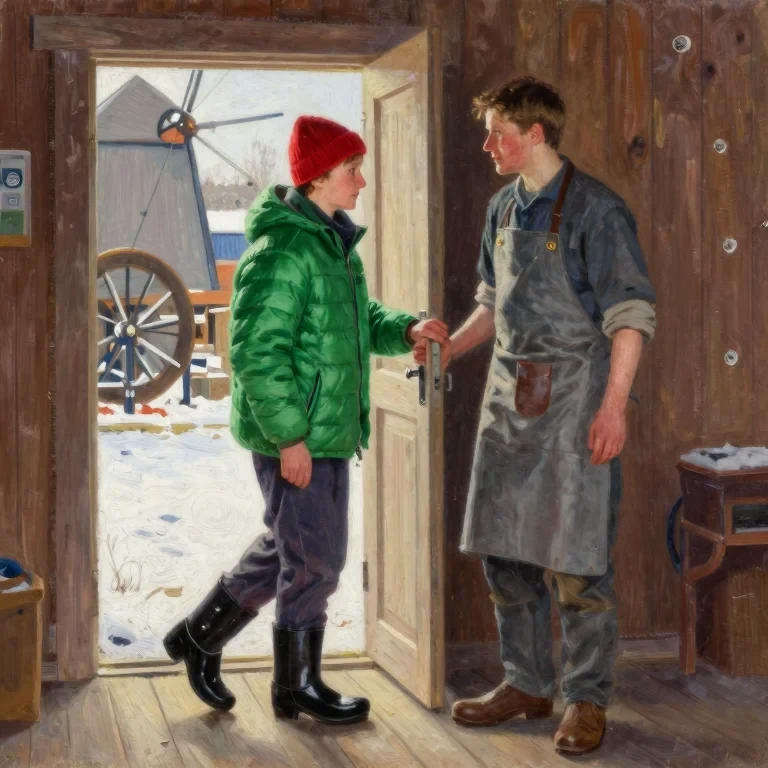
The first time was a small thing, and it was the way into the large ones. Lasse was meant to be at the smithy at eight to hold the anvil while Old Nedo set a heel. It was a quarter past nine before he got there, and he had not overslept. He had been standing in his own yard at ten past, deciding. The reason he had decided was that his aunt was in the smithy, and had been since seven, waiting to talk to him about the strip of land behind the byre, a conversation that had been coming for two years.
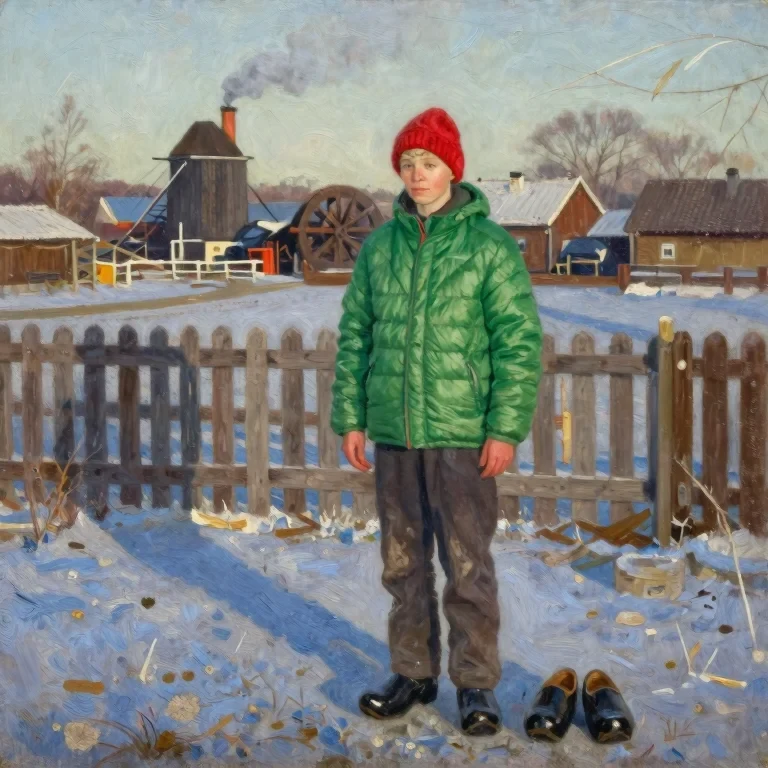
In the galoshes, at twenty past eight, he was on the far side of the millrace with his hands in his pockets, and the conversation was not going to happen that day, or the day after, or that week.
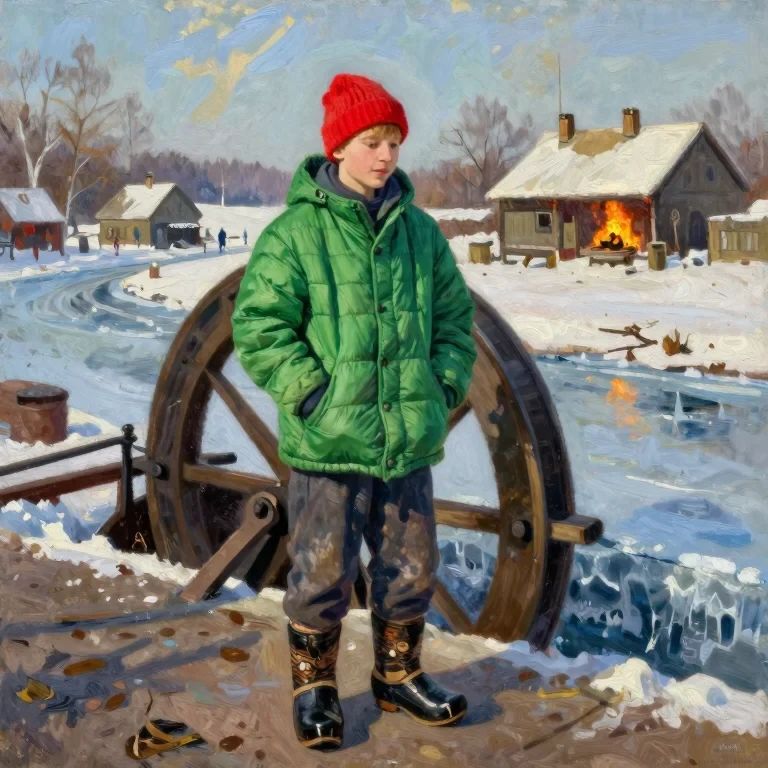
After that the galoshes were simply in the room with him, and the trouble was that they always knew. The second time was the schoolroom. There was a fire in the schoolroom and no fire in the porch, and the two hundred yards between were the difference between a warm room where somebody was talking and a cold passage with four boys in it. You put them on, you thought where you wanted to be, and the floor came up sooner than the floor usually does. The third time was rain, on a Sunday, on the lane outside his aunt's house, where he had been standing a quarter of an hour deciding not to go in. The galoshes took him home in eleven seconds and dry.

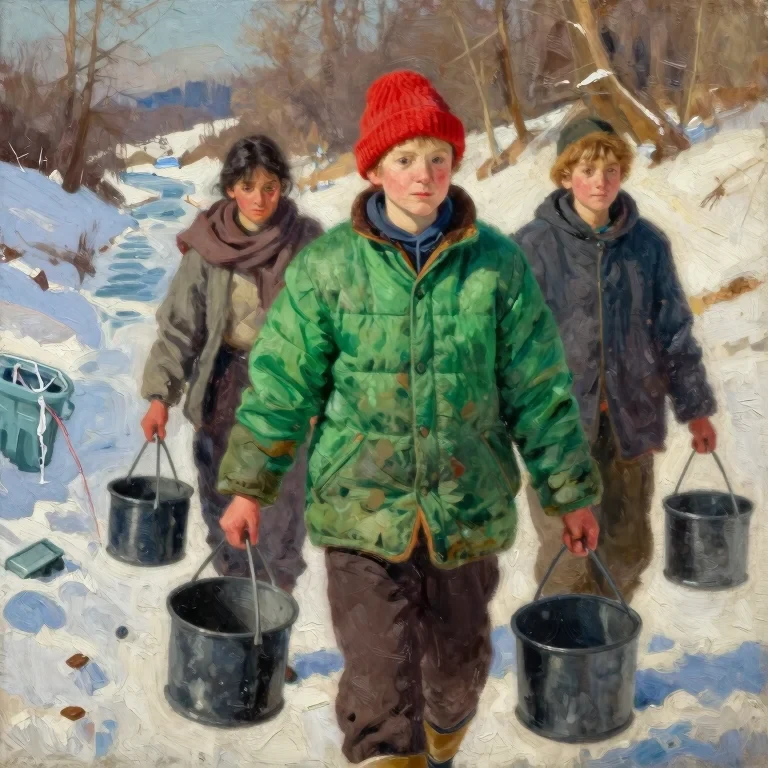
The fourth time was the water. In the cold snap the low end of the valley froze wrong and the water had to be carried, two miles down and two miles back with a yoke and two pails. Lasse did it in galoshes, four times, in twenty minutes. He said, when his sister asked how he had got the water in so fast, that he had run down, and she laughed, because it was the sort of thing you say.
The fifth time was a Thursday with a stone in his boot, and the sixth was a Sunday when the parish was in church and he was in the workshop with the door shut. The seventh was a wedding: he had gone out in his coat and stood by the door, and the galoshes put him back at the table in the middle of it, and the old woman beside him said, “Well, you have come back,” and he said, “Yes,” and she went on. He did not feel any of that. There was no moment in any of the seven, and none in the two hundred after them, when anything took hold of him and said, “That was a mile, and you have not walked it.”
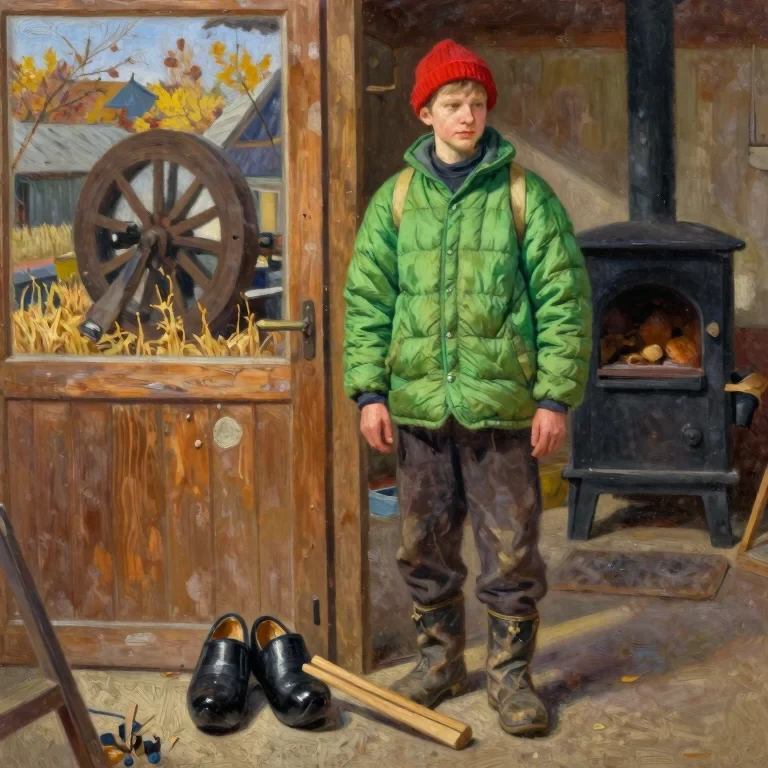
What he noticed instead was that he was not tired. He cut peat that summer and he could cut peat all day. He was the quickest of the four boys in the shop and never sat down on the anvil to rest, and in the same twelve months he had not walked nine miles in one go. His feet got soft. The soles of his boots went through in February and again in April, and he put alum in his bath for it because somebody's aunt had said to, and it did not occur to him that a boy who cuts peat does not get that. The galoshes stood by the door of the workshop through the autumn, black as a stove, with the two wooden tongues lying across each other.
Then it was the second of the second month, and Marta's boy was christened, and the whole parish was in the church, because Marta's husband was Timo and the boy was the first of his name. It was a hard frost, and the church was full to the door, and there was the smell in there that there is in a cold church with forty people in their good coats, which is wax and wet wool.
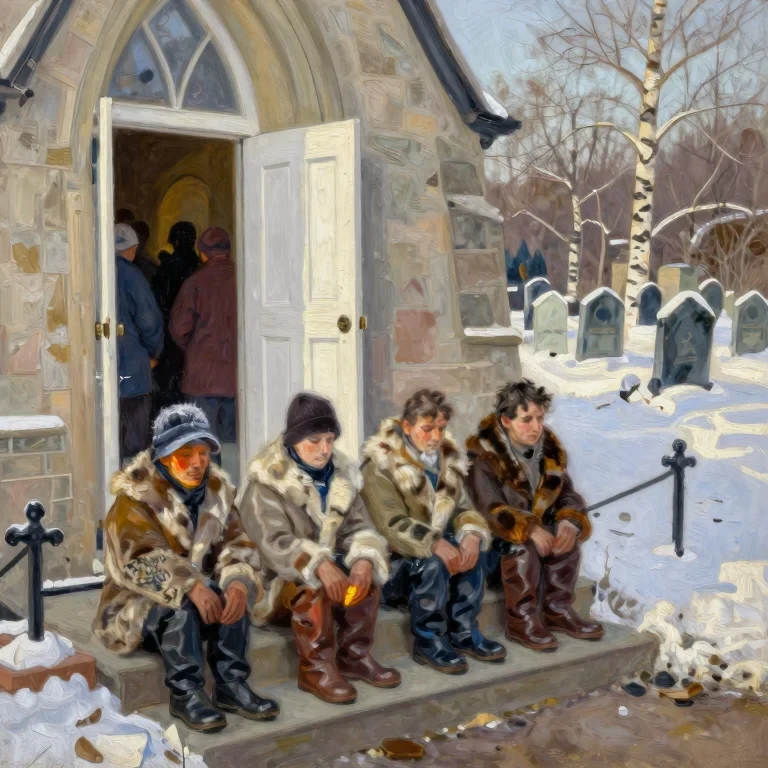
Lasse came in last, which was a thing to be done at a christening, and stood at the end of his own row. The four people before him moved along. The font had a brass rail round it and a step up to it, and the parson's man had said, “The uncle. Will you take him up?” Lasse put his hand on the rail and took a step, and the step did not happen.
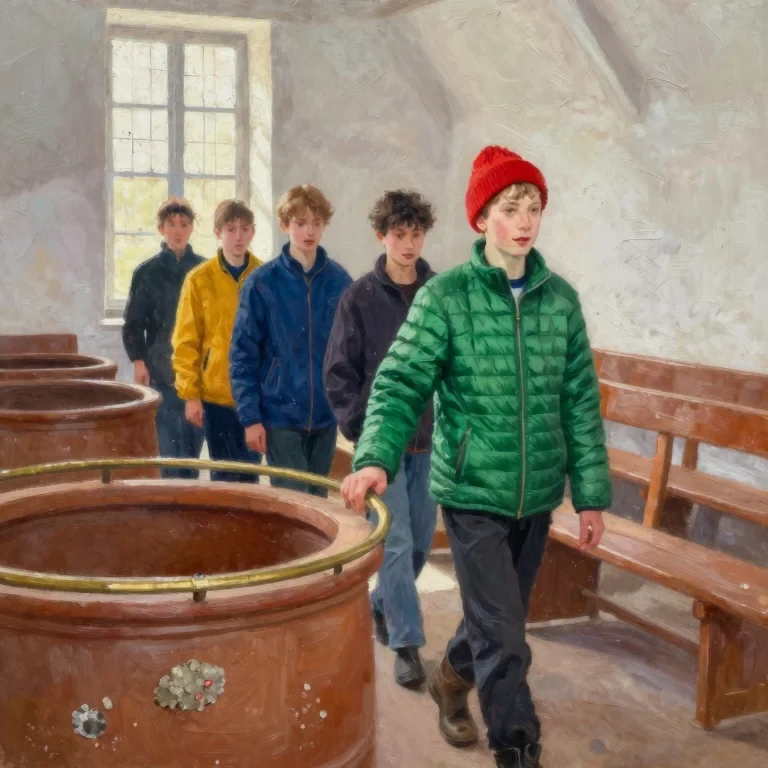
Nothing came up. He went his forward foot forward and the wooden sole sat on the flag and stayed, the way a boot sits on ice, and he rocked once and went down onto both knees on the stone with a noise that everybody heard, and somebody at the back laughed before they had decided to. It was not the pain. His knees were nothing. It was that the floor of the church would not come up to him, and that it was eleven in the morning, and that the whole parish was in the room.
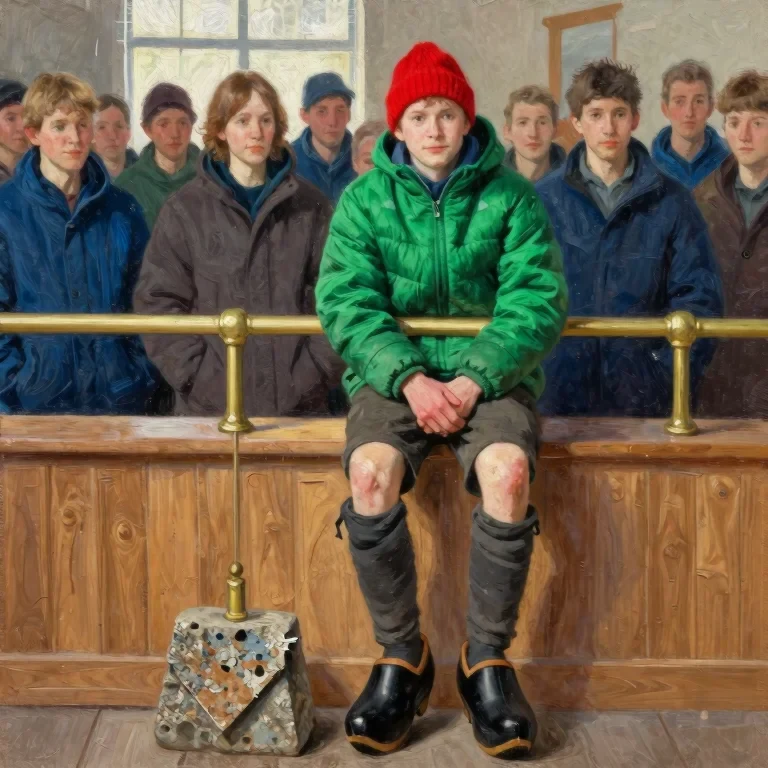
He got up on the rail in the end, with Marta on one side and a stranger on the other, and he did the thing he had been asked to do, holding the child against his chest, and he did it well enough that nobody said anything about it afterwards. At the door, in the light, a boy of eleven asked him why he had fallen over. “Because the floor was in the wrong place,” said Lasse.
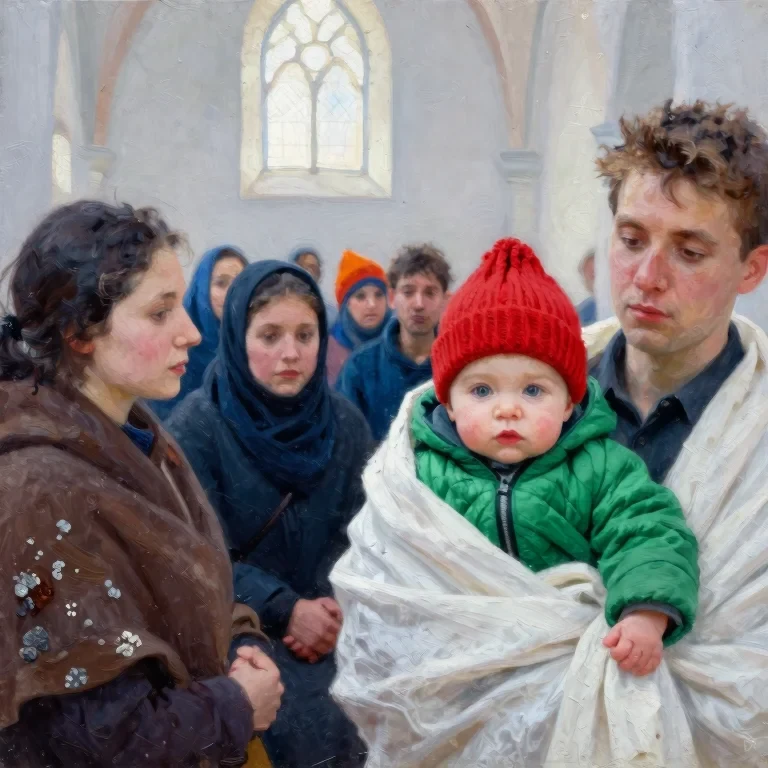
He went to Pehr's on the Monday and put them on the bench. “Take them off,” he said. “I have walked enough for you.” Pehr looked at the galoshes, and then at him, and did not touch them. “There is one way they come off,” he said. “Walking. That is how the payment is made and there is no other payment.” “You are the only one who can count it,” said Pehr, “and you have not been counting. Go out and walk. Not out of the village. Walk until they come off, and then walk the rest of the way home in your own boots like a Christian, and do not come in here to show me.”
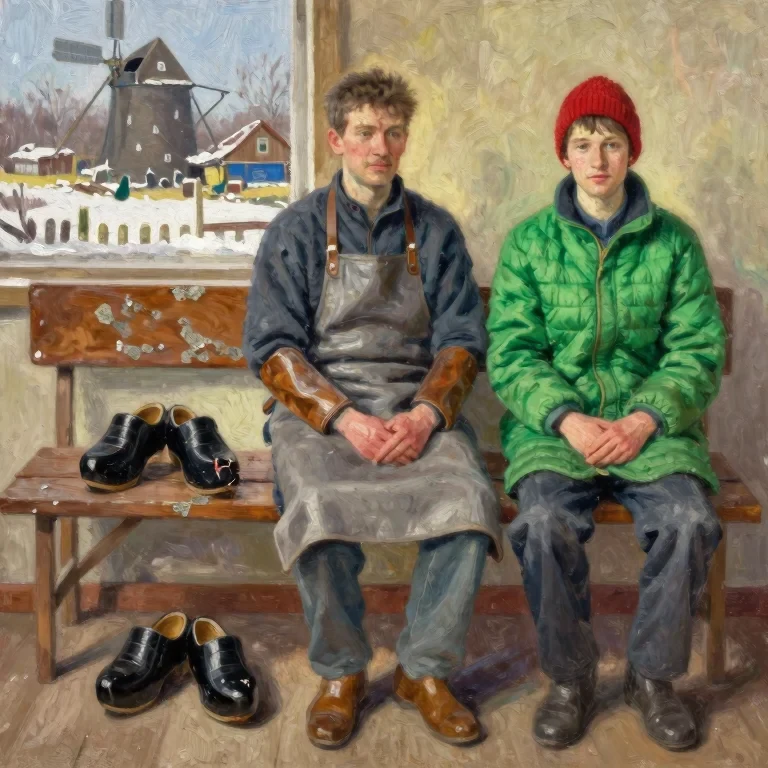
It took nineteen days. Nobody in the parish believed the figure when he said it, and it was proved twice before he had finished: on the ninth day the left wooden tongue came loose, and on the sixteenth the right one, and on the nineteenth the pair came off his feet in a gateway four miles short of home, where he left them lying in the grass and walked the last four miles in his own boots with a blister on each heel.
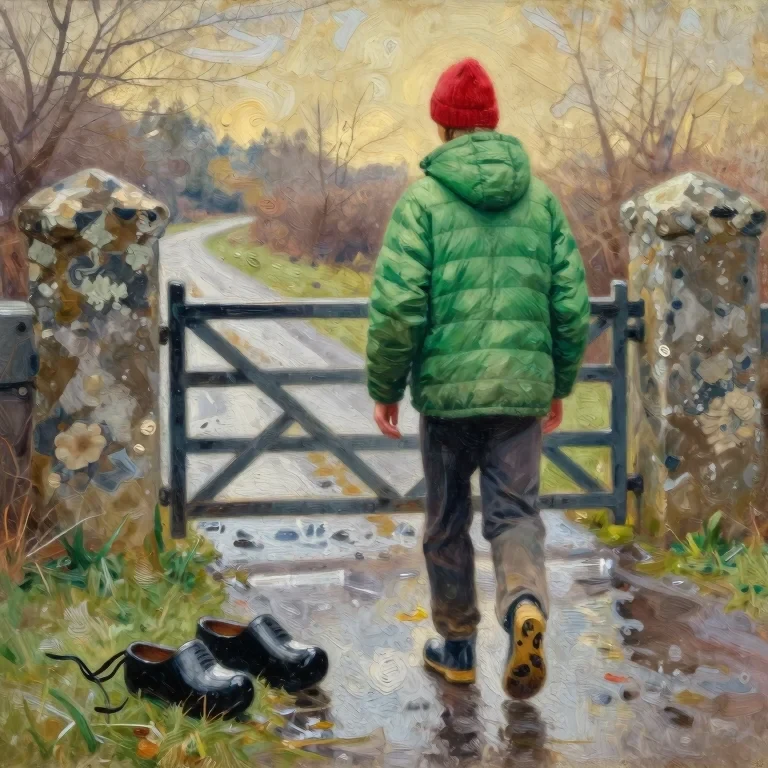
Nineteen days was not a year. But it was the year. He had put it down in the summer in about two hundred pieces that had not hurt him, one to the smithy at twenty past eight, one to the warm room, four to the water, and many more he had never thought of again. And he walked it out at four miles a day, in the ice, like a man paying a bill agreed to in the spring.
In the summer he went to the smithy at eight, and he was in the room when his aunt came, and it was not so bad. The galoshes were not bought again. They lay in Pehr's loft under the horse collars for eleven years and then they were gone, and there is a photograph of them on the shop wall. Pehr's last words to anybody about them are in a shopman's book in the parish record, and a man wrote them down on the day he heard them.
“A man comes in here and wants the ground made easy. That is all any of it ever was. Every want is a loan, and the interest does not come round in the summer when the ground is soft. It comes round in the ice, at the door of a church, in front of everybody, on the worst day you could have picked.”