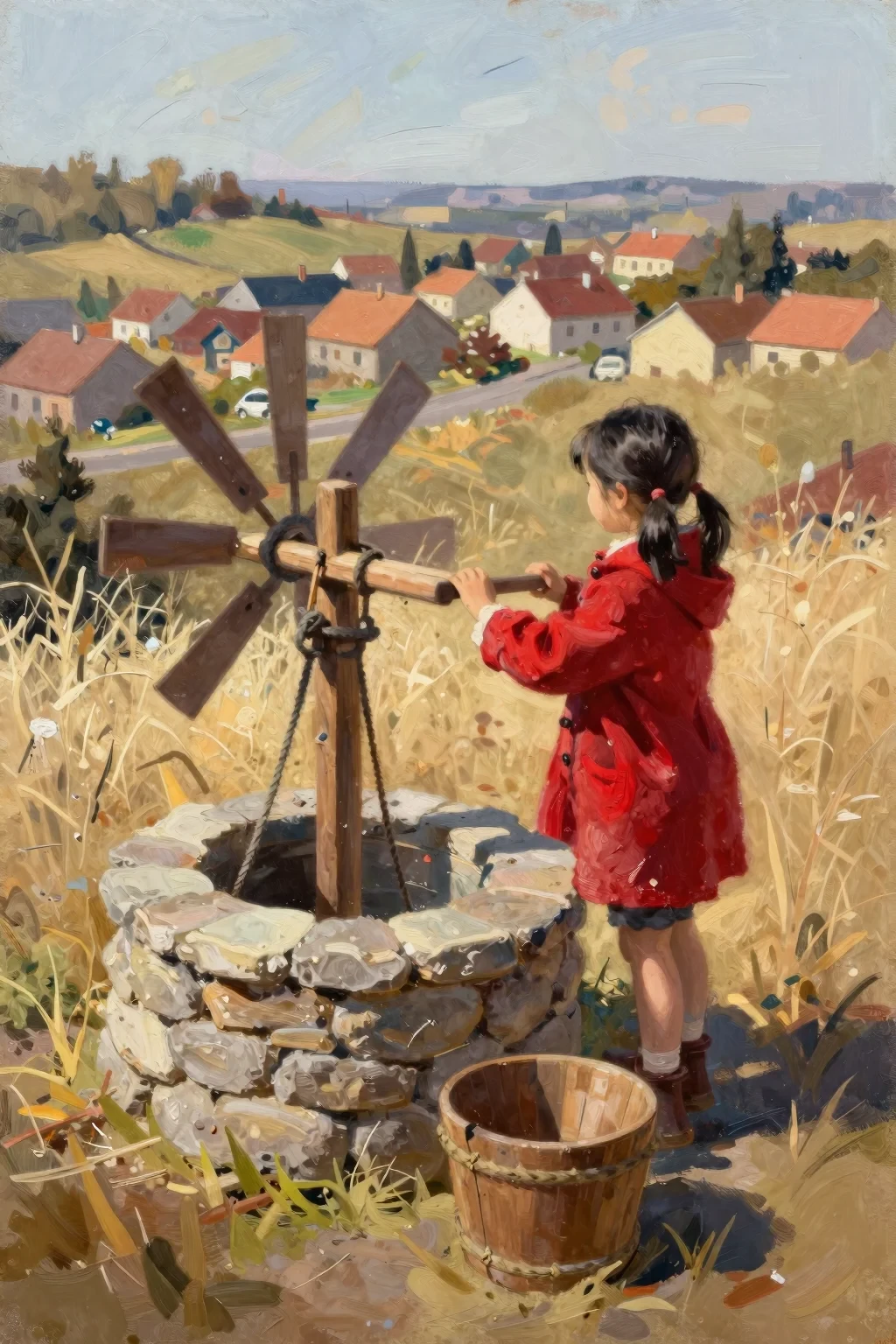
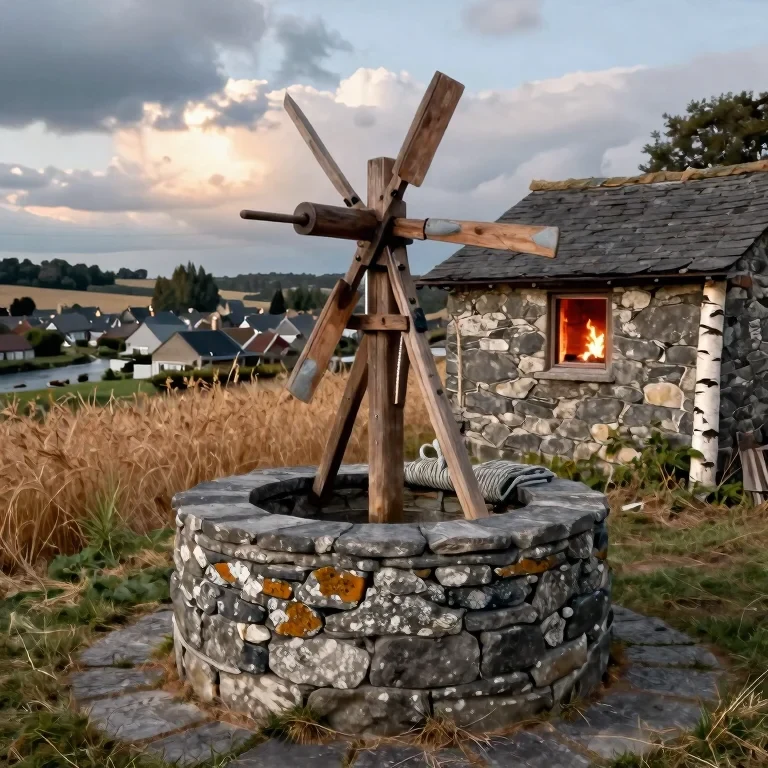
There is a stone well on the hill above the village, with a roof of birch bark over it and a wooden windlass underneath. The handle of the windlass is worn shiny in two places. The well gives one cup of water to a person, and only to a person who asks a real question. A real question is one you do not already know the answer to.
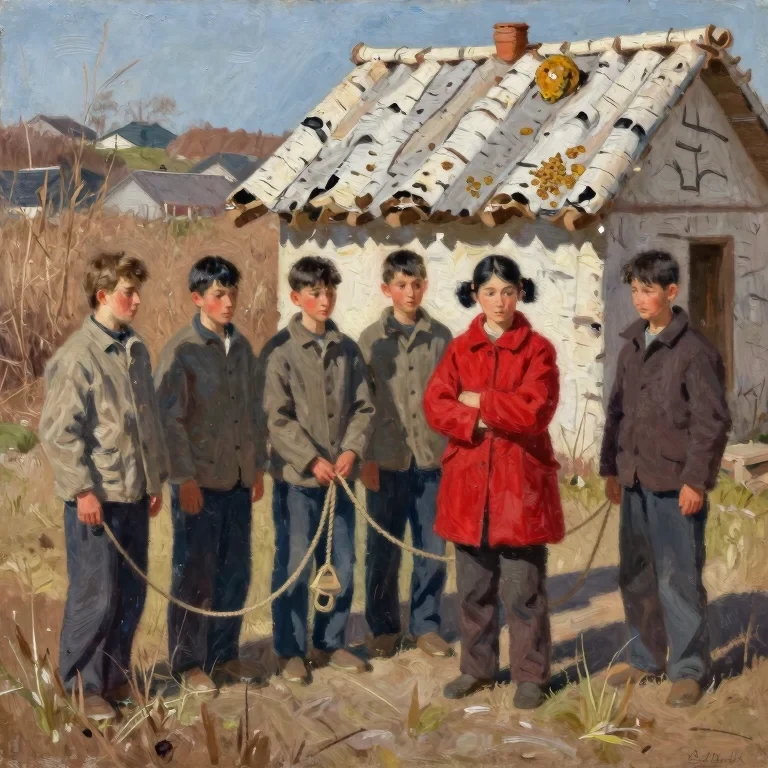
An order gets nothing. Begging gets nothing. Praying gets nothing, though old Hallvar prayed there every morning of a winter with no water in it. Dry means dry. Inga was eight, and she could tell you how to do most things before you had finished asking. In the mornings she said, “Bett, that wood is wet, put it on the far side of the hearth.” At the well she told a boy three years older that he was pulling too fast. Nobody said thank you. She waited to be thanked.
The Flats are two fields of thin grass between the hill and the river, and in August there is no water on them at all. The rope burned her hands. By noon the inside of her mouth was stuck shut, and she was too proud to go home for a jug. She took the handle and did not ask. “Give me water,” she said. The bucket came up dry. “You have to beg,” said a voice on the road. That was her brother Rolf, and he was five.
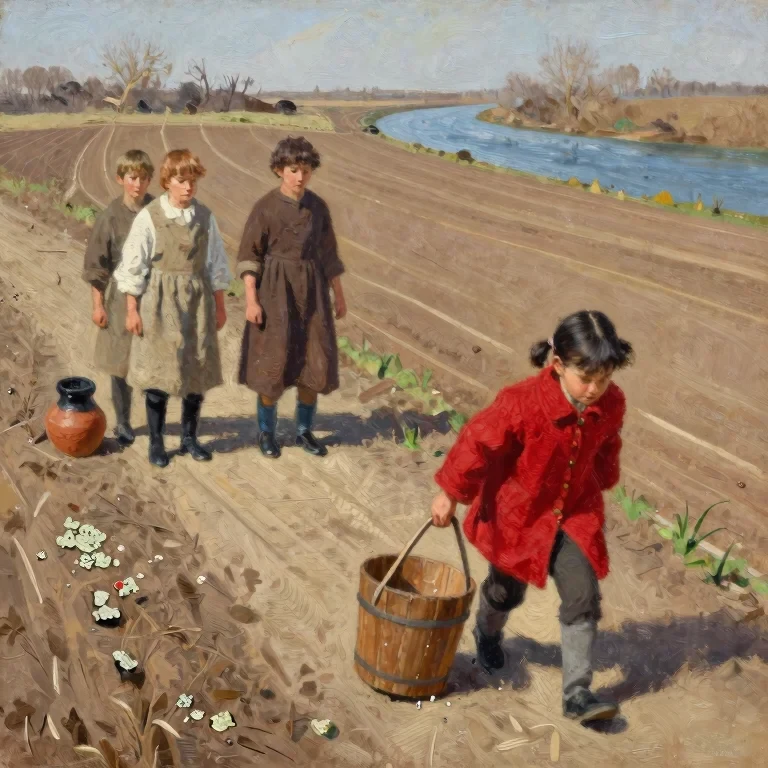
“I am not going to beg a well.” “You have to ask a question,” said Rolf. “Bett says a question. You have to ask it so you do not know the answer.” Inga turned the handle again. The rope went hard and easy and came up dry, with a brown spider web across the bottom of it.
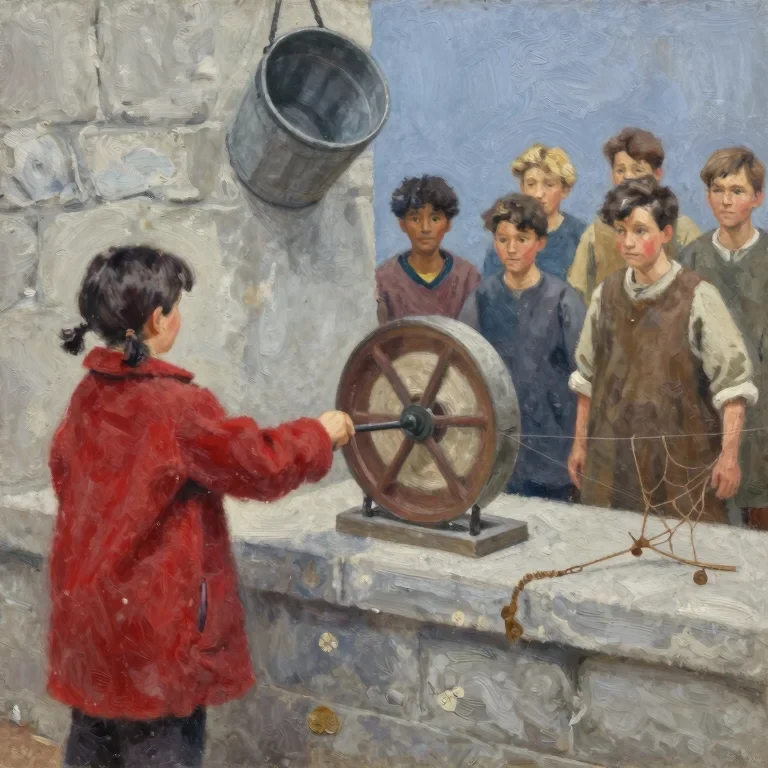
“You do not want to beg,” said Rolf. “You want it to be a question, so that it is not begging.” She put her hand on the warm stone and looked down the black throat of the well. “Well,” she said, “where does the cold water come from before it is in the bucket?” The bucket came up heavy. It was full to the shoulder, the water was so cold the light lay flat in it, and the spider web was gone.
The answer was not a voice. It was in her, the way a word you have known a long time is in you. Under the alders, where the roots are woven together into a mat. Nine steps down, and then along to the left. The water comes up through a hole in the clay a man can put two fingers into.
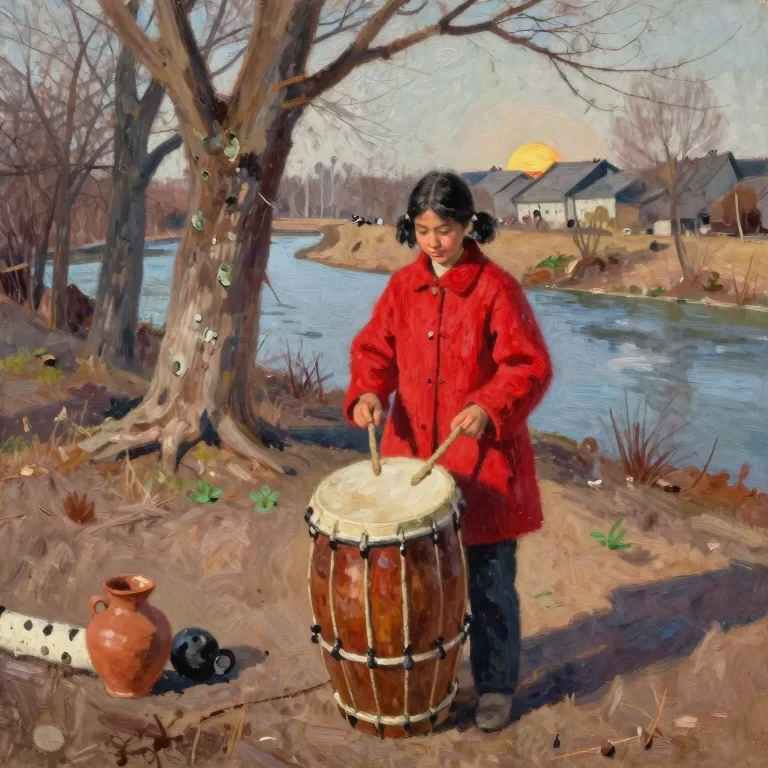
Inga wrote it on the back of her hand in charcoal, and carried the bucket down in both hands. Her fingers went white, and then red, and then would not close for a week. She went down to the alders and found the hole in the clay, and the water came up through it cold as a spoon.
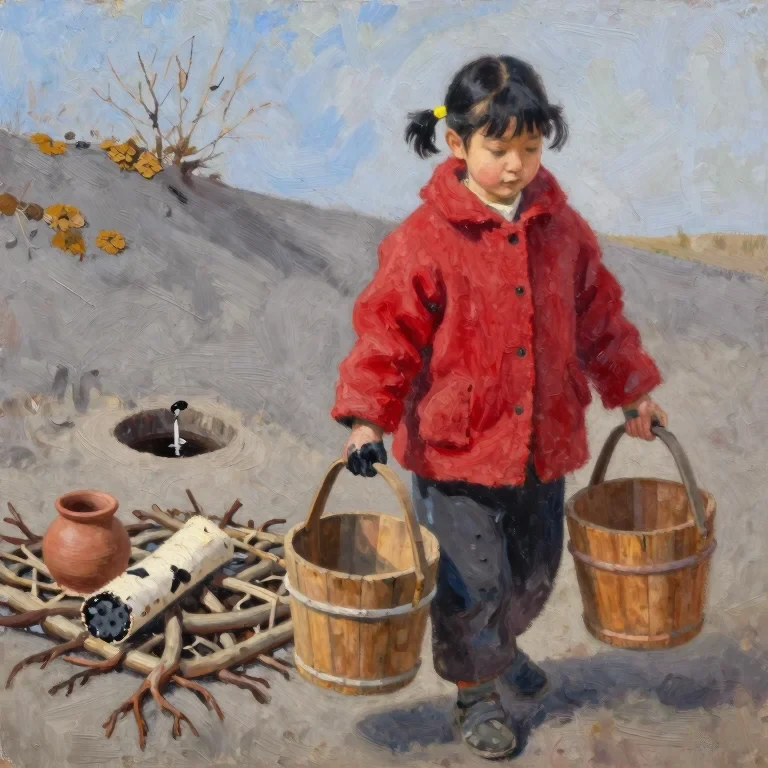
That summer she carried water from the alder roots to the Flats, and nobody there went thirsty who did not want to. They said thank you, and she said nothing, and went home, and slept like a stone in a shoe.
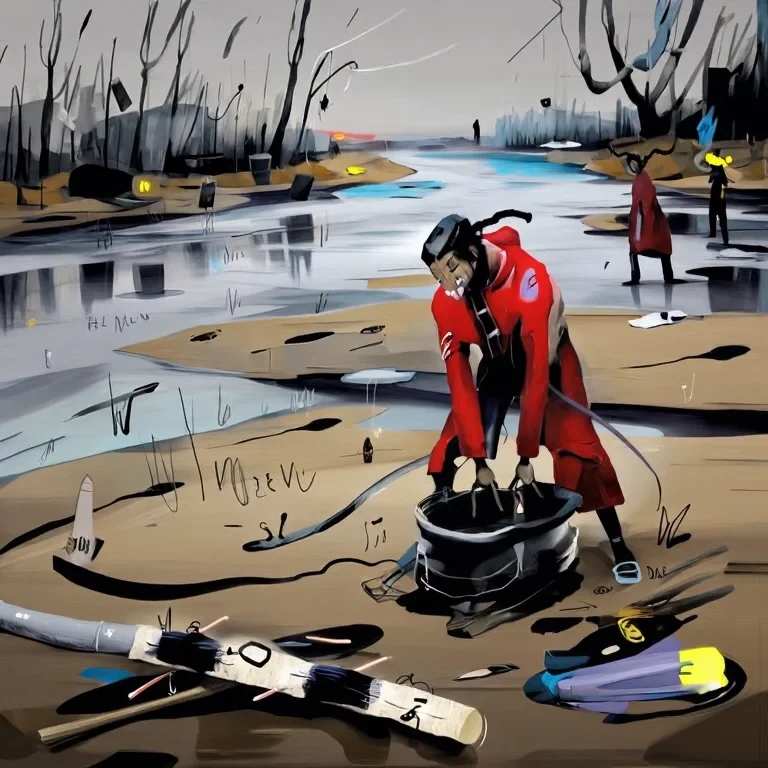
On the last evening of August she went up the hill again with Rolf, when the swallows were going down to the reeds. “Where does the water come out of the ground first, in the whole world?” she asked the well. She could have said it herself. Everybody in the village had a different answer, and hers was as good as any.

The bucket came up heavy. She did not listen to the answer. She let the rope run, and Rolf drank out of the cup, and it was cold enough to make him screw up his eyes. “You asked it so it would come up,” he said. “You did not want to know.” “A question is worth a hundred telling-offs,” said Inga, and gave him the cup.