The day ended at four, the way it ended every day in December, and the looms ran down one after another along the mill like something being told to be quiet. The gate went into the wheel a quarter of an hour later, the night shift came on, and the brown water went on past the elm without any help from anybody. Jory Vasc was sitting on the top landing with his notebook open on his knees.
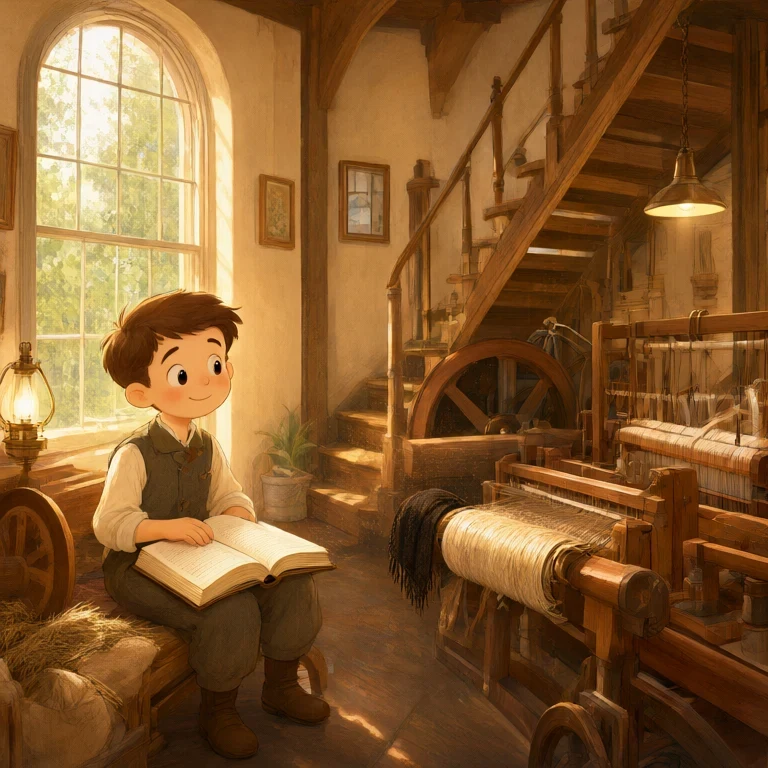
He had been there since the loom beams stopped, with a heel of bread from the counting-house floor and a ball of tarred twine, and on the inside of his left hand, in a small neat hand, he had written the number of the men who had gone past him on the stair in the last hour, which was thirty-one. Corve Merrick came up with the lamp and found him there. “Go home.” “No, sir.” “Your mother will have you out at six.” “Yes, sir,” said the boy. “At six.”

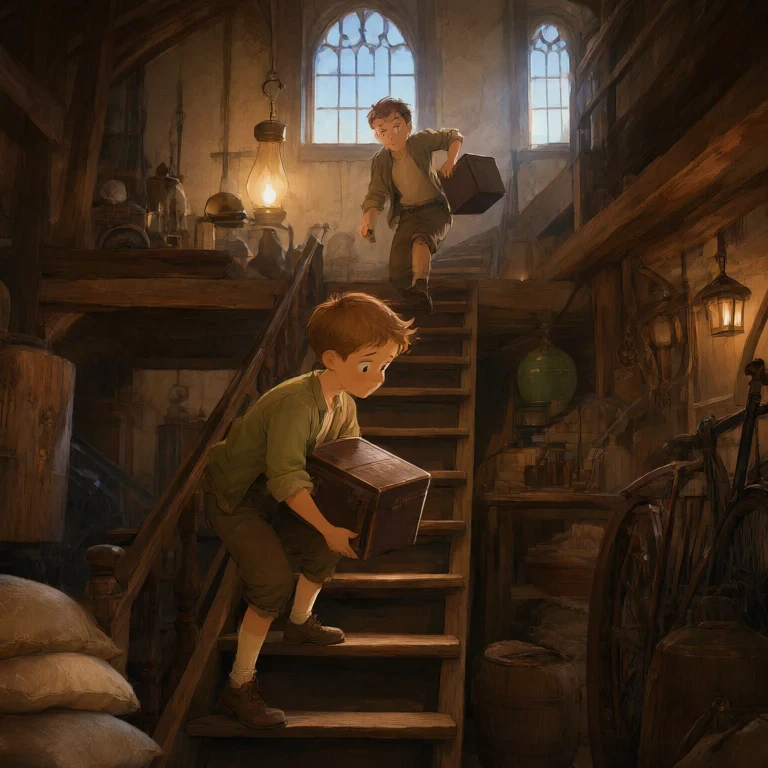
Corve Merrick looked at him. The boy had said no to him twice in one minute, and he had not argued, and on the last six steps with the lamp he could not find a good reason. The strong box went up behind them with the bars in it, and the boy took it from the fourth step and would not put it down again.
The room was four steps colder than the loft below it, and it had no fire in it, and it had never had a fire in it, and everybody in the valley knew the number of steps and nobody knew what the room was for. There was a stool. There was a wheel with no drive to it standing on its three legs. There was a tin table, and on the table a tin with a strap round it, and in the tin the roll. The little man was sitting on the stool in his clean old coat, with his hands inside his sleeves, as if he had come in from somewhere much colder than this. “Can we have a fire?” said Corve Merrick. “No,” said the little man. “This room has never had one.” “Why not?”
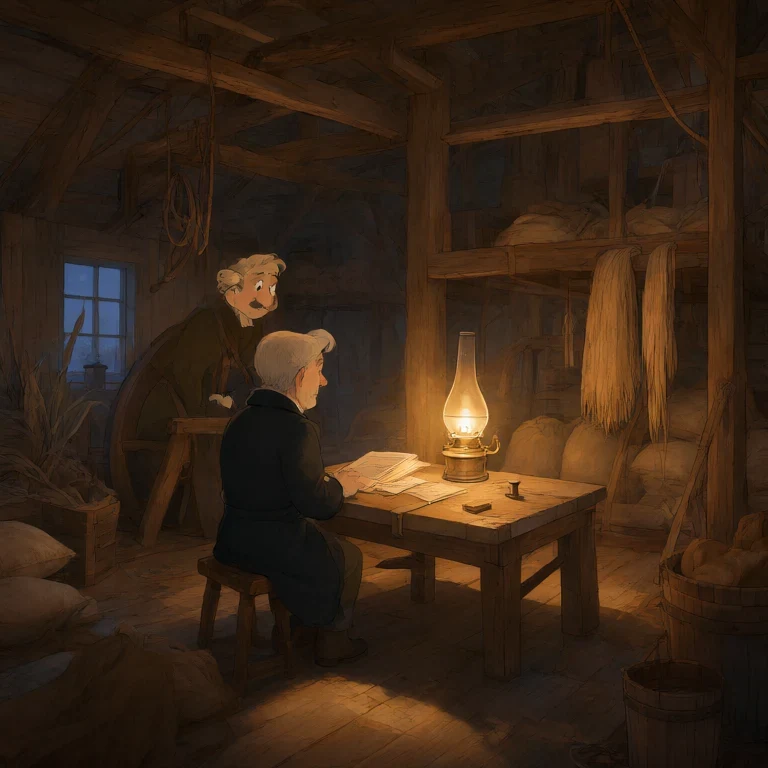
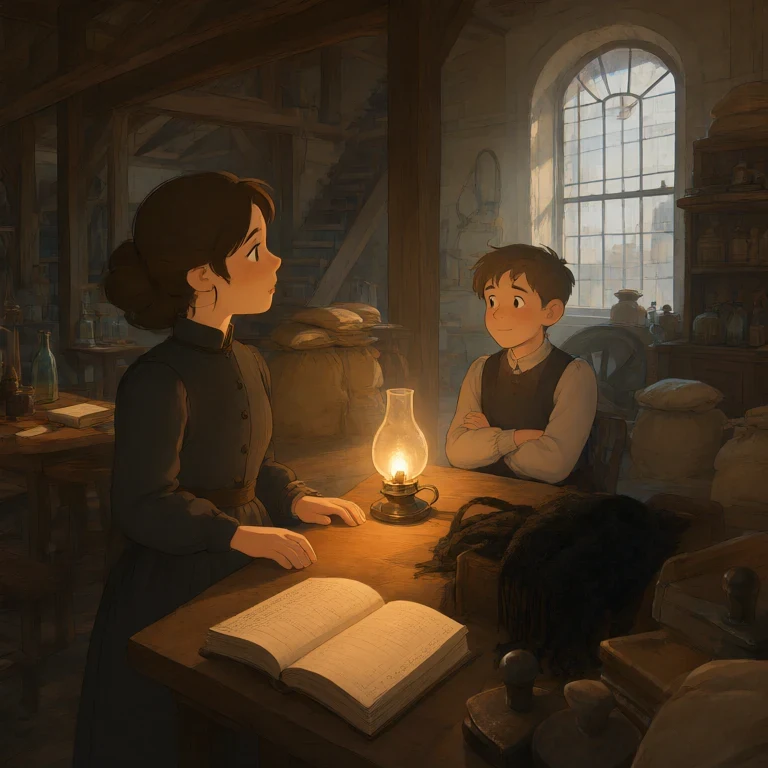
“Because a fire in a room puts a chimney on it, and smoke from a fire in a room is only ever taken out through the door.” He said it as though he had thought about it a long time. “I do not want the smell of this room to get out of it.” Aldis came in last and shut the door behind her. It was the fourth time she had shut that door and the first time it had been the last thing in the day. “Then let us do it properly,” said Corve Merrick, and put the mill’s book on the tin table and squared it, and Aldis got the lamp closer, and she read. She could not help it, and she knew she could not help it, and the room knew it too.
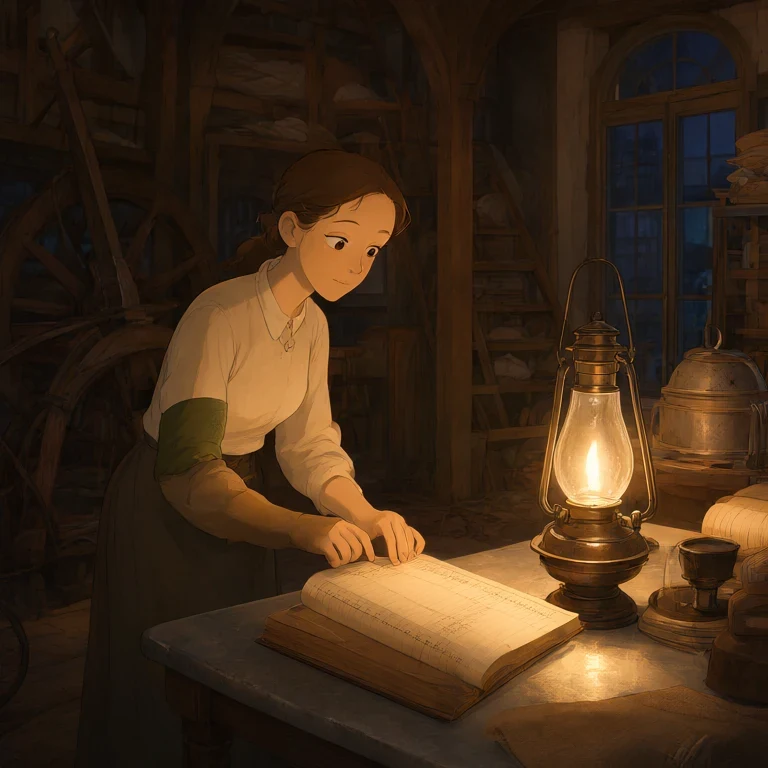
“Fifth of December,” she said. “The third night. Lent on the twenty-first, given freely, at the mill’s own asking, the quarter being three hundred and forty pounds short. Gold entered at three hundred pounds, being thirty-one bars and forty-six ounces and two pennyweights. The term is three nights and the account closes at dawn on the third, or it stands. One call only, in the form I call, at my own good time, without notice. And the third column —” She stopped, and had to go on, because stopping was not something she could do in the middle of a column.
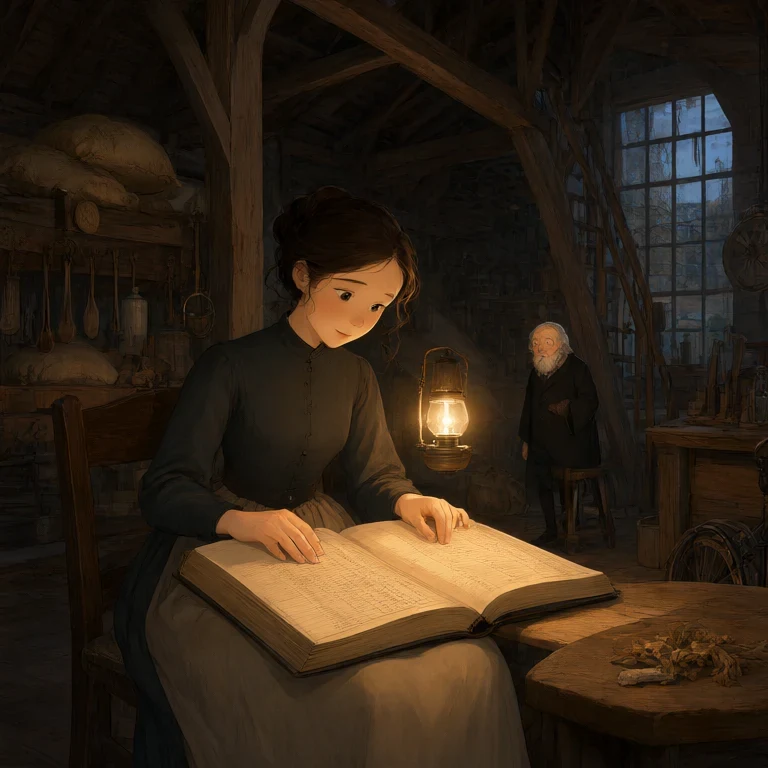
“— and the third column is not to be read out.” “It is not to be read out,” the little man agreed. “Read the sixth.” “The account closes at dawn on the third, or it stands.” “Now ask me the question you have been holding since the twenty-first of November,” said the little man. “You have been holding it since the first night and you are nineteen and you have had it ready the whole fortnight.” “Can I pay now?” said Aldis. “You may not.” The lamp guttered and neither of them moved towards it.
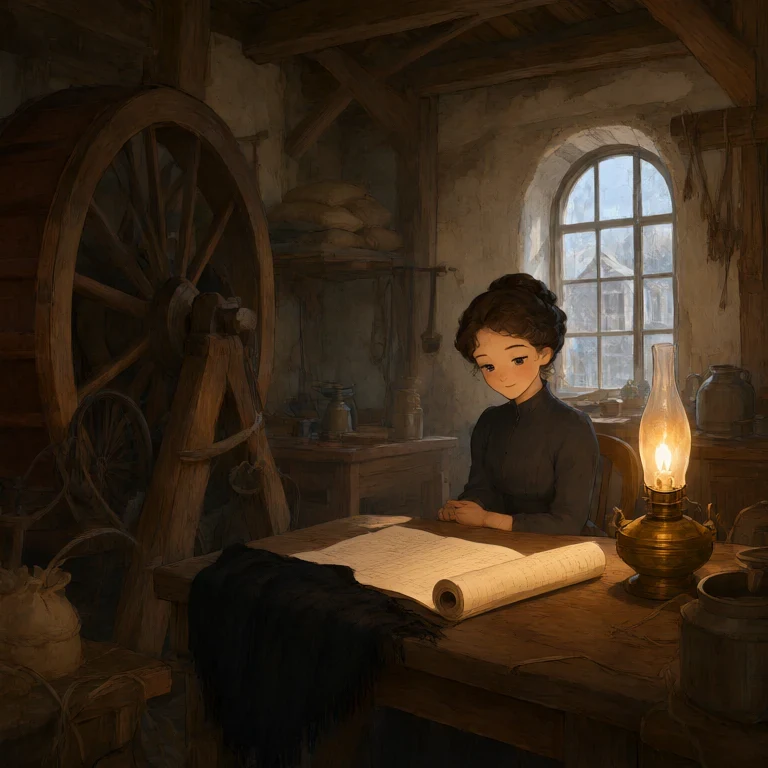
“The term is three nights and this is the third night,” said the little man. “Your money is good to me at dawn, and not a minute before, and not a minute after, because after dawn the third night is finished and the account is a different account, and a man who pays into the wrong account has paid nothing at all. It is a term, and I have been held to terms by better men than you.”

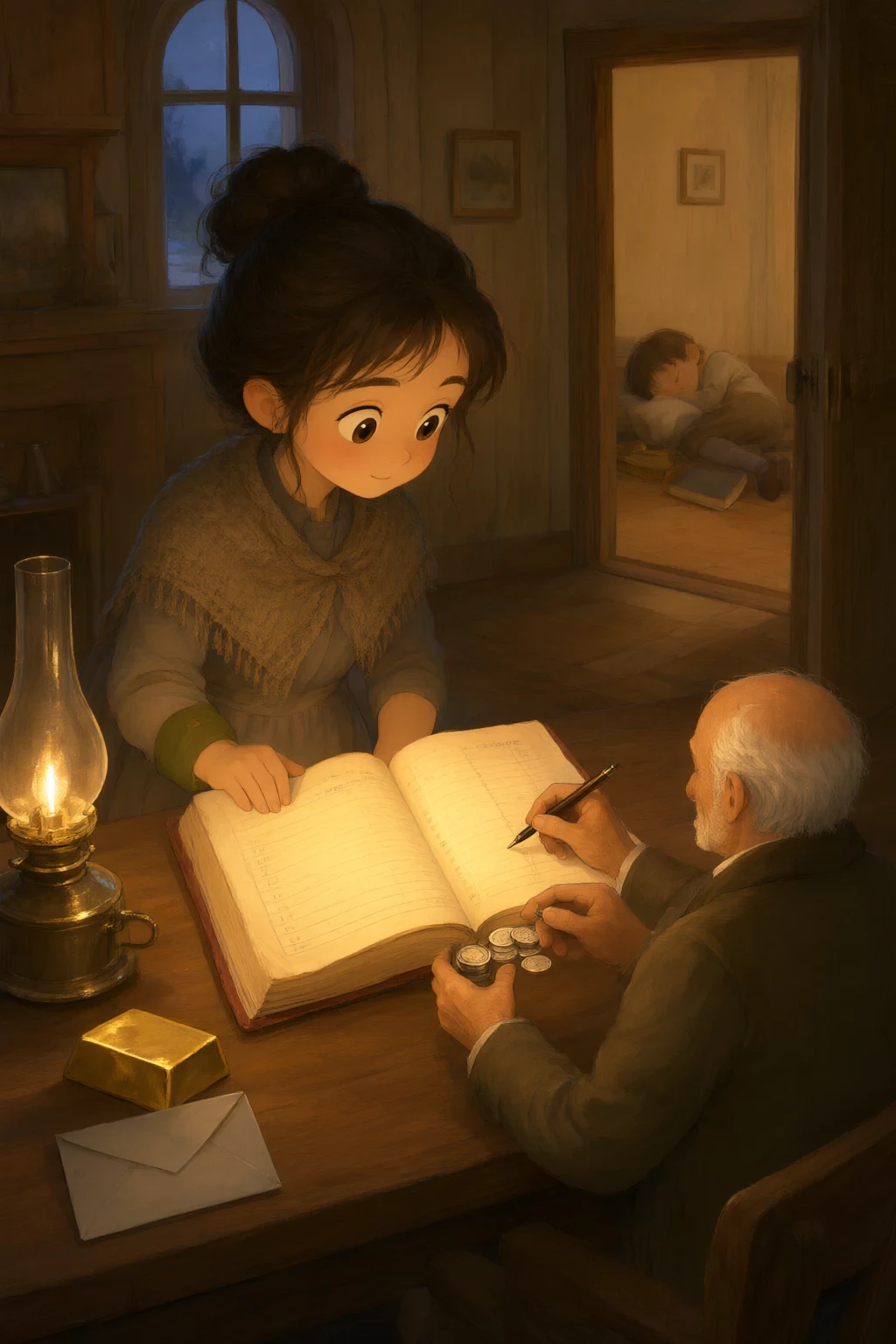
Corve Merrick took out the tobacco tin. It was the tin the mill had given him with a clock in it in his first year, and it stood behind the fire-back in the counting house, and it held three years of pay in sovereigns and crowns and silver, because his wages were eleven shillings a week and he had never once wanted anything. He unscrewed it on the tin table and counted it out on the face of the roll, which he did not notice himself and Aldis did notice and did not say anything about.
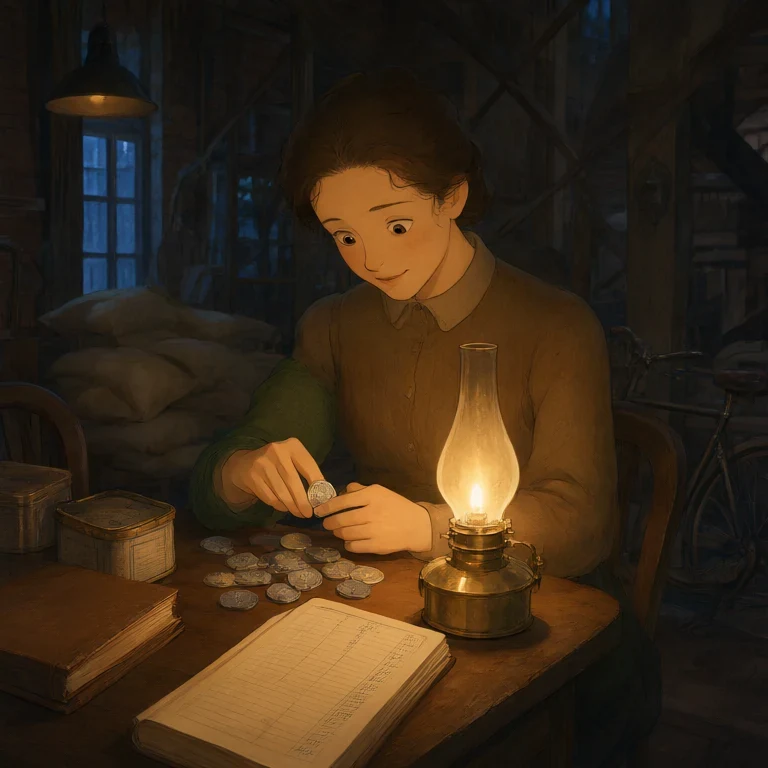
“Forty-one pounds and six shillings,” he said. “I have counted it nine times since the first night. It is ten shillings more than you want and it is every shilling I have in the world that is not in this mill.” “Then it is enough,” said the little man, “at dawn, and not now, and I am obliged to you.” Aldis looked at the coins lying on the roll. “Why did you not say so on the first night?” she said. “You could have had it on the twenty-first instead of waiting for the fifth.”
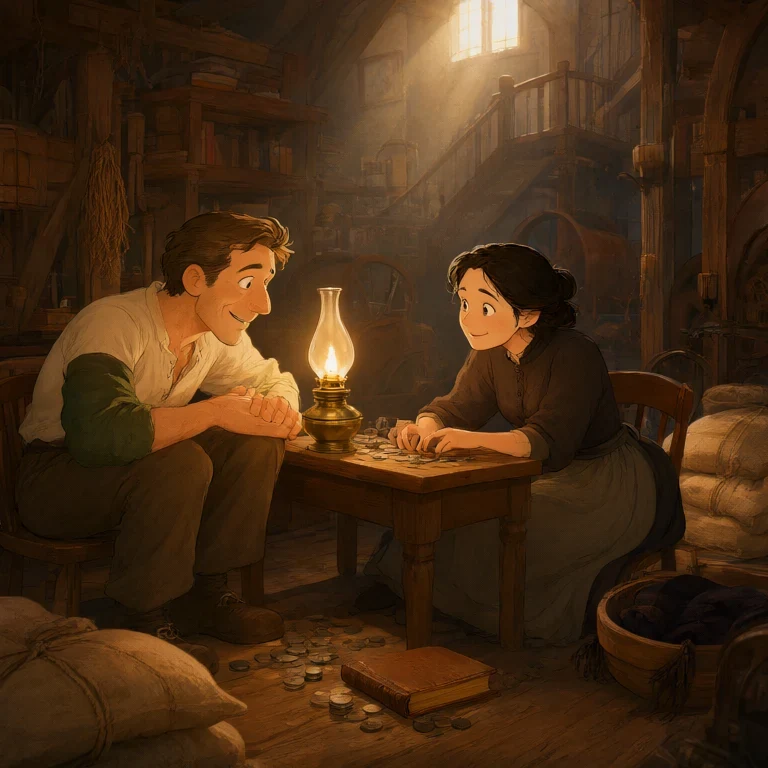
Her father put his thumb on the coins and pushed them into a neat row, which was what he did with his hands when there was nothing else for them to do. “That was the week before Michaelmas,” he said. “A man who has money in a tin should not let a man who has a roll know it on the first night. That is the whole of what forty-one years in a counting house taught me, and you may have it for nothing.”

At five the watch changed below, and thirty-one men came up through the mill and past the bottom of the stair, and their boots were the only part of them Aldis could hear. At seven the tow shed changed over, and the forty women came out into the yard in a noise like a flock going off a hill, and then went in again.
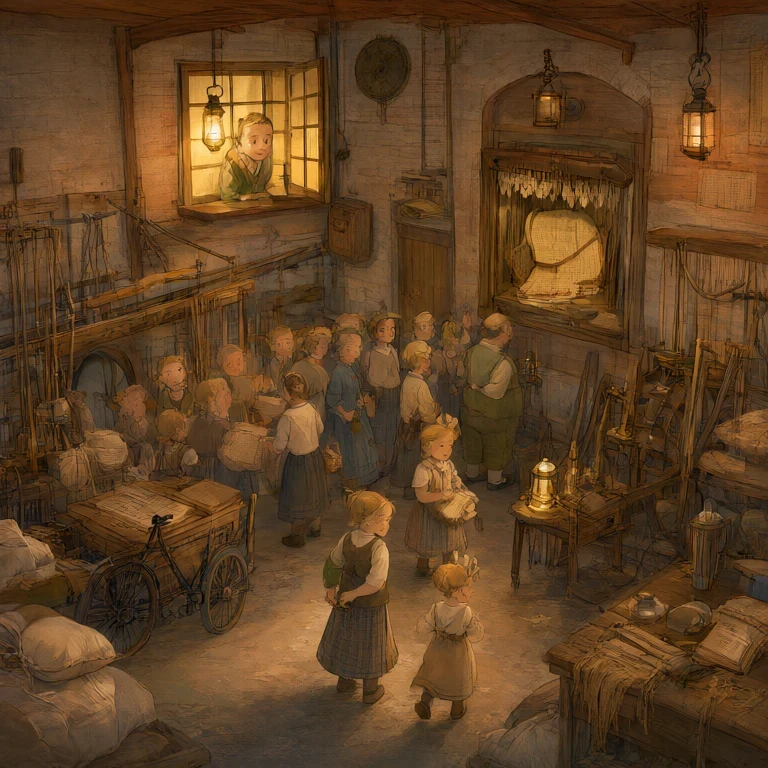
At nine the little man turned the lamp up two turns and said, “A woman is going to be cold on that landing.” It was Innett Sly, with a second lamp and a tin flask. She came up the ninety-one steps, put them on the table, and counted the room. “Two lamps, one flask, half a loaf, and no fire,” she said. “I shall feel these boots tomorrow. How much of it is there in here, that is the question.” “I was not being clever,” she said. “I know what a wheel is for.”
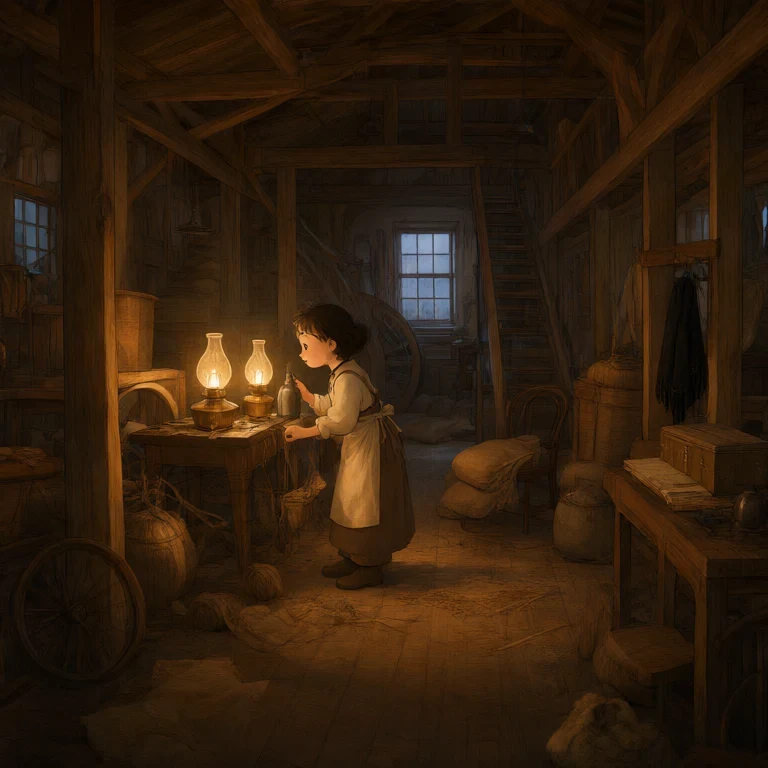
“Eleven pounds of tow on a bad night,” said Innett Sly, answering her own question, “and fourteen on a good one, and nobody alive could tell the difference except the man who buys it, and he buys it cheap. That is what a wheel is for. I could not spin your gold, sir, and I should not know where to begin, because it is not a matter of how fine. It is a matter of what the thing is for.”
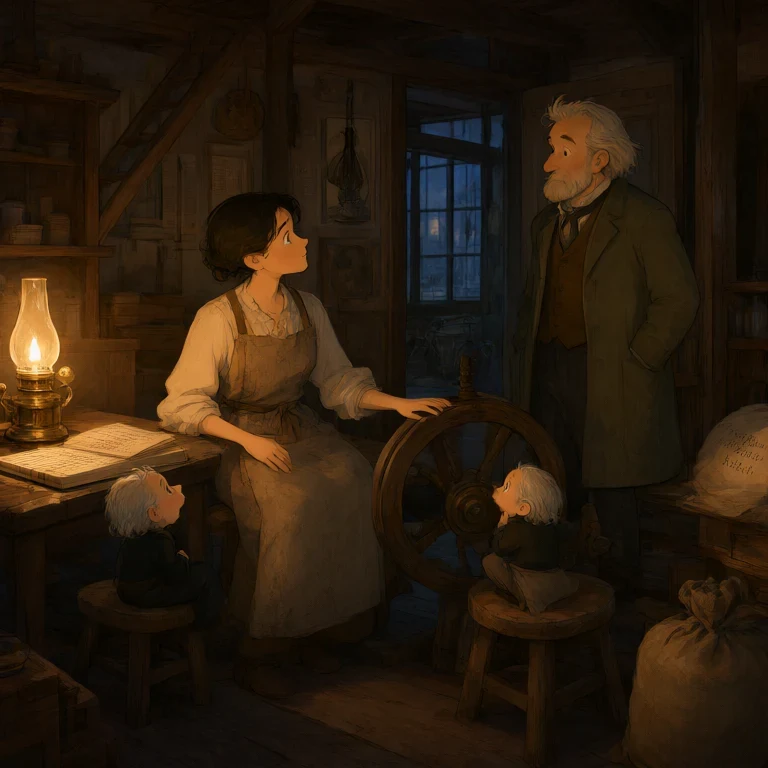
“That is the first sensible thing anybody has said in this room in nine years,” said the little man. “Will you take a cup of the tea?” “No, sir. I have to be in the shed at ten and it is two hundred yards.” She counted the steps out loud on the way down, from ninety-one to one, and at the bottom, over the yard, she said, “Four of the bars on that table are cold. Do not let anybody put a hand on them. I have said so for three days and nobody listens to me about a cold thing.”
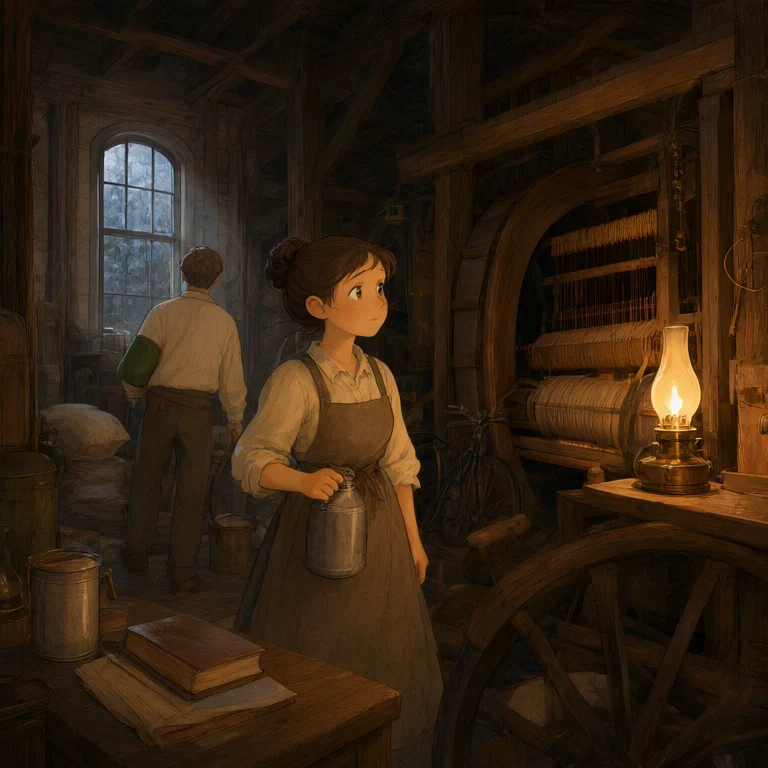
At eleven Corve Merrick said the thing he had been keeping in the counting house for eleven years. “I have thought about asking you a question,” he said. “About yourself. I am not going to ask it. I am telling you that a man in this valley has thought about it, and has decided not to, and has gone on with the quarter.”

“That is the one piece of good luck this town has had since 1791,” said the little man. “You cannot call a name you do not know. That is not a courtesy, it is arithmetic, and it has been the whole protection of this valley for two hundred years, and it will not fail as long as nobody in Nether Combe is able to say the words.” “There is an entry before yours,” said Aldis. “I have seen the page. I will not read the column out, and I am asking you what is in it.”
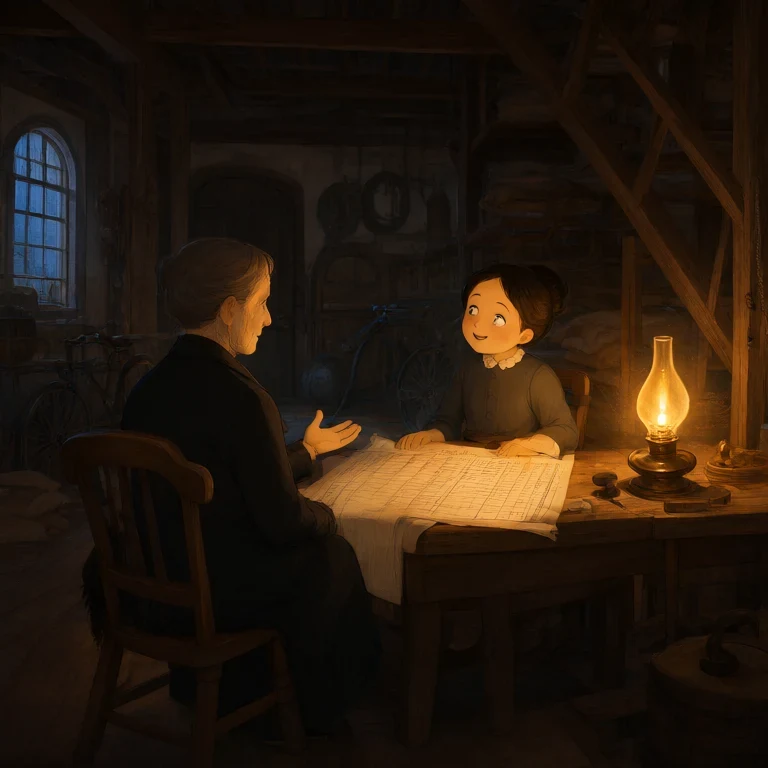
“There are nine hundred entries in that book and I have never read one of the third column aloud, including the one I have been given this week.” He said it without any weight at all. “That is not a courtesy. Ask me the question you came up ninety-one steps to ask, and you have asked it.” At one in the morning Corve Merrick opened the door four inches, and the boy was asleep sitting up against the frame with the notebook still open on his knees and the bread gone. “Shut the door,” said the little man. Corve Merrick shut it.

“If that door is opened, then this is a room with a man in it who can be described,” said the little man, “and the moment he can be described, every woman in this valley who has a temper will describe him. A description is worth nothing to me and everything to him. A name is a thing you give. A description is a thing people take.” At three, Aldis said the thing about her list. “There is a book of mine in the counting house,” she said, “with thirty-one items in the back of it, and no names.”
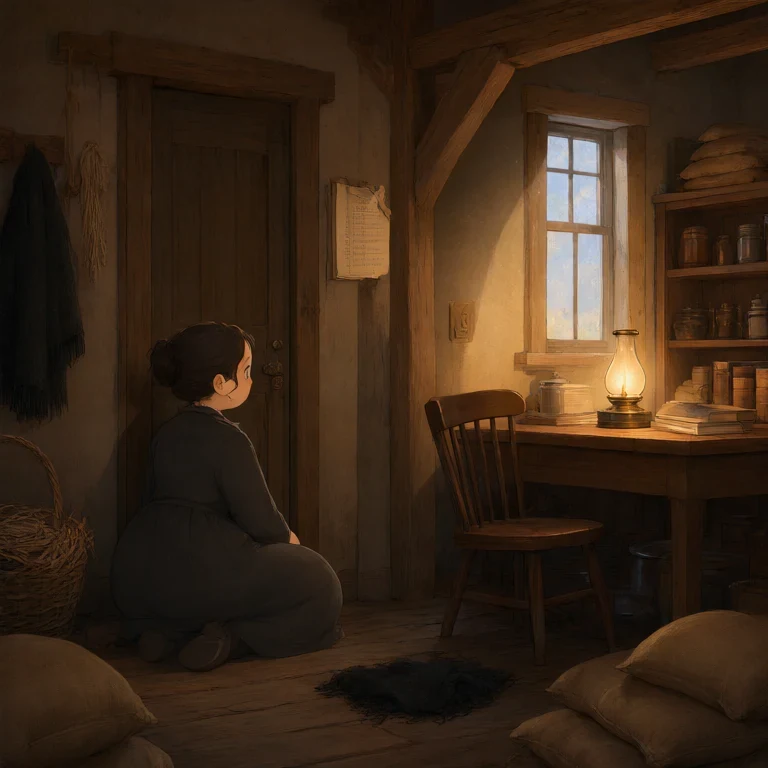
“Go on.” “A place in the queue at the seed merchant’s, twice, for two women. A good shuttle lent to the man at the bindery, which came back. Eleven hours of my afternoons given to a house with a bad roof, and I wrote them off as a kindness, which is not what they were.” She turned her thumb over and looked at the burn on it. “And once, four months ago, I put a name in a column against nothing at all, and I have not been able to find out since whose name it was, and it is in the book in my own hand, and it is the one that keeps me awake.” The little man put both hands on the table, which he had not done all night.
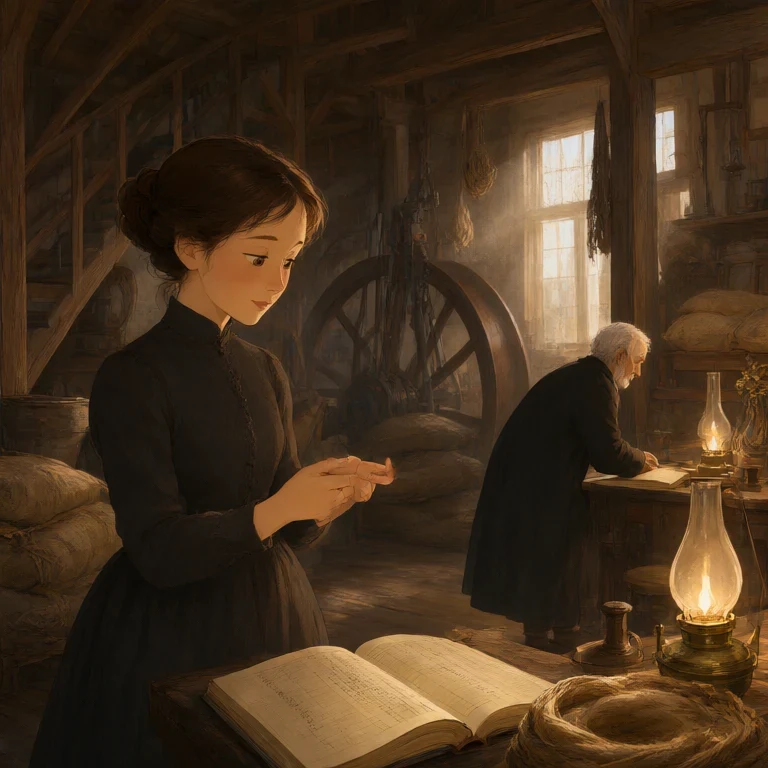
“Then listen, because this is the only part of it that is any use to you at nineteen. A name may be lent by somebody who is not the owner. That is allowed, and it holds for a lesser purpose and a lesser time — an afternoon, a year, a life, whichever is the agreement — and the agreement is the whole of what holds it up. Yours held for an afternoon, every one, and they have all run out.
Lend a name further than the agreement and it holds not at all, and the lender is left holding a piece of paper. So you are not a thief. You are a woman with thirty-one afternoons and no name, and if you ever put a real one in that column, come up these stairs and ask me for it. I will not spin for a name made up out of a favour you were glad to do.” “Would you?” “I would not,” said the little man. “But you would not have to, which is the whole of the danger, and I would rather you heard it from me than from the roll.”
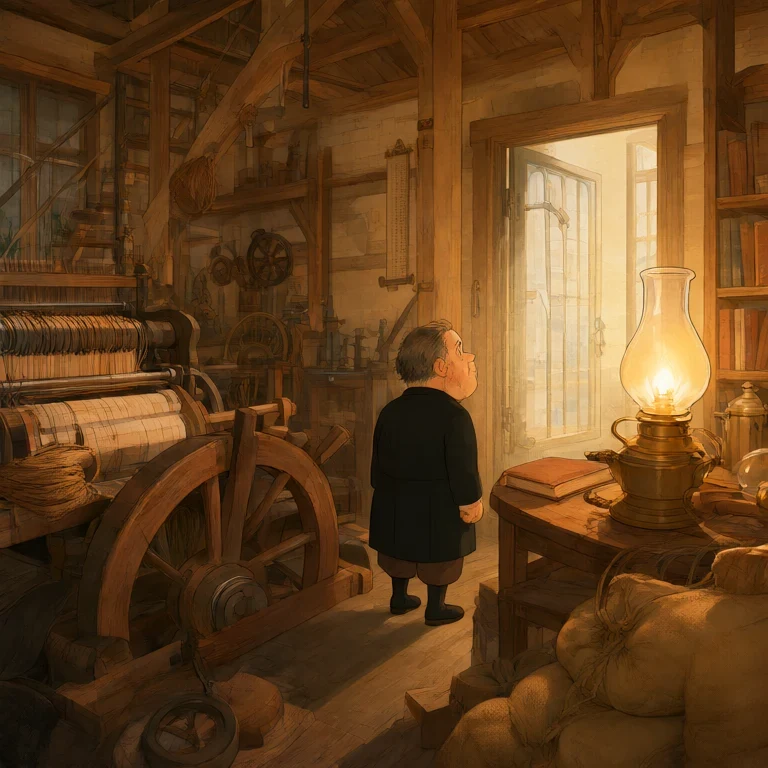
The mill began to run down at a quarter to seven. They heard the gate go into the wheel, then the looms one after another down the building, then the shaft overhead, which had gone round every minute since Michaelmas, come slowly to a stop. The room was so quiet that Aldis could hear the boy breathing on the other side of the door. The little man turned the lamp up for the last time. “Now,” he said. “And it must be now, and not a moment before, and I would be obliged if nobody spoke.”
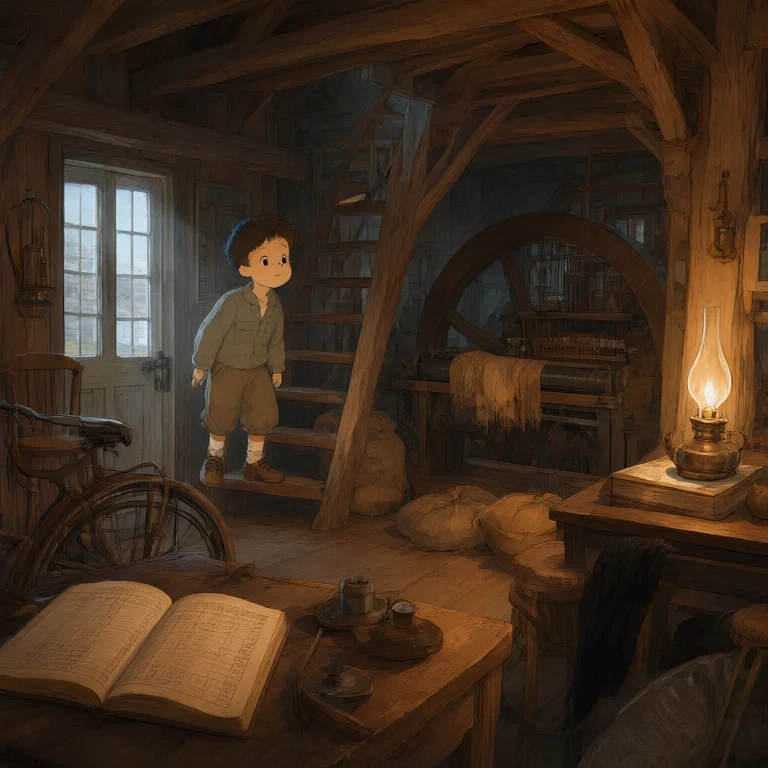
Corve Merrick counted the coins out of the tin onto the table, and counted them into the little man’s hands, and the little man counted them once, quickly, and put them in his coat. Then the bars, thirty-one of them, and the boy came in when he was told to come in, and the four that Innett Sly had said were cold were the four he was careful with. “You will take them down the stair and you will not stop on the landing,” said the little man, “and the box is by the door.”
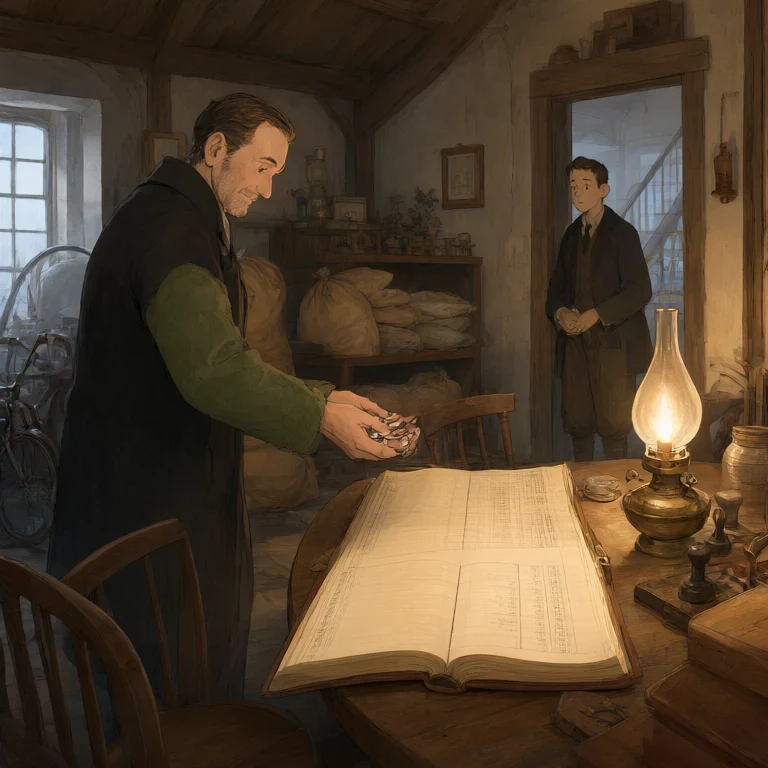
The roll was lying open at the page, and the little man turned it round and faced it towards the three of them, and took out a plain pen with nothing on it, and drew a line through the entry in the fifth hand of the five, and shut the book and put it in the tin. “Paid in full at dawn on the fifth,” he said. “Name released.”
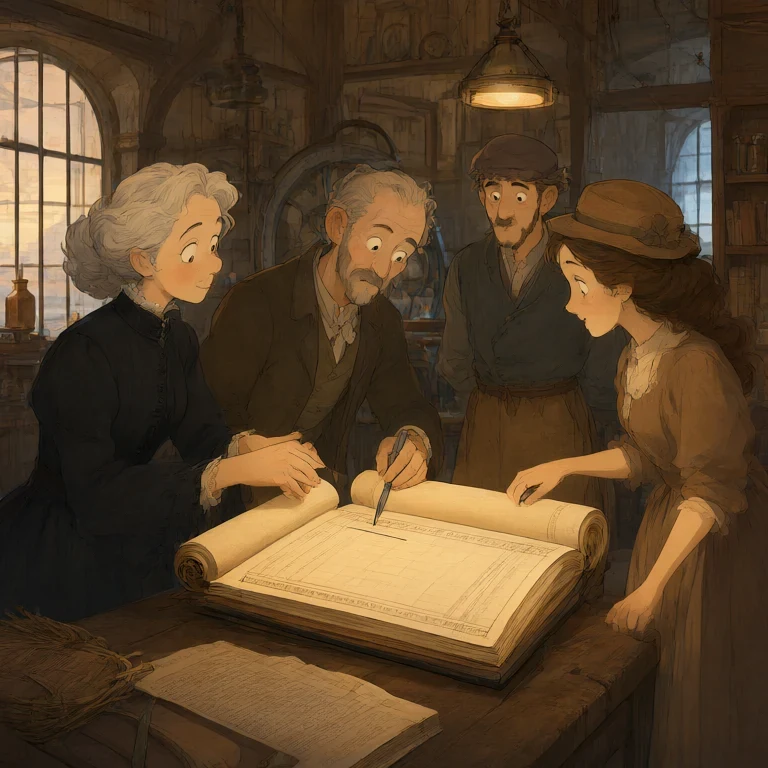
Then he took an envelope out of his coat. It was a grey envelope, and it was not sealed when he gave it to Corve Merrick, and it was sealed when Corve Merrick looked at it again. “Within the hour,” said the little man, “and it goes in your book and not in mine, and if I kept it I would be a thief, and the mill may take a thief, and the roll says so in a place where it has been said before.” Corve Merrick put the envelope in the inside breast of his coat and buttoned it.

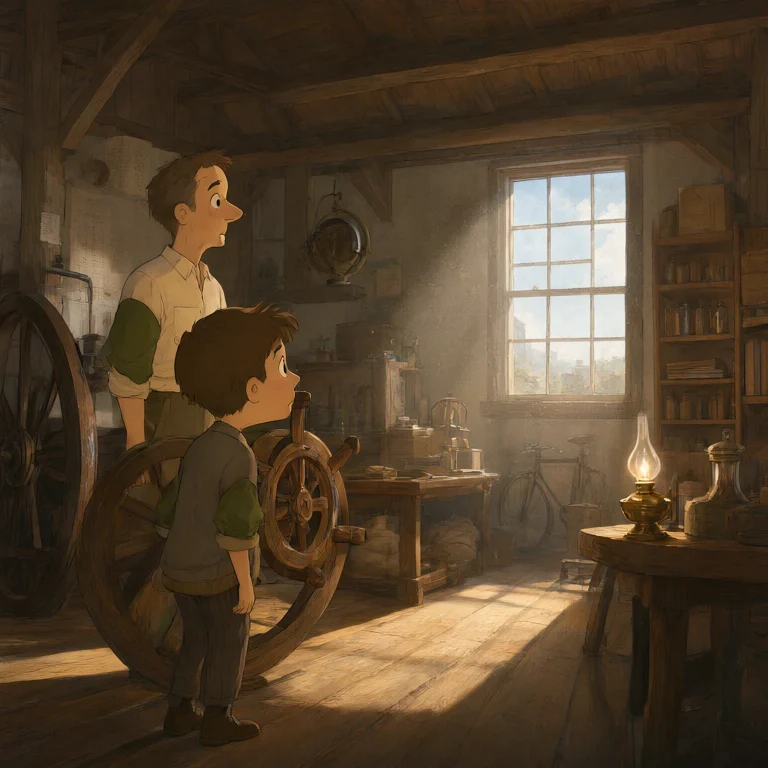
The boy had been standing by the wheel since he came in, and had not said one word for an hour, and now he said: “Is my name in it?” “No,” said the little man. “Then why do I keep feeling as though somebody is owed?” “Because you are fifteen, and you have been keeping a debt in a book to see whether anybody would tell you that you are worth lending to, and nobody did, so you made the entry yourself.” His voice was the same as it had been all night, the voice of a man reading a rule out of a printed book. “An entry is made when a name is given freely by the person it belongs to. Nobody gave me yours, your father would not have been allowed to, and I could not have spun for it if he had.

The only protection anybody in this valley has ever had, boy, is that you cannot be lent unless you agree to it. You cannot be a security. Nobody in this building can put your name in that book.” Jory Vasc stood very still by the wheel. “My father is the miller,” he said. “I have wanted my name on the pay board since I was thirteen.” “The mill is not paying this quarter, so the pay board is a list of people who are owed money, and it will say so for another month at least. I cannot put your name anywhere. Your father can.” Corve Merrick went down at eight o’clock and did not take the lamp, because it was broad day, and the stair had a window at every landing that the room at the top of it had never had.
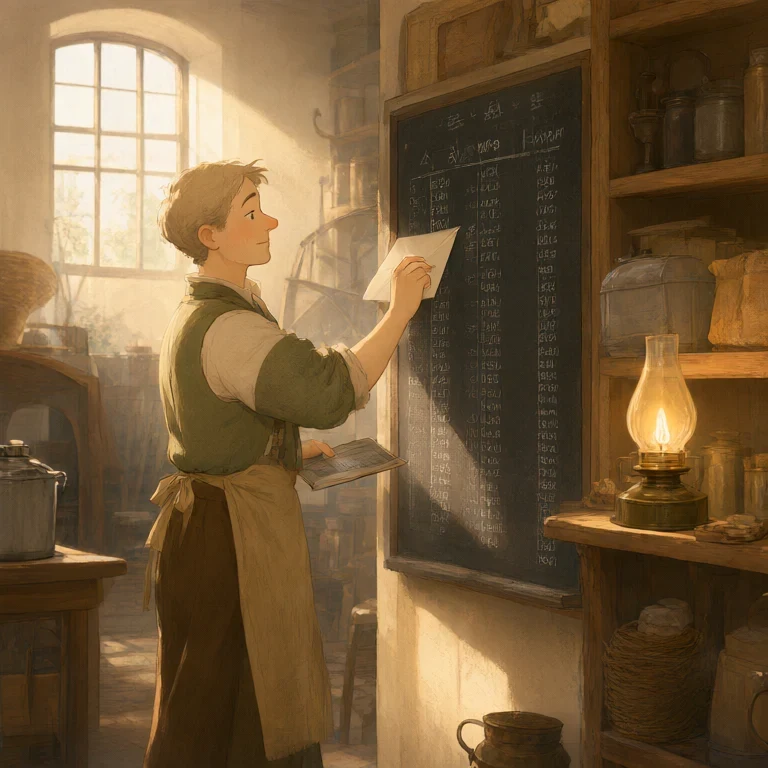
He put the envelope in the mill’s own tin on the shelf and shut the tin, and then he took the chalk and put a line under the word HELD, which took him a long time because the letters were a foot high, and then he wrote a name under the line, Jory Vasc, and beside the name he wrote a figure, and the figure was nothing at all. The word HELD was still on the board above it. He did not rub it out, because nobody had been paid.
Then he went down to the yard, where the water was still brown and still moving, and the elm wheel was going in it with a hundred and forty people coming through the shed door behind him, because the mill does not keep a Sunday for anybody, and there had been no Sunday since the twenty-first of November.