Anahera was ten and she opened the Dave Hume pools in Katikati six mornings a week in summer, which meant she turned up at twenty to six and let herself in with the key her father hung on a nail. The first job was the water. Two numbers, both of them hers to write in the book on the desk by the office door.

The small pool for the little ones had to be at thirty-three. The main pool had to be at twenty-seven. If a pool was under its number, it stayed shut, and if it was shut, the swim school did not come.
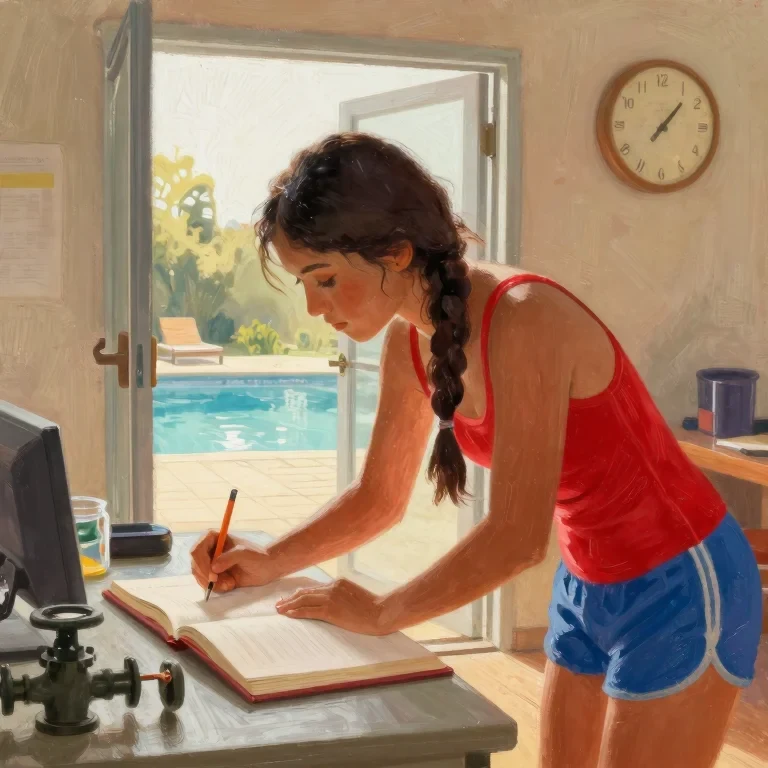
On the Monday the book said twenty-four and a half for the small pool at ten past six. Anahera wrote it down and went to look. The water was cold enough that she put her hand in past her wrist. The learn-to-swim class was at nine. There were nine children booked and their mothers were already in the car park. “Twenty-four and a half,” she said. “That is under.” “It is under,” said the heater man on the phone. “It has been under since Friday.”

Anahera looked at the number again. It was the right number. That was the trouble with it. A shut pool is not the same as a closed pool. The gates stay open and the water stays cold and people pay nothing, and the town paid for the heat in that water all weekend, going out of the boiler at full tilt with nothing to show for it.
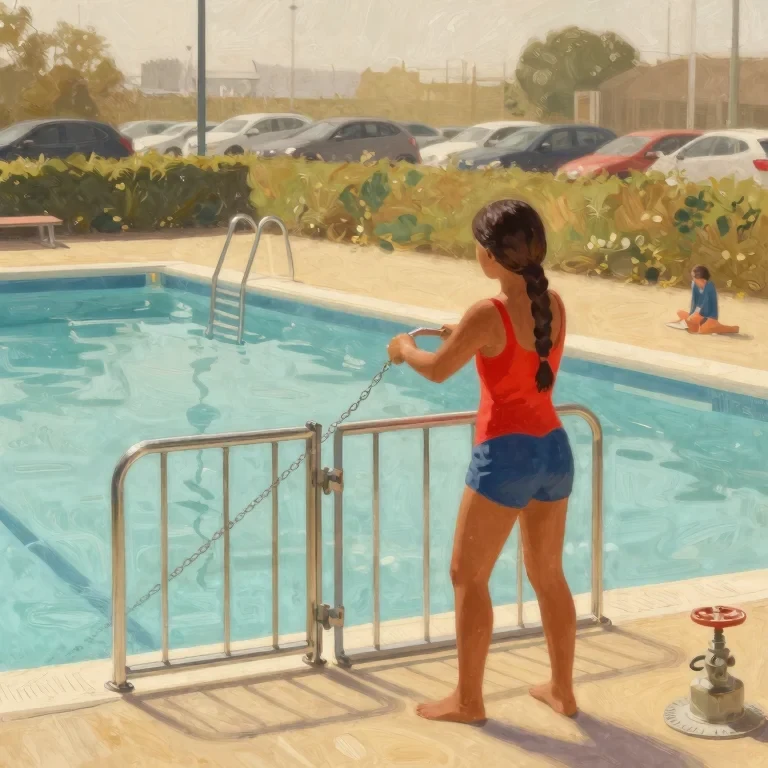
The small pool holds about a hundred thousand litres. Heating that from sixteen degrees to thirty-three takes most of a day, and the board wrote the price of the gas on the wall in the office, and Anahera could read that number the way other children read a scoreboard.
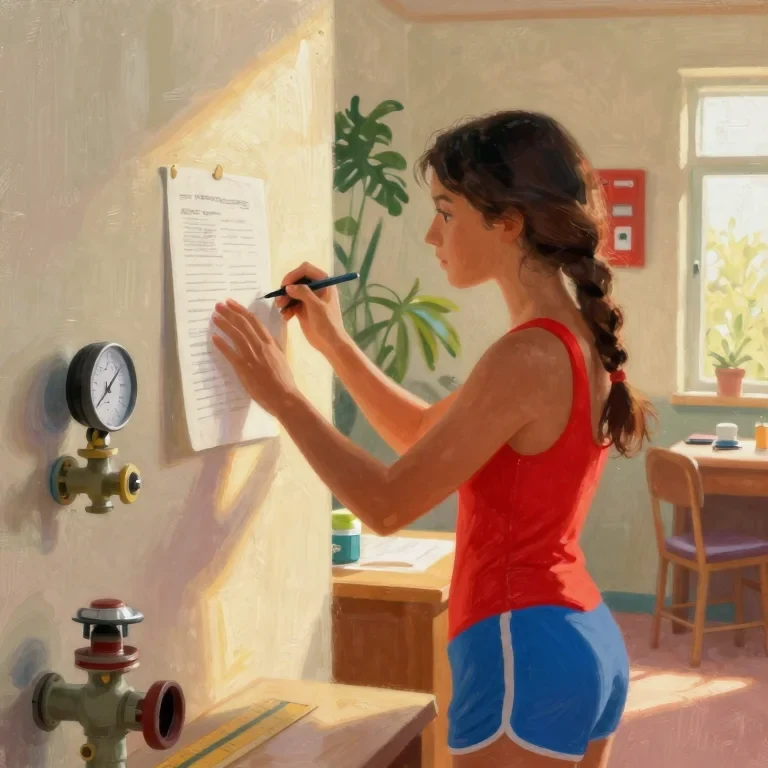
So she did the thing she had done once before, when the pump had been making a noise. She put the pool thermometer on its long handle down into the deep end of the main pool, and she left the other thermometer where it always hung. The other one hung on the poolside railing, in the open, under the sky, in the sun from about nine o'clock. Deep end of the main pool, handle under the water: twenty-six. Same hour, same rail, sun on the bulb: thirty-one.

Anahera stood on the steps and did the sum on her fingers, twice. Five degrees. She wrote the two readings side by side on the back of her hand in pencil and then rubbed it out, because pencil on the back of the hand goes everywhere, and then she wrote them again on the pad by the office door. Deep end, twenty-six. Rail, thirty-one. Half past one on a Monday in January. She rang the heater man back. “Your sensor is on the rail.” “It is where it has always been.” “It says thirty-one. The water says twenty-six.”

The heater man came at lunch and sat on the edge of the small pool with his boots off, and Anahera watched him work. He took the little round sensor off the rail and put it in a white plastic box with a lid, the kind a sandwich comes in, and then he nailed the box to the leg of the shade sail, up under the canvas where the sun does not reach. They ran the heater. They waited.

At one o'clock the box on the leg said twenty-nine. At half past two it said thirty-one and a half. The pool water, read off the same long handle, said thirty-two and three quarters. The class at nine on the Wednesday all went in. Anahera wrote 33 in the book and the teacher wrote her name on the sheet.
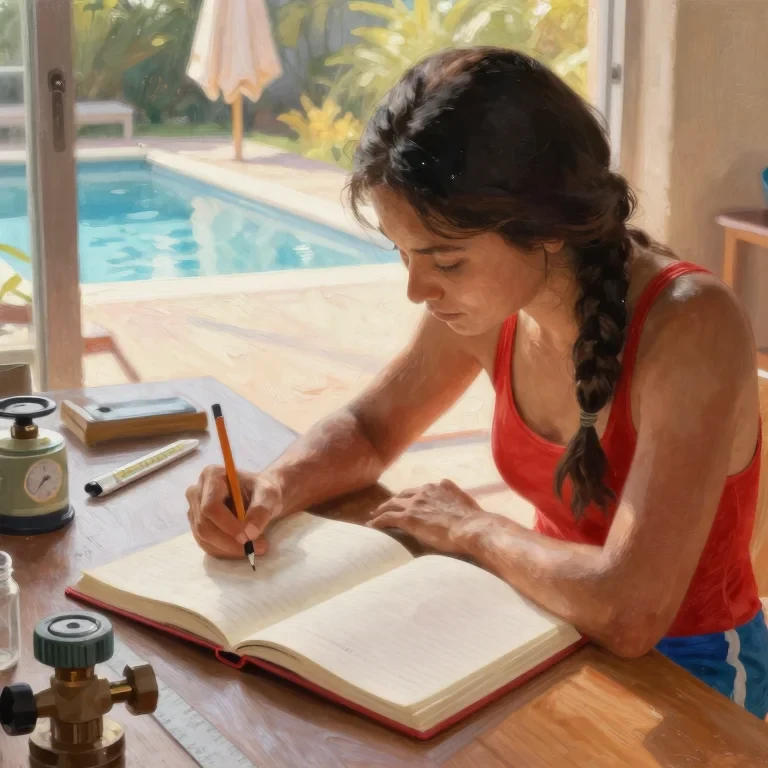
The nine children from the Monday, whose class had been cancelled, came back on the Thursday and got in, and one of them, a boy called Te Rangi, asked her why the small pool was late on Monday. She said she was checking the water. He said everybody knew why, his cousin worked there. She wrote that in the book too, in the margin, because it was true and it did not help.

The sensor still is not perfect. It sits under the canvas where the afternoon wind comes off the grass, and by three on a still hot afternoon it can read half a degree under what the water is doing. So Anahera reads it and then she reads the water, and writes both, and the last page of the book for that week has two columns in her handwriting where the other pages have one.

The white box is still nailed to that leg. The rail is empty. She has told two people about the rail and neither of them believed her until she made them come and stand on the steps.