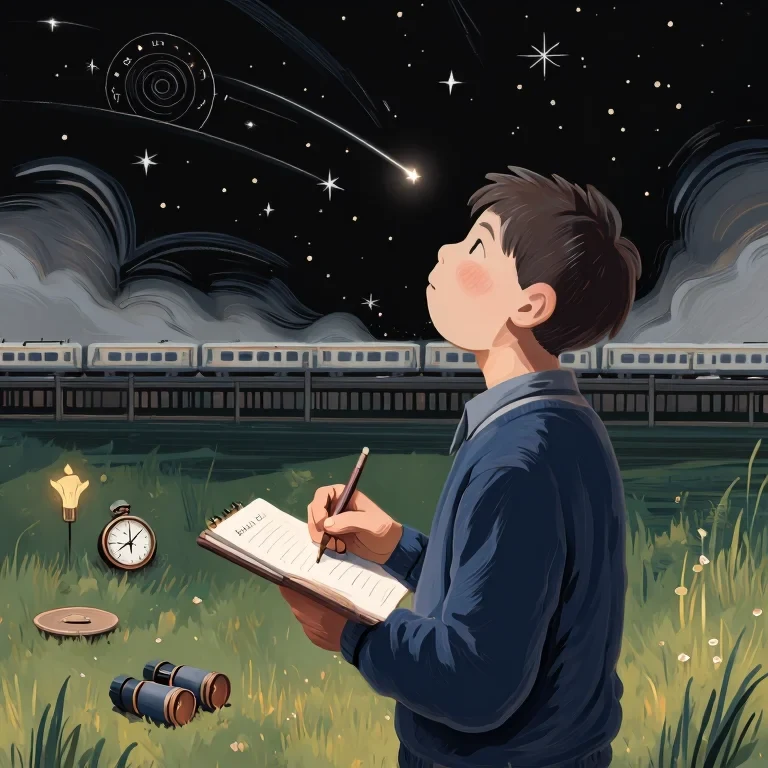
Ben Halloran was eleven years old, and he had a brass tally counter, a cold field, and a clear sky over the Mackenzie Basin. The Perseids come out of the pale shape of stars that people call Perseus. In the second week of August there are more of them than at any other time of the year. His uncle counted them for the sky group near Twizel, and Ben had been let out to the paddock to help since he was nine.
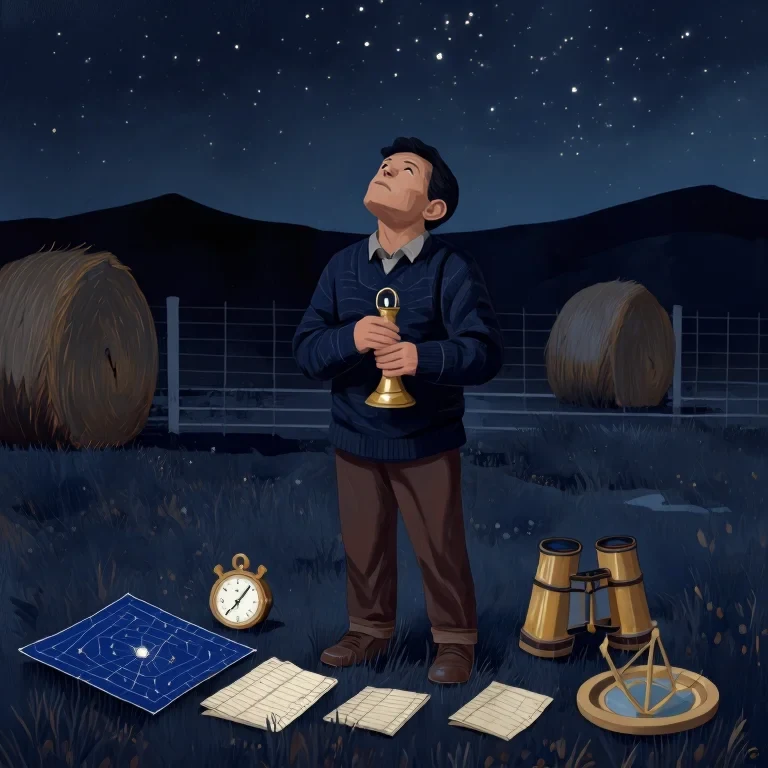
His uncle gave him the whole of the method on the first evening, and the method was one sentence. “Twenty minutes at a time,” he said. “And if you stop looking, you throw that twenty minutes away.” Ben turned that over for a while. “Why throw it away?” “Because you did not see everything in it,” said his uncle. “You know one number, and you do not know what went missing. A number with a hole in it is worse than a small number.”
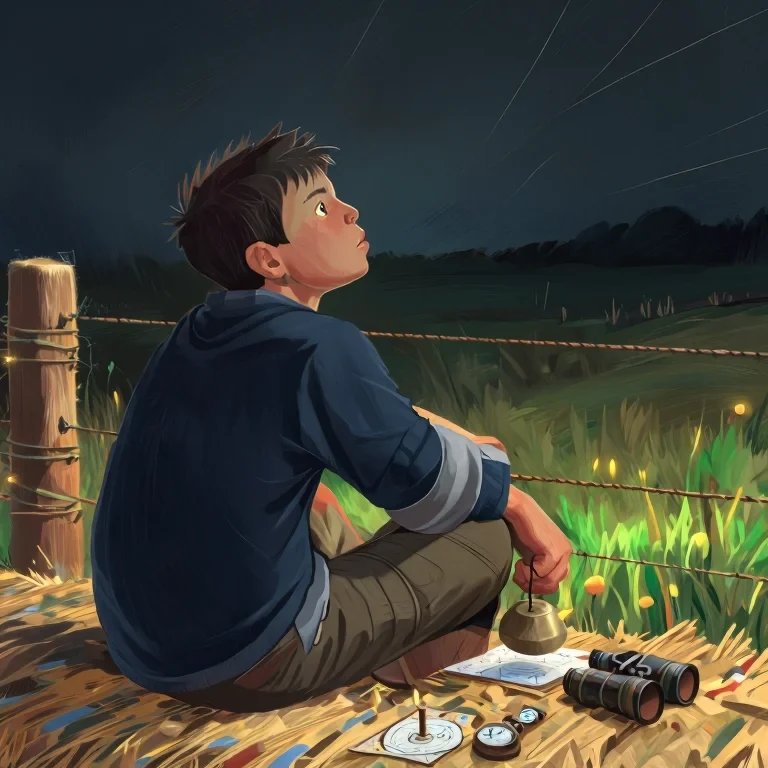
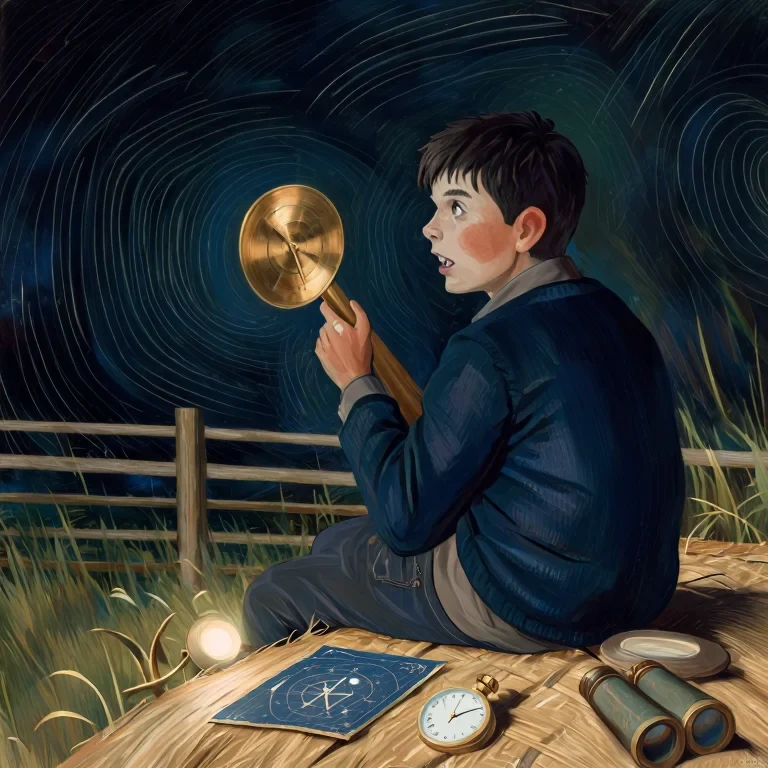
Then came the night of the eleventh. Ben counted from a straw bale at the fence with his knees pulled up and the counter held tight in his fist. The Perseids come quick that week, and most of them are thin scratches low in the north-east. You see one, you click, you go on looking. One of them came over the fence and lit the whole paddock green for about a second.
He counted for four hours. When the sky went pale behind the range he wound the counter down and read the five steel drums. Forty-seven. He said it twice on the walk back up the track, to nobody at all, and then he wrote it in his notebook under the date.
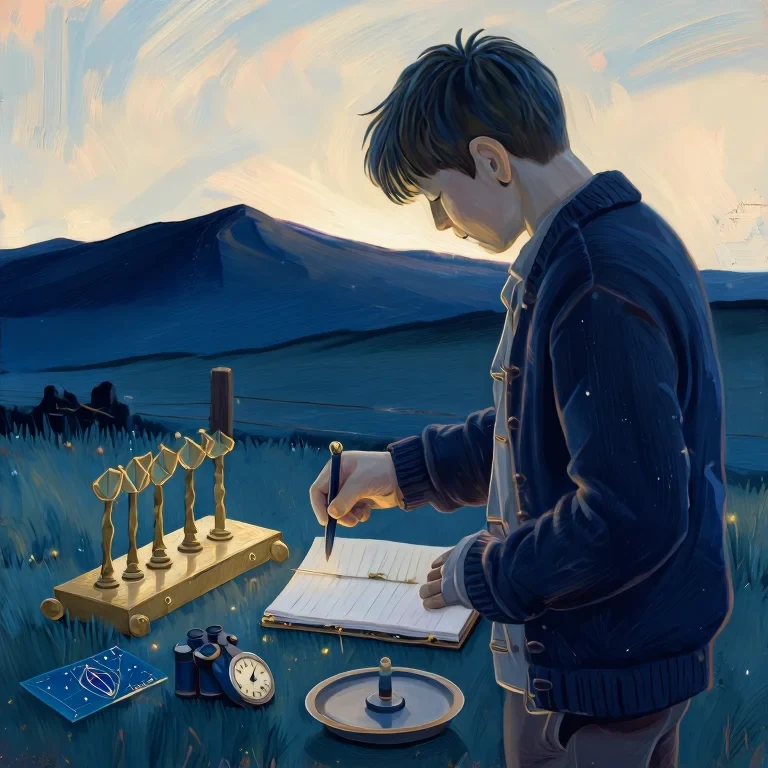
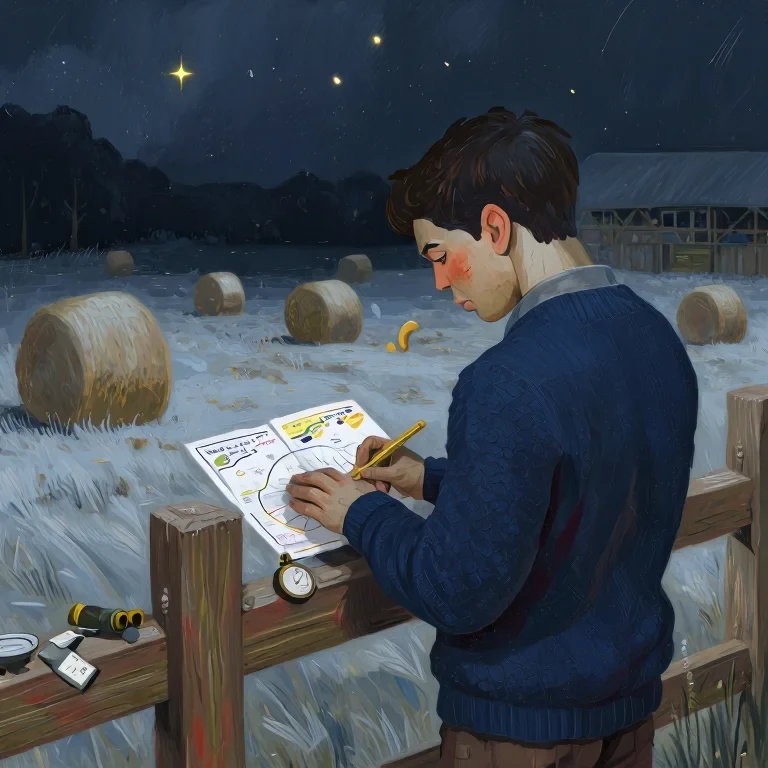
His uncle read the notebook at breakfast with his tea gone cold. “Four hours?” “Four hours.” “Twenty-minute watches?” Ben had the hours written in the left column and the total in the right one, and there was nothing else on the page. His uncle put a finger on the date. “Show me the green one.” “It was in the second hour.” “What were you doing when the green one came?” Ben did not answer straight away.
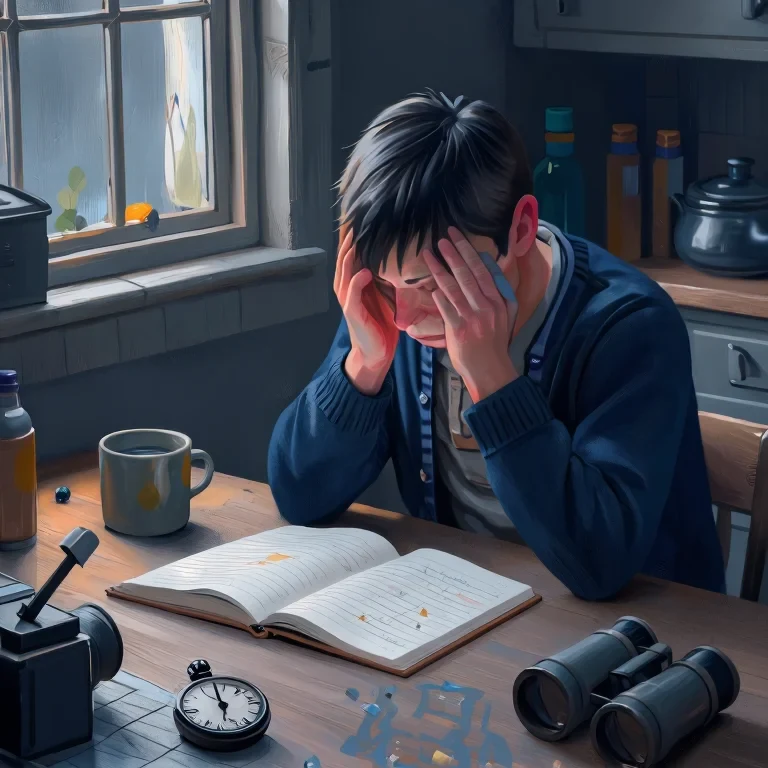
“You went down the hill to tell your aunty that the sky was doing something,” said his uncle. “That was three minutes.” “No,” said his uncle. “That was three minutes you know nothing about at all. It might have been one meteor in there. It might have been four. You cannot go back to that night and find out, and nobody ever will.” He put his finger on the page again.
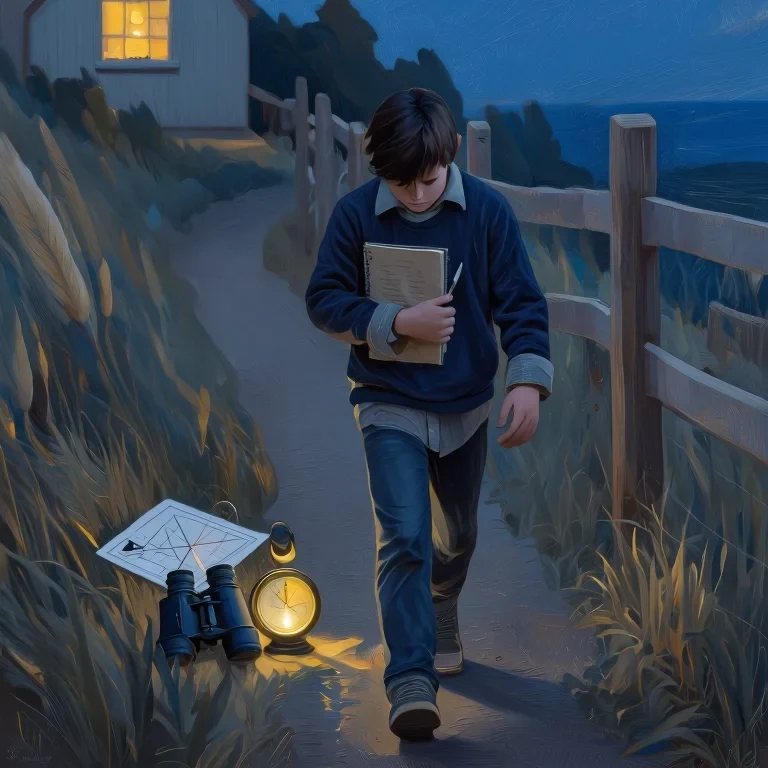
“So it goes. That watch, and the next one, because you were still walking up the track. Three of your four are not numbers. You have nine.” Ben said nine was a stupid number for four hours under a dark sky. “Nine is a number,” said his uncle. “Forty-seven is only a thing you told your aunty.”
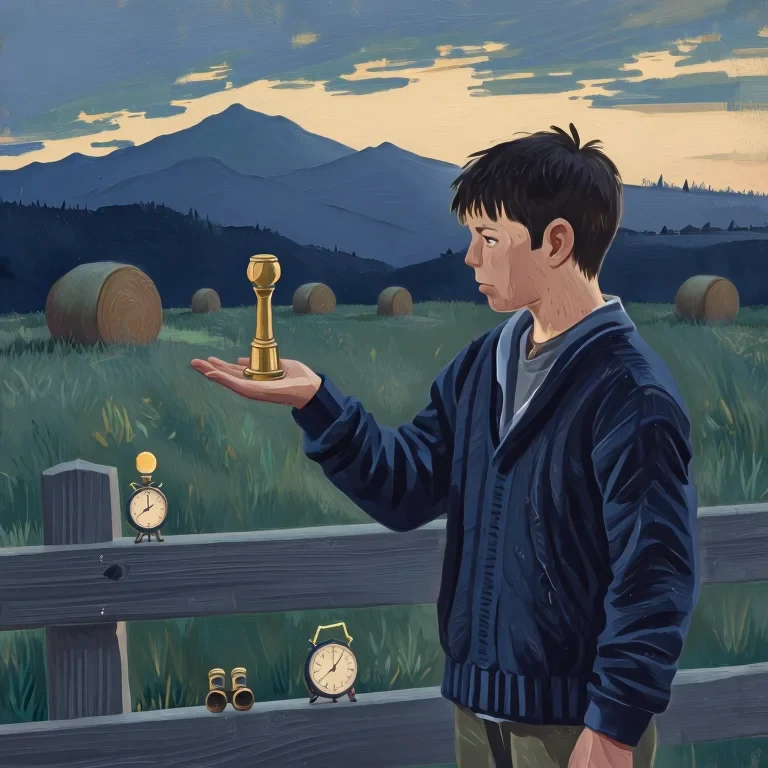
On the twelfth night his uncle read them out loud and wrote them down, and Ben did nothing but watch the north-east and call each one. They did four watches. The first gave three. The second gave two. The third gave five. The last one gave one, and then gave the one nobody could count twice. Eleven meteors in eighty minutes.
The books say a hundred an hour crosses the whole sky at the peak of the Perseids, and nobody standing in one field ever sees a hundred an hour. Eleven was not a bad night. Eleven was simply the size of the night, and Ben could put it next to every other night on the same page and add them up. On the twelfth there is a meteor you cannot add up.
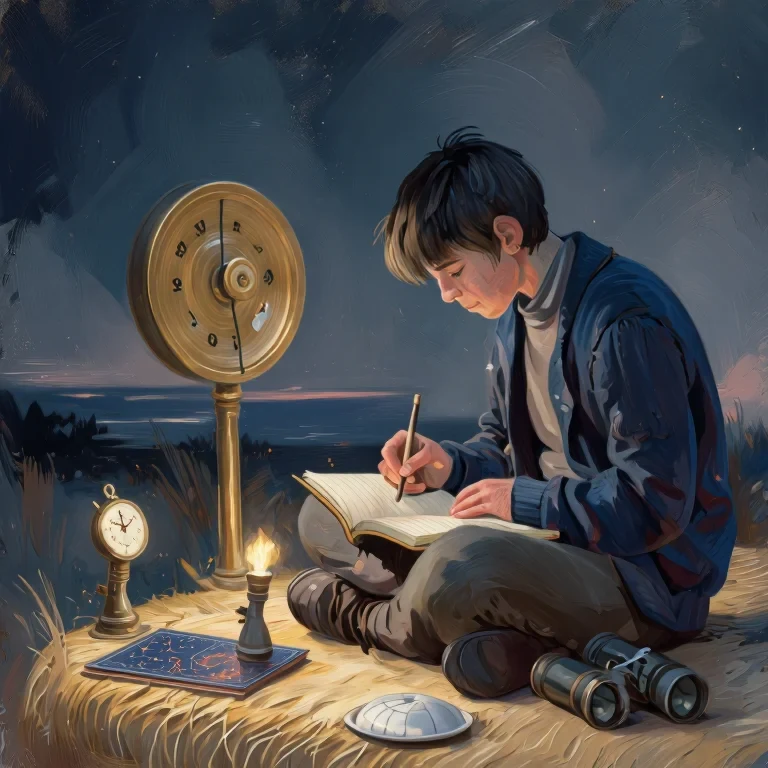
It came at five past two, in the last watch, and it had a train behind it that hung in the dark long enough to count to five. Ben shouted for it, but his uncle’s pen was already moving, and the second it took Ben to blink and look back up was a second he will never get again. They walked back up the track with the notebook held between them, and Uncle Ray wrote eleven on the sheet and signed it, and Ben signed under him. Somewhere in that last watch there may have been a second one. Nobody will ever know, and Ben wrote eleven down anyway.