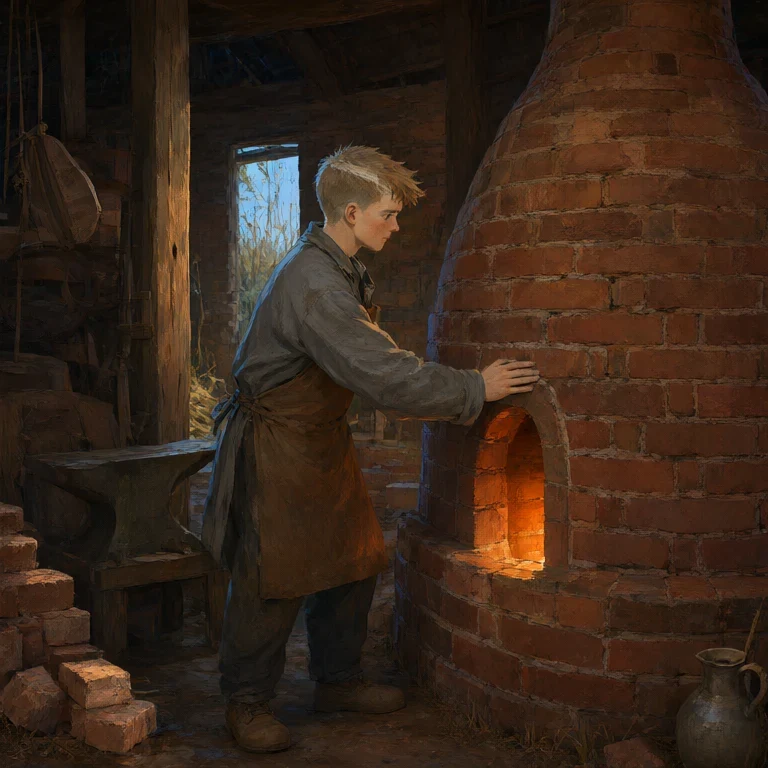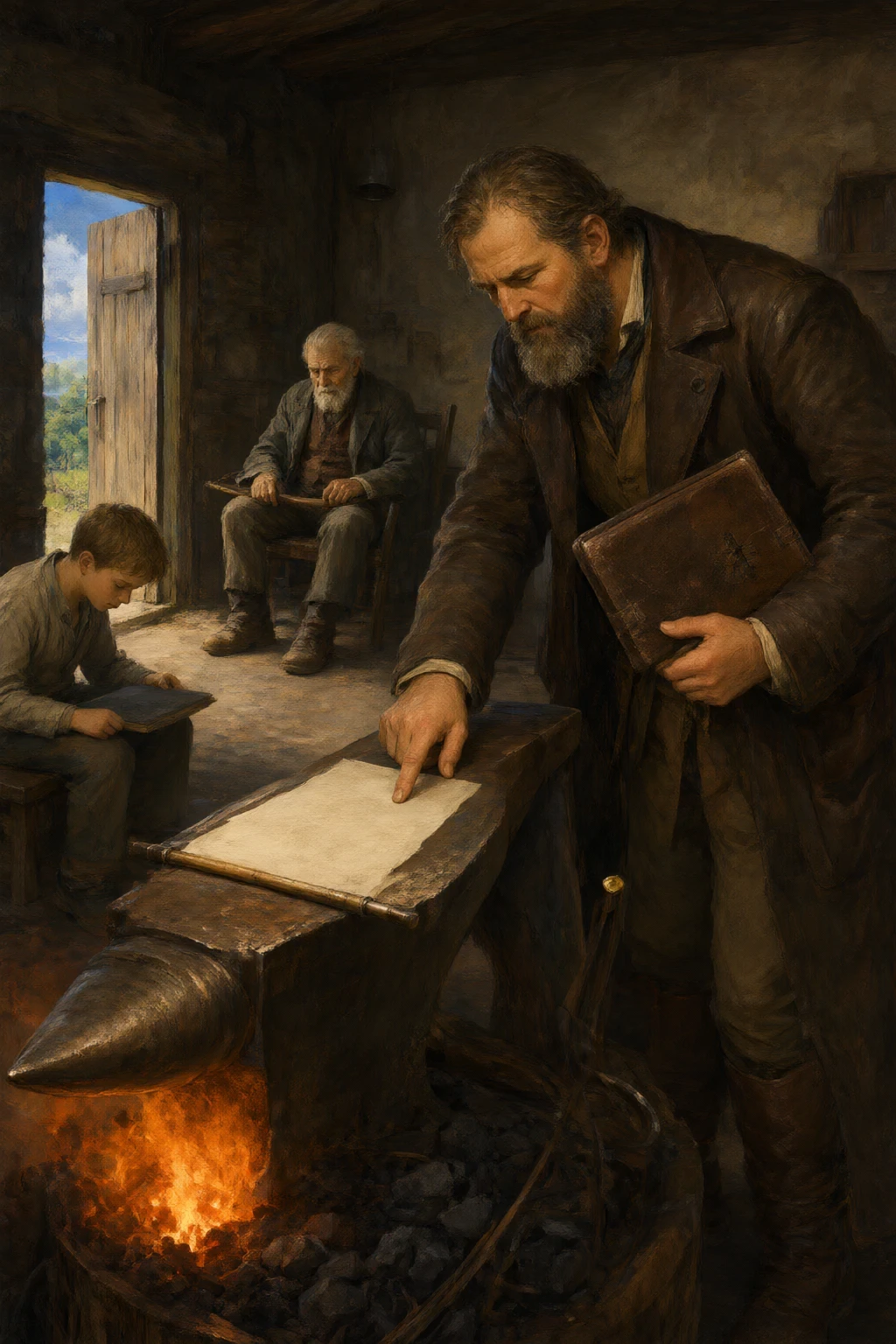
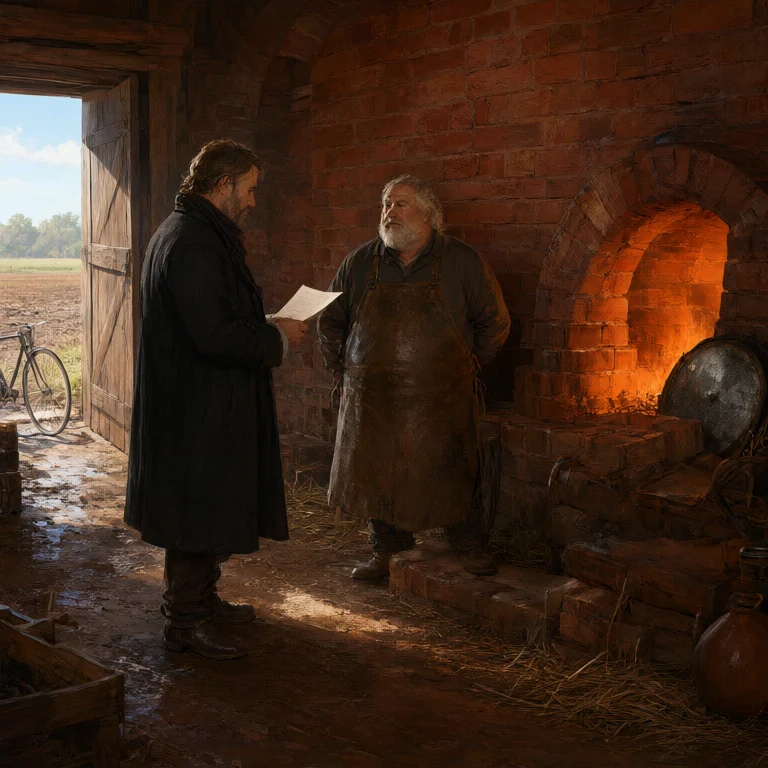
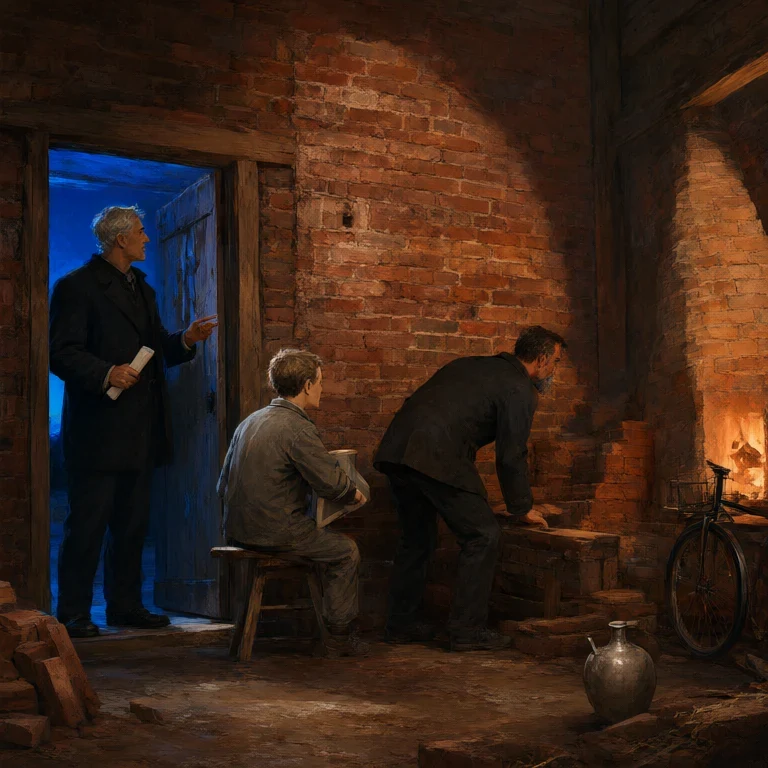
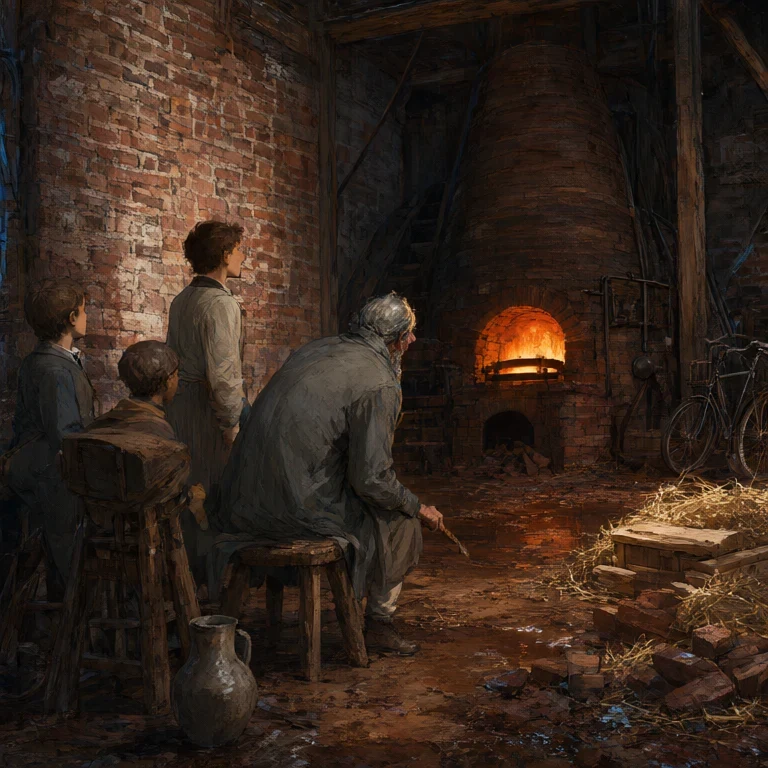
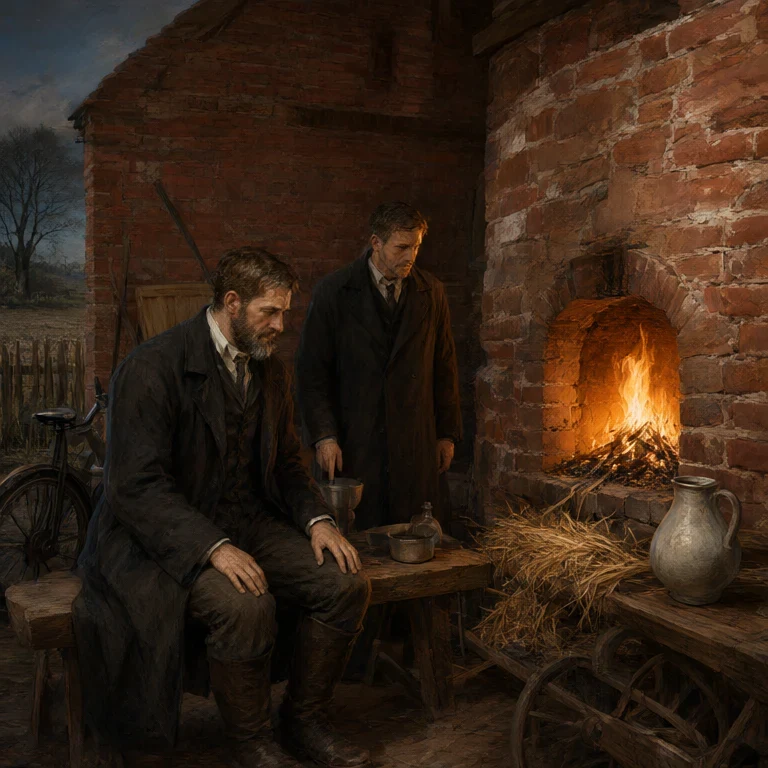
The assessment was held in the smithy because it was the only warm room at the end of the furlong, and because Fennick Roke kept the book, and because on the twenty-fourth of June a wolf whose licence has expired is not a wolf at all. He is a man with a book and a coat he does not need, and there is one thing anybody in Marl will say to that man, and the thing is not this year. There were two of them in the smithy at two o’clock who had not been in the smithy together in thirty-one years, and a third who had come for the chair, and the chair was against the wall because it was the only thing in the room with a wall behind it. The applicant was fifty-one, with a house of his own on the Low Fen side and a beard going grey at the jaw, and he had brought his licence in a leather wallet and had not opened it for eleven minutes after he sat down. The assessor was forty-seven and clean-shaved, and had brought foolscap rolled inside a cane, because the law requires the assessor to write the report in the room and the room is not a place a man writes standing up. Their father was eighty-one and had not brought anything.
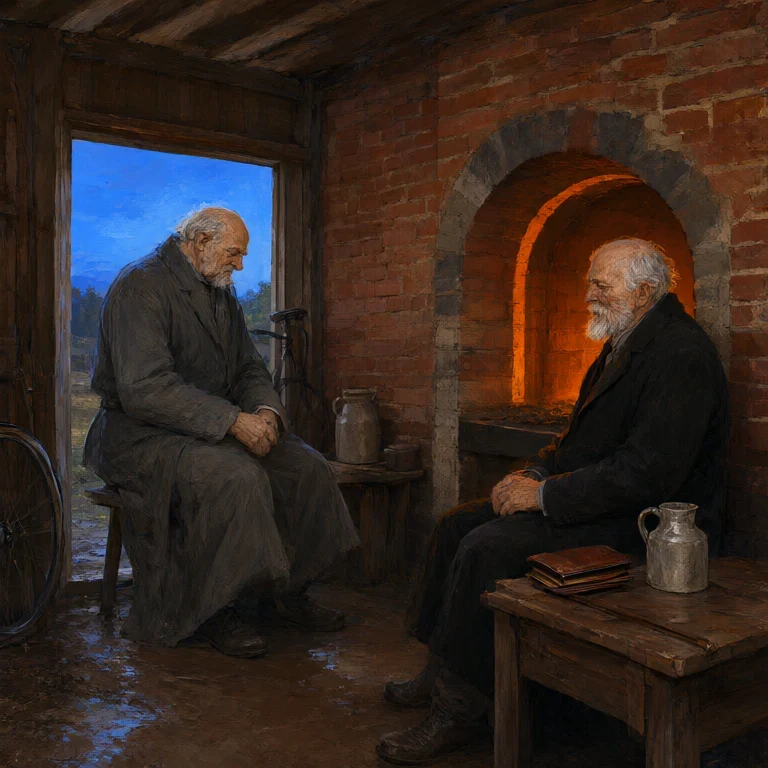
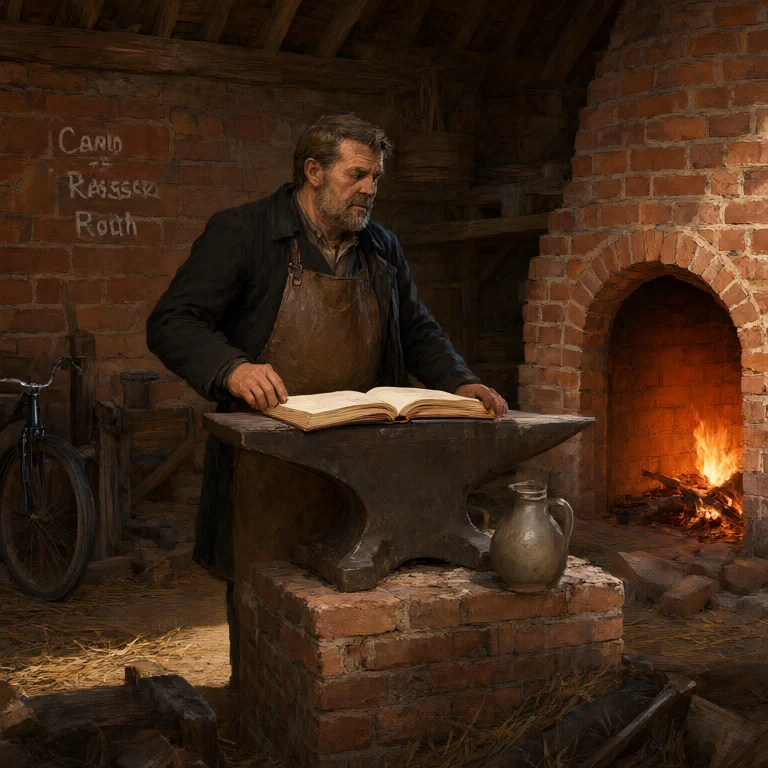
Fennick Roke put his book down square on the anvil bench, and squared it twice, which nobody at the end of the furlong had ever seen him do, and then he said the thing he had to say before anything else could be said. “The boy can sit there,” he said, and pointed at the stool by the fire. “He can sit there and write. He is not on the book and he is not paid and he is not promised anything, and if anybody in this room wants to make him a creditor he can go out and stand in the fen, because a child may not be a creditor at all.” Nobody wanted to make him a creditor. Fennick Roke had said it in that order on purpose. “Why him, though,” said the assessor. “Because he reads walls,” said Fennick Roke, “and you are going to want a wall read, and because I have had that book on this bench since 1889 and I am not having a man read it over my shoulder and write in it in a hand I cannot check.” “I do not intend to write in it.” “Then what do you intend to write in.” “The paper.” “All right,” said Fennick Roke. “The paper.”
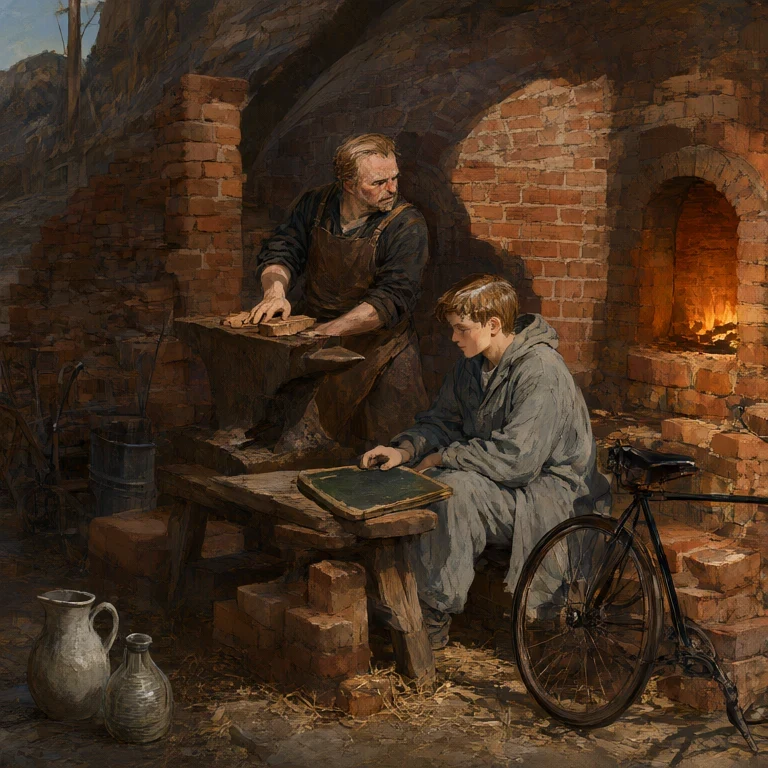
The applicant’s licence had expired on Midsummer the day before, a wolf’s licence running nineteen years and falling due at Midsummer, and he was therefore a man with no powers whatsoever, and the first thing Amos Cressy did was put that into the report in plain English and read it aloud, because the law requires an assessor to begin by stating the standing of the applicant. “Stand up, please.” Elias Cressy stood up. “You have no licence from this afternoon until the moment I sign at the foot of this sheet. Between those two points you may not enter a house, you may not speak to a debtor on a charge, and you may not take anything at all, including a chair, without asking. Is that clear.” “That is clear.” “Write that down,” said Amos Cressy, “and write down the time, and write down that he said it.”
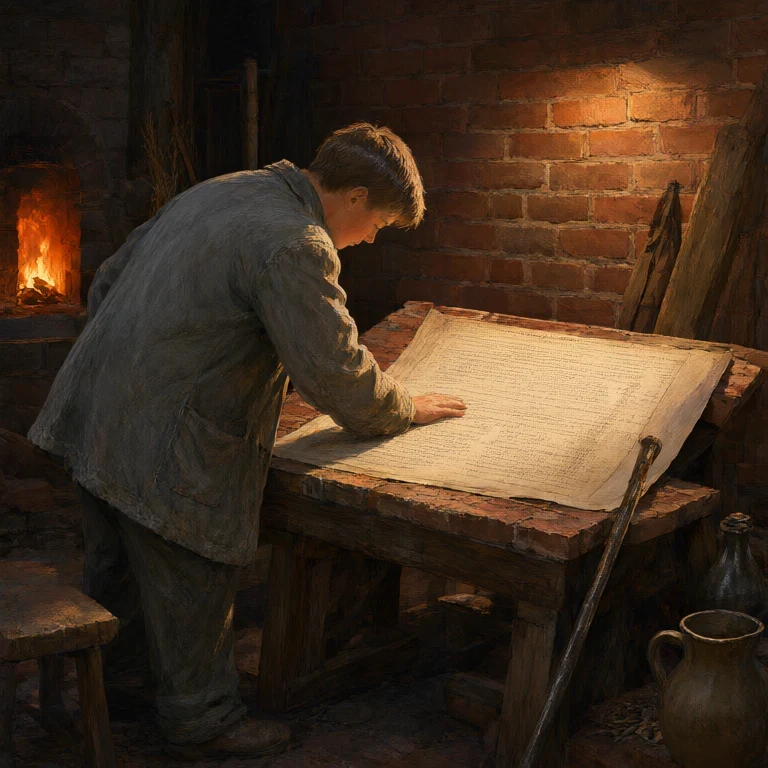
Then he rolled out the cane and unrolled the foolscap and put it on the bench, and it was the ninth article that the boy looked at first, because the ninth article was the standing, and the ninth article was the reason there was a smithy and a queue and a book in it. The licence was a single sheet of the same foolscap as the report, printed on one side only, and the articles were numbered in a compositor’s hand, and the ninth read: THE STANDING OF A WOLF SHALL BE ONE SHILLING AND TWOPENCE FOR EVERY HUNDREDWEIGHT OF BRICK CHARGED TO THE HOUSE AND TO NOBODY ELSE, PAYABLE QUARTERLY, WHILE THE LICENCE IS HELD, AND NOT OTHERWISE, AND NOT BY ANY HAND BUT THE WOLF’S. Holds. Not receives. Charged to the house.
“Now,” said Amos Cressy, to his brother. “The articles are the test. I am going to take them in order, and I am going to ask you what each one means and where you learned it, and the boy will write what you say, and if you are wrong about an article I shall have to say so on this paper, and this paper goes in the wallet and the wallet goes to the parish.” The first article was who may be a wolf, and it was one line, and it cost them forty minutes. “Any creditor may apply for a wolf,” Elias Cressy said. “The applicant is therefore not a person but an instrument. I was applied for.” “Who applied for you.” “The rate book says so.” Amos Cressy put his finger on a line on the sheet. “THE ELY AND FEN BUILDING SOCIETY, creditor, of the city of Ely, whose charge upon the house at number nine in the terrace of Marl, dated the ninth of May, nineteen hundred and eight, is unpaid. My father, Obadiah Cressy, held the first licence on this charge in eighteen eighty-nine.” “You have been eleven years on one house.” “I have been on four. That one first.”
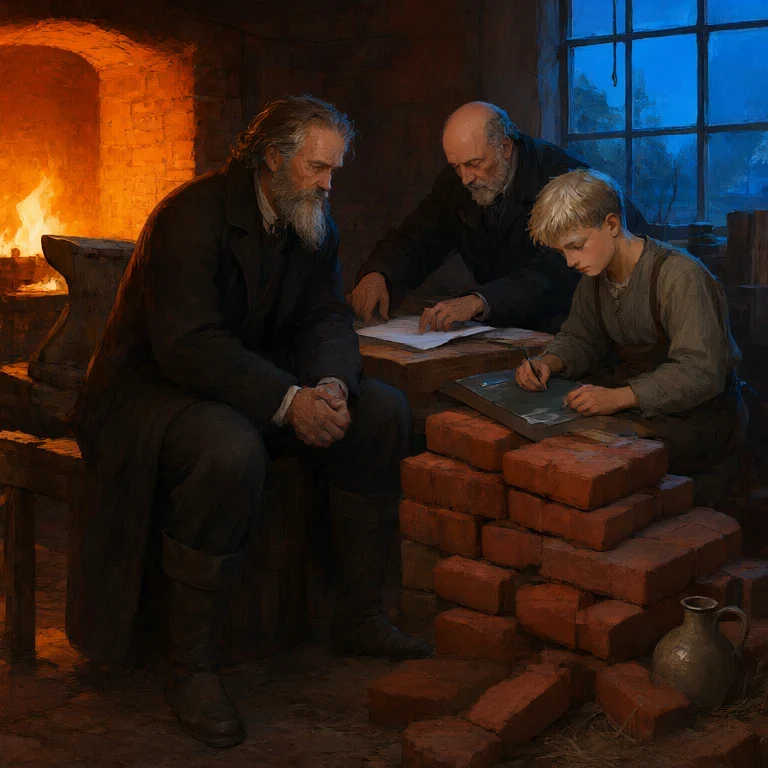
The boy wrote it out and then stopped, and he wrote one more line, which was not an article and was not the report, and which Amos Cressy let him write because a licensed assessor may take whatever assistance he likes and an unlicensed report is worth nothing. “Note the name of the creditor,” wrote Tomas Peake. “That is not in the report,” said Elias Cressy. “It is in my note, and my note is not the report.” The boy did not look up. “The society holds a charge on nineteen houses in this village. A wolf is applied for by a creditor. The creditor here holds nineteen, and a wolf is one man with one book, and while he is on a charge that runs to nineteen doors he is standing in eighteen of them, and nobody has ever put that in a licence.” “That is a true thing,” said Amos Cressy. “It is a true thing that nobody has ever said,” said Elias Cressy.
The second article was what a wolf may take, and it is where the afternoon stopped being a formality. “A wolf may not take a thing the debtor has not promised,” Elias Cressy said. “Nothing else.” “Then the whole of your trade is asking,” said Amos Cressy, “and if the debtor has promised nothing you have nothing, and there is no second attempt.” “There is no second attempt.” “Out of the door, then. All of you, except the two of us. The boy comes with me. I want the walls asked, and I want them asked in front of the applicant, and I want the answers read back by somebody who is not either of us.”
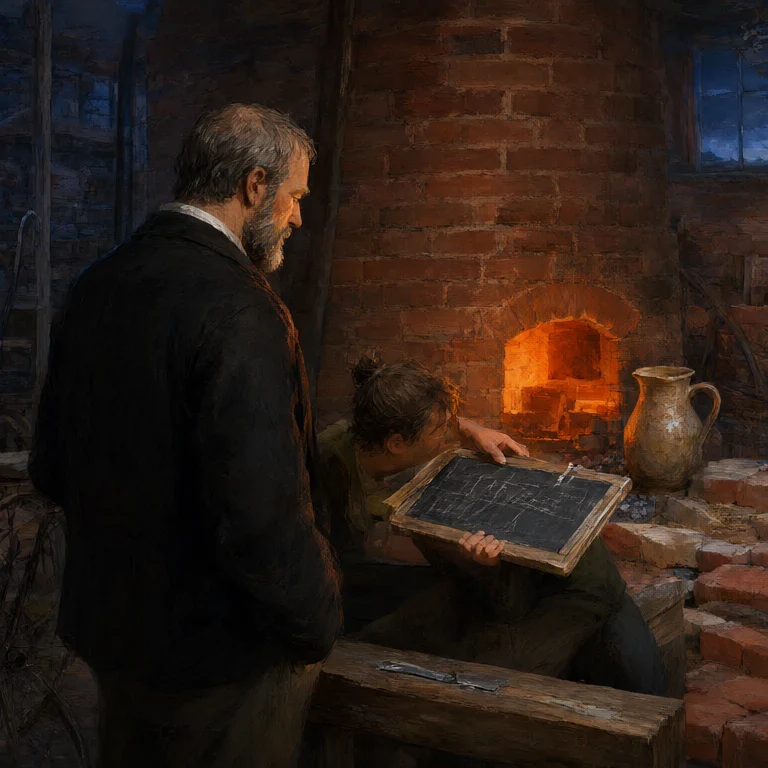
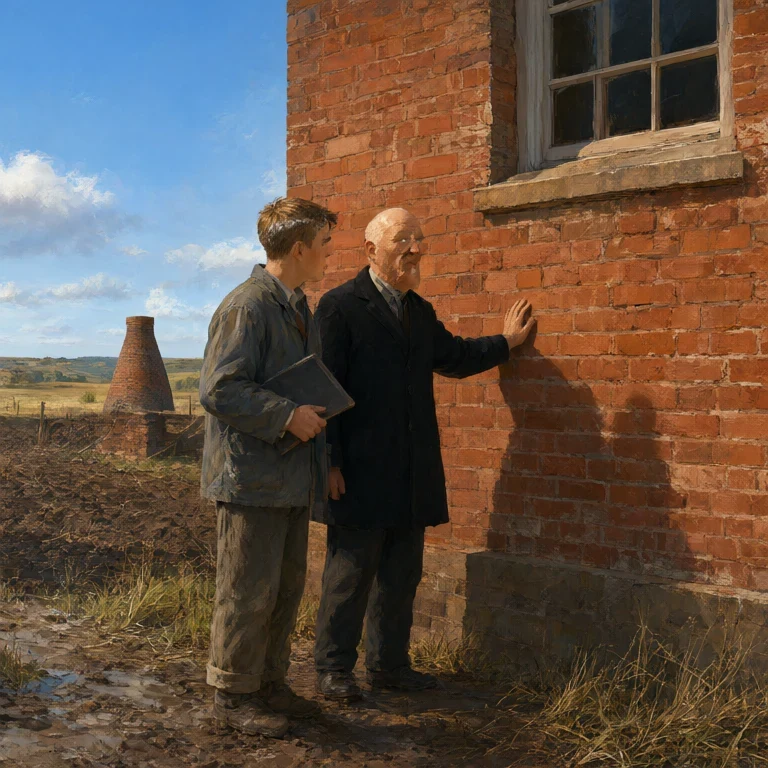
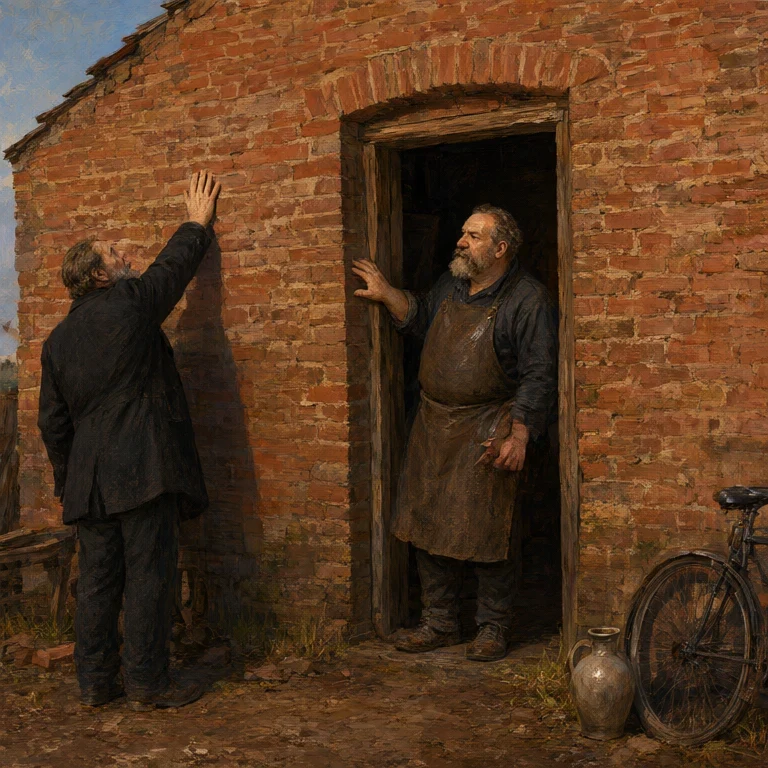
They went up the furlong to the high ground in the hard wind off the fen, and the smithy door was shut behind them and opened again four times that afternoon, and the only thing that ever went through it was the boy, with a slate. The brick house was the first, and it was standing and sound, and Amos Cressy did not blow at it, he asked it. He stood at the gable with his back to the wind and said, out loud, in the voice of a man reading a charge sheet to a stranger: “What are you made of, and what were you promised, and by whom.” The wall said it, in the mason’s small upright hand, in chalk, in four lines, under the total, and nobody put any chalk on that gable that afternoon. A BRICK HOUSE, PROMISED THE ELEVENTH OF APRIL, EIGHTEEN SEVENTY-ONE, TO SHELTER TWO AND STAND ONE HUNDRED AND FIFTY YEARS.
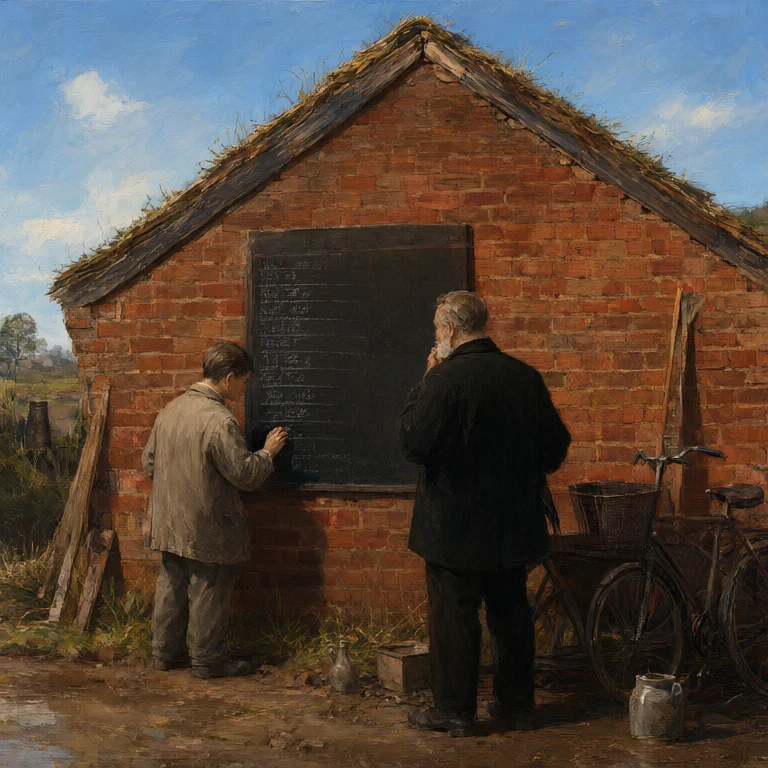
“Twelve lines of charges,” said Tomas Peake, reading. “Total, eight hundred and ninety-four pounds, six and eight, at Christmas. Standing, forty-seven and ten, which is forty-one hundredweight at one and two. Builder unnamed, hand unnamed, no year. Nobody has ever asked this house anything.” “Correct,” said Amos Cressy. “May the wolf take all of it.” “All of it,” said Elias Cressy. “Every penny. Because it is all of it that was promised.” The timber house was second, and it was standing and mortgaged, and its gable had nine figures on it and a total that went to eleven. “Asked, and answered,” said the boy. “Tarred timber, brick nog, promised the second of June, nineteen hundred and four, to stand a hundred and fifty years. Charges: lime, sand, cartage, interest, standing, and no wage line anywhere in it. Remortgaged twice.” “Twice,” said Amos Cressy. “Then the house may not be sold, and the second creditor keeps it, and the second creditor may not sell it either.” “Correct,” said Elias Cressy, and then, after a moment, “that is a wall a man can live in and not get out of.”
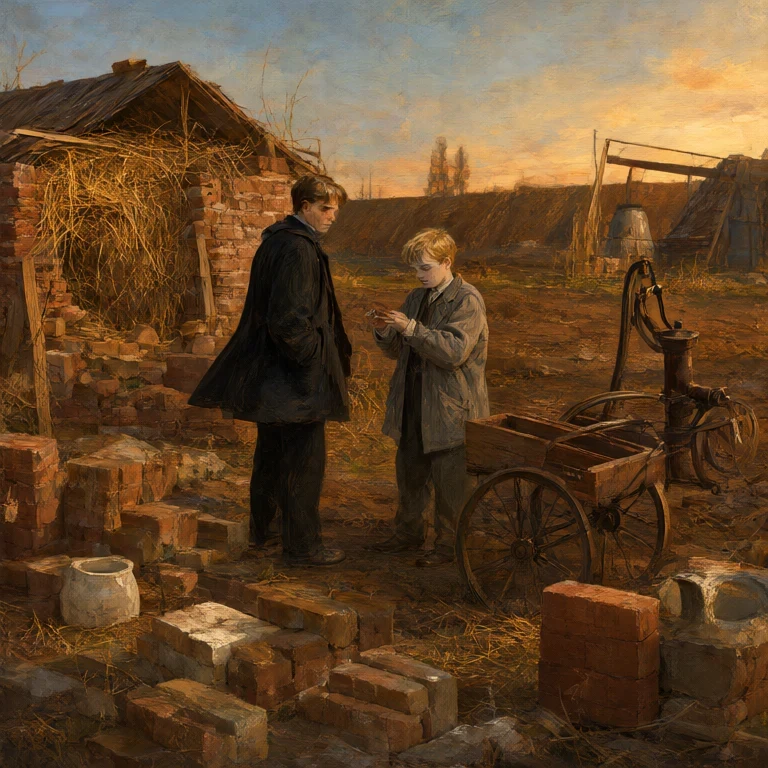
The third house was the straw, and the straw was down, and the two uprights stood in a heap with the binding still dry inside them and four lines of chalk on them, and the total was three shillings and fourpence. Amos Cressy asked it the same question he had asked the other two, in the same voice, standing where a person would stand. The wall said nothing at all. He waited a full minute, which the boy counted, and then he asked it a second time, and the wind took the sound of his voice out over the fen and there was nothing put on the gable and nothing added and nothing anywhere. “No promise,” said Amos Cressy. “No promise,” said the boy. “Then there is nothing there for a wolf to take, and there never was, and a wolf cannot begin at this house at all, and cannot go on at it, and cannot have been in it.” “It has not been asked,” said Tomas Peake. “Not once. In four years. The wind finds it first.”
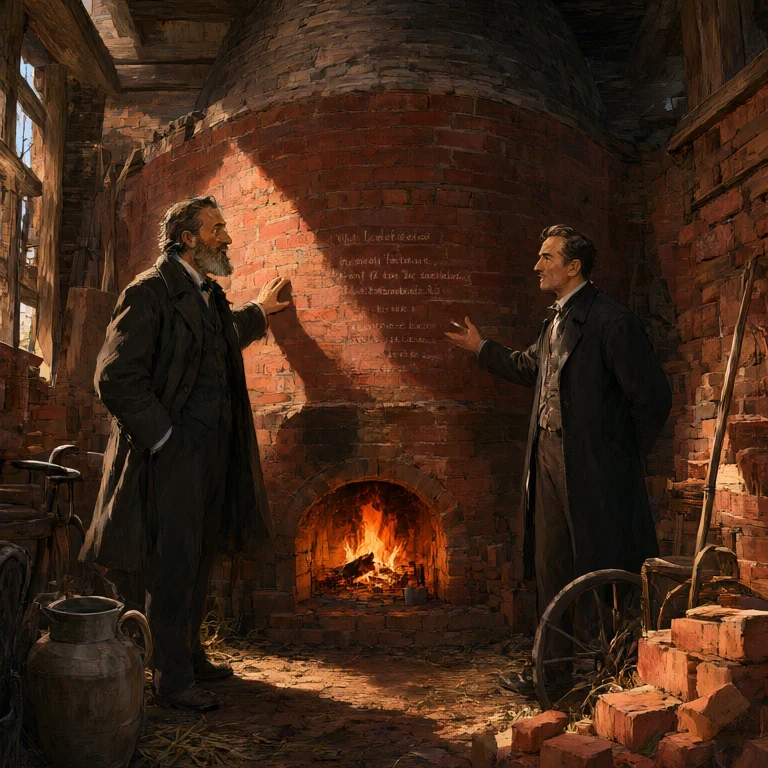
The fourth wall was the smithy, and that was the one that filled the book. “You will blow,” said Amos Cressy to his brother. “Article six. I will read the figure and the boy will read it after me, and if the two readings differ we shall do it again.” Elias Cressy put his hand flat on the smithy wall, twenty-nine hundredweight of Marl brick laid by his own hands in his first year, and he blew once, and the sound of it went off the wall and came back flat. The wall reported. It did not shake and nothing fell and there was no light. The mason’s small upright hand became the only writing on the gable, and the writing was the house’s own book, every line of it, from the date of the promise to the total. Fennick Roke came out into the doorway with his hand on the door frame and did not come any further.
A BRICK HOUSE, PROMISED THE NINTH OF JUNE, EIGHTEEN NINETY-FIVE, TO SHELTER ONE AND STAND ONE HUNDRED AND FIFTY YEARS. CHARGES TO DATE: ONE HUNDRED AND SIXTY-THREE LINES, OF WHICH EIGHTY-EIGHT ARE THE STANDING. TOTAL, ONE THOUSAND AND NINE POUNDS, FOURTEEN AND SIX. “Read it back,” said Amos Cressy. The boy read it back, and Amos Cressy checked it against the wall, and it was the same to the penny, and he wrote the time against it in the report. “Article six,” said Amos Cressy. “A wolf may take what the debtor has promised, and no more, and the whole of what a wolf may take is what the wall says when it is blown. Read the total again and read the eighty-eighth line.” “One thousand and nine pounds, fourteen and six,” said Tomas Peake. “The eighty-eighth line is the standing, one shilling and twopence the hundredweight the quarter, and there are eighty-eight of them because there have been eighty-eight quarters since the house was built, and the standing is in the total.” “Take the standing out of the total.” The boy took the standing out of the total on the slate, and did it in his head, because a pencil was in his pocket and he had been told to use the slate.
“Twenty-nine hundredweight,” he said. “Twenty-nine times one and two is thirty-three shillings and tenpence a quarter. Eighty-eight quarters is one hundred and forty-eight pounds, seventeen and four. One thousand and nine, fourteen and six, less one hundred and forty-eight, seventeen and four, is eight hundred and sixty, seventeen and two.” “Now tell the room what you have found.” The finding went into the report on a line of its own: THE TOTAL A WALL REPORTS IS NOT THE SUM OF WHAT WAS PROMISED. Nobody said anything for some time. The fire wanted feeding and Fennick Roke fed it without turning round. “That is a stone wall,” said Elias Cressy. “That is a stone wall of brick, and I have been blowing walls for nineteen years, and every one of them has given me a total with the standing in it, and I have never once been able to take the standing out.” “Because you may not,” said Amos Cressy.
“Because I may not. The ninth article charges the standing to the house, and the second article says you may not take what the debtor has not promised, and the debtor never promised the ninth article, because it was written by a wolf in eighteen eighty-nine and no builder in this county has ever promised a house four times a year at one and two.” He put his hand flat on the wall. “So a wolf blows a wall, and the wall gives him a number, and the number is bigger than the number he is allowed, and the difference is eleven lines, and it is the same difference on every house in this village.”
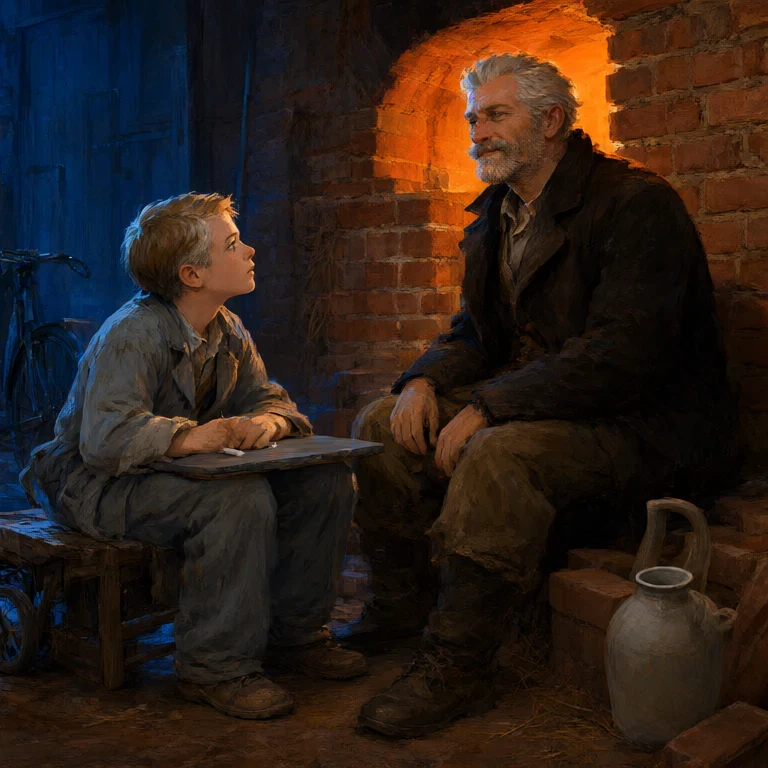
“Yes,” said Obadiah Cressy, from the chair, to the wall, and not to anybody. “I am sorry. That is my line. I wrote that article in eighteen eighty-nine and I put that figure in it and I never once took the figure out, and I have been ashamed of it for thirty years and have not been able to put it in a sentence.” “Article seven,” said Amos Cressy. “Children. Read it to me.” “A child may not be a creditor at all,” said Elias Cressy. “And a promise made to a child is not a promise until the child is grown, and there is nothing else about children in this law.” “Ask the question, then. It is in the article, you said, so ask it.” Elias Cressy turned round and looked at the boy on the stool, who had eleven lines on a slate and a stub of chalk in his pocket and no name on any of it. “What are you called, how old are you, and are you owed anything.”
“Tomas Peake, fourteen, and I am owed nothing, and I may not be owed anything, and I may not be lent anything or hired or promised anything, and I shall not be a creditor for six years.” He turned the slate round. “And I am on this stool because the assessor asked for the report in a hand that was not his own, because nineteen years of his figures have never once been disputed.” “Which is you.” “Yes, sir.” “Then write this at the foot of the page,” said Elias Cressy, “and I will sign it under my own name, as an article, and it will be true: the only person in this parish who can read a report is a person the law cannot pay.”
Article eight was the queue, and it took the rest of the afternoon, and Fennick Roke was the man it had to be said to. “Who builds first after a default,” said Amos Cressy. “Not who you decide builds first. Who, in the law, builds first.” “Whoever arrives first with a builder,” said Fennick Roke, from behind his anvil, with the book open. “Then can a wolf be first with a builder.” The room went quiet in a way that Tomas Peake had already heard once that spring and did not expect again. “A wolf is a professional,” said Elias Cressy slowly. “And a professional is not permitted to want anything.” “You may take a thing the debtor has promised,” said Amos Cressy. “That is not wanting. Wanting is applying for a builder’s licence in your own name, because a person applies for a builder’s licence to get the work. A wolf may not want anything, and therefore may never hold one, and therefore may never be in the queue at all, not first, not second, not at any hour of any day.” “Write that down,” said Tomas Peake. “It is already written,” said Fennick Roke, “by you, in the last minute.”
“Then the article means that a wolf never rebuilds anything. A default is resolved by whoever arrives first with a builder. A wolf cannot be that. So in every default a wolf has ever entered, the house was rebuilt by somebody else and the wolf took it anyway, on the creditor’s charge, and paid nobody and built nothing and went home.” “Yes,” said Elias Cressy. “And in every such case the house stands, and the wolf has it, and may not sell it, because the second creditor keeps it and the second creditor may not sell it either.” Nobody said anything. Fennick Roke put his thumb in the book at a page and left it there.
“Now the last one,” said Amos Cressy. “The second creditor. And the boy has found the four.” He had. Tomas Peake had been in the rate book since eleven, reading the whole of it, because the smith had let him and the book lay open flat on the bench, and when the room came back in out of the wind he had four lines copied on the slate, and all four were the same shape. “An entry of nineteen hundred and six, number eleven, second charge entered, no sale thereafter in eighty years, occupants still in the house. An entry of 1911, number four, second charge, no sale, occupants still in the house. An entry of nineteen thirty-one, number thirty-one, second charge, no sale. And an entry of the second of June, nineteen twelve, number fourteen, second charge, no sale. Four in eighty years, and about nine hundred people in Marl since eighteen seventy-one.” “Four,” said Amos Cressy. “Four. And not one of them is empty.” The boy put the chalk down. “And the last one is in this furlong.”
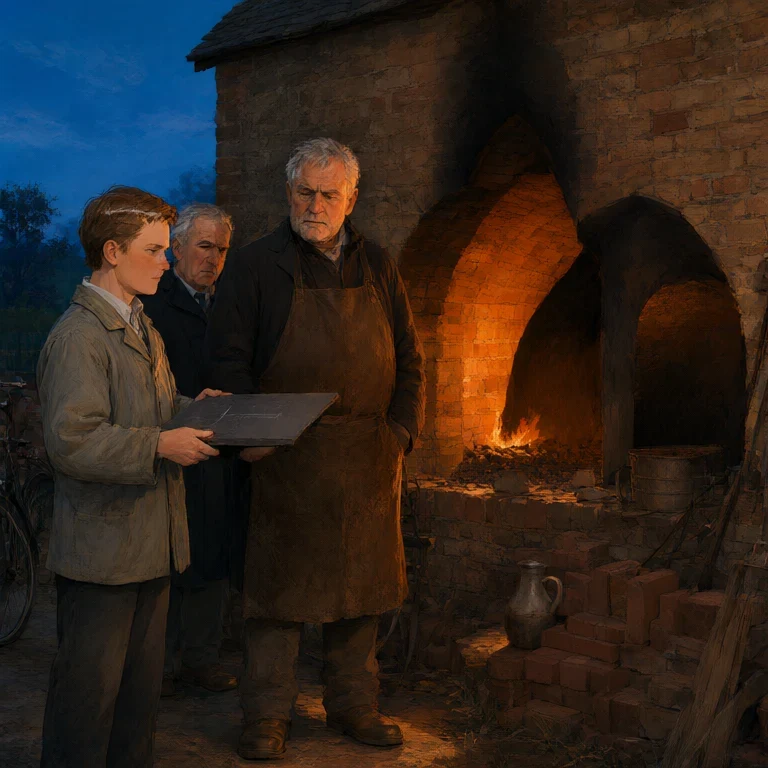
Mira Sedge was at the smithy door before anybody had sent for her, because the smithy door faces the terrace and the terrace faces the furlong and a woman who has lived at the end of a street for two years can hear a figure read out. She came in and stood with her back to the door, which she had never done in her life, and looked at the book on the bench. “My entry,” she said. “The second of June, nineteen twelve. Second charge. No sale.” “Yes, ma’am,” said the boy. “How long has it been yours to be stuck there.” “Since the second of June, nineteen twelve,” said Tomas Peake. “Five years and twenty-two days. My mother’s funeral was in the second one after that.”
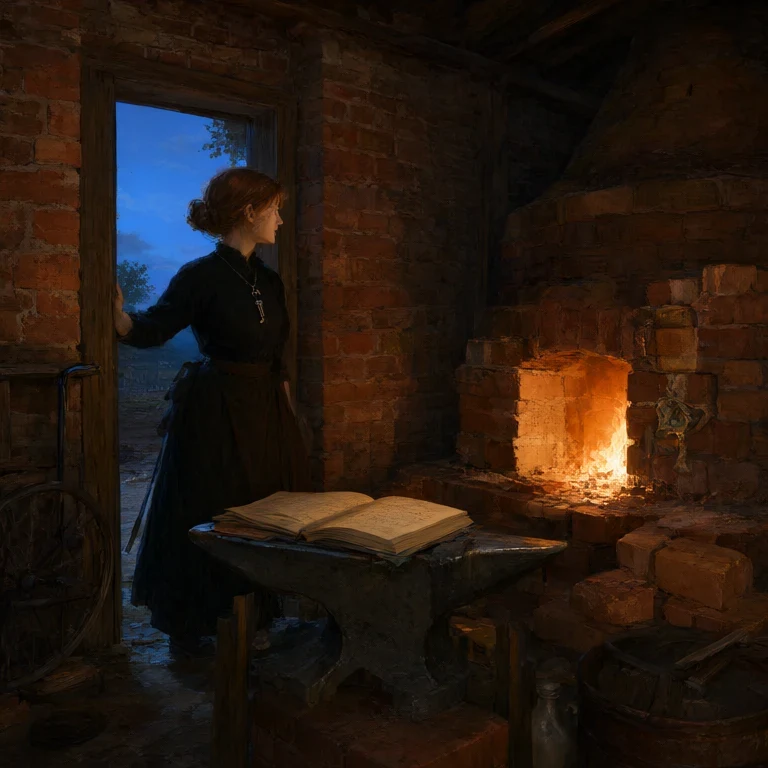
“That is fair,” said Mira Sedge, to the room. “I know exactly what that means. It is the same figure as the other three, and I have been in this house six years and have never once been able to sell it, and I would be standing at a door this evening with a bag if I could.” She put her hand on the edge of the anvil bench, which is the only thing in the smithy she has ever been allowed to touch. “And here is the figure that makes it fair, and I would like it on the slate. Four hundred and fifteen pounds, thirteen and six, true at Lady Day. I have four pounds and no means, and the rule that keeps me in this house is the only reason I am not in a lodging house. That is the fairest thing this village has done to me and I have spent six years wanting it to be the other thing.”
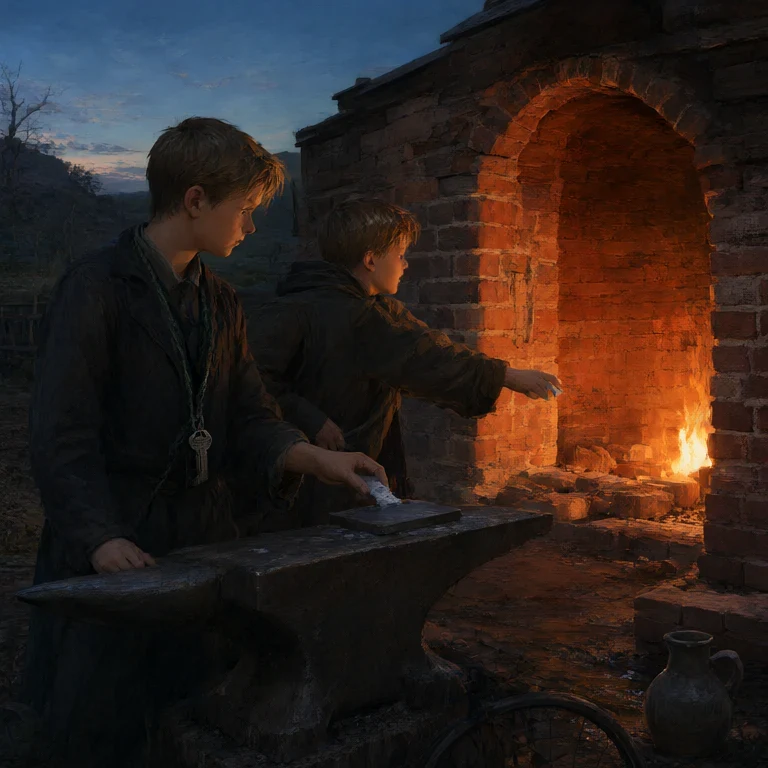
The boy wrote the figure and did not say anything, because there was nothing a boy of fourteen could say to that, and because a wall had taught him that a figure is a figure. Fennick Roke turned his book round so anybody could read it, which he had never done, and pushed it a half inch towards Tomas Peake, which was the whole of what the smithy had to offer a person all afternoon. “Article nine,” said Amos Cressy. “And this is the last, and then I sign.” “Article nine is the standing,” said Elias Cressy. “Article nine is the standing,” said Amos Cressy, “and there is nothing else in this law about the standing at all, and I have looked for it since I was twenty-eight, and there is nothing.” He unrolled the cane again and took out a second sheet, which was the licence as the applicant had drawn it up, in his own hand, in the boxes, and he put it flat on the bench and read it out from the top, because the law requires the assessor to read the whole of an application to the applicant in the room in which it was made.
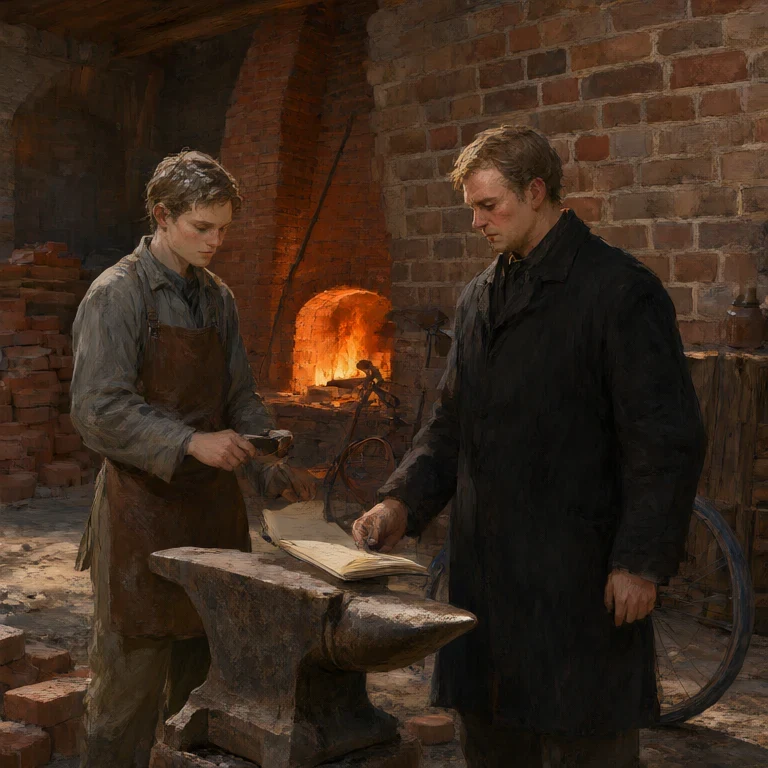
When he came to the last article, on the second sheet, in his brother’s hand, he stopped for a moment and then went on, because he was an assessor and assessors do not stop. “Article nine, additional: the licensee is authorised to take and to collect the standing charged to the house under the ninth article of this licence, in full, at each quarter day, without further assessment, this standing being a debt proven by the wall itself.” He stopped reading there, because there was nothing after it. “That is me,” said Elias Cressy. “That is my hand. I wrote that on Tuesday.” “Yes,” said Amos Cressy. “It is not in the original. I added it. I was going to take it out and put it back in and say nothing about it, and then I did not, and now it is in the report.” “It is in the report because I read the whole of it aloud, in this room, as I am required to, and I could not read the whole of it and leave a page unread.” Amos Cressy put the sheet down. “You are not in the wrong. Say the thing out, because it is a fair question and the boy will write it.”
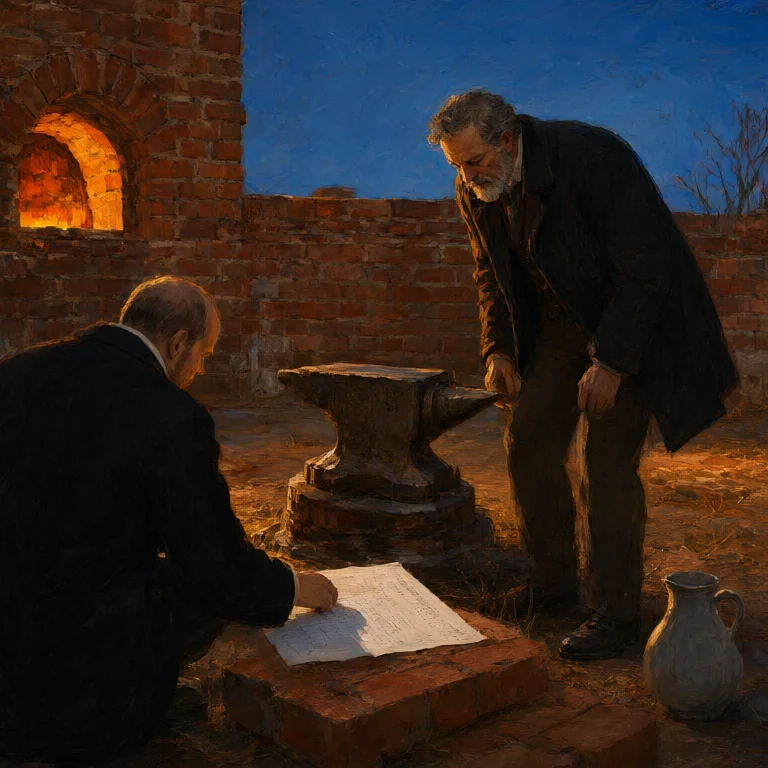
“Why do I want it?” said Elias Cressy, to the bench. “Because in nineteen years I have not been paid one shilling and twopence of the standing out of one hundred and sixty-three lines. I have stood at a hundred and forty walls in this fen and blown on every one, and every wall has given me the total, and I have not been able to take eleven lines out of any of them, and I am not allowed to ask why. The difference between what I am given and what I am paid for is the standing.” He put both hands on the bench. “That is wanting something,” said Amos Cressy. “And a wolf is not permitted to want anything, and you have written it on the paper in your own hand, and I have had to read it out.”
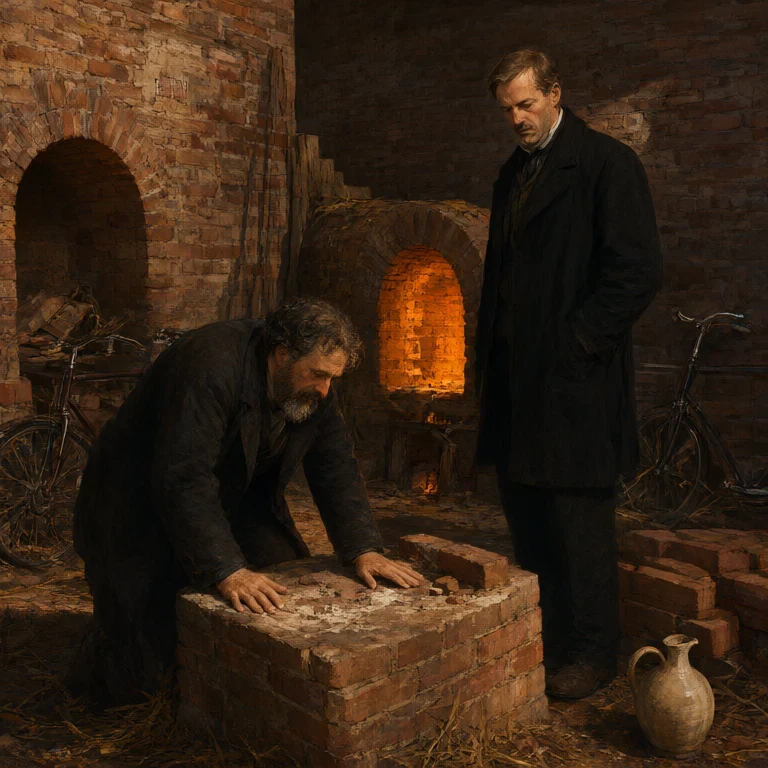
“Strike it out,” said Obadiah Cressy from the chair. Nobody had asked him. “Strike it out, Amos, and grant the licence, and the standing will go on running, charged to four hundred houses in this village for another thirty years, and I have made four hundred liars out of the best men in this parish, and I would rather have one of them in the room than have the money.” His jaw went and stopped. “I am saying that to the wall, because there is a wall here and I have always found it easier.” “Strike it out yourself,” said Amos Cressy. “You are the assessor.” “You are the man who wrote it into me.”
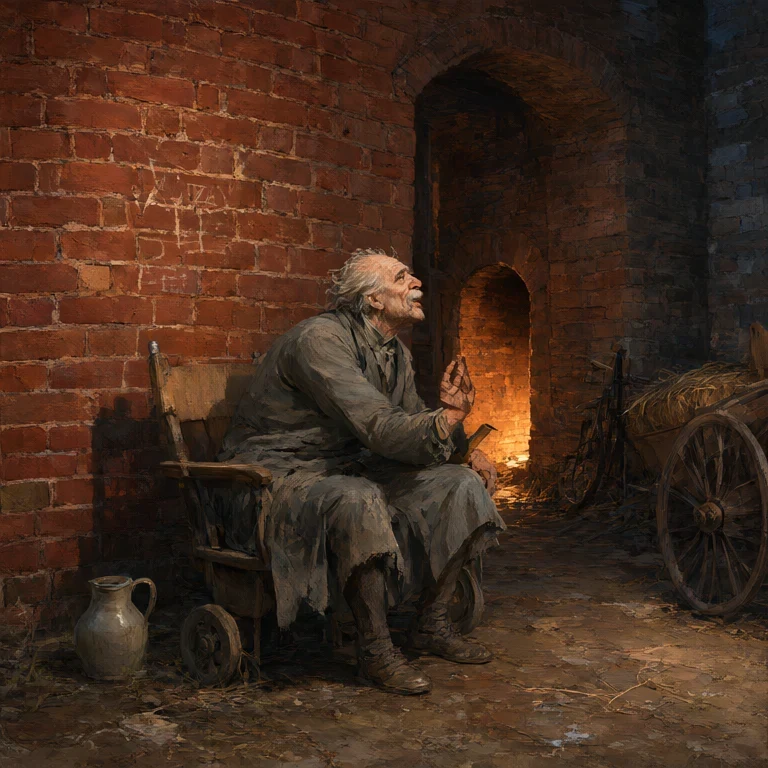
The boy had both licences off the shelf by then, the applicant’s and the assessor’s, out of their wallets, and he had had them on the slate for ten minutes without saying anything, and now he said: “They are the same paper.” “That is correct,” said Amos Cressy. “Same forme, same type, same nine articles, and the ninth article is the standing on both, at the same figure, in the same words, charged to the house and to nobody else.” The boy put the chalk on the bench. “Except that on the assessor’s licence the ninth article is charged to the assessor, and on the wolf’s it is charged to the house. In your hand, sir, on both of them. And it is the only article in the two licences where the words differ at all.” Nobody said anything for some time. “Which did you write first,” said Amos Cressy.
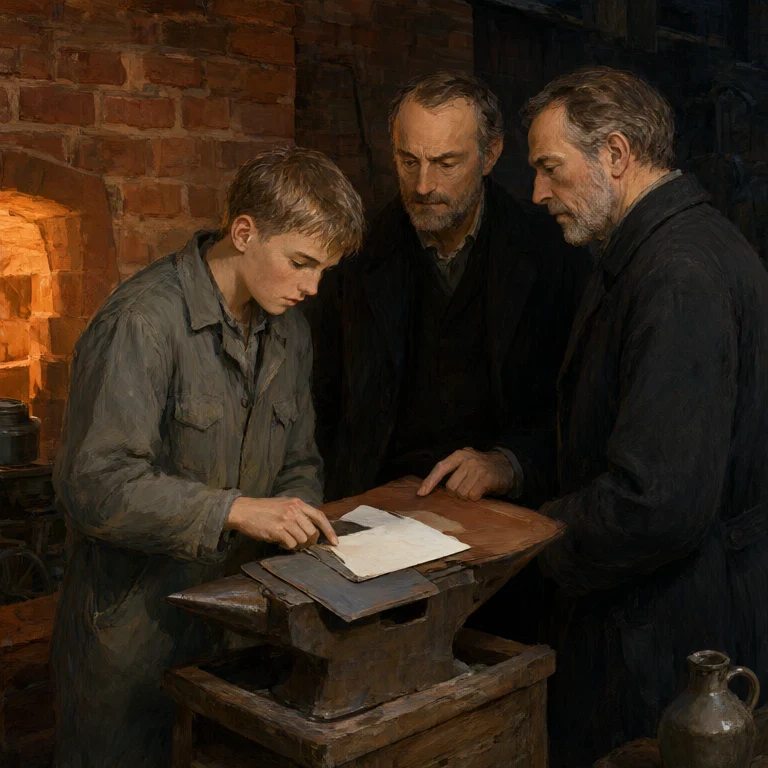
“The assessor’s,” said Obadiah Cressy. “I wrote it in an afternoon in this smithy in eighteen ninety-eight and I filled the box for the assessor, and I put the standing against myself, and I sat here three days and could not do the other one, and on the fourth day I came back and filled in the other box and charged that one to the house, and I have not let anybody see the two of them together since that Wednesday.” “Why three days,” said Elias Cressy. “Because yours cannot stop anything and mine can,” said his father, to the wall. “A wolf takes. An assessor decides that a wolf may take, in a room with a rate book in it, and that is worth ten of a wolf. I would rather have the one that could stop me in the house with the book than the one that could not. And I wanted to be stopped, and I could not ask you for it, because I am your father and you would have looked at me for it for the rest of your life.” “You never told me there was one.” “No.” “You taught me for a licence and you taught him to be the man who checks it, and you did not tell either of us which was which.”
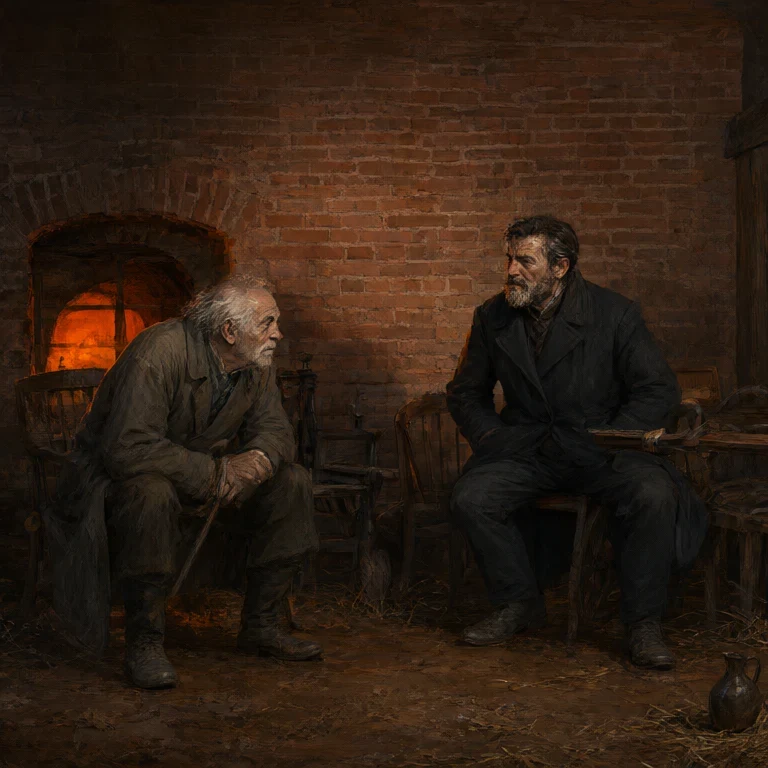
“I taught you both,” said Obadiah Cressy, “in one afternoon, out of one sheet, and I have been ashamed of it for thirty years, because a man who builds the check and the thing that is checked, and takes the standing off both, has built nobody a check. He has built a mirror. And a mirror is the best thing in a village like this, and I would not be without it, and I have never been able to say both those sentences in one breath until this afternoon.” Amos Cressy struck the ninth additional article out of his brother’s application with a pen and one stroke, and wrote beside it, in the small upright hand the report was in, NOT CLAIMED. WITHDRAWN BY THE APPLICANT BEFORE ISSUE, and then read the licence over from the top, all of it, including the striking-out, and signed at the foot, and put the time, and then wrote the ninth article on the face of it, where a man can find it. Elias Cressy took his licence out of the wallet it had not left for two and a half hours, and read it standing, which is not required of him. “Wolf-holder again, from this afternoon,” he said. “Nineteen pounds a year and one shilling and twopence the hundredweight on every house I blow.” “Nineteen pounds,” said Amos Cressy. “And the standing.” “And the standing.”
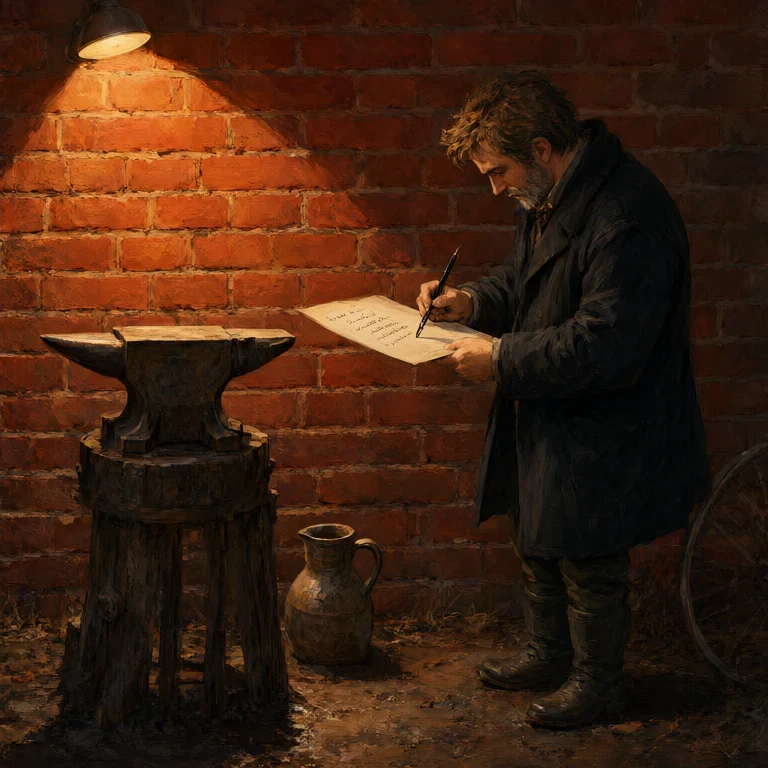
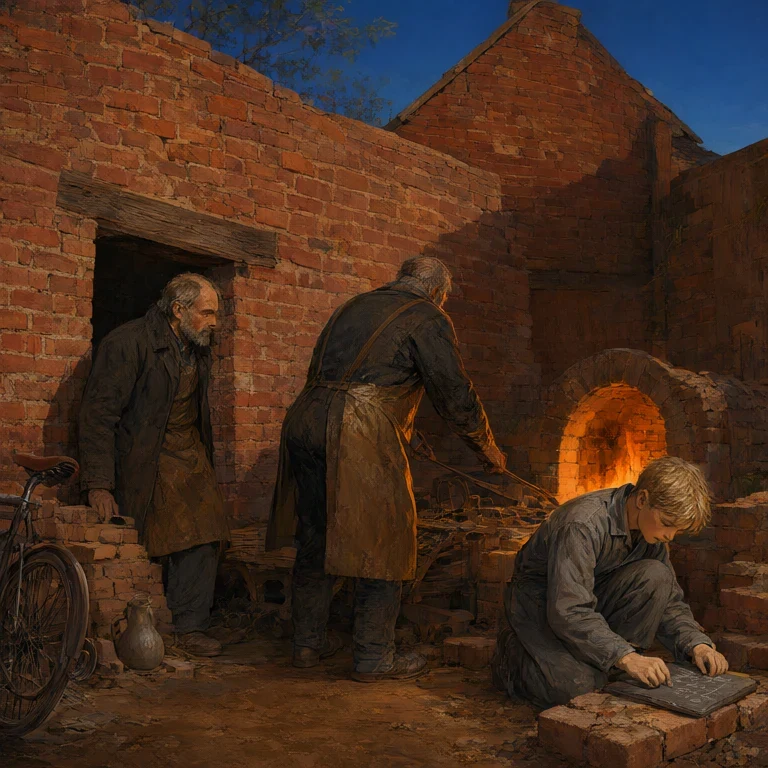
The boy had to get back to the third field for the five o’clock shift and he was late, and he went out through the smithy door with the slate against his chest, and Obadiah Cressy called him back and asked to see it. Tomas Peake held it out. There were two hands on it, the report in Amos Cressy’s writing, and his own lines, of which there were nine, and the nine lines were not the nine articles but the nine things found out in an afternoon, and the last of the nine said: NO WOLF HAS EVER COLLECTED THE STANDING. NO WOLF CAN. THE LINE IS CHARGED TO A HOUSE THAT NEVER PROMISED IT. The old man read it twice, with his back against the wall, and his jaw went once and stopped. “That is in a hand I can read,” he said, “and it has not been in a hand I can read since I wrote it.”
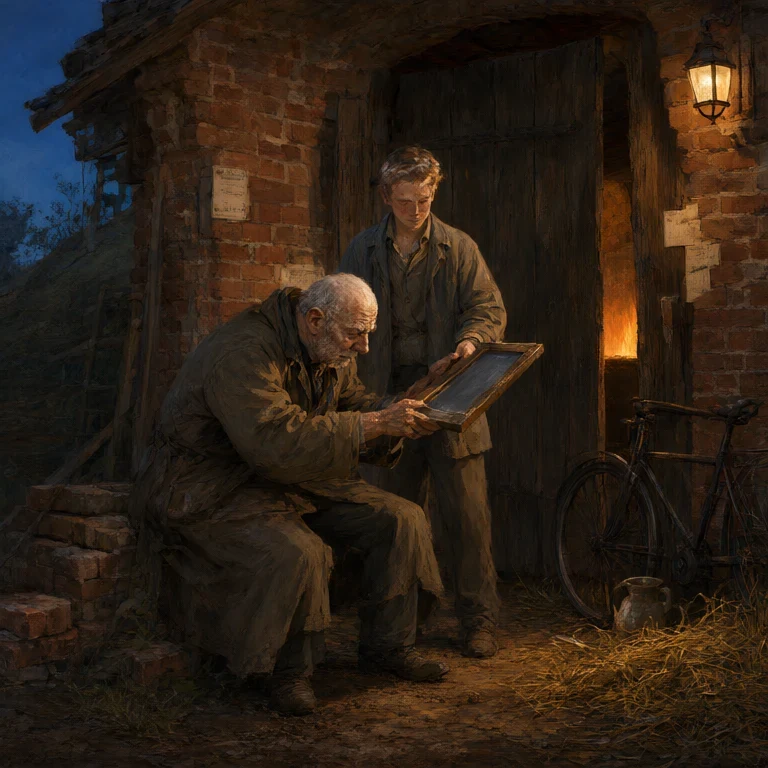
Fennick Roke put the book away at six, square, and squared it, and then said the only sentence he has ever been able to say to anybody about the queue and the reason for it and the absence of any rule in it, and he said it to a boy with a slate and not to the two men at the bench. “Five o’clock, Peake. The kiln does not wait because we have had a licensing afternoon.” The boy was at the third field at five and a minute and the gang had not waited, and one of the six looked at the slate under his arm and at the brick dust at his hairline and said, “Reading again,” and Tomas Peake said, “Writing,” and put his hand on the warm brick of the kiln wall, forty feet of it, cold for nine months and lit for eleven days, and read nothing at all, because there was nothing on it yet that he knew of, and went up onto the gang.