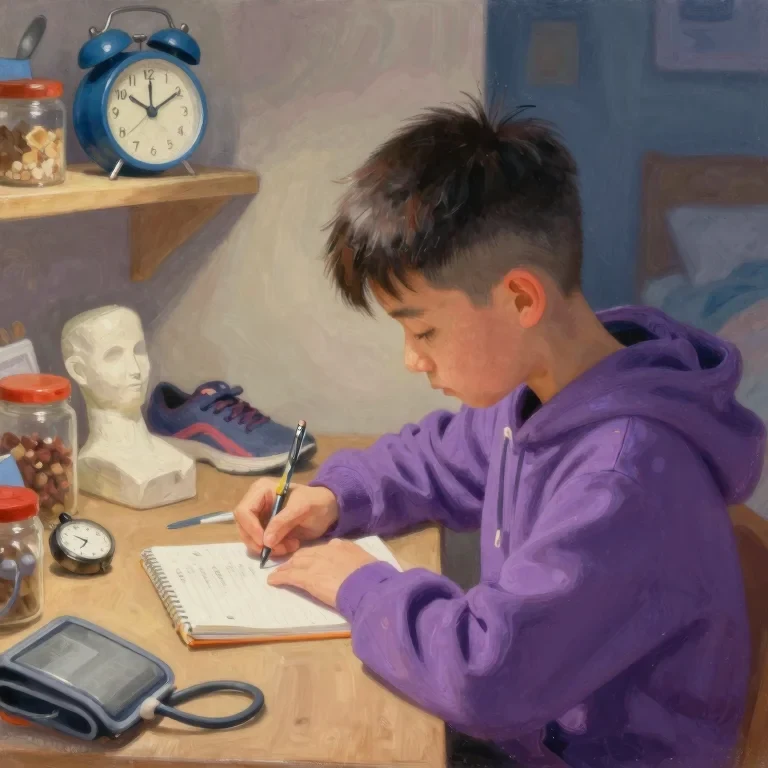
Tama Whitfield was nine. His hair was shorn short all over except for one piece at the front that he would not let anybody cut, and he wore a purple hoodie with the sleeves pushed up in the middle of winter, and his mother had stopped arguing about that.
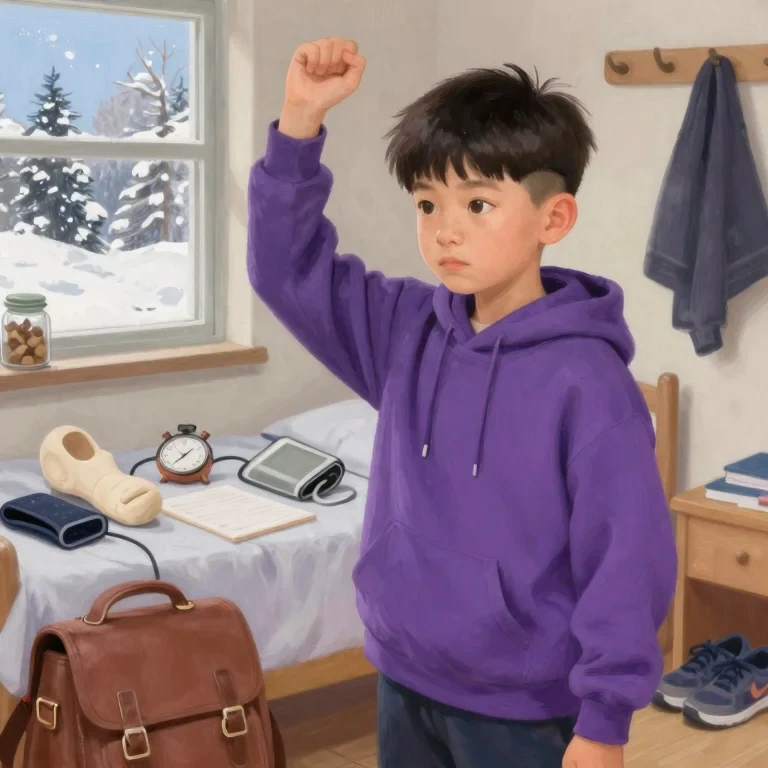
On the fourth of March he came off his scooter into the kerb at the top of Cobb Street. He put his left arm out to save himself, which is what everybody does, and it is the worst place in the world to put one.
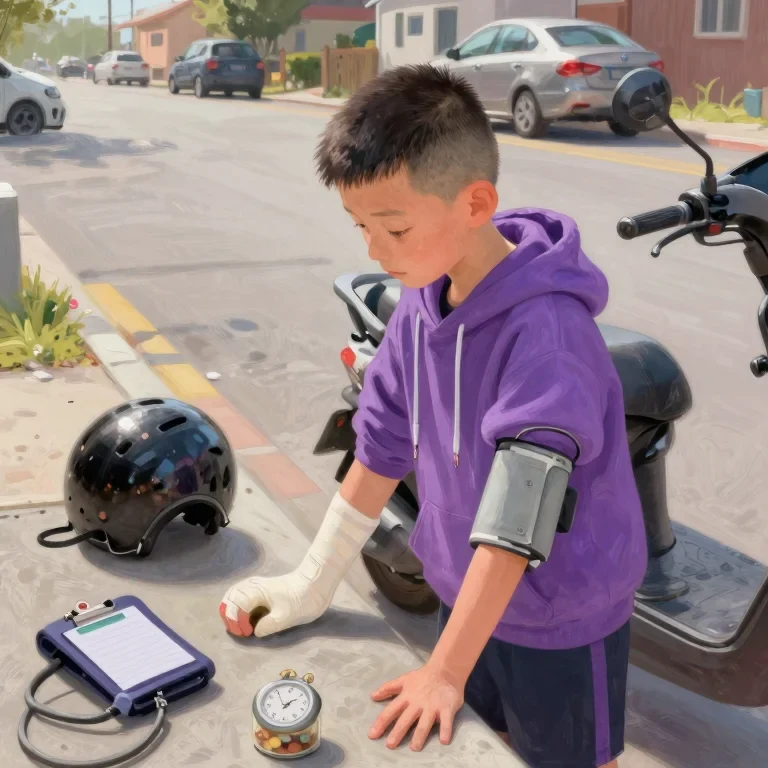
The fracture clinic at the bottom of the hospital called it a crack across the forearm, close to the wrist. One bone and not two. Sister Gale put wet plaster round it from under his knuckles to just below the elbow, and turned the wrist the way it ought to sit, and held it there until it went hard. Then she wrote the date and the name of the bone on the outside in marker.
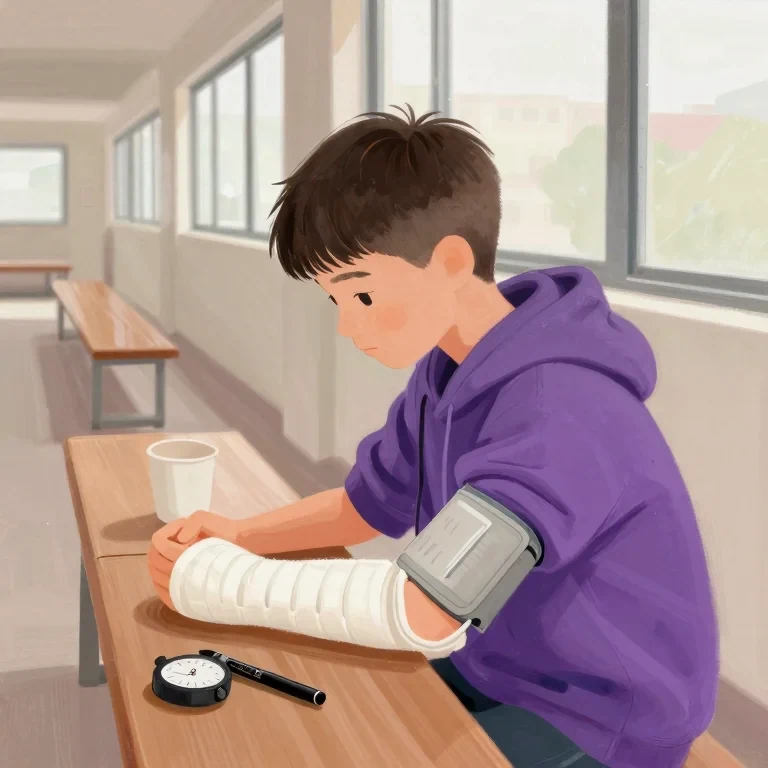
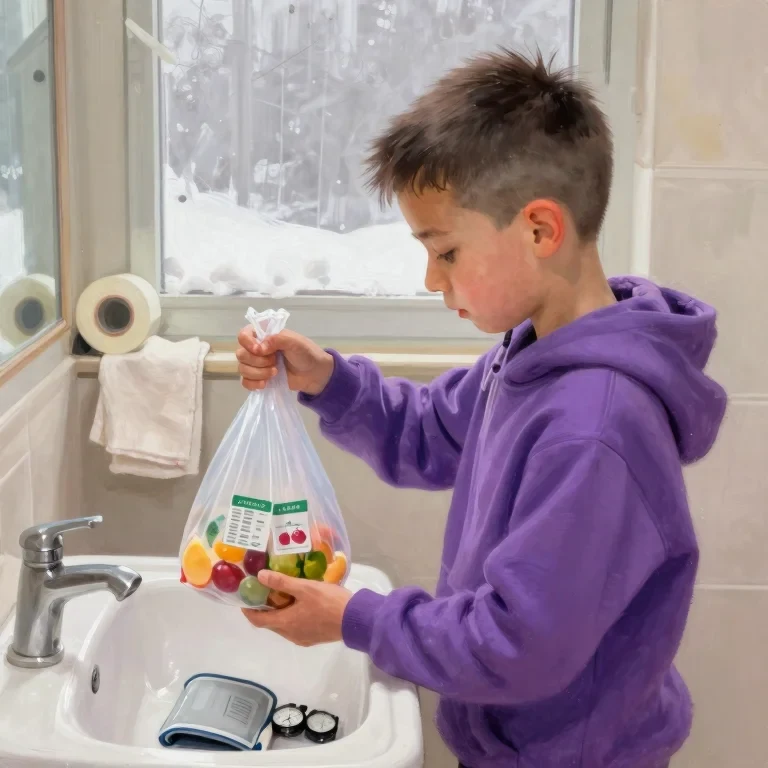
He could not get his hand wet. Showers meant a plastic bag from the fruit shop, taped at the top with the tape off the roll on the wall. He could not swim. The school pool session was on Fridays, and he sat on the tiled edge with his knees up and his dry arm up on his knee for six weeks. What he could not do was scratch the itch.
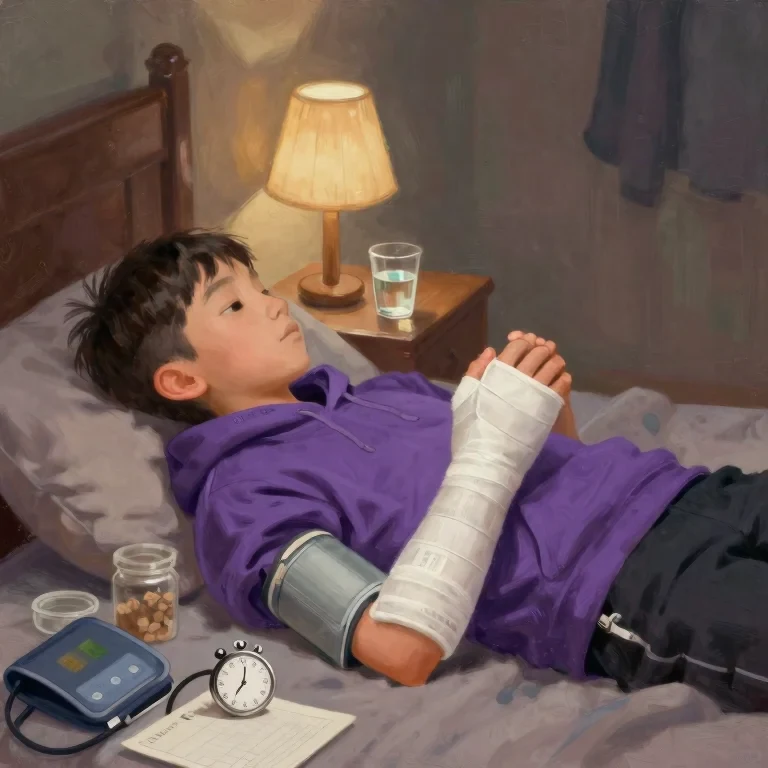
It began on the fourth day, under the heel of his palm, where he could not see it. It was worse at night. He kicked the blanket off and lay on his back with the arm held up in the air like a man on a film.
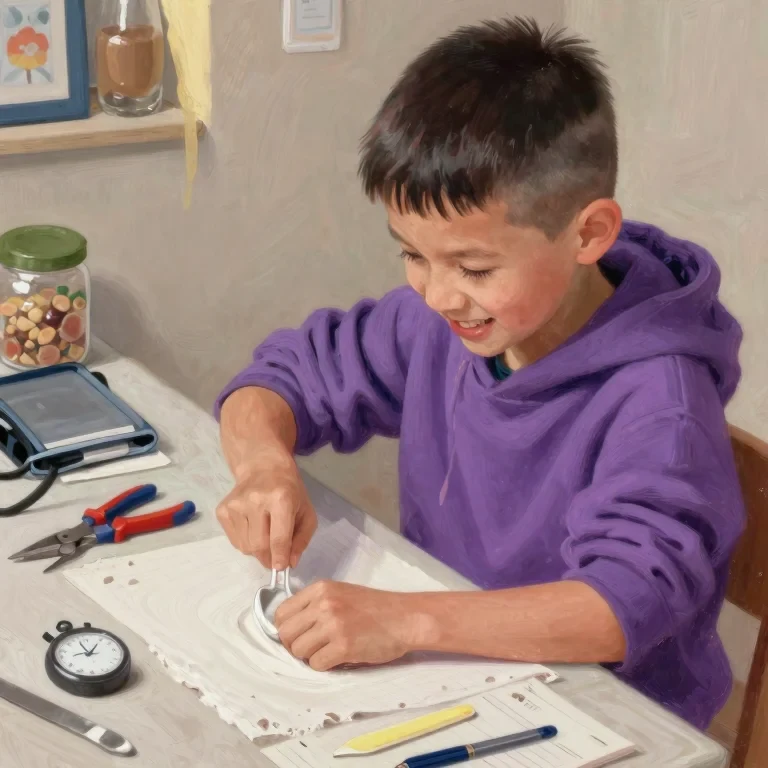
He tried the handle end of a plastic spoon. He got it two knuckles in, and then it would not come back out. His mother came in from the shed with pliers and a butter knife, and he had to watch his own fingers go white while she worked.
On the Thursday Sister Gale took his hand and pushed her thumb on to his thumbnail until the nail went white. She let go and counted. “One, two,” she said. “Back to pink. Two seconds is where the refill should be.” Then she said his hand was cold, and he said the wind off the river had got inside the cast, and she said that is enough of that.
She cut the cast down with a saw. It is the sort with a round blade on the end that goes back and forth in a little circle, and it sounded like a boot coming off snow. Before she started she rested the blade flat on his forearm, and he could feel it buzzing against his skin, and she said if you can feel that I am not going to cut you.
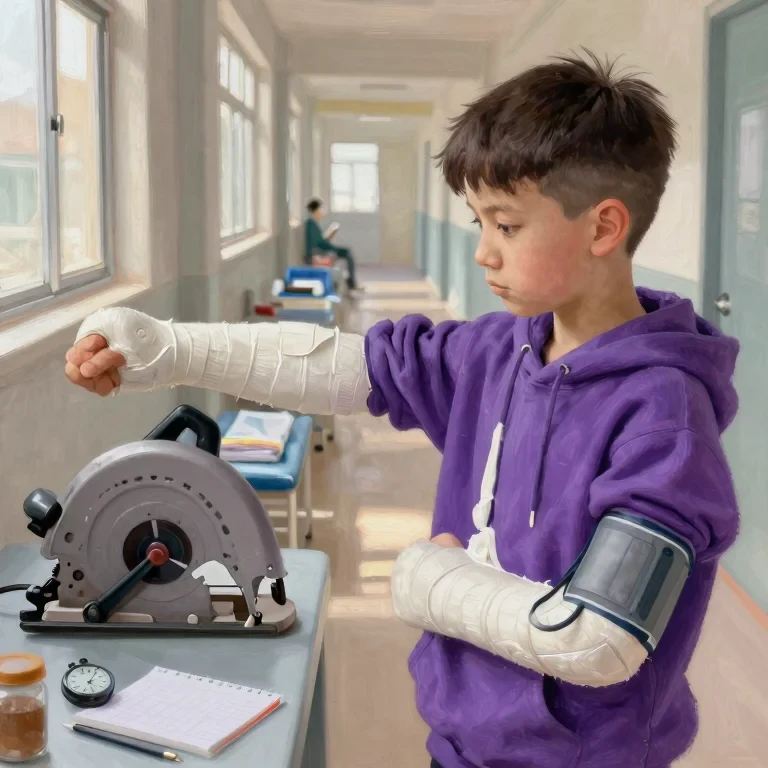
“Everybody's arm goes down after the first week,” she said. “It swells for three days and then it empties out again, so the cast you had on the first day is too big by the fifth. It has to be loose at your fingers and tight enough at your wrist to hold the bone.” “And when it has emptied out?” said Tama.
“Then it is too loose at the wrist,” she said. “So it comes off for a week. You get it wet, we dry you out properly, and it goes back on a bit thinner. The knuckle of that bone knits in about six weeks. Yours has done it early.”
The cast came off on the eleventh of April, which Sister Gale wrote down as five weeks and three days. What came out from under it was thinner than the other one. She ran a tape measure round both forearms. The mended arm was 165 millimetres. The other one was 178. “The muscle has not been used, so it has gone,” she said. “You will get it back. Come back to swimming on Friday and it will start coming back.”
She held up the last x-ray to the window and turned it sideways. There was a dark cloudy line right across where the crack had been, where new bone had laid itself down over the break and made it into one piece again.
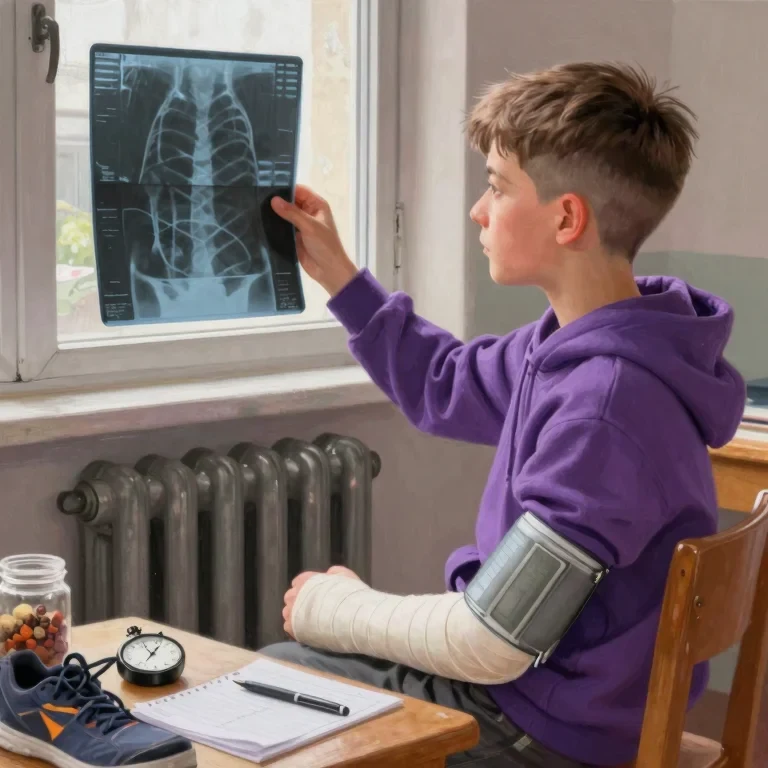
He put the cast on the shelf above his bed, with the marker writing still on the outside. His sister wrote POSTED across the front of it and left it there. On the last night he wrote the fourth of March on one line and the eleventh of April on the next, and counted the days between them. Thirty-eight.
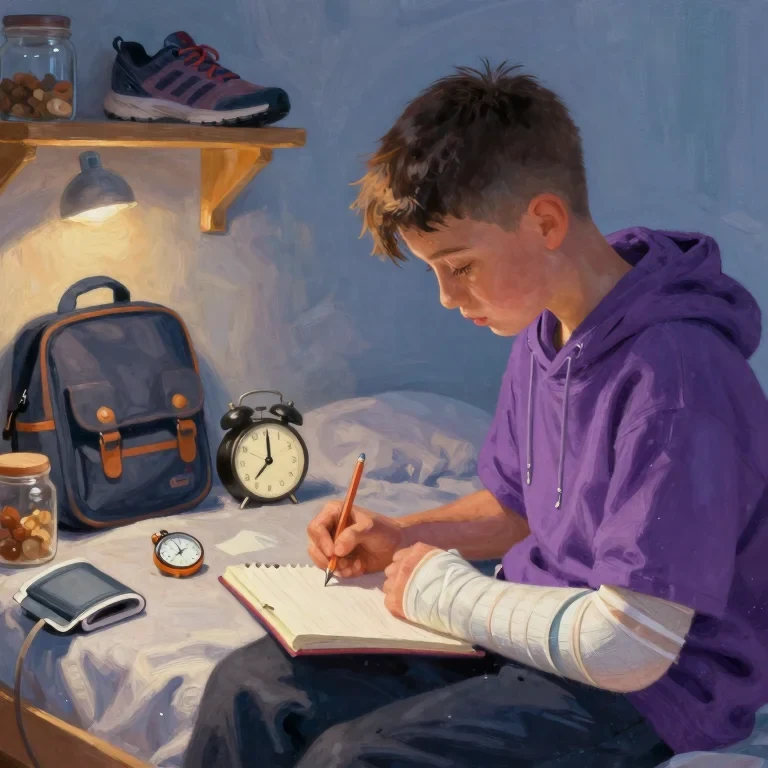
Then he rubbed that out with his sleeve and wrote six weeks instead, because six weeks was what he had said to everybody at school, and thirty-eight did not sound right, and the pencil was going soft.