The shop was two rooms over the saddler's in Mill Street at Ottery St Mary, and the Ottery Weekly Advertiser was printed on the first floor of it on a Wednesday, a Thursday and a Friday, and it had to be on the mail by four o'clock on the Friday. Anne Trewin was seventeen and she was second in the case, which meant that she stood at the frame and picked type and set it, and that the man beside her set faster and did not talk.
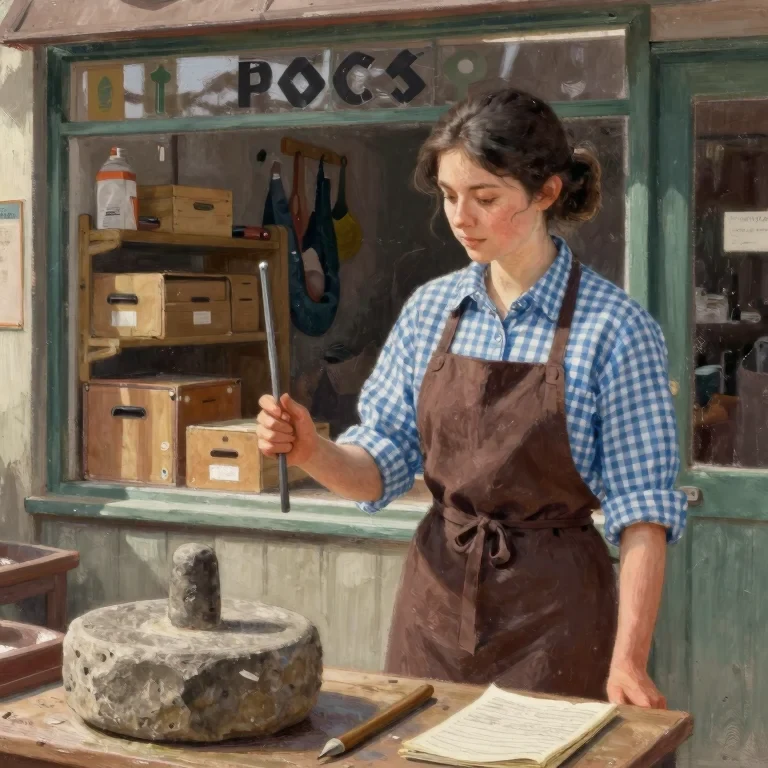
The type was picked out of the boxes with a steel composing stick held in the left hand, and set face up towards the body, so that she read it upside down and backwards, and she read it by shape and not by name. That is true of everything except the letters that are like one another. For those the shoulder of the sort carried a nick, so that a hand in a dark case could tell an n from a u. She was paid by the thousand ems. An em of ten point type is the tenth of an inch, and the measure takes twenty-one and a half ems to the line, and the book at the desk said how many thousand ems she would be paid for.
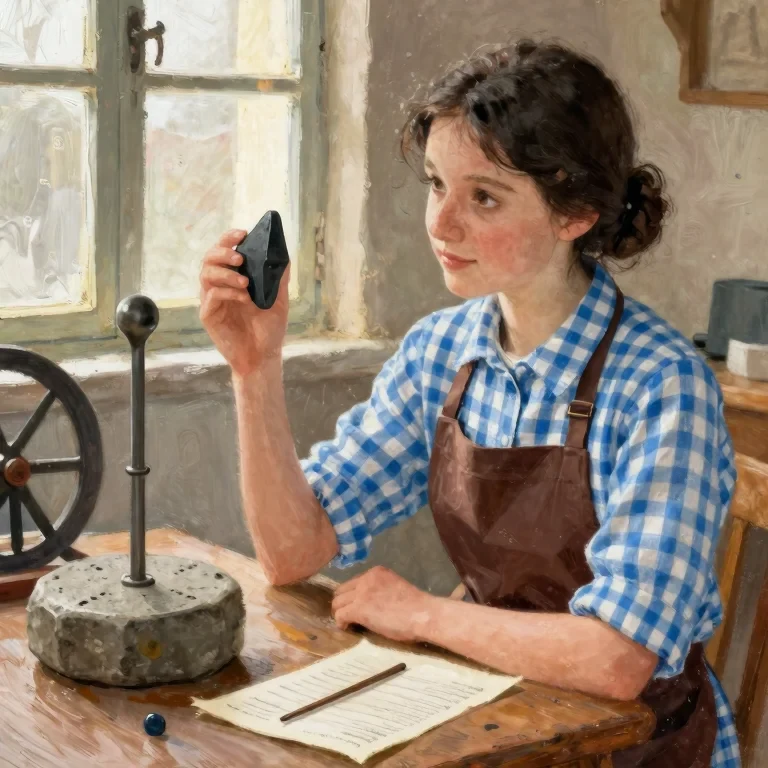
The front page was a folio, four columns of eighteen picas. Eighteen picas is three inches, and a line of ten point type fills three inches with about fifty letters. The ticket for that week was the leader, three columns of it, six thousand ems, and the first forme had to be locked on the Thursday morning, and the paper run on the Friday.
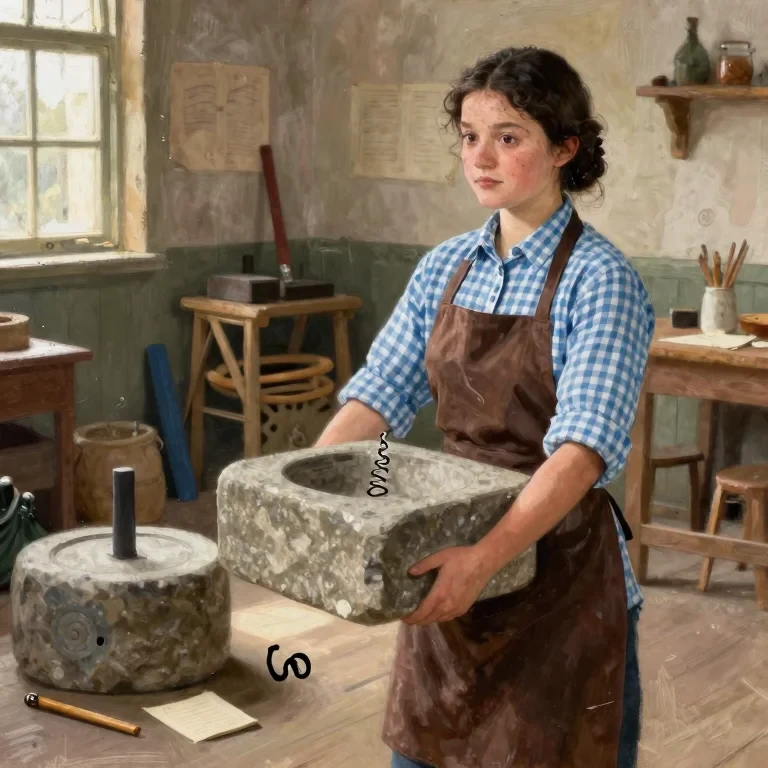
On the Wednesday afternoon she was on the third column and the lines would not come out. A compositor does not read what she sets. She reads the shape of the line as she builds it, and the knee of the stick stops it. The knee stopped early. She put a space in, and then another, and then a third, and on a paragraph of long words it stopped early every time. She began again on the paragraph from the copy, and it happened again. By six o'clock she had read the same sentence nine times and it was the same nine times, and she told Mr Salter, the jobber, who was thirty-one, and he wrote it in a book. “The column will not fill.”
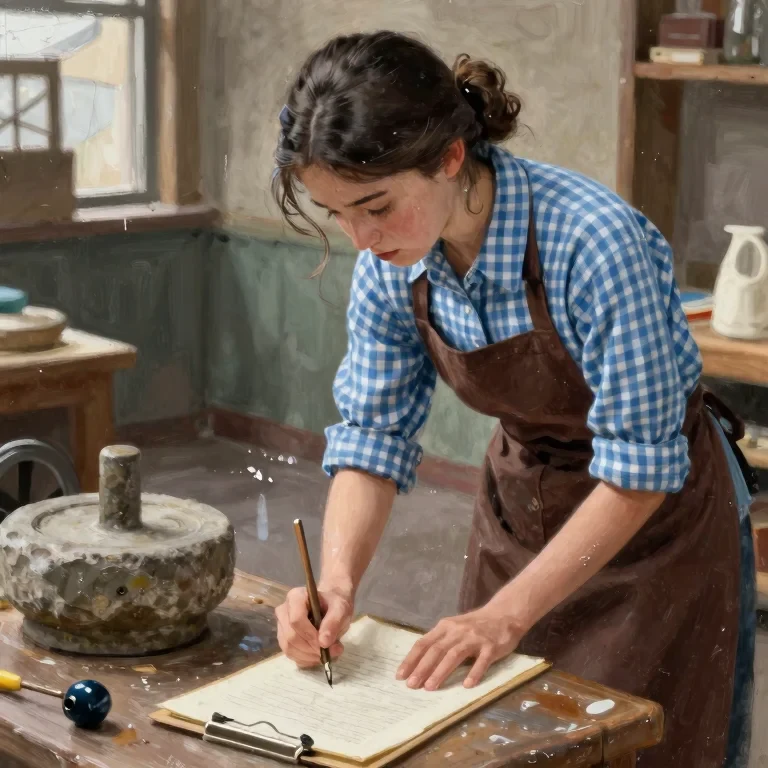
“Then your measure is wrong,” said Salter, “or you are reading the copy wrong. Do it again.” She did it again, and it was nine o'clock before the frame was clear, and Ebsworth came in from the reading room with his coat still on.

“The spaces,” he said at once. He was fifty-eight and the reader, and he read the proofs and marked the copy. “We were out of ten point spaces on Monday. We have been in the eleven point box.” That was true. An eleven point space is half a point wider than a ten point space, and there are eight or nine words to a line. She took the eleven point spaces out of the case, found ten point at the bottom of the drawer, and set the paragraph again. The knee stopped early.
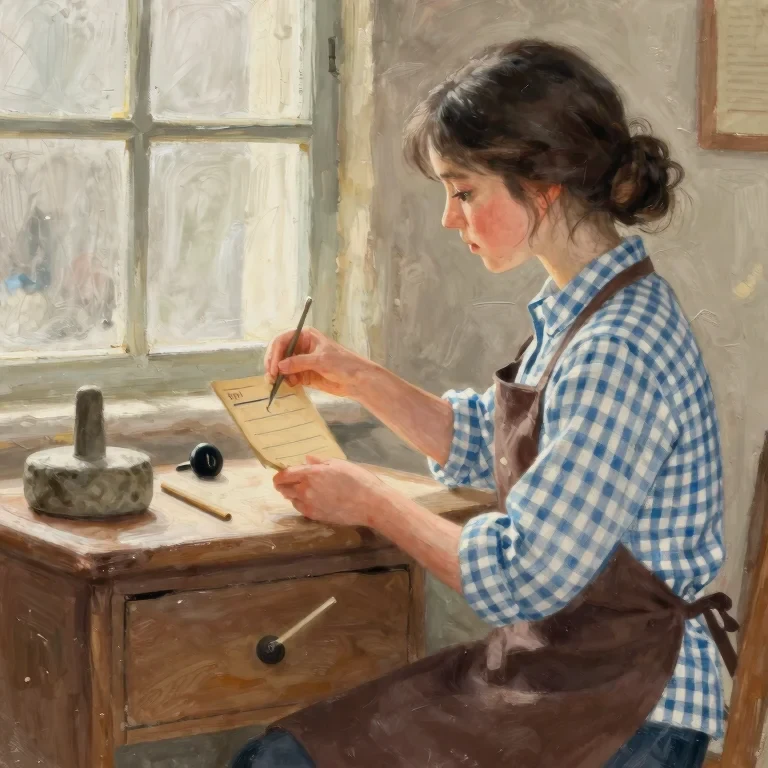
“Then it is not the spaces,” said Ebsworth, and he did not say it unkindly, and it was much worse unkind. And then he said the thing that decided it. “I will not sign a paper saying a compositor cannot set a three column leader because she has a bad hand. I want a fault in the case or in the stone that I can put my thumb on.”

Thursday morning. The forme had to be locked at eleven. She started the third column again at half past six with the packet of ten point spaces and the copy clipped to the frame, and she went on until eleven, and at eleven the column was a column, and the leader was locked up with the quoins. The proof came off the proof press at noon, and Ebsworth read it twice, and then he called her in and put his thumb on the third column. “There is a white band across this. Look at it.” It was a band about the thickness of a new penny running across the column, and the words above and below it were the right way round. “That is the column short.”

“It is a sixteenth of an inch of white paper through the middle of the leader, and the mail goes at four o'clock tomorrow.” And then he said the part she did not expect. “It is not your column. It is the column above yours, on the same stone, in the same fount, set by Mr Salter on Monday, and it has the same fault in it.” She looked at the column above hers on the stone. It was not a column. It was a lump with a dent in it, and the dent was in the fifth line. The fifth line was full of o's.
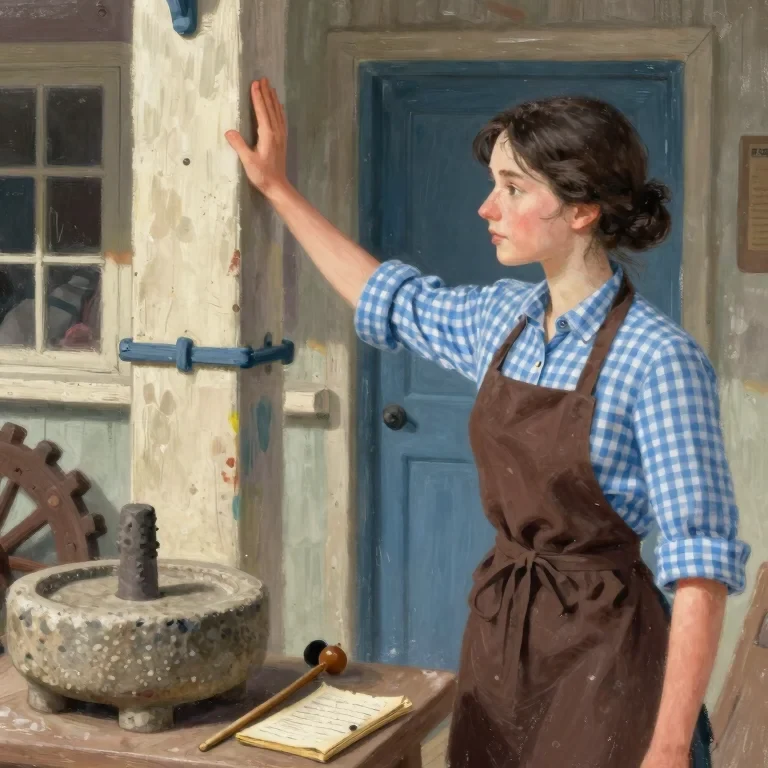
The o box was the second box along, and it was always the first to empty, because o runs short faster than any other letter in printing. When a box empties the compositor writes a slip saying what letter, what size, how many, and it goes up to the foundry. The slip for the o had gone up on the sixth of September and come back on the eleventh in a paper packet tied with string. Salter had written it himself. She put the packet on Ebsworth's desk, and she did not go home. The lines with o's in them were the long ones.
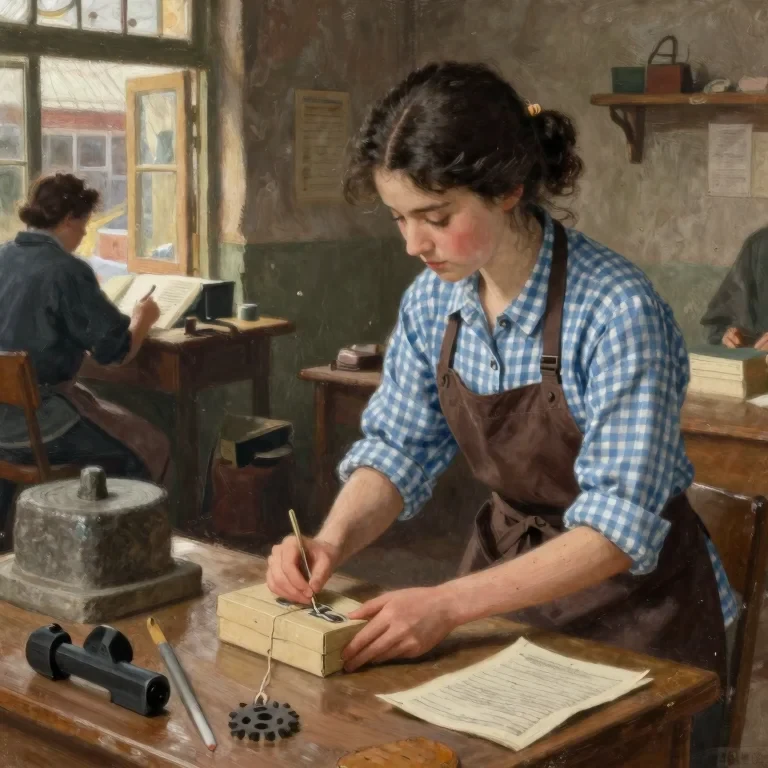
She had thought that on Wednesday night and had not let herself go on, because if it was the o's then it was the case, and if it was the case then somebody had sent for the wrong type.
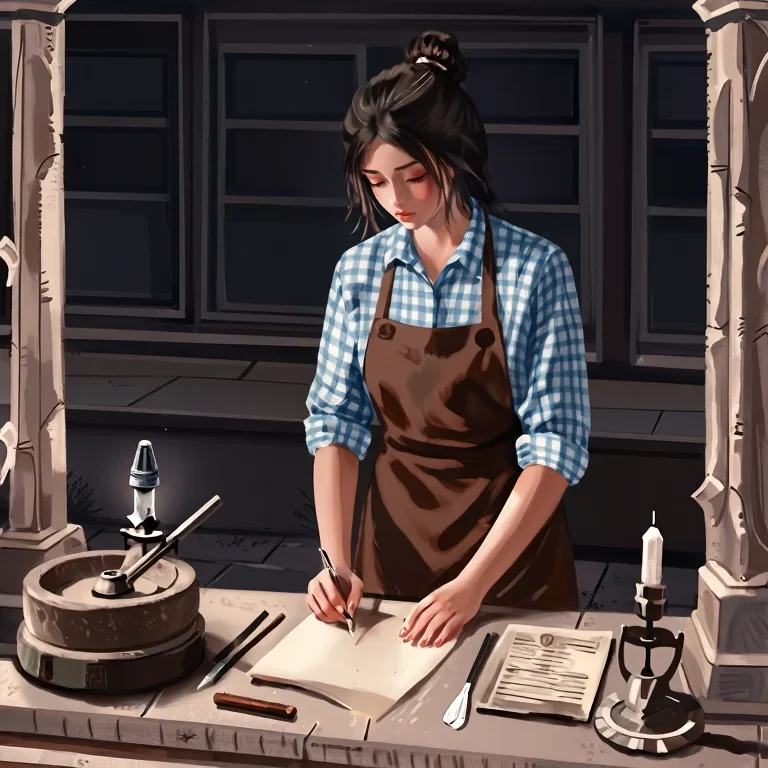
At half past nine that night, with the shop shut and the gas low, she counted the case. You count the case every Friday and at the end of any week in which something will not come out, every box against the number in the shop's book, and if a box will not close over you look at that box before anything else. She counted through the upper case and down through the lower, and at ten o'clock she came to the second box along. It would not close over.

There were more o's in that box than the book said there should be by about forty, and they were the wrong shape of o. They were brighter than the rest, and they had not the bite on the face that the old o's had. She put her thumb on one and turned it over. The nick was on the other side of the shoulder. In the case she worked from, every sort had its nick across the front of the shoulder where her thumb fell as she picked. The ones in the o box had it across the end instead, because they had been cast in another shop by another hand.

That was not proof of size, since a shop could cast the same size and cut the nick anywhere. It was proof that the box had been re-sorted, and a re-sort nobody asked for came out of a slip. So she took three of the bright o's and took the body gauge off the shelf where it had hung since before she came, a bar of steel with a notch cut into it for every size the shop owned. She held an o against it. It would not go into the ten. She tried it in the eleven, and it dropped in and lay flat. Eleven point type, in a case of ten point type.
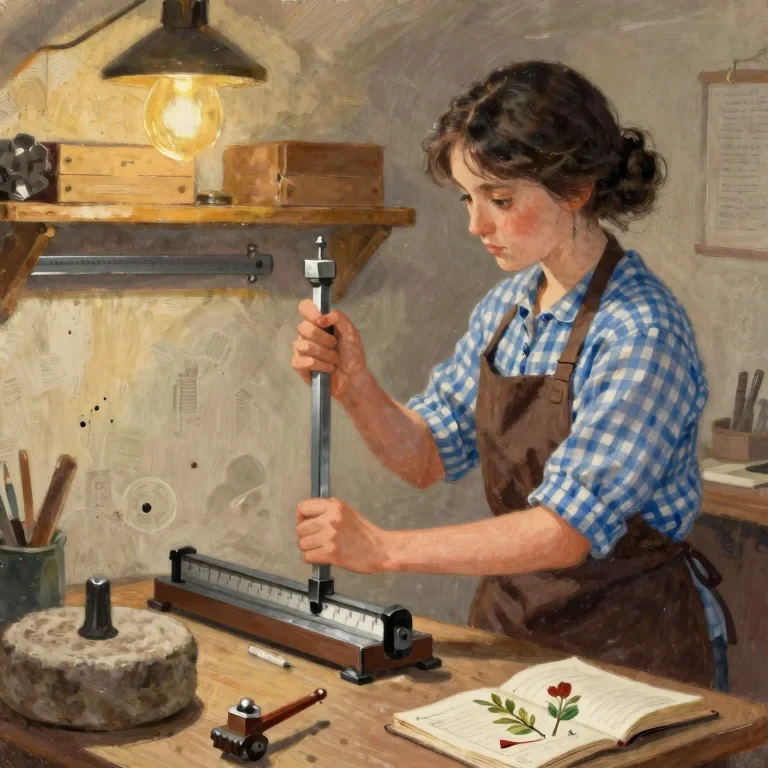
On the Friday morning she went to Ebsworth, because you do not take a fault of that kind to a jobber before you take it to the reader. He put the o against the gauge himself and said nothing. Then he wrote on the proof slip: eleven point in o box, sixty-one sorts, and sent the boy out of the room for the packet and for Mr Salter. The packet was still tied. Inside were sixty o's cast at the Bristol house in the autumn, with the nick cut across the end of the shoulder. “I sent for ten point,” said Salter. “You sent for ten point,” said Ebsworth. “Your slip says ten point. There is one thing wrong with that and it is not the type.”
“Or somebody at Bristol read it wrong.” “Or you wrote it and did not look at it. I do not care which. It is in your book in your hand, and this paper goes on the mail at four o'clock with a white band in it, or it does not go.”
There were nine sorts of ten point o under the bright ones, worn thin on the shoulder, and not nine sorts of o to set three columns of a leader. The italic fount stood on its own frame at the end of the room, and it had hardly ever used an o, because italic is mostly for names of ships and doctors. There were two hundred o's in the italic case, ten point, cast by another hand, and narrower than a roman o by something under a point. She asked Ebsworth. He said take what you want and write it in the book, in the voice he used for things he was not going to argue about.

So she set the third column again with borrowed o's, and the column came out a shade tight, because eight or nine italic o's under a point make about the thickness of an old penny. The forme was locked at eleven and the press ran at one, and Sim Earle took forty sheets an hour off it and set them on the drying frame. The machine came off at three, and the sheets were folded and packed, and the carrier took them to the mail at ten to four. And in the third column, in the fifth line, eleven o's printed a shade lighter than the rest of the word, because they had been cast in another year by another hand, and nothing can be done about that.

The errata slip is printed at the foot of the fourth column. This week's said: Third column, leader, eleven o's out of fount, light in the shade. Ebsworth wrote it and Anne copied it into the day book, and under it she wrote the count. The ticket was six thousand ems. The count was five thousand nine hundred and forty. Sixty short, because a day and a half had gone on a column that had to be set three times. A compositor is paid by the em and not by the fault, and corrections are on nobody's ticket.
She wrote it out: 5,940. And under it, 60 to make up. And the pay clerk takes the thousands off first, so five thousand nine hundred and forty is what the count says.
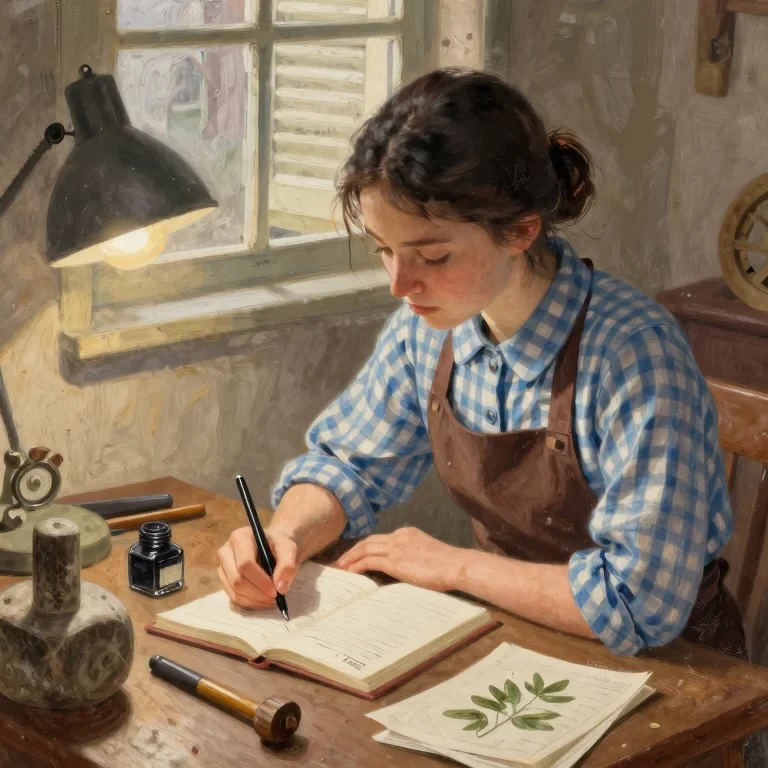
On the Friday afternoon she counted the case again, and it was eight o'clock, and the frame was clear and the proof of next week's paper was on the desk. The second box along closed over easy. There were sixty-one o's of eleven point in a tin on the shelf, and she wrote in the book, o, ten point, re-sort, sixty, and the date, and she put a B in the column for where it had gone wrong, which meant the Bristol house and not a person.

But the eleven o's that had gone into the paper on the Friday could not be taken out of it, and the ticket had said six thousand ems before anybody found out, and five thousand nine hundred and forty was still what the count said. She shut the book, and the tin with the sixty-one sorts in it stood on the shelf, and it was not empty, and it would not be until somebody had read somebody's slip.