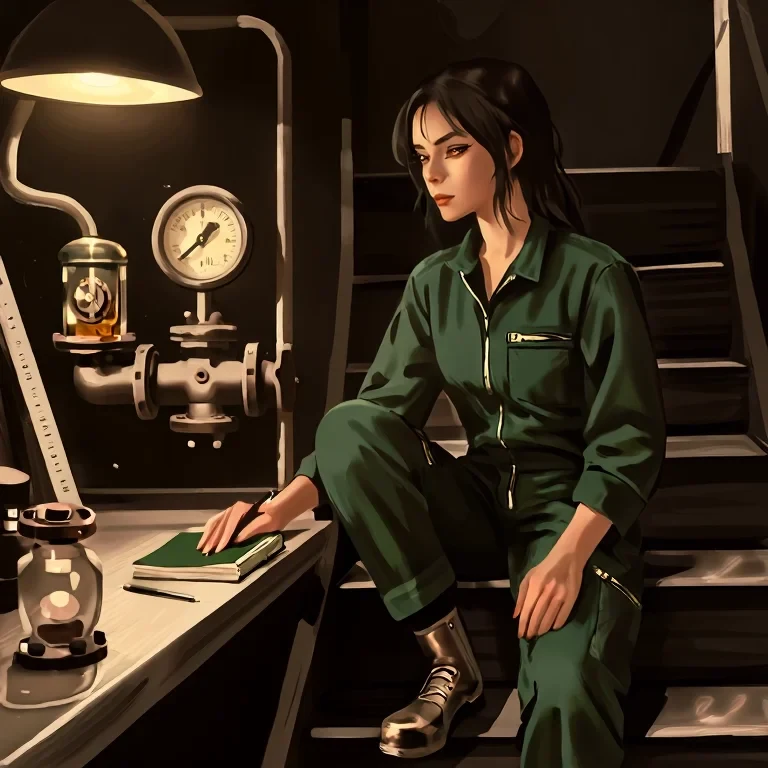
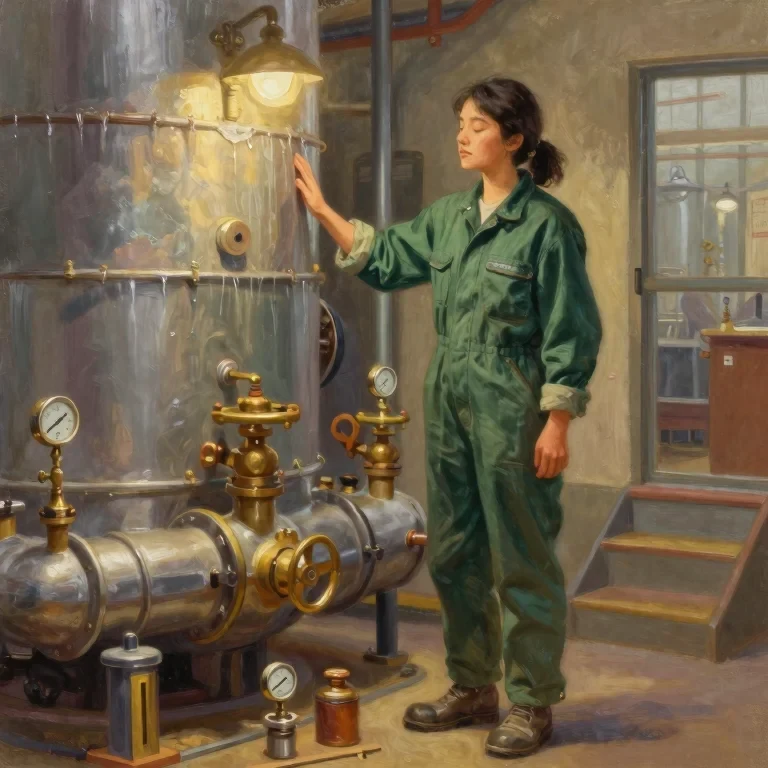
Miri Ngata is twenty-six. She has a boiler attendant's licence, a logbook with a green cover, and a dark green boiler overall with a zip pocket on the left thigh that she has worn for four years. She is the night boiler operator at Taranaki Base Hospital in New Plymouth. Four years is long enough that the room no longer frightens her, and not long enough that she has stopped listening to it. The plant is two boilers in a basement off the laundry. Both of them put their steam into a common header, and the header goes up into the building at six hundred and twenty kilopascals. Some of that steam heats the wards and the hot water cylinders. Some of it is turned down at a reducing station to four hundred kilopascals and goes to the sterilizers in theatre, and when the sterilizers stop then the theatre stops, and that chain of consequences sits at the back of her head all night.
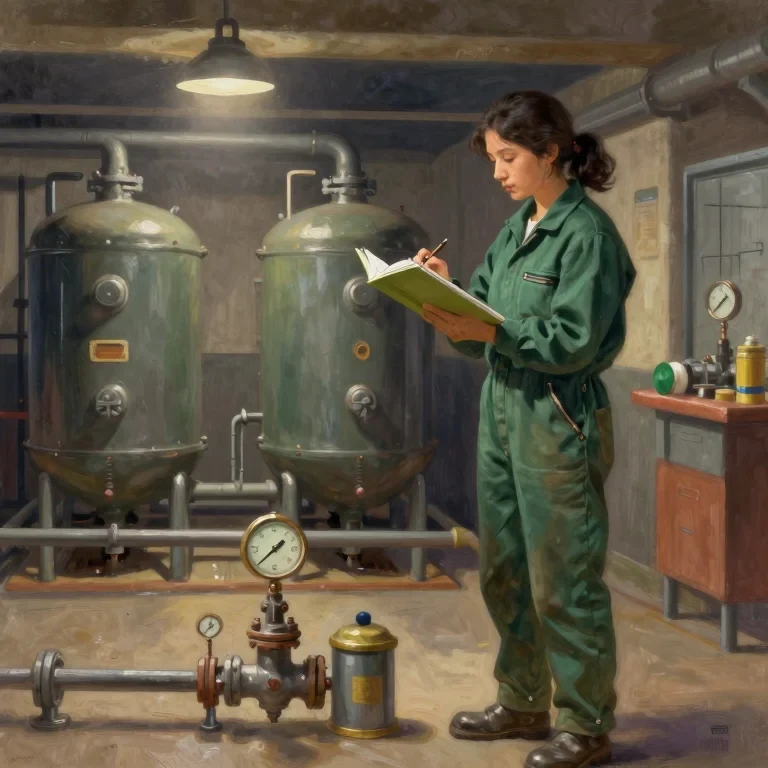
Number two is a two tonne an hour boiler in a shell that came into the building in 1971. Its safety valve is spring loaded and full nozzle and it is set at one thousand kilopascals, which is a hundred and forty five pounds to the square inch, and the set pressure is stamped round the bonnet in raised letters you can find with a thumb in the dark. The working pressure is six hundred and twenty. In ordinary running the valve should never move at all. It is not there to make steam. It is there to be the last thing in the building. Her rounds are at ten, at two and at six. Each round is pencil on a page, eight numbers, and the header pressure written twice because the second reading is the one that matters.
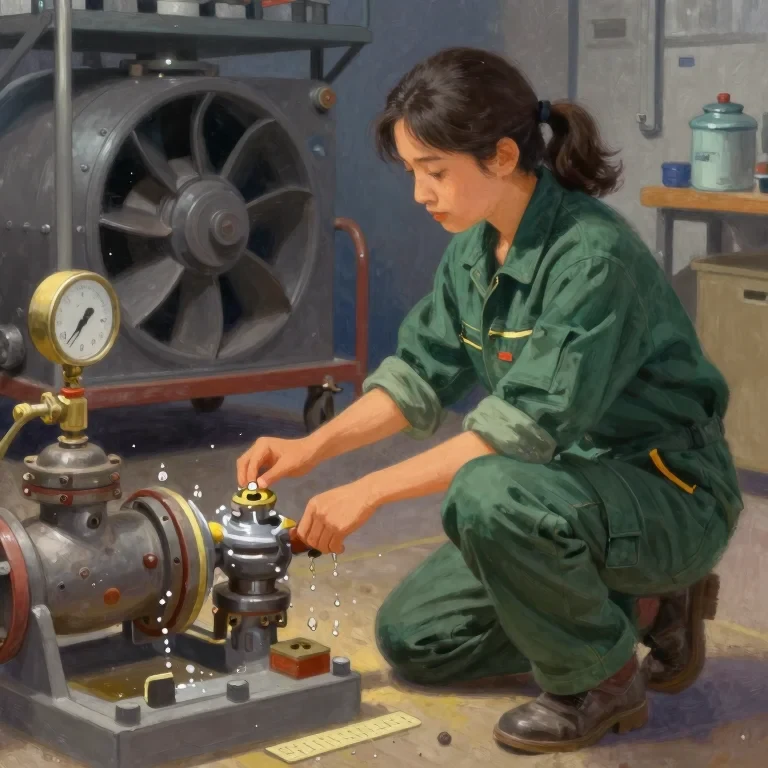
For three weeks there had been a hiss coming off number two that had not been there the year before. Miri spent the first ten days of it looking in the wrong places. The laundry dehumidifier made a noise like a kettle and it did not stop. The feed pump packed its gland and ticked. The burner's flue fan had a bearing that sang when the burner came up to fire and went quiet when it dropped down again. She had a list of suspects and she worked down it, the way you do.
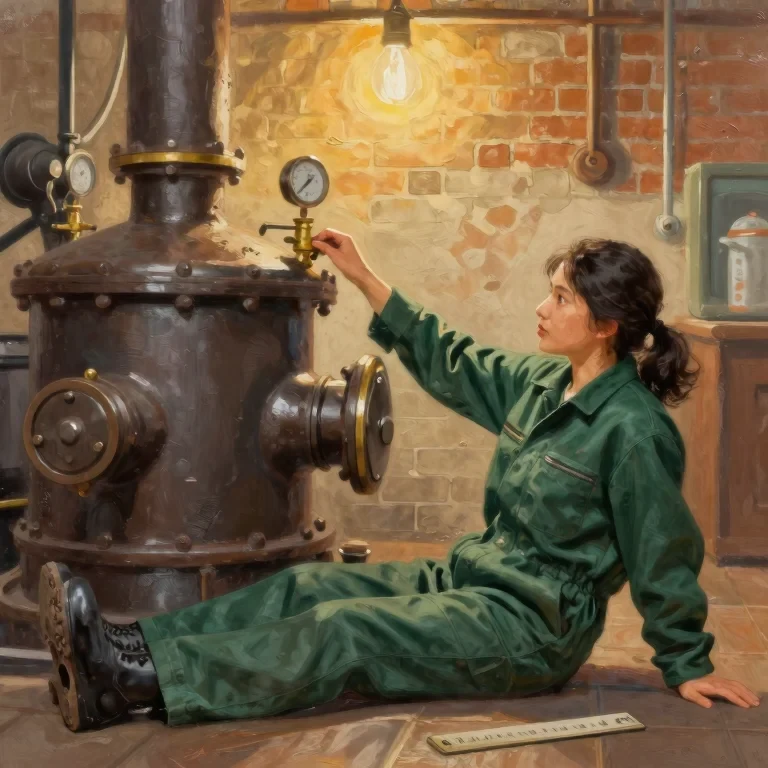
The trick her old boss taught her was not to look but to touch. You put the flat of your hand on a pipe and hold it there. A pipe that is carrying more than it should feels busy under the hand, like a wrist with a pulse in it. You take your hand off and put it on the next thing and you compare. She did the header, the feed line, the two downcomers to the condensers, and the relief line off number two. The busy feeling was not in any of the pipes. It was on the valve. The sound was coming out of the joint under the bonnet, not out of a pipe. Then she stood beside the discharge elbow with her eyes shut and listened properly. The hiss did not stop when she did. It did not change when the burner came up to fire. It sat underneath the feed pump and the flue fan and stayed there, the way a radio stays on underneath something louder. She wrote it in the log at twenty-two forty. Continuous hiss on safety valve N2. Audible over burner and feed pump. No lift seen.
On Tuesday morning Gordon Tuitavake came down at eight as he always did, fifty-nine years old and thirty years in the basement. He read what she had written and he said, “Valves sing.” “He sings when he lifts,” Miri said. “This one is hissing at six hundred and twenty.” Gordon looked at the gauge and then at the valve and then at the gauge. He said the weekly test sheet was on the clipboard and the valve was ticked on it, and had been for eleven weeks. “The tick says it moves,” she said. “Does it say anything about whether it shuts?” “The tick is the test,” Gordon said. “You get a lever on the disc and you lift it off the seat to prove it isn’t gummed up. It’s a free movement test. It proves the thing isn’t stuck. It doesn’t prove the thing is tight.” “What number did it lift at?”
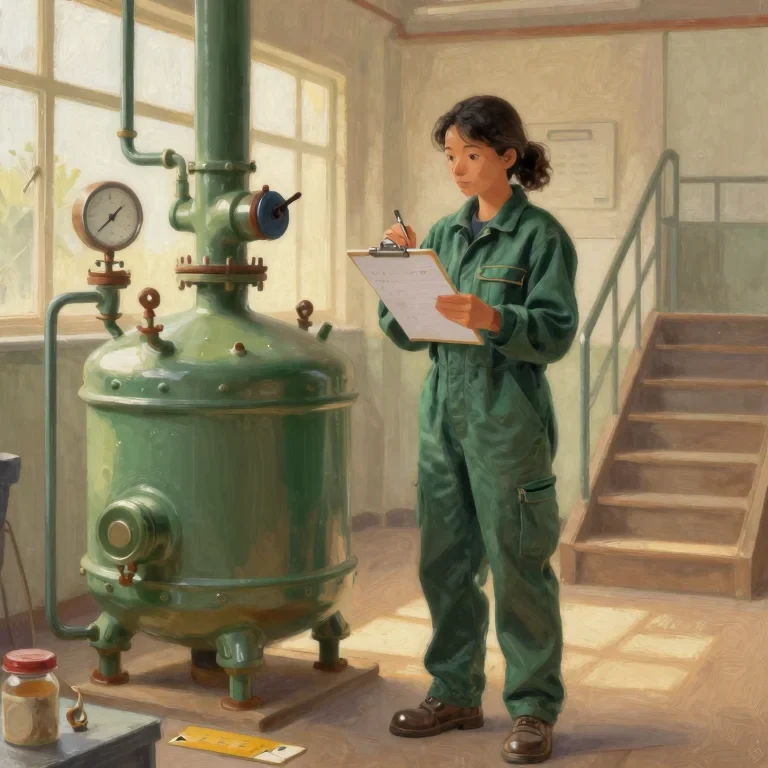
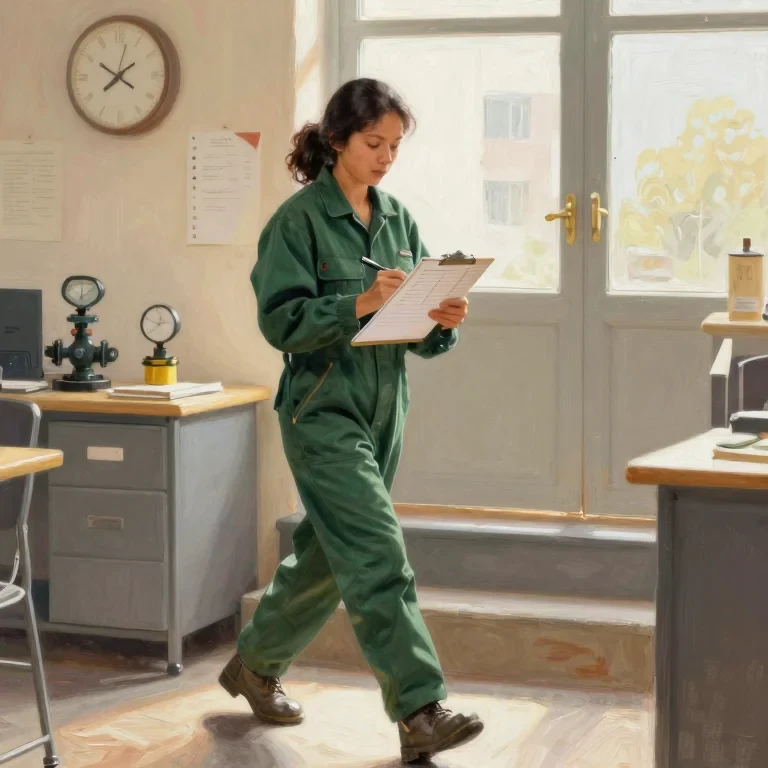
Gordon turned the clipboard around. There were forty entries in a column, a date and a signature and a tick, and there was nowhere on the sheet to put a number. Eleven weeks of Tuesdays, and every one of them had said the same thing, which was that a person had held up a lever. Miri asked for the ledger of plant history. It came down from the office in a binder with a broken spine. She read the entry for 1994, which said the discharge was extended forty metres when the theatre was built. She read the entry for 1988, which said a new section of plant room was built and the relief lines were raised to suit. She read the entry for 2019, which said the discharge was lagged and the lagging was cut back at the wall penetration and made good. Nobody had ever written down where the pipe went.
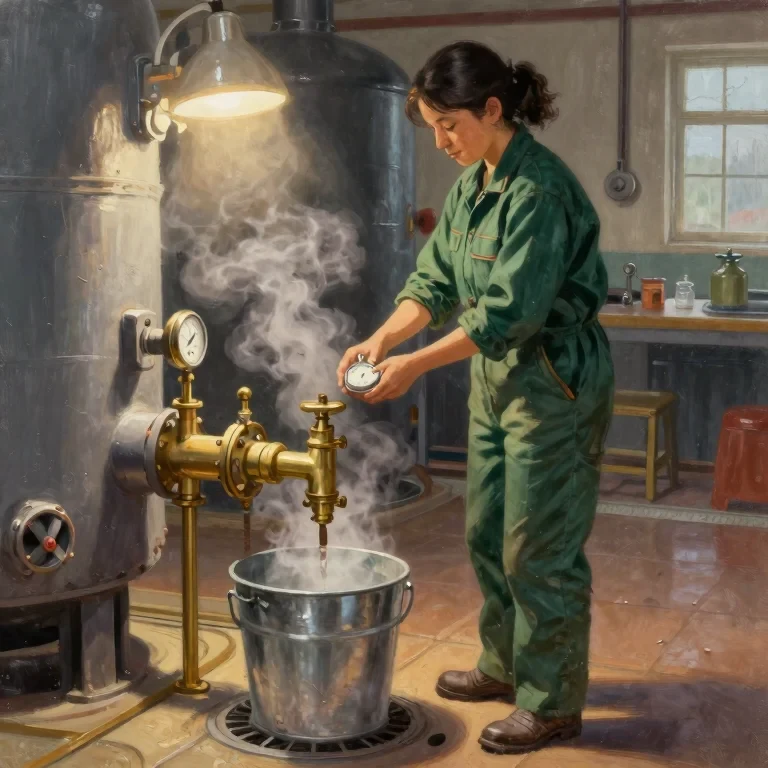
She built the number the only way she could, out of what she could see and hear and touch. She timed the discharge. There was a sample cock at the bottom of the blowdown receiver and she put a twenty litre bucket under it and she and Gordon took it in turns with a stopwatch. Twenty litres in fifty four seconds. That is a third of a kilogram of water every second, a tonne and a half of it an hour, going out of the building as water and as the flash steam that comes with it. Then she watched the gas meters. Number one and number two have their own meters on the same supply. On a Thursday in May she sat and wrote down what each burner took while both boilers were making the same steam, which she knew because the header pressure and the feed flow and the temperature at the condensers were all the same. Number one took one point zero eight tonnes of gas an hour. Number two took one point one nine. Ten per cent more gas for the same steam, on the same day, with the same coal.
And there was the grass. The relief line discharges across the lawn to a manhole forty metres away. The strip of grass between the boiler house and the manhole was brown in a narrow band, brown every summer and brown every winter, and near the wall there was a white bloom on the outside of the pipe where water had come out of a joint and dried. Miri had walked over that grass a hundred times. She had never once asked why the same six metres of lawn was dead.
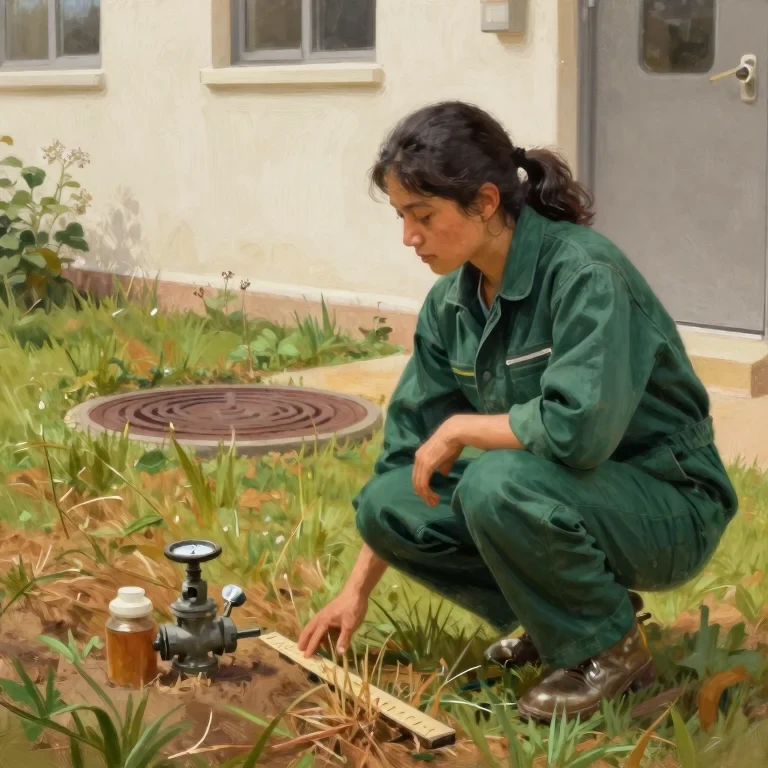
She took the numbers to Corin Ashby, who was the engineering manager and who had come to the district from Invercargill and read every engineer's report the way he read a restaurant bill. He listened with one hand flat on the desk. “Write it up as a work order and I will put it through,” he said. “Do you know what it costs?” “If the valve is passing, we burn ten per cent more gas on number two than we do on number one for the same steam.” “That’s the number. The number I can take upstairs.” He pushed the logbook back across the desk. “And what do you want changed?” “The discharge pipe. I don’t know yet what’s wrong with it.” “Then don’t ask me for pipe.”
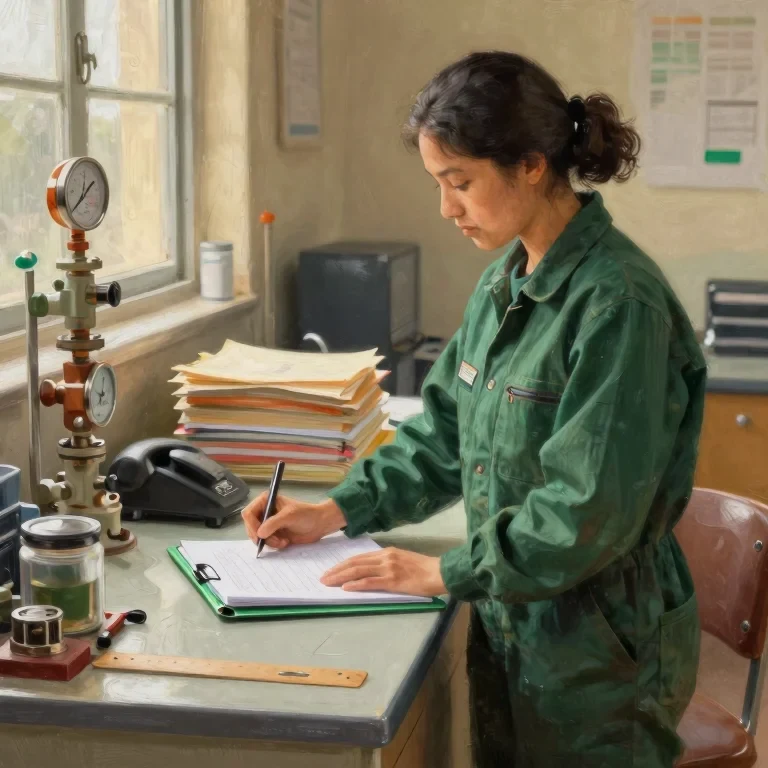
She went back to the basement and got the as-built drawing out of the tube in the office, the one that was folded in four and rolled to the size of a torch. The original drawing of 1971 showed the relief line going straight down and out under the lawn to a manhole. The 1988 alteration sheet showed it raised to clear a new condensate tank, coming up through the floor, over two hundred metres, along the wall of the new plant room and down again at the far end. There was no drain drawn anywhere on it. There was no fall shown on the new section either, and the far end went down about four hundred millimetres over forty metres, which is one in a hundred, which is barely a slope at all. Water collects at the high point. Water is heavier than steam and it runs downhill and stops. Every time the valve lifted, the water in that section would flash and be thrown back at the valve with a force it was never built to take.

The thing happened on a Tuesday in June at ten past six in the morning, in the last half hour of her shift, with the morning operator standing beside her writing the header pressure into the day book. The capillary on number two's mechanical controller had been kinked on Monday afternoon when a thermostat was changed. The controller had been asking for more fire since four o'clock, and the burner had been giving it more fire, and at ten past six the header gauge came off six hundred and twenty and kept going. Seven hundred. Eight hundred. Miri was already at the valve when the sound changed. She knew the two sounds apart. A safety valve that lifts properly begins to shriek and the shriek rises as the valve climbs and it is a clean, climbing, lifting note, and then there is a clunk as it reseats and the room goes quiet. That is a healthy valve on a plant that is going over pressure, and it is a noise you would know in the dark in a different building.
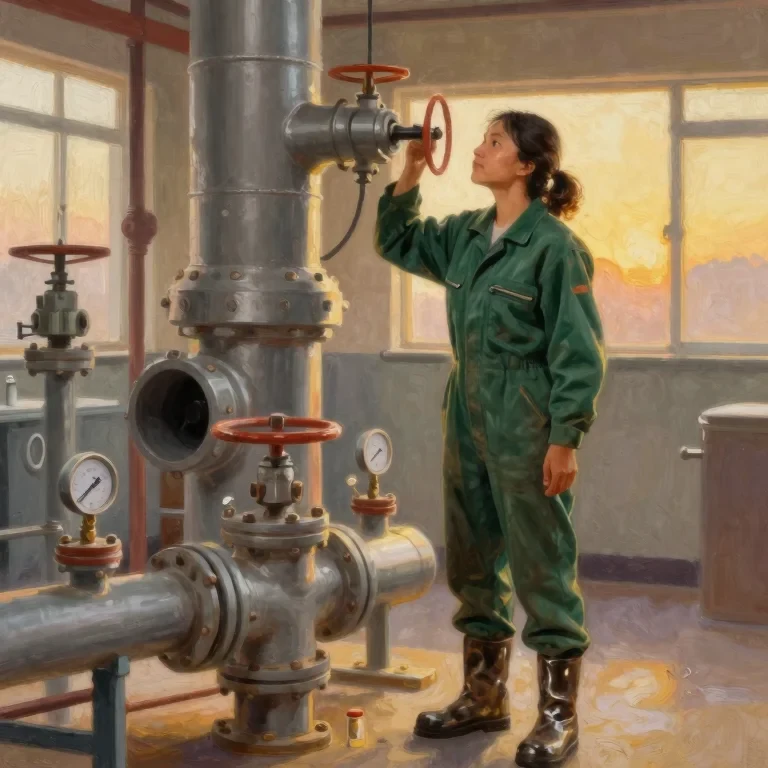
What she heard instead did not rise. It settled. It went from a hiss to a roar in about four seconds and then it flattened out and sat there, and underneath the roar she could hear the valve itself striking, hitting its seat and bouncing off it, hitting and bouncing, a fast knocking under a steady note. She had heard that knocking before in a different building and she had been told it was the valve seating. It was not seating. Nothing was seating. The valve was opening and the water coming back up the pipe from the high point was slamming it shut before it could get itself fully open, and each slam was making the knocking worse, and the knocking was making the slams worse. The gauge reached eight hundred and eighty. Nine hundred and forty. Nothing in the plant was relieving, because nothing could relieve through a pipe with nine litres of water and a lump of dead lagging jammed across it. Miri put her hand on the emergency stop and she did not take it off until the burner fan wound down.
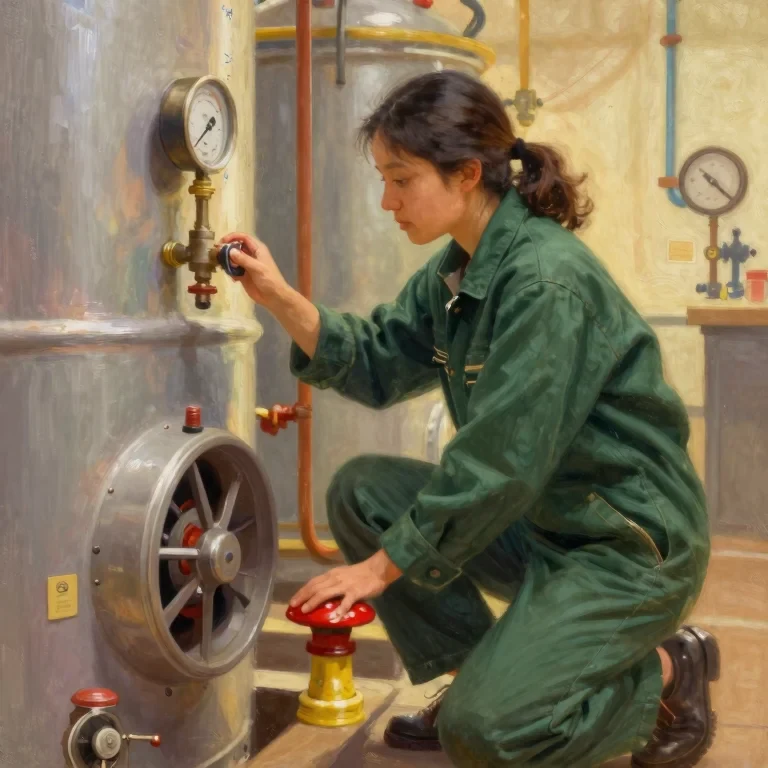
It was ten past six twenty two. The morning operator had gone for the phone before Miri had finished writing the time in the book. By seven the sterilizers in theatre were down and the first list was standing in the corridor. A woman of sixty six who had come in at midnight from Waitara for a hip was sitting on a trolley with a blanket over her knees. The boiler was condemned on the Saturday. That was the worst of it, because Taranaki Base Hospital now had one working boiler where it had had two, and the planned shutdown of number one, which had been booked for July, could not happen, because you cannot take the last boiler off a hospital.
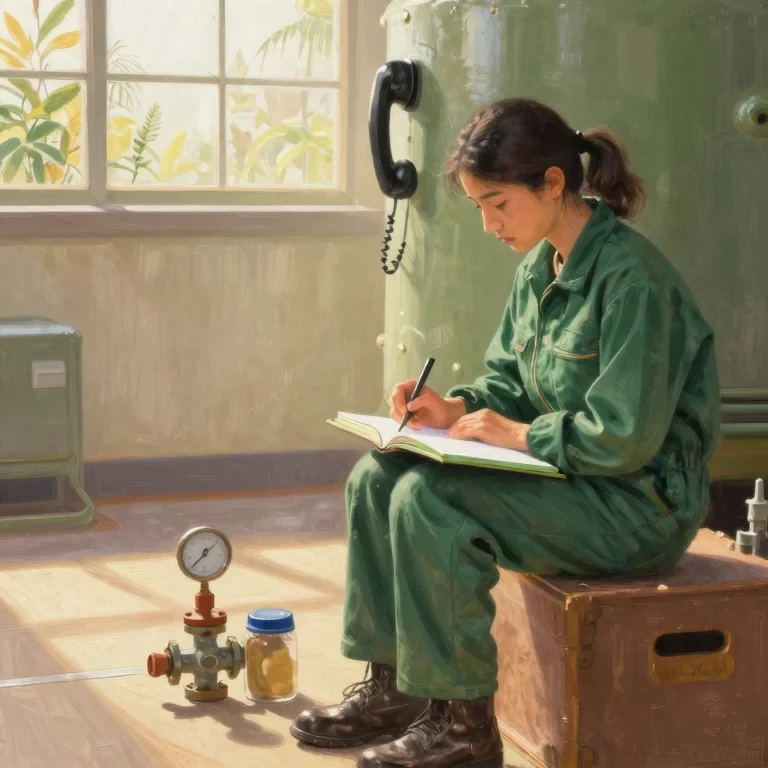
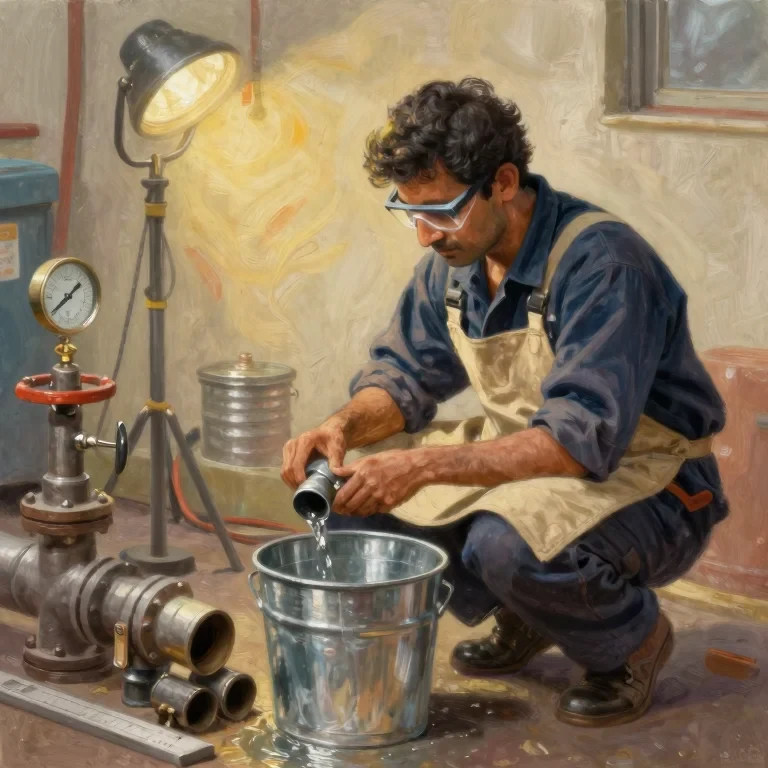
They opened the relief line on the Wednesday. Bilal Naidu, the maintenance fitter, cut the pipe on the wall side of the boiler and a bucket caught what came out, and it was nine litres of water and a smell like a hot iron. Then they walked the pipe with a mirror on a rod. At the high point, inside the lagging, folded across the bore like a hinge, was a length of the pipe’s own internal lining that had rusted through and come away from the wall. Below it, packed hard against the underside of the fold, there was a plug of lagging compound and rust flakes weighing one point four kilograms, which had gone in there in 2019 when a fitter cut the lagging back at the wall penetration and pushed the offcut down inside the pipe instead of carrying it out of the building. There was no drain on that section. There had never been a drain on that section. Bilal said, “Somebody did all of that in one afternoon.” “And nobody looked inside,” Miri said, “because it was behind the wall and it was doing its job.”
The pipe was re-laid in July with a fall of one in forty, a drain at the low point outside the plant room wall with a valve and a rod so a fitter could rod it out, and a support so that the pipe is not hung off the nozzle and cannot kick the valve when it lifts. The valve came off and the seat ring came off with it, and the guide was pitted. Nadia Kora came down from Auckland with a portable test rig and a certificate book. She lifted the valve on the rig at six hundred and five kilopascals of nitrogen and it came off the seat at one thousand and two and held there for two minutes and went back down at eight hundred and ninety seven. “Book wants the reseat at ninety per cent of set,” Nadia said. “Nine hundred is the floor and eight hundred and ninety seven is three kilopascals under it.” “Write it down anyway?”
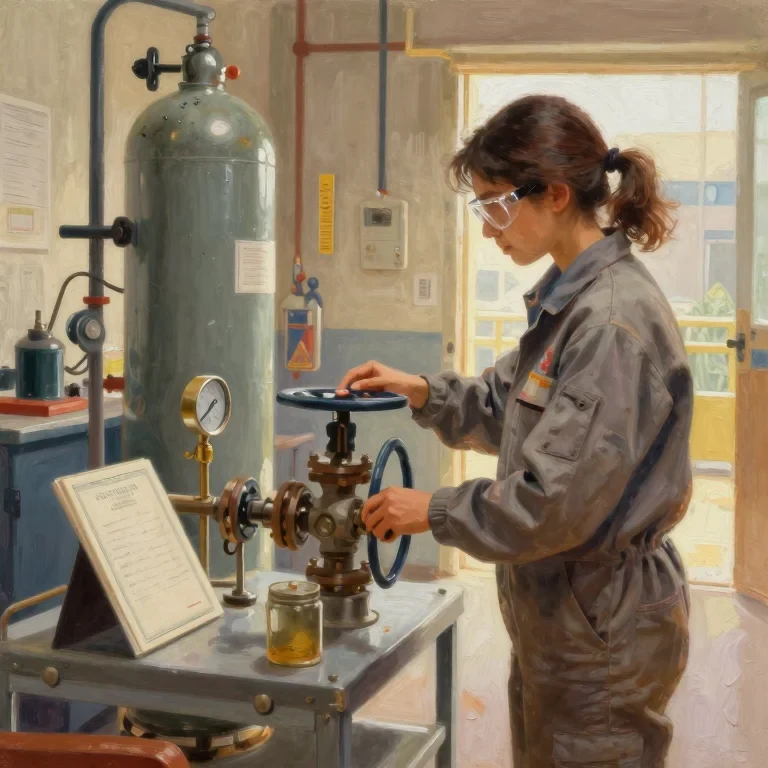
“I write down what it did.” She wrote it down. “It’s three kilopascals. It’ll seal in. But it’s under, so your certificate doesn’t pass and you run on one boiler until somebody fits a new spring and I test it again.” They fitted the spring in August and she tested it again and it came off at one thousand and four and went back down at nine hundred and four, and that one passed, and Miri has the certificate in the front of the logbook with both sets of numbers on it. The eleven weeks had already gone. Nobody gave them back, and the two-boiler plant was not coming back that winter.
Running one boiler cost them the year. Number one had been due for its five yearly inspection and its tube nest, and a contractor had been booked for the second week of July, and the contractor's invoice sat on Ashby's desk until it expired. The wards ran at sixteen degrees in August instead of twenty. The laundry bought in three hundred metres of flat sheeting a week instead of washing two thirds of it, and the hot water cylinders at the end of the run ran cooler, and the recovery time on a morning shower went from eleven minutes to twenty six. None of that showed up as one number anywhere. It showed up as a gas bill, a linen invoice and a complaint book with eleven entries in it.
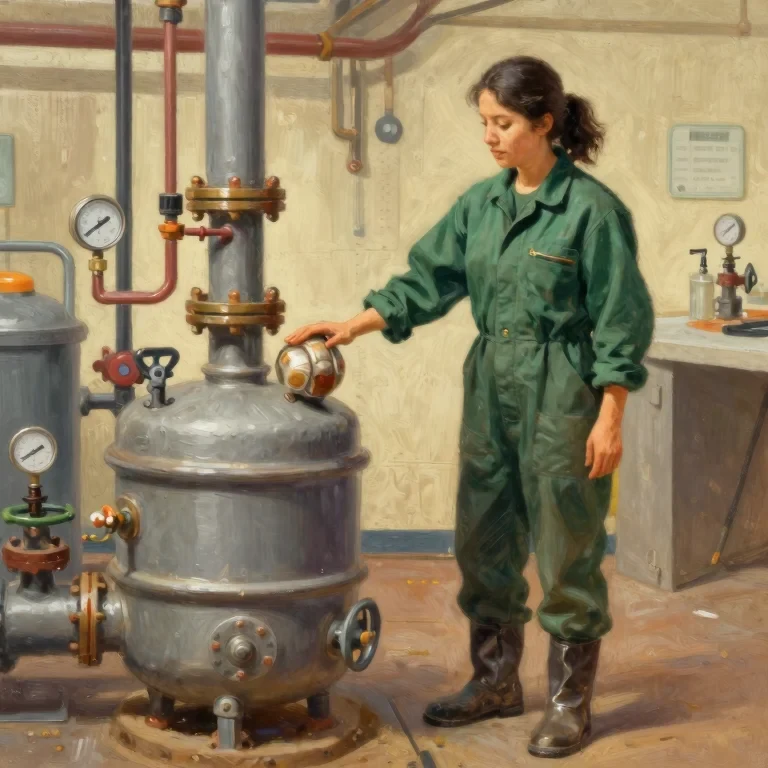
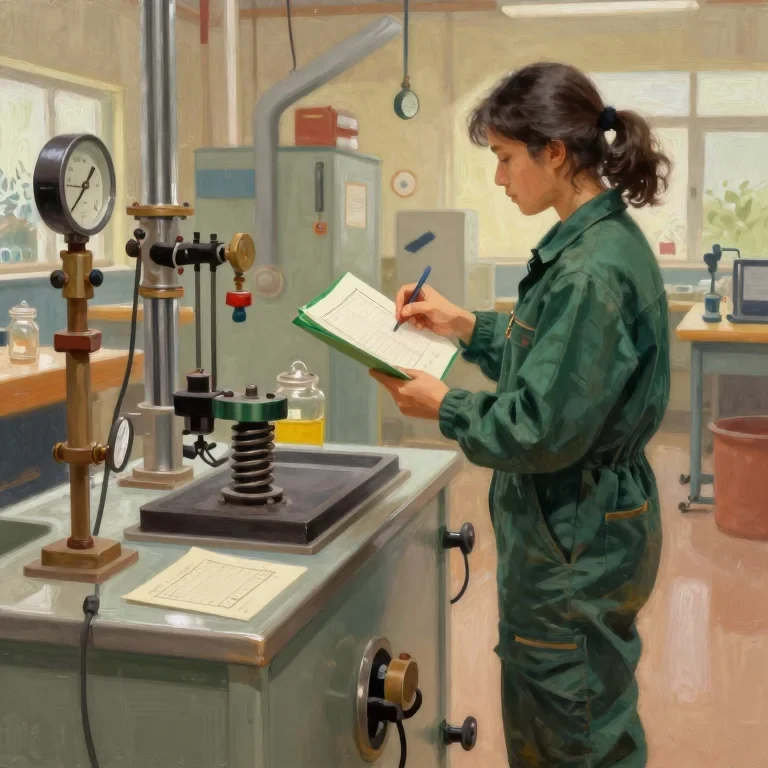
The last thing she changed was the form. The Tuesday free movement test sheet in the basement now has two extra boxes on it. The first is headed pressure at which the valve passes, and the second is headed time of lift. Gordon signs them and Miri counters them and Ashby reads them at the end of the month. She is back on nights now. At two in the morning the room is the feed pump and the flue fan and a little ticking off the lagging, and if the safety valve ever did lift she would know it in the dark without looking up, because she knows what a healthy one sounds like and what an unhappy one sounds like and she knows the difference is the difference between a note that rises and a note that sits.
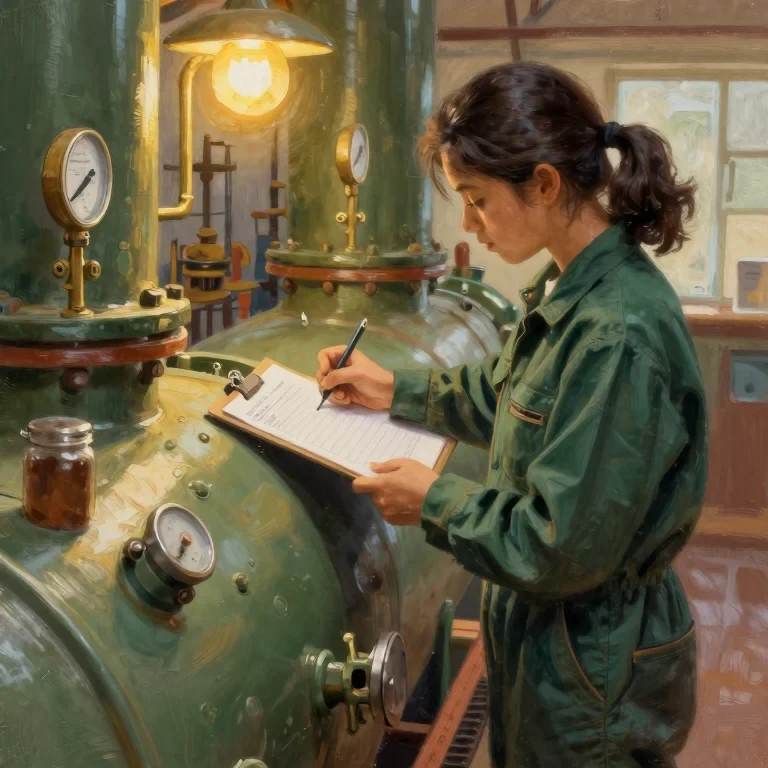
Nobody had ever taught her that. It had come out of four years of standing in the same small room listening to the same two boilers, and it came out of a morning in her second year when she had stayed late and heard a valve lift on number one and had looked for the number afterwards and found it written down in a hand she did not recognise, in a column headed lift, on a page somebody had ruled for it. She wrote six hundred and seventeen at the two o'clock round and six hundred and fifteen at six. Both are correct readings of a gauge that was last calibrated in 2019 and that she has known to read three kilopascals low since the day somebody compared it against the test gauge on the reducing station. So the plant is at six hundred and eighteen and six hundred and twenty, and the valve is a thousand, and the space between those two numbers is the space the whole building is standing in. She put the pencil down and shut the book.