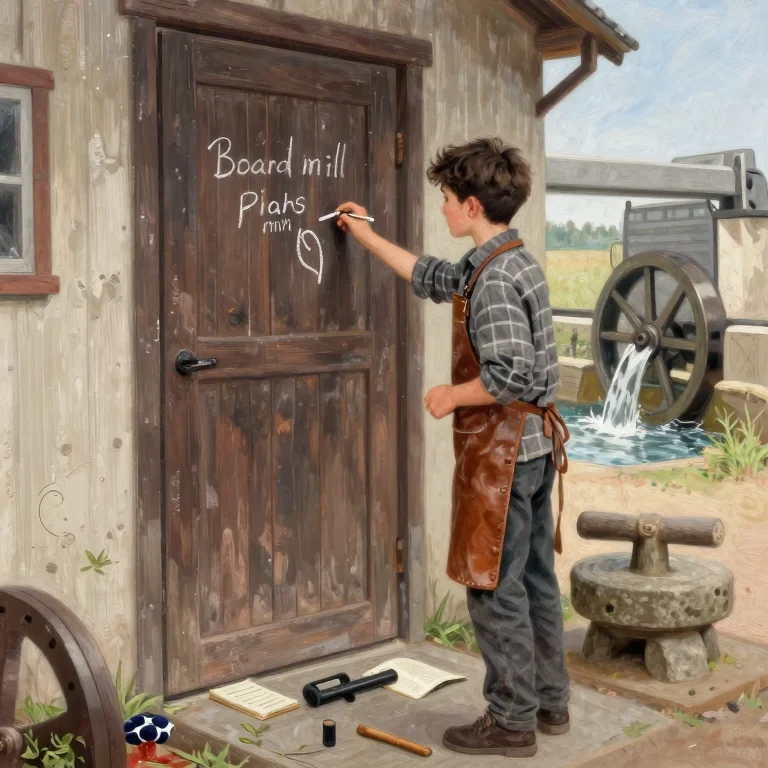
The mill at Bickleigh stood on the Exe four miles above Cullompton, and it ran on two numbers. Elias Ninnis, who was fifteen and had been the miller's boy for two years, wrote both of them on a board by the door in chalk every morning. The first was the turns of the wheel in a minute. The second was the quarters ground, and it went underneath in smaller figures. The wheel was an overshot wheel of fourteen feet standing in the leat below the mill. The water came over the top of it out of a launder of oak plank and dropped into the buckets. There were eight buckets, and the weight of that falling water was the only engine in the valley that never wanted coal.
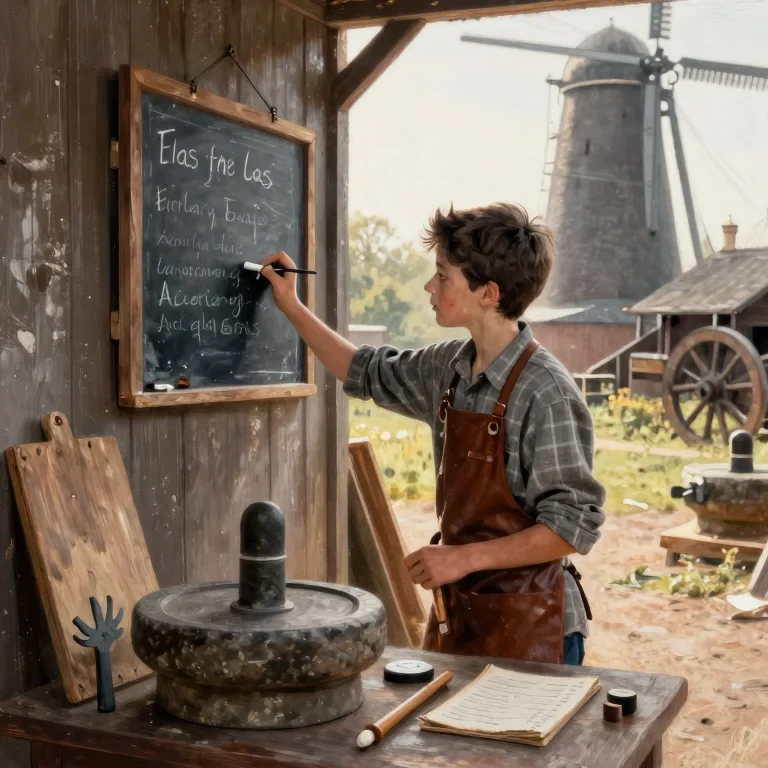
The wheel shaft carried a cog wheel of forty-five iron teeth. The stone shaft carried a pinion of nine wooden staves with iron leaves. Turn the wheel once and the stones turn five times. Fourteen turns of the wheel was seventy turns of the stones, and seventy was the number the stones wanted. The stones were four foot six across and had come up the coast by lighter, four to a load. Their faces were cut in furrows, and a furrow was a channel with the corn lying in it. The corn came down through the eye, went round the channels, and left as flour.
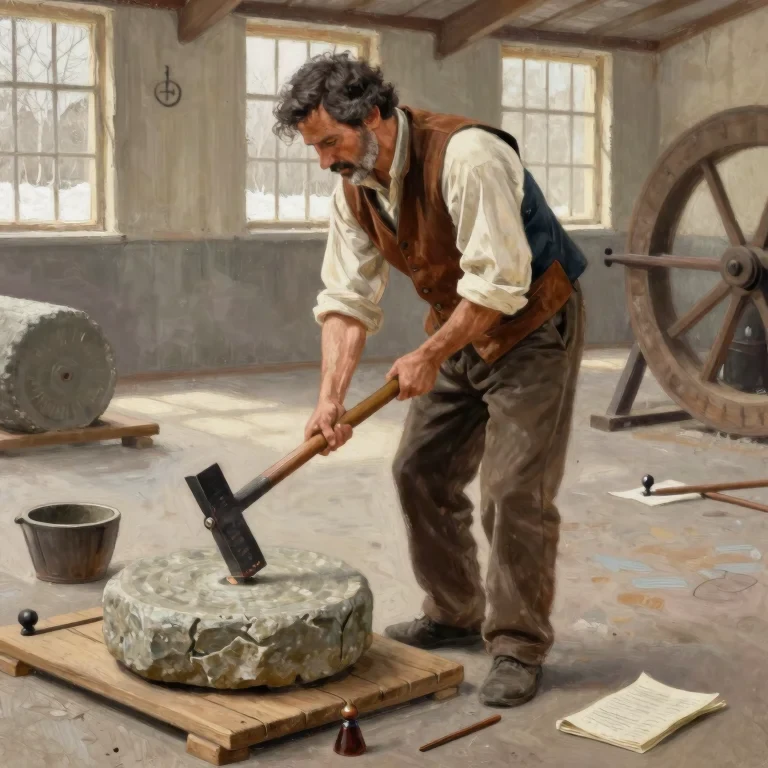
The furrows were cut by hand with a pick, in the cold, and the last time at Bickleigh was in the March of 1870. Abel Ninnis was fifty-three and had been cutting them since he was fourteen. He had a picking in the right thumb from the handle that never came out, and no son at home, because Joab was twenty-three and worked in the engine house at the steam mill at Cullompton, where the grinding was done with coal and done in any month.
Elias slept over the mill for eighteen shillings a week and his dinner, and his aunt Honor, who kept the book, made the dinner. The corn came out of Mr Cudmore's cart at Tiverton, and the mill was a toll mill, which means the miller ground corn belonging to somebody else and kept a toll of it in kind. The toll was one bushel in eight, and a bushel of wheat went into the scales at about sixty pounds, and the other seven went back as flour and meal and bran.
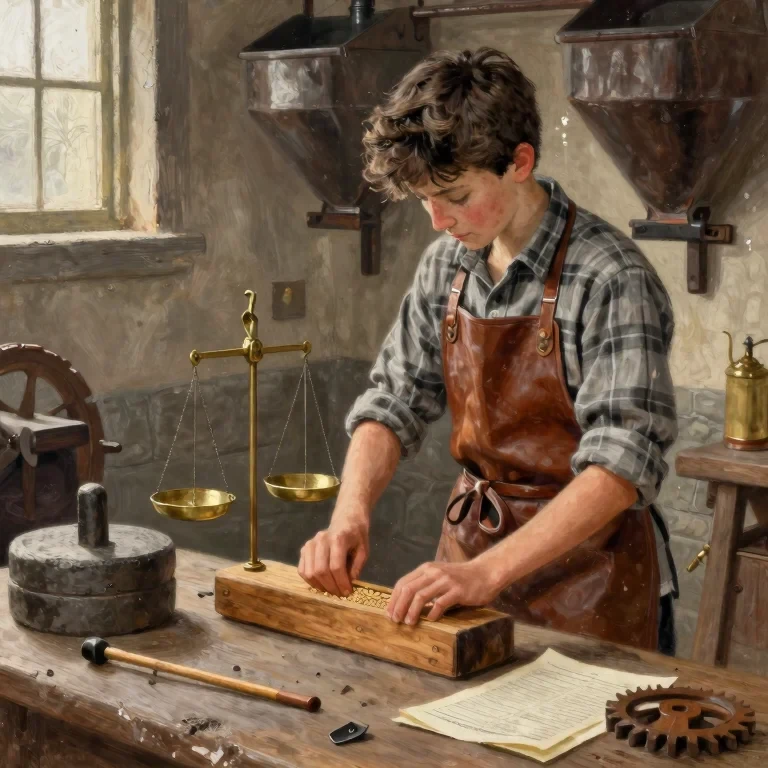
The bakers of Cullompton and Silverton had a contract with the mill for three hundred quarters of fine flour between Michaelmas and Candlemas. A quarter was four bushels. The flour days were Tuesdays and Fridays, the bakers took seven quarters off each, and there were forty-four such days in the year, so a mill with water all winter could deliver three hundred and eight and have eight to spare.
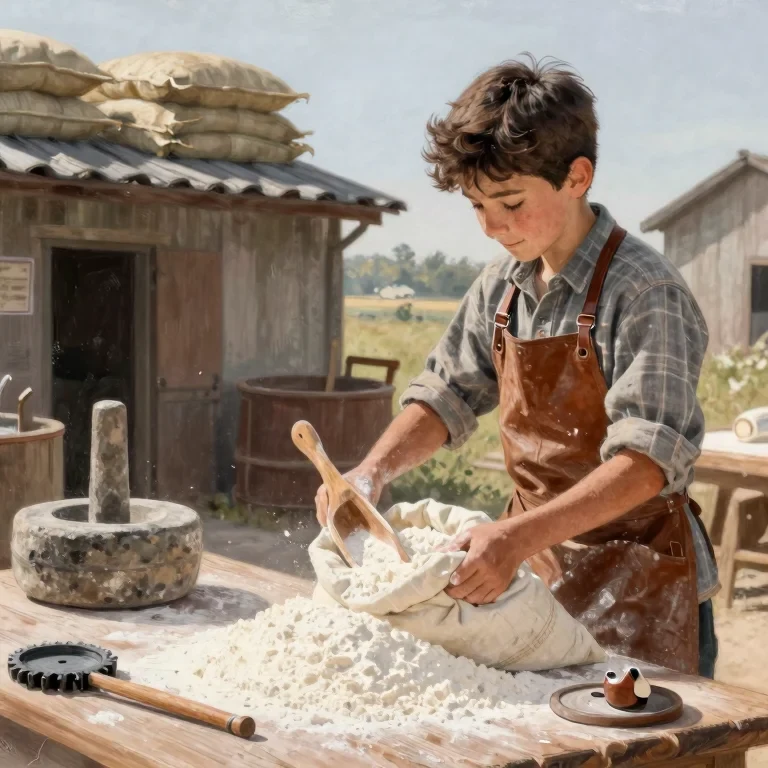
The water came down in 1871 and stayed down. By the last week of August the pond stood four inches below the summer mark on the gauge board, which is a plank with inch marks cut into it standing in the pond. The water that feeds the mill is read off that plank and not off opinion. In the March of that year the wheel had done fourteen turns. On the first of September Elias wrote nine, and the stones, which wanted seventy, were doing forty-five. A stone that is not fed enough does not slow down politely. It takes what it is given and it heats it.
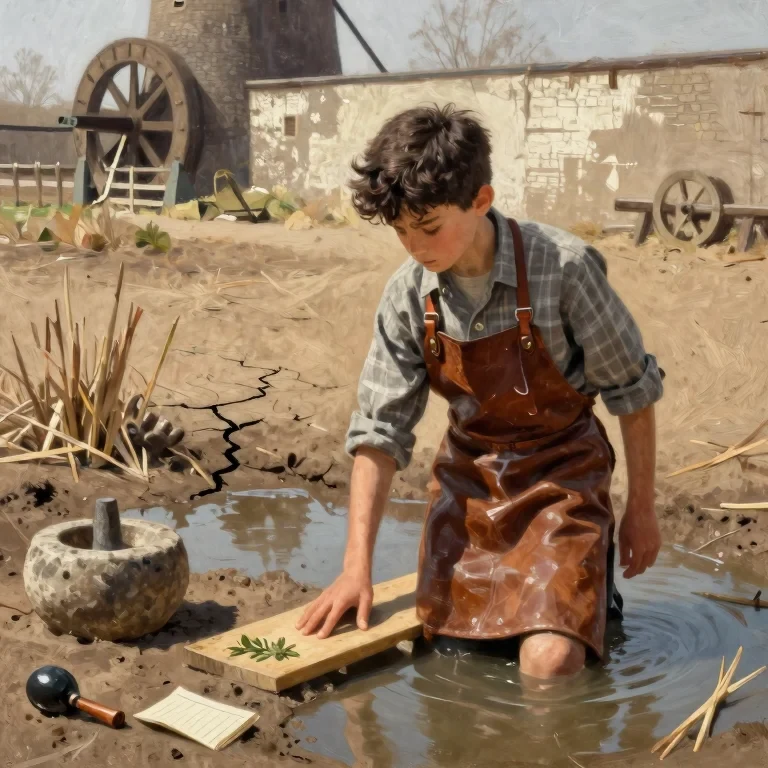
So Elias went under the floor to the deal box, where there were three pinions, of nine staves, six staves and twelve staves. Six staves made the stones turn faster and turn weaker. Twelve staves made them turn slower and turn harder. Nine turns of the wheel with six staves gave sixty-seven and a half turns of the stones, which was very nearly seventy, and he changed the pinion himself with the wheel stopped. At half past three he put his hand into the trough to feel the meal, and he could not get his hand to the bottom of it for the heat.
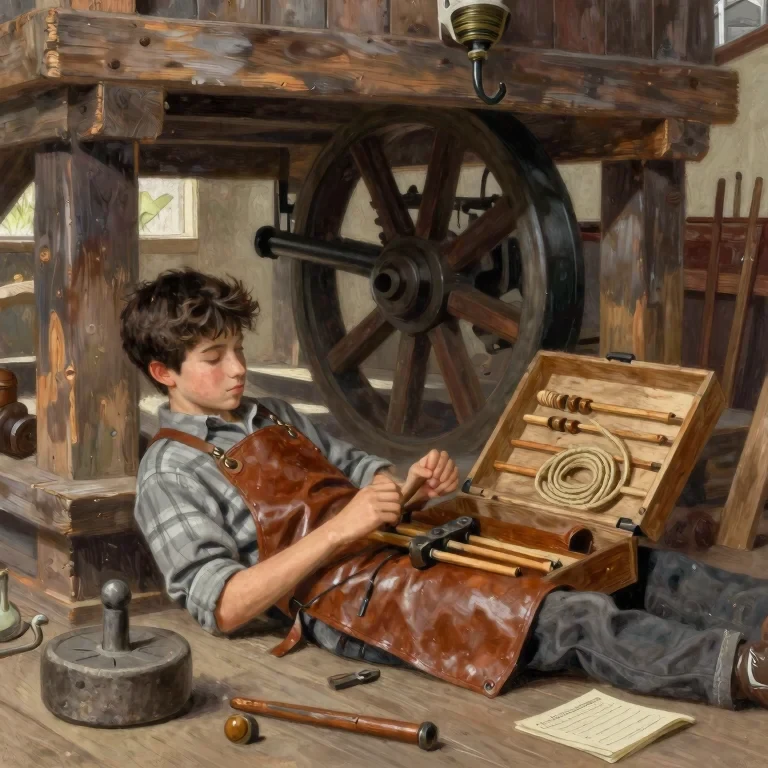
The meal came down hot enough to raise a blister on the heel of his hand. It was grey and not white, and it smelled like a kitchen after the fire has gone out of the grate. Cudmore's man came on the Friday, looked once into the sack, and said the bakers would not have it. Abel said take it back, and Cudmore's man took it back. Abel did not shout. He went to the trough, took out a handful, held it under the boy's nose, and said nothing for a while. “That is flour,” he said. “Go on. What is wrong with it.” “It is hot.”
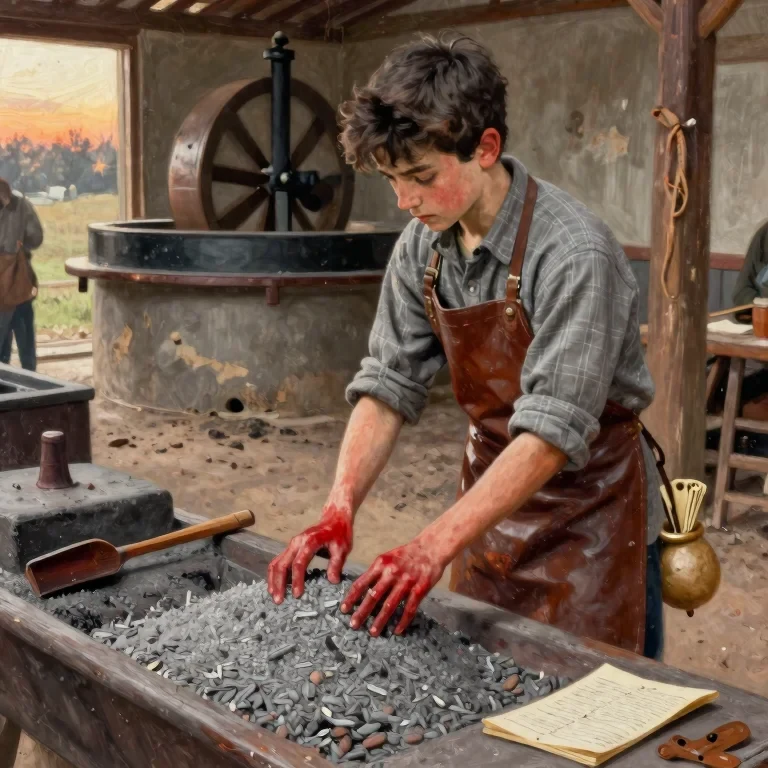
“It is hot because you drove the stones at seventy turns with the water at nine. A stone driven hard and fed thin makes heat, and the heat goes into the meal, and the meal goes to nix, and flour that has gone to nix is worth nothing to a baker, because he has ground it twice.” “Then the water is nine and the stones are forty-five.” “You are to write on the board what the wheel does,” said his uncle. “Not what the stones do. The stones are for me.”
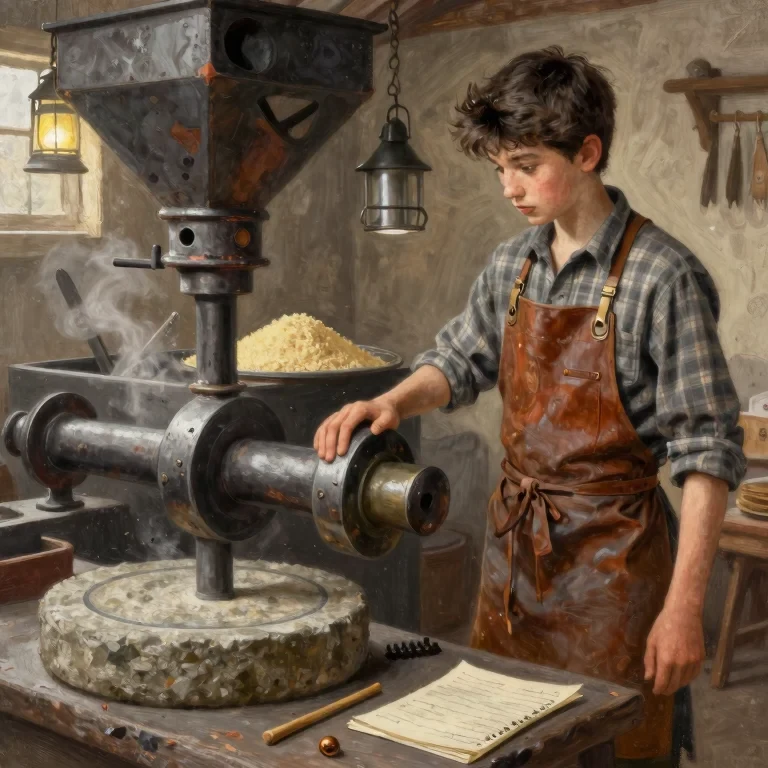
The sluice at the head of the leat was a single board in a frame worn at the bottom, and the water went under it all day. He could put his hand in the gap and feel it going. The millwright at Hemyock had told him in a doorway that a plank sluice is a convenience and a ground sluice is a machine, with a face ground true on the frame. There was no money for that. There was an old flat file in the mill shop and emery powder in a jar. He worked on the frame for two days with the water off the leat, so the mill ground nothing. On the Wednesday the wheel did ten, which was not fourteen but was not nine.
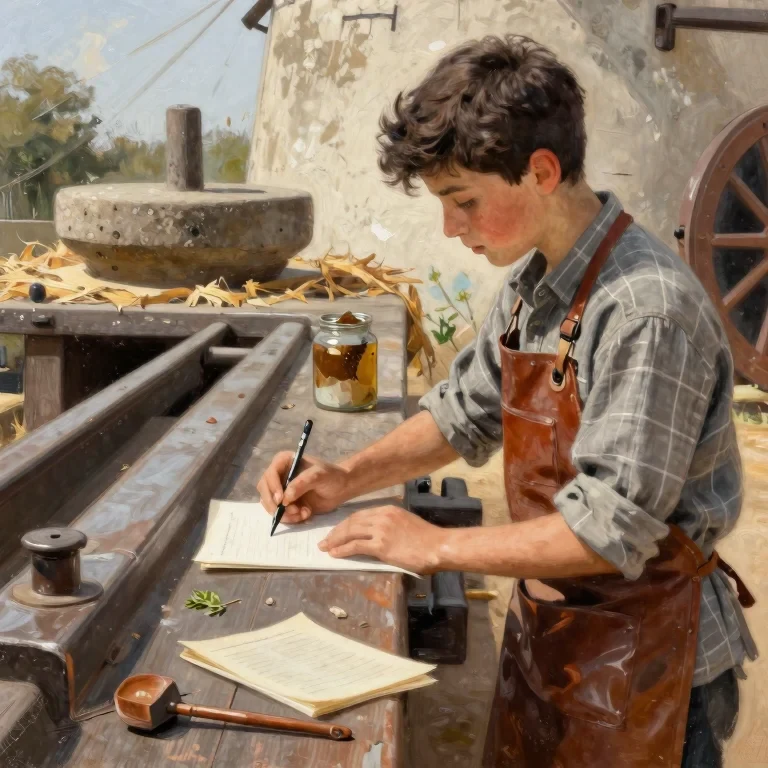
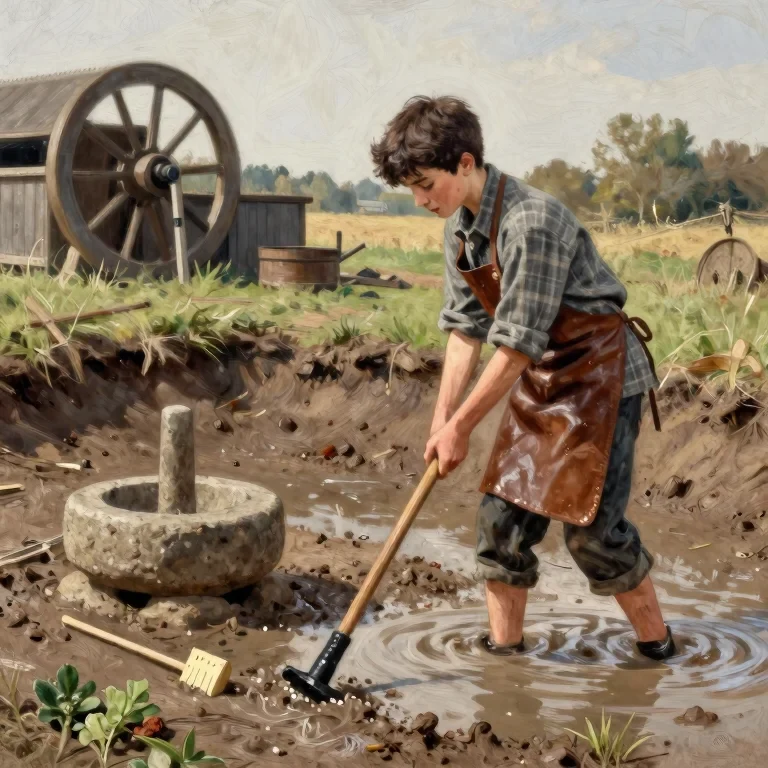
He waded the leat with a stick in the second week of September. The bed was a foot higher at the mill end than at the head end, so a foot of depth he had been counting on for years had gone into the mud. He got his aunt to lend him the barrow and his uncle's bad hand, and they dug for a week. On the Friday the water came over the launder deeper and the wheel turned eleven on a good day, and twelve after rain. And in the drought it was ten.
On the fourth of October his uncle called him into the lean-to with the stove and asked him what the parish was short of. Elias said flour, and his uncle said the bakers had wanted seven quarters a day all summer and taken every one, so flour was not what anybody was short of. He said fodder. Every farmer between Bickleigh and Willand had no rain on the hay and was buying meal by the load, and the ones with no stone were coming. So the question was not how to make flour out of nine turns. The question was what nine turns could make. The answer was meal.
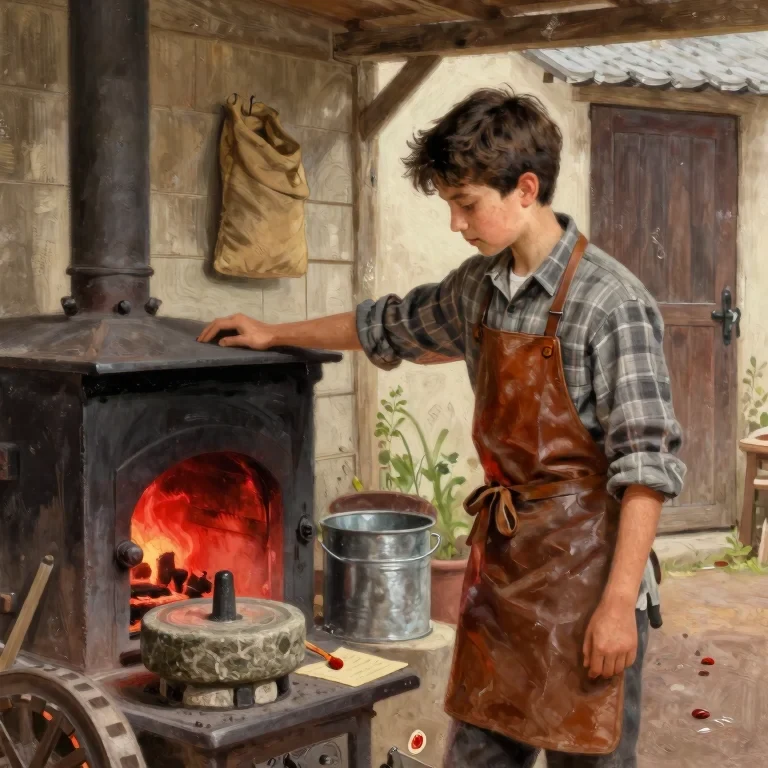
Flour is ground fine, in narrow close furrows that take a great deal of work per bushel and make heat. Meal is ground coarse, in wide open furrows, and it takes less work and makes almost none, and a cool stone at thirty turns will grind meal all day. It was not faster. Elias said so, and his uncle told him to say it again. It was not faster. It was the only thing nine turns could do, and it was worth doing cool, and the trade of a mill in a bad year is finding out what the water can be spent on before the water changes again. There was one difficulty, and it was the only real difficulty in that autumn: a stone is dressed to do one thing.
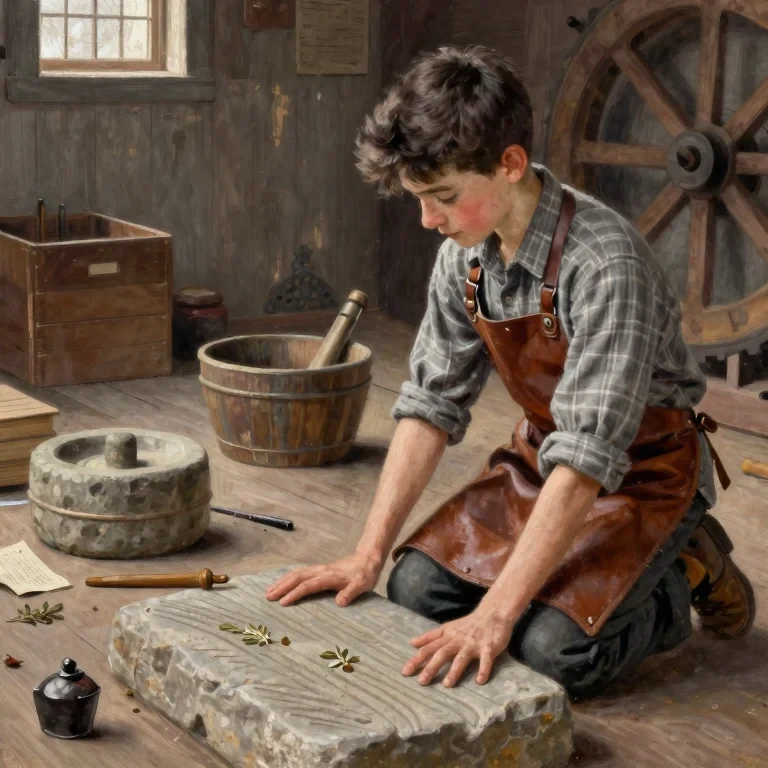
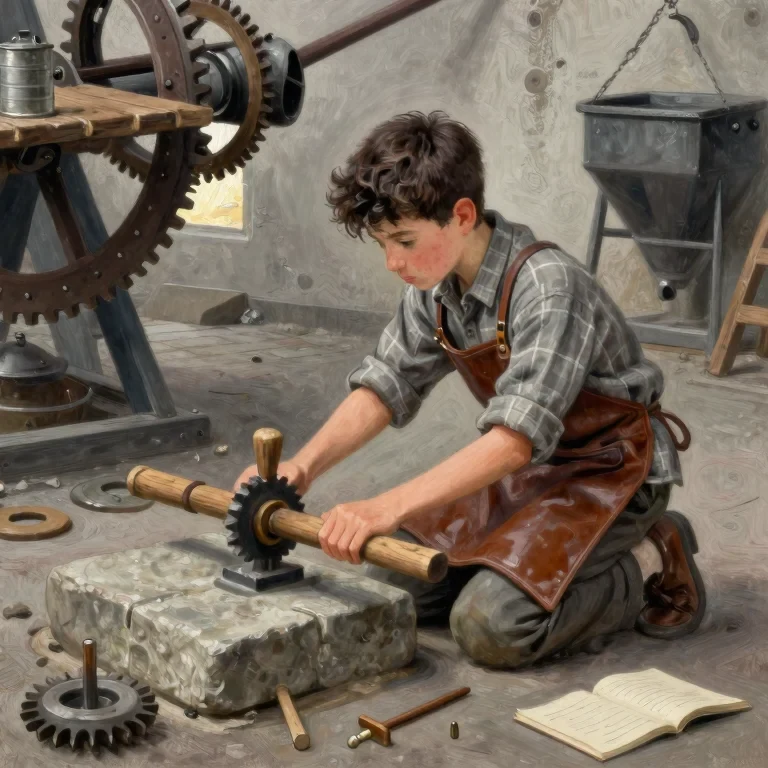
The pick was on the top shelf of the mill shop under oiled paper, an ash handle four feet long with a bar of iron set crosswise at the end of it. A stone badly dressed by a bad hand grinds nothing but dust, and there is no way back from that except to turn the runner on its other face, which uses up the stone for good. Elias had watched his uncle do it twice and had never been allowed to touch it. He asked on the Thursday and was refused, and again on the Friday, and on the Saturday morning he came out to the mill with the oiled paper off the pick and his uncle was there.
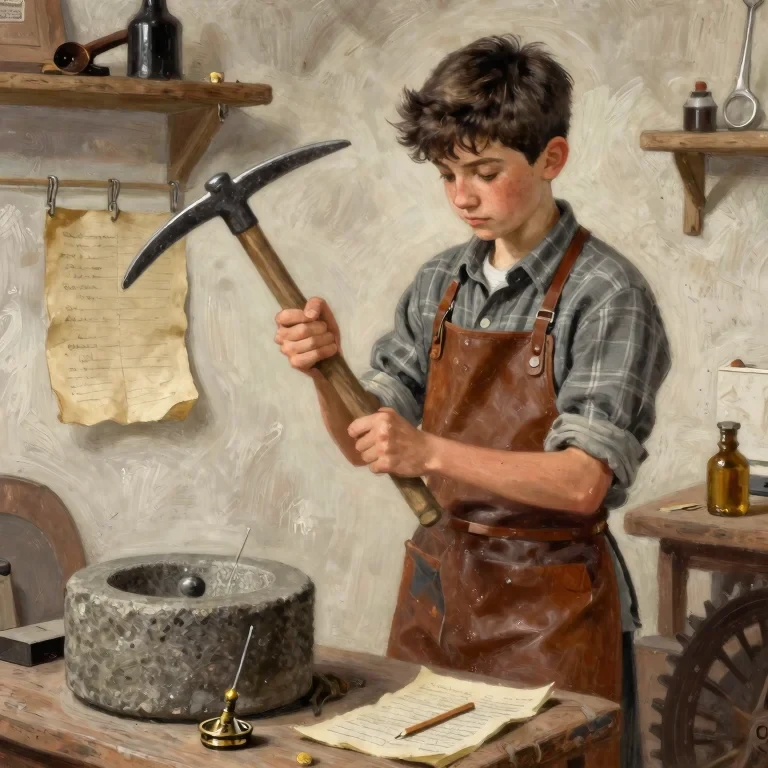
They worked four days. The stone must be cold. You cut the master furrow first, straight down from the eye to the rim, then the land, then the rest, and you go round the stone the same way every time so that you know where you have been. They wanted a coarse dressing, which meant fewer furrows and wider ones, and it meant opening the eye out, because a coarse stone will not swallow meal down a narrow eye. On the fourth day Elias dressed the whole face by himself while his uncle sat on the flour sack with his coat on and did nothing, which was how Abel Ninnish supervised.
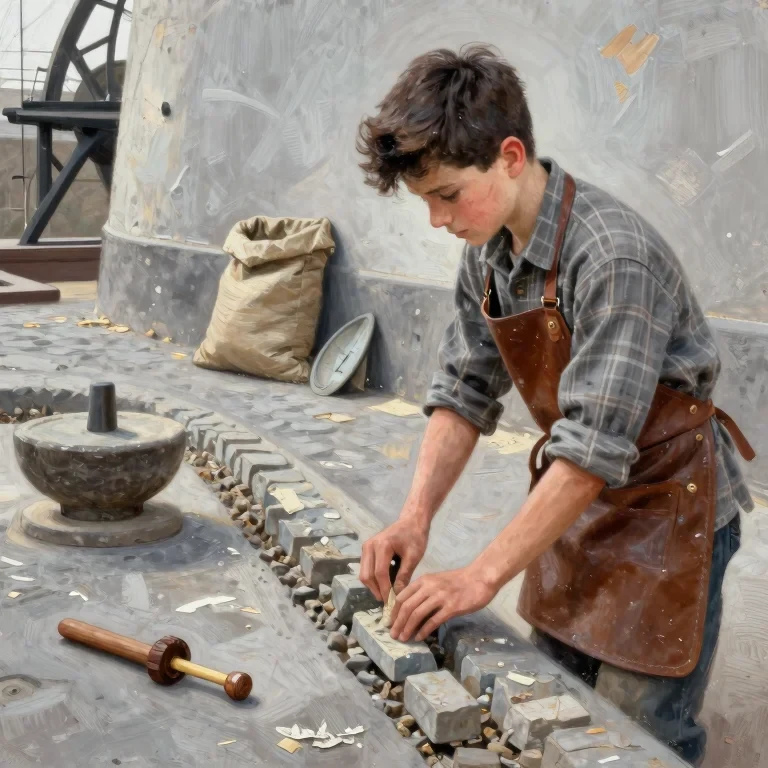
Then they set the pinion at twelve staves, because a coarse stone wants a slow stone, and because a stone fed light makes heat whatever you do to it. Thirty turns of the stones on eight turns of the wheel, and the furrows open, and the meal coming down cool all day.
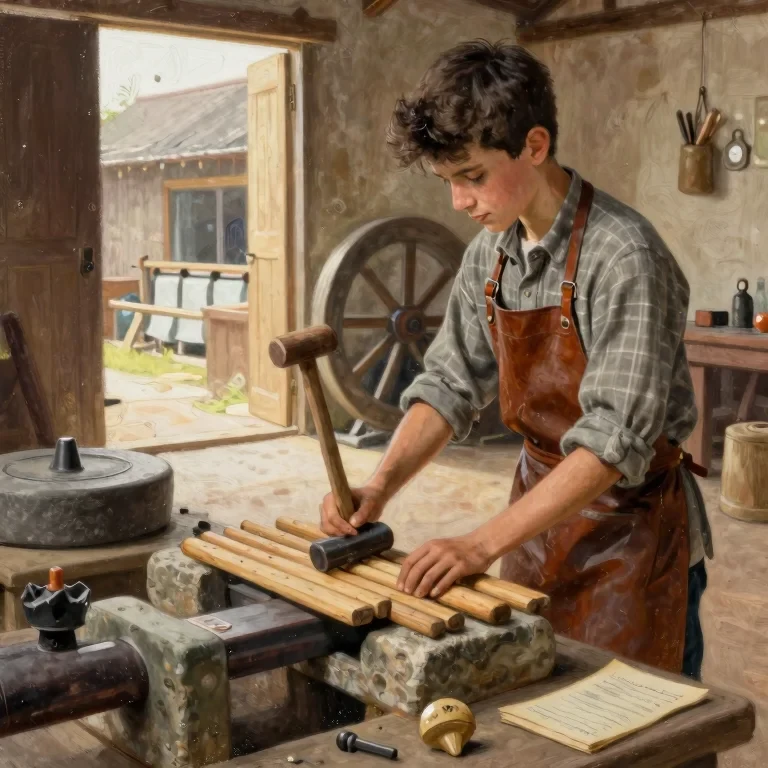
Cudmore's man came on the Friday, looked into the meal, and asked what price. Abel gave the mill price for meal, which was nine shillings a quarter under flour, and the man said he would take all of it, and asked how much there was. Elias had kept the count. A hundred and six quarters in eleven weeks. The toll was the same fraction either way, but the miller sold his toll of flour at one price and his toll of meal at another, and the meal had carried the mill eleven pounds less.
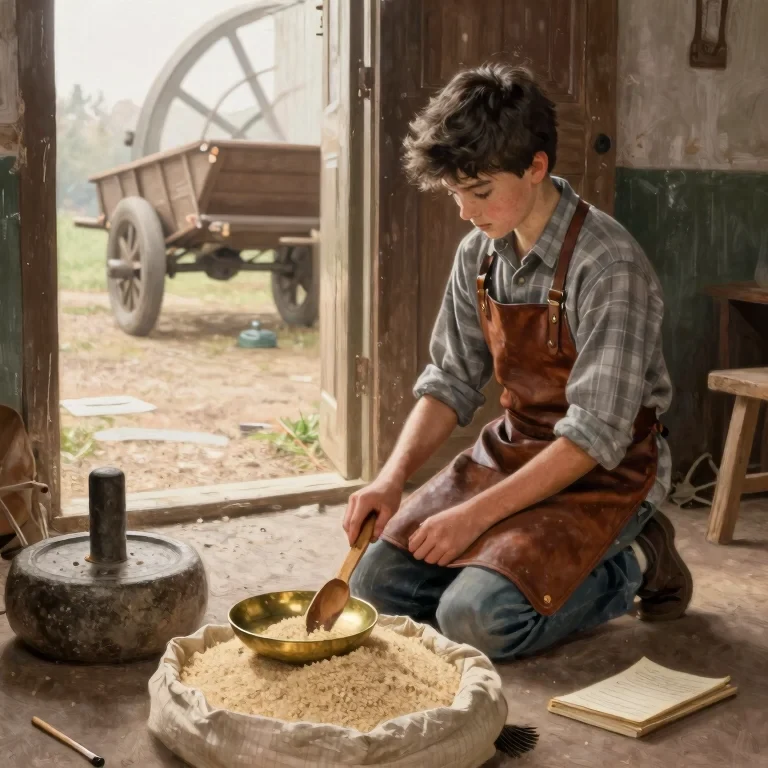
And the flour came back. On the days the wheel did eleven or twelve, Elias dressed the stone fine in the cold before the mill ran, and ground the bakers' flour cool and white for the carrier on the Friday. There were forty-four flour days in the year. There were forty-two days on which the mill ground seven quarters for the contract. Two hundred and ninety-four quarters of fine flour between Michaelmas and Candlemas. The contract was three hundred.
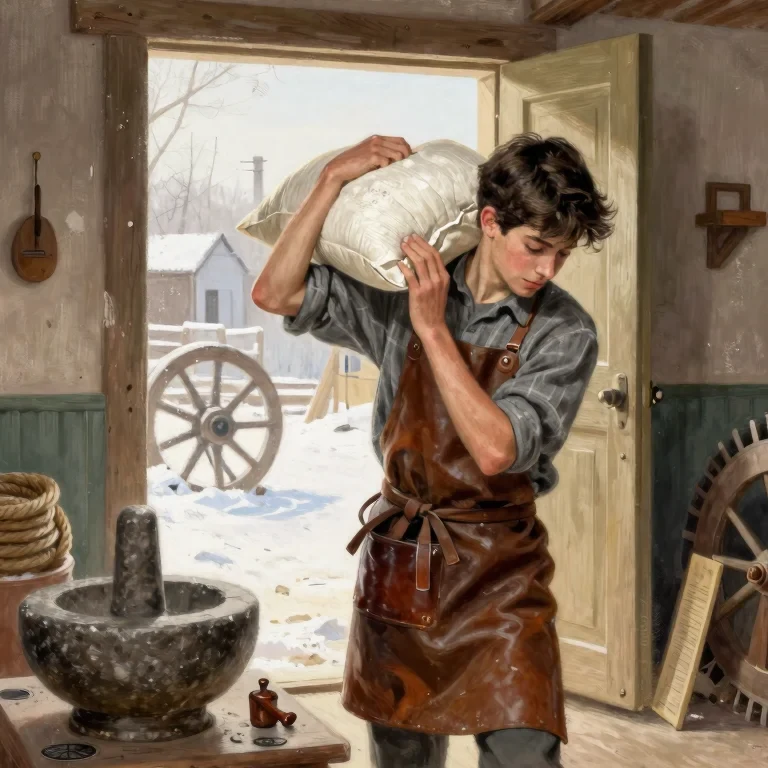
Candlemas was the second of February and the book closed on the Saturday, and Elias sat in the lean-to with the book while his aunt made the sums twice. Two hundred and ninety-four given. Three hundred owing. Six remaining. Cudmore's man came on the Monday and said the bakers would take the six at the meal price if the mill cared to take it. Flour was at sixty shillings the quarter and meal at twenty-six, and the difference on six quarters was two hundred and four shillings, which is ten pounds and four. His aunt wrote the figures under his words, and his uncle looked at the two lines for a while.

“Accept it,” he said. “And write the price under it, and write the date. A thing written down can be argued with. A thing not written down can only be suffered.” So the year closed at two hundred and ninety-four, and six, and under that was the number of quarters of meal that had gone through since the first of August, which was a hundred and six, and nobody had ordered a single one.
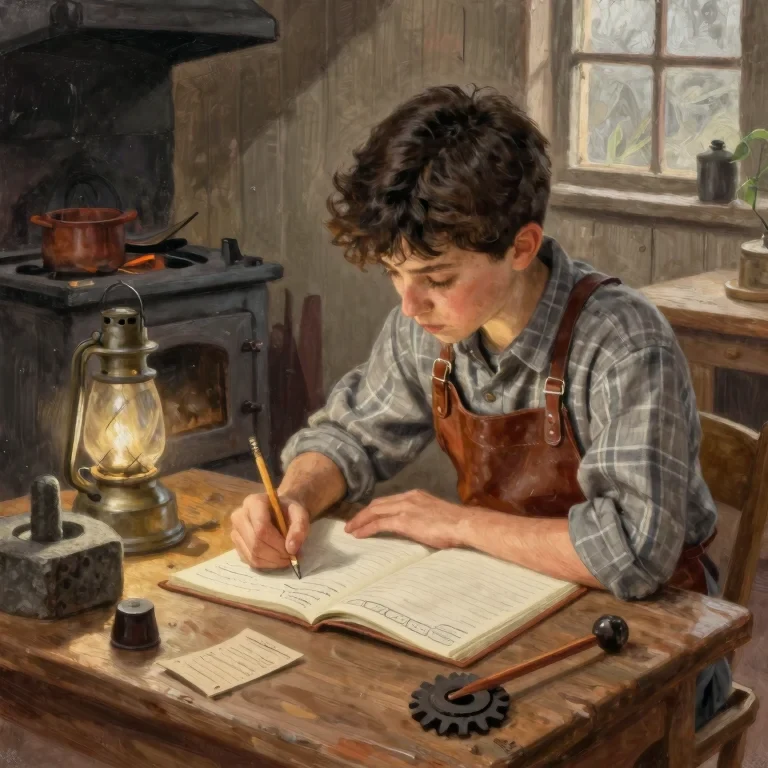
On the Monday morning Elias wrote the turns on the board. The wheel did ten. Under the ten he wrote 6, because he had started writing it there in November and there was no reason to stop, and it was a number, and the board was for numbers. Then he went and let the sluice off at six, and the water came over the launder at the speed it always came. Six was still six.