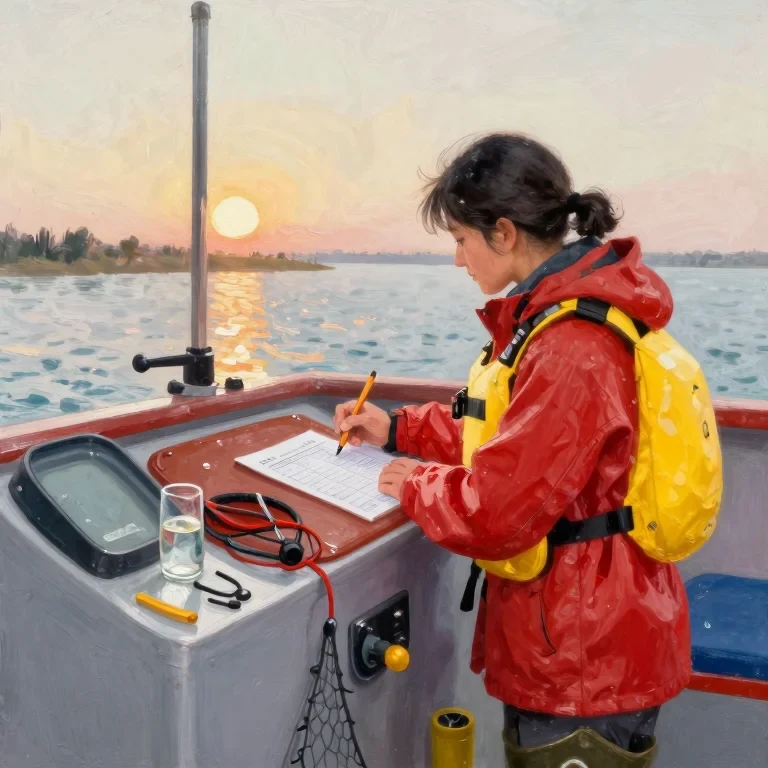
The river mouth at Castlecliff has a sandbank across it that moves, and the reason the harbour pays anybody to measure it is that the bank has put eleven thousand tonnes of sand on the wrong side of it in one week. The cargo ship Aotea had eight days of discharge left to run in Tauranga and a booking on the other side of the world, and her master wanted the wharf at Castlecliff on Thursday. The wharf could not take her on Thursday because the dredger had the channel. The dredger was the Patea, a trailing suction hopper dredger with a bucket that holds two thousand seven hundred and fifty cubic metres, and the three loads she had taken in three weeks had come out of a cut two hundred and twenty metres long and ninety metres wide at the entrance, and the cut had not got any deeper. Riria Nape was thirty-six and she surveyed the bed for a living, and she had been given the job of signing the paper that either pays the Patea for her work or does not.
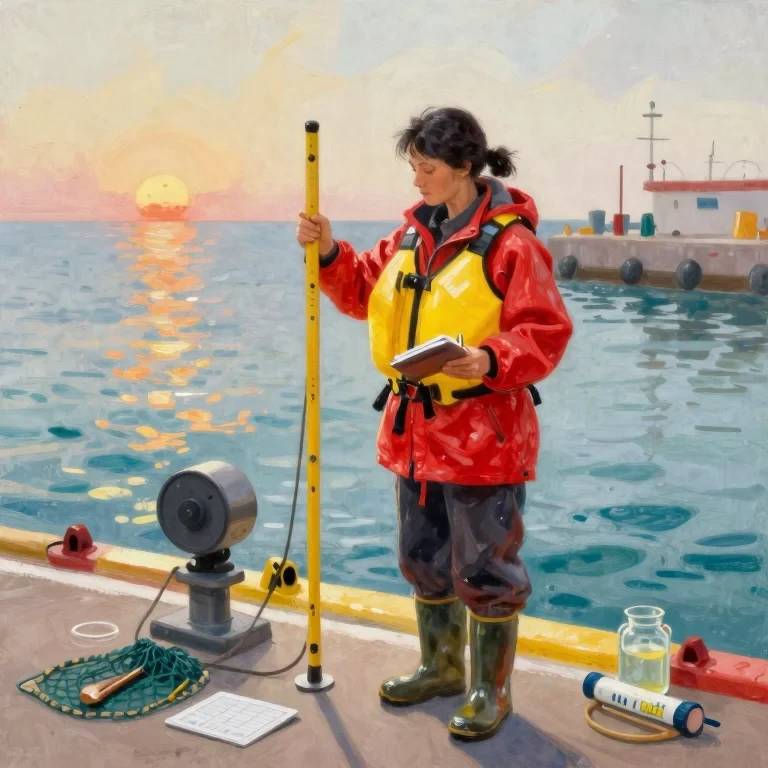
Her launch was the Titahi, eleven metres, and it had a transducer on a pole over the rail, and a sounder that measured the water by sending a noise down and listening to when it came back. The time between the noise going down and coming back is the travel time, and depth is half of that time multiplied by the speed the sound goes at in seawater. In warm water that speed is about one thousand five hundred metres a second. Off the Castlecliff bar in August it is nearer one thousand four hundred and forty-five, and that fifty-five metres a second is three and a half per cent, and three and a half per cent of four and a half metres is sixteen centimetres, which is sixteen centimetres of water under a ship's keel, which is nothing at all when you have plenty and the whole argument when you have none.
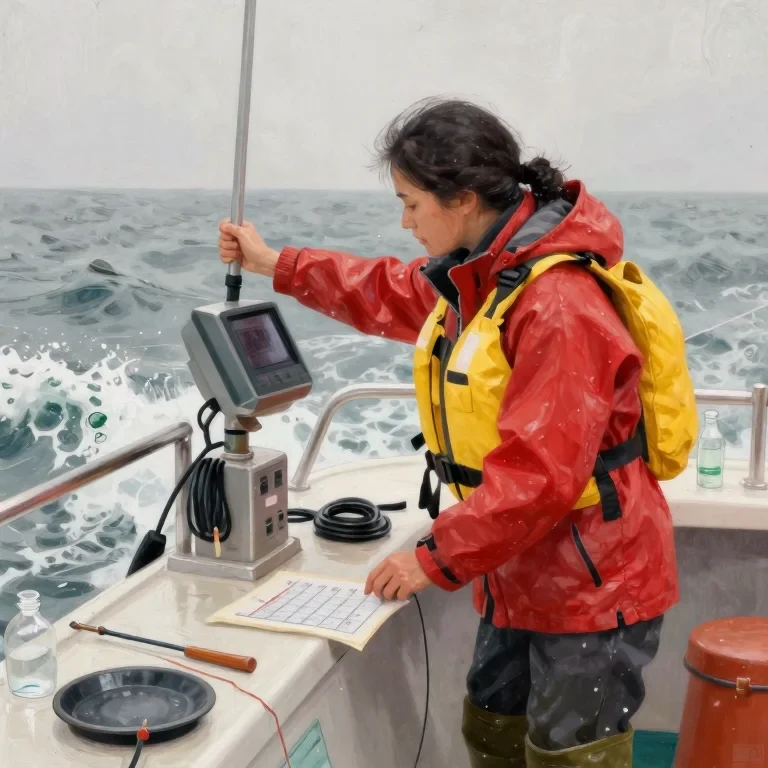
The sounder was a multibeam, not a single beam. A single beam gives one number down and one number up and a line between them, which is how the original survey of this bar was done in 1978, by dragging a weight and watching a wire. The multibeam puts four thousand soundings across one ping, over a fan a hundred and forty degrees wide, so every ping lays a hundred and forty metres of seabed down on the plot at once, and the launch runs at four knots so that the pings overlap. Then the numbers have to be turned into depths, and this is the part nobody outside the trade understands. The sounder knows how deep the bottom is below the transducer, and it knows nothing whatever about where the water is.
So there are three numbers, and all three have to be right before a depth can be printed on a chart. The sounding is the distance from the transducer down to the sand. The height of the transducer is how far it is under the surface, and it hangs on a pole under the rail, so the height is the draught of the boat minus how far down the pole is, and the pole has to be measured with an actual pole against an actual rail mark every morning, before the boat is trimmed for the day. And the tide is how high the water is at that instant above the level the chart is drawn from. The level is Lowest Astronomical Tide, the level the sea falls to about once a year, and every depth on every chart is measured down from it, because at Lowest Astronomical Tide the water is at the shallowest it ever gets and the numbers are honest. Depth on the chart is the sounding, plus the height of the transducer, less the height of the tide. That is the whole job. Four point five one, plus one point one two, less one point four one, is four point two two metres, and that is a number a ship can put her keel over, and it is only right if all three of those numbers were right at the same second on the same afternoon.
The survey the Patea's people had done before they started was five weeks old, and it said the shoalest part of the cut was five point one eight metres. Riria's survey, ten days after the dredger had finished, said the shoalest part of the cut was five point two two metres. Four centimetres. The dredger had been paid to take seven thousand nine hundred and twenty cubic metres out of a cut that was already the right depth, and by the only measure anybody had, it had taken four centimetres off. “You dug eight thousand two hundred and fifty and you got four centimetres,” the harbourmaster said. “Which means either you did not dig, or the survey before you was wrong.” “I did not dig,” said the dredger's operations manager, a man called Denby who had been at sea for thirty years. “We filled three hoppers and I can give you the dump tickets. And the survey before us was made in three days of flat calm in an afternoon, and I would not put the tide reduction on it.”
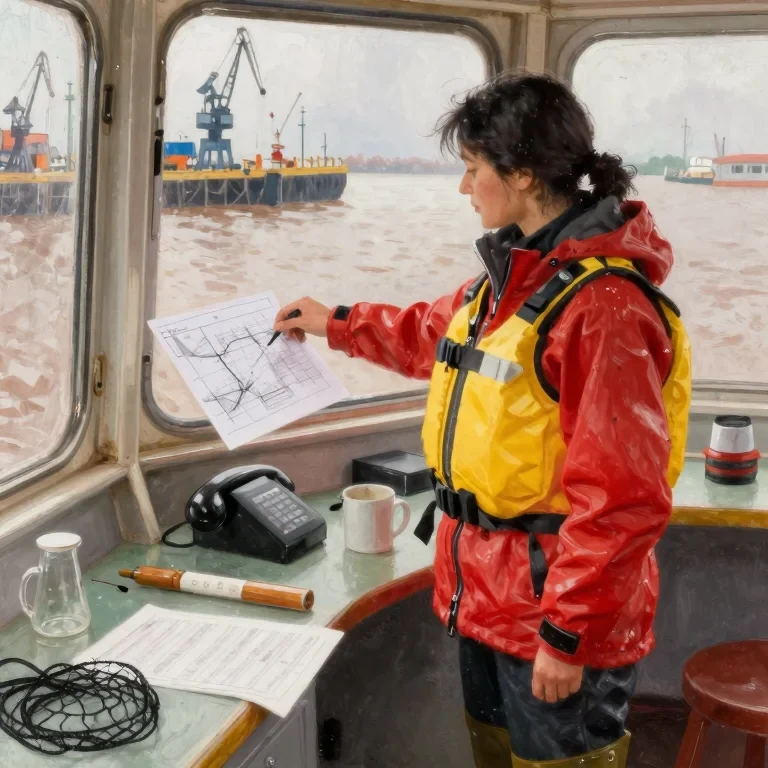
Riria went back to the survey before them, which was in a folder on a hard drive, and it was not hers and had not been checked by anybody since it was delivered. The 1978 method was still in the folder, in a note at the back, written by a surveyor who had been dead for eleven years. REDUCED TO THE TIDE STAFF ZERO AT THE WHARF. REFER ALL DEPTHS TO THAT ZERO. POSITIONS BY SATELLITE. SOUNDING TIMES FROM THE GPS CLOCK. Riria read that line four times. There was no level in that note that said which zero. It said the staff zero, and the staff at Castlecliff wharf had a brass plate at its foot with a number on it, and the number on the plate was not the number that had been on the plate in 1978.
The wharf had been rebuilt in 1994. The old wharf was timber and it went out in one winter, and the new one is concrete, and the tide staff was taken off and put back, and a note in the port authority's own file says the new staff zero was set four hundred and six millimetres below the old one. She wanted that file. The file is one sheet of carbon paper in a box in a room in another town, and it took nine days and two telephone calls and a woman named Denise to find it, and Denise sent a photograph of it, and the photograph said, in the middle of a table of tide predictions for 1994: NEW STAFF ZERO SET 0.406 M BELOW FORMER ZERO. B.M.L. 12 NOT ALTERED. Riria did the arithmetic once on the back of an envelope, in the launch, with the engine running.
A depth measured from a zero that is lower than the real one comes out larger than the true depth, because a smaller height of tide has been subtracted than there really was. So the survey from before the dredging, reduced to the old staff zero, was four hundred and six millimetres too generous, all over the cut. Five point one eight was not five point one eight. It was four point seven seven four.

Against that, her own five point two two moved by nothing, because her survey was on the modern vertical datum and tied through a brass bolt in the new wharf wall, and she knew which way it went. Which meant that in three weeks of dredging the Patea had cut four point seven seven four down to five point two two, a gain of four hundred and forty-six millimetres, and the contract wanted four hundred. Denby was right about the dredging and Riria was right about the survey, and both of those had been true at the same time, and the whole argument had been sitting in a folder.
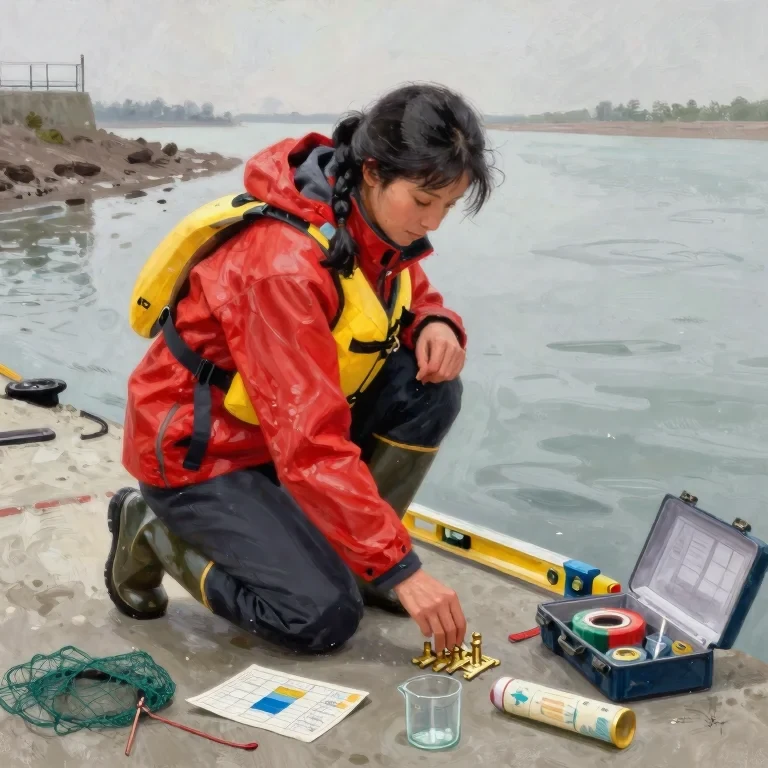
Then she checked her own survey, which is the part of this story that has nothing to do with a folder. Every ping in her own survey had the height of the tide applied to it from the wharf staff, nine kilometres upriver. She had done it because that is the gauge everybody uses, because it is certified and telemetered, and because it is the only one anybody thinks of. The tide at Castlecliff wharf has a range of two point three one metres at springs and about ninety centimetres at neaps. The tide at the bar does not do that. Riria had known for eleven years that the tide at the bar arrives earlier than the tide at the wharf and stands higher than the tide at the wharf, because the sea fills the river from the outside in, and everybody who has ever taken a tide at a river mouth knows it, and nobody writes it down. But she had never measured it, and she had never measured it here, and she had been using the wharf because it was convenient and because it is what the tide tables for this port are built on.
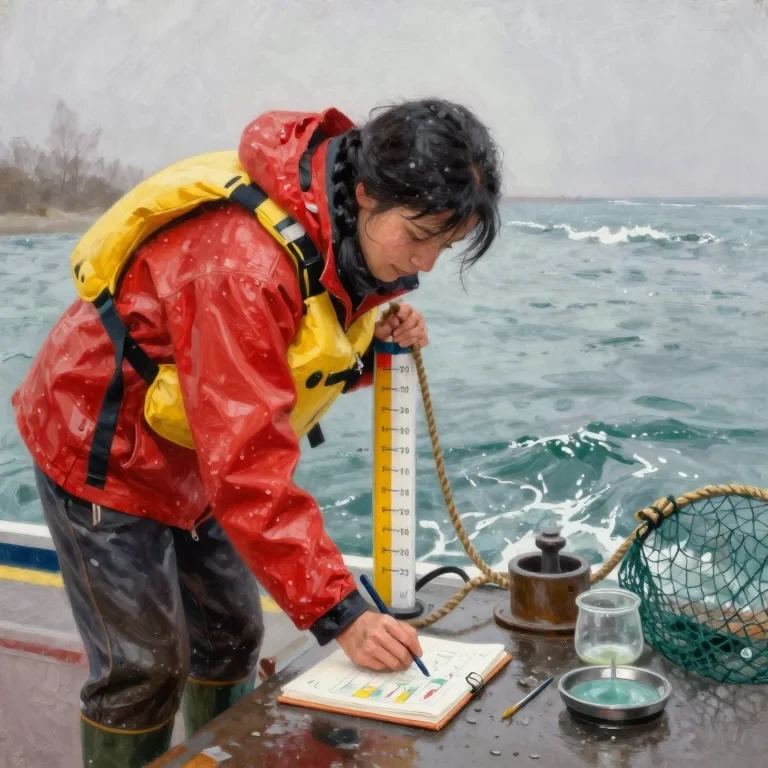
She put a tide gauge on the bar for fourteen days. It is a pressure sensor in a stilling well on a driven pile, and it took a day and a half to install, and it recorded the height of the water at the bar every six minutes for a fortnight, which covered one spring and one neap. The only hard part was getting there without putting the launch on the bank in the process. Then she plotted the two records against each other, the bar on one axis and the wharf on the other, and the line the points made was a loop, and the loop was narrow at the neaps and wide at the springs. At the neaps the two are within a hundred and twenty millimetres of each other and eleven minutes apart. At the springs they are three hundred and ten millimetres apart and thirty-four minutes apart. Which means that every time she has reduced a sounding at the bar with a wharf reading, she has been wrong, and by how much has depended on what the tide was doing that day, and mostly it depended on where in the cycle the day fell.
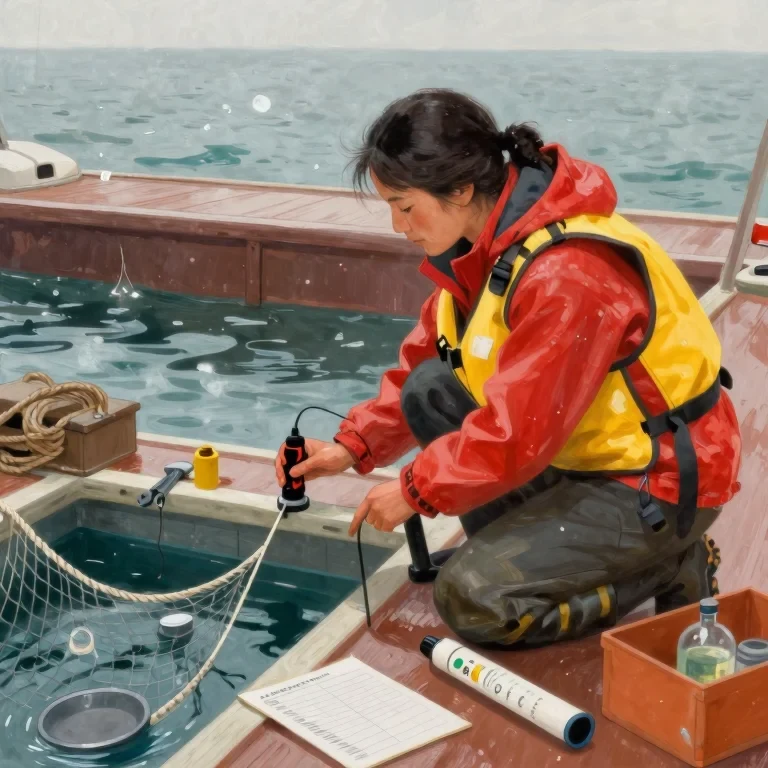
The survey before the dredging was run on the ninth, which was a neap day. Riria's own survey was run on the twenty-fourth, which was three days off the bottom of a spring tide. On the ninth the bar was within a hundred and twenty millimetres of the wharf. On the twenty-fourth the two were three hundred and ten apart, and all of that three hundred and ten went into her survey and none of it went into the survey before it. So the survey from before the dredging was not four point seven seven four but four point six five four, and her own five point two two was not five point two two but four point nine one, and she had talked herself out of her own first answer in the space of one afternoon. Which put the dredger's three weeks at four point six five four down to four point nine one. Two hundred and fifty-six millimetres, out of a contract that wanted four hundred.
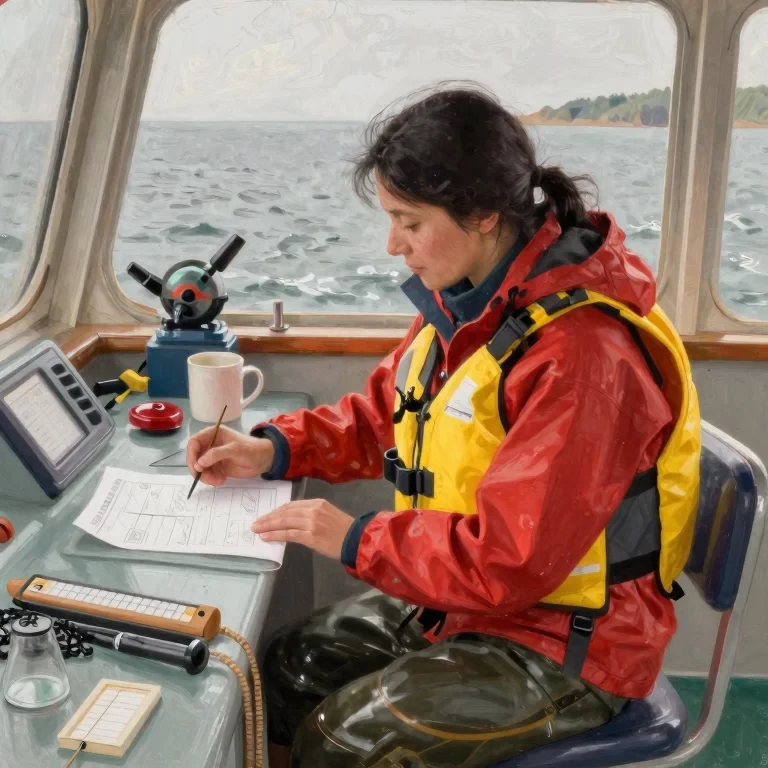
The arithmetic of the sand was where the rest of it came from, and it took the dredger's own hopper tickets to see. Eight thousand two hundred and fifty cubic metres out of a cut two hundred and twenty metres long and ninety metres wide is nineteen thousand eight hundred square metres of bed, and eight thousand two hundred and fifty over nineteen thousand eight hundred is four hundred and sixteen millimetres of depth, if the sand stays where it was dug. They dug four hundred and sixteen and they got two hundred and fifty-six. The other hundred and sixty, times nineteen thousand eight hundred, is three thousand one hundred and seventy cubic metres of sand that went back into the cut, and the dredger's own paperwork says they did not put any of it back. They put three thousand one hundred and seventy cubic metres of the bank's own sand back into the cut without lifting the suction pipe once.

The dredger was cutting the sides of the channel at one in six. The bank on the seaward side of the cut stands at about one in one and three quarters, and that is not an accident. Sand that has been soaked and stirred on a bar stands at the angle it stands at, which is between thirty and thirty-four degrees, which is one in one and one half to one in one and three quarters, and it will stand there and it will not stand steeper, and every tide that passes with a bit of wave on it knocks the top of the face down and lets the whole face slump. One in six is nine and a half degrees. You cannot cut a hole in a bank at nine and a half degrees and leave it. It fails back into the hole within days, and it takes the sand it fails with, and the hole gets a layer of the bank's own face on the bottom of it, and the next pass of the bucket takes that layer off and finds the old cut underneath. Which is why the Patea can dig for a fortnight and be deeper by twenty-five centimetres, and can also dig for a fortnight and be deeper by nothing at all, depending on which way the southerly blew.
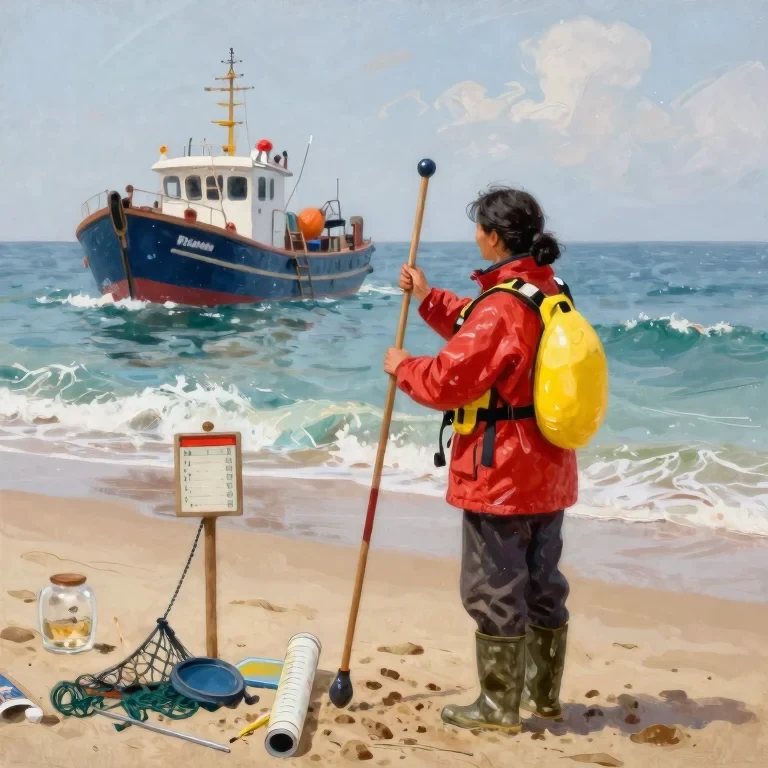
The fix is not mysterious and it is not cheap. Dig a narrower box and a deeper one, cut the sides at one in two, use a cutter suction pipe that can stay in the sand, because a suction pipe lifts as fast as the water comes up it, and every time the bucket takes a full load the pipe comes out and puts a hole in the bottom of the cut. And put the spoil outside the breakers instead of inside them, because sand dumped inside the surf line at Castlecliff comes back in through the same mouth it left by, and sand dumped past the breakers does not. Riria wrote all of that up in eleven pages with the volumes and the angles and the two surveys side by side, and the harbour board read it, and then the argument started about money. The dredger had done three weeks of work for which it was now going to be paid three fifths, on a survey that said it had done less than its contract, by the same surveyor who had written the first survey she had been given to sign.
“Your own number moved a third of a metre,” Denby said. “My own number was wrong, and I have said so in the summary, on the first page, before anybody else gets to it.” “You have just cost me a dredging season.” “You have got a channel that will last,” Riria said. “The old one did not last. That is why you are dredging it twice a year and I am here twice a year.”
The Aotea sailed on the Friday, eleven days late, and made the tide at the wharf with three hundred and ten millimetres under her keel, which is two hundred and ninety less than the notice to mariners had promised her, and the harbourmaster put the notice up anyway with the honest number on it and, under it, the honest uncertainty. CASTLECLIFF BAR, SHOALEST POINT OF CHANNEL, 4.91 M AT LAT, PLUS OR MINUS 0.19 M AT 95 PER CENT. The uncertainty was not an excuse. It was the largest single number in the document and it was hers. Twelve centimetres of it was the tide, which she could now model from fourteen days of gauge and would model properly after a year of it. Four was the height of the transducer and the pole she measured it with. Three was the sound speed, which she measured with a cast before every line. The rest was where the boat was.
The nineteen centimetres could not be cut out of it at all, because the bar gauge had been in the water a fortnight and a fortnight is not a model of a tide. To get under it she needed a year on the pile, and a levelling run from the wharf staff to the brass bolt in the wharf wall, and a second levelling run the other way round the harbour so the first one can be checked, and that contractor comes on a Tuesday in six weeks if the tender closes on Friday.
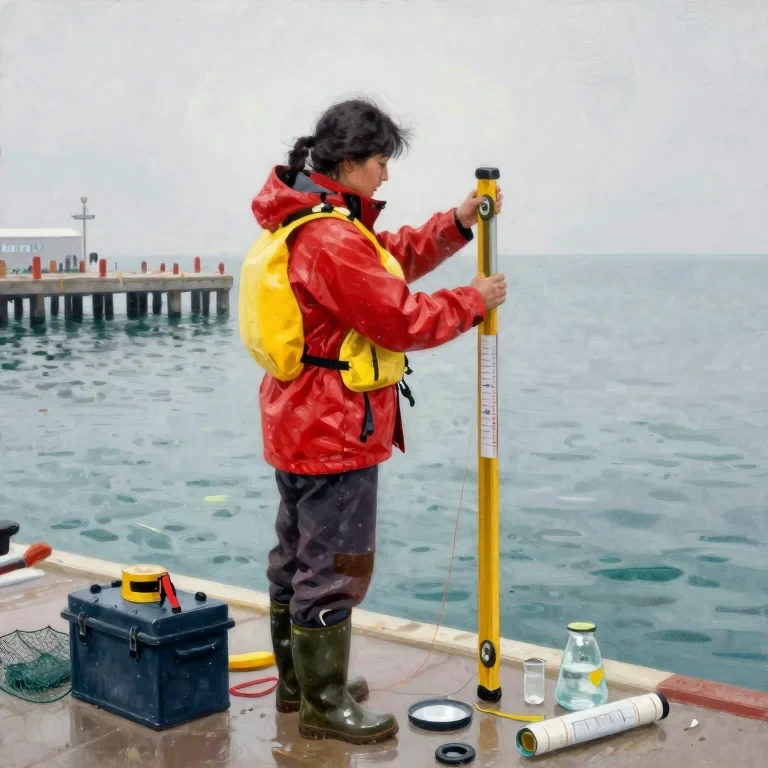
The staff at Castlecliff wharf is graduated in metres from the staff zero, which is a number on a brass plate, which is a number that came out of a note in a box in another town. Riria Nape wrote on the back of the plate housing, in the grease pencil that every hydrographer carries because pencils run out at sea, the number that is still not right. 0.406. And then, because she is the sort of person who finishes the sentence, the two numbers under it, which are the ones that will still be wrong in a year if nobody does anything about them. 0.19 and 0. The zero is the tide gauge, still nine kilometres upriver on the far side of a bank that is still moving. It will be there on the Tuesday in six weeks, and on the Tuesday after that, and on every Tuesday until somebody runs a cable from that pile to the wharf and stops the whole port being reduced by a telephone call to a town up the road.
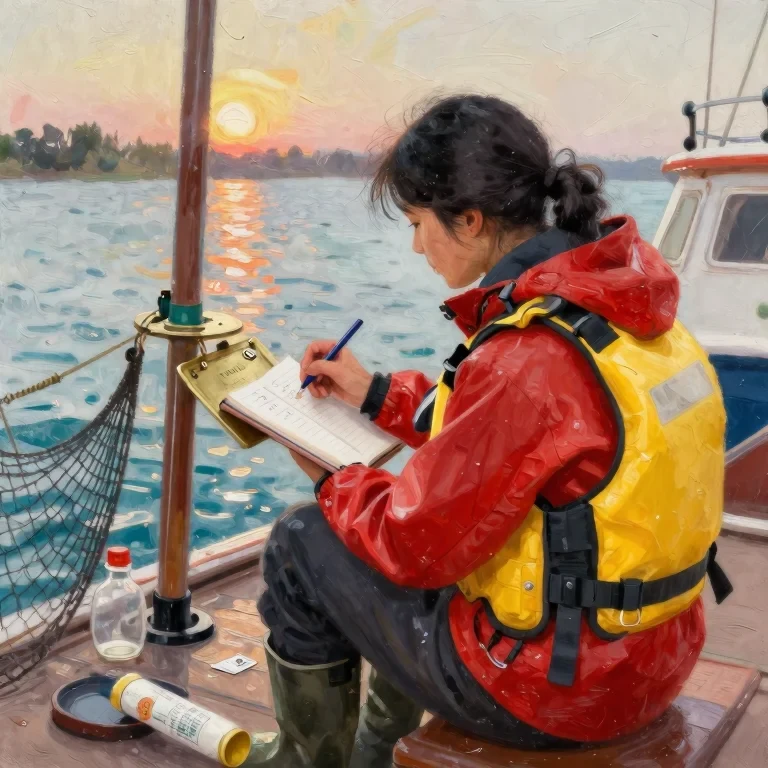
The launch went out at the end of the flood, because the end of the flood is flat water and the bar is passable at the end of the flood, and the water over the shoal was one point one four metres and falling for another two hours, and Riria stood at the rail with the pencil in her hand and watched the bar go brown over the top of it and did not write anything else down.