Jonah Prine was nine years old and woke at ten past five, the way he did, and lay still in the bed his family had bought in the spring. The figure on the foot was in pencil in a testing hand. Two-tenths. Never rubbed out, and there whenever anybody cared to read it, and nobody in that house had ever once read it out loud.
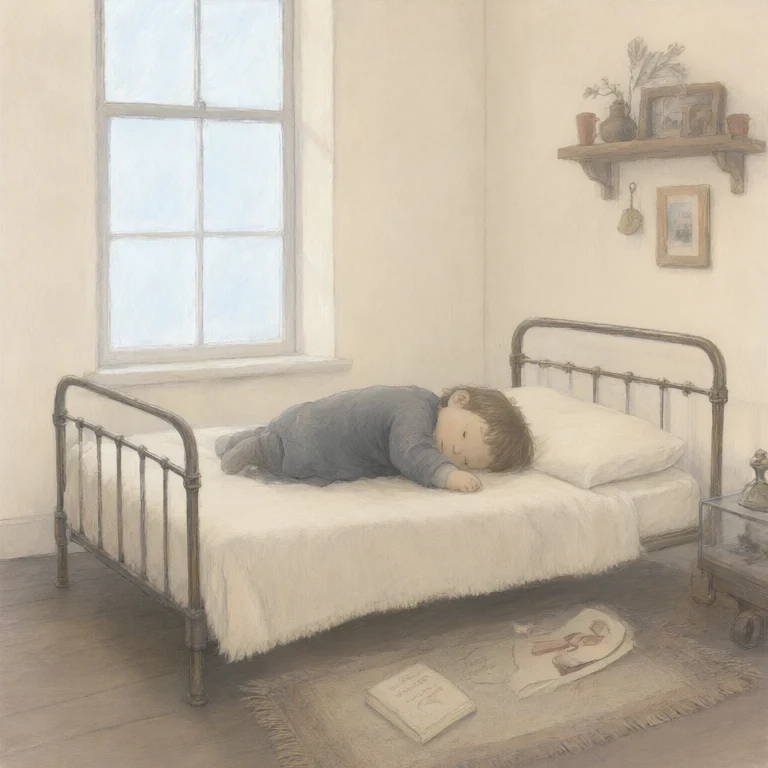
The lump was in the middle, the size of a fist. Jonah had found it in the first week and had not been able to lose it since, not by lying on one side, and not by counting backwards from a hundred, and not by standing on the cold boards until it went. He put his hand on it now, the way he put his hand on it every morning, and it was there. “Edwin,” said his mother, from the other side. “It is twenty past.” “All right.” “Jonah.” “I am awake. I have been awake since ten past five.”
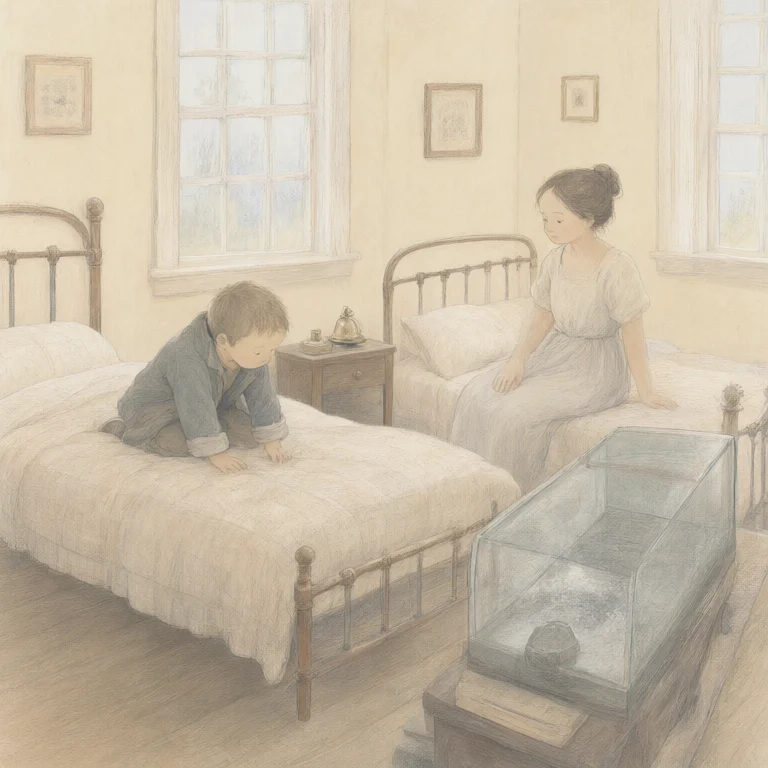
His father took him to the Bureau on the Friday, on the cart, with the other two loads, and the boy carried the blanket ticket in his fist because it was his job to carry things and he had asked for it to be his job. At the counter a man wrote his name and the address and the date, and did not write down the fault, because the fault was not known yet.
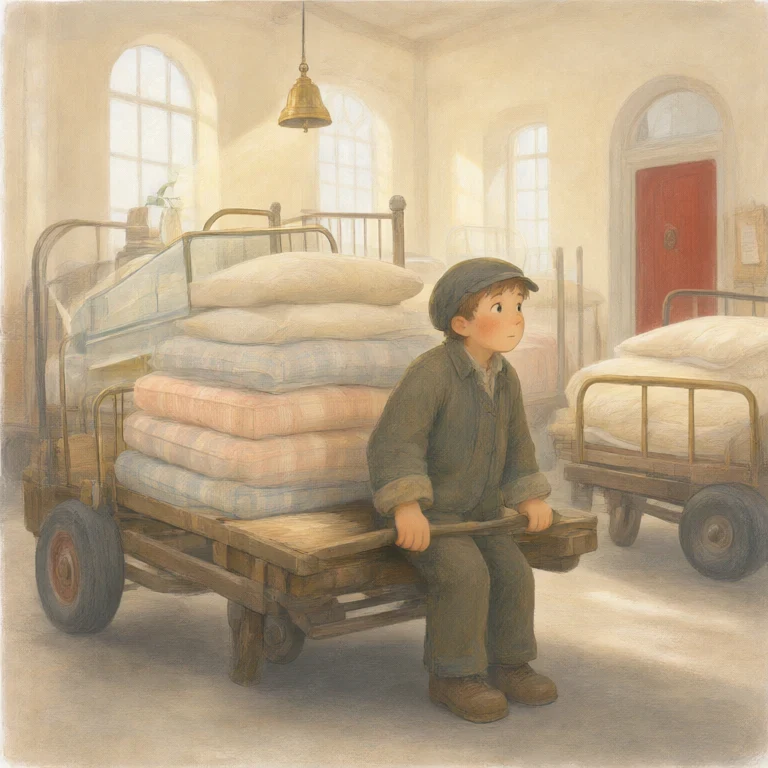
The tester came down at half past ten. He was a big man with a very large hand, and he went round the bed once without touching it, and then put the heel of that hand flat on the ticking in the middle, and left it there a while. Everybody in Featherstone knows that a bed is not examined. A bed is declared. That was the whole of the boy’s education and it was accurate. “Two-tenths,” said the tester. Nothing at all. “Two-tenths, the bed is out.”
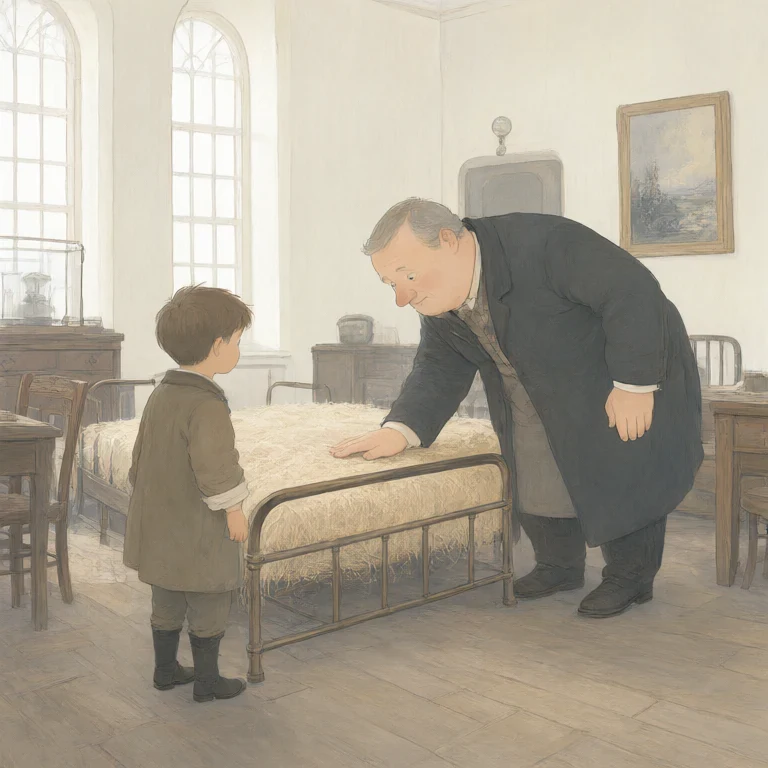
The boy waited to hear the number that came after, because the man had said two figures, and the second one was always the interesting one. “Six-tenths,” said the tester. “Two-tenths, the bed is out, at six-tenths.” “Four-tenths over,” said Jonah. “Four-tenths over.” “You said two-tenths and six-tenths. That is four-tenths over.”
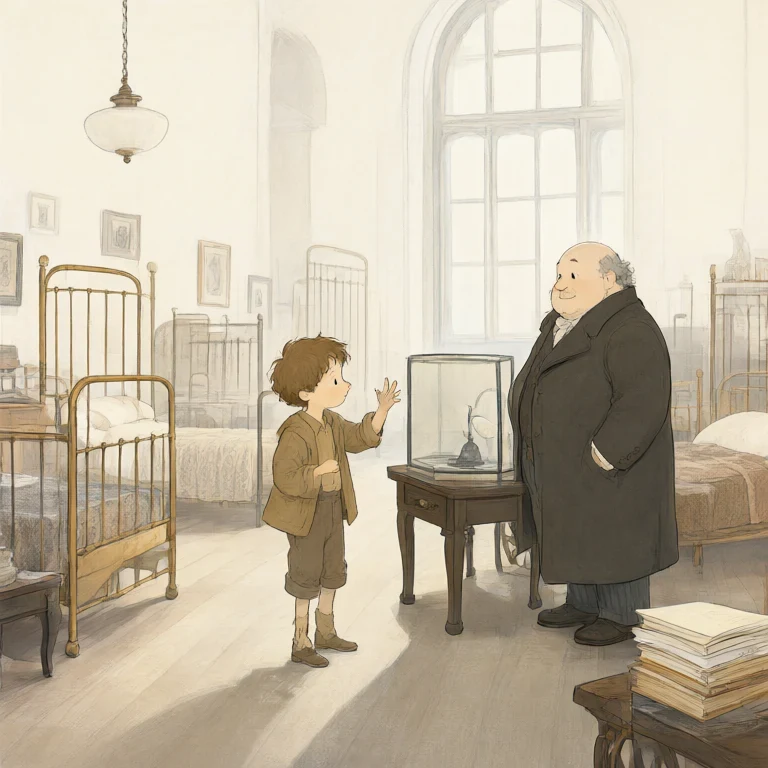
“That is four-tenths over,” said the tester, and looked at him properly for the first time, and Jonah understood that this was the only sentence he was ever going to get out of the man, and that there was no second version of it, and that the whole of Featherstone was built on there being no second version.
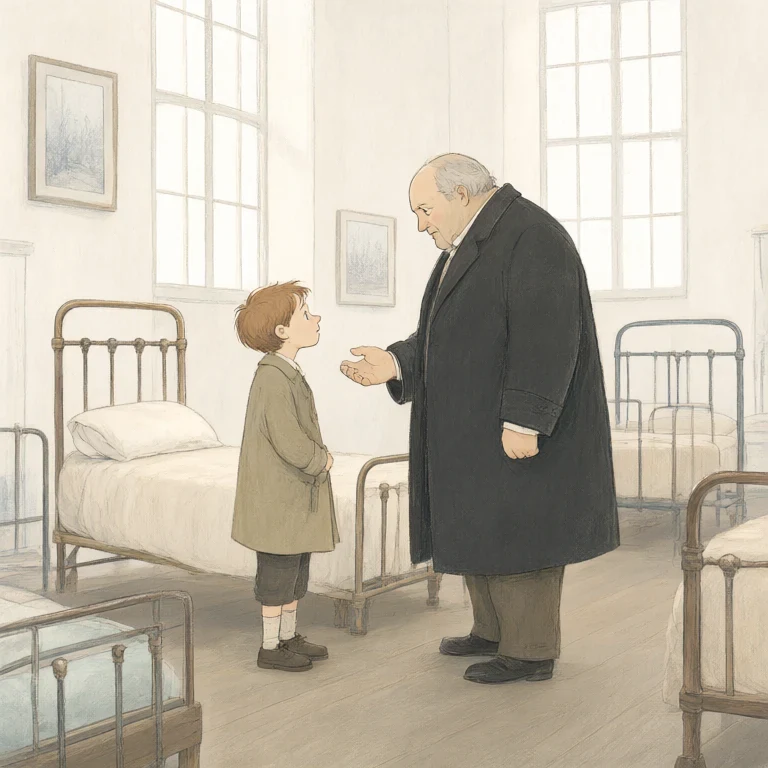
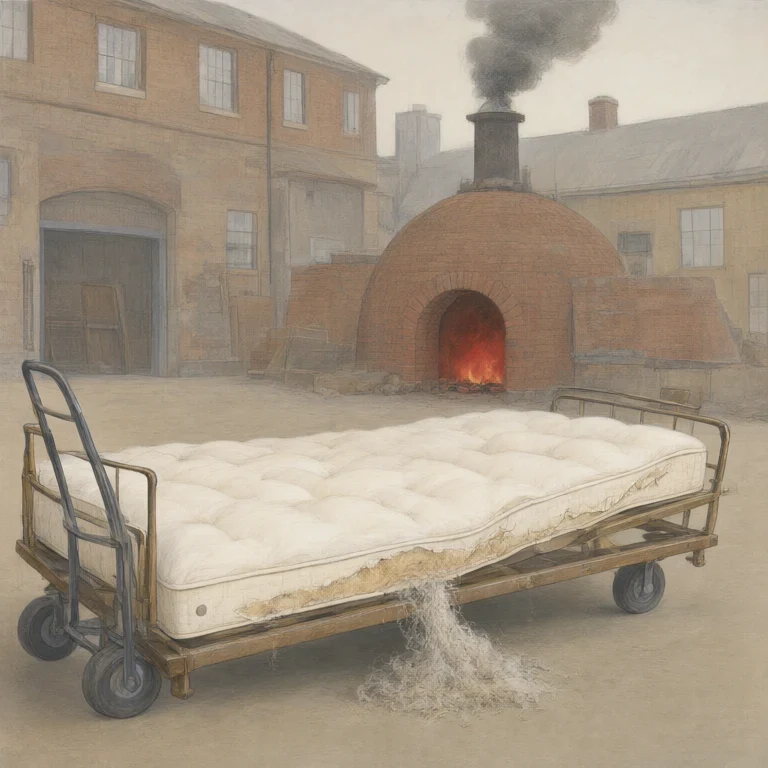
It was declared out on the Friday and returned on the Monday, and a returned bed in Featherstone is not a sad thing. It is a bed that is opened along one edge, and emptied, and burnt, and stuffed again, and the cost of all of it falls on the shop that sold it. That is rule three, and rule three is the oldest thing in the Bureau and the one nobody argues with, because it has teeth, and the teeth are a brick kiln behind the works.
The Prines had bought the bed at the shop on the high street for one pound ten, and they had nine weeks of savings between them in a box under the stairs, and the shop had nine pounds in the shop, and so on Friday morning the family was exactly as it had been on Thursday, and on Monday morning they had no bed at all.
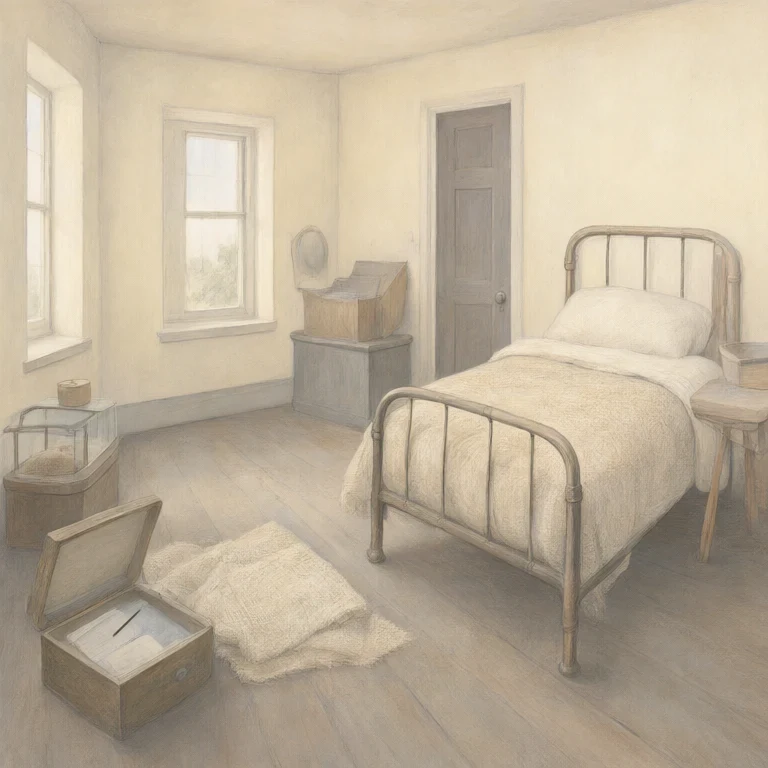
The re-stuffing took six weeks. There was no argument about that either. There were four beds ahead of the Prines in the queue at the works, and two behind, and the queue was a page in a book and the book was not moved for anybody. Jonah’s father signed the return ticket on the Monday. It was the only signature on it, because the person who sleeps in a bed signs it, and the person who sleeps in that bed was nine years old and could not write his surname. He signed it at the counter and read the address out twice, and the clerk wrote it twice.
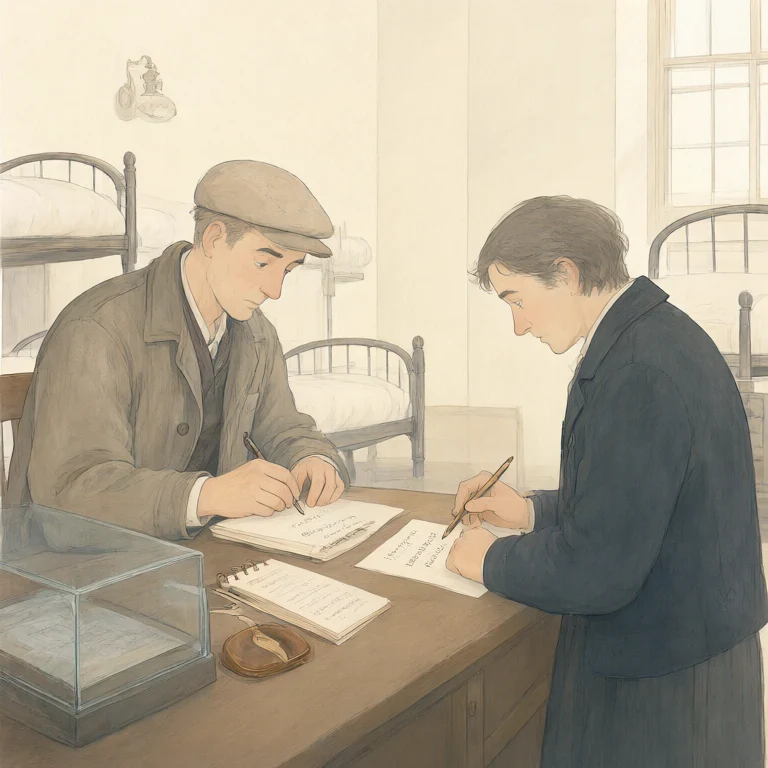
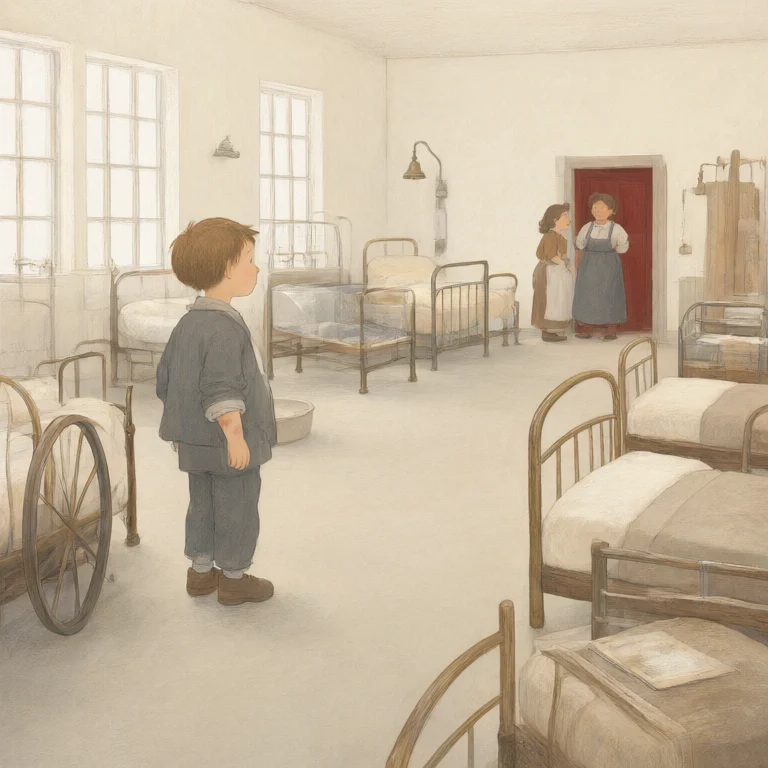
On the Tuesday Jonah went to the Bureau to find out what a tolerance was, and found Cobb Tarn instead, which is what everybody finds. Cobb Tarn was thirty-three and the registrar and had a very small hand in a very large book, and he did not look up when the boy came in, because a boy does not come into the findings room for anything that is not already written down. “What is that for?” said Jonah, about the wall.
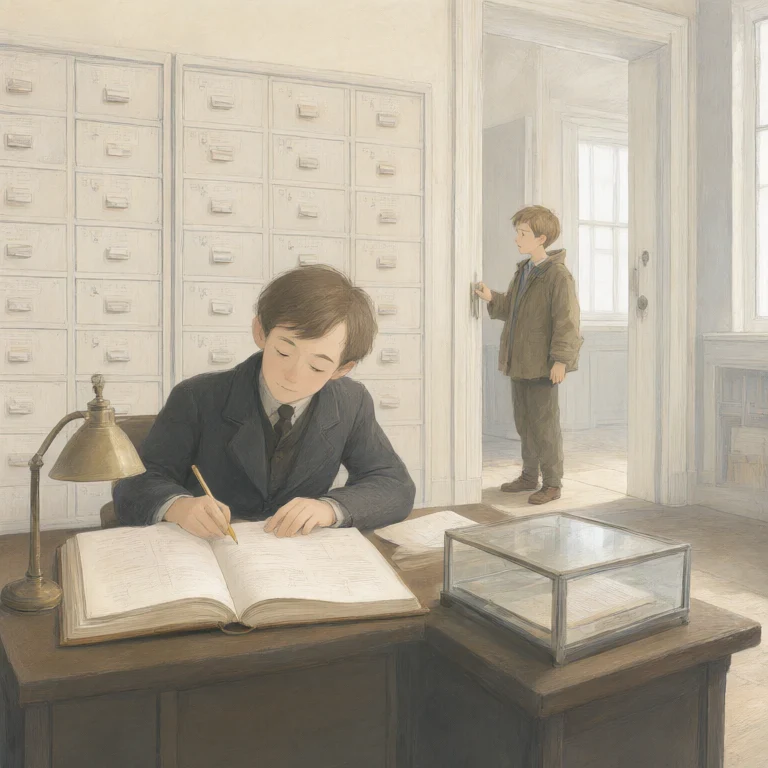
Nine hundred and four drawers, said Cobb Tarn, in a voice with no performance in it at all. Each one has a card in it. Each card has a house on it, and a figure, and a date, and a hand. “Why keep them?” “Because they are findings, and a finding is permanent.” “Why is it permanent?” “Because it happened,” said Cobb Tarn, and turned a page, and then said, “That is not the answer I like giving. I have never found the right one.”
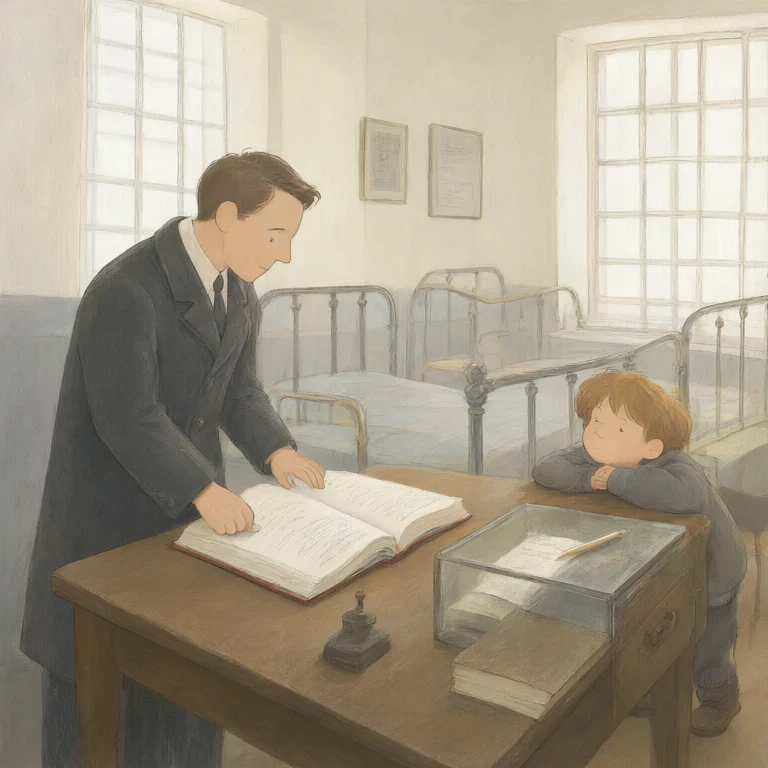
He put his hand on the top drawer and pulled it out, and it was nearly empty. The pea was not in it. In it was a glass case the size of a fist, on a card, with a date and a signature, and eleven other cards, and Jonah counted the eleven twice. “What are those eleven for?” “Nobody has ever asked me that,” said Cobb Tarn, “in eleven years.” Then he said, “Forty-seven.” Jonah did not know what that was.
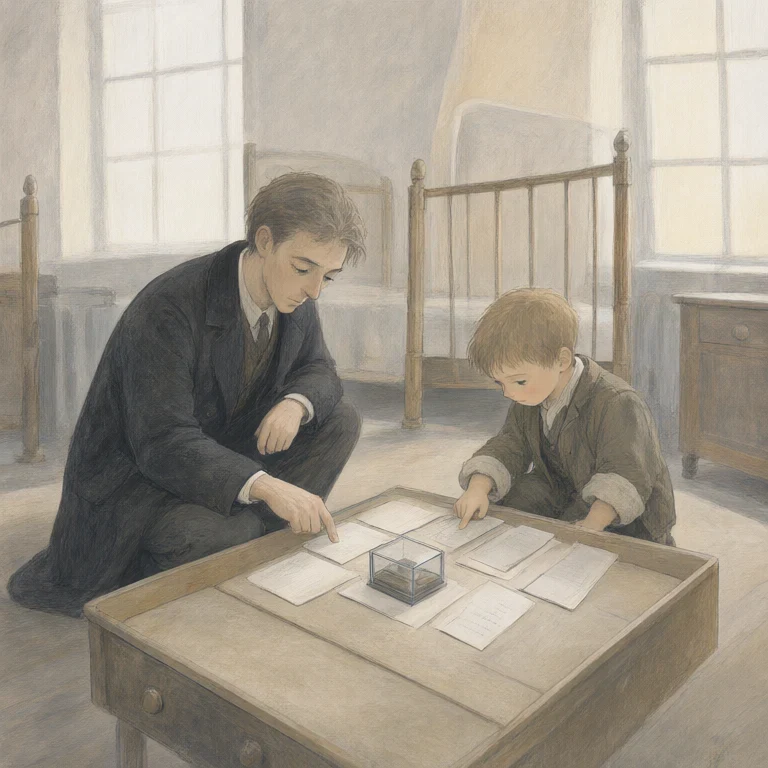
“Your bed,” said Cobb Tarn. “Two-tenths, the bed is out, at six-tenths. The clerk has the card and will have it numbered before you get home, and it will be in a drawer by Friday, and it will say your father’s hand at the bottom, and anybody in four counties who cares to come up the hill and stand in this room may read it.” The boy thought about that. “Can you take it out?” “No.” “Ever?” “No. I have asked.” Jonah looked at the eleven cards in the open drawer for a while.
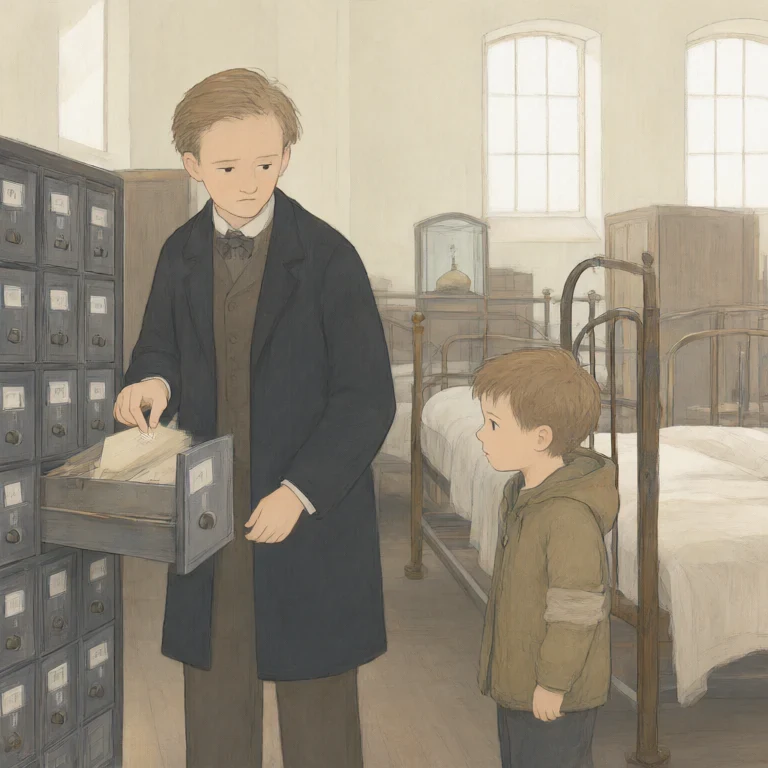
“What are the drawers for?” he said. Cobb Tarn stopped, and it was noticeable, because he was a man who read all day. “The trade wants to know,” he said, “which beds are honest.”
By the Wednesday the whole of Featherstone had taken a side, which was faster than the post and did not need a meeting. The terrace took the Bureau’s side, because the terrace had lost a bed and had no other, and the women at the wash trough said what everybody on the row said, which was that a house of forty people could not be treated over a lump of hair by a town that would not pay for a water pump.
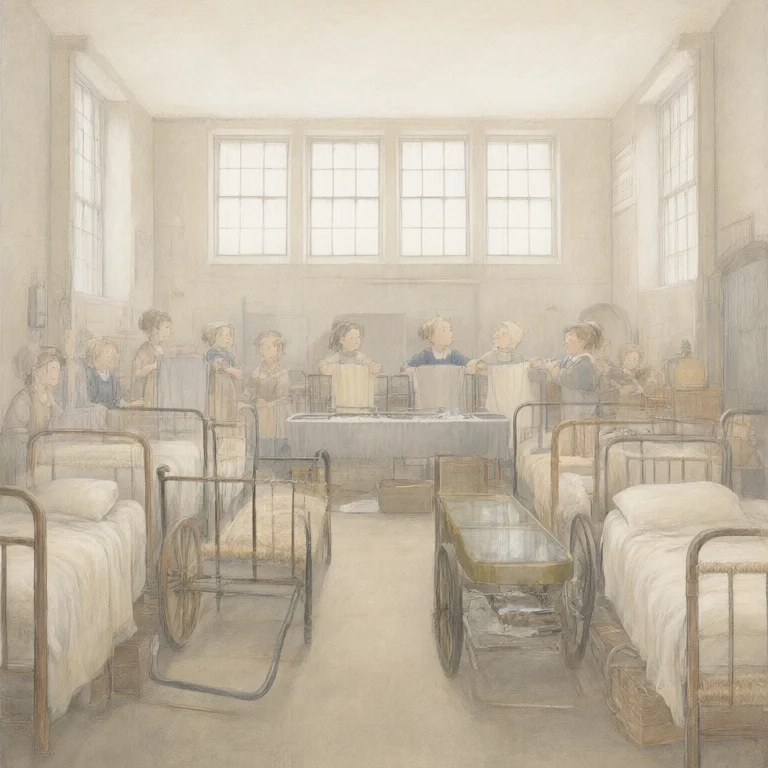
The works took the shop’s side, because the works made the beds, and a girl at the tearing machine said the thing the terrace had not thought of, which is that a rule which fires on a fault will also fire on them, and the rule does not know whose bed it is looking at.
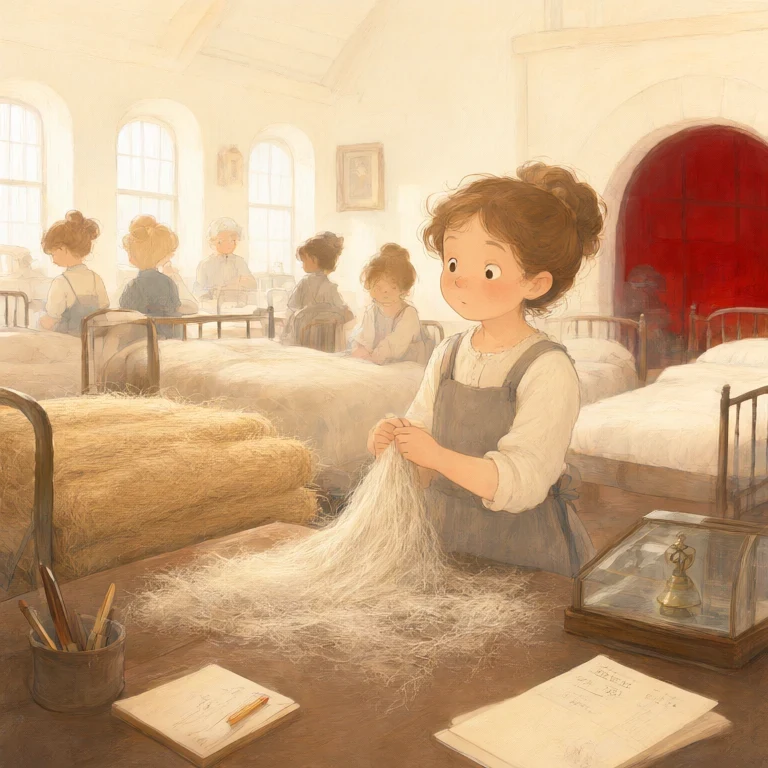
The great houses took the Bureau’s side, and said so at their own tables, and one of them said it to Jonah’s face. Lady Hesp Vantry had a cold face and a very warm hand and turned her palm down when she introduced people, and she said, without any cruelty in it, that she was glad of the rule and sorry about the bed, and that the two facts had nothing to do with each other and would not be made to.
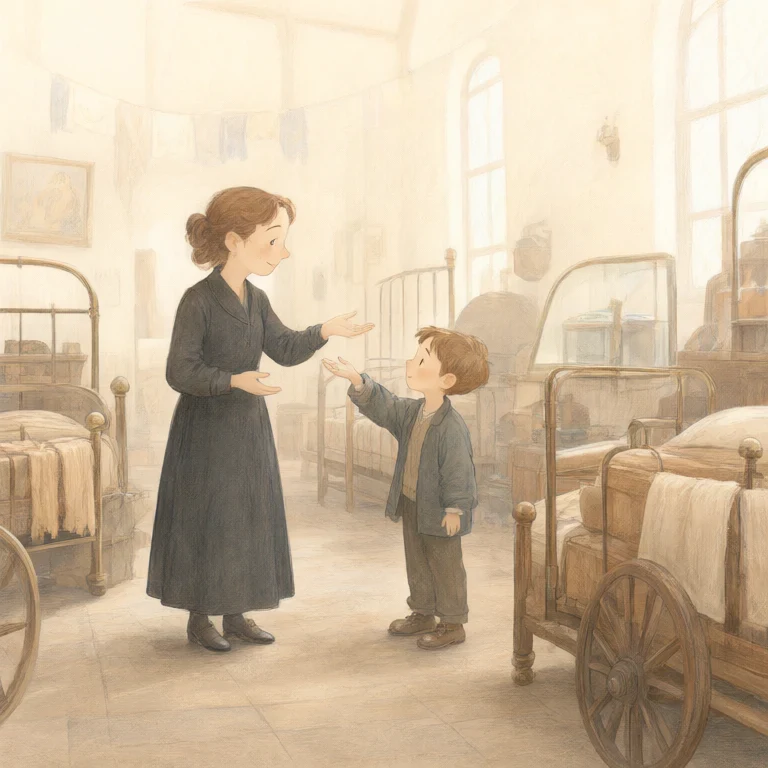
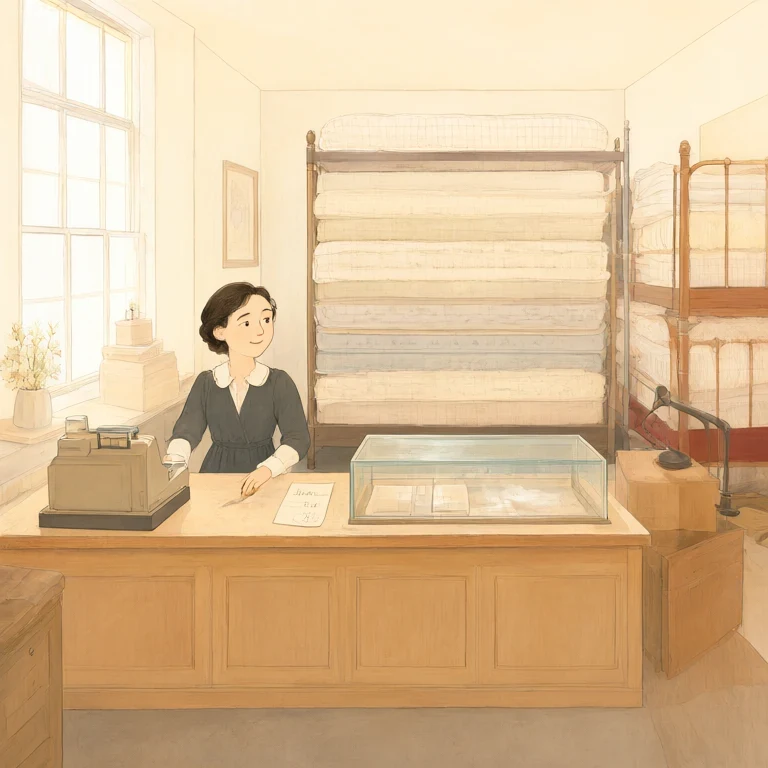
And the shop took the shop’s side, and the shop was one room on the high street with ninety mattresses in the back and a girl behind the counter who wrote the figures and could not pay, and everybody knew that too.
Six weeks is not a long time. It is a long time. The Prines slept on the parlour floor for three weeks and then on two chairs and a board, and Jonah slept on the floor the whole six weeks, because the chairs were for the adults and because he had worked out in the first week that if he said he was comfortable nobody would ask him anything else.
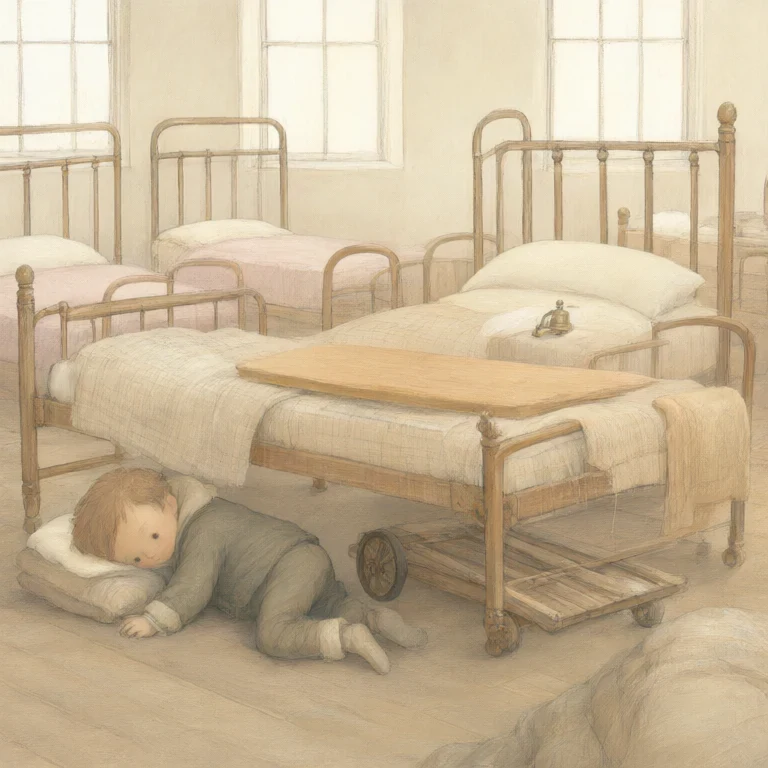
His father took the cart out as before and then took the kiln on a Friday and on a Saturday, because the kiln paid weekly in coin and the works paid weekly on a Friday, and a man with one income and six weeks of board to buy learns arithmetic in a hurry. What the terrace said about Edwin Prine was different, and it stopped at about the third week, and Jonah noticed the stopping, and did not think about it again for eleven years.
He also noticed that when people wanted to say the Prines were the sort of family who felt things, they said the word sharp, and that they had been saying it since the school inspection, and that the word was now his name.
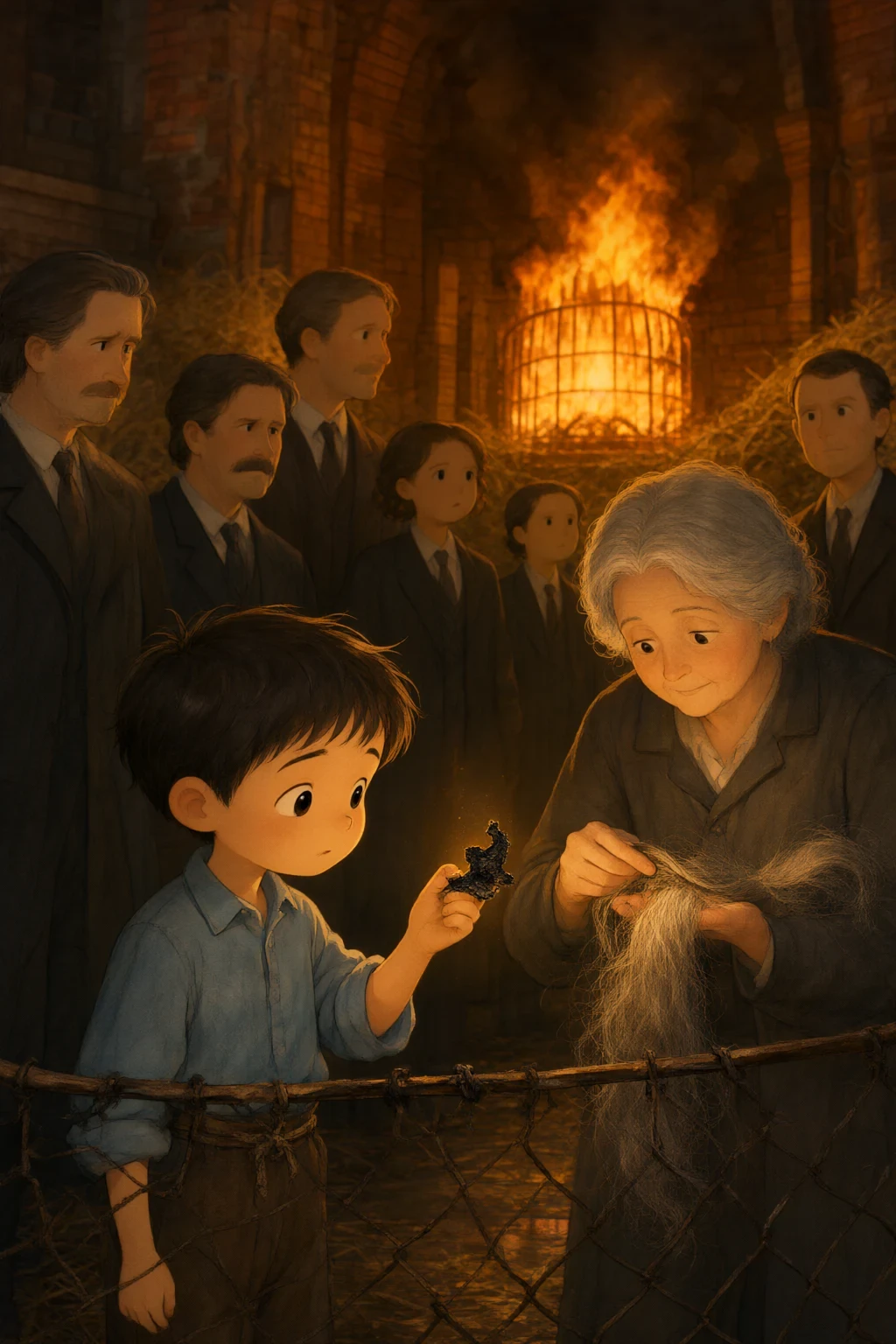
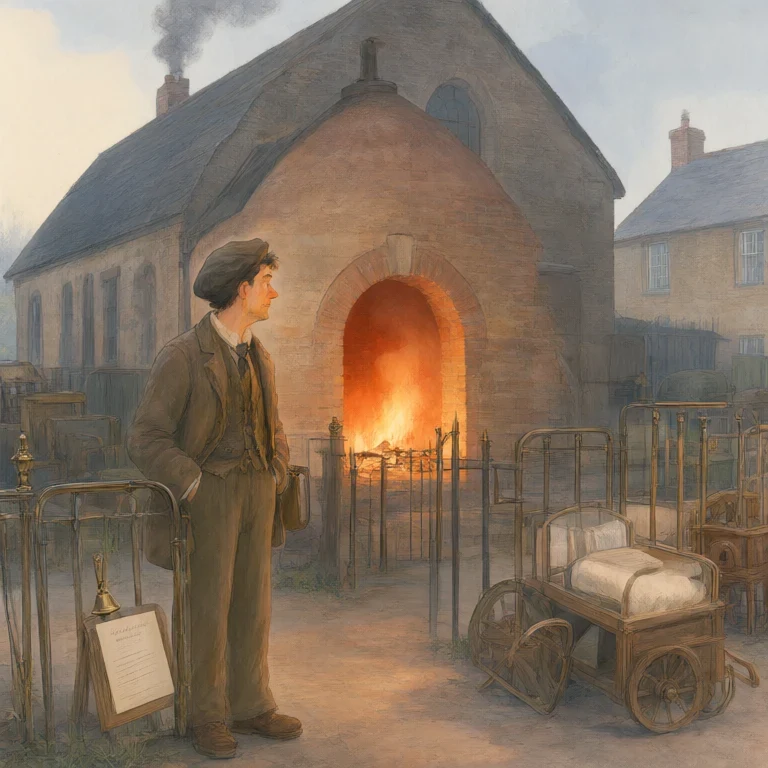
The bed went to the burn yard on the Friday of the fourth week, on the same cart as two others from the terrace, and Jonah went with it because he asked to and nobody thought to stop him. Behind the works there is a brick kiln, an iron cage and four hundred mattresses’ worth of straw and flock from every returned bed in the county, and it is the only warm light in Featherstone.
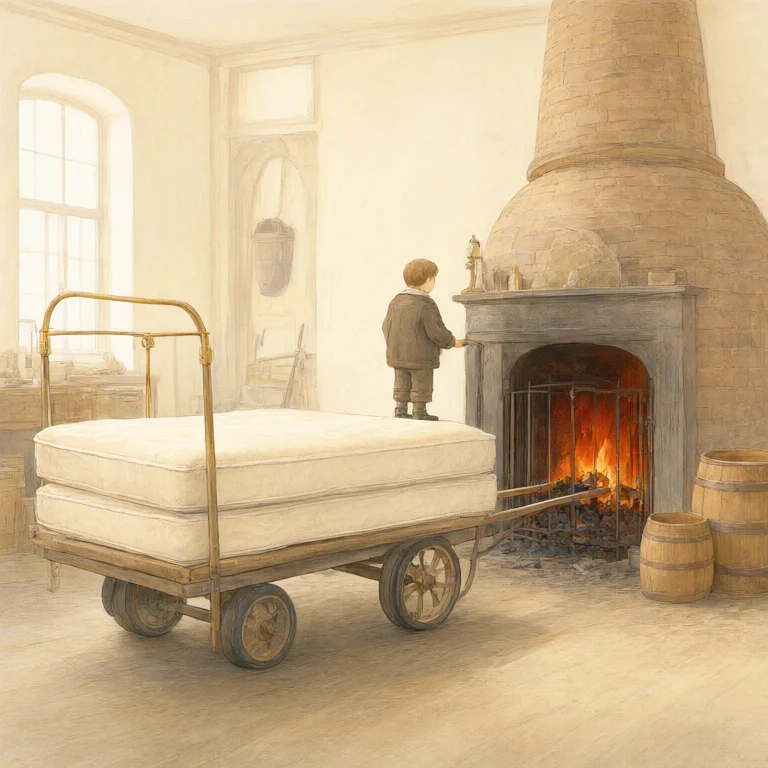
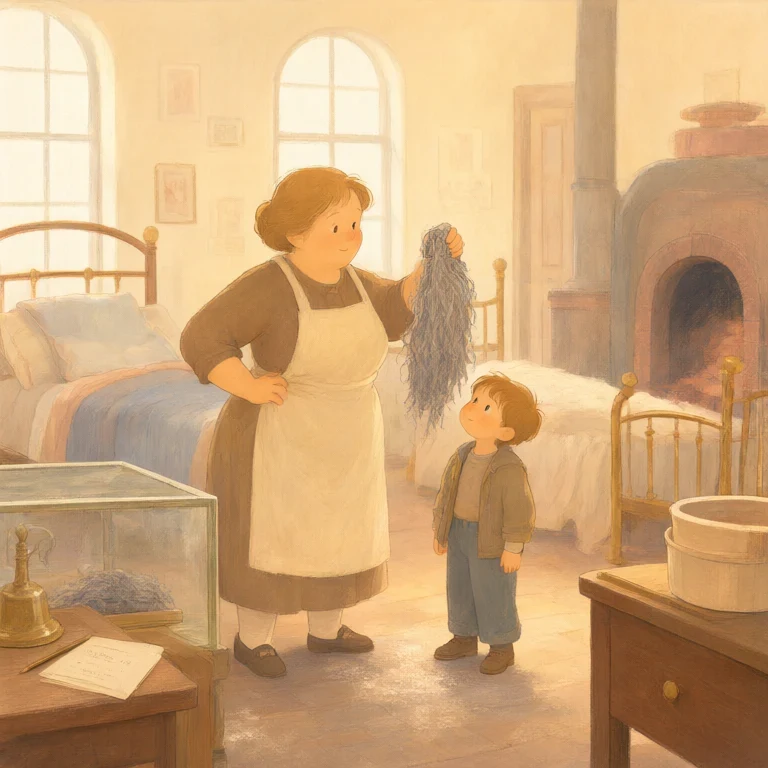
Nell Crumm came down to look at the Prine mattress, with her hip out to one side, and put her hand into the opened seam and pulled out the middle of the stuffing in a grey heap and held it up. That is a rope, she said. He laid the hair in a rope and then he stuffed over it, and he did it in a hurry on a Friday, and it is the whole of what happened, and now it is in the yard behind me. “Whose fault is that?” said Jonah.
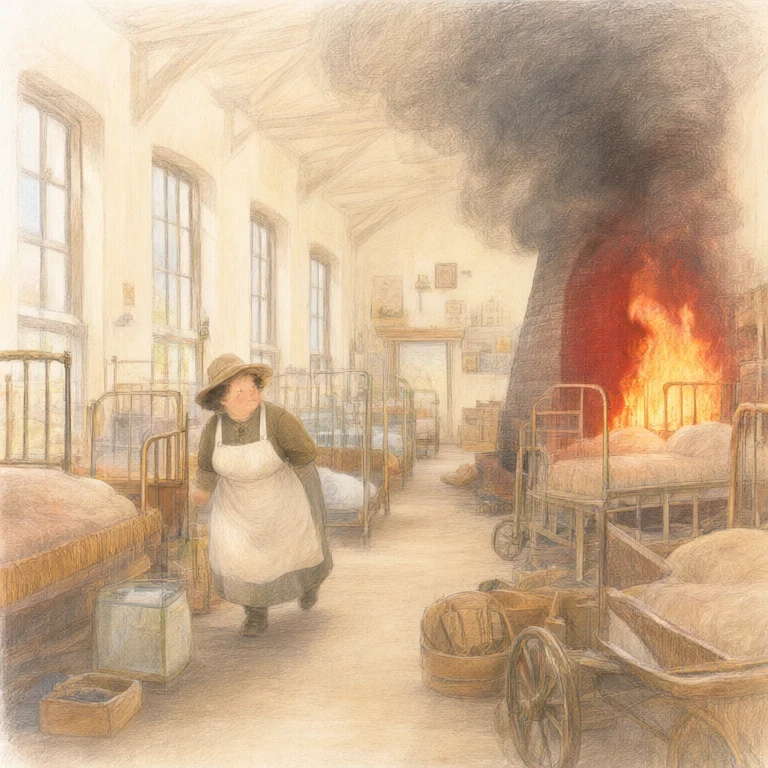
It is a fault of the bed and it is a fault of the man, said Nell Crumm, and the boy is not the man, and the boy did not buy it, and the shop did not sell it to him. She went back up the towpath, and the cart went on, and at the kiln the cages went in one at a time, and the straw went up in a sheet of flame, and the smoke came over the terrace roofs and lay along the ground for an hour afterwards.
They stood at the fence with the other six examiners, who were there because examiners are taken to the fence in their first year and there is no examination of their faces. Nobody said anything for about twenty minutes. Then a scrap of ticking came out of the cage on the wind, black at the edges and curling, and went past Jonah and over the grass. It had a figure on it.
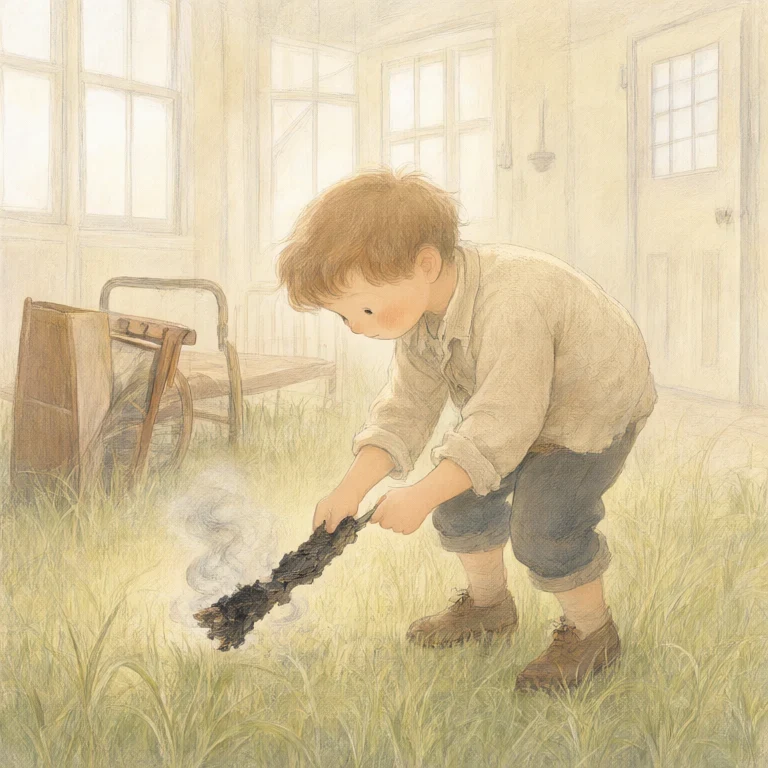
Pencil does not burn. Jonah picked it up and turned it over, and there it was, in a testing hand, and it had been legible to whoever slept there next, and now it was going to be legible to anybody who picked it up off the ground. Two-tenths.
The bed came back on a Thursday in the sixth week, on the cart, with the ticking new and the frame the same, and Cobb Tarn was on the cart with it because Cobb Tarn signed everything that came back, and the figure on the new foot was in the same hand as the old one. Jonah read it before anybody else got down the step.
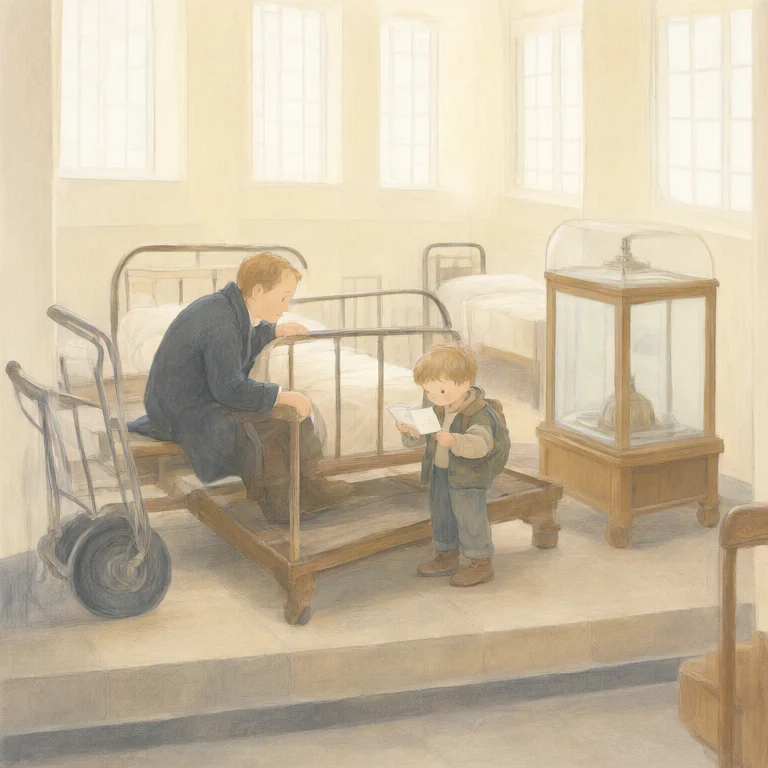
The tester from the Bureau came behind the cart to do the declaring, and put the heel of his enormous hand flat on the middle of it, where the rope had been, and left it there a while. Nobody hurried him. “Two-tenths,” he said. “Two-tenths, the bed is in, at two-tenths.” Then he said, “Off, please,” to Jonah, who was on it. “Why?”
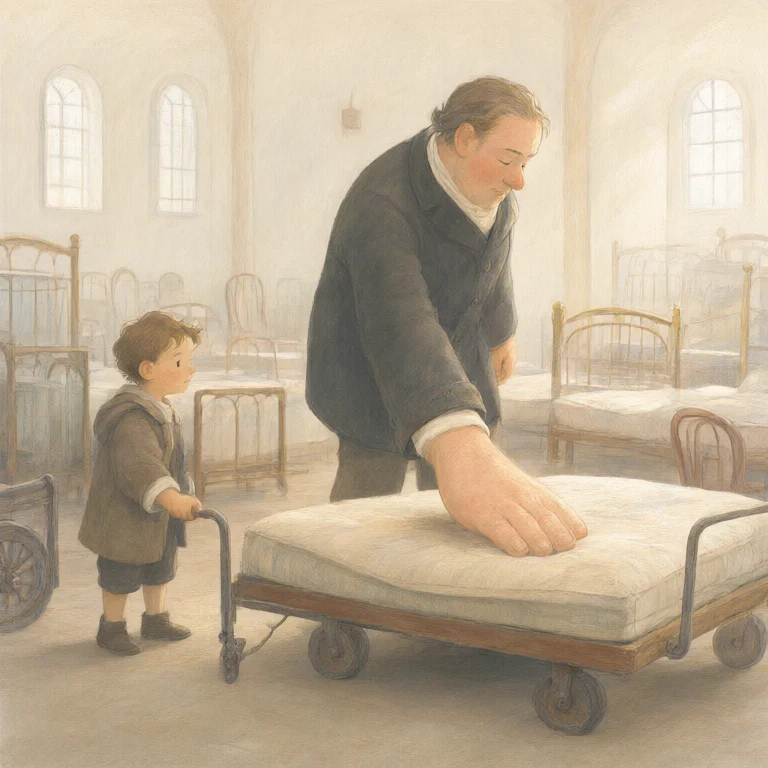
“Because I have to declare it,” said the tester, “and a bed that is declared while the household’s instrument is lying on it is not a declaration, it is a favour. Off, please, and I will put the figure on, and then you may get on.” Jonah got off. The tester wrote the figure on the foot in pencil, in one hand, all the way to the corner, and did not rub it out, and gave the card to Cobb Tarn, and Cobb Tarn put it in a drawer.
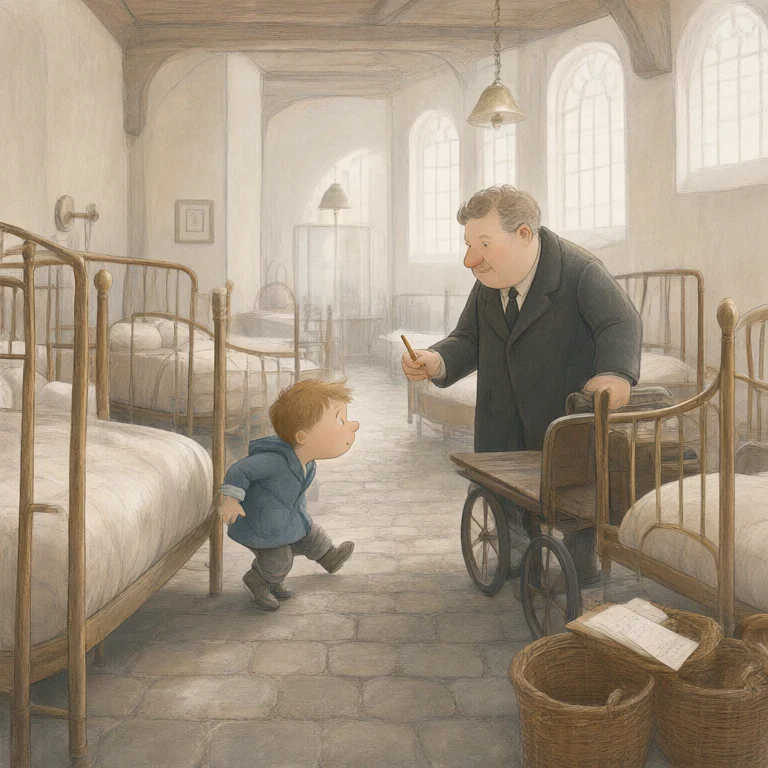
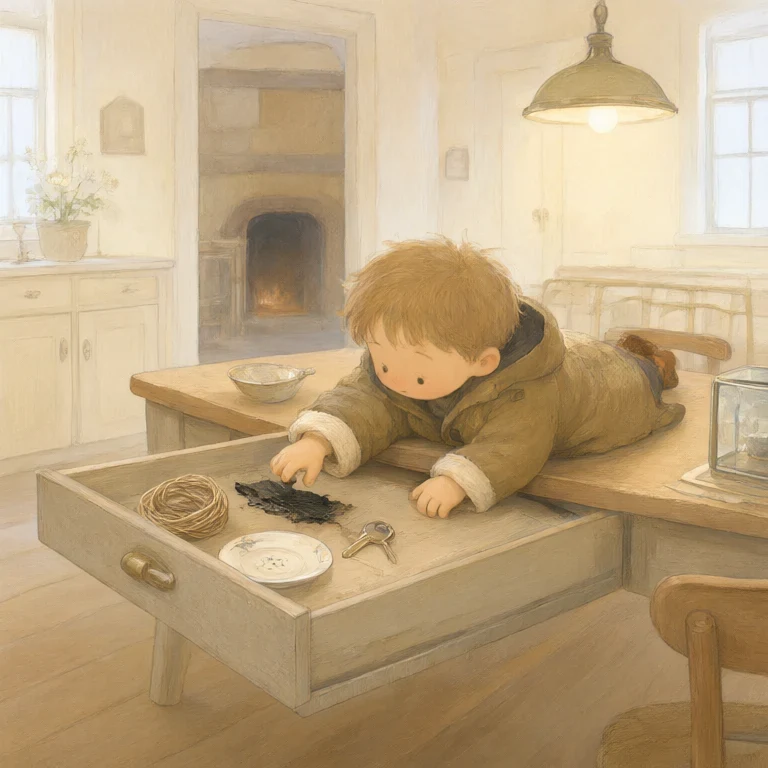
Then he went home along the row, and he put the blackened scrap of ticking in the drawer of the kitchen table with the string and the buttons and the two keys, where his mother could find it, and where nobody ever threw anything out.