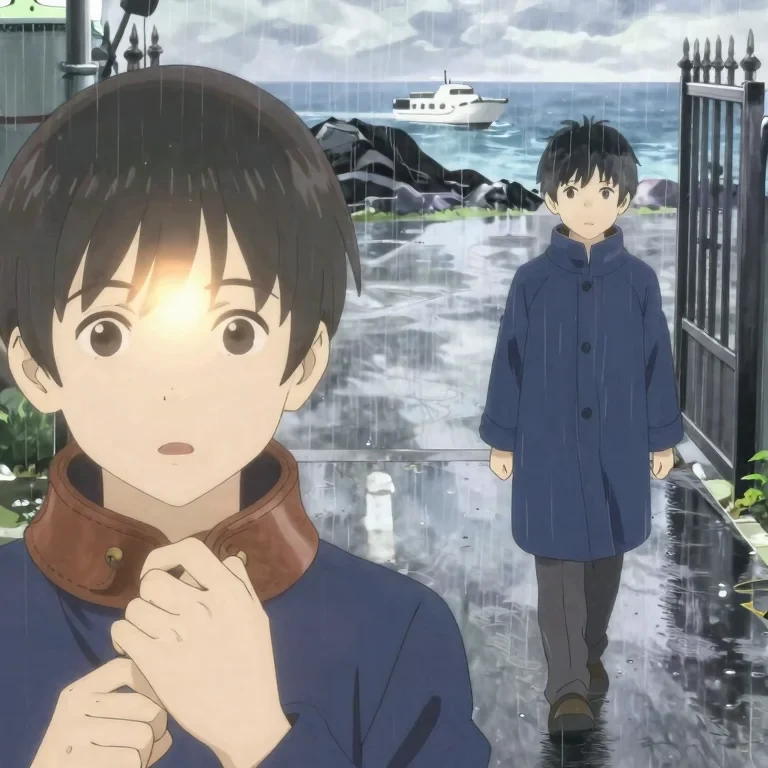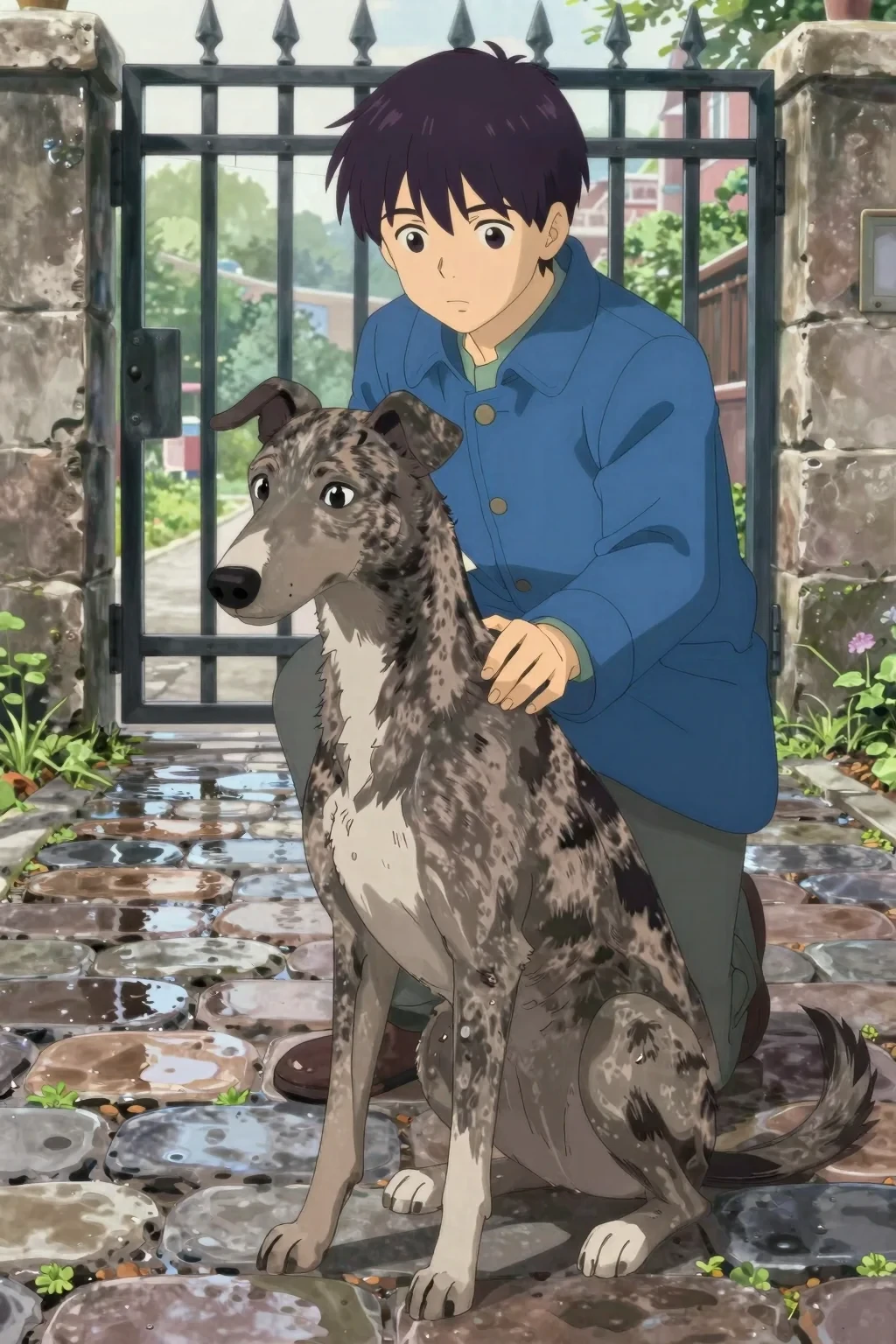
Caius was nine years old, and his father was at sea, and the sea went on being the sea without him.
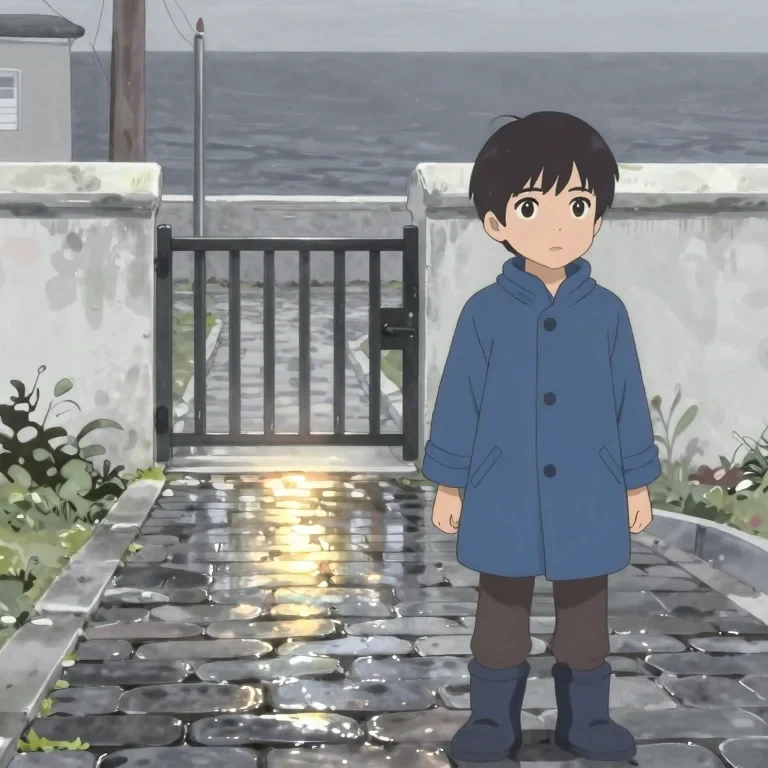
Every morning before anything else, Caius counted the days on the kitchen shutter with a stub of chalk. He was small for his age, with dark hair cut straight and short, and he wore a blue coat with the sleeves turned back and boots a size too small. The numbers ran up the wood in a long pale column, and sixty-one was the highest, and it had been sixty-one for nine days.

The Marrow had gone out of Tolvern Bay with a hold of salt fish and nine men aboard. Forty was a long time, said the boys at the quay. His mother said nothing about numbers. She made his breakfast and turned the shutter open and shut it again, and the shutter made the same noise every morning, and he could not get used to it.

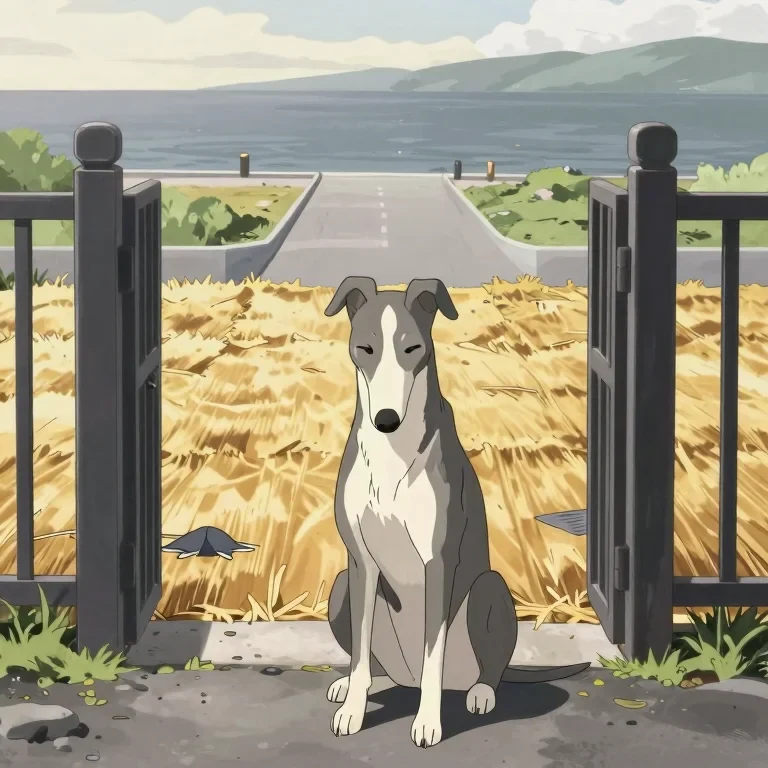
The dog counted too, but he did it a different way. Ash was a lurcher, grey and brindle, with a white throat and a white eyebrow over the left eye. He came out at first light and sat in the gateway with his nose down the coast road. He never barked. Caius had listened for two months, and Ash never barked at a cart, a crow, or a man walking out toward the fields. He only turned his head a little and put it back.
Caius went out to the gate with his breakfast and sat down beside the dog. The dog did not look round. But Caius could say out loud what day it was, and the dog heard it. “You are the wrong one for this,” Delia said, more than once. “He does it for himself.” “He does it for the Marrow,” said Caius. “That is the same thing to him,” she said, “and it is not the same thing to you.”
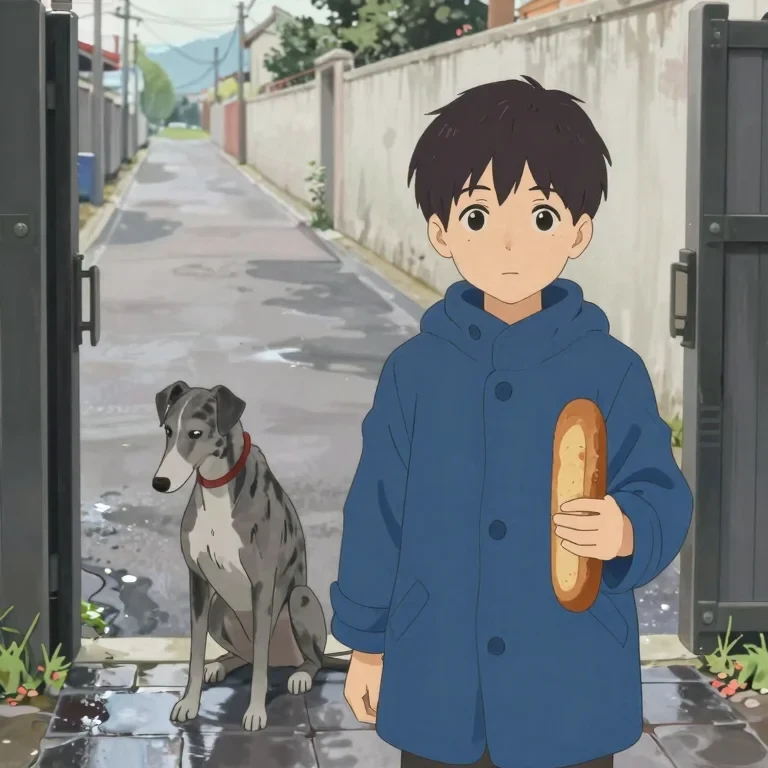
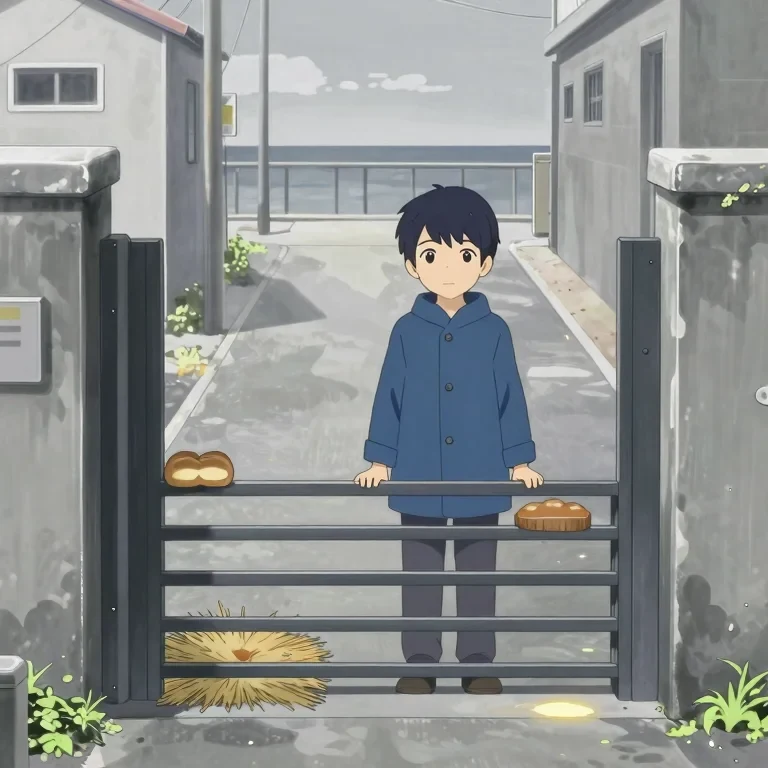
Then, on the sixty-first day, Ash did not come. He went out to the gate and there was nobody in it. The straw was where Ash had dropped it, all flattened in one place, and the kennel door stood open. He ate his bread standing up, and did not have to say the number out loud to anybody. That was the first hour.
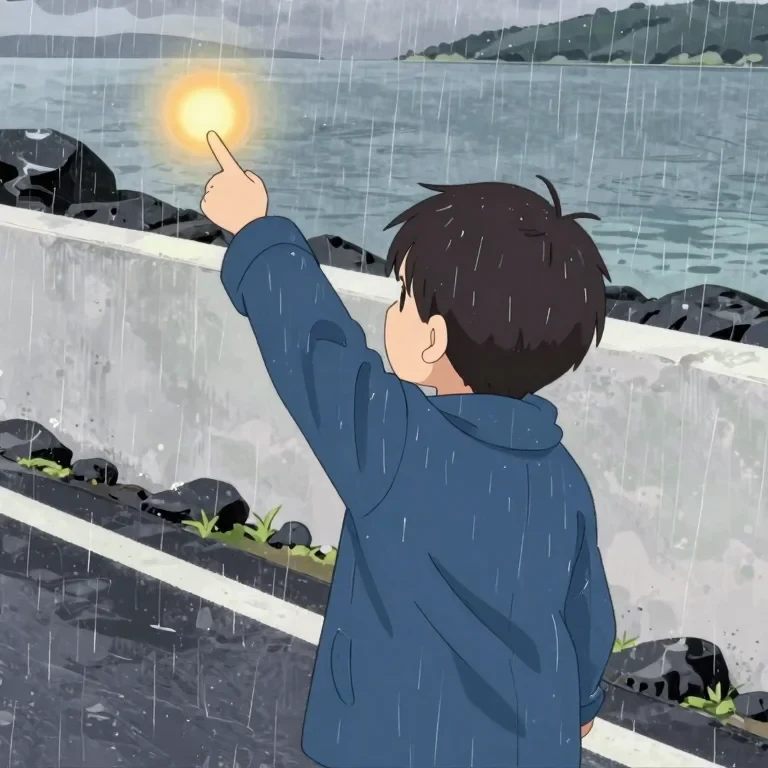
For about an hour he was the easiest he had been in two months. Then he got his coat and went out to find the dog. He found him a quarter of a mile down, on the shingle below the point, where the path gave out and the sea came up against the cliff. Ash was lying with his head on his paws, facing the water. He lifted his head when Caius came up, and then he put it back down.
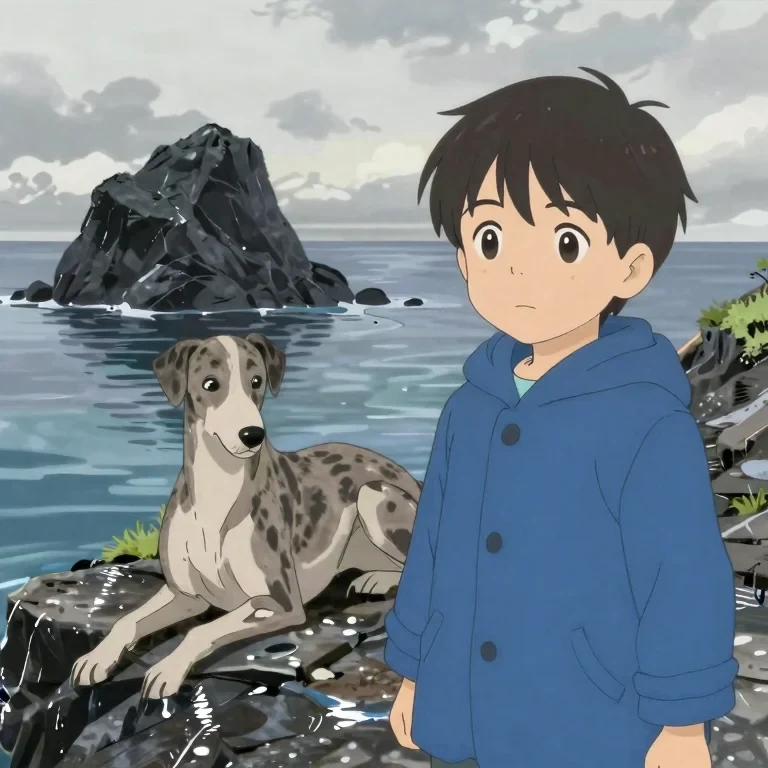
From the gate, you could not see the whole of the coast. You could see down as far as the shoulder of the black rock, and the shoulder cut the road off at a hundred yards, and everything past it was round the bend or too far off to be any use. From the point, you could see the whole curve of it, the bay, the two headlands, and four miles of open water on a clear day.
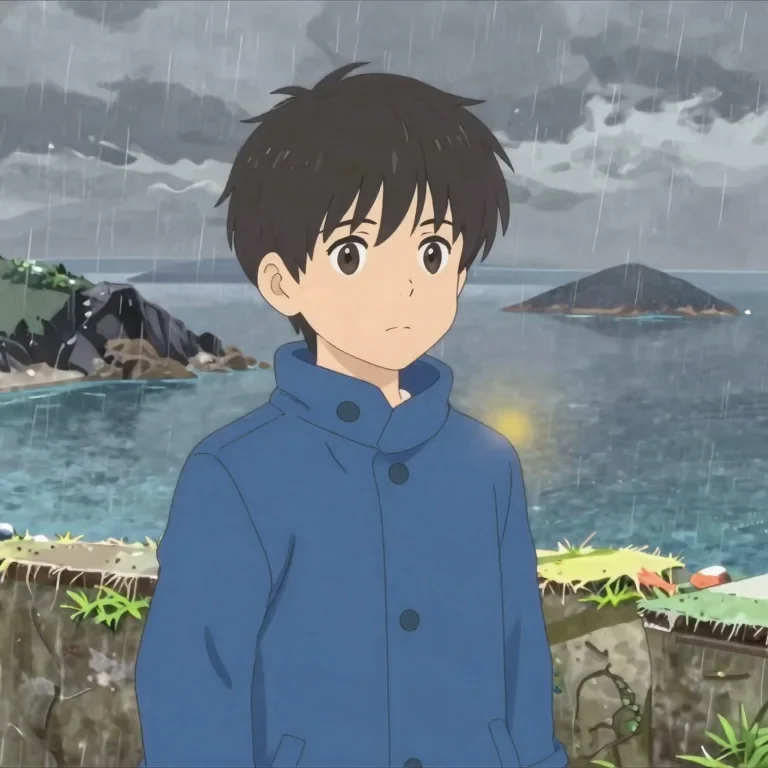
Caius stood there with the rain starting and looked at the two places and worked it out the way you work out a sum you did not know you had been doing. Ash had not been waiting at the gate. He had been standing where the road was visible for four miles, from first light to last light, every morning for two months, doing the one part of it that could be done.
Caius had been counting days at the gate, where the number was the only thing in the world, and he had been right, and it had not been any use.
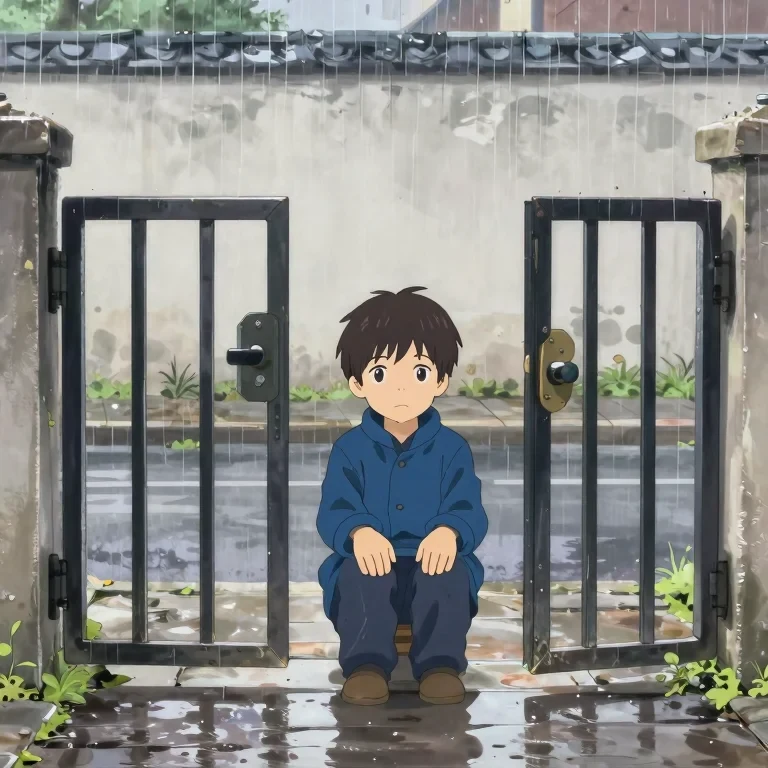
He went home and took the collar down off the nail by the door, and opened the gate, and sat down in it, in the dog's place, in the rain, and did not say a single number out loud. His mother stood in the doorway with her shawl over her arm, and then she said, “Then you will not sit in that water.” “I am not sitting in it,” said Caius. “I am sitting in the gate.”
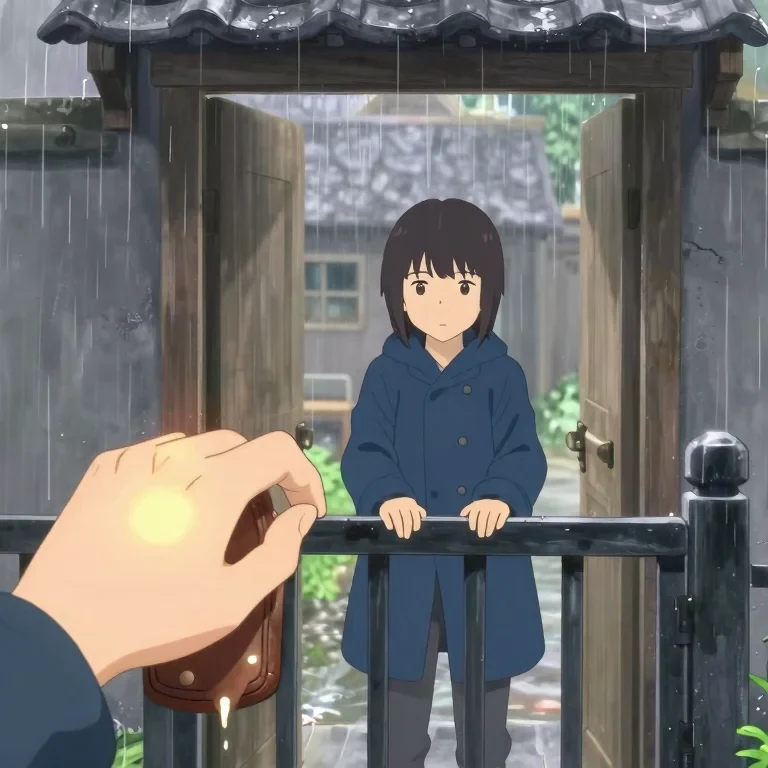
After a while he got up and went down the wet road towards the point, with the collar held out in one hand and swinging a little at every step. There was a boat coming up the coast, low and white and a long way off, and it was coming in on the wrong side of the headland, and it was not the Marrow.