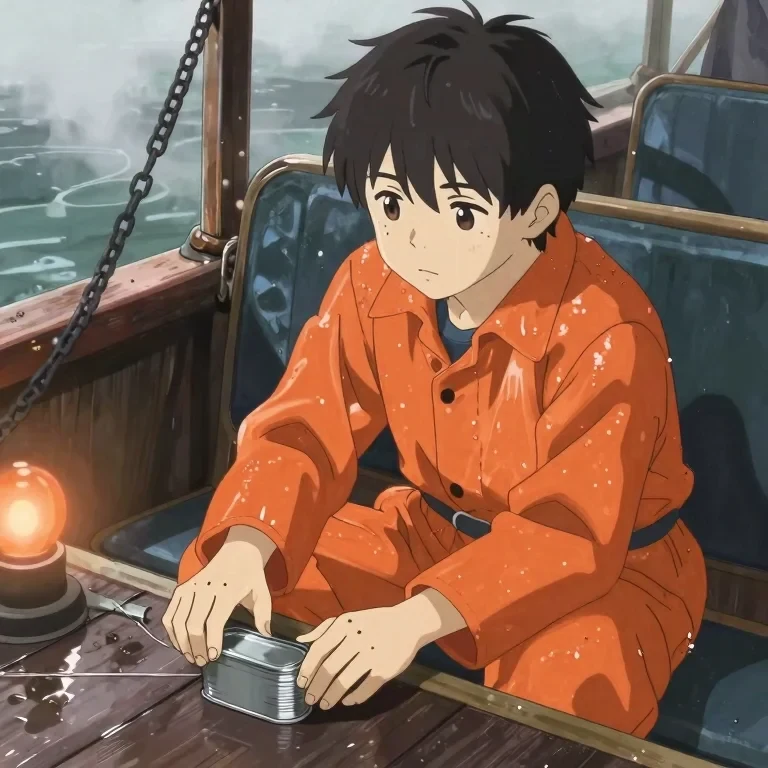
The crossing at Brindle had two boats in it and eleven crossings a day, and the last of the eleven went at twenty-three forty. Ivo had been fifteen since April and had been paid for the last crossing since the autumn before that, and the title of the job was boy who runs the night ferry, which was in Marek's own writing on a board inside the hut.

The last crossing went on the Tern, because the Tern was the quiet boat and the last crossing was the one nobody wanted to talk on. The Rowan did the first six and started at ten to six, and by the time the Rowan was finished the day was over and the Tern came out with a lamp on the bow and the chain on the wheel. Nobody else is on that crossing but the boy, the man, and whoever is in the book.

The fare book was the harbour board's and it was the whole of the law on that river. It was a column of hours down the left, a column of names across the top of each hour, and a column of fares, and the fare was one coin for every crossing of that water, the same coin for a child and the same coin for a man carrying a hod of stone. Before the new series came in the fare was a coin with a boat on it, and that coin had been the fare for about forty years, and it was still money, and nobody in Brindle had seen one since the year Ivo's father died.

The other rule is the rule the boy is paid for. Nobody crosses who is not in the book. Nobody crosses twice on one ticket. And the boy asks for the fare, and does not let the boat go until it is written in.

There was one passenger on the last crossing and there had been one for eleven years. His name was Faber and he worked the pumps at the Skell works, and he came on at twenty-three twenty at the far slip every night of his life and he slept the whole way over and he was put off at Brindle and walked up the lane to Brindle Row. He slept with his back to the wheel and his cap over his eyes. He asked for that once, in the first year, and has never asked for anything since. That was the boy's job.
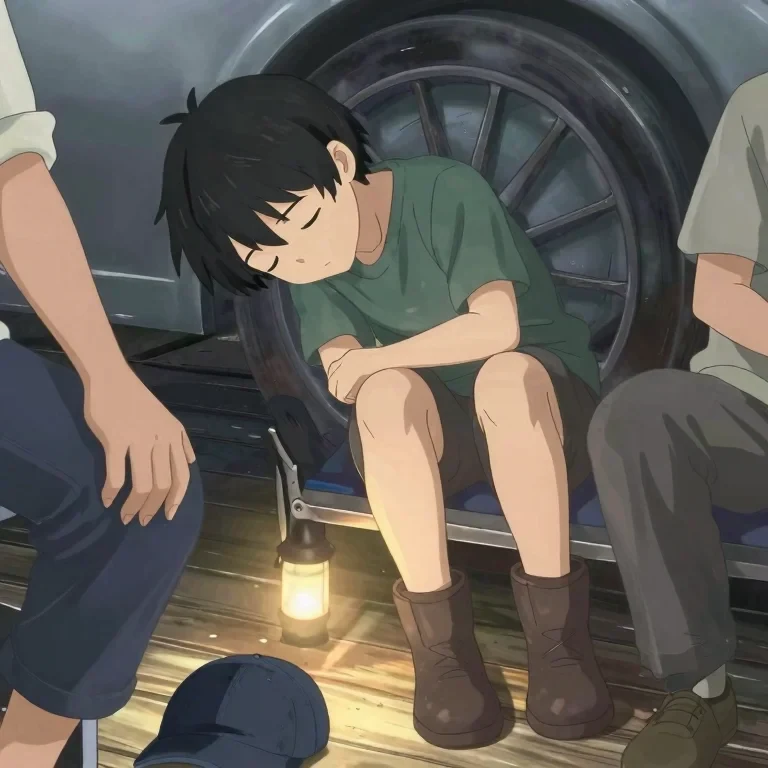
Marek had said it to him in the first October and had not said it again since. You wake him. You do not shout and you do not put a hand on him, because a man on his feet since four in the morning does not want to be touched. Two knuckles on the thwart, and then you say the bank. Brindle. Twenty-three forty-one. And the two knuckles and the bank and the hour, and Faber came up out of it, and said, Morning, Ivo, and rubbed his eyes with the heel of his hand, and went up the lane.

Marek was fifty-one and had a hip that had been getting worse for nine years, and he did the last crossing every night of the year but eleven, and the eleven were made up in the winter. He sat down on the bollard at the Skell slip at the end of it, because a man of fifty-one who has taken eleven crossings in a day can shut his eyes for four minutes, and he did, and the boy woke him, and Marek's way of being woken was what the boy had to get right. You cannot wake a man of fifty-one quickly. He comes up in about eleven seconds and he counts. Then he says the hour, and the bank, and the crossing. Twenty-three forty-six. Skell. Eleven. He said the number every night. Ivo had never once heard him say a different number.
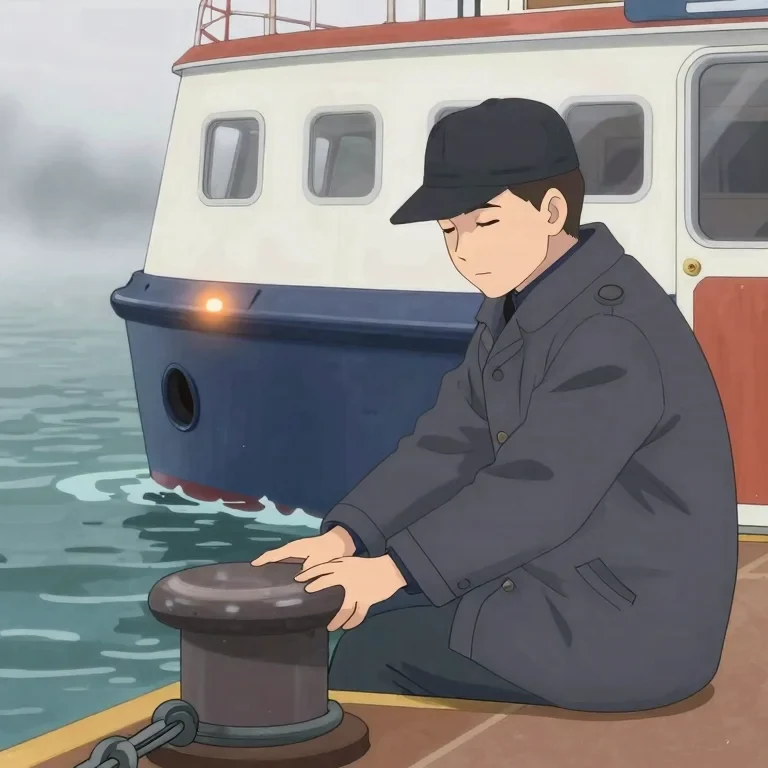
The fog came up off the water at about half past ten and sat in the lane and sat on the slip and made the far light a single orange thumbprint with no arm on it. Ivo could not see the top of the lamp. He could see the water under the bow, and it came at the bow and went out sideways, and the sound of it did not change all night, and that was why he liked the last crossing best.

The woman came on at the Skell slip at twenty-three thirty-eight, which was two minutes before the time. She was forty-five or near it, and she had grey hair cut square at the jaw, and a blue coat to the knee with the fastenings done up to the top one, and she came down the slip with her hand on the chain the way anybody does who is not sure of the step, and she got the step. Then she stood on the boards and looked at the boy. He said the hour and asked for the fare, which was what he did. Twenty-three thirty-eight. Brindle. One coin. She put a coin in his hand.

It was not the right coin. Ivo knew what the right coin looked like without looking, because it was a plain round piece with a head on it, and he had taken eleven hundred of them. The coin in his hand was round and green and had a boat on it.

He looked at the coin for about two seconds, and then at the fare book, which was open on the thwart. The column said nothing, because there was no name to find. The last crossing had a name on it and the name on it was Faber. “That's not the fare,” said Ivo. “No,” she said. “There is a different coin.” “There is.” Marek had not turned round. He had one hand on the wheel and kept it there, and he said nothing, and Ivo understood a long time afterwards that the man had heard the coin go into the boy's hand, because of the sound of it, and it is not the sound the new coin makes.

The Tern went on. Below the Skell slip the current sets across and makes a seam of white water that you cannot see and can hear coming a long way off, and the boy stood at the tiller with it hard over to hold the boat out of it, and Marek sat with his leg out along the boards. Ivo put the green coin into his left pocket, apart from the fare tin, and wrote one coin in the fare column for the twenty-three forty in his own hand, and he did not write a name, and the page was thin enough that the hole showed through.

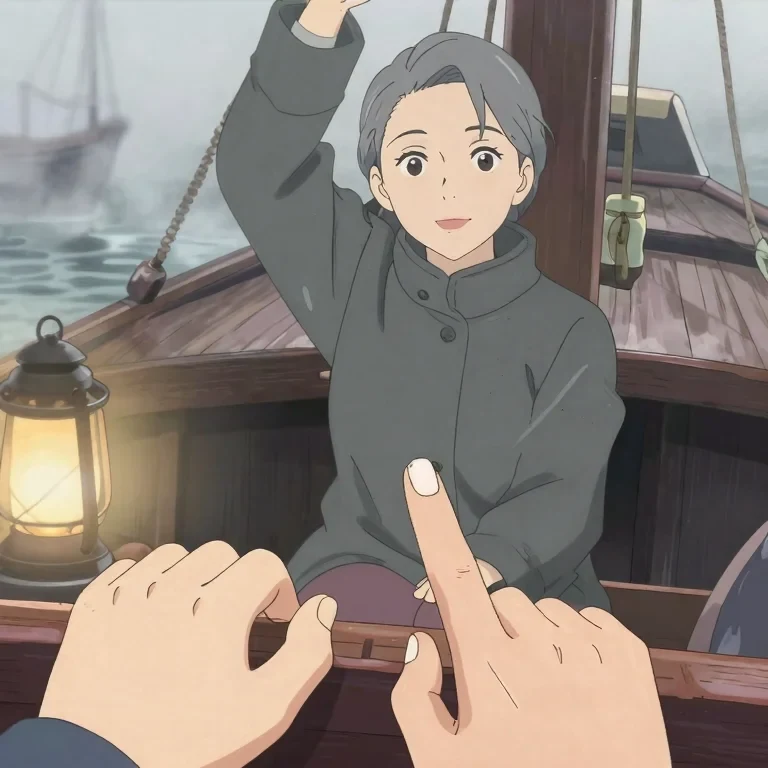
The woman sat down on the starboard thwart amidships, near the lantern, and she sat the way a person sits who has sat on a boat in the dark for twenty years, which was square to the side with one hand on the gunwale and both feet flat on the boards. She did not sleep. That was the second thing.

The third thing was that she knew the boat. Before they were a minute out she reached up without looking and put two fingers on the front corner of the third thwart and found the worn place in the varnish, and she did it the way a person checks that a thing is still there rather than the way a person looks for one. Ivo watched her do it and did not stop watching. Faber slept with his cap over his eyes. The lamp burned at the bow and swung a little with the engine, and the swinging made the whole boat breathe, and the fog went past at about four knots, which is the speed of a fog.
At the middle of the water Marek stood up and took the tiller back without a word, and he did it at the same place in the river he always did it, which was a yard past the light on the mid-river post. “Passengers for Brindle,” he said. That was the only thing he said the whole way, and he said it the way a man says a thing he has said eleven thousand times, and then he sat down again with his leg out. The crossing took twenty-two minutes, and Ivo had been in the middle of it for eight hundred and some of them.
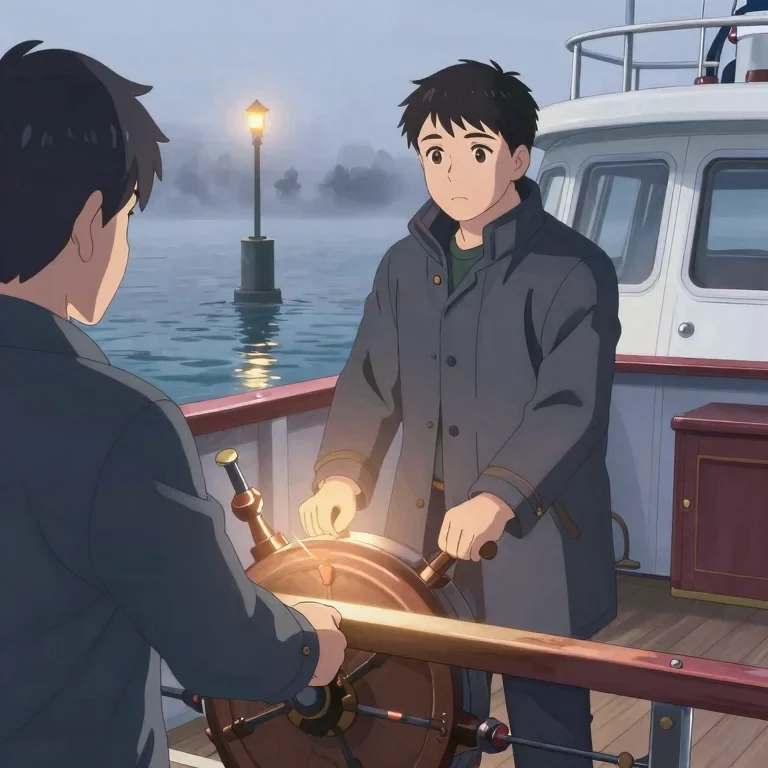
At the Brindle slip he woke Faber, the way he did. Two knuckles on the thwart and then the bank. Brindle. Twenty-three forty-one. Faber came up out of it and said, Morning, Ivo, and put his cap on the wrong way round, and went up the lane without looking at the woman, because a man who has slept on a ferry for eleven years does not look at anybody on it. Then he woke the man. He did that by saying the hour first, which was the part Marek had taught him, and then he waited. Marek came up in about eleven seconds and he counted, and Ivo heard him counting, and then Marek said, Twenty-three forty-six, and stopped, because the next two parts were the bank and the number. Then Marek opened his eyes and looked at the woman sitting amidships in the lantern light, and he did not sit up, and he said nothing for a while.
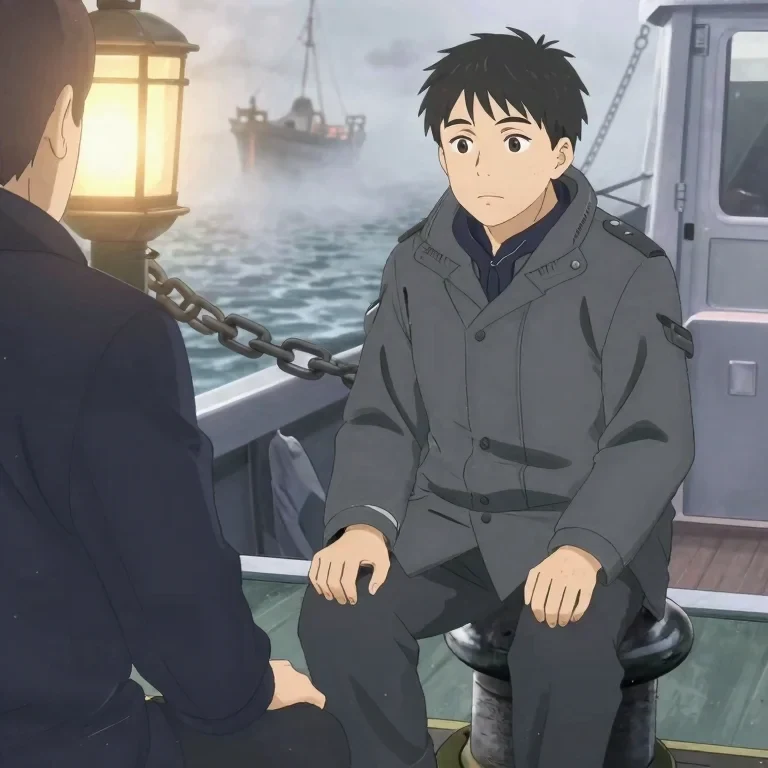
Nobody ever came down at Brindle for a bad fare at that hour. That was not in the book either, and the whole of what had gone wrong on that river in twenty years had gone in the space under the bottom line. “Where did you board,” said Marek. “The same slip you are standing in,” she said. Marek sat with that for a bit. “Who was expecting you.” “Nobody,” she said. “I have not been expected since the year they put the Tern on the morning.” Then Marek said, “You took the Tern out for twenty years.” “I took the Tern out for twenty years.” “Nineteen hundred and six to nineteen twenty-five.”

“Nineteen hundred and six to nineteen twenty-five,” she said, “and then the morning boat, and then nothing, and then this.” Marek said, “Wake her.” Ivo looked at him. “When you have said the hour and the bank to the man, you say it to everybody on the boat,” said Marek. “It is not a courtesy. It is how a person knows where they are.”
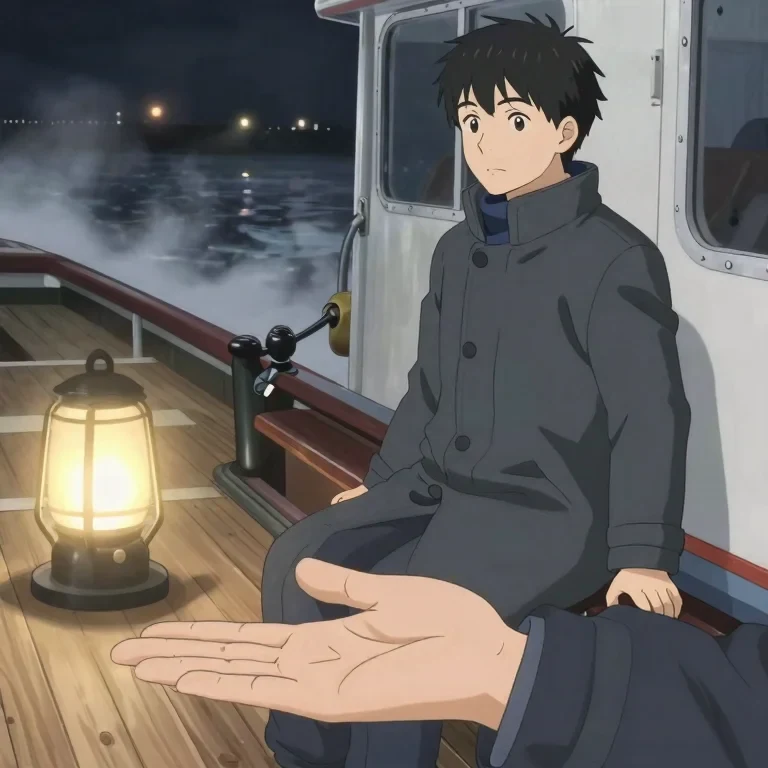
Ivo had been running the last crossing for nine months, and in nine months there had been nothing in the job to do except two knuckles and a name and a number. He stood in front of her with his hand on the tiller and the fog going past. “Brindle,” he said. “Twenty-three forty-one.” The woman did not move at all. She sat with both feet flat and one hand on the gunwale and looked up at the boy, and her eyes went over his face the way a person goes over a thing to see how it was made. “Twenty-three forty-one,” she said.

That was all. She did not thank him. She got up and stepped off onto the Brindle slip and went up the lane with her hands in her coat pockets and her head down, and she did not look at the boat again.
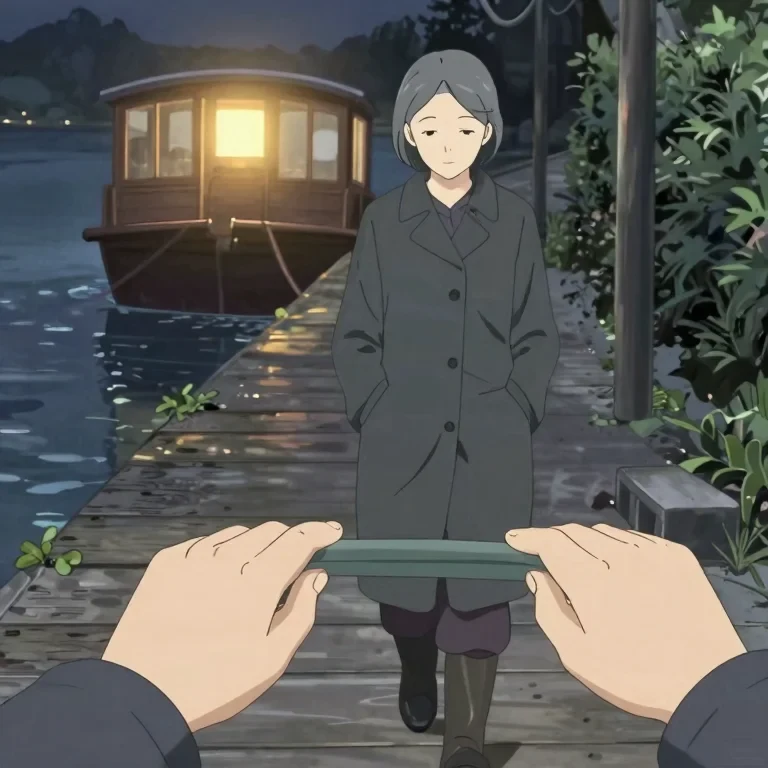
The harbour board counted the tin on the Sunday, and every fare in that book had to be a coin of the current series or it was a matter for a man in an office on the quay. Ivo wrote one coin in the column for the twenty-three forty, in his own hand, and beside it he put the small mark he used for a fare paid late, and there had been four of those in nine months. The green coin went into his left pocket and it stayed there until the following spring, and then it went into the tin at the back of the drawer with the string and the spare fuses, and it is in that tin.

Marek was on the slip with the chain in his hand and the water coming up the boards and going back down again. “In the morning,” he said, “the Tern is on the Rowan, and I am going to sit on the bollard on the far side for four minutes, and I am fifty-two in the March.” He put the chain over the post and came up the slip. “You did the job,” he said.

They had the tin out on the table in the hut with the lamp on it, and Ivo was writing the fares up into the Sundays column, and outside it was still fogged. “Did I put a name in?” said Ivo. “No.” “Should I have?” Marek turned the tin round on the table with one finger and did not answer for long enough that Ivo went back to the column. “It is a description,” he said at last. “The book says who is expected. It does not say who turns up.” He put his thumb on the small mark in the margin.
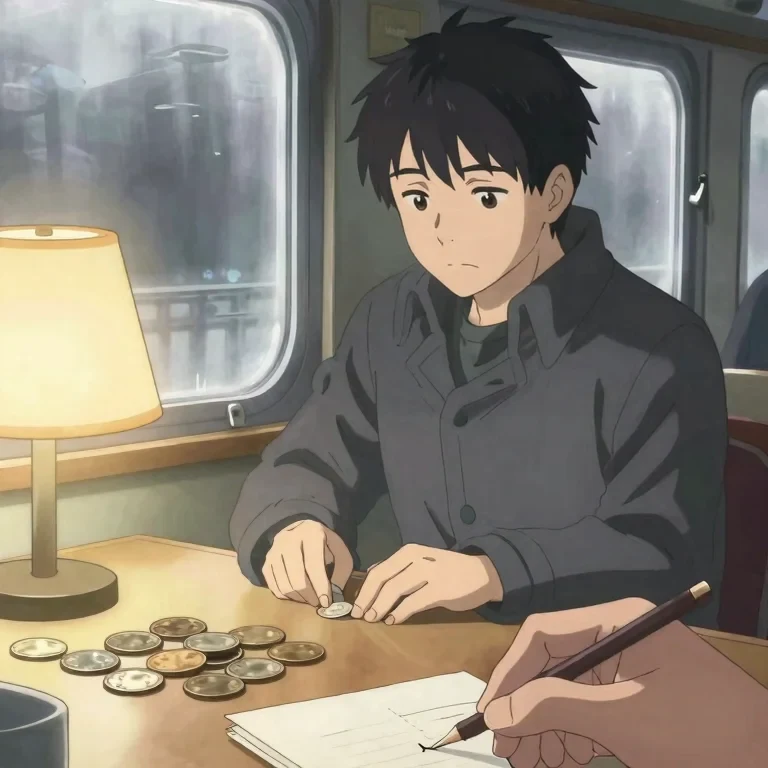
“And if you put in everybody who turns up you will have a different book, and there is one tin, and you are fifteen, and in the March you are still fifteen.” Ivo wrote the Sundays total and it came to the same as it had come to every Sunday for nine months, and he put the tin back under the thwart, and the Tern lay at the Rowan with her chain slack and the fog standing on the water.