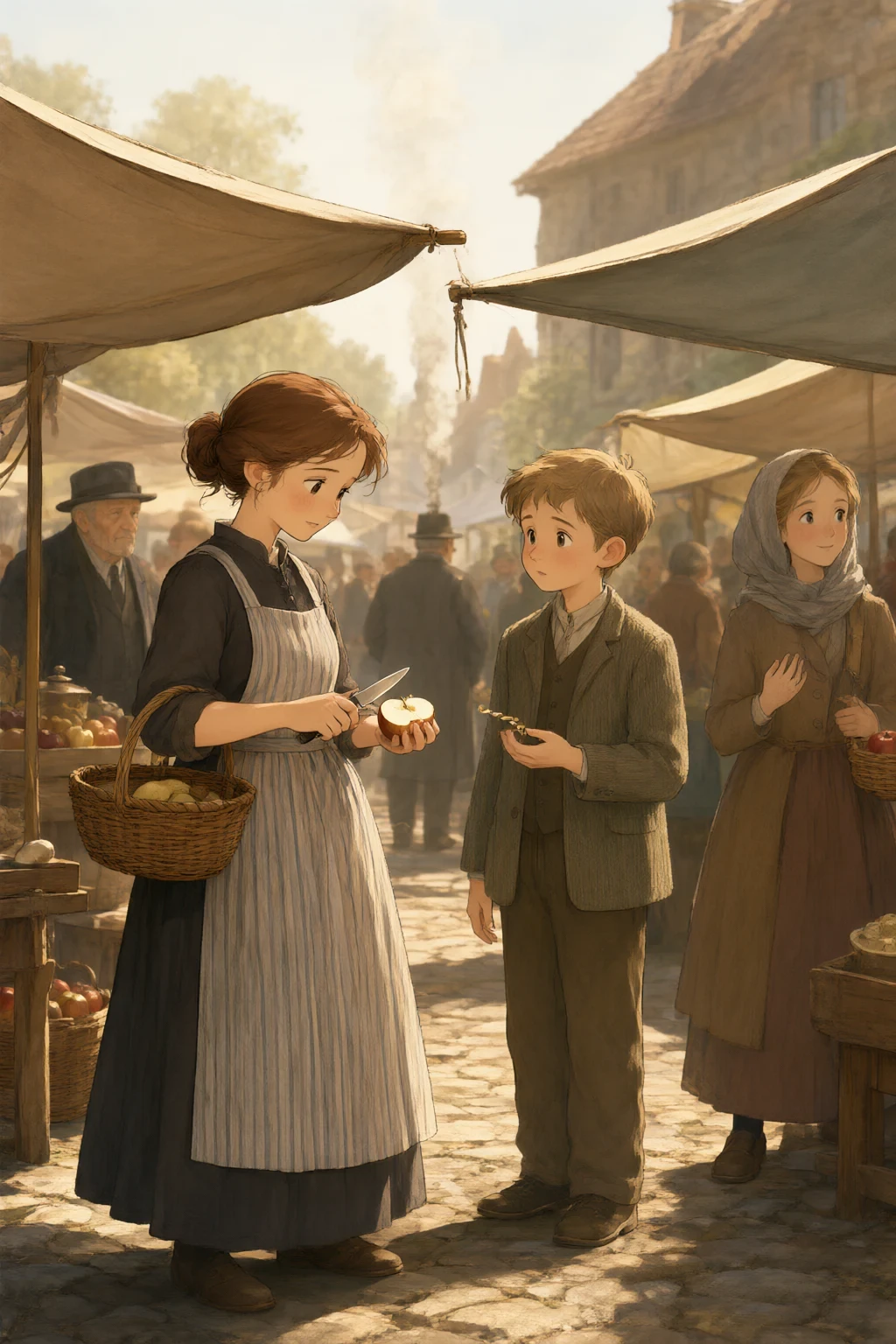
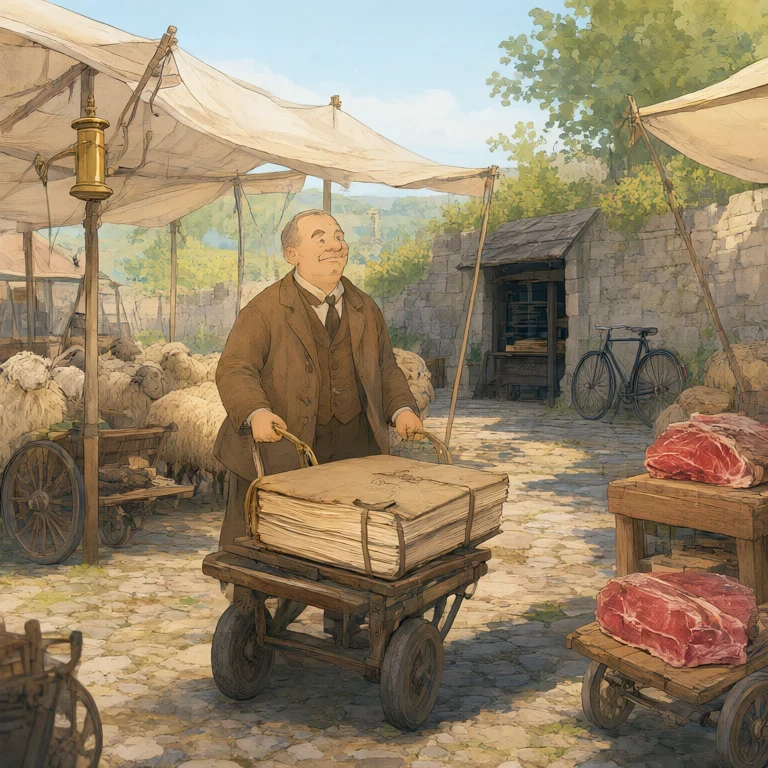
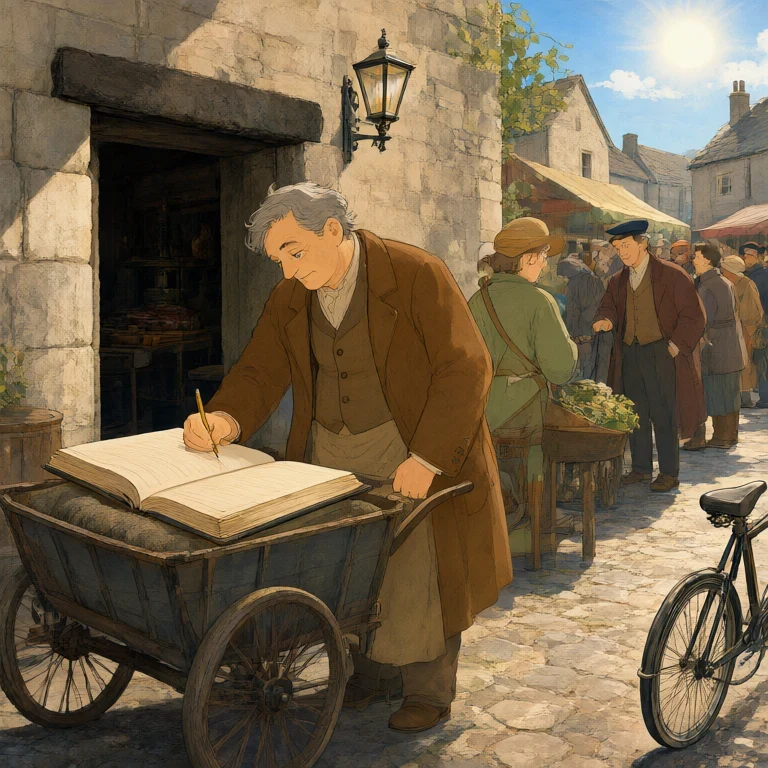
The market at Coldhay has six awnings and not one roof. They are grey canvas on four poles each, and the cattle stones under them stand open to the sky from the Fosse way to the far hedge. Ivo Colm had said so every Monday for nineteen years while he shouldered the handcart with the market book in it.
A word wants a roof and a witness and a house to bind, and the market has none of the three, and that is why the seven at the top of the lane can stand in the middle of a Monday and not say one word worth hearing. Pell Ottery held the fifth stand and was at the fourth stall with a basket on her hip and elevenpence in her fist, buying beef for a Tuesday. Mira was at her elbow in a grey petticoat and a coat two sizes too large for her, awake since five and silent since.
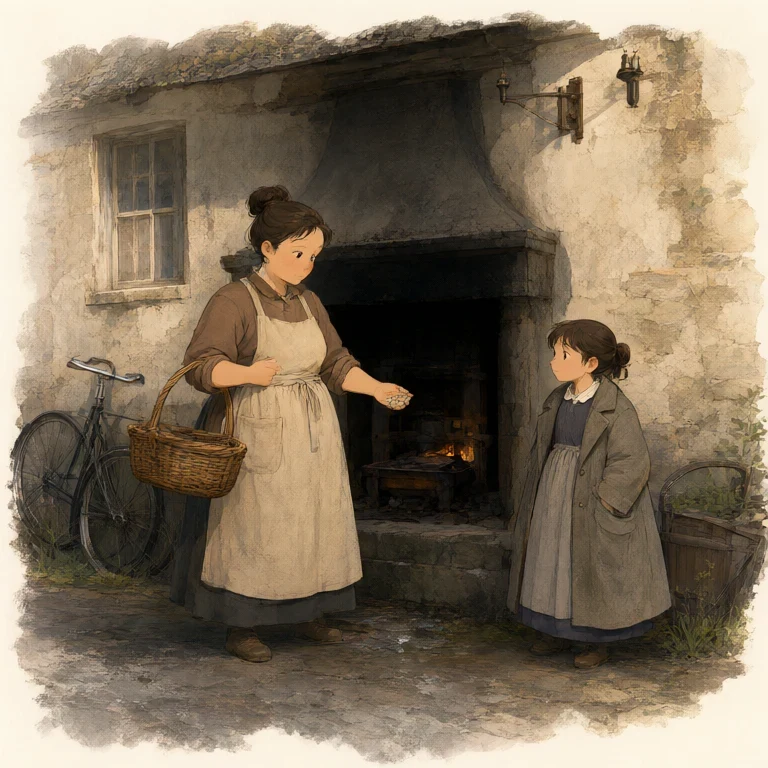
A lad of twelve came round the end of the stall in a corded jacket with the elbows gone, holding a paper twist in his fist as though there were a hot coal in it. “From the first stand,” he said. “It’s an answer. You’re to eat it where you stand.” “Is that an answer or is that a present?” Mira said. “It is what it says it is,” said Pell. “It can’t be both,” said Mira, “and everybody pretends it is.”
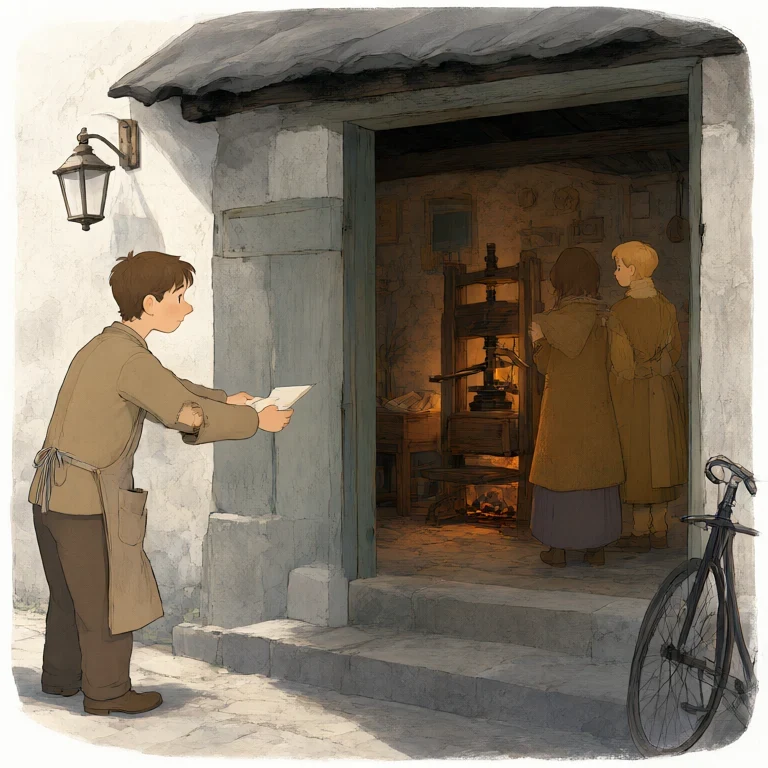
The boy looked at the twist and not at her, the way a boy does when he has been given something to say and nothing to say after it. Three stalls along, a woman in a pressed wool coat and a grey shawl put down her basket and came over. “Say it again,” Halla Dree said. “The whole of it, and the same words.” The boy said it again, the same words. “Who told you to say it?” “An old man.” “What did he say his name was?” “He didn’t say.” “How much?”
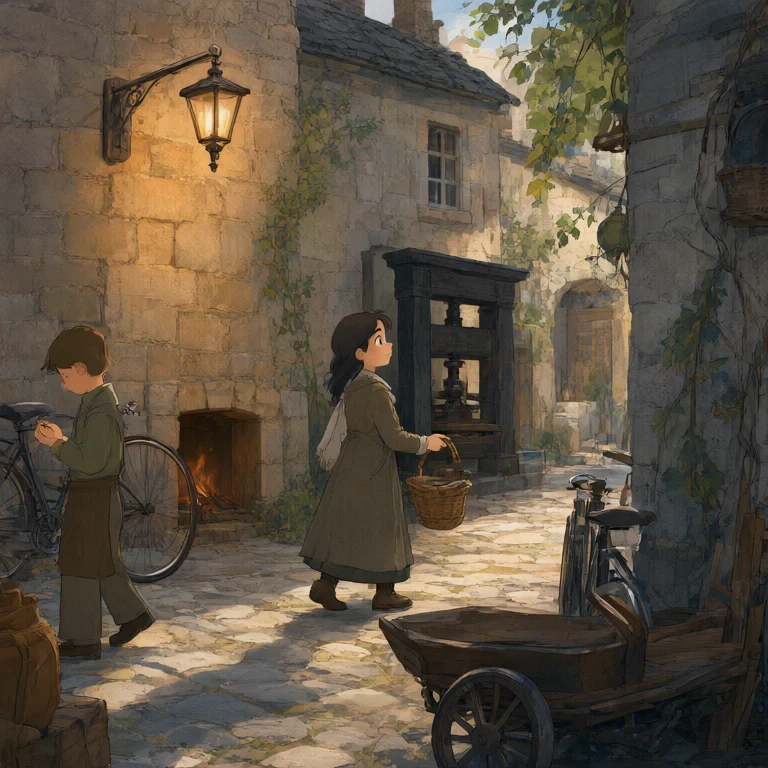
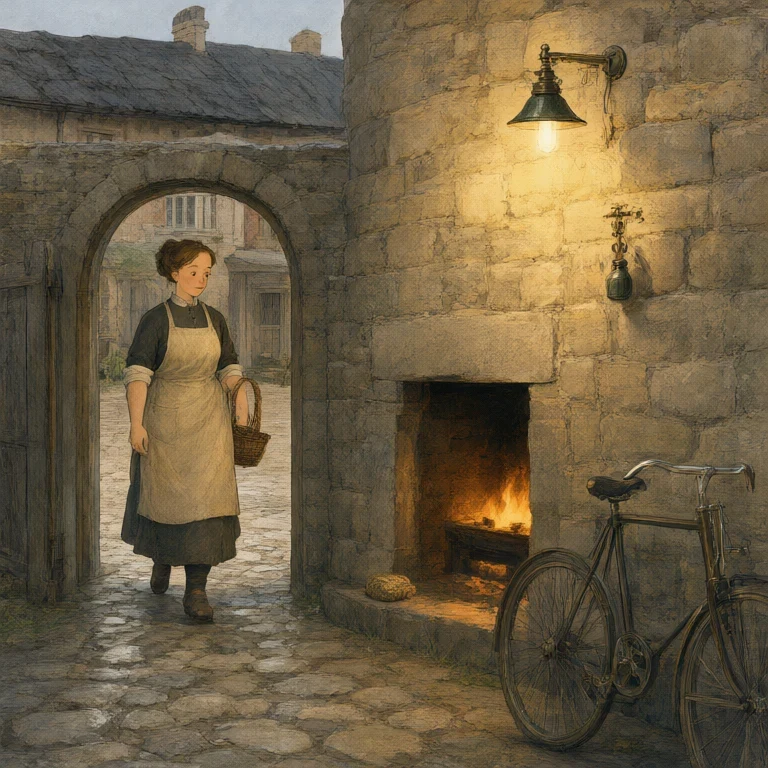
“Threepence. He said it was from the first stand and it was an answer and she would know what to do with it.” He swallowed. “He had a black thumb. He made me take it in a cloth because of his thumb, and he wouldn’t hold the paper.” Nobody asked where in the market the old man had been, because Halla had already looked, and there was one place with a fire in view of it, and the smoke off that chimney was standing straight up in the cold like a mast.
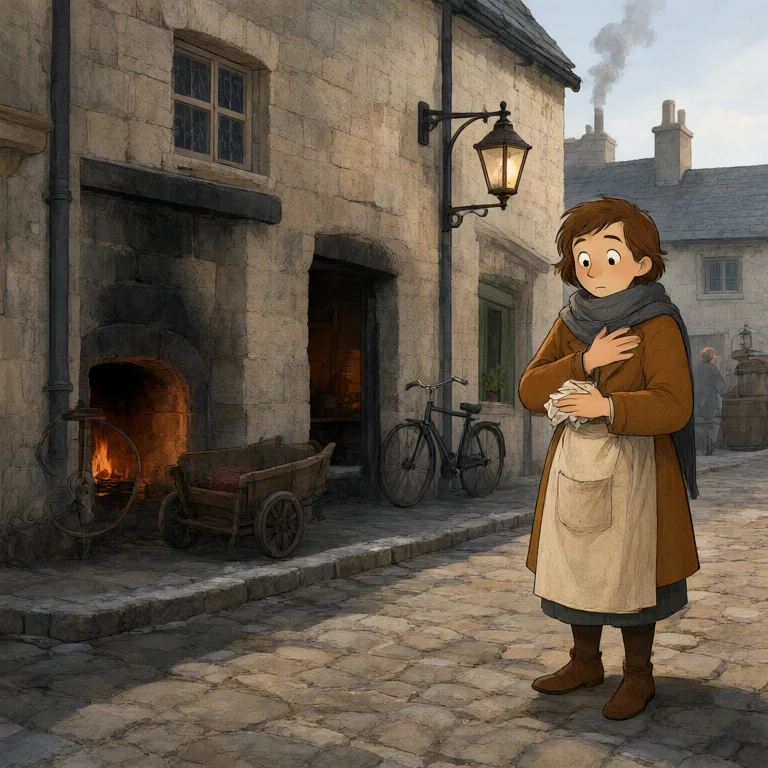
Under the canvas nothing binds anybody. Halla said that first, in the flat voice she used when she was reading a term out of somebody else’s house. The boy’s words were worth nothing, because there was no roof over his head. Then she said the other thing, which was that a delivery is a delivery anyway, and takes effect in the body of the person who eats it, on eating, and is not a matter of opinion, and cannot be argued with afterwards. So the only question left was whether there was a term about fruit.
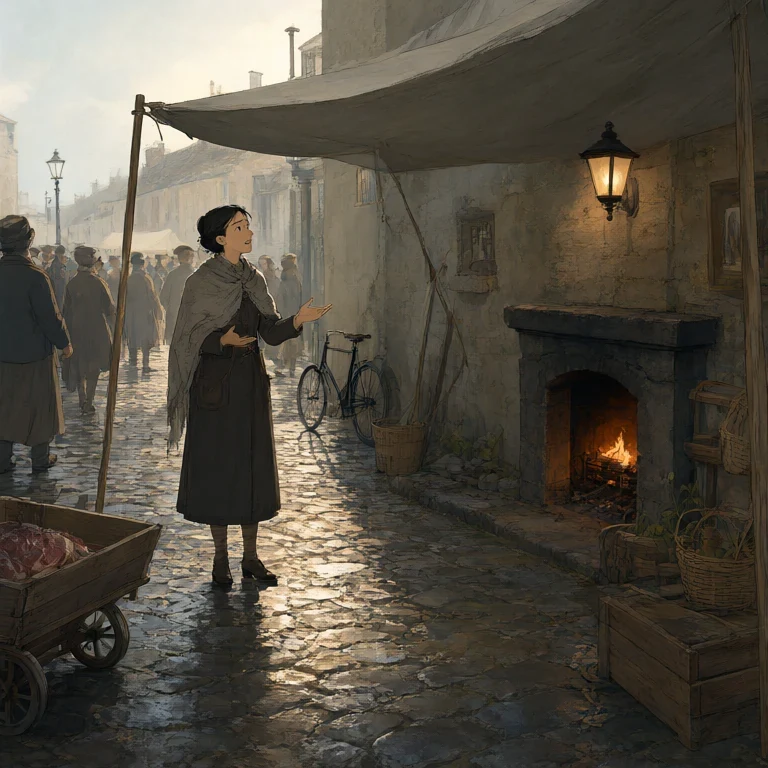
“There is a term about fruit,” said Tam Kelder. He was at the second stall with a handcart of wool sacks and said it from where he stood, in the voice of a man reciting something, which was the only voice he had. “I will not say it here,” he said. “I will say it in my own house, under my own roof, tonight, to whoever comes. Not in a market.”
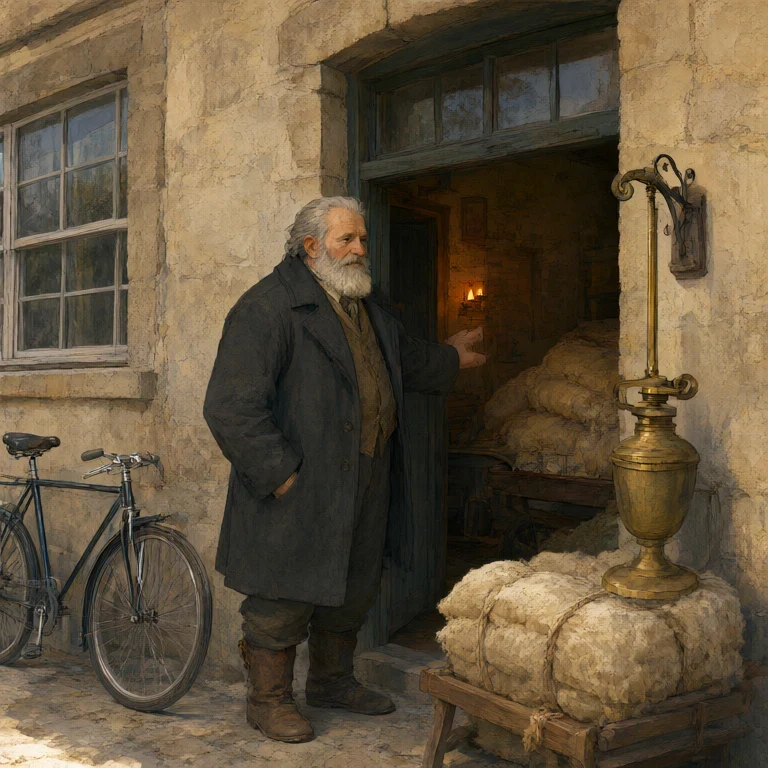
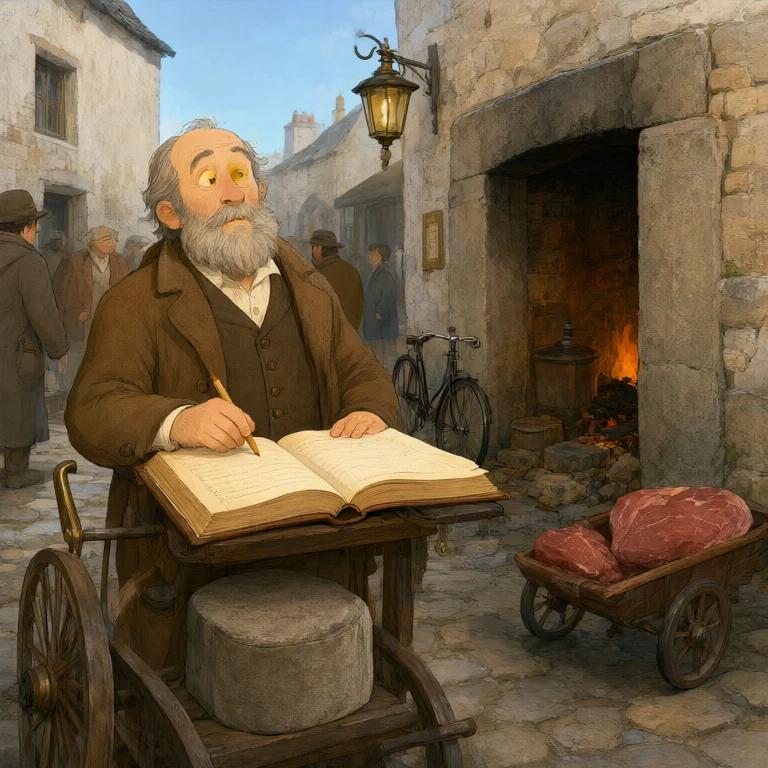
At that, Ivo Colm opened the market book on the cart, found the Monday before last, and read it out, exactly, and then waited, with the stub of pencil not moving, as though the line might finish itself. “Market Monday. The first stand’s fire in. Nothing said under the awnings. Nothing said under a roof,” he said, and waited. Nobody finished it. The line had stood in that book every Monday for nine years, and the hand was his, and he had never once had to alter it.
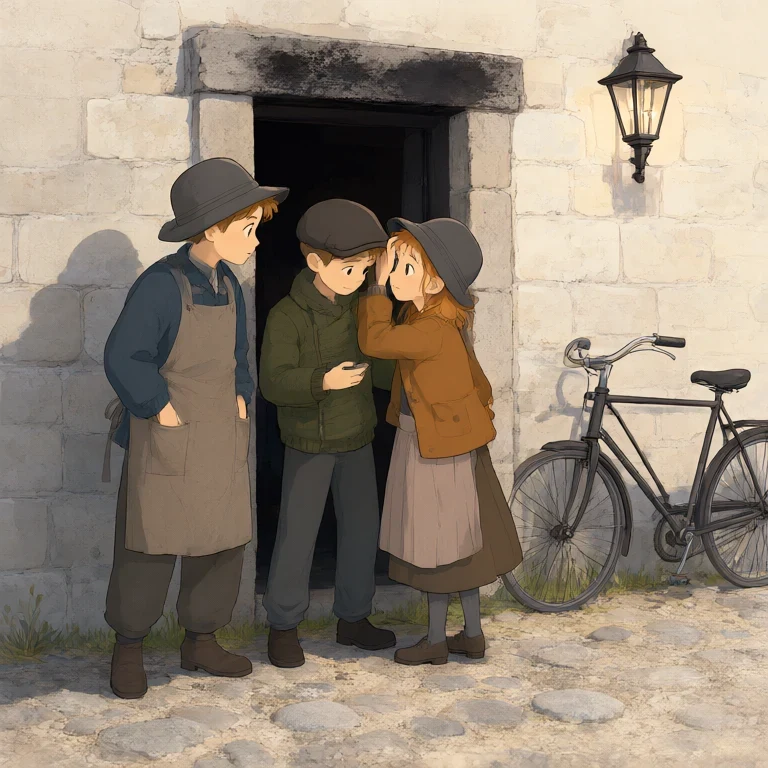
A girl of eleven in a grey felt hat turned up twice pushed between two men to look at the apple. Wren Sallow, three times found and twice gone, held nothing in Coldhay and was owed by every house in it. “Who is it for?” she said. The boy thought about it properly, which nobody else had done all morning. “He didn’t say,” Wren answered herself.
Pell Ottery stood in the middle of the cattle stones with the sun coming sideways off the Ash onto her sleeve. Nine years the question had been put in the first stand’s kitchen, and it had never once been answered, and while it went unanswered the line had walked out into the pasture a foot a year until the seventh gate stood eleven feet beyond the wall.
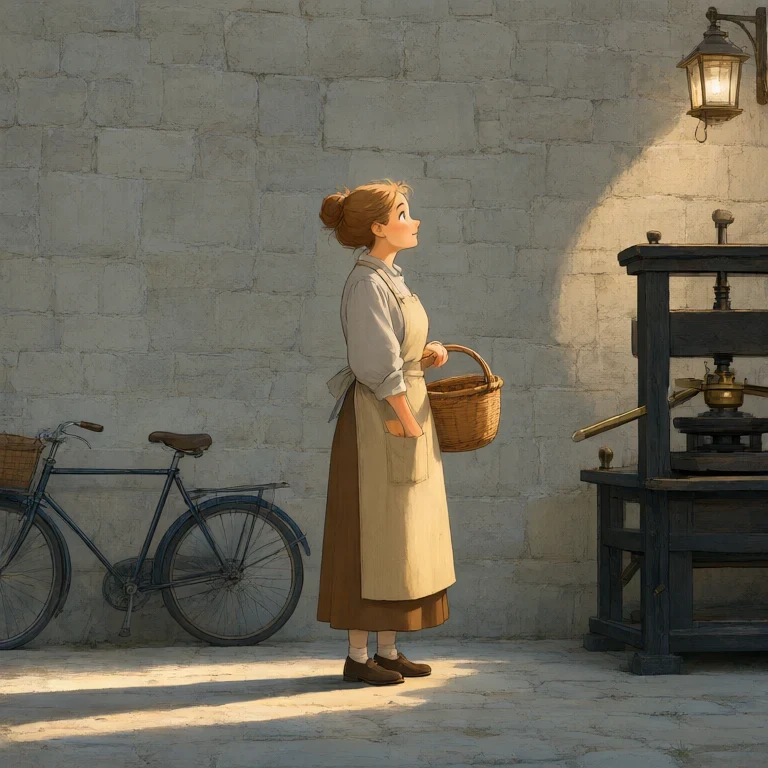
If the fruit was a delivery, the answer was in the apple and would be in her body by noon, and it could not be argued with, and it could not be put back. If it was a present, she had beef to get home and a fire to bank before the light left the coping stone, and nothing would be settled at all, because the market has no roof, and a thing that goes home uneaten is a present in a house by Tuesday.
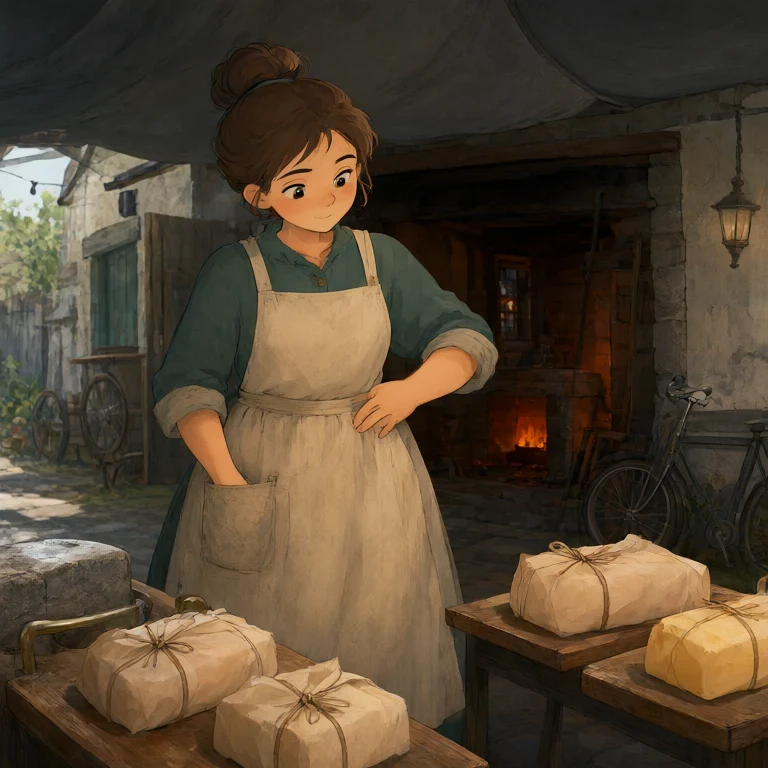
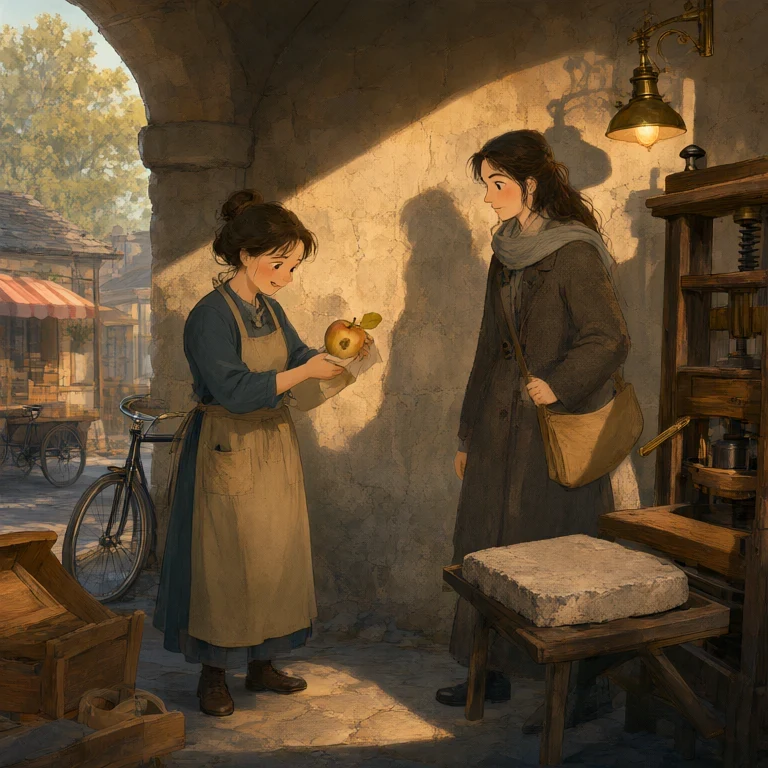
She took the twist from the boy and opened it. The apple was a Ribston, cold through, with a thumbprint of soot burned into the skin on one side. Halla said, “You do not have to do that here.” “It is the only place it can be done,” said Pell.
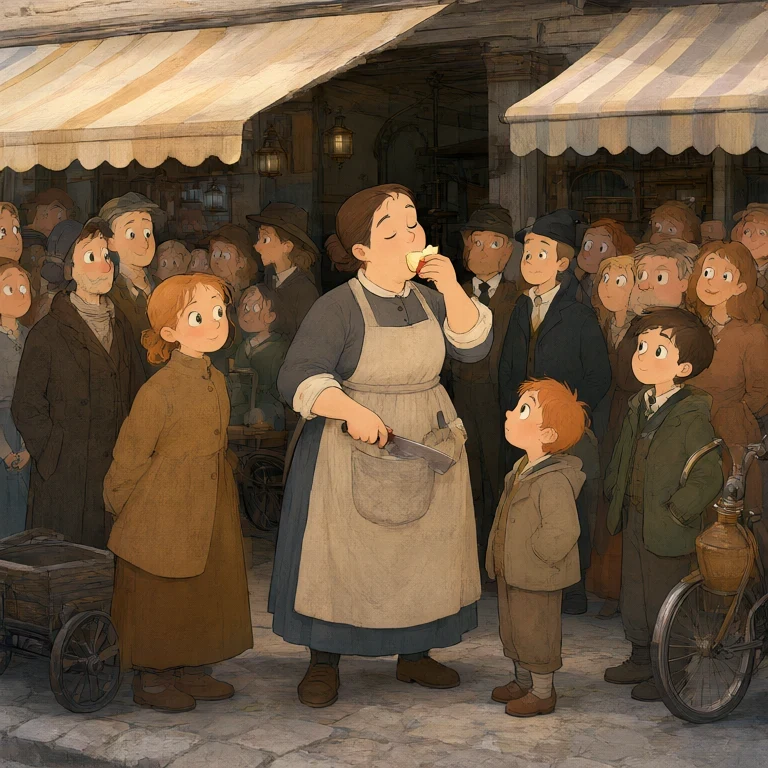
She cut the apple with the stall man’s knife, in the open, under six awnings of grey canvas and no roof at all, and ate two pieces standing up, in front of about ninety people, and gave the rest to the boy, who ate it in three bites and had not been told not to.
Then Halla asked her question, in the exact words she had been asked in a kitchen twenty-two years ago, with her feet apart and her hands at her sides, and the answer came out of Pell Ottery’s mouth in a clear ordinary voice before the question had finished. “Yes,” said Pell.
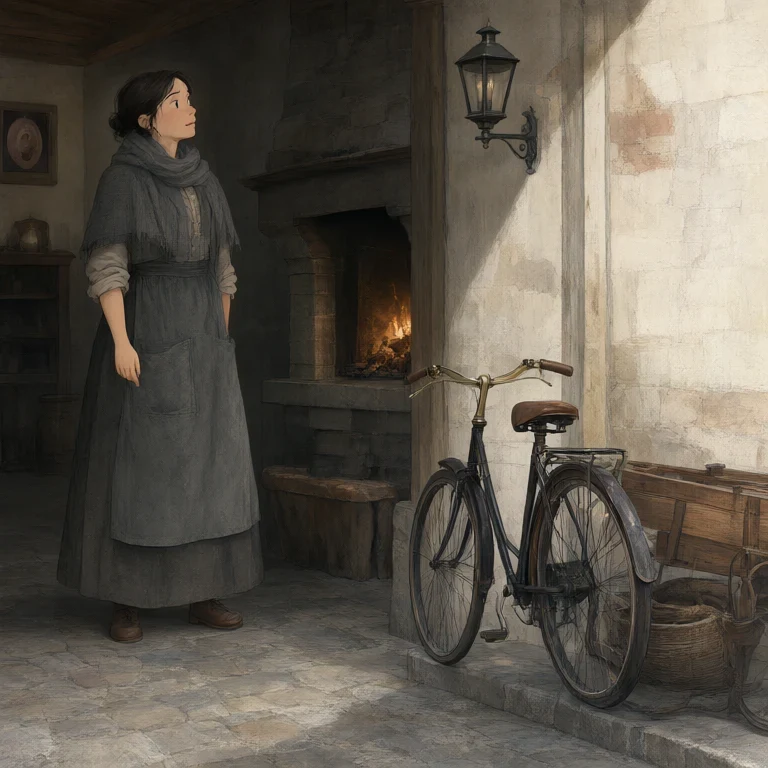
Halla did not move. Pell tried again, and could make nothing come, and tried a third time to say that it was not her doing, and the words would not be built. The answer was in her body where it stayed, and it could not be argued with, and it could not be added to.
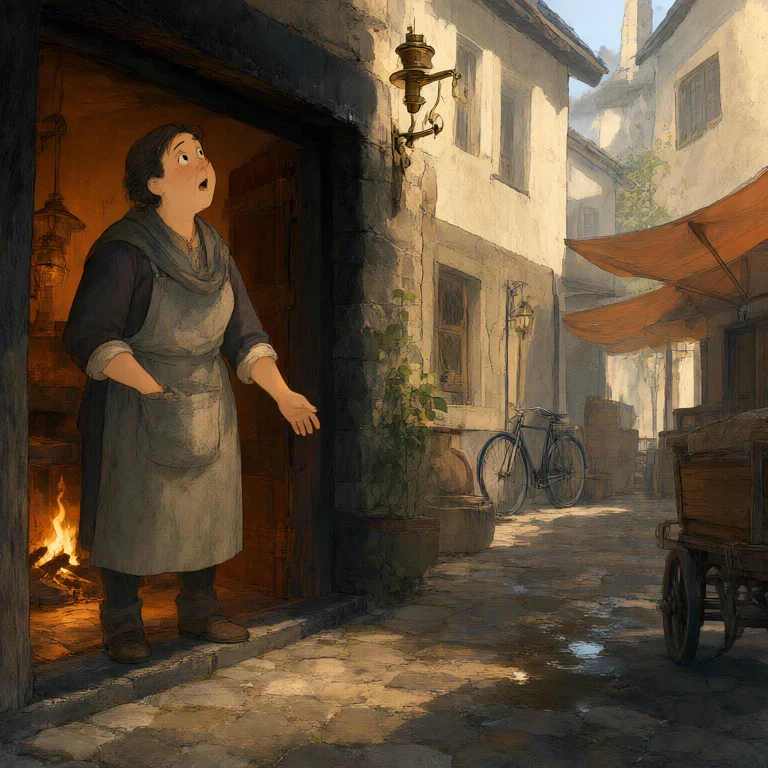
At the cattle end, forty feet off, an old man in a black hat stood by his own stall where he had stood all morning and had not come one step nearer. He said, across forty feet of cold stones, in a voice that carried because the day was so still. “That is not an answer.” And then nothing, for a very long time. The sheep moved. Somebody’s cart went round at the far end. “It is an answer,” he said. “It is not words. I have not been asked.”
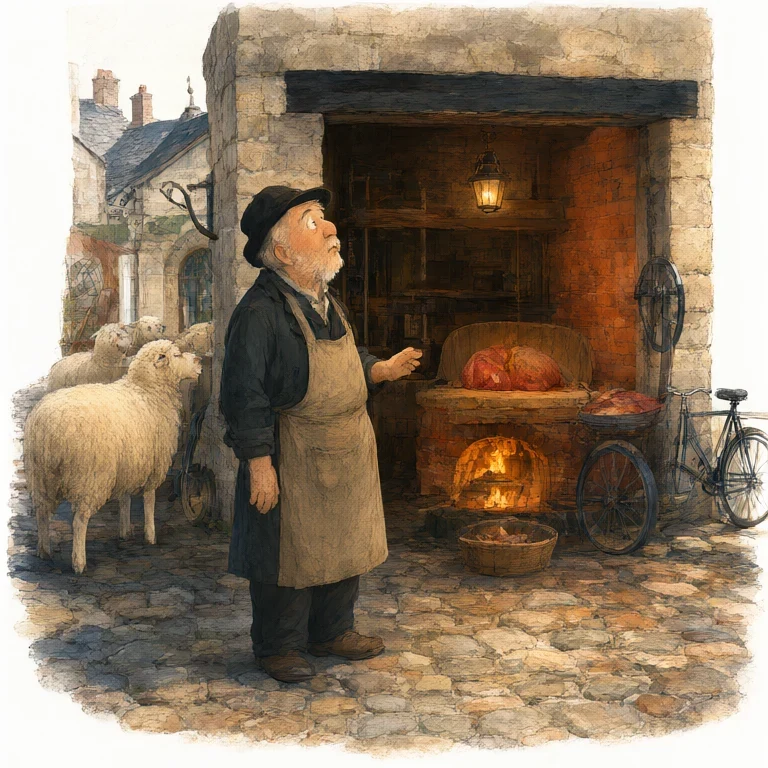
Nobody answered that either, and Ivo Colm did not enter it.
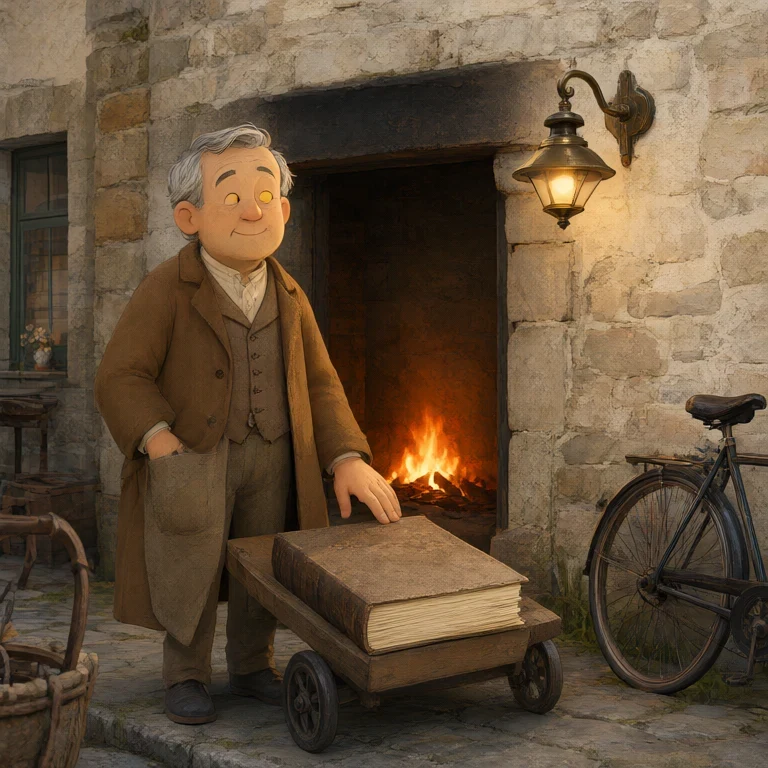
Afterwards he said that an answer is not a discharge, and that a covenant is discharged by performance, or by the running out of the year, or by the lender saying in his own house, in front of a witness, out loud, that he will take less, and that the last had been done four times in a hundred years and was the most dangerous thing a person in Coldhay could do, and that it was in the first stand, and that in the spring somebody would have to ask for it.
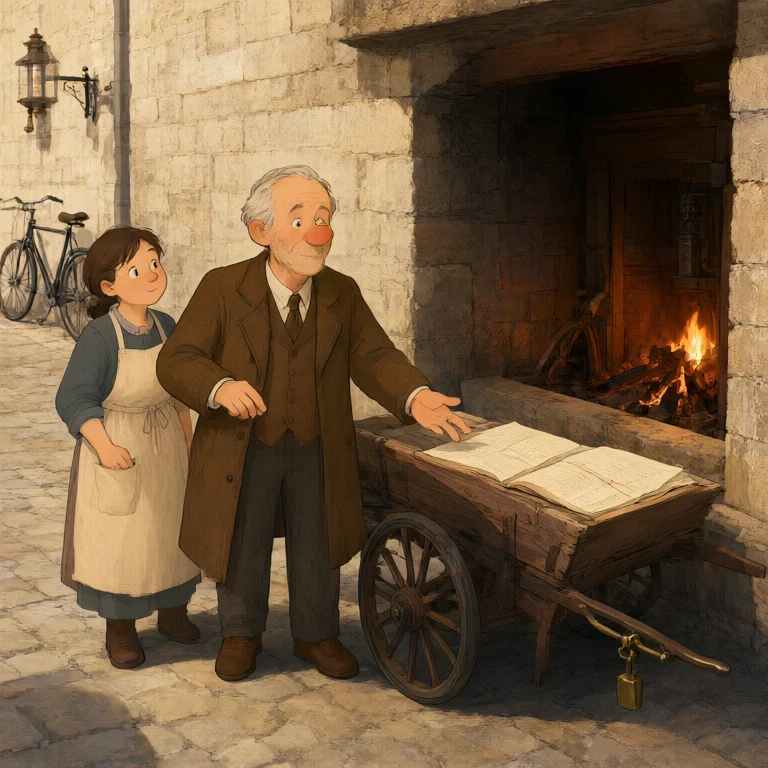
He wrote the entry standing up, with the cart holding the book flat. The first stand’s fire in. One apple, given at the fourth stall, eaten there. The question put at ten past eleven and answered in the body. Nothing said under the awnings. Nothing said under a roof. Then he stopped, and read it over, and put the stub of pencil in his pocket, and left the two lines about the awnings exactly as they had stood every Monday for nine years.
The boy got his threepence and the empty twist and went off up the lane toward the wool yard. And the sun came off the coping stone of the nine-foot wall at half past twelve, and the first stand’s fire was still in, and Pell Ottery walked up the lane with her mouth shut, able to say one thing perfectly and nothing else at all.