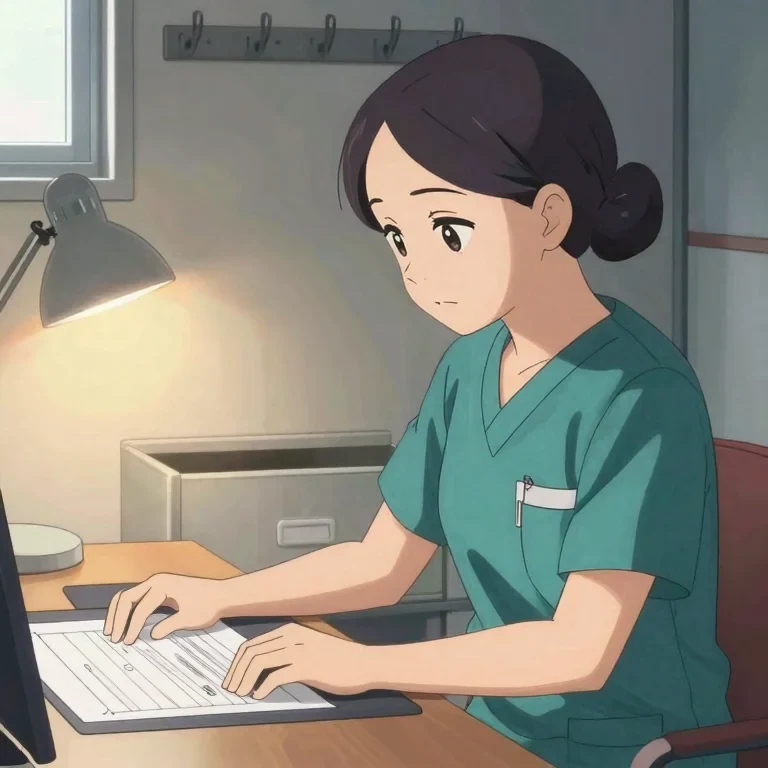
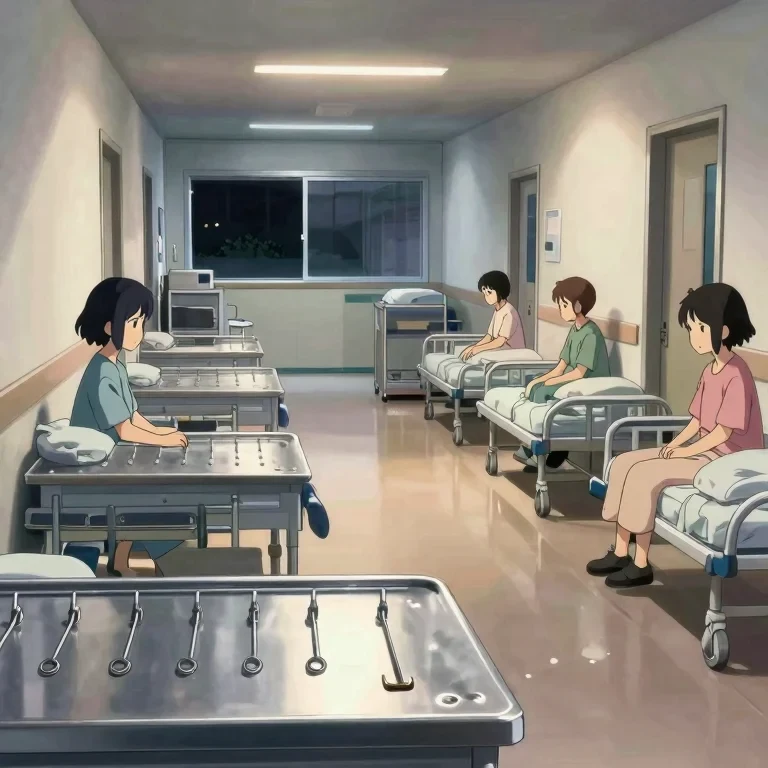
The ward at Wray Infirmary has eleven beds, one corridor, and a window at the end of it that looks at a field. Nine villages send their people there. There is a consultant who comes on Tuesdays and Fridays, a doctor who lives in the house behind the hospital, a matron, two ward nurses, a midwife who does three days a week and drives in from the coast, a phlebotomist on a Wednesday, and a ward clerk on Mondays and Thursdays. Everything that happens to the eleven is written on a chart, and the chart is not a private document. It is read by the health board, and by the insurer, and by lawyers, and all of it is discoverable, every page, back to the last box a nurse filled in. That rule is correct, and Kiyo Marn had it in her first week from a matron who did not soften it. The rule has a second half, and the second half is the sentence the ward sisters say on a Monday morning, to whoever is new: if it is not on the chart, it did not happen.
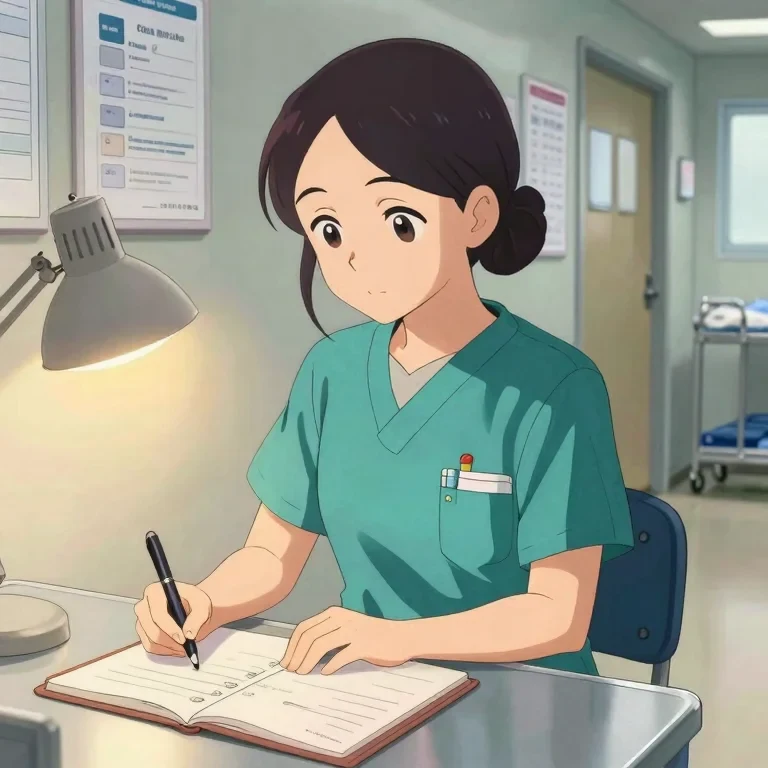
Kiyo was twenty-three. Her hair was dark and in a low bun, and she wore teal scrubs with a cardigan over them with the sleeves pushed to the elbow. She started the second record in her second month, and she started it for something very small. A man of eighty was awake and frightened at eleven at night, and a monitor was beeping because somebody had left a lead on his hand, and she had dealt with it, and she had sat with him for forty minutes with the blanket back up and a hand on the arm, and none of that is on a chart. It is not a drug and it is not a set of observations and it has no box. On the Monday the sister asked her what she had done about Mr. Alder and Kiyo said all of it, and the sister said, in the voice people use when they are being kind, that this was not what she meant. The desk at the end of the corridor had four drawers, and the bottom one was deep and it ran on a runner that stuck in the damp. Behind the spare forms and the box of spare ties and an audit folder from 2019 that nobody had opened, there was a pad.
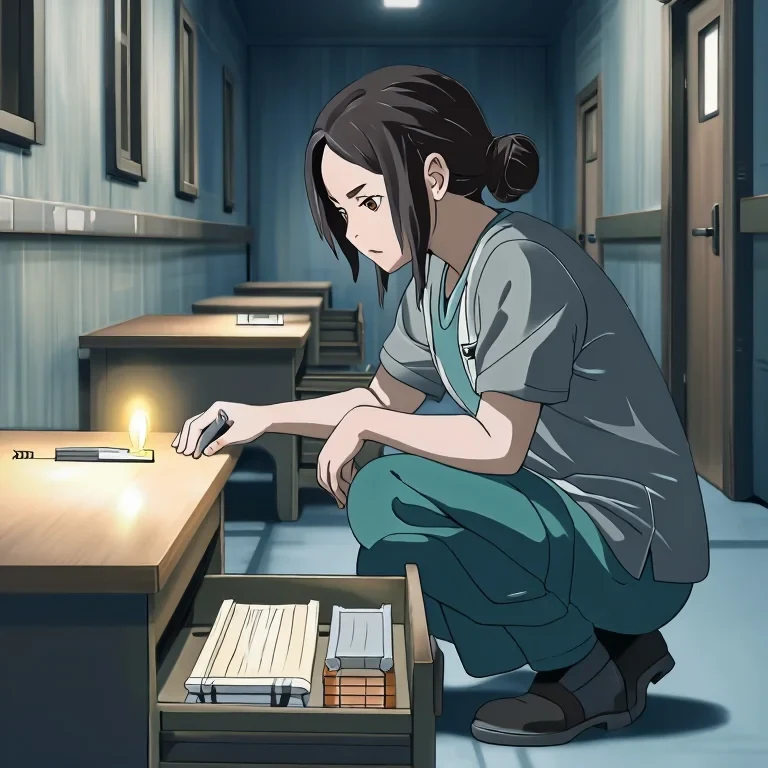
By the end of her first year the pad had a shape. It was not a diary and it was not a complaint. It was what was actually done, in the order it was done, with the times, and no boxes. She wrote the visits nobody charted. She wrote what she actually gave when a doctor wrote something else. She wrote the night the drain in bed four blocked at two in the morning and she and the healthcare assistant dealt with it, and the entry on the chart said nothing, and the entry on the chart could not say anything, because there is no observation for a nurse standing in a puddle with a bedpan. It is easy to be afterwards. It is a record, it is accurate, it is careful, and every one of the notes in it is the truth. It is also, entirely, a document about other people.
The first real one was in November. Enid Tarbet was seventy-nine and came in at ten past eleven at night with a cut on the left forearm, and the wound was stitched and X-rayed, and the X-ray showed two small fragments of glass that had not come out. The typed entry, done at twenty to midnight by a person with four hours of night left, said: laceration, left forearm, consistent with fall on stairs at home. It was consistent. It was also true, and those are different things, and in a chart the difference is invisible. What the second record said: that Enid Tarbet had gone through a kitchen window, four feet, onto paving, standing on a chair to open it; that her daughter had found the pane broken and had swept the glass into the yard bin before she telephoned, because she could not think what else to do with it; that nobody had asked her; and that the wound, when it was cleaned, had a fine spatter of glass dust in the skin around it that no stair does. The chart was not wrong. The chart said where it had come from when the family said where it had come from, and the family said stairs because the alternative was a window and a chair, and because they were at work, and because the daughter has said since that she would rather have known about the chair.

Enid went home on the ninth day, and the plan that went with her was about stairs. A stair rail, a home visit, a review in six weeks, a letter to the family asking somebody to look at the stairs. Kiyo wrote the plan with the others. It was a good plan. It was a plan for the wrong fall. The second record says that the plan was built on a sentence written at twenty to midnight by a tired person who believed she was being kind, and that the kind thing had cost a woman the one thing that would have kept her on the ground. Enid came back in March with a second fall. The second fall was a real fall, down the stairs, and there was a fracture, and it was a very good week for everybody that she had a plan.

The second one was in February and it was at three in the morning. Kerry Nancarrow was twenty-seven and had her first at ten to three in the morning, and the labour was not long and it was not clean, and the second midwife was called at two, and Bronwen Sayer came forty minutes from the district hospital and arrived at twenty to four. Kerry was delivered at eight minutes past four. The baby was fine. Kerry was fine and later said she had been told that she had been on her own, and that she remembered being on her own, and that for a year she had wondered what she had done wrong. The chart says one midwife. The chart says one midwife because a midwife who has come from another trust and worked in your ward and documented on their own paper is a midwife who does not appear on your chart. There is no mechanism. She was on the ward, and she did the work, and the work went home with Kerry in a piece of paper in a district file, and the district file has no copy of Bronwen Sayer in it at all. The second record has her name in it, and the time, and what she did, and the fourth check.
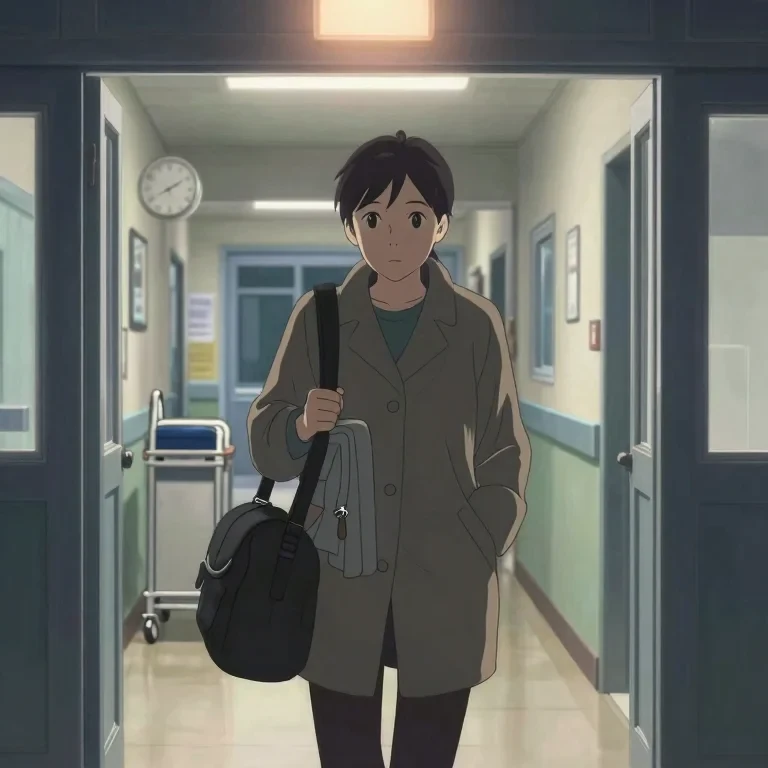
The matron was fifty-eight and called Valda Roke, and she had grey hair pinned up and wore a navy cardigan over a white tunic, and she had been at Wray for nineteen years and had started as a ward sister at thirty-nine. She and Kiyo had not had a conversation about the pad for a year and a month, and that was how Kiyo understood that she was not the first. The conversation happened on a Tuesday in October, over a pot of tea at the end of the corridor, and it happened because a letter had arrived.

The letter was from a firm of solicitors acting for the insurer, and it concerned a man called Keith Marsden, who had been admitted in June with a bleed and had been readmitted in October, and it wanted the records, and it wanted a statement of his condition at the point of the first bleed, and it set out a list of the documents disclosed so far. It was four pages long and entirely correct. Nothing in it was a threat. That was the part Kiyo had not been ready for. Valda Roke put it on the desk between them, face down, and said: “In 2011 the district came through this ward. It was a standard audit, and the auditor was thorough, and at about two in the afternoon she opened the bottom drawer.” “The pad?” “There was a pad in 2011. It was not yours. It had been going since before I came, and the woman who kept it was a midwife called Vera Pallant, and she was very good, and she had kept it for nineteen years.”
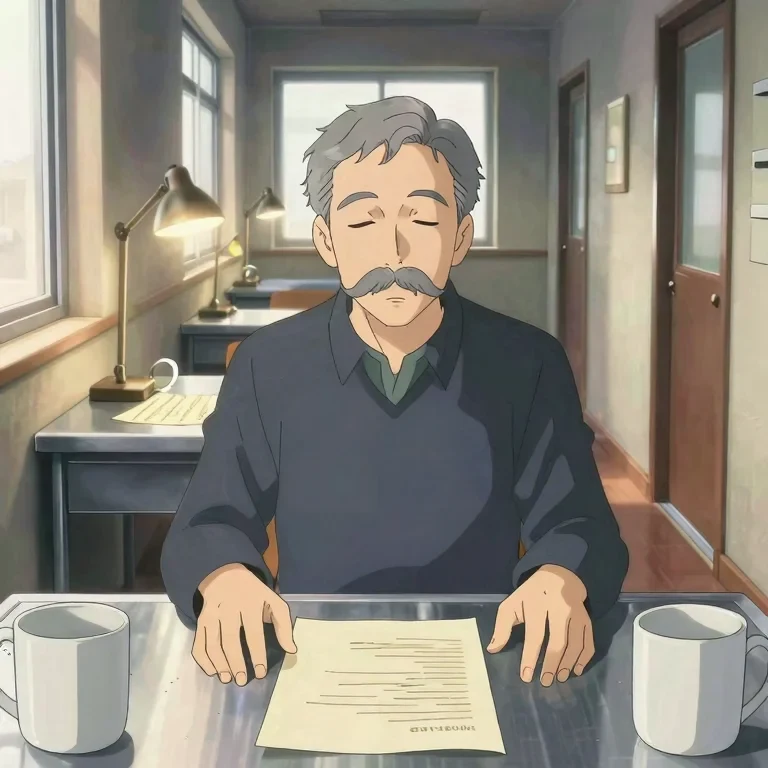
They read it all in a room in the county building over two days, and the words on it were accurate, and every one of them was true. Vera Pallant had written, in 1994, that a woman of eighty-one on bed seven had died at twenty past four in the morning, and that nobody had been on the ward, and that she had rung the family at ten past four, and that nobody came until nine. The insurer's solicitor read that sentence to a jury. The sentence was true. The sentence was about Vera Pallant and it was not about anybody who had let it happen, and the word the lawyer used was failure, and the word the judge used was failure, and a jury of nine people took eleven minutes. Vera Pallant was fifty-four. She left the profession in 1994 and she did not work again.
“She wrote the true thing,” said Valda Roke. “That is the whole difficulty. If she had written a comfortable thing, the family would have had a different afternoon and she would have had a different life, and somebody would have been told, in nineteen years, that a woman had lain there for five hours with nobody.”

Valda Roke kept her own pad in the same drawer, and she had kept it for thirty years, and she did not hide that from anybody, and the audit in 2011 had never asked about it because it had never asked the right question. “That is what I am telling you about the drawer,” she said. “It is not a secret and it has never been locked. It is the only record on this ward of what the chart is not built to hold, and it is a document, and it is about other people, and it will be read, and it will be read as a criticism of whoever wrote it. That is what documents do. They do not read kindly.” “Then what is it for,” said Kiyo. Valda Roke did not answer for a while. “It is for whoever is on this ward at four in the morning and has not got here yet,” she said at last. “It is not for the board and it is not for the family and it is not for you in ten years when you are a sister with a good job. It is for the next pair of hands.”

Kiyo did not sleep that night and she did not decide anything for four days, and on the fourth day she did two things and they were not dramatic and she did them in eleven minutes. The first was a chart entry. It went at the end of the March record, on a fresh page, in her own hand, signed and dated, and it said that on the seventeenth of February a second midwife, Bronwen Sayer, of the district hospital, attended a delivery on this ward, that she arrived at twenty to four, and that the fact of her attendance had not been recorded at the time, and that the omission was hers. It is a sentence of about fifty words. It took two years of somebody's care to become thirty seconds of paper.
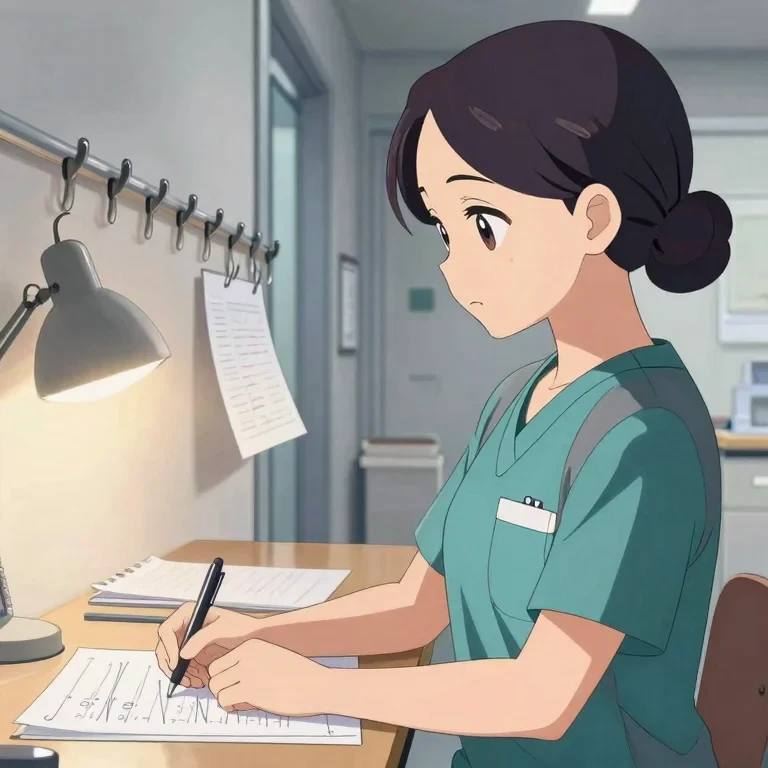
The second was a letter, and she wrote it herself and posted it to the health board, and it was one page. It said that the ward had kept a second set of notes, unrecorded, in a drawer, since before 2011, and that the notes were the record of care that did not have a place on the chart, and that she was disclosing the fact before anybody asked her to, and that she was not doing it to protect anybody. She read it four times before she posted it and she understood, on the second reading, that it was not one page about her and that it was four hundred words that could end three other people's careers depending on which page they were read on, and she posted it anyway.
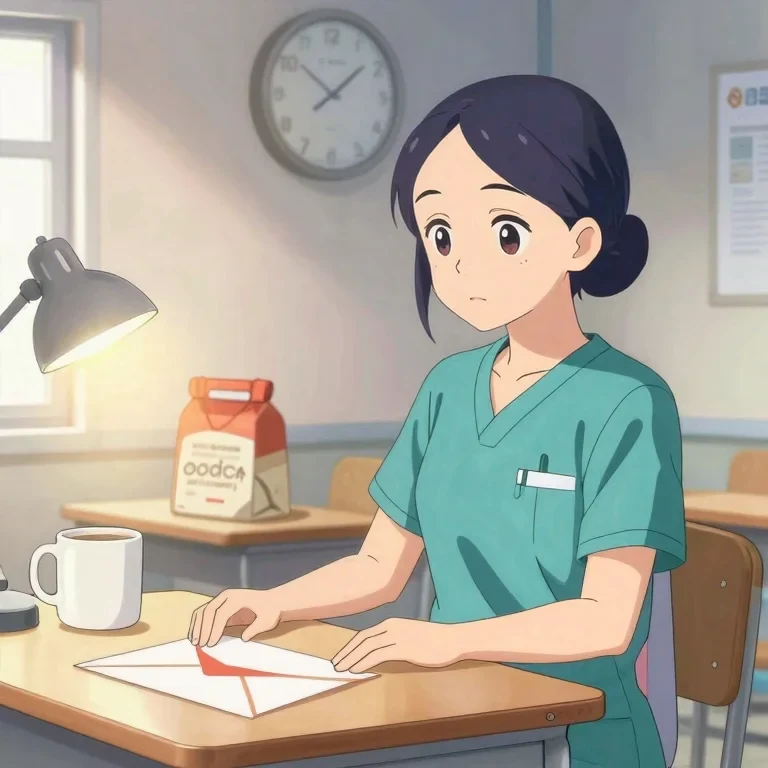
The consequences came through the winter, in the order they came. The board wrote back in nine days and asked for a policy, and a policy is a strange and useful thing, because it says out loud in writing what was happening anyway, and after that nobody on the ward could lose the pad by accident. Kerry Nancarrow wrote to them in February. She said that she had been told she had been on her own, and that she now understood she had not, and that she was sorry it had taken a year. Bronwen Sayer wrote too, and asked whether the trust was going to pay her forty minutes of travel that had been paid for four years, and it did, in March. The chart note went into the audit. The audit could not make anything of it except that the ward had a second midwife in February and no record of it, and the finding was written as a finding, and it went to the board, and the board's response was the policy, and the policy was a better answer than Vera Pallant's thirty years.

And Enid Tarbet's daughter telephoned, which is the part Kiyo had not planned for at all. She had heard from the enquiry, because Enid had been readmitted in March with the fracture, and somebody in the office had told her that there was a note about the first fall. She was not angry. That was the strange part, and Kiyo thought about it afterwards for a long time. She was not angry. She was fifty-one and she had swept glass into a yard bin at eleven at night and she had said stairs because she could not say the rest, and she wanted to know whether the chair was still in the kitchen. It is. They have taken the window out and put the window back with a restrictor on it, and there is a note about the chair in the second record, and the note is nine words long, and Enid Tarbet has been back four times since to talk to somebody about how you are not supposed to say.

The matron retired in the spring. She was fifty-nine when she did, and she had not said she would, and Kiyo has not worked out whether she had decided some time before or whether the letter finished it. She emptied the drawer on her last Friday. There were four pads in it, not one. The oldest had the year 1988 on the front in ballpoint, and was half full, and had been kept by somebody who died before Kiyo started. They went into a box, and the box went into the records office, and it is not in the deep archive and it is not locked, and anybody who asks can see it, and there is a list on the door of the office that says what is in the box in one line, and the line says: second notes, ward, 1988 to 2019, kept by the ward, open to anybody who asks why.
And the new pad is in the bottom drawer of the desk at the end of the corridor, behind the spare forms, and it has a date on the inside cover, and it does not have Kiyo Marn's name on it, and the first entry in it is in her hand and says: bed four, ten past eleven, drain blocked, dealt with, no box for it. A document written to be read by someone else is not the same as a record. A profession that has only the first kind has lost something it cannot get back by being careful.