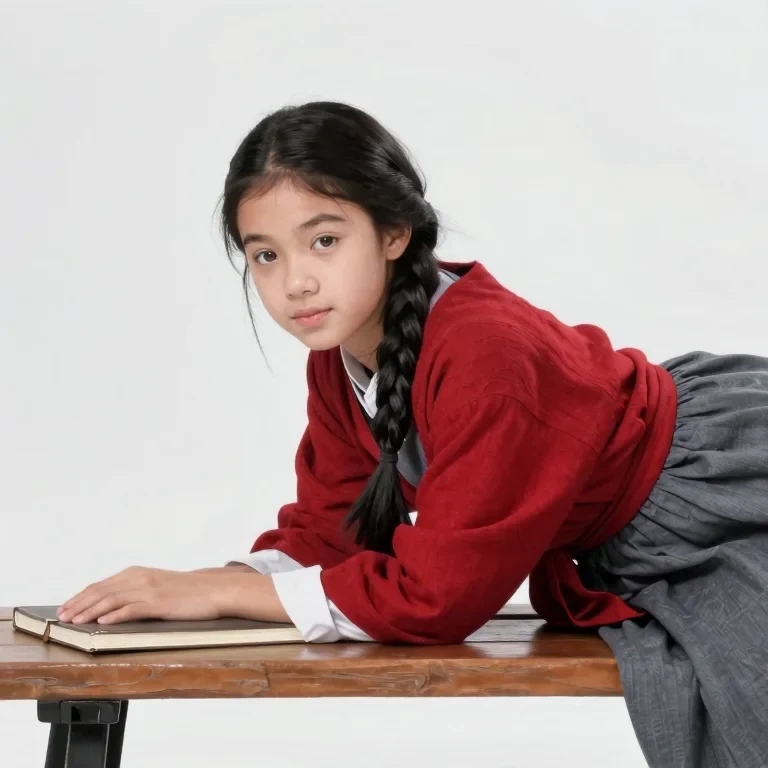
Wenna Trewin was thirteen, with long black hair in a braid and a red shawl over a grey frock, and she wove baskets at a withy bed by the river at Burrowbridge. Withies are willow rods, cut in the winter when the leaf is off the tree, with a billhook and never pulled. You cut a willow stool every third winter and the stump grows again.

Her mother had woven at that bed for thirty-one years. The winter before, a hard frost had killed a whole row. She had put one extra long stake in on the left-hand side, for a deeper basket one day. Wenna was weaving a fish basket for Mr Tilley, who keeps the fish pound at Burrowbridge. He wanted it twenty-four inches across the top, eighteen across the bottom, and eighteen deep.
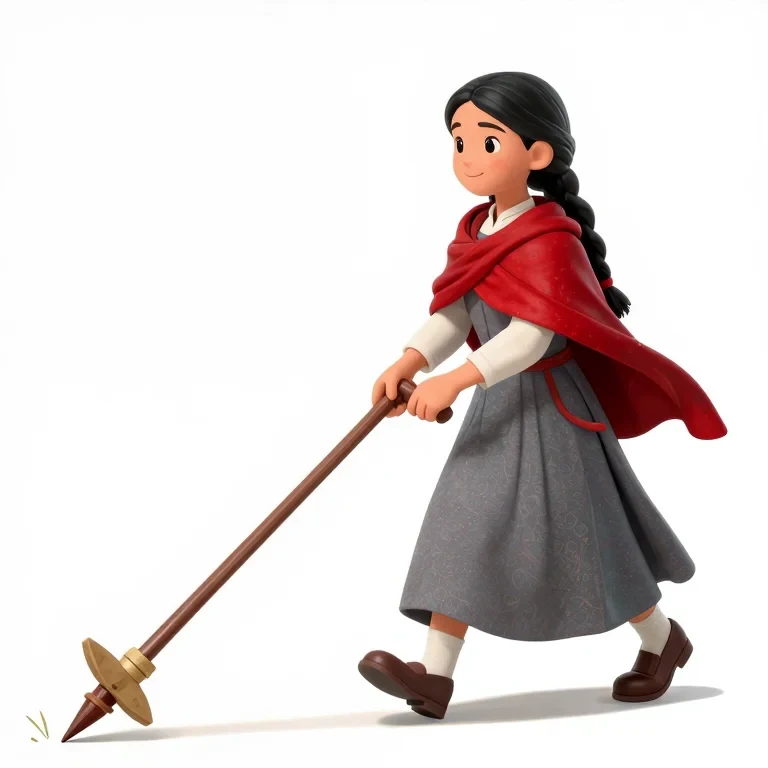
She set the stakes out in the ground in a ring. She counted the front at eight, the back at eight, and the right-hand side at eight. She always counted the stakes twice. Once going round to the left, and once coming back the other way, and the two counts had to agree. The left-hand side had nine that day.
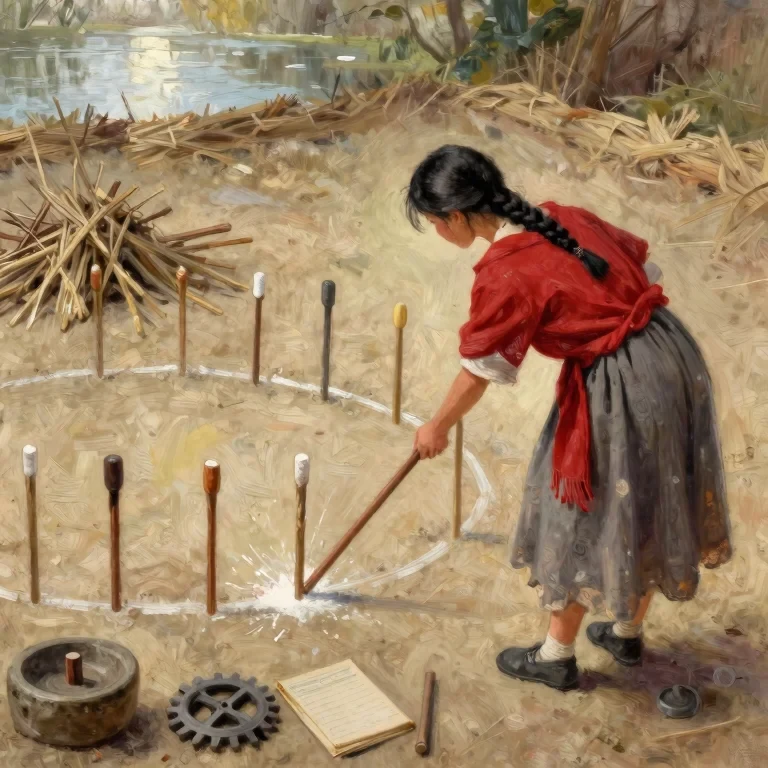
Thirty-three. She counted a third time with a stick, pushing each stake down as she went, and got thirty-three again. The rods went over two stakes and under two, and over two more and under two more. Every rod crosses four gaps, so a ring of thirty-two wants eight rods all the way round. Thirty-three wants eight and a quarter. A quarter of a rod is not a thing anybody can weave.
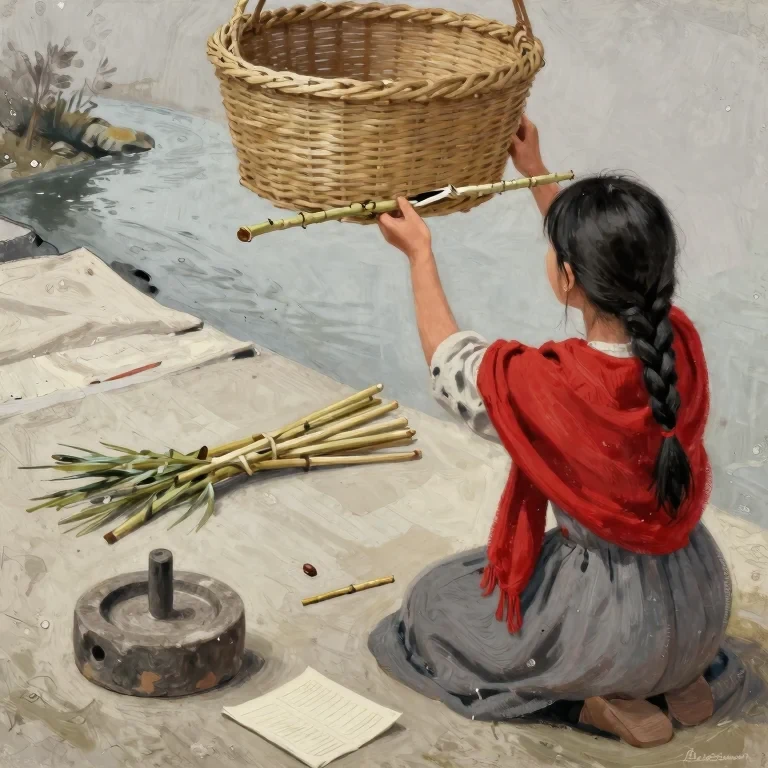
With an odd count there is one gap where a rod lies over another rod and nothing goes under. The weave runs crooked from the base to the rim, and the wall will not draw in, and the rim will not close. She had been at it two days. She knew about the join on the first morning and said nothing, because a bad join is your own fault and not the withies' fault.
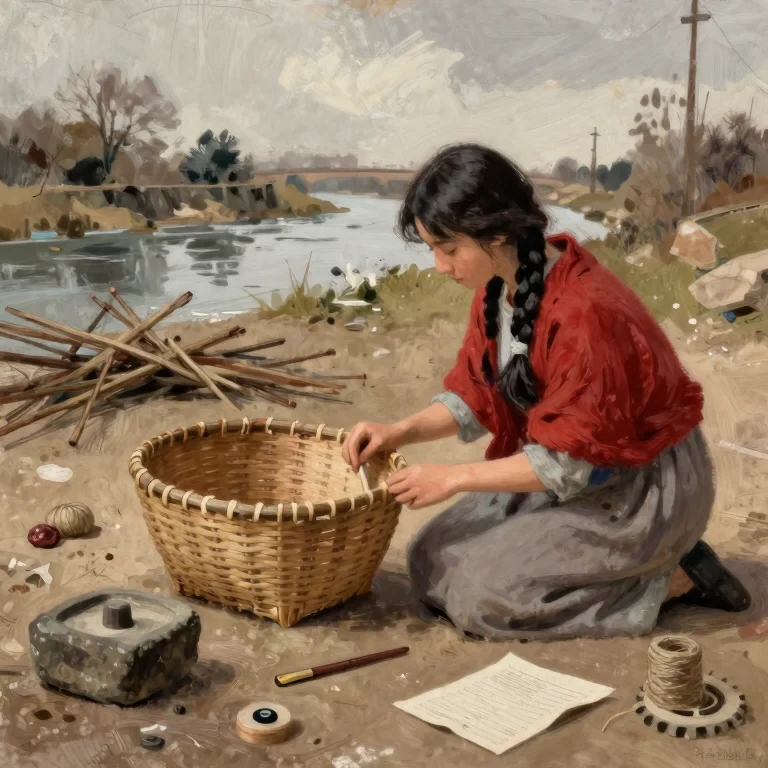
Mr Tilley came on the Friday and put his thumb into the gap at the join. Wenna told him it was not finished. He said he would come back on the Monday. There was no way to mend it. You cannot take a stake out once the base is woven round it. She sat on the wall a while with the basket in her lap. Then she unwove it.
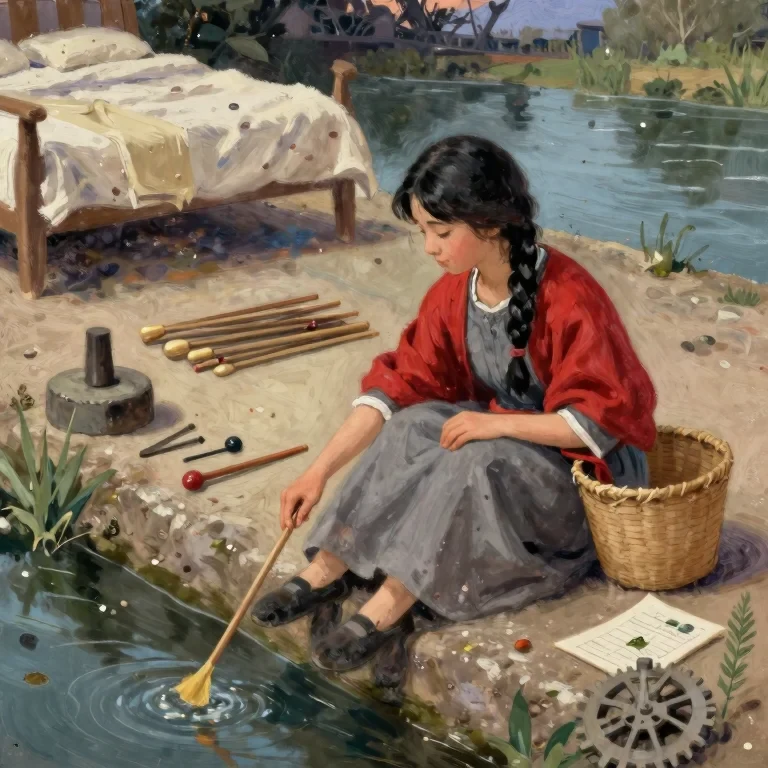
Unweving is not tearing. You take the rods out in the order you wove them, beginning with the row just above the base. You lay them in a heap in that same order, longest first. Her mother let her do it. She sat on the wall and turned withies to keep them out of the way. “They go back in the same order they came out,” her mother said, “or you have cut yourself a new basket.”
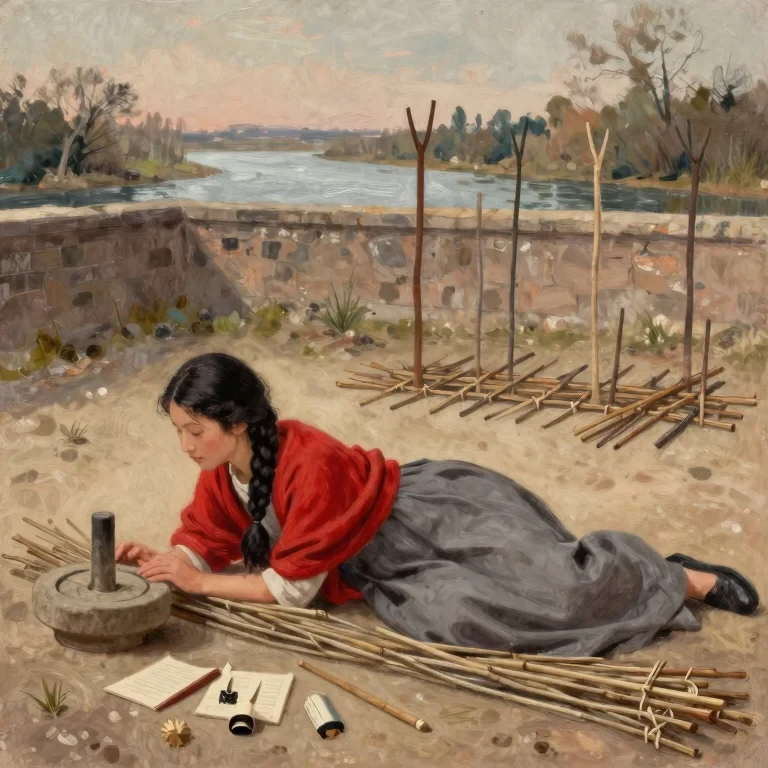
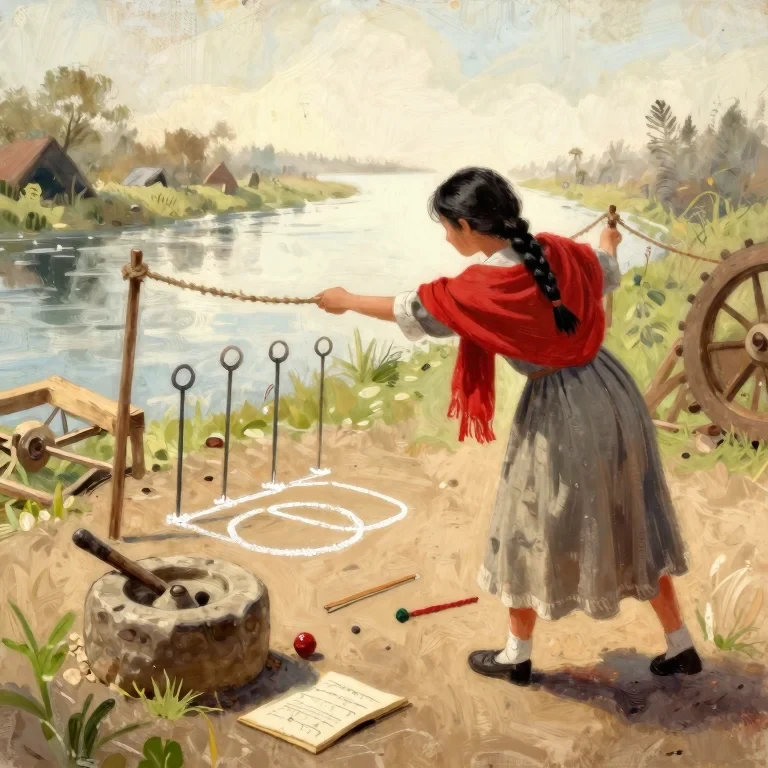
When the base was bare she lifted the ring of stakes off the ground and counted them again with chalk. Eight at the front, eight at the back, eight on the right, and nine on the left. Thirty-three. She took the tarred twine off the ground and stretched it between two pegs, and marked it with chalk. Thirty-six marks this time, evenly, with the stakes a finger closer together. Thirty-six divided by four is nine rods round, and nine rods round a ring of thirty-six comes true.
Side rods have to be longer than the basket is deep, because the rim draws in as you weave. The withies had been cut in February and kept under straw. They had gone stiff and brown, and the first one she lifted cracked in two places. She put them all in the horse trough under a stone and left them overnight.
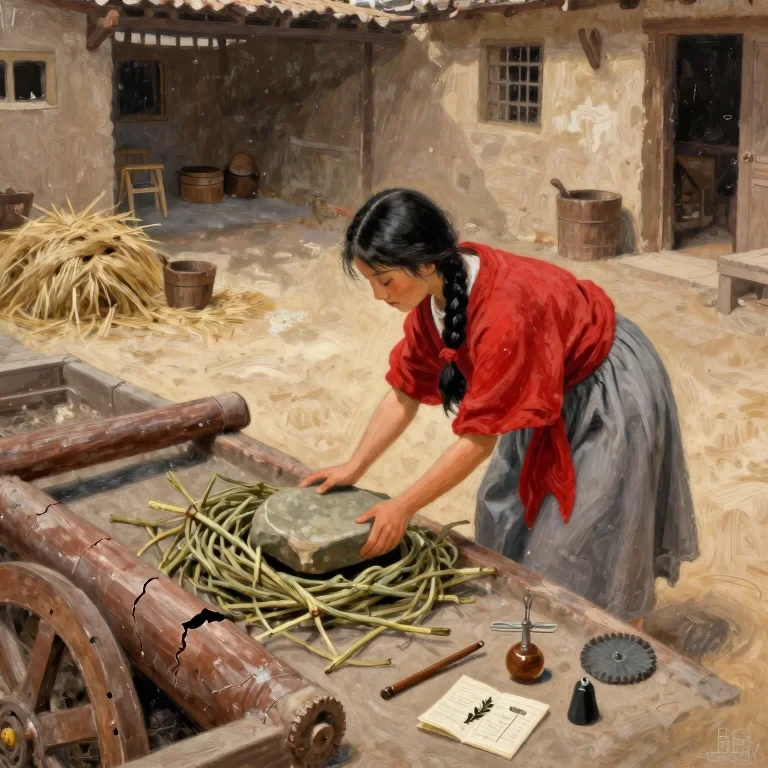
She wove it on Monday and finished on Tuesday at dusk. The soft withies split less than the stiff ones, and the last rod came in tight. She drew the rim in with both hands until it closed. Mr Tilley came on the Wednesday with his own rule and measured it across the top. It was twenty-three inches and a half. He had asked for twenty-four. He put his hand in and his thumb touched the bottom. “It'll do,” he said.
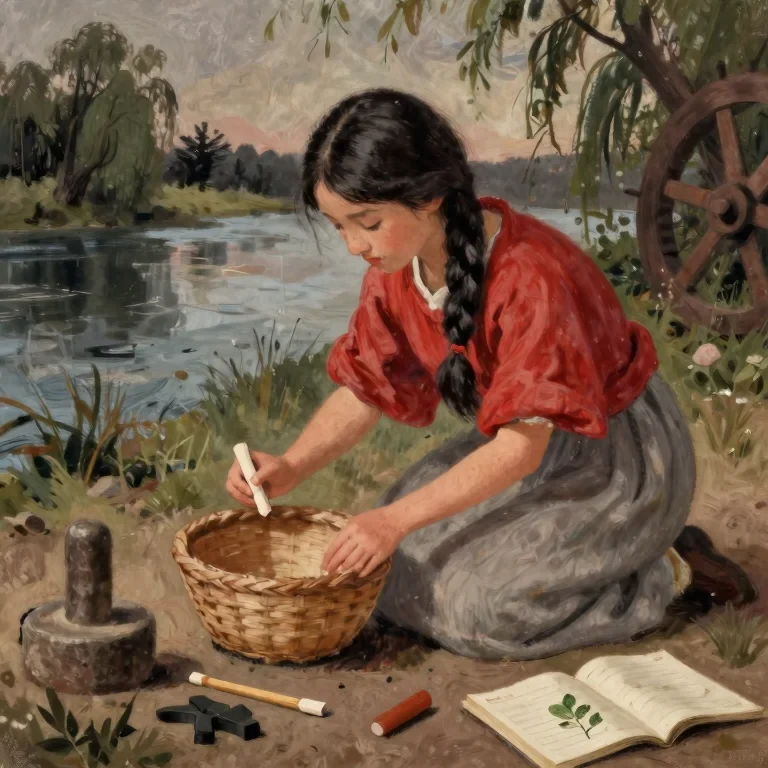
Wenna wrote the number in the book at the end of the row. Half an inch short, in her own hand. The heap of rods was still under the bench. She sorted them by length and used the longest for the sides. The short ones went into little baskets for onions. Two days late, the fish had gone into a crate instead of the basket meant to hold them.
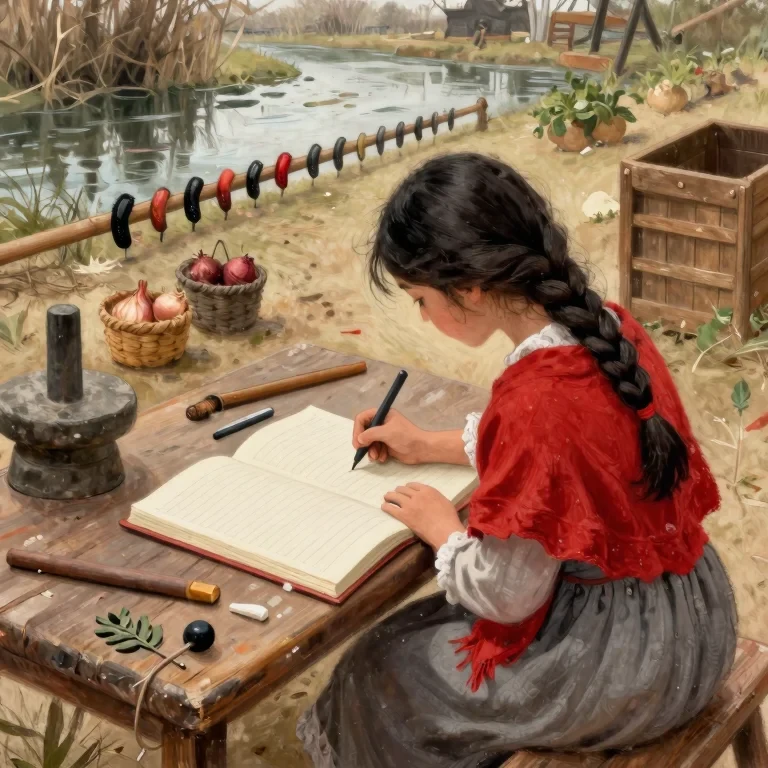
She closed the book with the twenty-three and a half still in it, and it was going to stay twenty-three and a half.