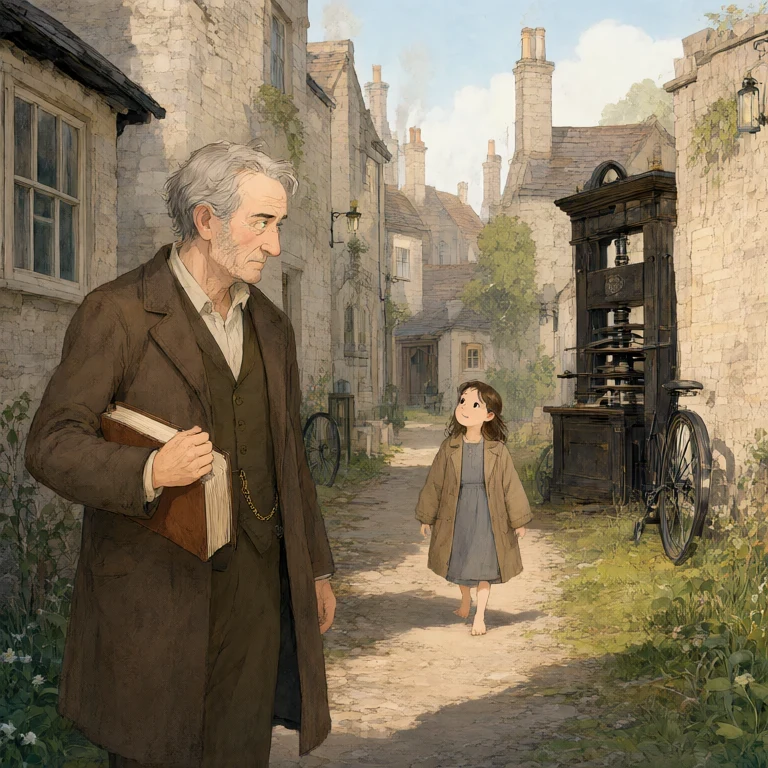
The calling was issued on the Tuesday out of the roll room above the tithe barn, to be served on the Thursday, and Ivo Colm had the seven numbers of the row down one side of a slip in his own hand.
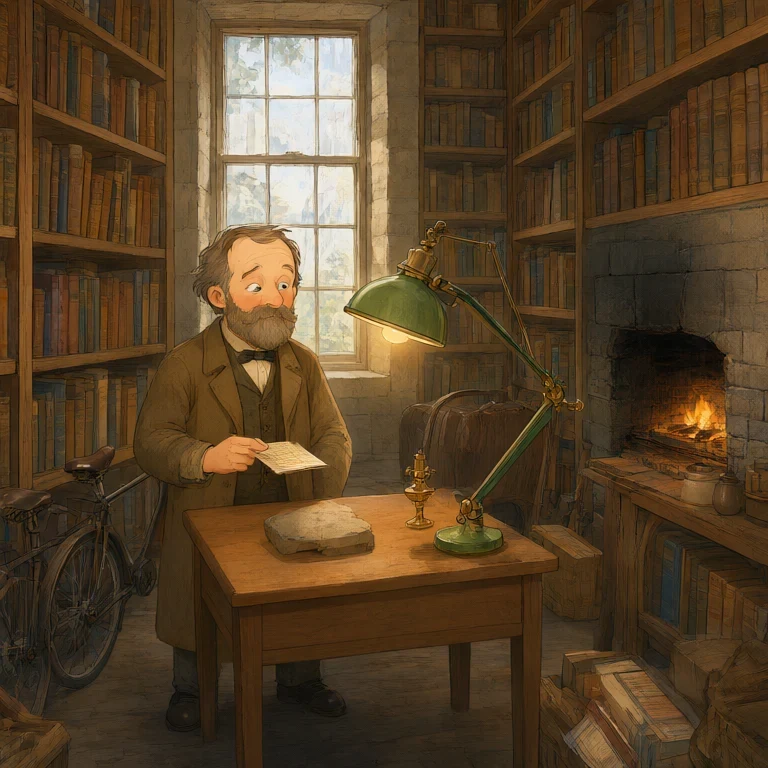
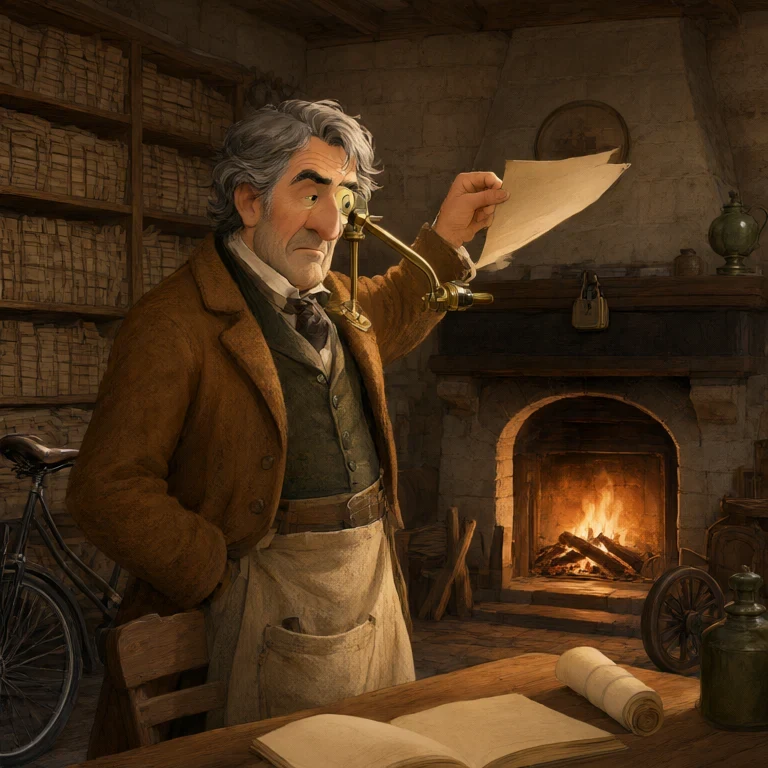
The cataract had been in his left eye since the spring before last and he read around that one now, holding the page a yard off and to the side, and by eleven o’clock he had the numbers by heart and could not have told a six from a nine. The green brass arm stayed bolted to the desk, because an arm cannot be taken to a lane and come back the same.
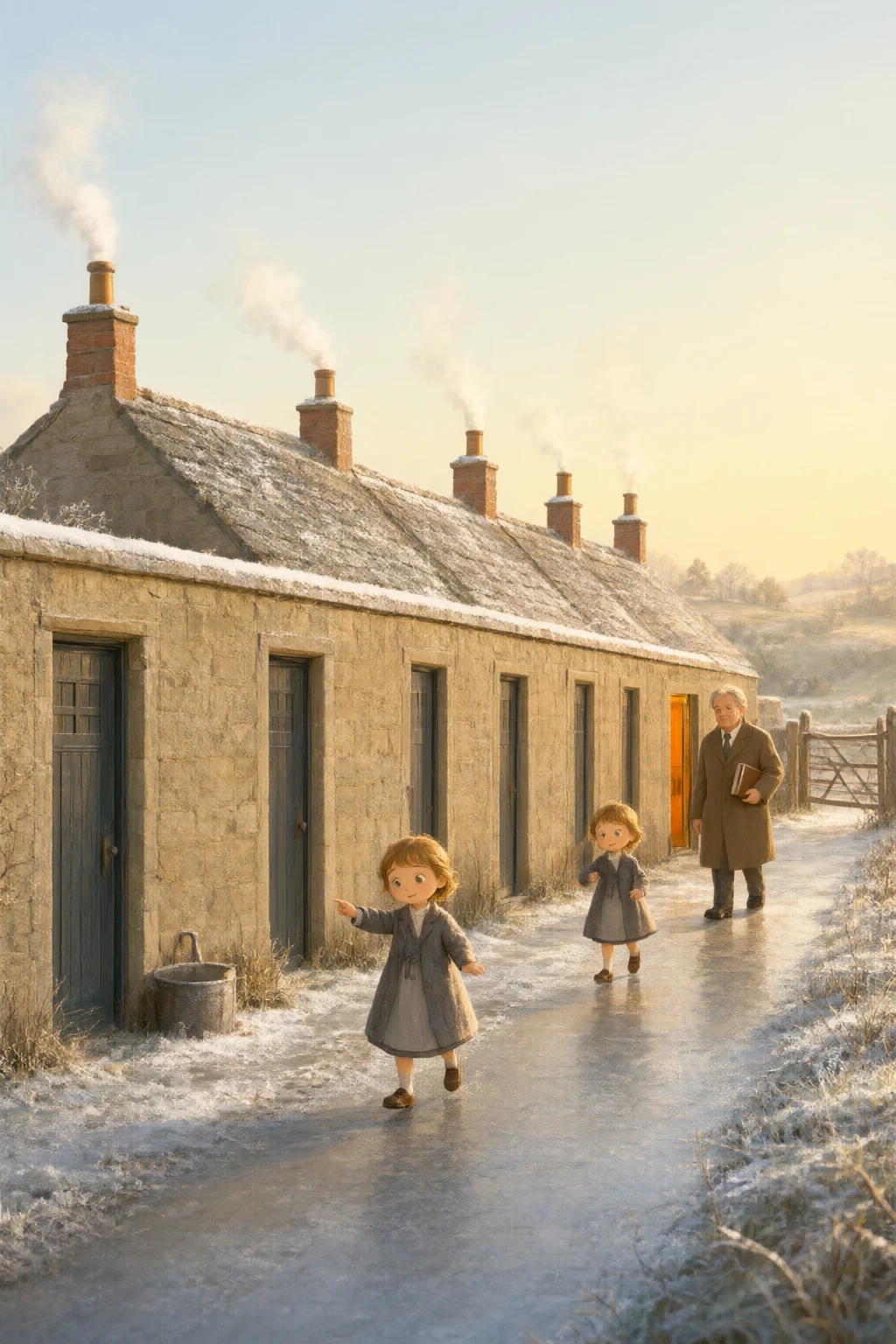
The frost was hard. There was ice in the sheep trough at the bottom of the pasture, the smoke off the seven chimneys stood up straight and did not lean either way, and the coping stone of the nine-foot wall was white along its whole length. Mira Ottery walked behind him with her hands inside her sleeves.
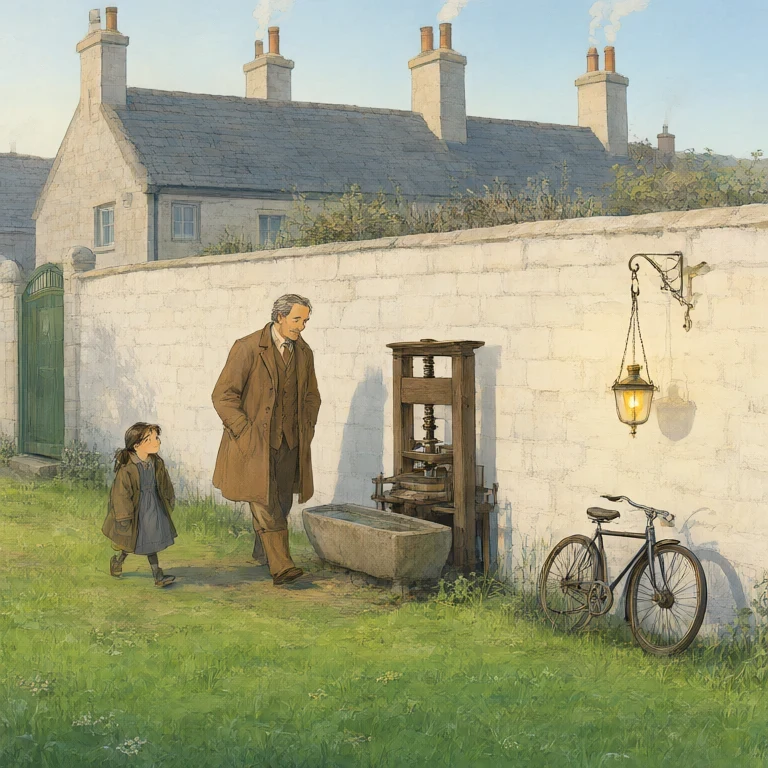
She was staying the whole of that week at the fifth stand, and she had been awake since half past five, three hours before any child in that lane was asked anything, and she had not told anybody, and she had not been asked.
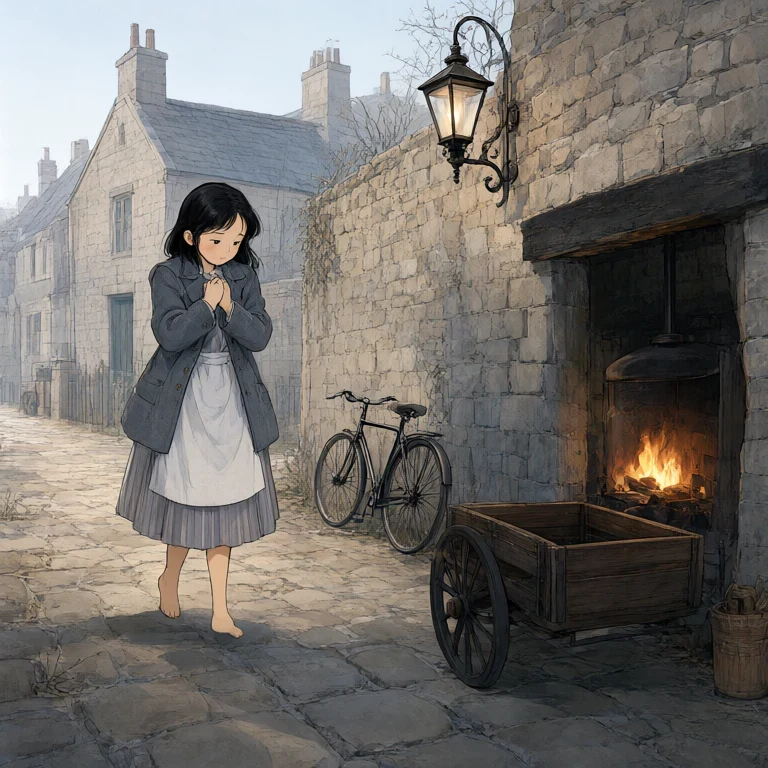
“A calling is not made in a market,” Ivo said, “and it is not made in the roll room either, because the roll room is not a house and a covenant wants a house to sit in. It is made in the houses. One in each. In order, first to seventh, because the row is older than the town.” “Does the order matter?” Mira said.
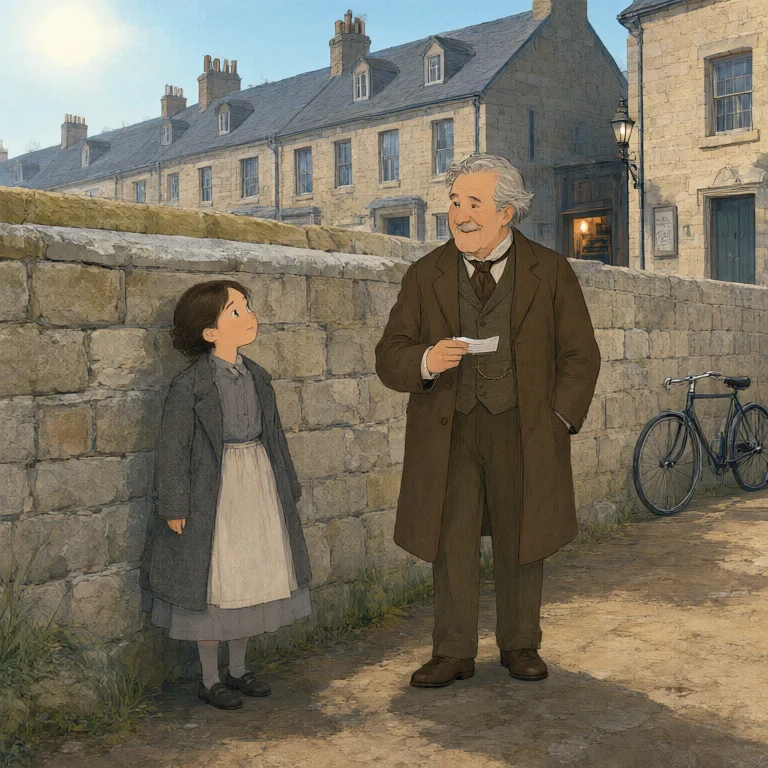
“It matters because each man must answer for his own holdings and not one of them may answer for another. And if I had them all in one room, and they all answered there, the answers would sit in that room and not in their houses, and there would be seven answers with nowhere to live.” He turned the slip over. “A word needs a roof, a witness, and a house. I have checked them.” The first door was thirty yards from the gate.
The house was a limestone box with its front to the wall and its back to the town and one door and no gutter, like the other six, and the door stood open because the fire inside was worth the loss of the heat. Old Brannic Sallow was sitting in front of it with a blanket over his knees, and the soot above the lintel was as black as it had been in every census since 1831, because the fire in that hearth had never once been let out.
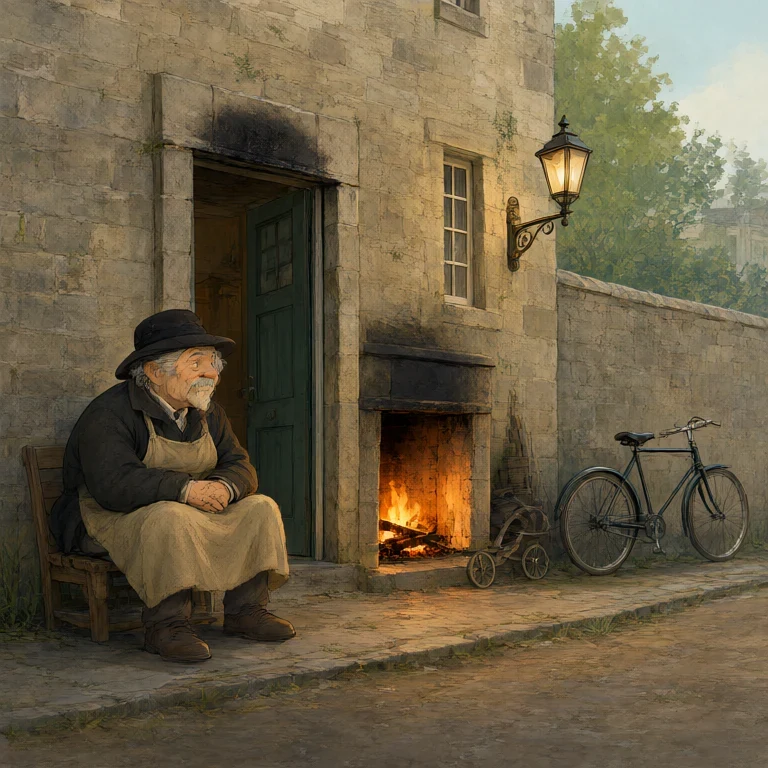
Ivo read the calling word for word, standing on the step, and Mira stood beside him with her face turned to the hearth. The old man let him finish. “That is not an answer,” he said. And then nothing. Not for a minute. Ivo Colm stood on the step with the stub of pencil out and did not put it to the paper, and after a while he put it in his pocket and went down the step. It would not move again that morning.
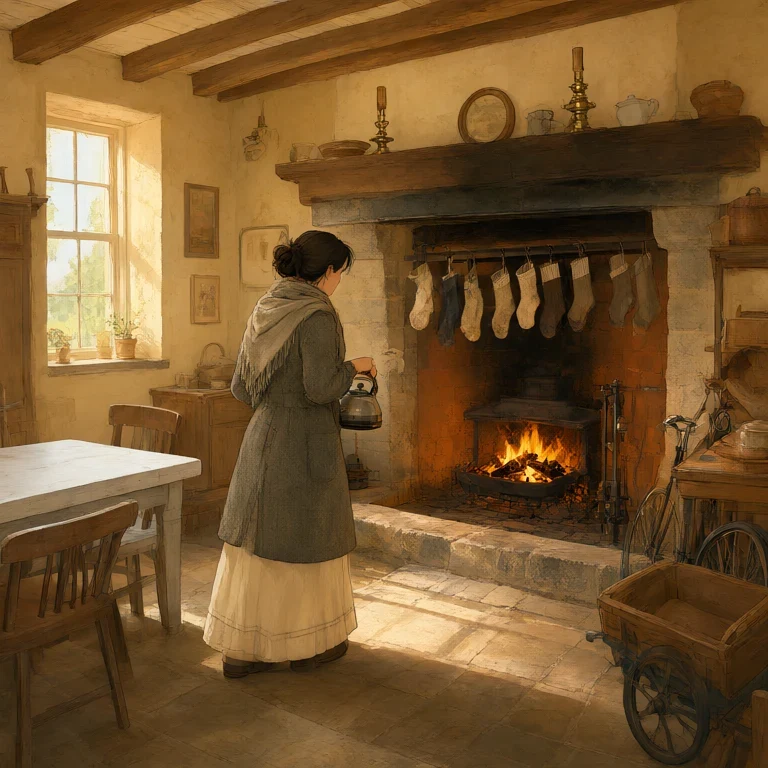
The second door had a kitchen you could have held a wake in. The long table was scrubbed white, the drying rack stood over the fire with socks on it, there was a stone in the hearth with the fire built round it, and a chair at the far end that nobody in that lane would sit in, for reasons from 1971 that people knew and nobody would say out loud. Halla Dree put the tea down and turned the kettle off the hook.
“What happens to the strip between the fifth and sixth gates,” she said, “if the answer was given in fruit on Monday and the fruit is in a body?” Ivo Colm read her the previous entry exactly. The strip is held by nobody. The strip is held by nobody. The strip is held by nobody, twice a year since the year the covenant was made, in a hand that had never found a better line. “The strip is held by nobody,” he said, and waited.
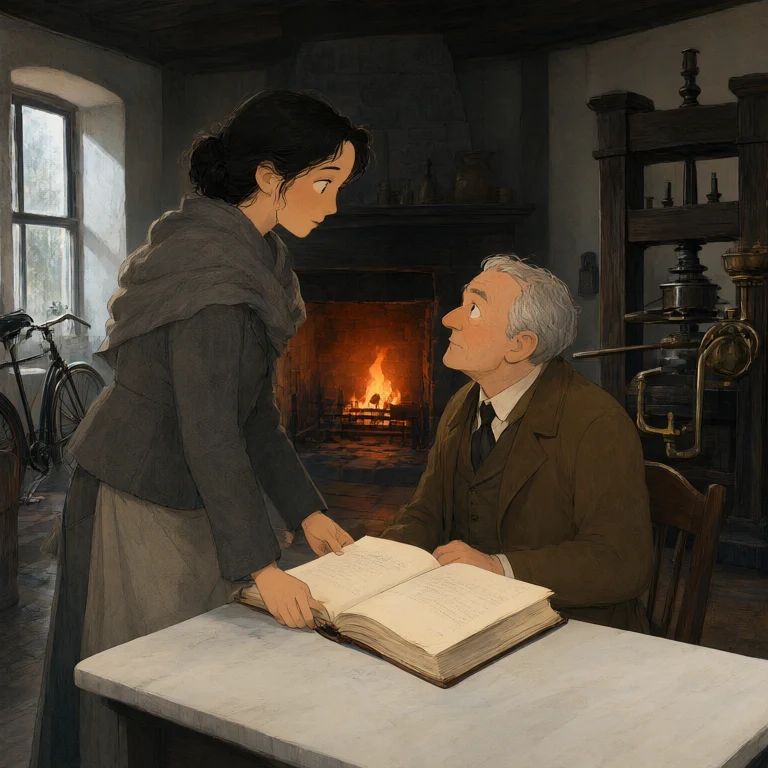
“That is what you said in March,” said Halla. “And in September, and the September before it. That is the fourth house I have asked that in, and I have had four different answers, and I have stopped counting which one was which.” She set her hands on the scrubbed table. “Ask me the question in the words.” “The question is on the slip,” said Ivo. “The question on the slip is not the question I was asked in the second stand’s kitchen, and you know it is not, because you have read the 1971 entry and so have I.” He did not read the 1971 entry. Mira, in the doorway, watched him decide not to, and watched him say that the slip was the calling and the calling was what he had.
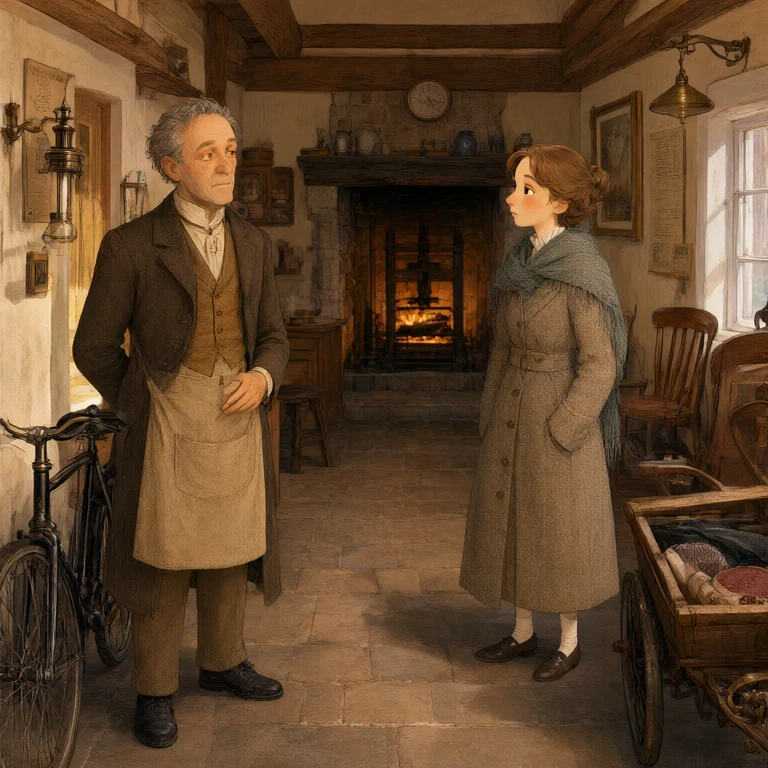
The third door was Tam Kelder’s, and he had his coat on over the lining, and a lamp in his hand, waiting. “Sit down,” he said, before Ivo had got his breath. “Sit down both of you, because it takes eleven minutes, and I am going to do it in the order it is written and not one word sooner, and you will not stop me, and if you try I shall become unpleasant.”
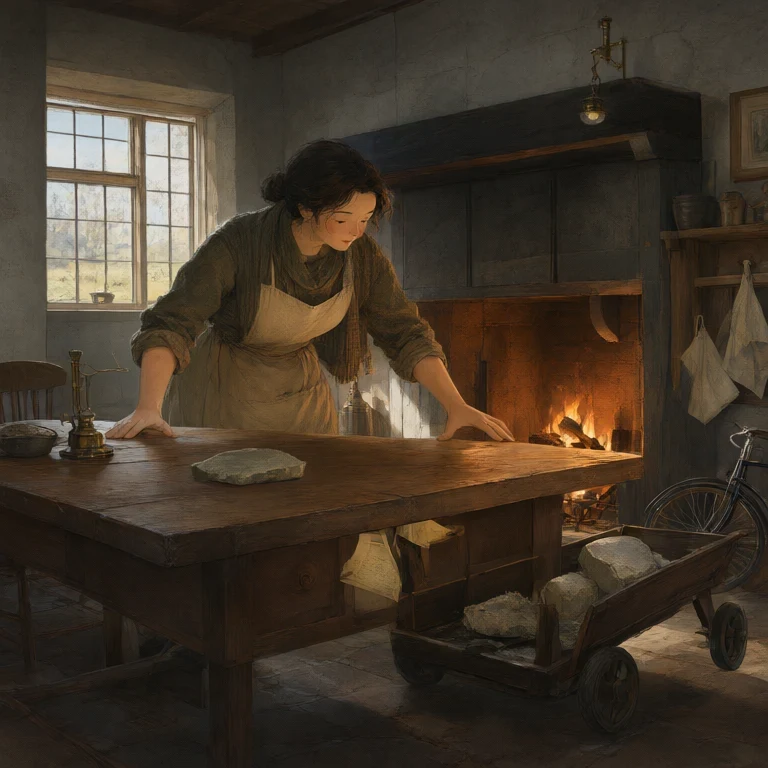
The third stand’s room was the same room. That was the thing nobody got past by the fourth door and what nobody believed at the seventh. All seven were built by the same masons out of the same limestone, one room deep with a hearth in it, and a house in Coldhay is not its walls, it is its fire, and so all seven were the same room with a different fire in it.
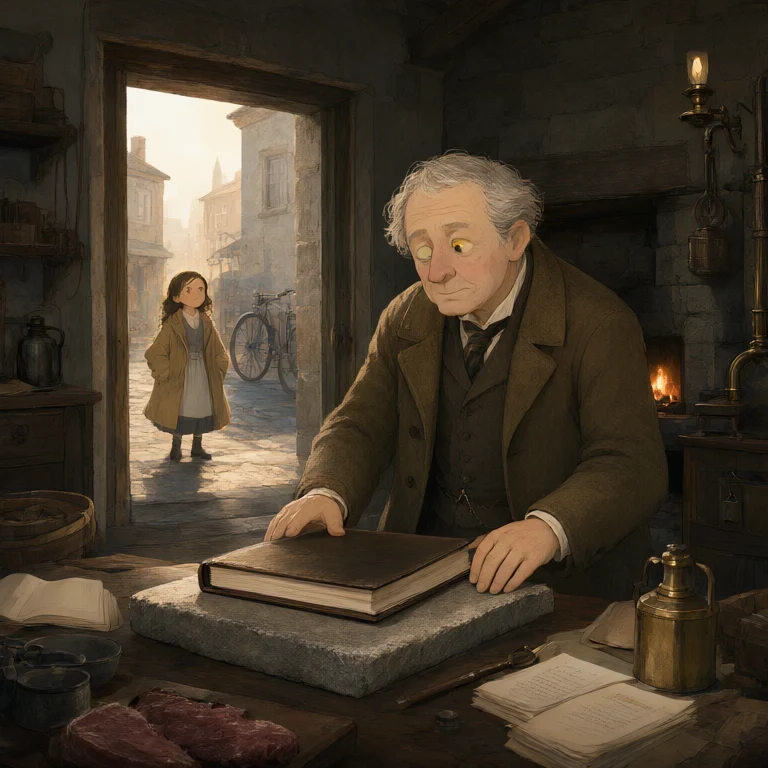
Tam read the calling as written. He read the words a house of seven may be called, and that all seven must come, and that each must answer for their own holdings, and that one may not answer for another on any grounds, including love, and he read them with his head slightly to one side, the way a man reads a thing he has read before and expects to be stopped and is not. “That last one,” said Ivo, when he had finished. “Including love.”
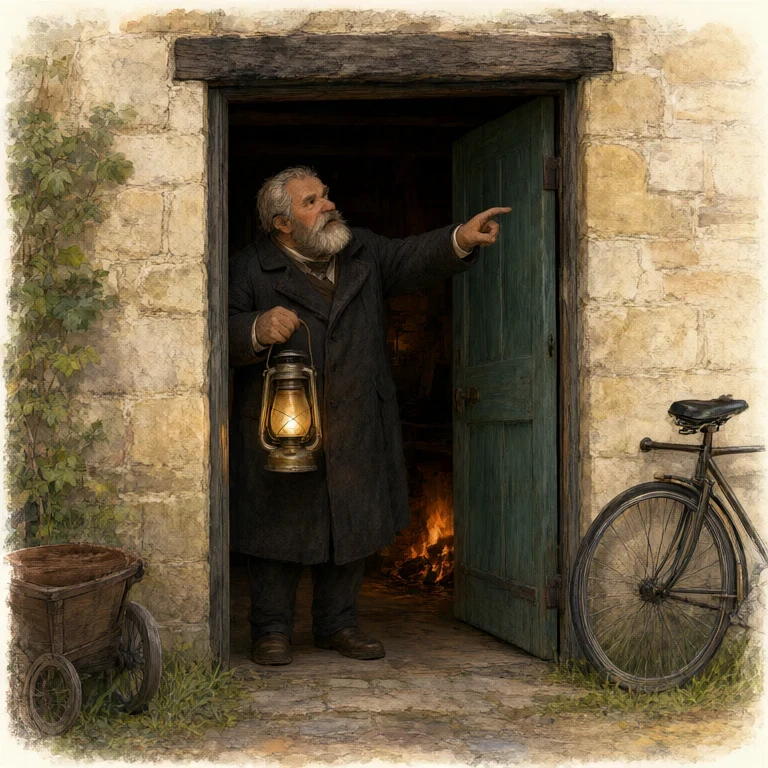
“It is in the roll and it is in the covenant and I did not write it and I cannot improve it,” said Tam. “And nobody has ever asked me to read a thing quickly, and nobody ever will, and that is not a complaint.” “You have read a covenant out loud in your own house,” said Ivo. “I have read it out loud,” said Tam. “A covenant is not made twice by being read. If it were, half this row would be off at the wool yard by Candlemas with our bits in our hands.”
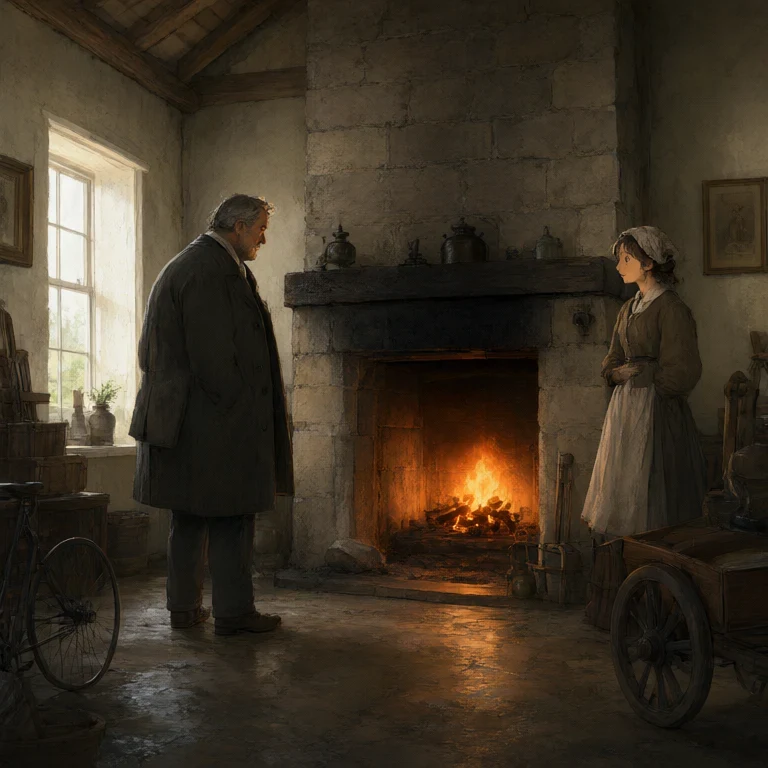
He put his hand flat on his coat, over the lining, where a small hand-bound book was that had what the six of them had said in it, and had never been used, and had been asked for twice. “That is not the roll,” he said, to Ivo, before Ivo had asked. “No.”
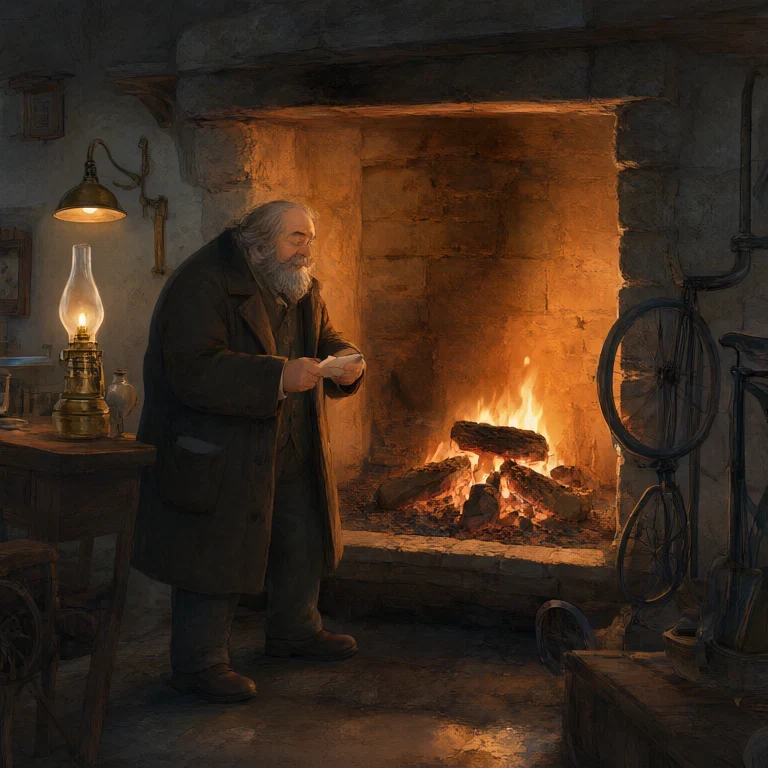
The fourth had a bad chimney and kept the fire low for it, and gave his answer without being asked twice, in a voice like a man reading out a sum. The fifth door was thirty feet from the fourth and the two houses were the same house.
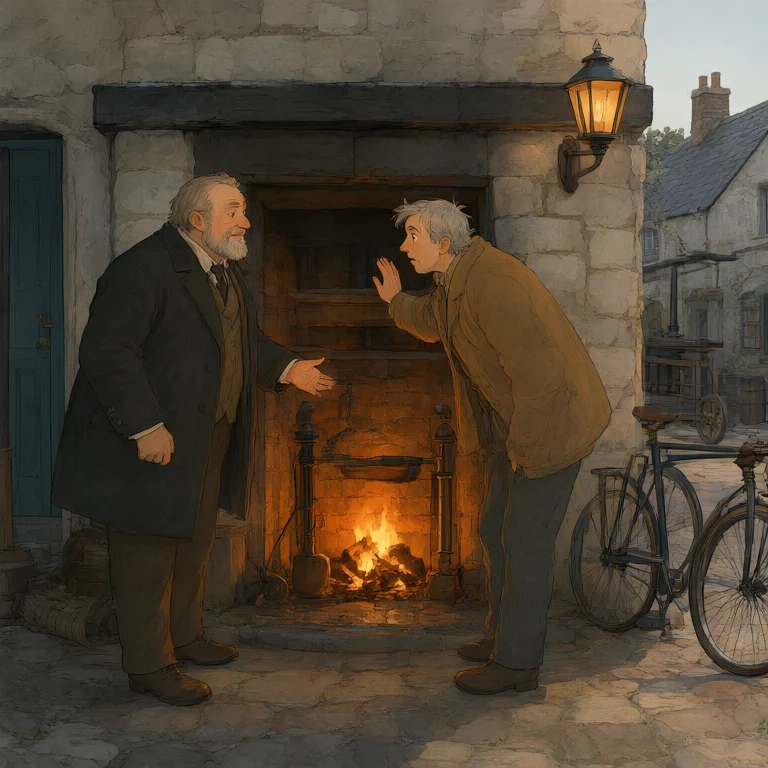
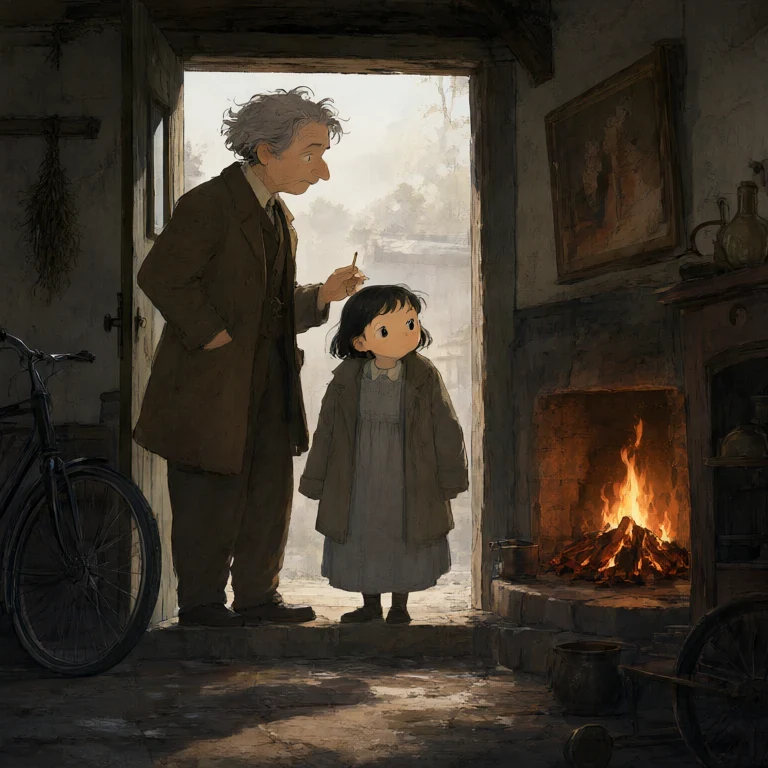
Pell Ottery had the fire up and a cloth over it and a pail of scrubbing water by the table, because the room does one thing at a time in this lane, and on a Thursday that is the floor. The back room door stood open, and behind it the bed was made and the flagstones cold. “Was she asleep here last night?” said Ivo.
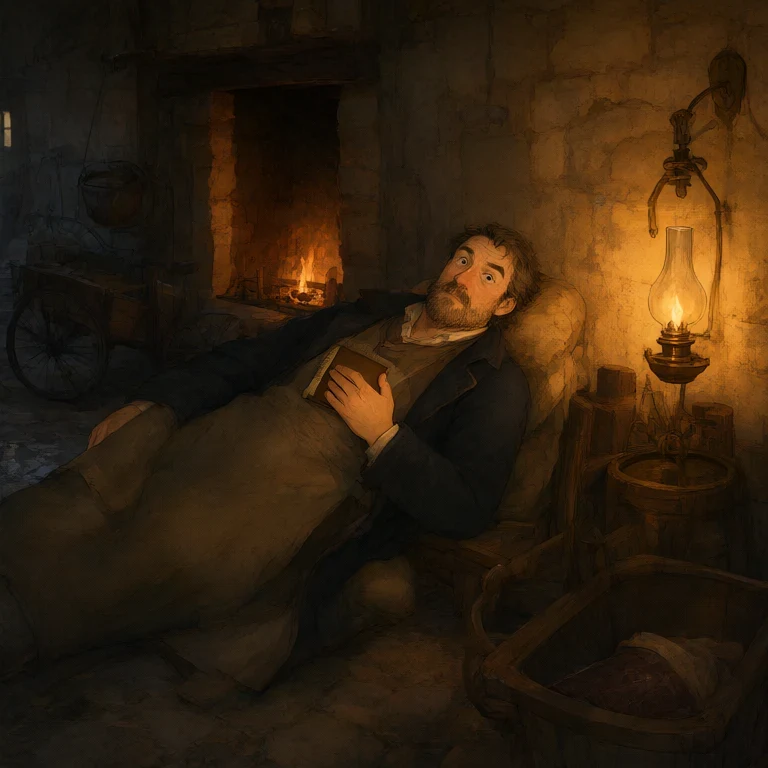
“She was,” said Pell. “Four nights, she is. She was asleep when I put the cloth over the fire and she was asleep when I came up at eleven, and she will be asleep now, and you are standing in a house that cannot hear you.” “So it is good I did not serve it here,” said Ivo, and he made a mark in the book against the fifth, and wrote a line, and Mira, in the doorway, could not see what the line was and did not ask. She said nothing at all for the length of that visit, which was a first for her, and she had never been quiet in a room in her life.
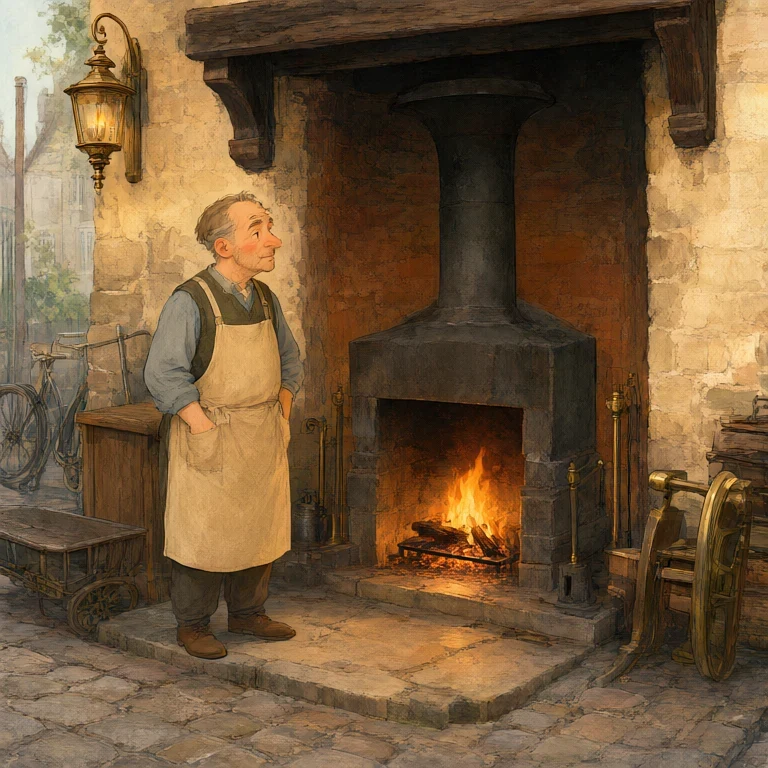
The sixth was forty years in the sixth stand and had a gate he painted every spring, and he was out on the step before Ivo was up the lane. “If the fifth cannot answer for herself in her own house,” he said, “then I will answer for the fifth. I will take the fifth’s part of the strip on my own holdings and I will say it here, and you can enter it, and she need never know.”
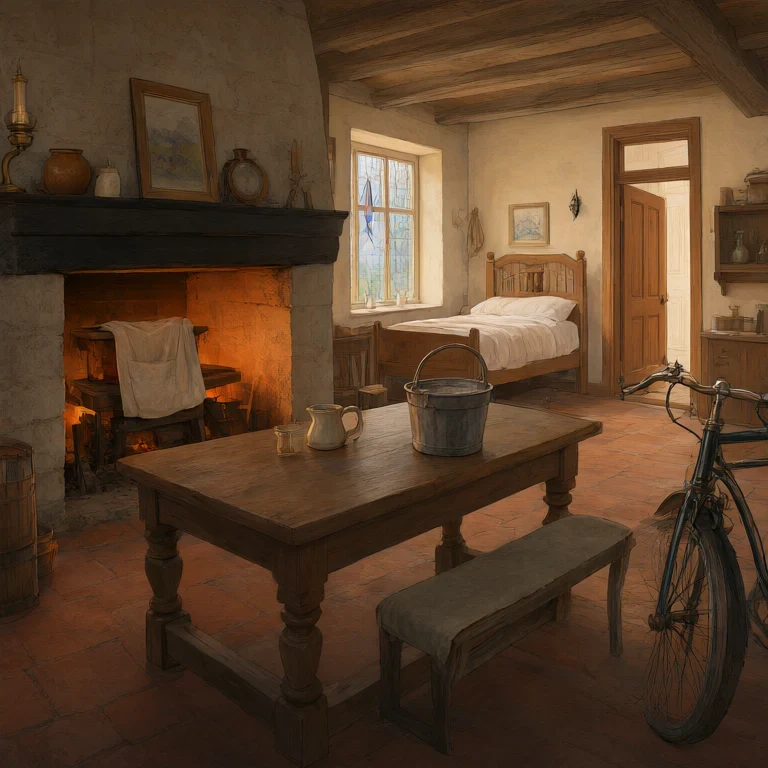
He said it under his own roof with the two of them in his room, and it was a word in a house with a witness, and it was binding him for a year before he had finished the sentence, and the one thing a calling cannot contain is one holder answering for another. Ivo Colm opened the market book, found the entry for the sixth in the September, read it out exactly, and then waited, with his face shut, as though the line might finish itself. The line did not finish itself.
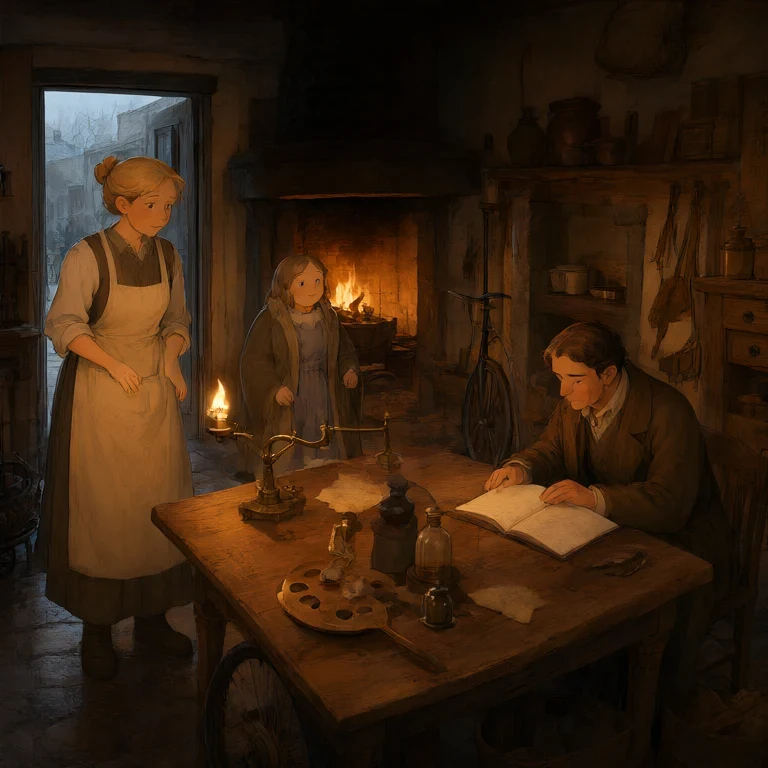
The sixth man looked at the floor of his own room for a while. “Then I will not answer for the fifth,” he said. “That is better,” said Ivo Colm, and entered it, and would not tell either of them that he had wanted to enter the other version first.
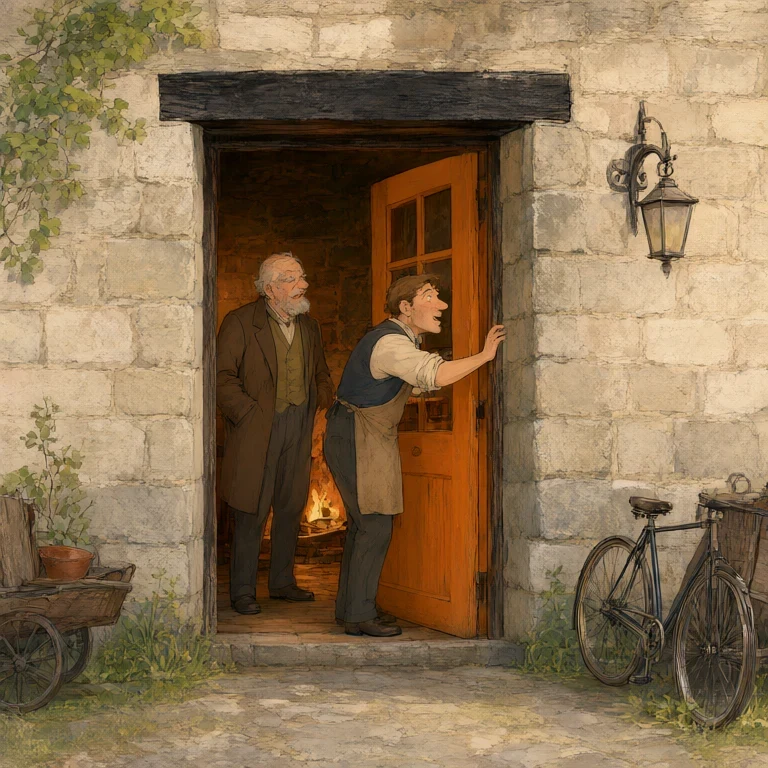
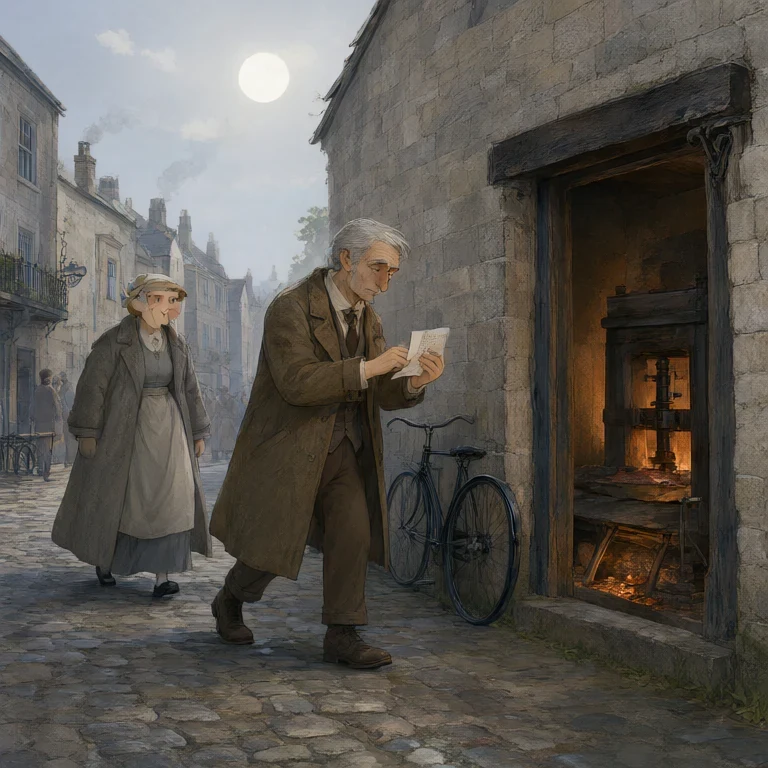
By eleven o’clock the light on the wall had gone the colour of a wet slate and the cold had got into the lane, and Ivo Colm stopped in the middle of it, because the row from that spot is one house repeated seven times, and he had lost his place. He held the slip up. Seven was seven, and he had a book with six marks in it, and one house to go, and he did not know which one it was, and a pencil is no use in a lane. “Which is this one?” he said.
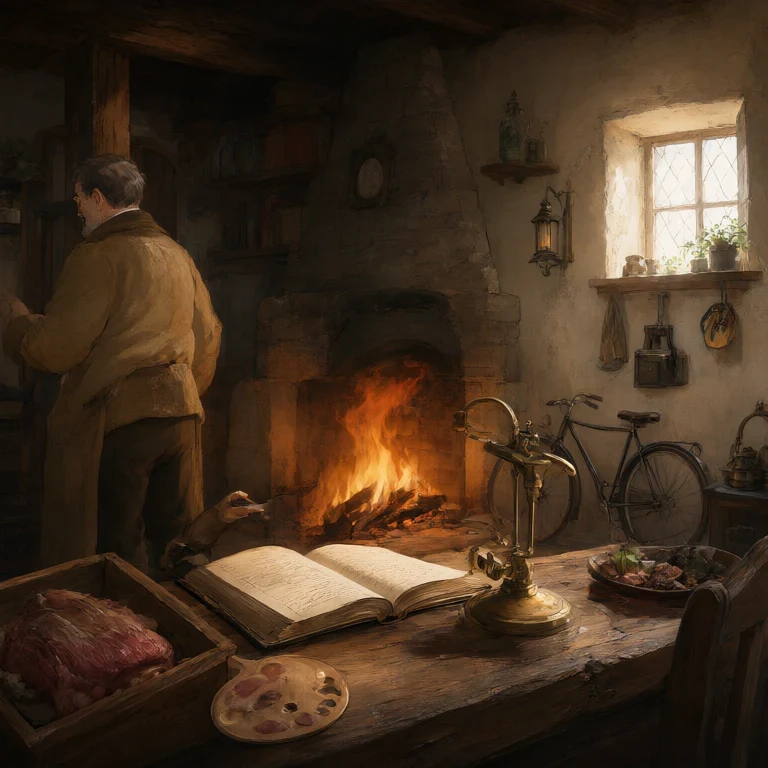
Mira took her hands out of her sleeves. “Seventh,” she said. “Why?” “Because I know what that one’s fire is saying.” “Can you say it to me? In words. I have to put it in the book.” She shook her head, and she was not being difficult about it, and she could not have done it if he had paid her.
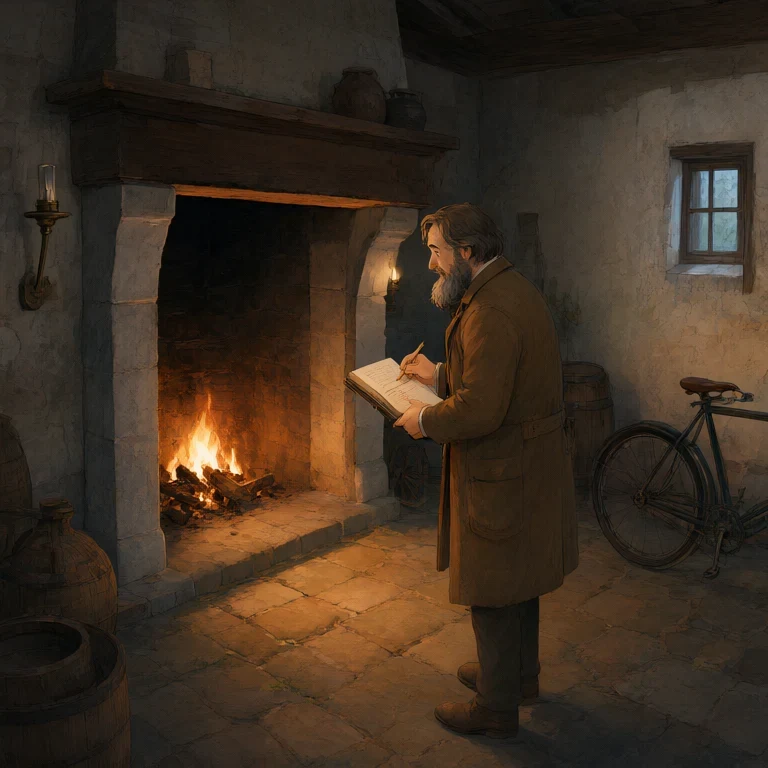
Nobody in Coldhay could tell her how she knew. She slept in the fifth stand four nights a week, and she had woken up in rooms at all hours for as long as she could remember, and the only thing ever different in them was the noise the fire made when it was fed, and she had never once been wrong. The slip said seven and the child said seven, so Ivo Colm went up the steps of the seventh and knocked.
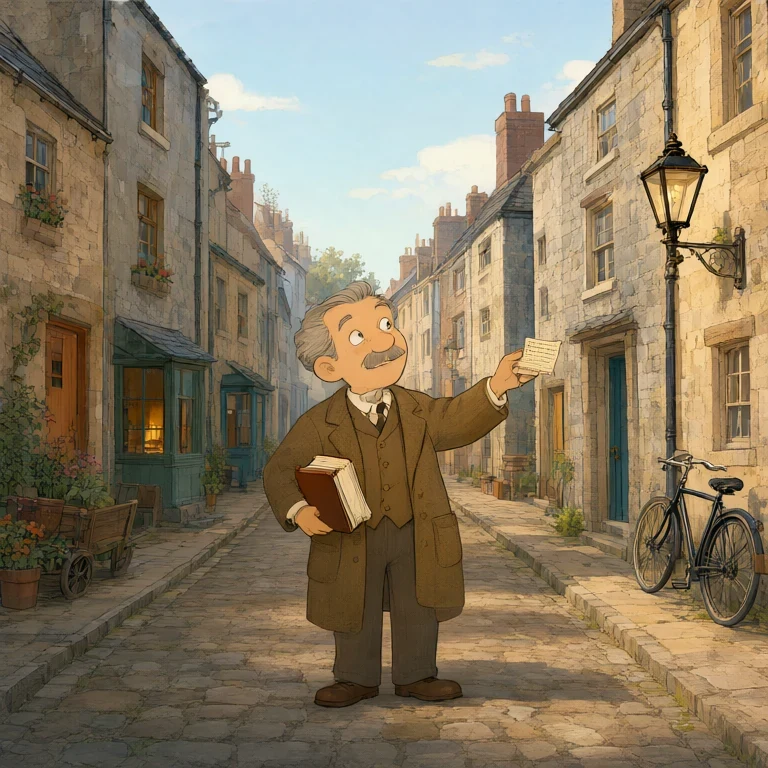
The seventh kept the strip and knew what it was, and had known for nine years that it was eleven feet wide and the gate in the wall had gone out with it, so that the seventh gate stood in the wet pasture with the wall behind it, and eleven feet of field boundary stood out there keeping the sheep in.
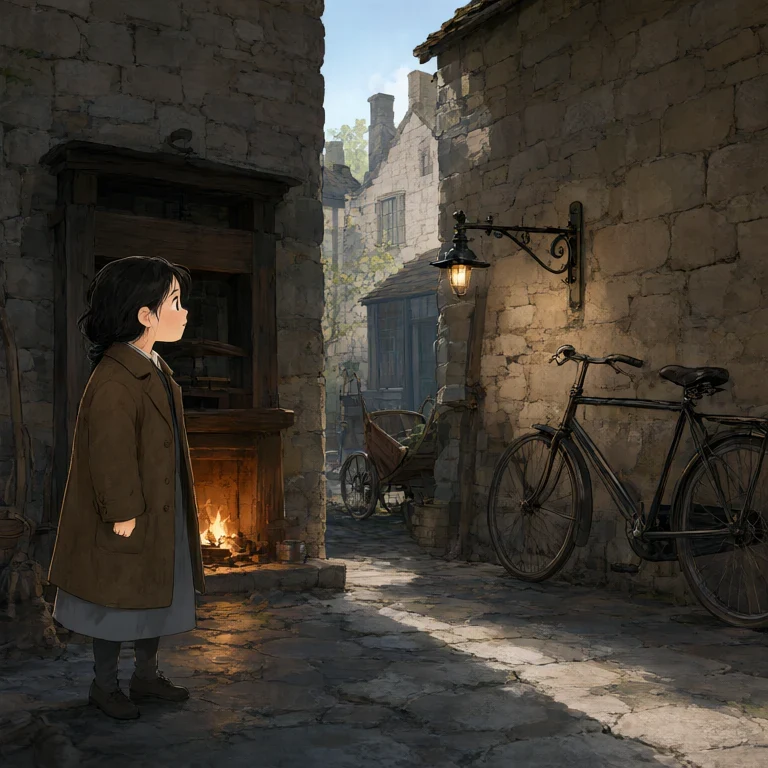
“When the row holds the strip,” he said, “I will take the gate back to the wall in the spring and I will have the coping done, and that is a job, and a man does a job, and it is not a covenant and I am not going to pretend it is one.” “That is a job,” said Ivo Colm, and he entered the seventh, and ticked the seventh number, and the seven ticks were done at twenty past eleven, and the row stood in the lane behind them all the same.
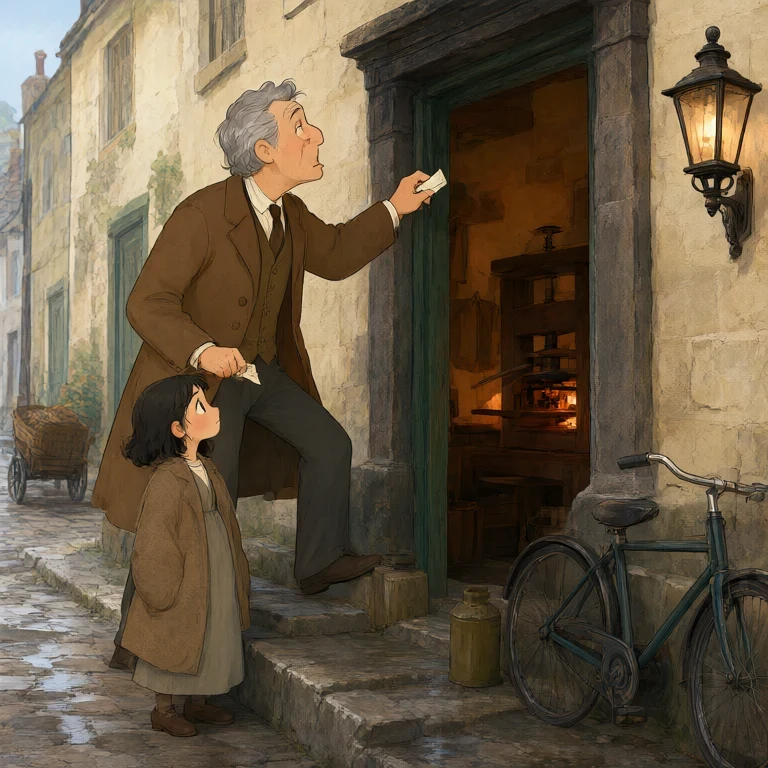
He wrote the calling served, in order, at the end of the entry, and then he stopped with the pencil on the page, and added one more line in the margin in his own hand. Distinguished by the sound of the fire, the child says. Then he shut the book and put it under his arm, and Mira went down the lane ahead of him, in a coat two sizes too large and no stockings on, and the seven chimneys were smoking behind them all at once, seven fires saying seven different things into a still, white morning.