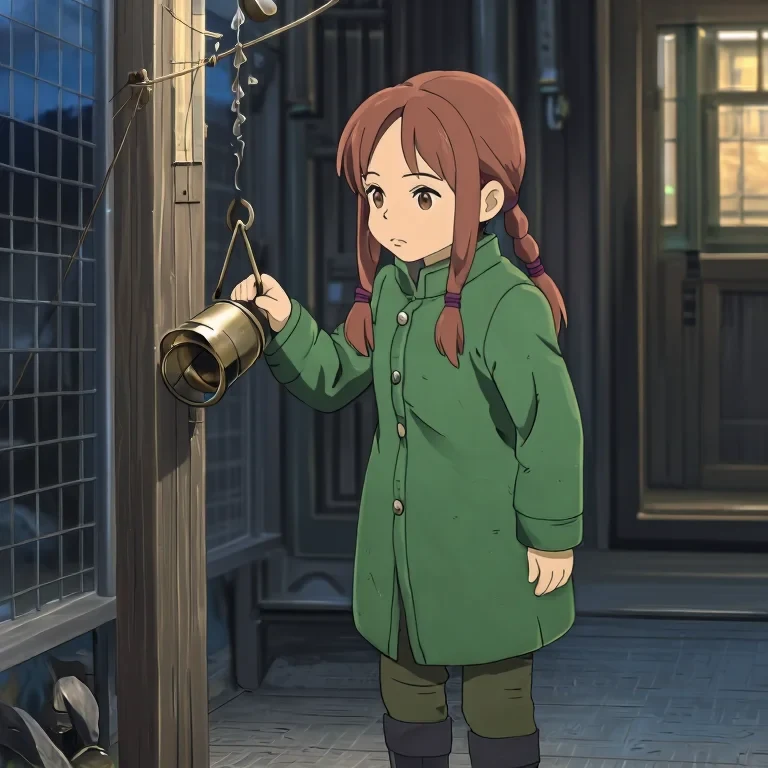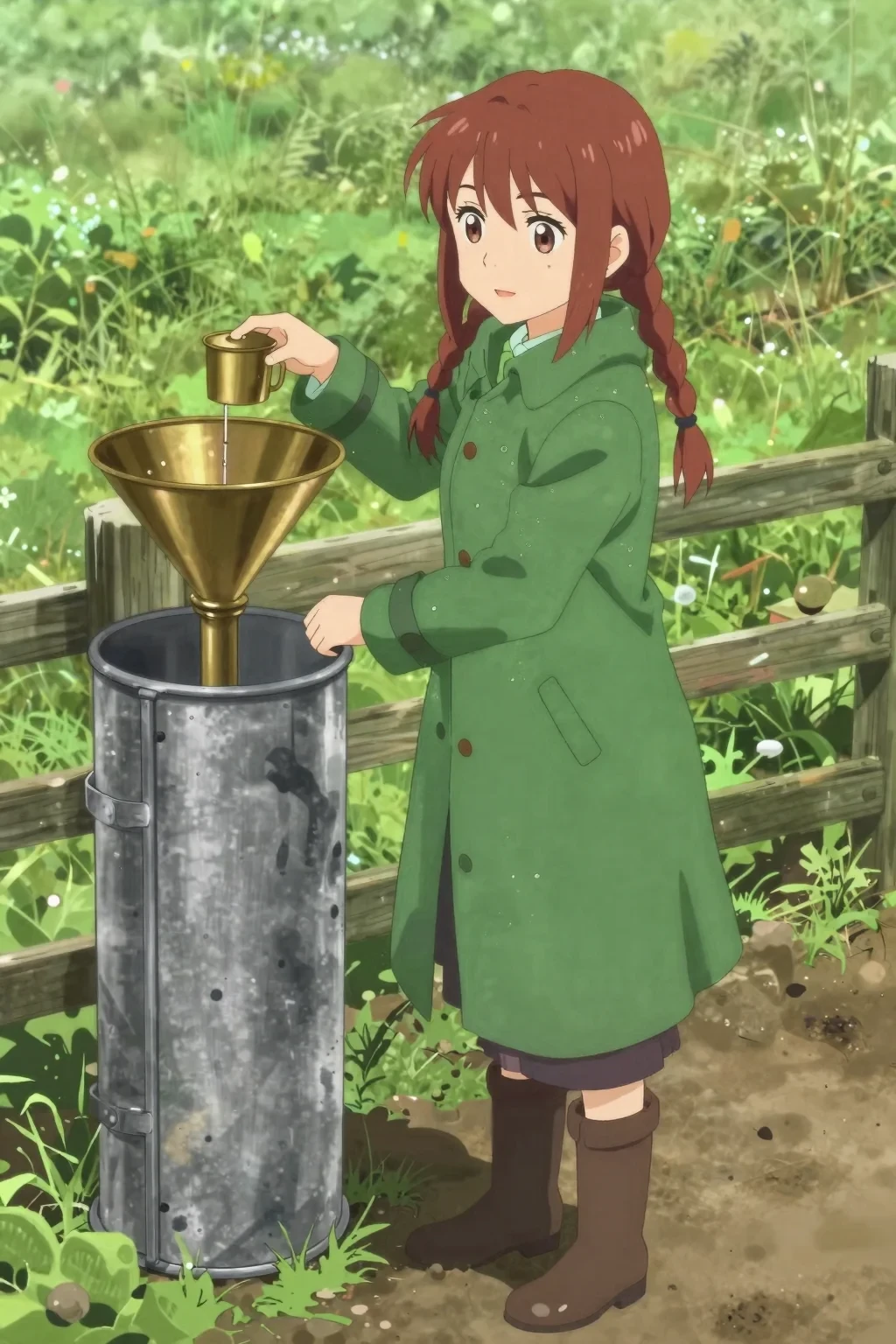
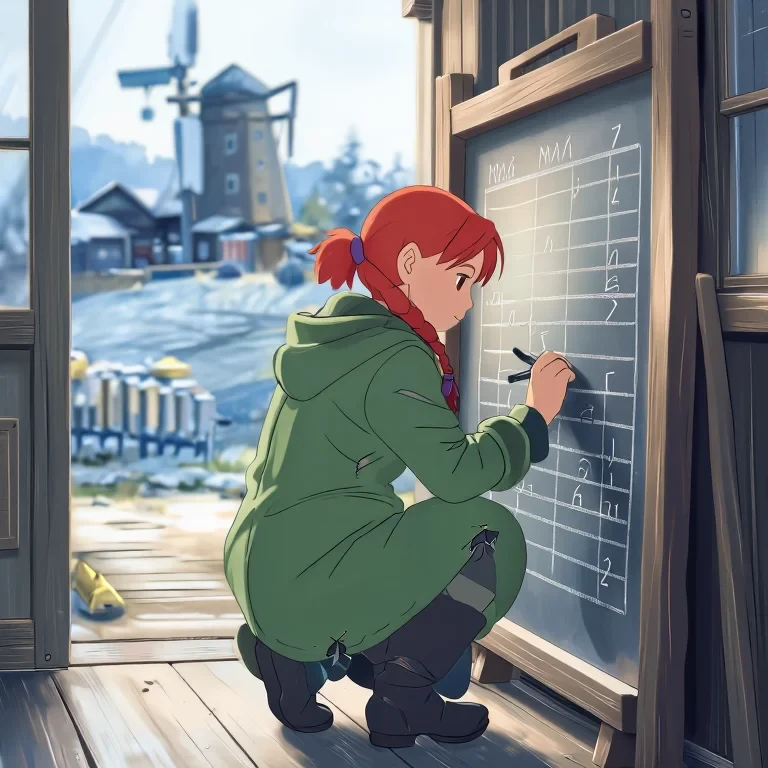
The town of Falln set its year by rain. The gauge stood on its post in the field above the mill, and every morning at seven whoever lived nearest it walked up, unlatched the brass cup, read the needle, and wrote the number on the tally board in the porch of the school. What the number said decided when the wells were opened, when the lambs came out, and when the field paths closed. Nothing in Falln was decided any other way.
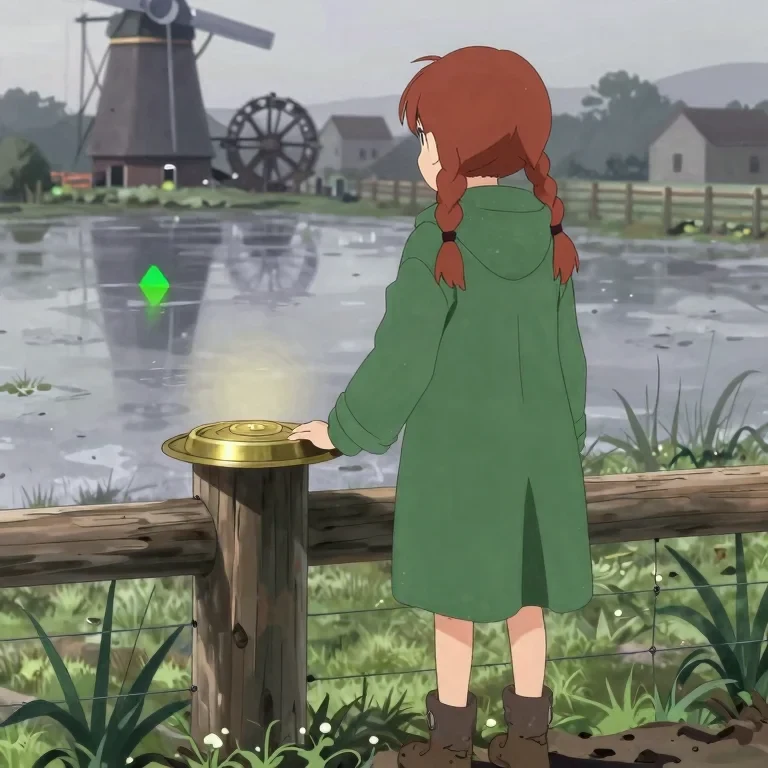
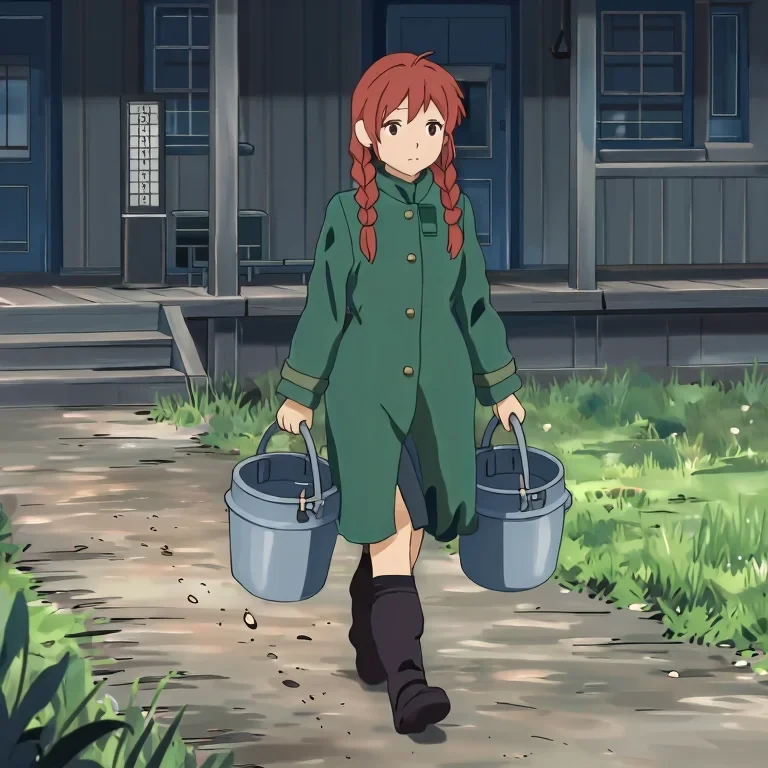
Iris was eleven years old, with auburn hair in two plaits and a green coat to her knees, and she had kept the tally for two years. She did it before school, and it was eleven hundred steps each way with a wet sleeve. Her brother Halvard worked the coast boats out of Vessoy and was sixteen, and when the paths were open he could get a letter home and an answer back.

The storm came in on a Tuesday night out of the north-east and took the water off the mill leat. In the morning the cup of the gauge was half torn and lying in the ditch, and the float was jammed sideways in its guides, and the needle stood at forty-one millimetres. Iris wrote forty-one on the board, because that was what the needle said, and she did not touch the cup.
Then she told the miller, and the miller told the well-wardens, and by a quarter past seven there were eleven people in the school porch.
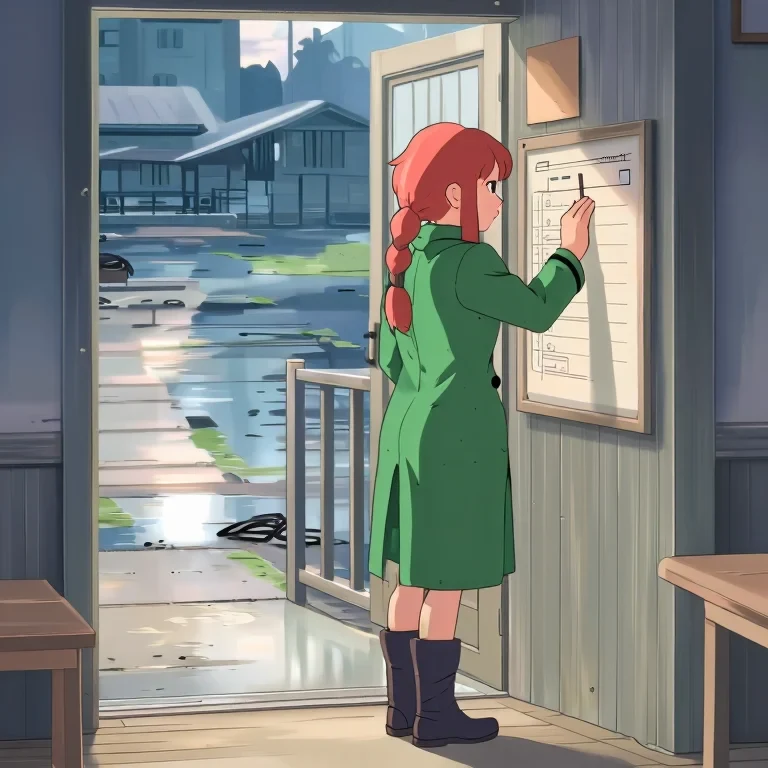
Forty-one said the month had been wet. Forty-one said the wells could be opened, and opened wells meant that everybody stopped drawing from the cistern and started drawing from the deep well at the mill. The cistern had taken silt out of the storm and would give brown water for a week. That was the whole of the argument, and it took eleven minutes. “Forty-one is what it says,” said Iris.
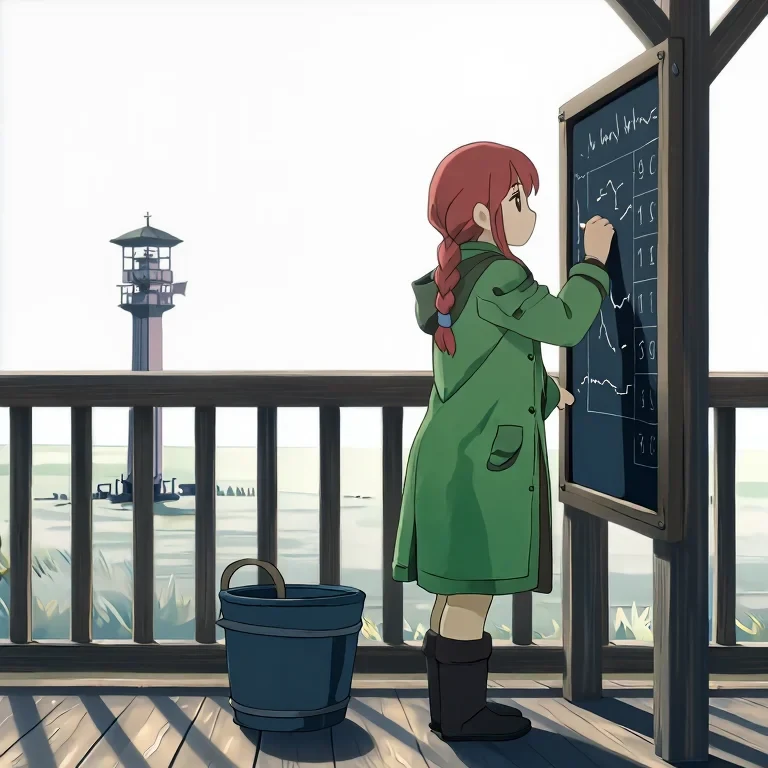
“It is what it says,” said Eilif Rask, who kept the wardens' book. He was not a cruel man and he was not a fool, and he stood with his hat in his hands while he said it. “That gauge has read right in that field since before your mother was born. You do not get to call a number a lie because you do not like what it opens.”

“But I do not know what the needle means now,” said Iris. “I know the cup is torn. I do not know whether the float is stuck high or stuck low.” “Then you have not got a number at all.” “No,” said Iris. “I have got a needle.”
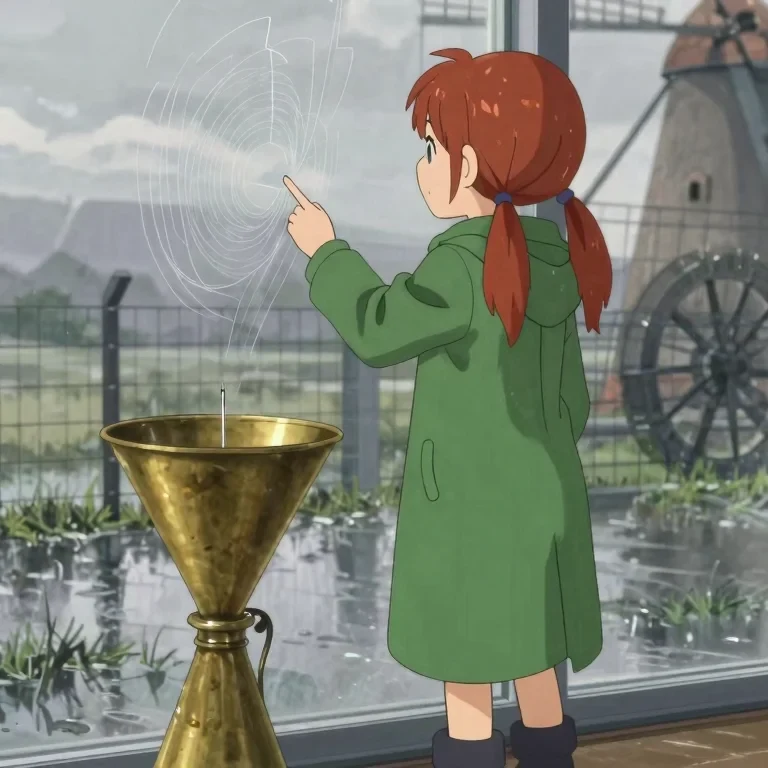
The people in the porch wanted the number to be high, and every one of them had a reason that was good. “A board that says what we wish it said is a lie with a lid on it,” said Iris. “Then the next storm is worse, because nobody trusts the number any more, and that is the morning somebody drowns.” Eilif Rask looked at her a while. “Write it down, then,” he said. “Write what the needle says. And may somebody come and mend it.”
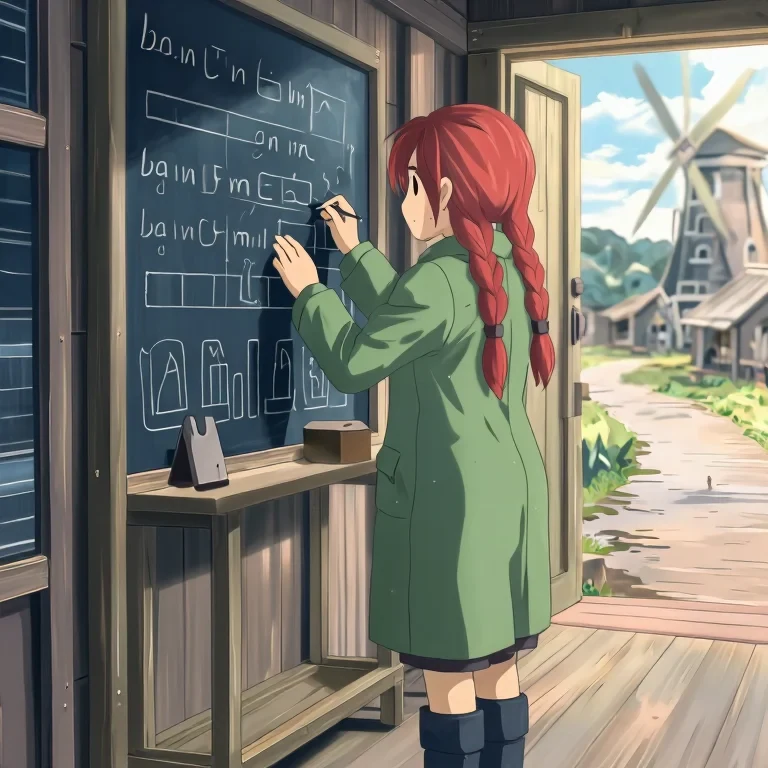
Nine days. The wells stayed shut. The cistern water went brown and then grey, and the queue at the trough was longer than it had been all summer. The mill stopped, because the wash used the cistern, and the miller said so on the porch with a great deal of care and did not look at her.

Her mother's bucket was third in the line every morning for nine days, and Iris carried it up the eleven hundred steps and said nothing about it, and her mother knew which bucket was whose. Halvard came in on the Thursday with a cut hand and no boots, and Iris had written forty-one on the board that morning before he was on the steps.
On the ninth day the wardens opened the deep well themselves, with a rope and two men, and it gave sand, and then a thin brown thread, and then nothing. Nobody wrote that on the board either. The cup stayed where the storm had put it, and nobody sent for a new gauge, because a new one cost money and the old one had been right for fifty years. On the tenth morning Iris wrote forty-one on the board in her own hand, and the chalk got on her sleeve.

Then she carried the broken cup down to the post, hung it on its hook and latched the lid over the float, which is not how a gauge is worked, and went down the eleven hundred steps to school. The light came in under the porch door at seven and lay along the numbers.