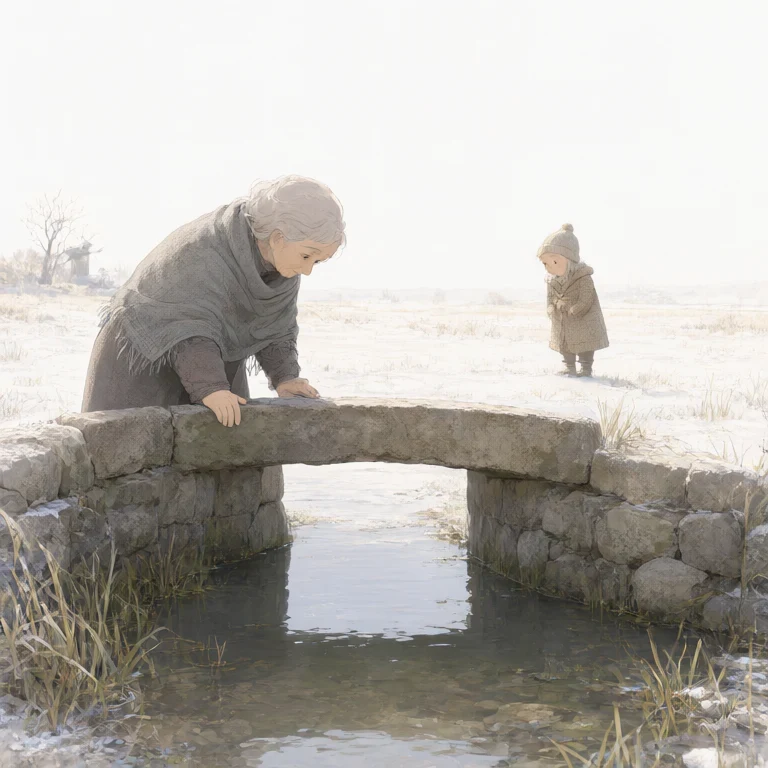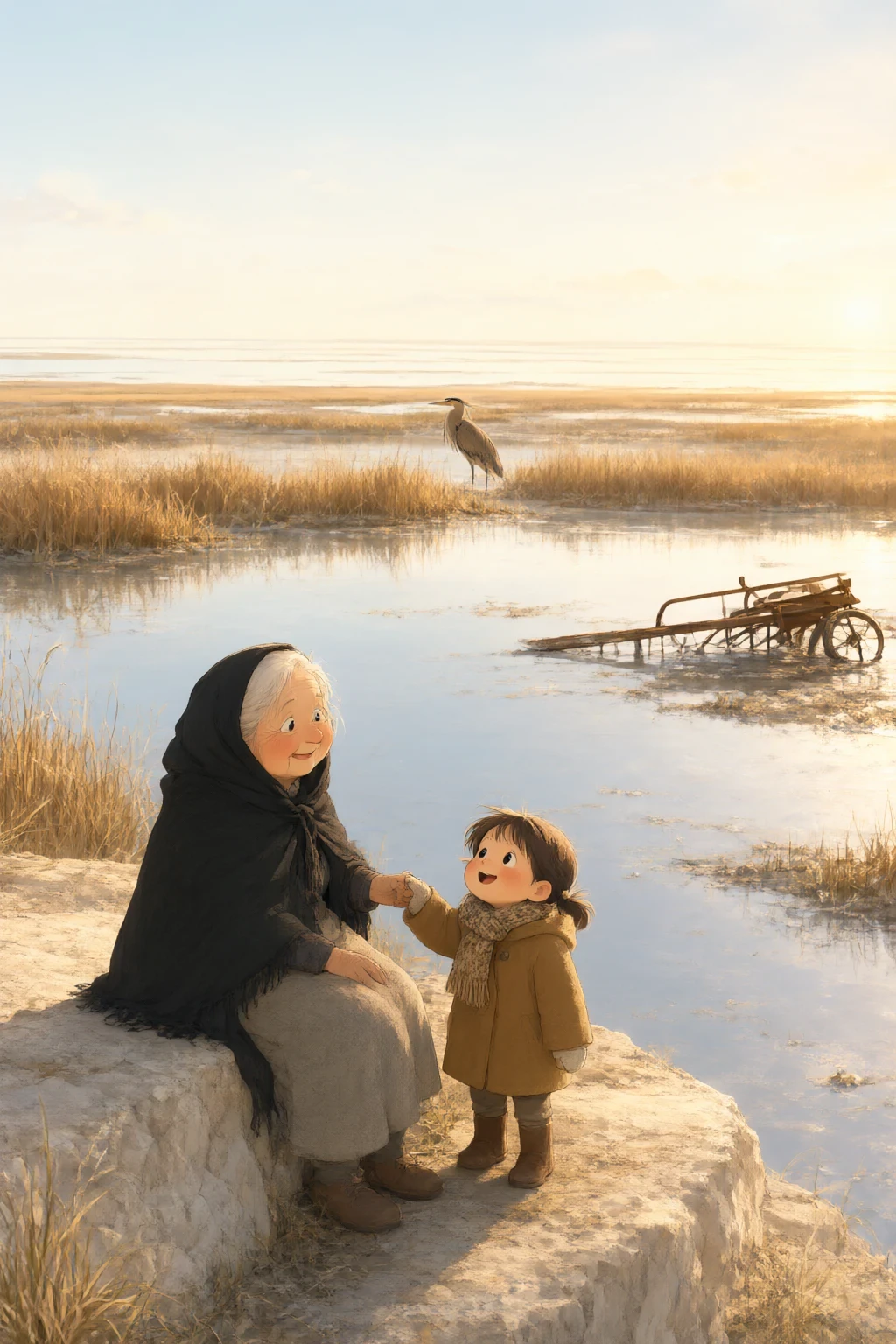
The sign at the west end says the water is not to be walked in, not to be taken, and not to be used. It has said that since before the fence went up round the school, and the school fence is a hundred yards off, and there is no fence round the salt at all, because there is nothing to fence off. There is only water. The child was four. She had been brought a long way in the cold to ask the old woman one thing, and she had asked it, and the woman was sitting down.
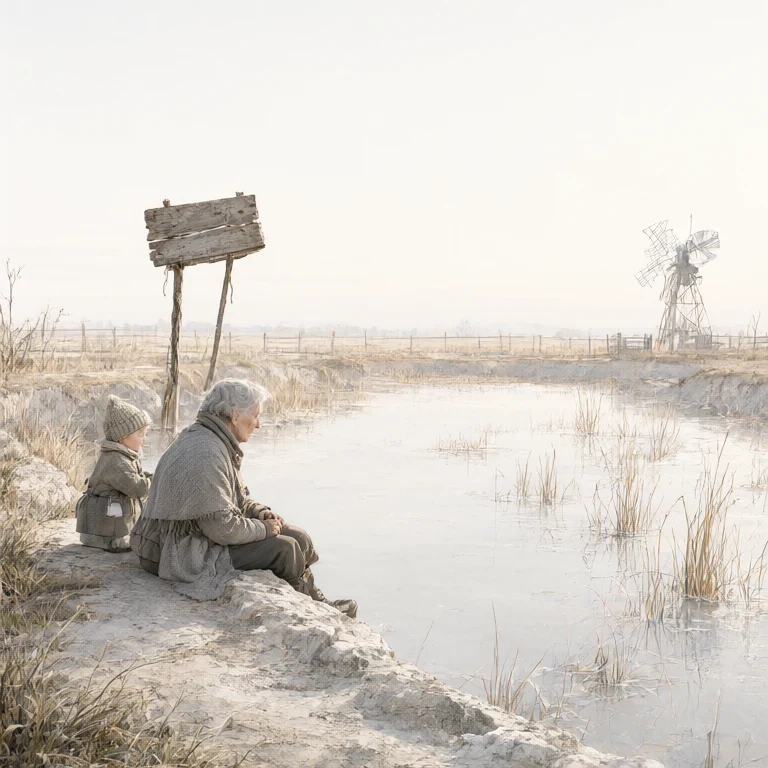
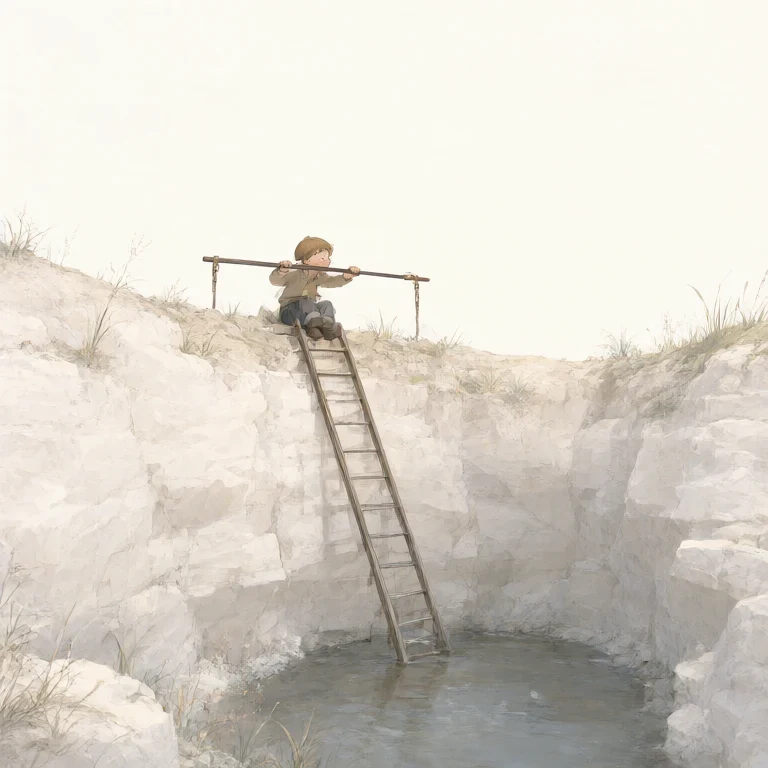
The sitting down took a while. There is a way of getting onto the rim of a chalk pit at seventy-nine that involves both hands and a count, and the child watched. “You said eleven hours,” the child said. “I did.” “From when to when?” “From underneath,” said the old woman. The child considered that. The fen lay away to the east, white to the edges, with a low sun on it that made no shadows at all. “You were nine in 1911,” the child said, having been told this in the warm room and having made nothing of it. “I was nine,” said the old woman, and the child took the second half of that as a joke and did not think about it again for some years.
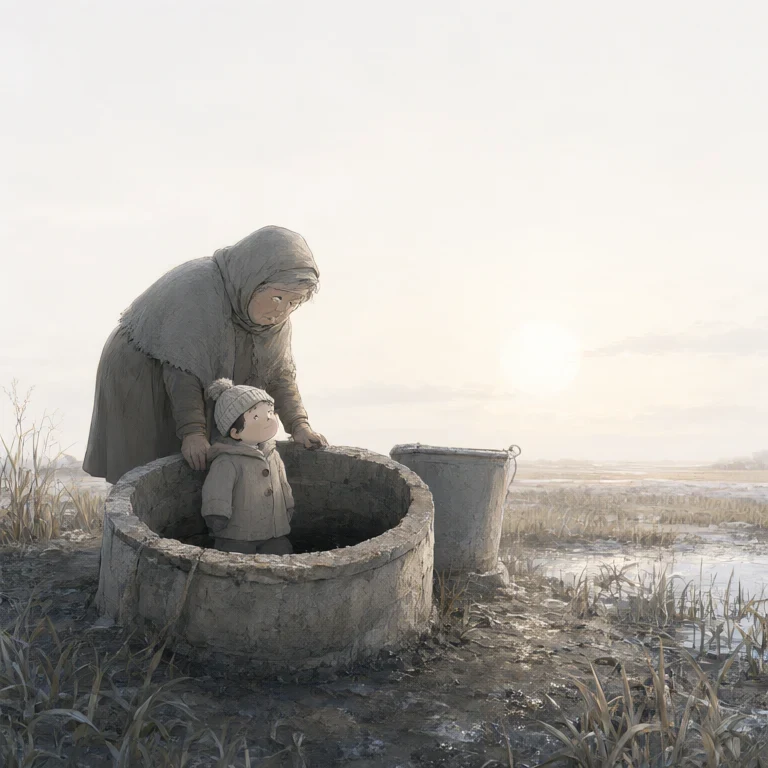
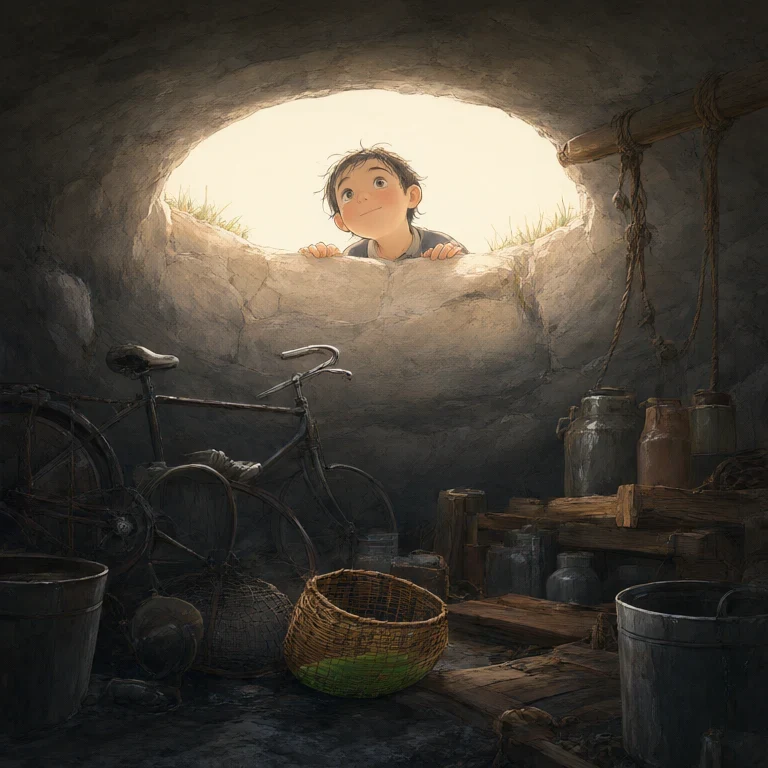
There was a wader hole in the low roof of the first gallery of the west workings, and I went through it in high summer the way I had since I was six, because the water down there was warm and the fen above was not. It had been a hard dry day, and a wind off the flats like a furnace all afternoon, and there had been talk at the school gate about the west well, which nobody uses, because there is a green thing in it.
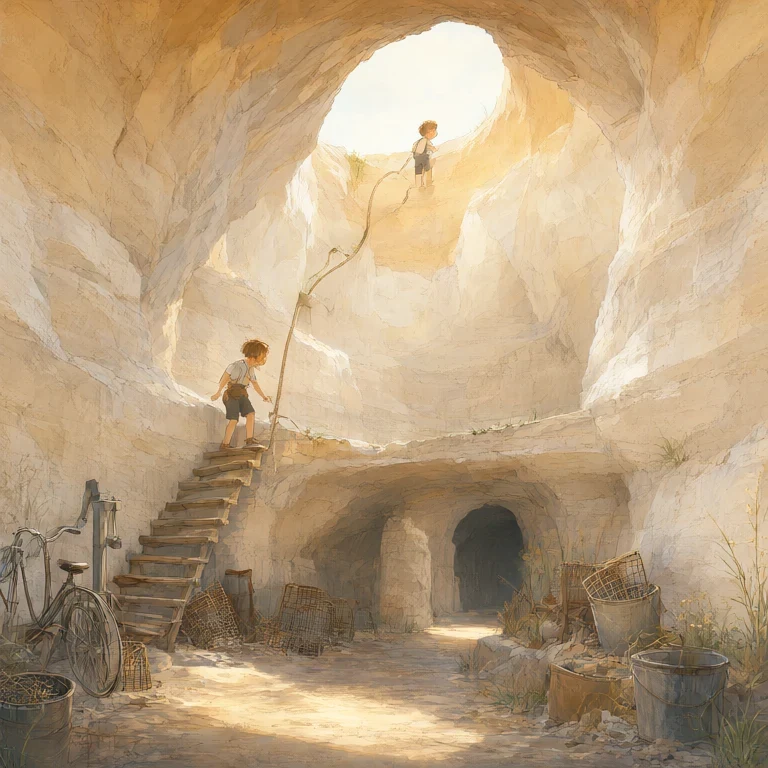
I went under at about eight. There was still a hot evening left in the sky above the hole, a long yellow strip going out west. The first gallery is nine feet high and as wide as two carts, with a pool in it eleven feet long, and the water is warm and clear and does not move unless you move it. There was a ring round the edge of that pool.
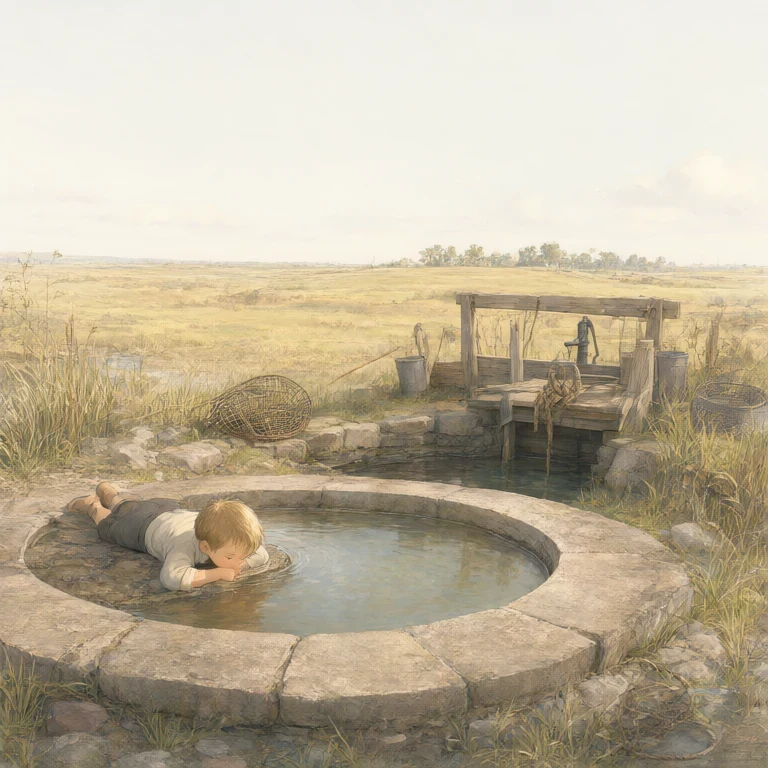
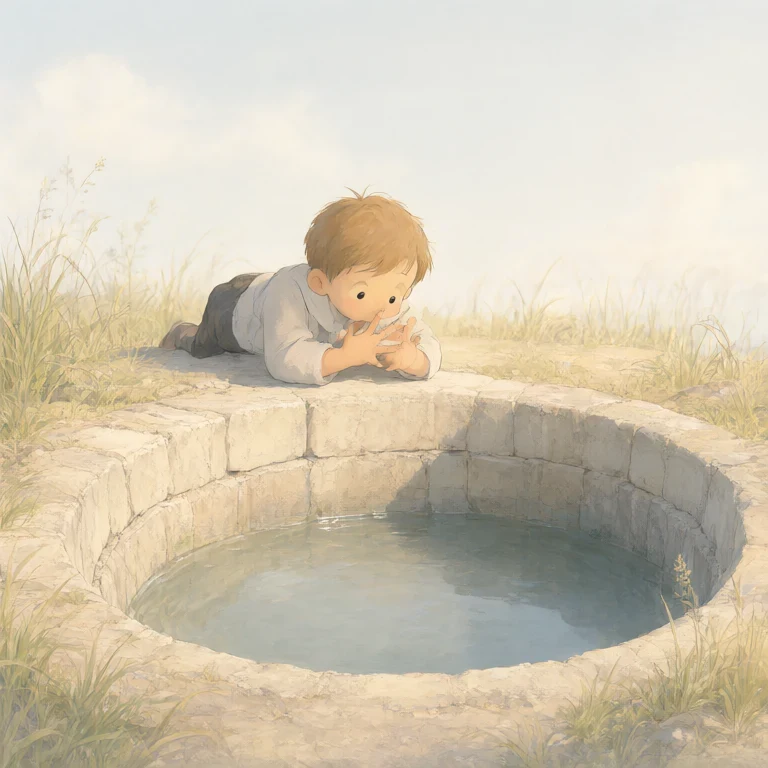
Two fingers wide, about, and a finger deep, and grey rather than dark, and it went right round except for one place. You are born into a country that is constantly drawing water out of itself and looking at what the water says. I lay down on the ledge with my chin on the stone and watched it, because it was doing something. It was going down. I counted sixty on my fingers, the way I had been made to count at school, and did it six times, and every time the ring was a little narrower, and the water in the middle of the pool a little wider and a little lighter.
At a quarter past eight the talk came down through the roof, the way talk does, one voice at a time and then all of them at once. The roof of a chalk gallery is thin in summer. They had a handcart, iron-tyred on chalk. I knew the noise of it. Then the wheels stopped, and the shafts went down, and there was nothing at all for a while, and then a noise like a wet bag being shifted. And a cough.
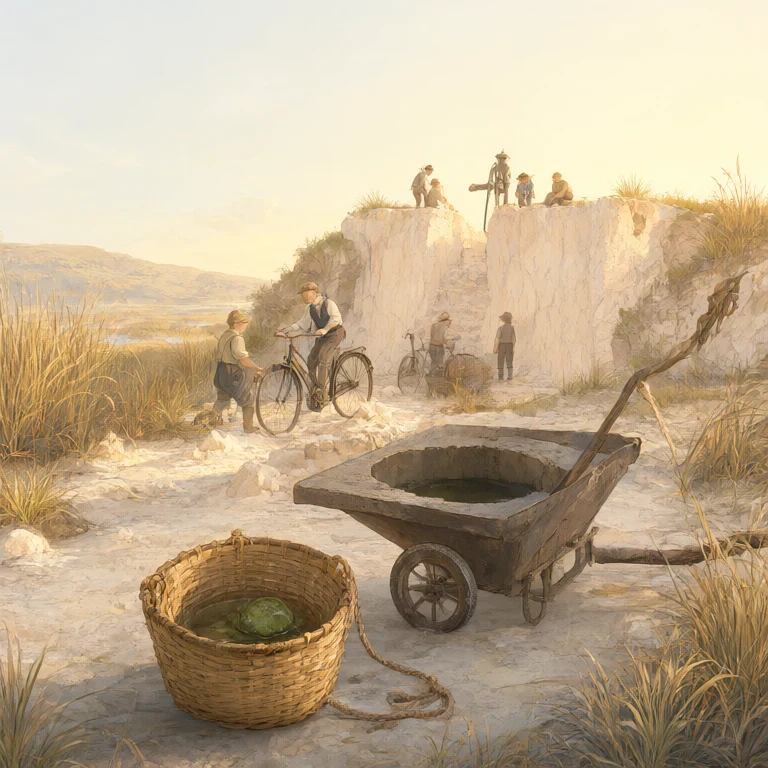
I had heard that cough at the school gate for six years, and I knew it was the west well, and everybody in Coldwick told me it was a thing the well had in it. I got up off the ledge, which put my head through the hole in the roof, and saw the last of the light on the lip of the pit, and the cart, and six men round it, and a fish basket with something green in the bottom.
At about nine they got it out of the well and set it in the basket, and I watched from under the roof. It was not a frog. I want that said, because everybody in Coldwick said frog then, and I have heard it said for seventy years since. It was about the size of a cat and it was round, and the green of a wet stone, and its back was not wet, because there was nothing on its back to be wet. It sat in the fish basket with its forefeet on the edge and looked at the six of them, one at a time, the way you count a room.
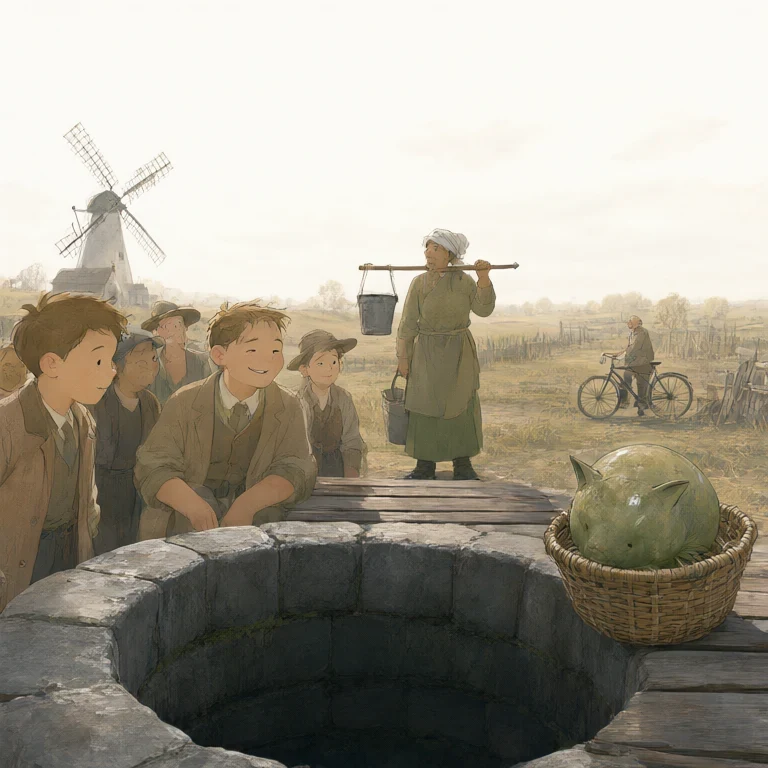
Then it coughed, and it said something. I could not hear the words from under the roof. I heard the tone, which was the tone of somebody who is not asking anybody for anything and is entirely awake. One of the men laughed, and one told him to stop. At ten, a woman came along the top with a pail on a shoulder-rail. I knew her. Her name was not a name anybody said out loud, and she had been bringing the low cottages their water for longer than I had been alive. She was seventy-odd, and as broad as the cart, and not frightened of anything in that parish, including the men. I lay down on the ledge again and looked at the ring.
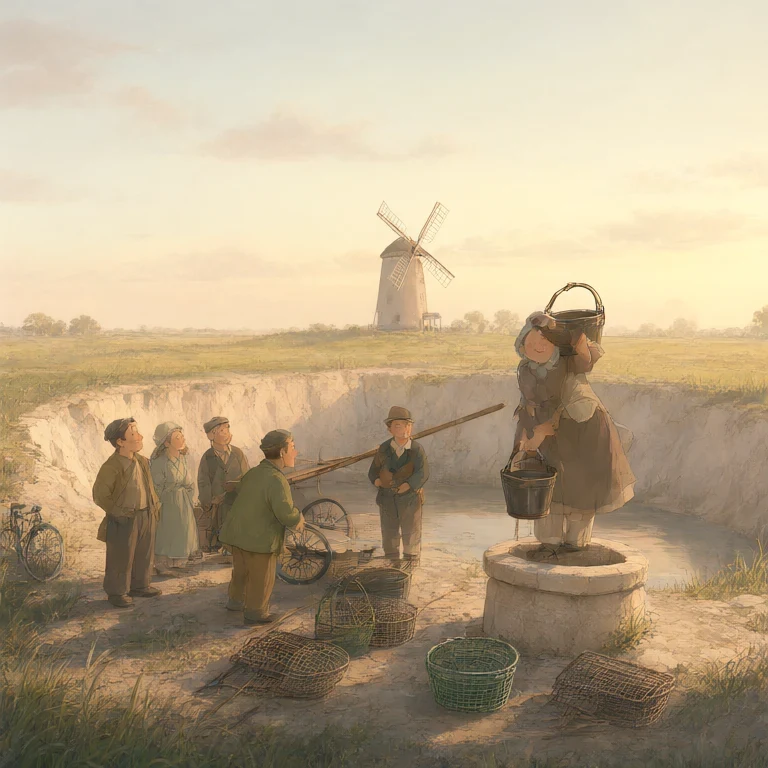
It was going down. It had been going all evening and I had not known why, and I knew it the way you know a thing, all at once, in the chest. It was the pails. The ring went down when a pail came. It was not the evening and it was not the cold. Every pail she carried out of that well went up the surface as a small piece of the ring, and the ring was being taken off in fourths, and the fourths were the pails.
I counted. I counted the fourth of the ring going, and I counted the pails going on the top, and they were the same. The ring had a gap in it about a foot long where it was thin, and in the gap the water was colder, and that was her pails. Thirty years of them, applied somewhere, and nobody writing it down, because there was no page for it.
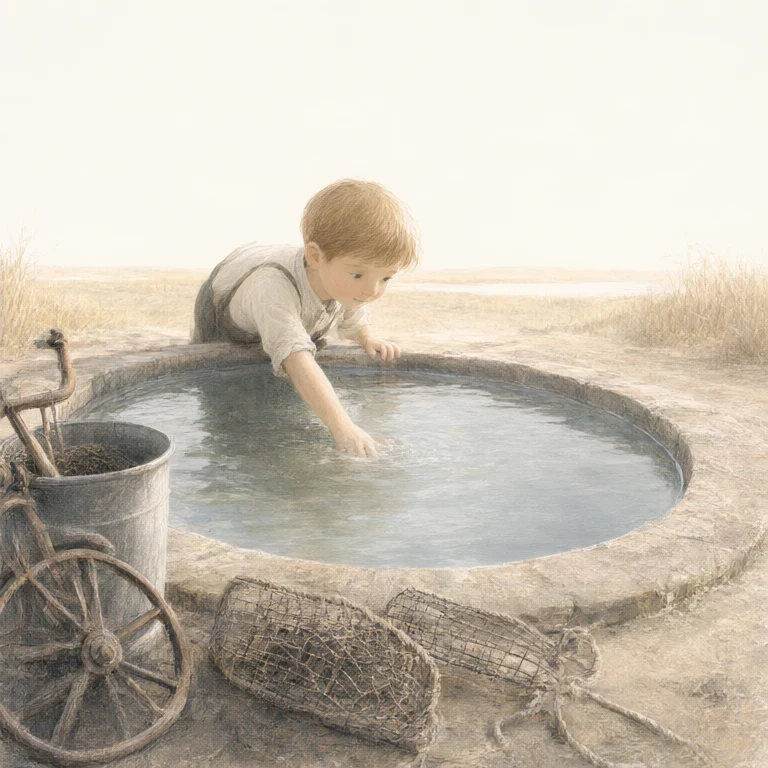
At a quarter past ten the men got the basket up off the cart. The woman said one sentence, and I heard that much. She said, “It has not touched the Cold One, and you can ask any of them, and you are putting a person in a hole.” And a man said, “Get your pail home, Mother.” They tipped the basket off the edge of the working. It went down a long way. You do not hear a thing land in deep water. You hear a small sound, and then the sound of the water taking it, and then nothing. I was under the lip of the gallery with only my face out, watching the pool, because that is what you do. The ring stopped.
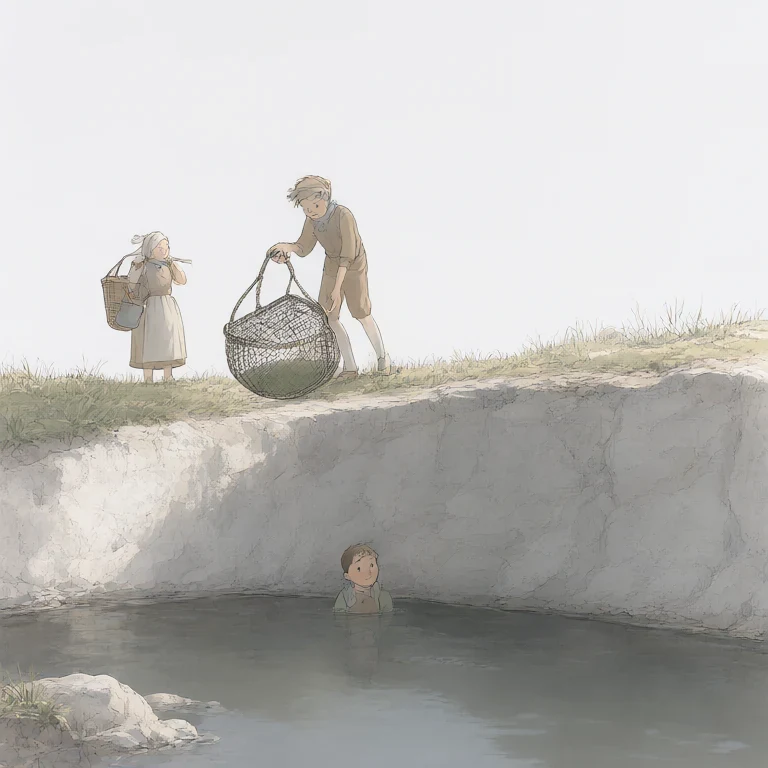
Not gradually. It was going at the rate of a pail every four minutes, and then it was not going at all, and the gap her thirty years had made was still there, and the water in it was still colder, and the rest of the ring stood still. And that was the moment the well gave up. You could see it. It was like a man stopping in a doorway.
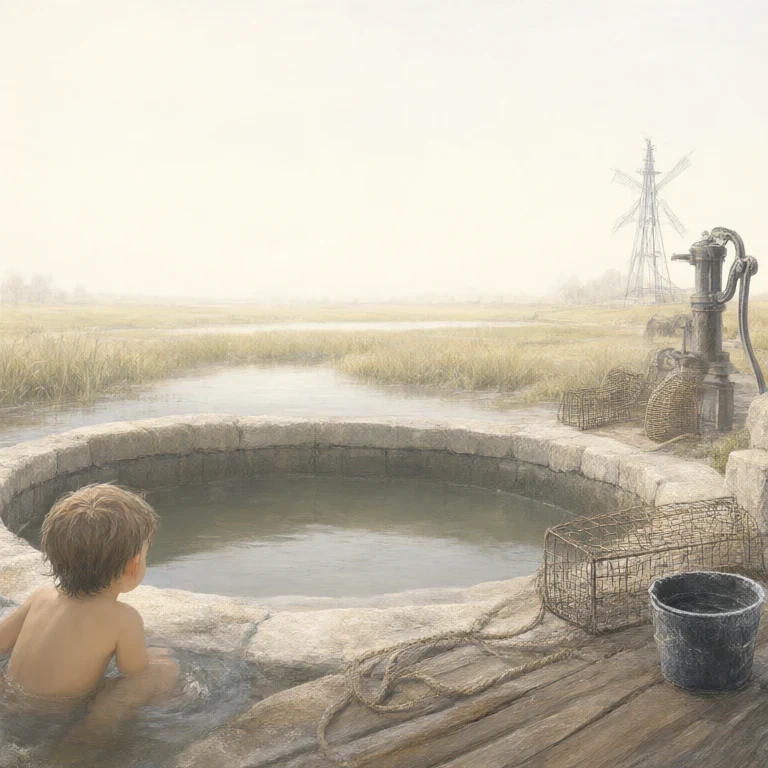
It turned eleven somewhere in there, and the water began to change. Not the level. I want that plain, because it is a thing people get wrong. The level did not come up. What came up was the taste. The pool I was lying in went from warm to cold in about the time it takes to count to a hundred, and then the cold went on being cold in a new way, the way a coin is cold.
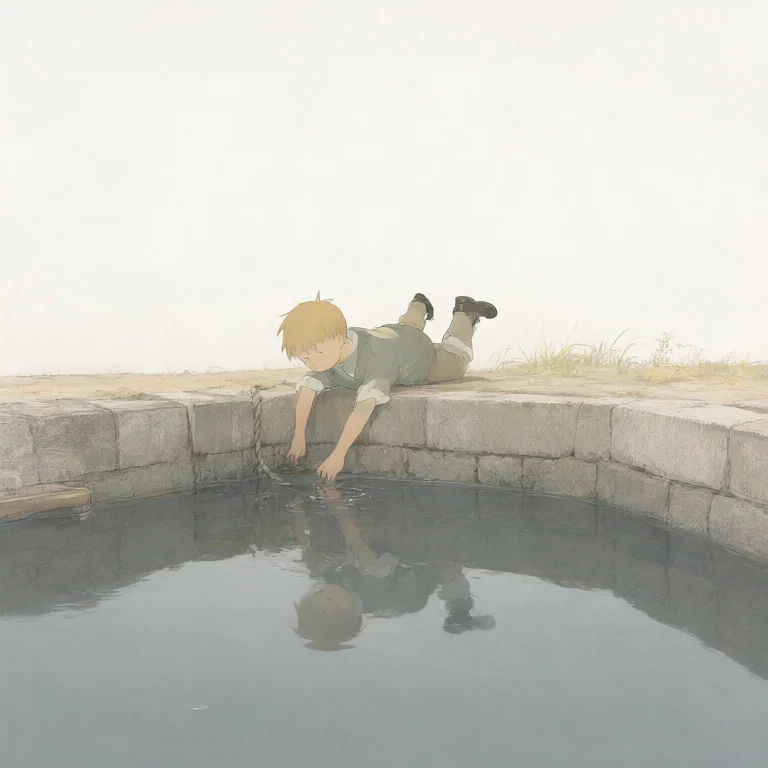
It tasted of salt. I put my fingers in it and tasted them, because I was nine and that is what you do, and it was not a pinch of salt in a cup. It was salt the way the sea is salt. The water round me went the colour of a nail, and then the colour of chalk dust, and the flat light off the top went the colour of milk. The eels came up.
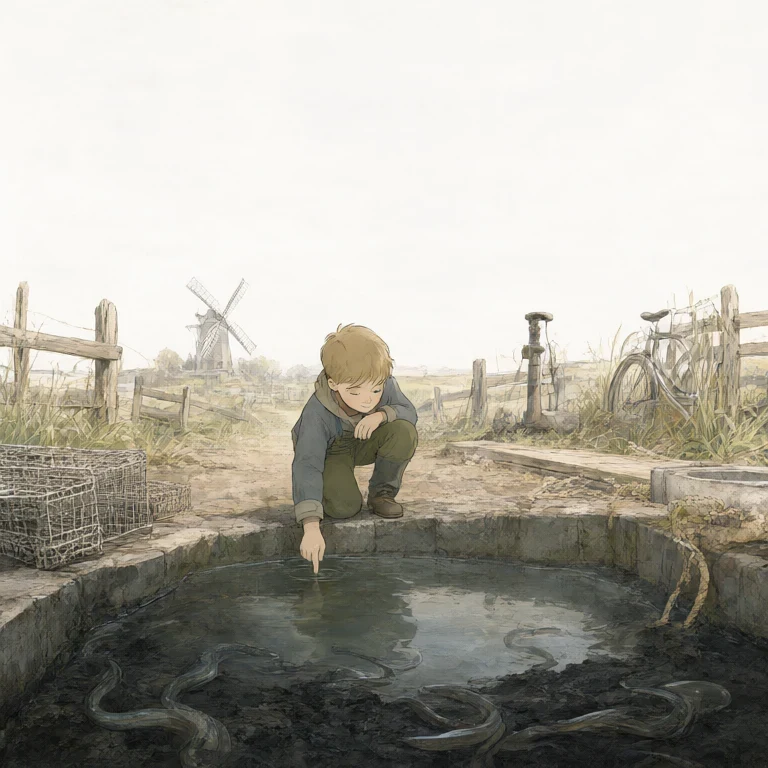
There had been eels in the sump at the end of the gallery for as long as the pit had been a pit, and now they came up all along the floor of it out of the mud, on their sides, and went past me into the black at the low end. They were going to where the cold was coming from. I lay there and did not move, because a nine-year-old in a gallery at eleven at night in June does not move.
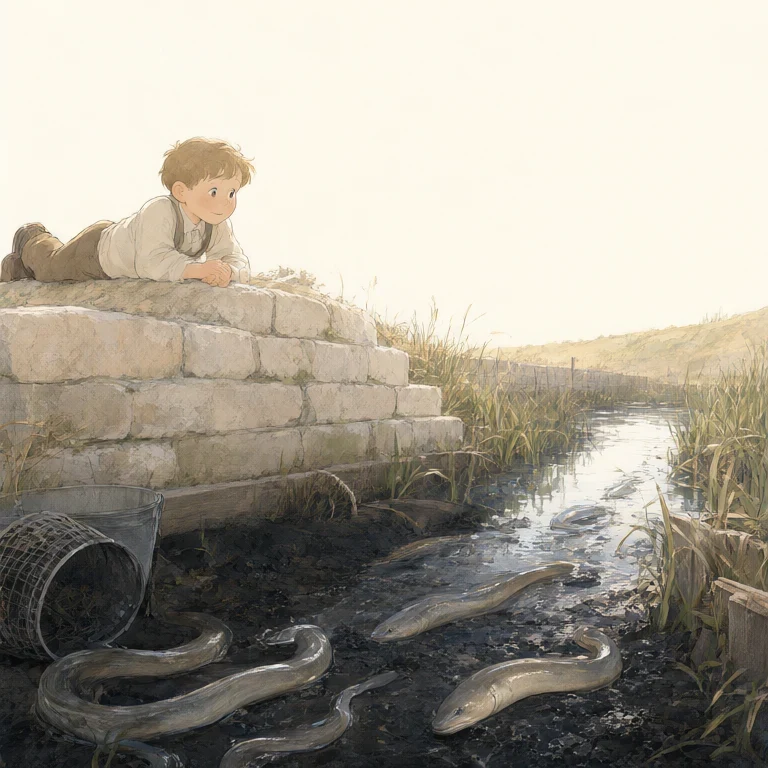
Between eleven and one I worked on getting to the wader hole, and I could not get to it. It is at the top of the low roof at the shallow end, and the water was above the roof now, and there was nothing under my hands but the roof itself. At one I gave up on the hole and began to think about not being there in the morning.
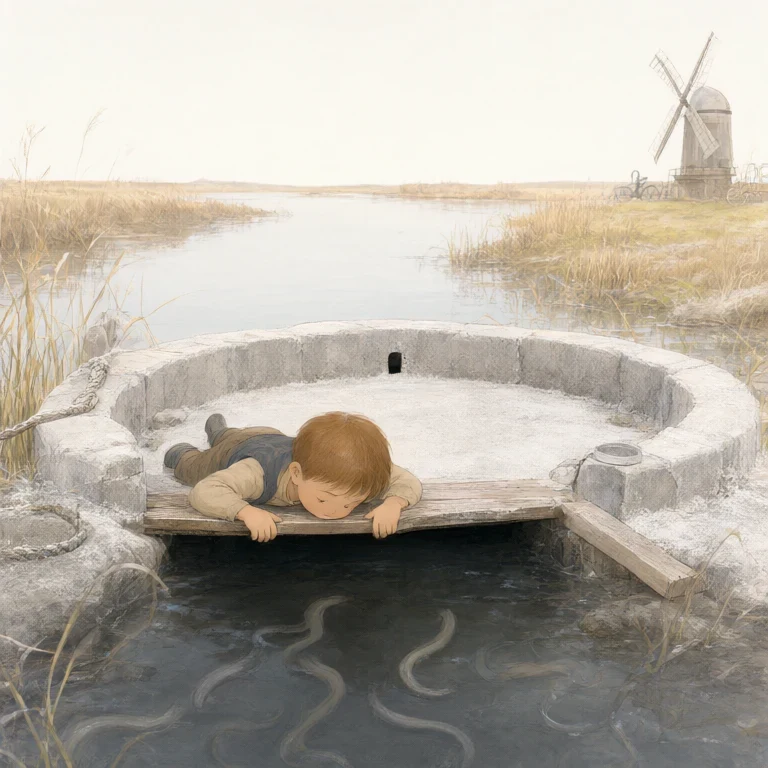
At two it was a case of going forward, and at three it was a case of going forward, and there is no difference between those two hours that I can put into words. The workings run on for four hundred yards with cross-cuts off them, and the roof comes down in places to four feet and in other places comes up to eleven, and I went along the floor on my hands, because you cannot swim in a foot of mud.
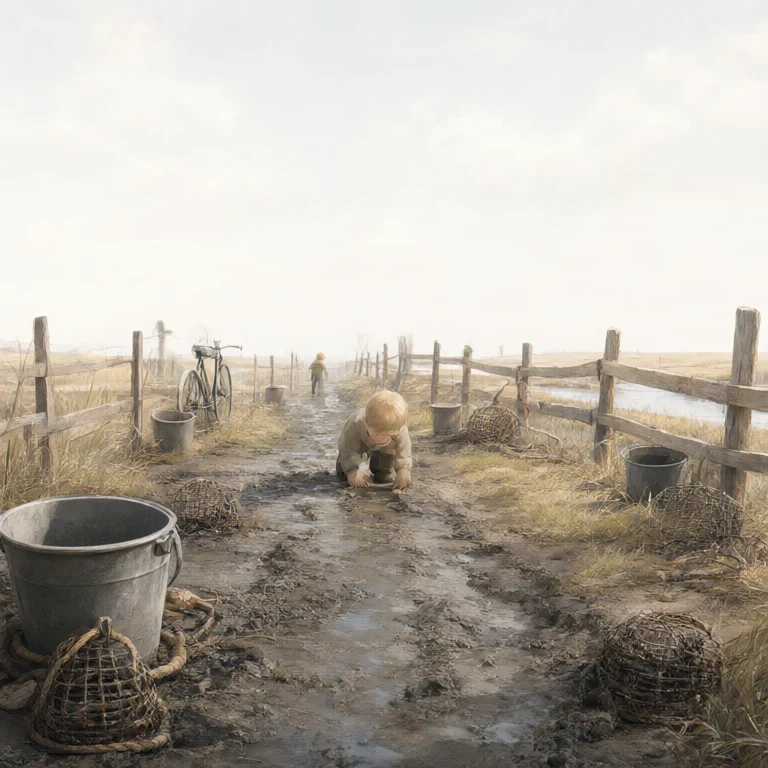
At about four I came to the sump, which is the deep part where the water from the whole working collects, with a ladder down the side of it on old iron staples. The roof at the sump is the highest roof in the pit. There is a rail in the floor of the cross-cut, laid there for a barrow in a year before I was born, and the barrow was long gone, and I got a hand under the flange and knew where I was.
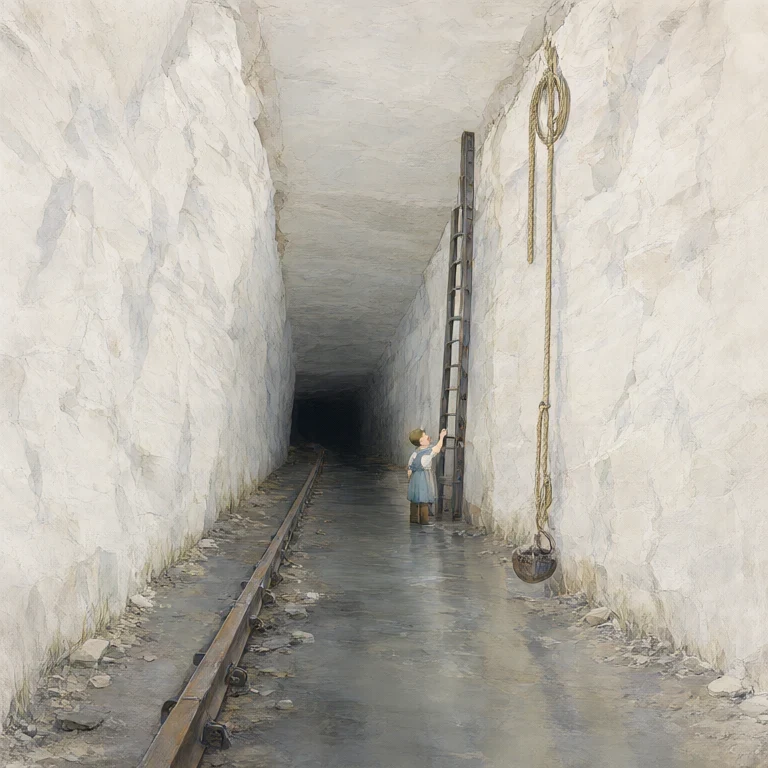
I got onto the top of the ladder with my head at the level of the rail, put the rail under my arms, and stayed there from about half past four. At about five I heard the cough again. It was a long way off, and it came and went every few minutes, and it did not sound like an animal. It sounded like somebody with a chest. I went along the top of the ladder to the end of the sump and up a cross-cut on the working rail, and I found it.
It was on a ledge six feet above the water, in a place where the roof has come away and the chalk is dry. It was wet all over. It was shaking, because it was cold, and it was not frightened, and it did not thank me for anything. “You are a child,” it said. “You are about nine. This is not your affair and I will not pretend to you that it is.” “I’m going to be in here all night,” I said. “That is a matter for you and not for me.”
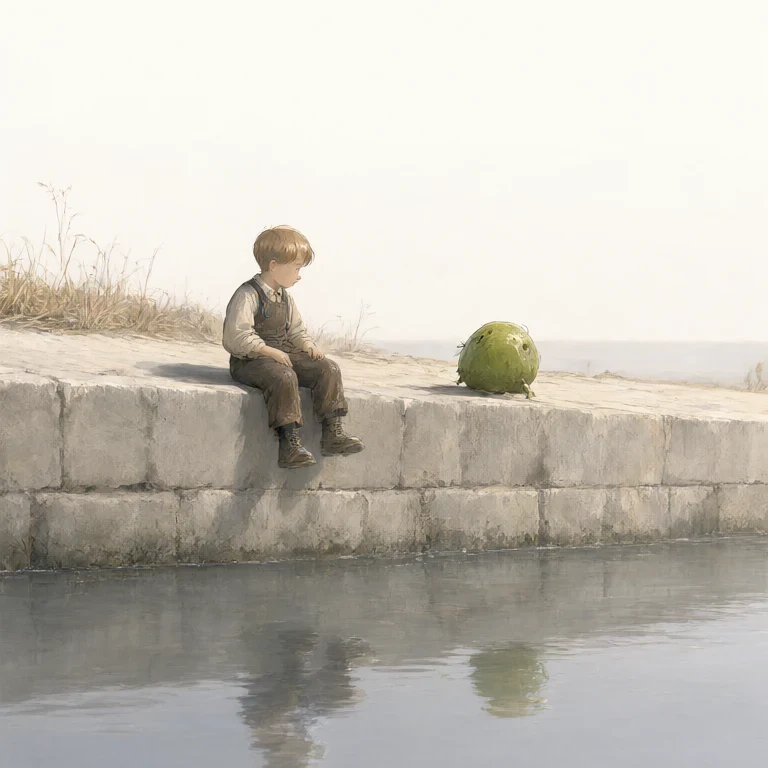
I sat down on the ledge and let my feet hang, and we were there a long time. Then it said, “What do you suppose they are doing?” “Trying to get rid of you.” “Trying to get rid of me,” it agreed. “Now say the rest of it. You are the only one in this pit tonight who has a mouth.” “I don’t know the rest of it.” “They think the west well owes them.” It said it without any weight, the way a man reads out a sum. “They think I am in the way of the water, and that the west well is a bad well with a thing in it instead of a well with a debt on it. They have said it is the green thing’s water to each other for six years and have never once said my name.” “I don’t know your name.”
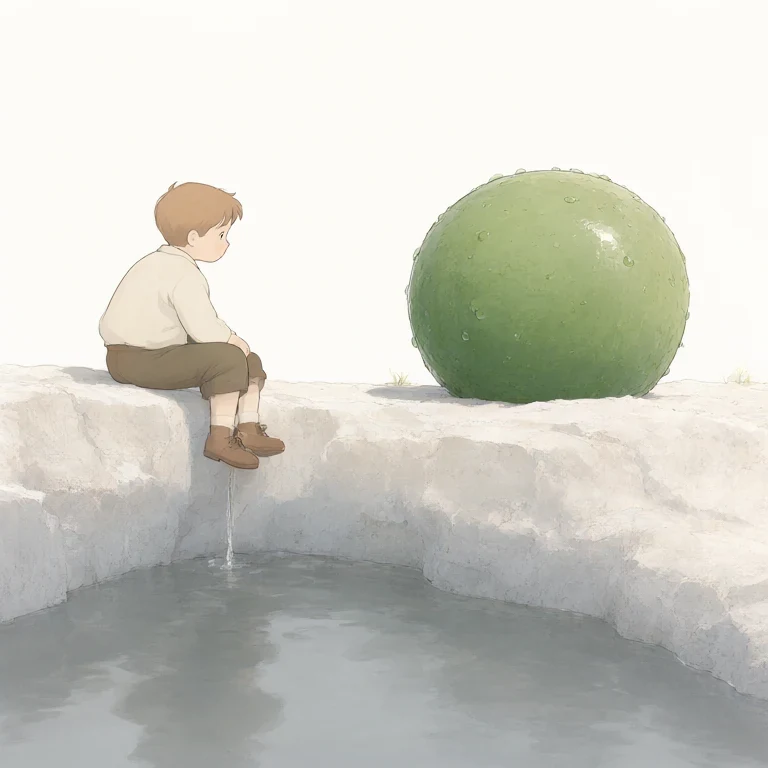
“No,” it said. “Nobody does. Say it now, and do it properly, because I am going to be asked about this pit in fifty years by somebody who will not believe a child.” So I said, “Say it.” It said, “Merse.” “Merse?” “Merse. It is a fen word. The word for a wet field that has not got a name for the water in it yet. It is not in a dictionary and it is not going to be in one.”
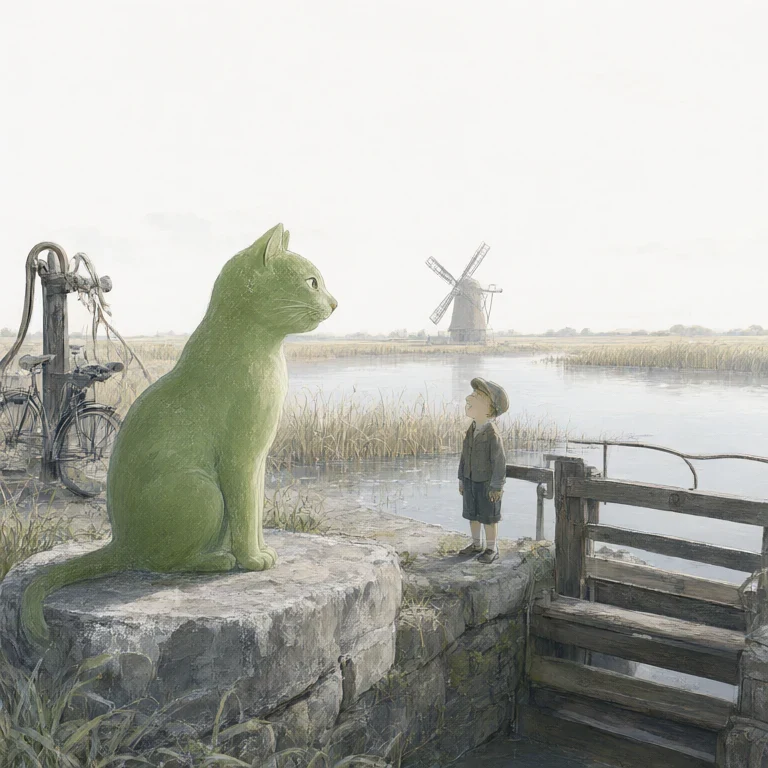
I got a bit of chalk off the ledge with my thumbnail and wrote it on the gallery wall, because I was nine and that is what you do, and the water came up over the wall and took it inside a quarter of an hour. I told it I would say it out loud. “You will say it to a grown person, and a grown person will not listen to a child, and then you will not say it again for a long time,” it said. “That is allowed. Nobody has ever asked me anything.” “Will you come out?”
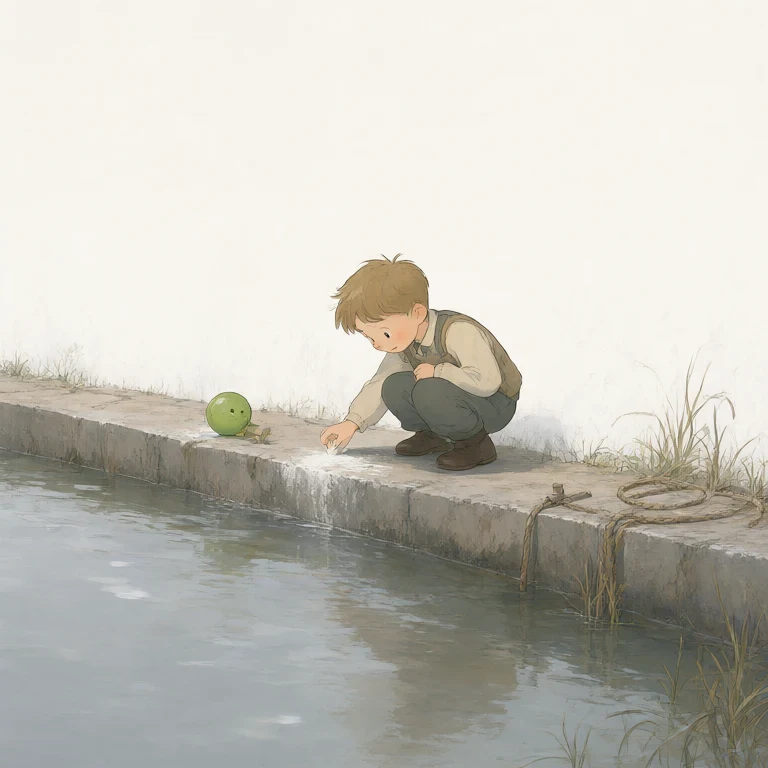
“No. I will not be drowned, and I will not be trapped, and I cannot be got rid of, and I am not going to be one of those three things tonight either. The water will not be drinkable, and that is what the parish will pay for, and not me.” Then it asked me the thing it says at the end, in the ordinary voice, the way a man asks for a note of a bill. “What are you going to do about it?” “I don’t know,” I said. “I’m nine.” “That is not permitted,” it said. “Say so on a Thursday. They meet on Thursdays.”
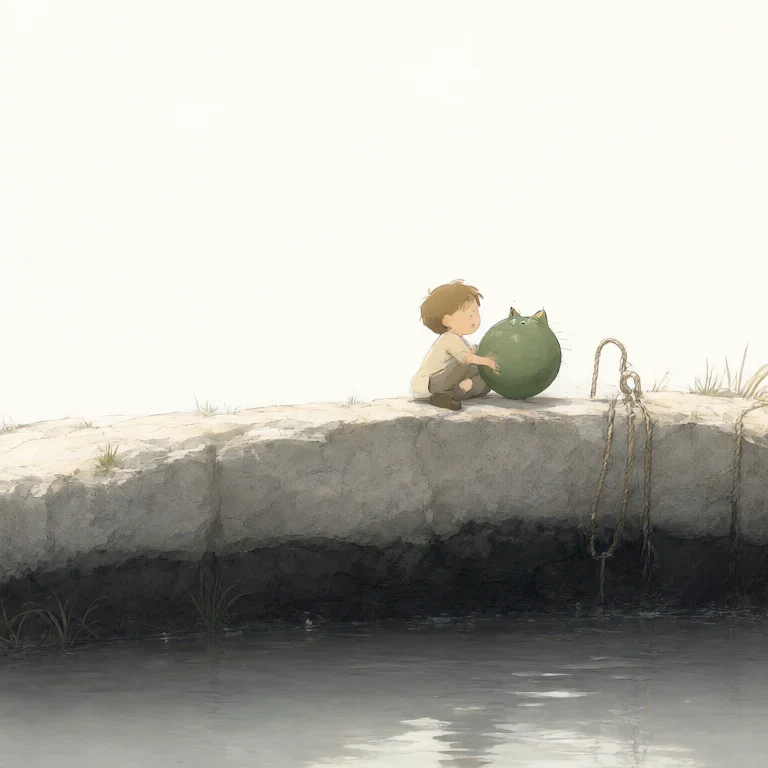
At half past six the water in the sump began to go down, because the pit has a cut through it, and the same cut that empties it in a wet March empties it in a dry June, only slower. I went down the ladder on the old iron staples and along the rail and up the cross-cuts, on my hands, in the mud, with the salt taste in my mouth, and I got to the wader hole at seven and came up into a morning of flat white light.
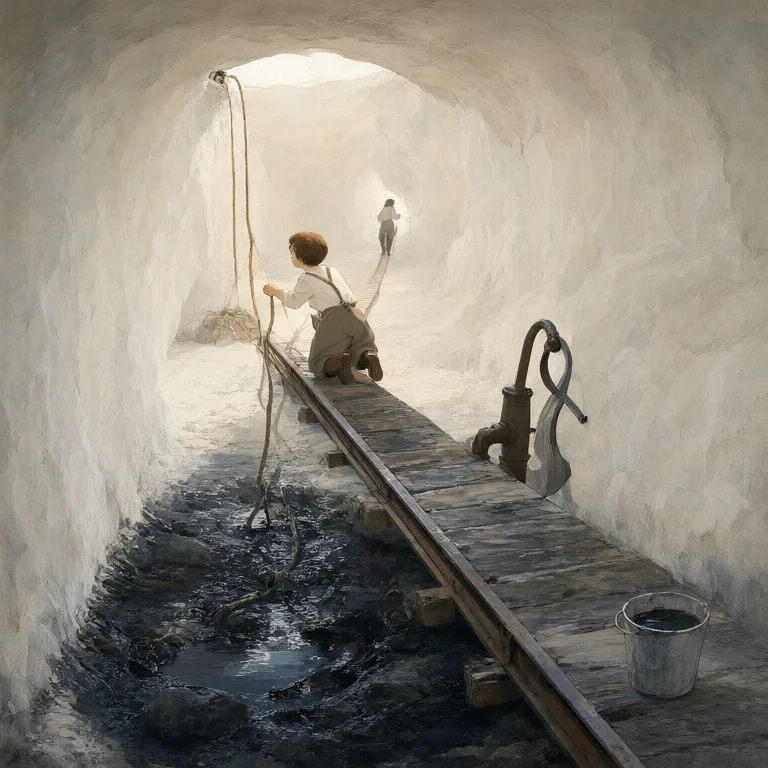
Nobody was on the top. The cart was gone. The hole in the rail where the windlass used to be was filled in with chalk and trodden down, and there was nothing on that ground but wheel ruts going away east. The water in the pit was grey-white and perfectly still, and the reeds at the low end were dead to the root, and there were eels on the mud, and they were not moving, and what came up the hole instead of the warm smell was a smell like a churchyard in a dry summer.
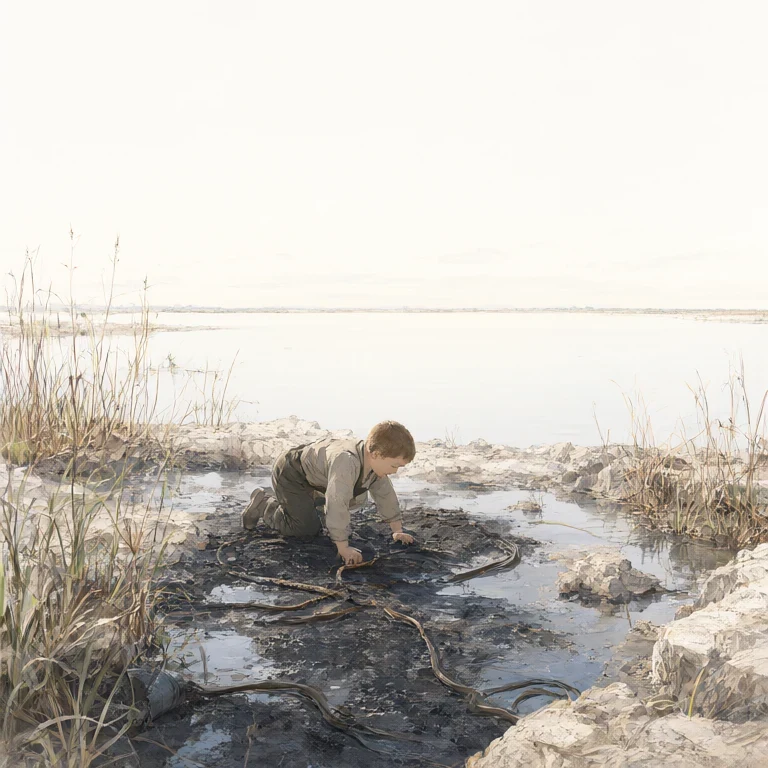
The schoolmistress found me at half past eight and took me in by the hand, and my mother said one thing, which was that I was not to go in the west workings again, ever, not for the warm. They put the sign up at the west end the following week, and it is still the same sign, and the school fence is a hundred yards off, and there is no fence round the salt.
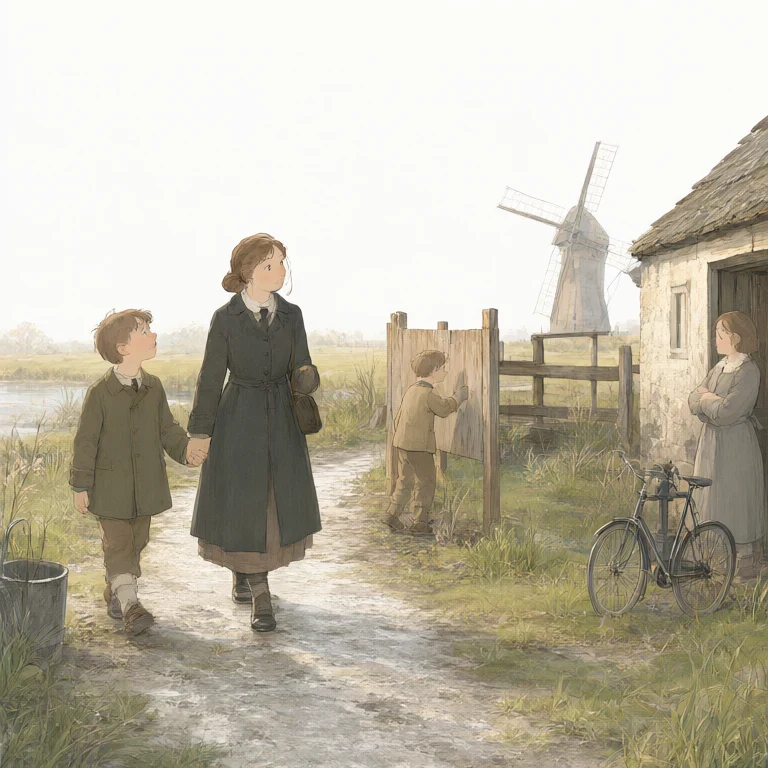
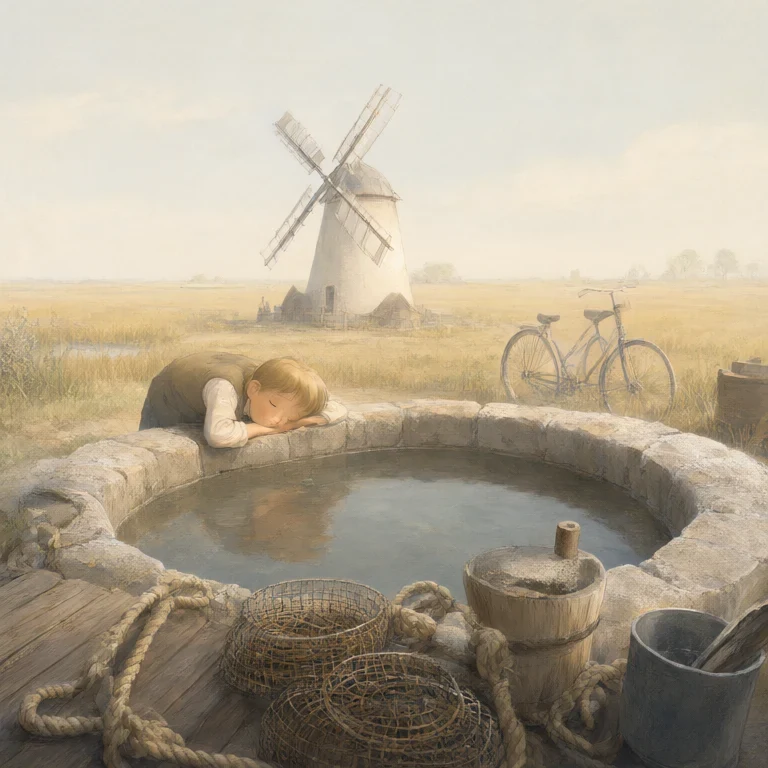
The child had been listening a long time without saying anything. The sun had come up over the flats and was doing the thing it does out here, which is to light up a hundred square miles of wet white country with no edge on it. The bittern went up off the reed bed at the far end, the way it does, going up in three heavy turns and then hanging. “There is one thing I have not done in seventy years,” the old woman said. “All right.”
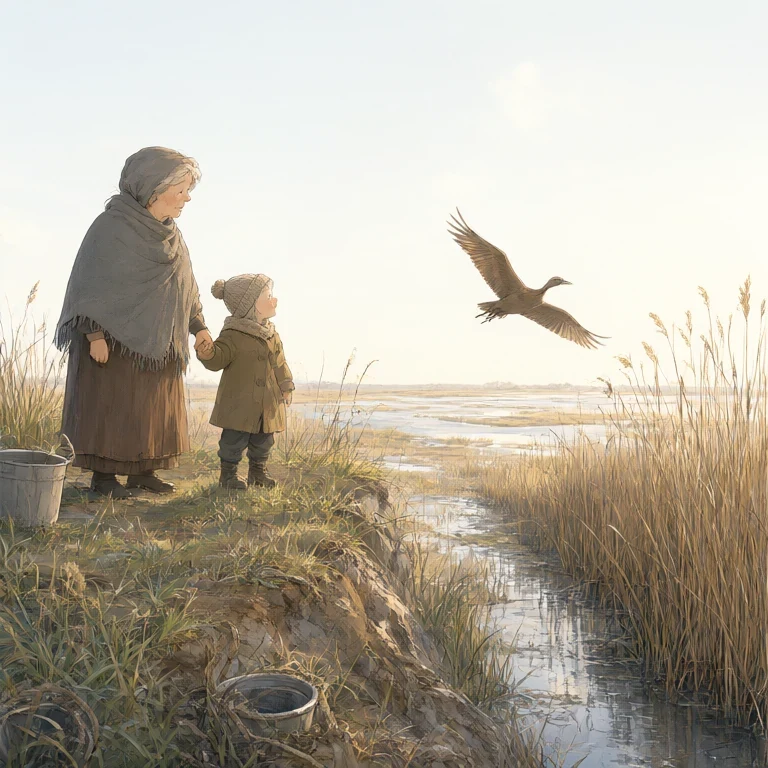
“I have never said its name out loud to anybody who could hear it. I promised, and I was nine, and nobody listens to a child.” She leaned forward. “Merse.” The child said it back to her, once, and got it slightly wrong, and the old woman gave her the second half again, and the child said it properly the second time. Nothing whatever happened in the water, which she had expected. The old woman got up off the rim, which took as long as getting down had, and took the child’s hand, and they went out through the gap in the bank towards the school fence, four hundred yards off, with the bittern going up over the flat behind them and the sun on the water and no sound of a pump anywhere within two miles.