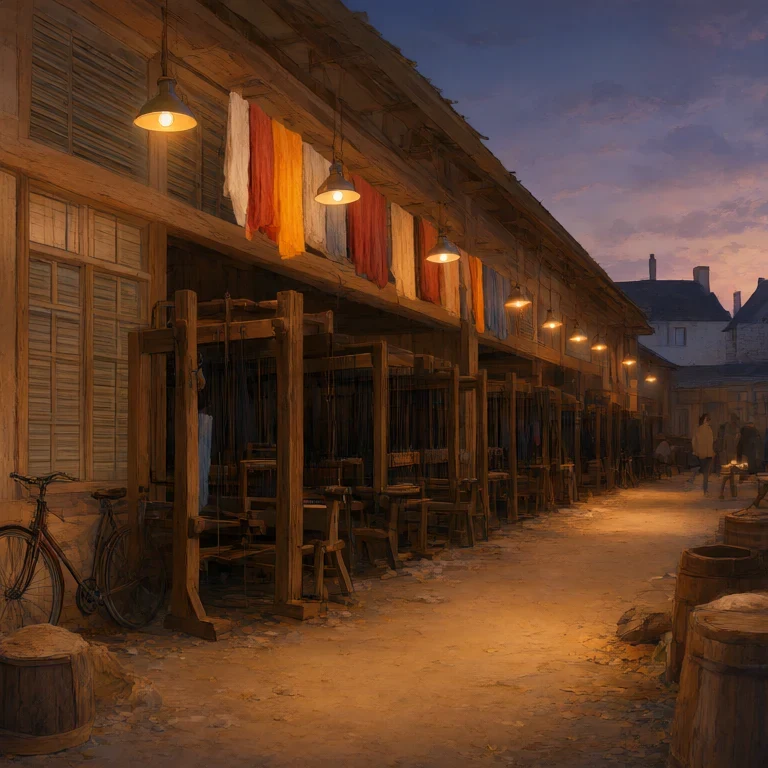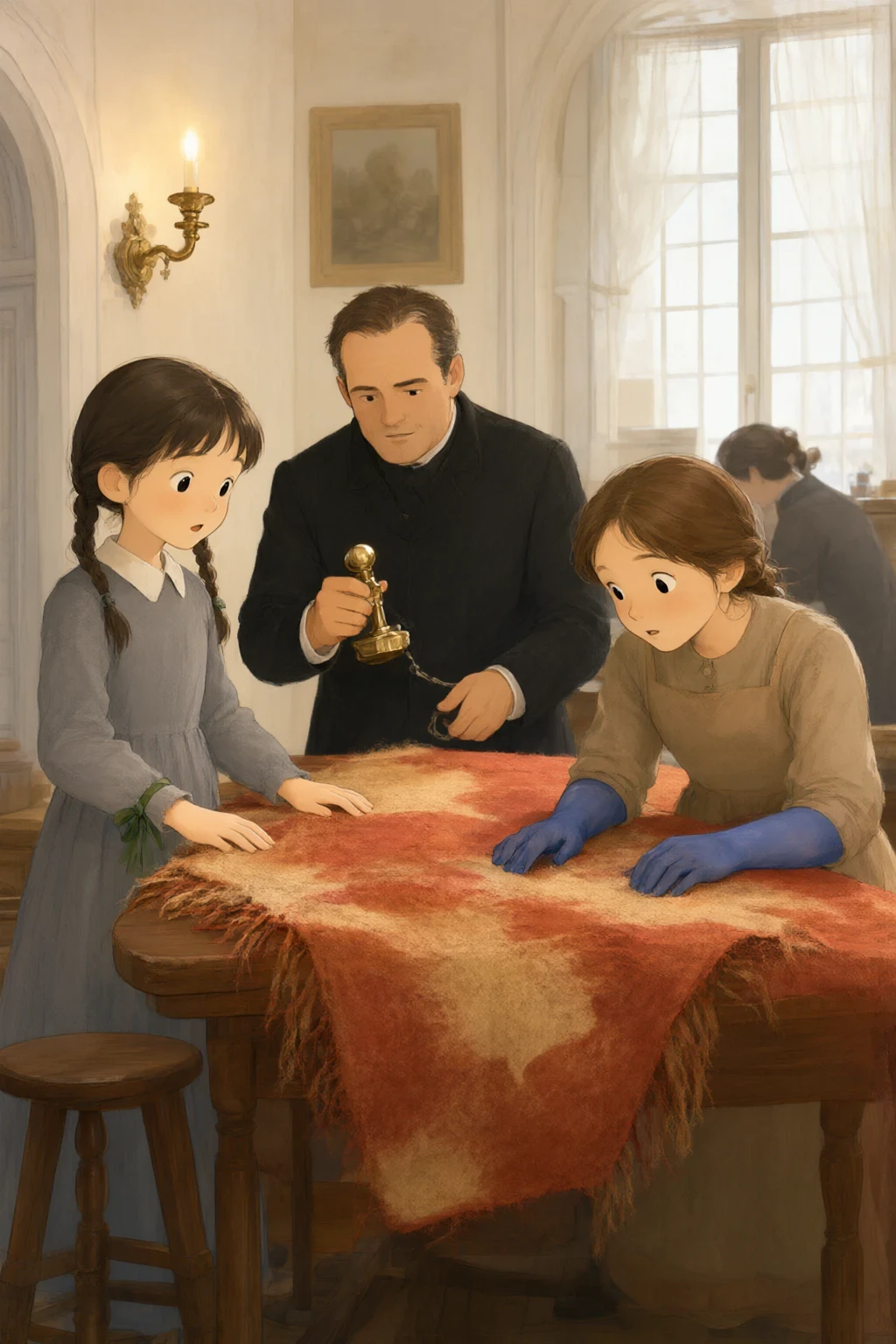
The autumn assay was on a Thursday, and the Assay Room was the only room in Sparable with its shutters up. Gas in one bracket by the door, brass on the table, lino the colour of a wet stone, forty bolts down the length of it. Nobody lies in that room. It is the one place in the town where a sentence said out loud is the same as a sentence true.
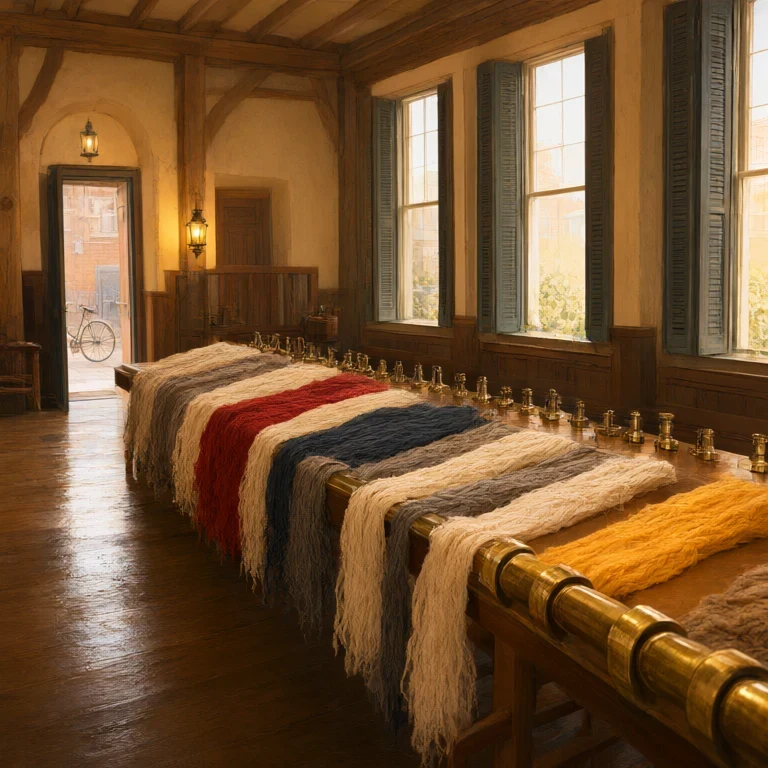
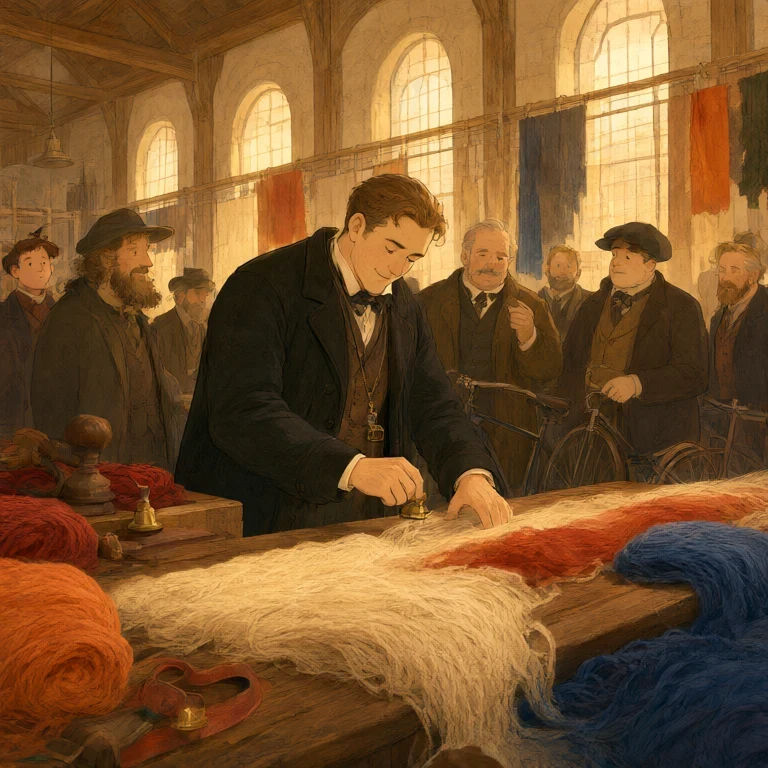
Corin Slee pulled the first bolt towards him and brought the two selvedges level with his thumbs before he looked at it, because a man who looks first and straightens afterwards has already decided. “Eleven hundred and forty yards. Tolerance, a quarter inch. Recommendation, pass.” That is how he answered. Number, tolerance, recommendation, in that order, whatever was asked.
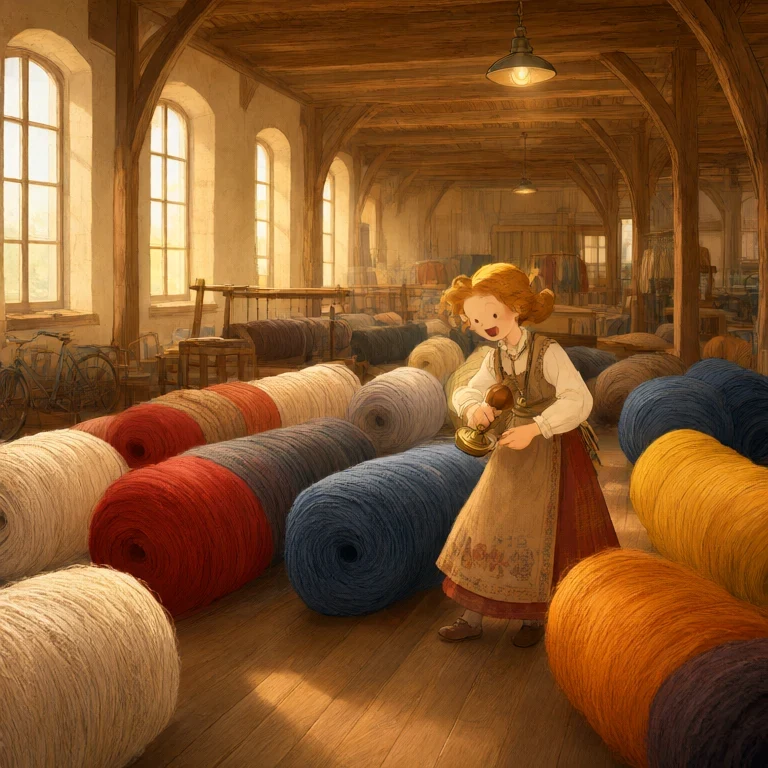
At half past nine the cart came in off the drying frames, and Wenna Pike walked the bolt in herself, and the room got woad and alum through the door. “A great deal of madder in that one,” she said, before anybody had asked her. “And cream. And nothing else, and I am sorry about it, but Monday’s vat had only those two. I have called it the Chalk, because there is nothing in it but the colour of the ground we stand on. The Wen I have used already.” “Three hundred and forty yards. Tolerance, a quarter inch. Recommendation—” “Wait,” said Wenna Pike, who was indigo to the second joint of both arms and the only person in Sparable who worked in daylight.
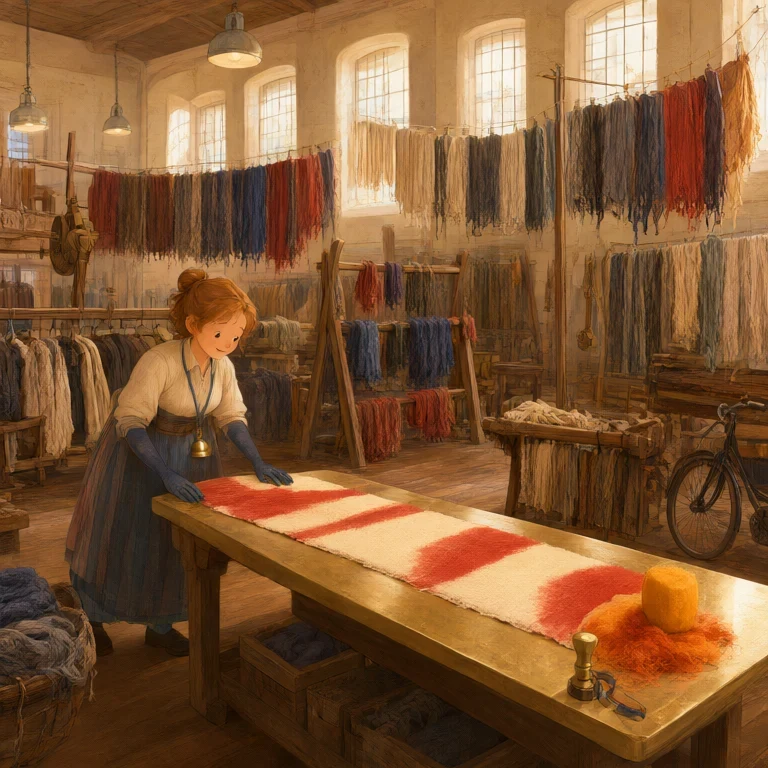
By ten there were fourteen at the table, because the buyers had come up from the market town. Nobody could see anything wrong with the cloth. Corin Slee squared it and looked at it the length of it and looked at it again. Vaughn Ostry came round the table, large and unhurried, in a coat whose collar had been let out four times by four different tailors, and looked at it too. “I take it,” said Vaughn Ostry. Nobody wrote that down.
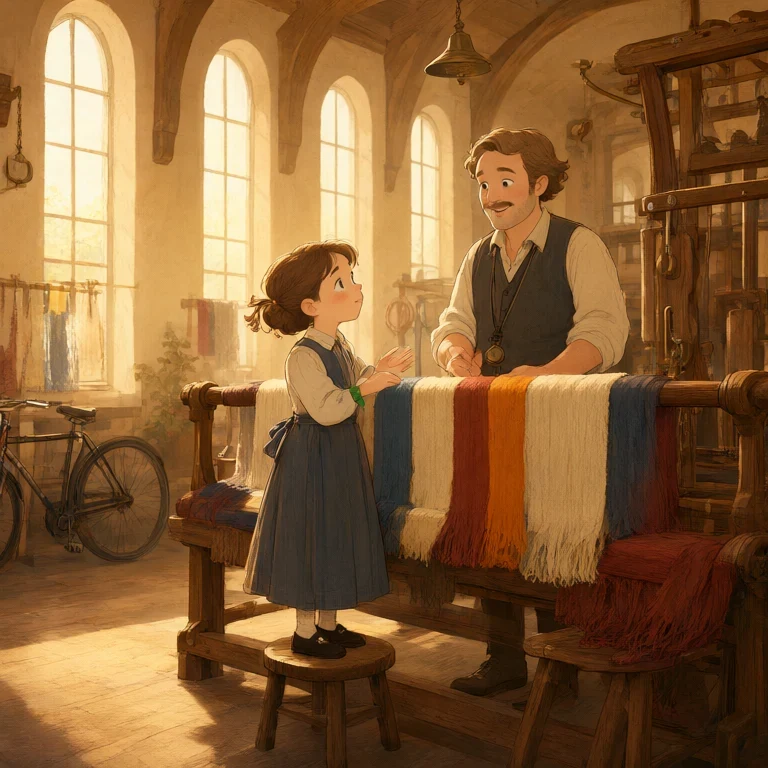
There is a rule about children, and it is the only rule the guild has never argued about, because arguing about it would have needed somebody to describe a cloth. A child who has not been taught what to leave out sees the whole of a cloth. An adult cannot be made to, and the guild has never managed it, because the one person who could see was nine years old and could be put on a stool. “Bring the Barrowe child,” said Corin Slee. “And clear the end of the table. She does not do it in a crowd.”
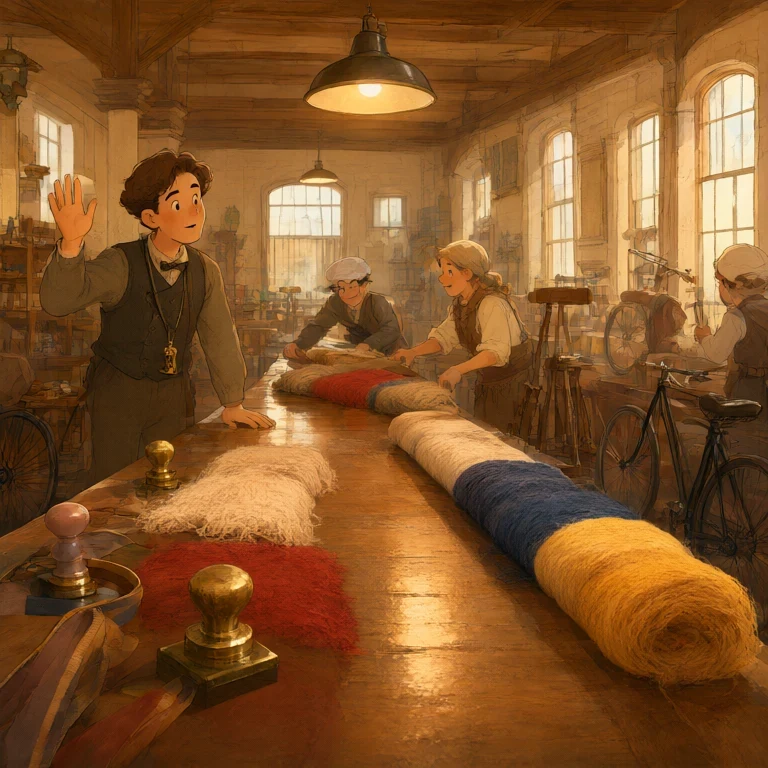
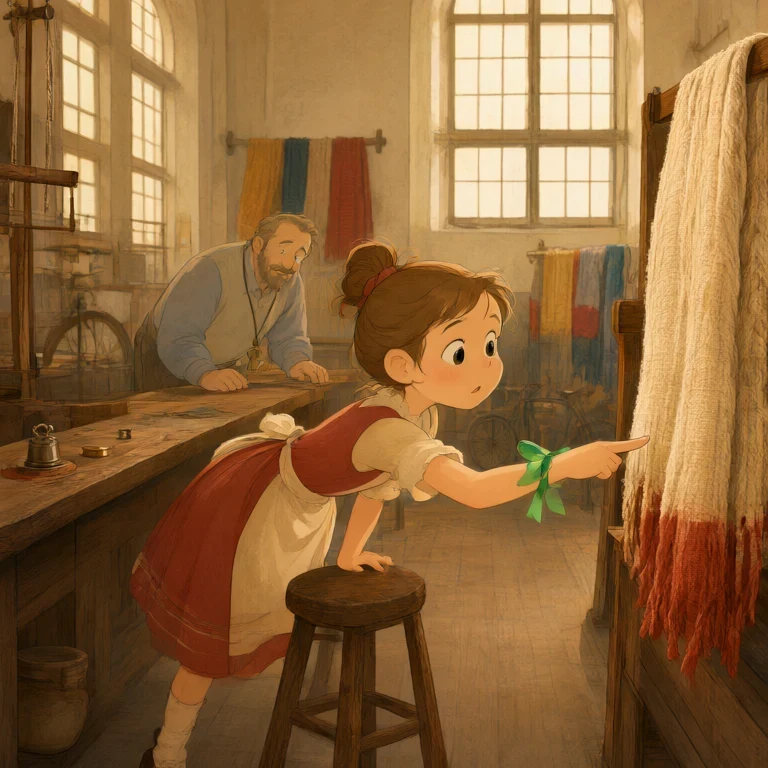
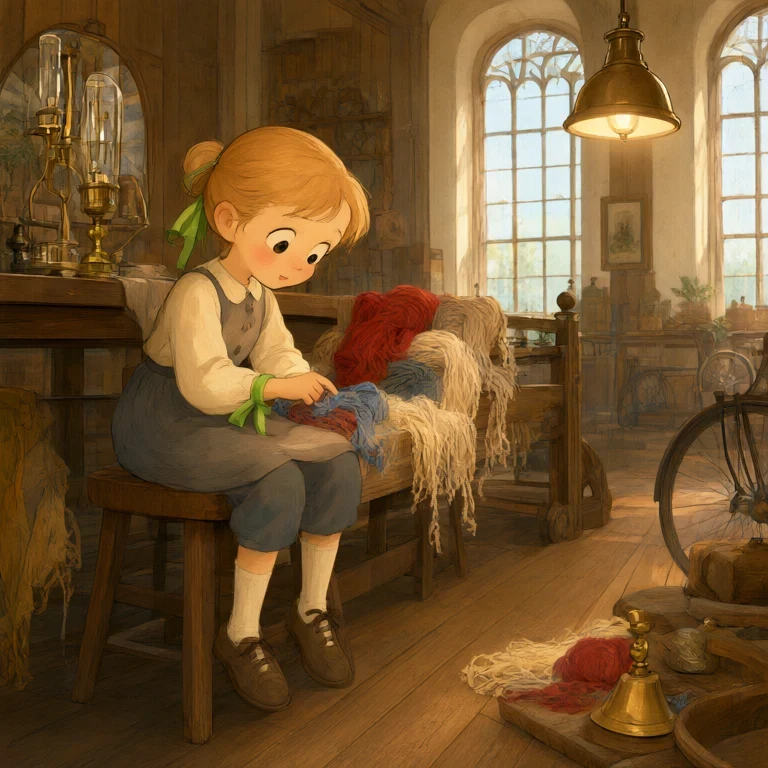
Ilse Barrowe came in with a green ribbon on her right wrist, the guild’s mark of an authorised child-inspector, which she wore the way other children wear a scraped knee. She got up on the stool without being asked, and looked at the bolt.

“This is one cloth, and it is madder and cream, and the madder is at the head and at the foot and up both sides, and the cream is in the middle and in two bands, one band here and one band here, and the bands are not the same width, and the selvedge is three threads on this side and three threads on that, and the warp is wool and there is no linen in it anywhere, and the cart is still in the yard.” Nobody stopped her. She went on the way water goes down a drain.
“And there is a hole in the dye frame’s handling mark, in the corner, and it is a hole the frame made, not one you made on purpose, and you are not counting that one.” “We are not counting that one,” said Corin Slee. Then she stopped.
The buyers went on with their pens. And then everybody noticed at once, the way you notice a loom stopping, and it was the quiet of the shed bell, four times a day, and there was no bell. Ilse Barrowe opened her mouth. “There is a six,” she said. “Ilse,” said Corin Slee. Not loudly. He said her name the way you say the name of a horse in a slip. She stopped, and the colour went out of her face and out of everybody else’s at once, and Corin Slee did not move for a second and a half.
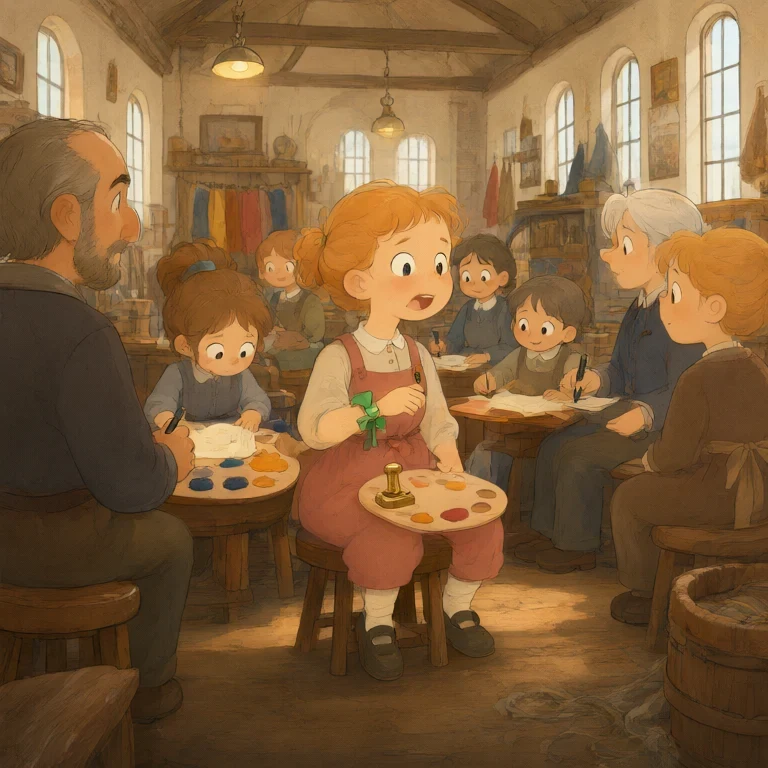
He put four hundred stamps on lino a year, and he knew what a description does to a cloth the way a man knows what fire does to a building. Not as a theory. Something he has watched twice. “A cloth dies when it is described,” he said. “Twice in nine years on this table, and both times it was a man doing it to be kind, and both times he was telling the truth when he started.”
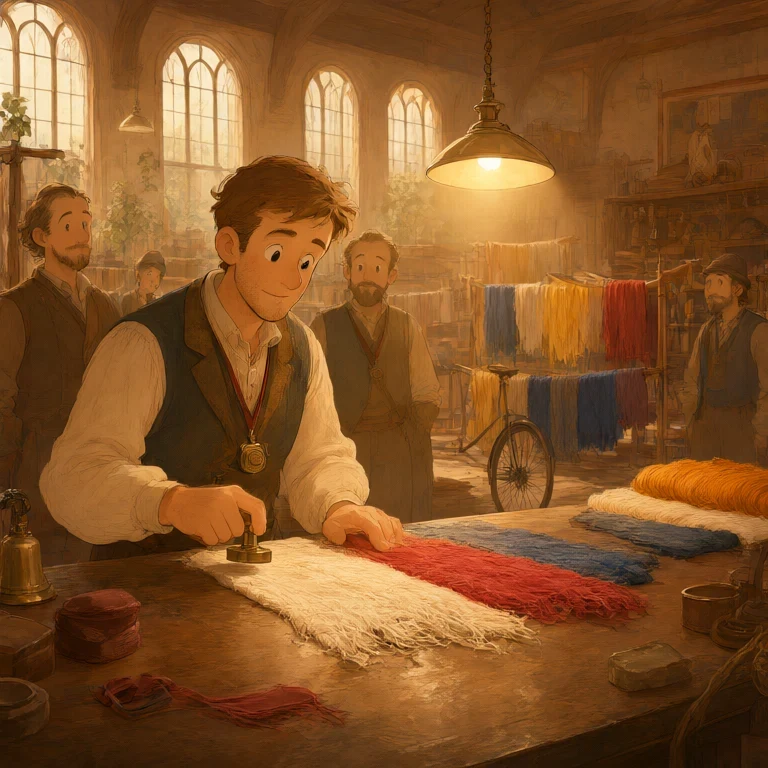
The bench wanted the sixth, and nobody could have it. “Read the commission,” said Corin Slee. It was written in the negative, all the way down, the way everything in Sparable is written. “This commission names all that it withholds. No second band. No figure at the foot. No border at the head. No name in the corner. No colour but madder and cream. Those are the five.” The negative says what is missing. A boy with a catalogue could write down every word of it and the catalogue would still not hold the cloth.
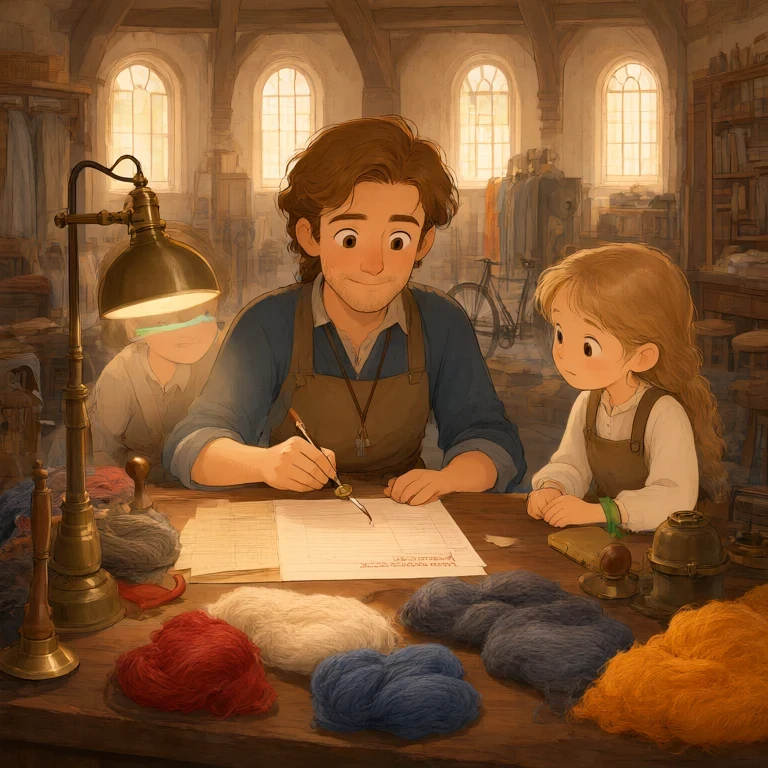
“Go through it again. The five, in order. Tell them whether the cloth agrees.” Ilse Barrowe leaned forward and looked, and did it the way she did everything. “One. It has no second band. Yes. Two. There is no figure at the foot. Yes. Three. There is no border at the head. Yes. Four. There is no name in the corner. Yes. Five. There is no other colour. Yes.” She stood up on the stool, which she was not supposed to do. “That is all of the paper,” she said. “And there is a six.”
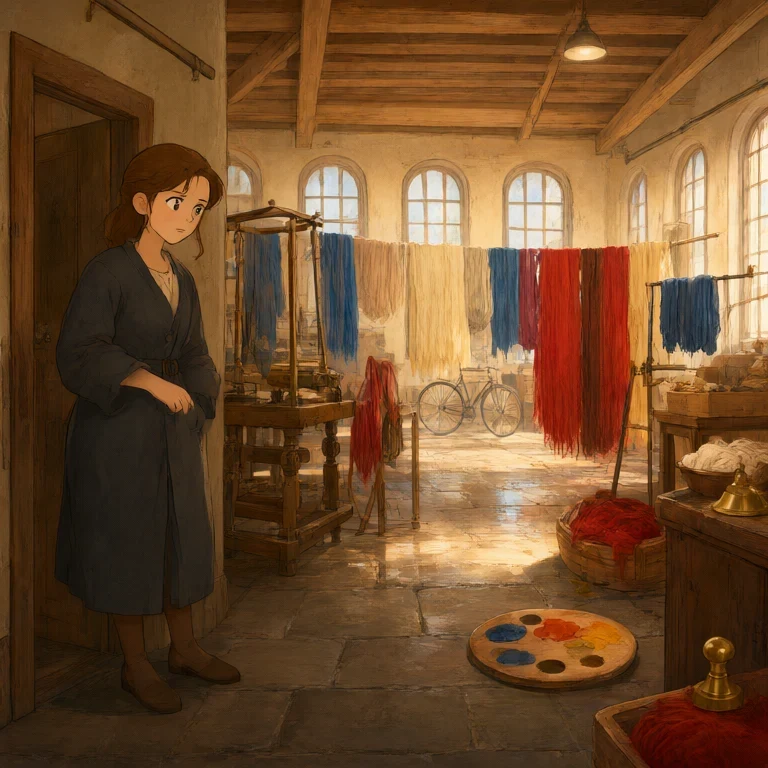
At the wall by the door there was a girl of seventeen with a shuttle burn on the pad of her hand who had not said a word for an hour and a half. She could see it too, exactly what she had hidden, and had come down the hill anyway with the bolt on her back because there had been no contract that did not need taking. Corin Slee looked at the paper, and then at the girl, and then at the paper. “Then we write the line,” he said.
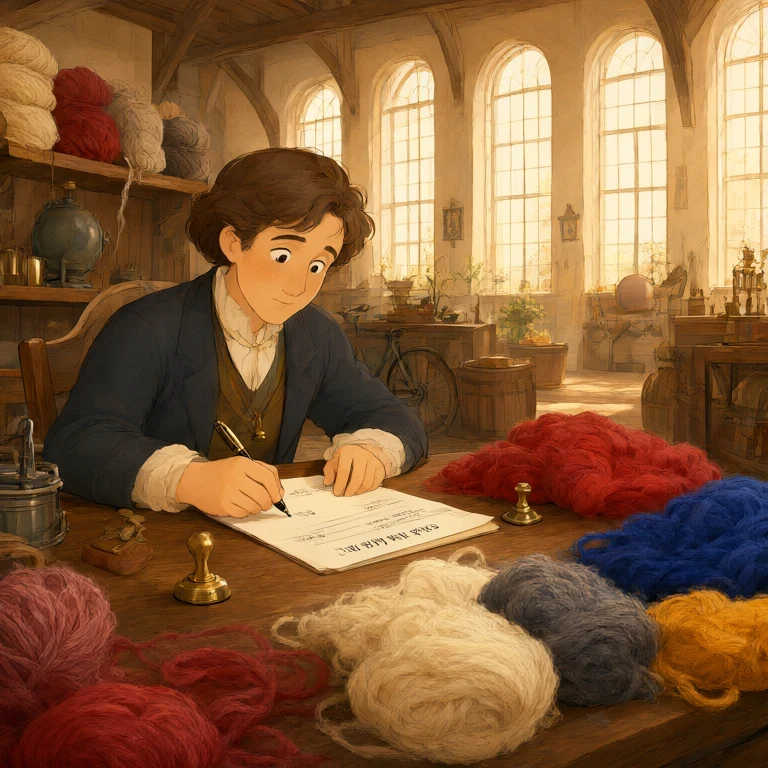
He wrote in the middle of the form, where there has been a space for it since before his mother was born. “This commission names all that it withholds. Signed. Dated. The fifth of October.”
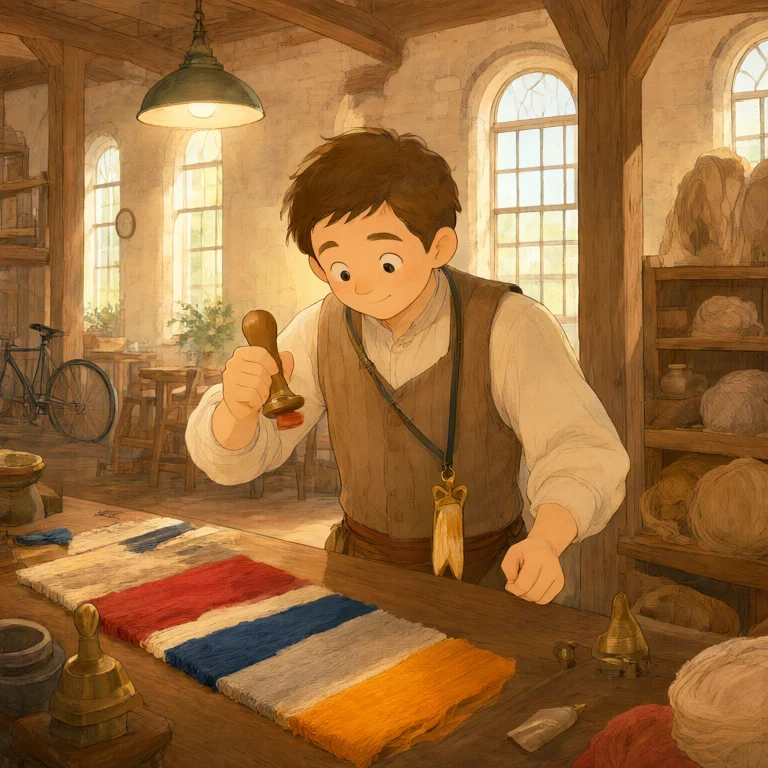
The sixth was no longer a thing the town had agreed to. It was never a thing it had agreed to at all. It was a fault, and a fault cannot be sold, and a bolt that cannot be sold goes back down the hill on the cart it came up on. Corin Slee put his stamp in his pocket, which he had not done in nine years, and then hung it back on its lanyard where anybody could see it.
In the assay book the older clerk wrote, in the Thursday column, “Bolts passed, thirty-eight. Bolts referred, one,” and ruled his line, and did not look up.

She stopped in the doorway with her hand on the frame. Corin Slee asked her the only question he had been able to ask all morning, because it was the only one he could not put to an adult. “Is it a good one?” “It is a good one,” said Ilse Barrowe.

And that was the thing none of them had thought of. The cloth was not wrong in any of the ways a cloth can be wrong. She had seen the whole of it, and it was better than a complete cloth, which is why it could not be stamped and could not be sold. The guild has four hundred of the other sort a year and has not made one in living memory.
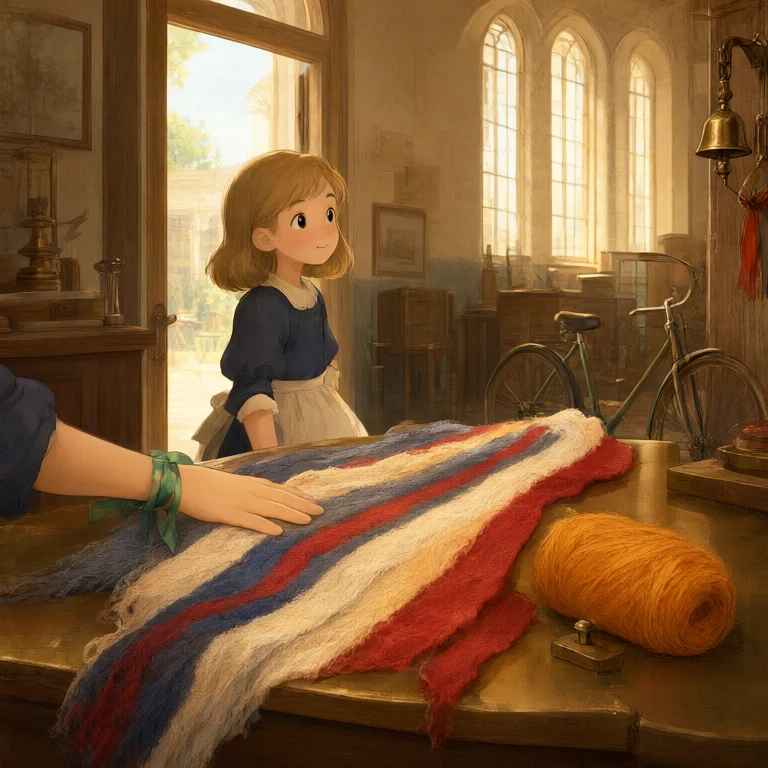
The cart went down at four o’clock, when the light was off the assay windows and the lino had gone back to a wet stone. Lysa Ferrant took the bolt off it and turned it face down on the frame before she looked at it, which is what she always did, and stood a moment with her hand on it and the burn going pink. “Thread me again in the morning,” she said to nobody.
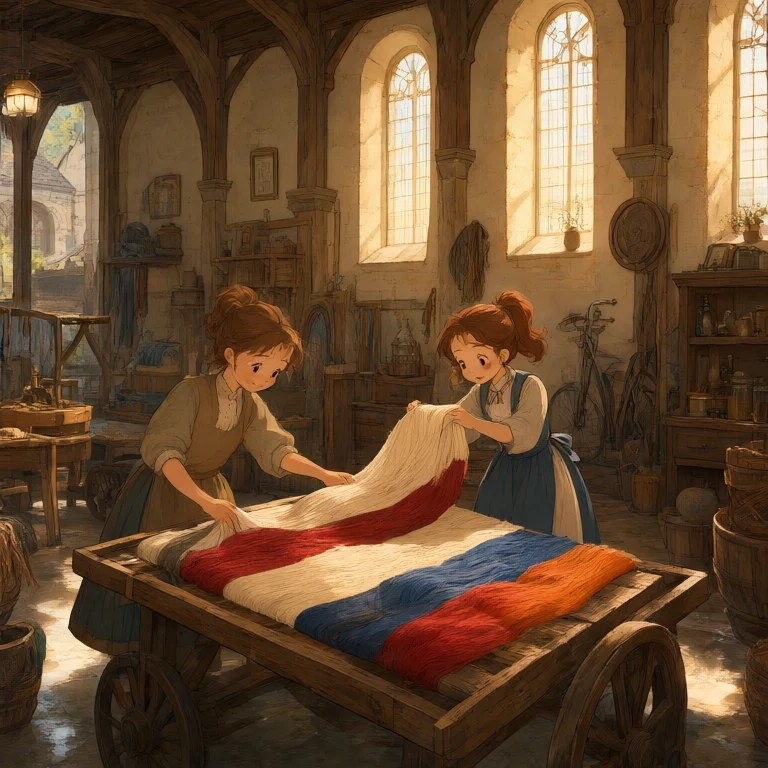
Out on the chalk shoulder the shed lamps were lit down the Warp House, and the wind was coming up off the Wen with the first of the autumn in it, and the town went on with its four silences a day, like a town that had agreed to something.