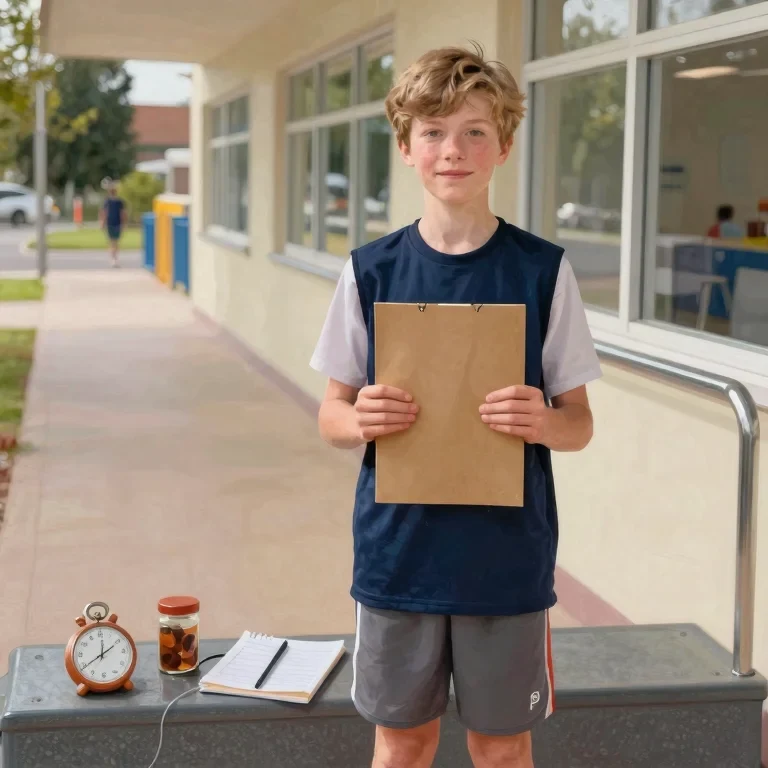
Hamish Kelland was thirteen and he could not tell red from green. He had known it since he was six. The way he found out at six was that he could not pick his own coat out of forty coats on a hook at primary school. The way his mother found out at thirteen was that she asked him what colour the kettle was, and he said brown, and the kettle was white.
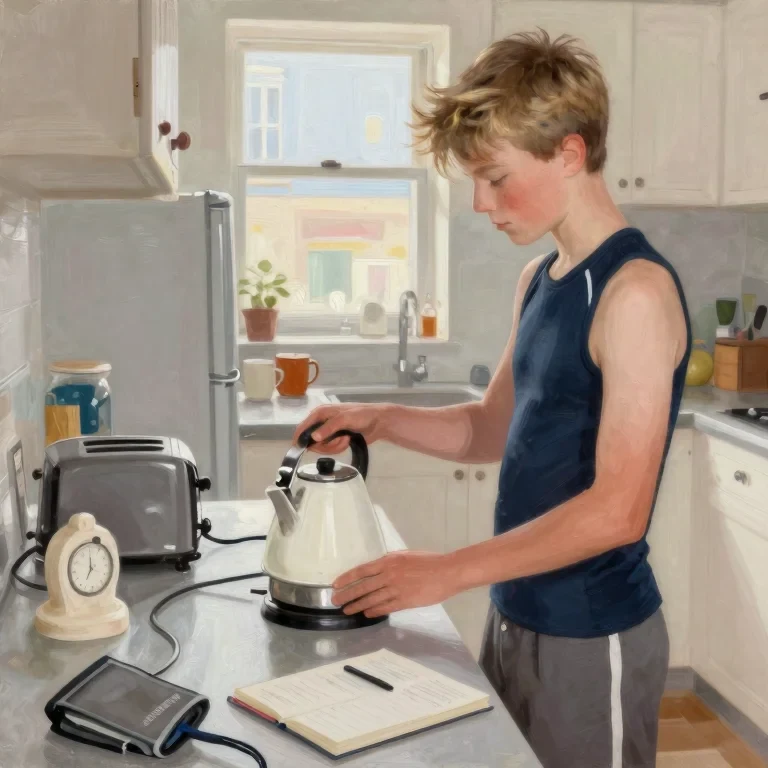
The fact of it sat in his life in a strange way, because he had built an arrangement around it. He knew the tins in the shop by the row they stood in and the number on the shelf. He had taught himself that red things are dark things and green things are also dark things, and that you get along perfectly well if you get told what the things are. The one thing nobody would let him forget was traffic lights. Every kid in his class had that story. He had grown up inside the idea that he was the sort of person who walked into a red light, and he had never once done it, and he could not say so.
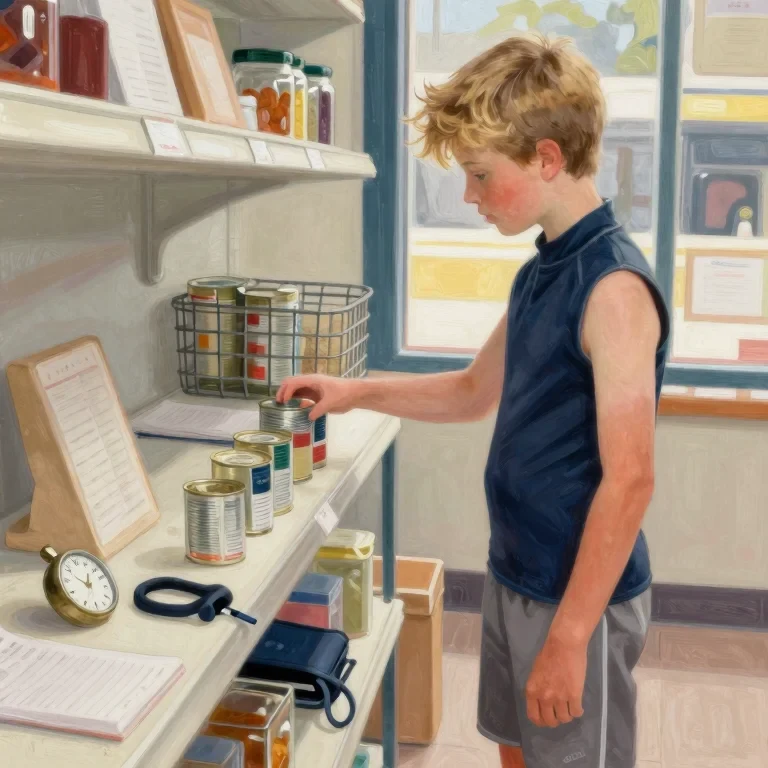
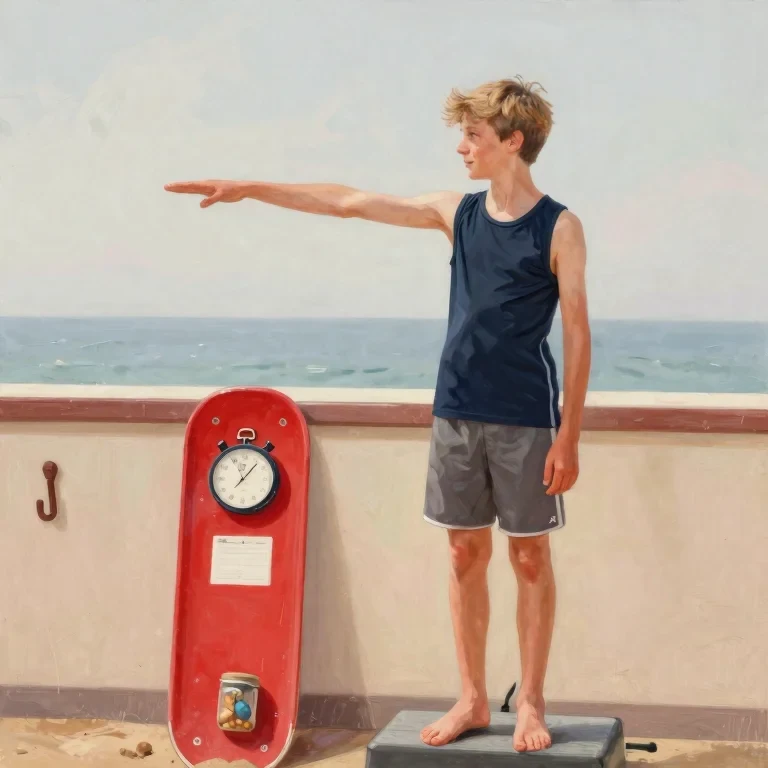
St Clair Surf Life Saving Club had a junior patrol of eleven boys and girls, and Hamish was on it. His job was the boards and the flags. The clubhouse wall had four iron hooks in it, and the club kept two boards on them. A red board meant the beach was shut and nobody was swimming. A green board meant the club was on duty and the water was open. You were not supposed to read the boards, because the boards are hard to read in the rain. You were supposed to know the hooks. Red went on the second hook from the door on the left. Green went on the first hook from the door on the right. He knew the hooks perfectly. He had known them since he was nine. He did not have the colours.
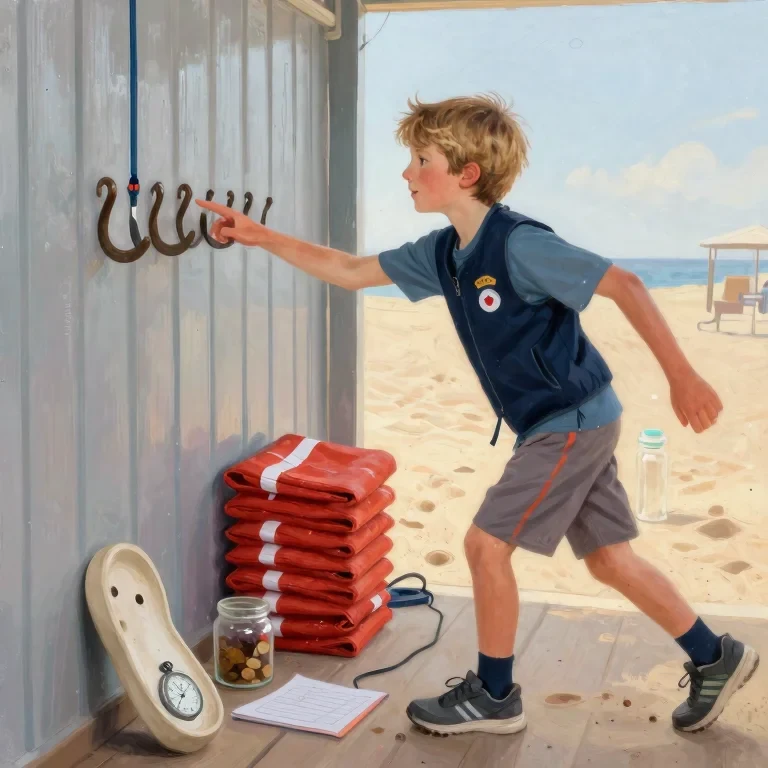
It was the third Saturday in October. An easterly, four hours of northerly behind it, and a swell on top of it that had the surface of the water going grey and then brown where the wind was taking the top off. The water was very warm for the year, which is the other half of the problem with an easterly. The patrol captain put the swimming area in the shallows and kept everybody out of the rest of it, and by half past three in the afternoon she decided the beach was finished. “Boards, Hamish. Red.” Hamish took the red board off the wall and went out to hang it, and hung it on the first hook from the door on the right.
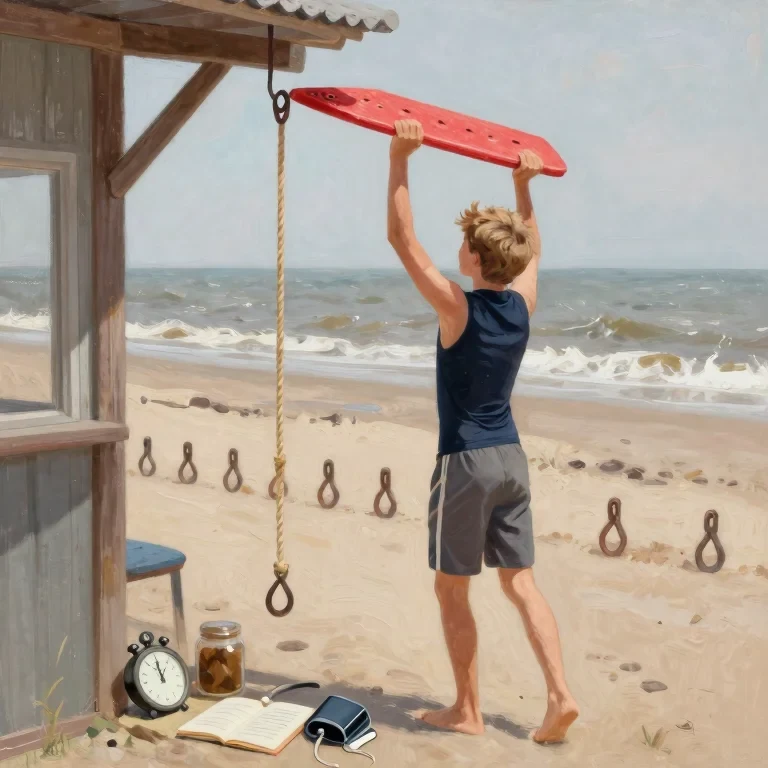
There were two men in the water a kilometre east, out past the rocks off the point. Neither was in the patrol area. Both were paddling hard and neither was making ground, which is what a rip does. The patrol was two hundred metres up the beach, finishing a session. It took eleven minutes before anybody had any idea that those two men had stopped coming in. Then the patrol captain counted them, the beach counted them, and the clubhouse counted two boards and saw that the wrong one was up.
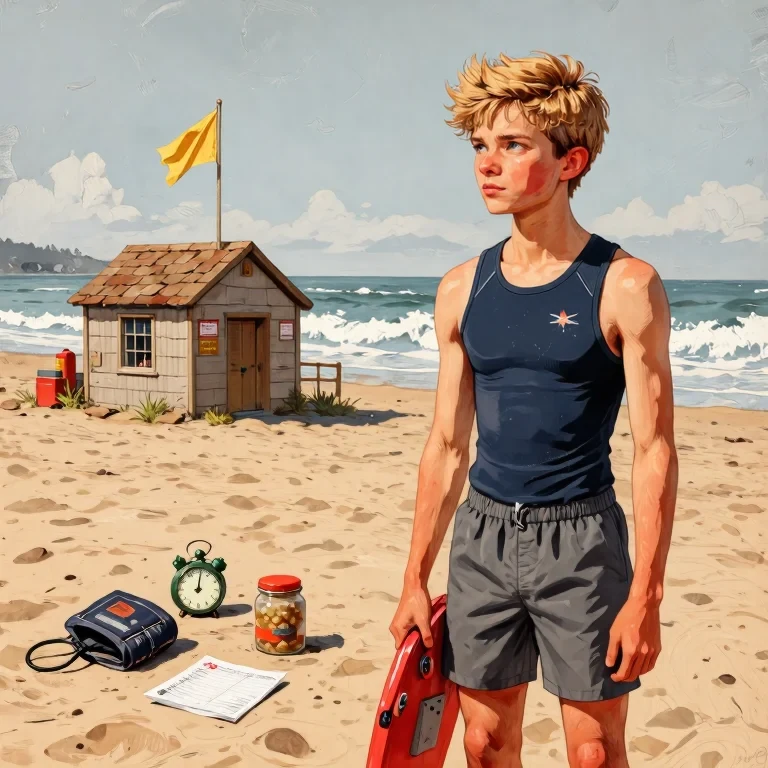
Four club members went in on rescue tubes. The two men came back on the sand, were sick on the shingle, and were fine. They were twenty-four and sixty-two, both went to hospital to be checked over, and both were released. Nobody was hurt who could not walk off the sand. That part is true, and it is the only part that went in the report as a relief.
Seven of them sat around a table with the eleven juniors outside in the car park in the rain, and Hamish was asked in to say what he had done, which he did, twice, in nearly the same words. The captain said, “This is not about being careless. You were not careless. You were fifteen metres from where you were supposed to be and you did the right thing on a board you could not read. I want that written down first, before anything else.” And then she said, “And you are off the boards and the flags until the season starts again.” Hamish said, “I can learn them.” “You can learn the hooks. You already have learned the hooks,” said the captain. “That is the whole trouble. You are not wrong to be stood down. You are just wrong.”
Walking back to his bike, a boy called Tama said, “So you really cannot tell when the lights are green.” That was the end of it. It was not unkind. He did not answer, and it was the last thing anybody said to him about that all day. He did not tell the club. He knew the whole time that this was the mistake. He did not tell them because a green light and a red light are the most famous pair of colours in the world, and if you are the person in the building who cannot do the famous pair, then saying that out loud to a club of strangers at thirteen is not a small thing to do.
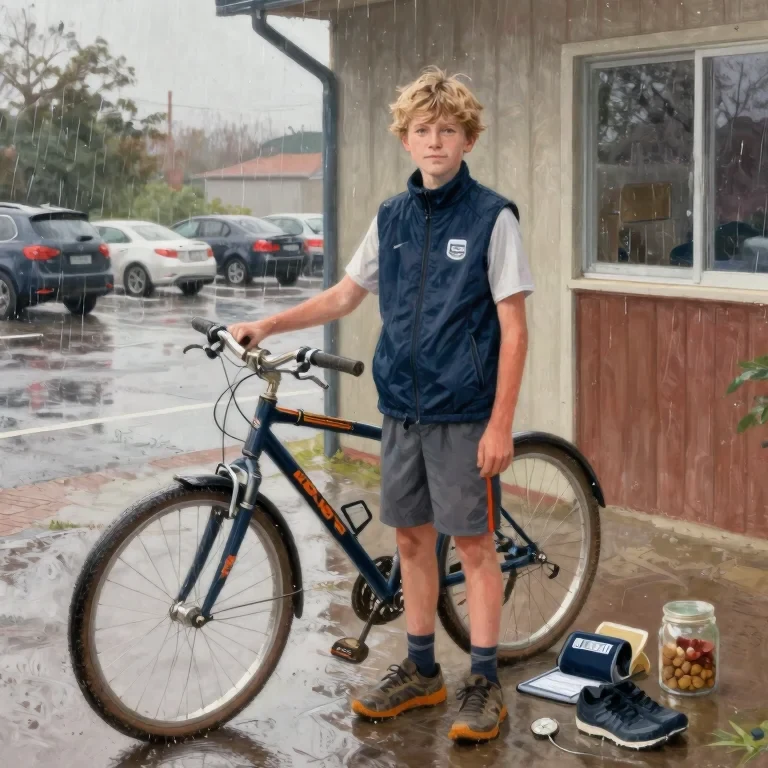
In August he had found an app. He read about it first. The man who wrote it said he had tested it on nine thousand people. It said sixty per cent of Hamish Kelland had red-green weakness. The next week a different one said thirty-eight per cent. The one after that, which came from a doctor in Chicago, did the plates properly, and then would not do the same test again on the same day, because the answer changes with the light and with the screen. Hamish got one of them to sit him down at the kitchen table with the shades half pulled, and answered the second half of them, and got a different number again.
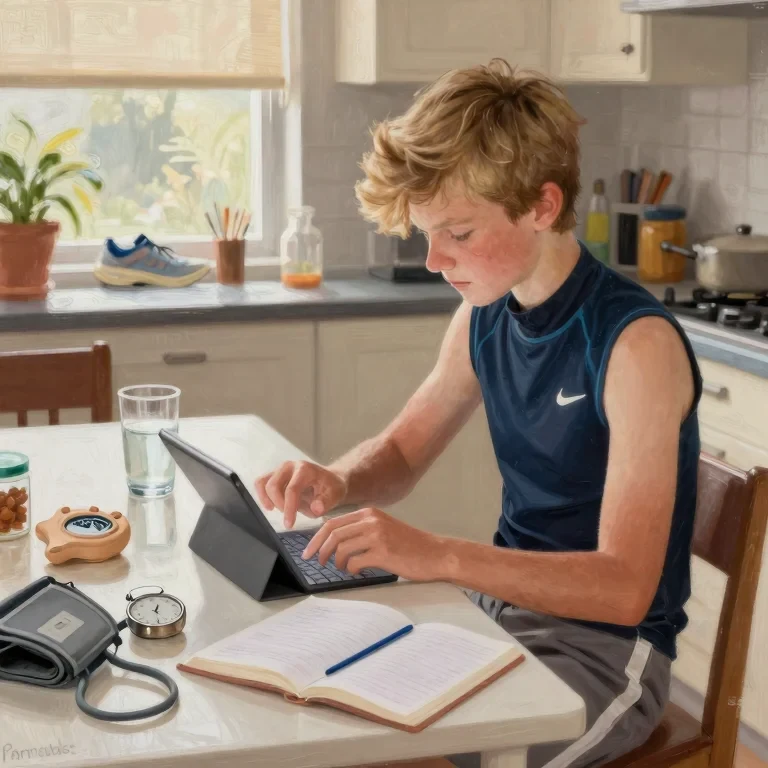
The optometrist was on the Parade, and the room was dim, and there was one lamp over the desk with a warm bulb in it. Mrs Lundy did not begin with the letter chart. She did the letters, and he read them all, and she told him he had 6/6 in each eye, which is full, and which is what you would expect from a boy who tracks a ball across a field at speed. Then she opened a cardboard book with a flap that turned. The pages looked blank, and then the flap stopped where it was meant to and a number was there, printed in one set of coloured dots against a background of different coloured dots.
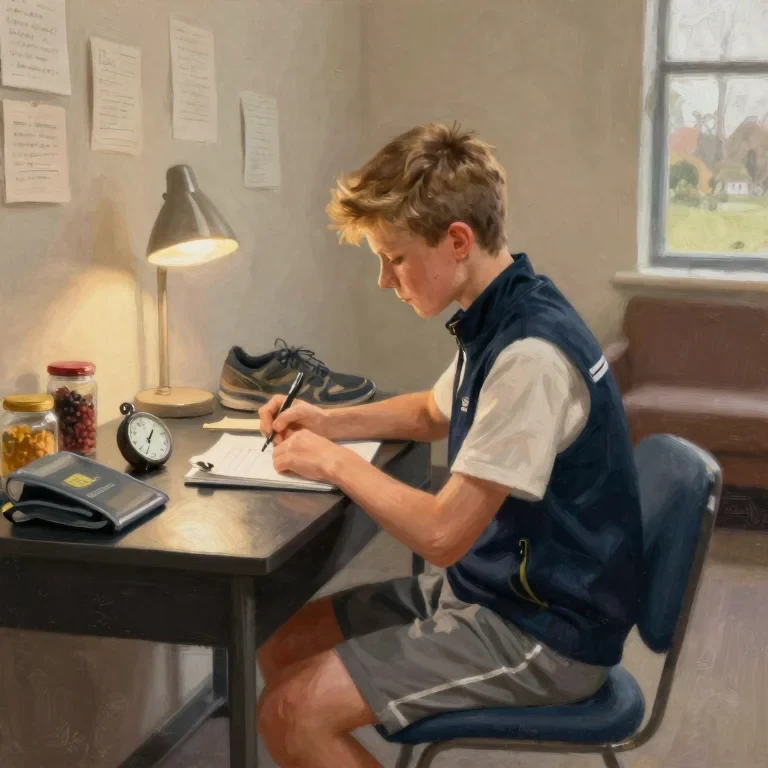
“Read them out, and tell me when you cannot see one.” He read some of them. He stopped at seven. Mrs Lundy wrote that down, and then did something with the lamps. She turned off the warm one over the desk, drew the blinds, and stood beside him at the window with the book on the sill in the daylight, and made him do the whole twenty-four pages again. He got eleven.
“The plates are meant to be read in daylight,” she said. “Every instruction that came with this book says daylight, because a warm bulb throws away the short end of the light and the whole test sits at the short end. You have been tested twice today and you passed different amounts of it twice, and neither of those results is wrong. They are the two ends of one measurement.” She put the plates down and asked him about the family.
His mother's brother, Rewi Kelland, was sixty-one. He read nine of twenty-four in a clinic in Invercargill nineteen years ago and has never mentioned it to anybody since. His mother's father could pick out a red hat from a green hedge at a hundred metres. His own father could not tell his two cars apart, and neither could his mother.

“About one boy in twelve cannot separate those two colours properly,” said Mrs Lundy. “About one woman in two hundred, because a woman has two copies of that piece of chromosome and usually only needs one of them to be right. Of the men, about six in a hundred have the green kind and about two in a hundred have the red kind, and you have the green kind, and it is the commonest thing I write down in this room.”
Then she explained it, and explained it well, and he still understood about two thirds of it, which she said was normal. There are three kinds of cone in the back of the eye, six or seven million of them, and they do nothing else. Each kind takes its own picture of the same light, and each kind is looking at a different part of it. The short one is most sensitive around four hundred and twenty nanometres, which is the blue end. The middle one is around five hundred and thirty, which is the green. The long one is around five hundred and sixty, which is the red.
A red apple and a green apple send different amounts up those three channels. A normal eye compares the three numbers against each other and gets the word.
“In yours the long one sits a little closer to the middle one than it should,” she said. “It has moved from the red towards the green, and it has moved right onto the green. So when light comes from a red thing and light comes from a green thing, your long channel and your middle channel are handed almost the same amount, and there is no difference left between them to compare. The other parts are fine. Blue, and yellow, and all of the brightness, and all of the shapes. You have a gap the size of a coin where one part of the red should be.” Hamish asked whether it would get better.
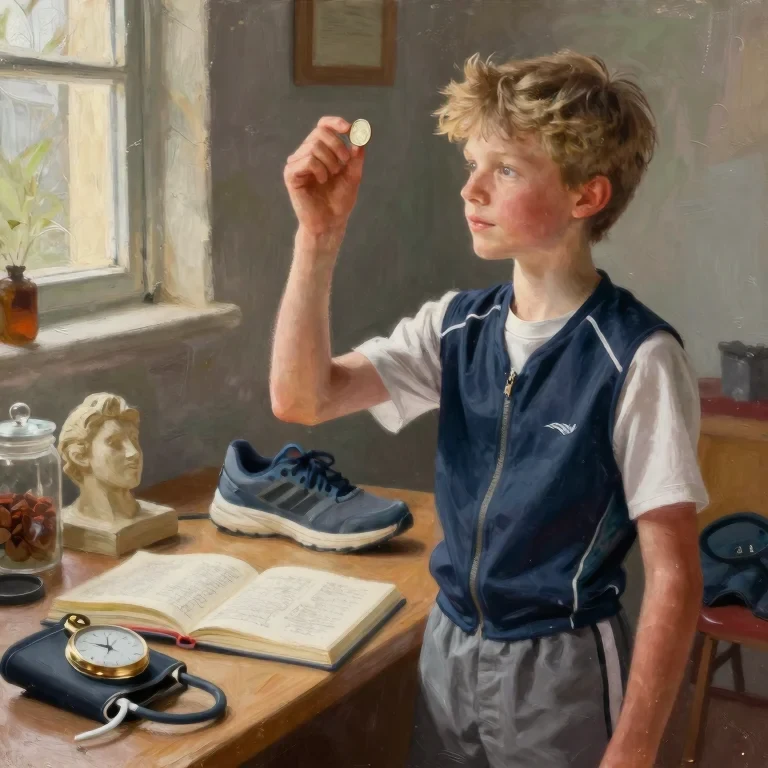
“It will not get better and it will not get worse. It is in the chromosome, not in the eye, and it is the same in both eyes, which is why it does not matter which one you do the reading with.”
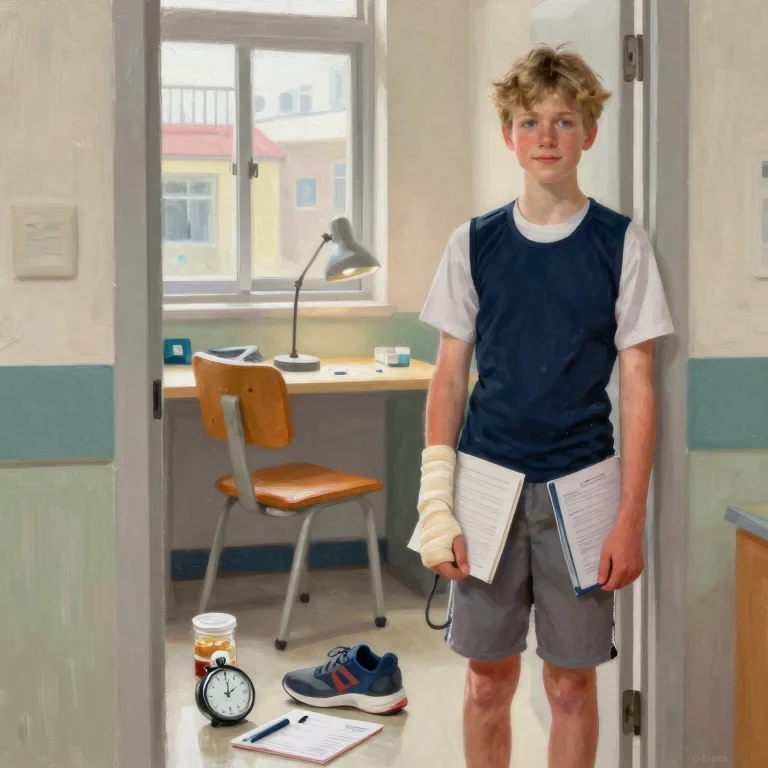
The club sorted it out in eleven days, and what they did was worth more than anything anybody said to him all winter. The captain did not look for a different colour. She painted SHUT on the red board in big white letters and OPEN on the green one, numbered the hooks one and two with a stencil, and made every junior in the patrol read the word out loud and hang it up, in daylight, at eleven, before they were allowed near it. “That is the fix,” she said. “You have been reading one thing off the board when the board has two things on it and you can only hear one. A letter is not a colour, so use it.”
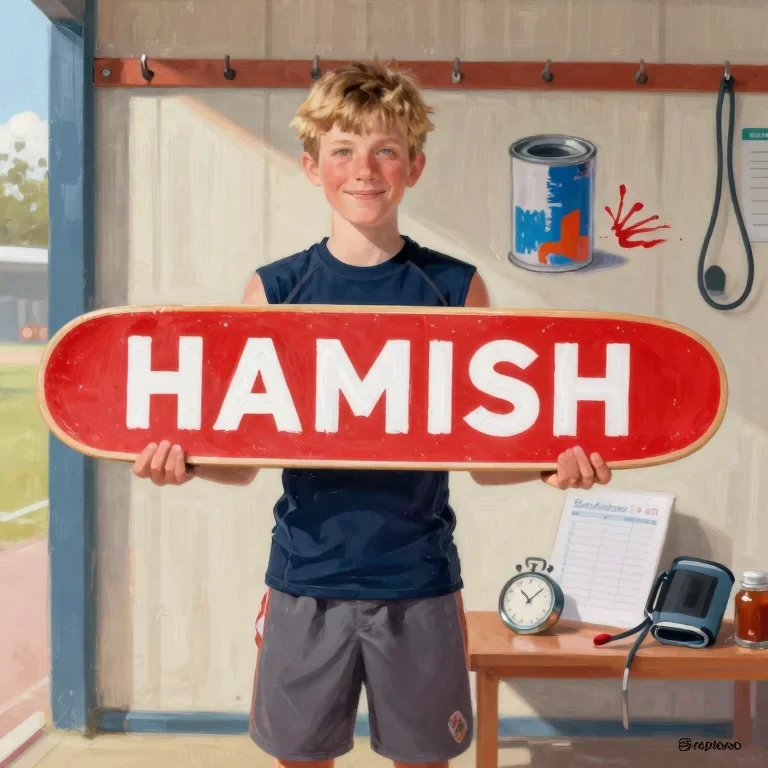
They also moved the hooks, so the closed board lived above the door where it could not be confused with a coat, and by the end of November Hamish was back on the boards, better at it than two thirds of the patrol, writing the date on the back of the board every Sunday.
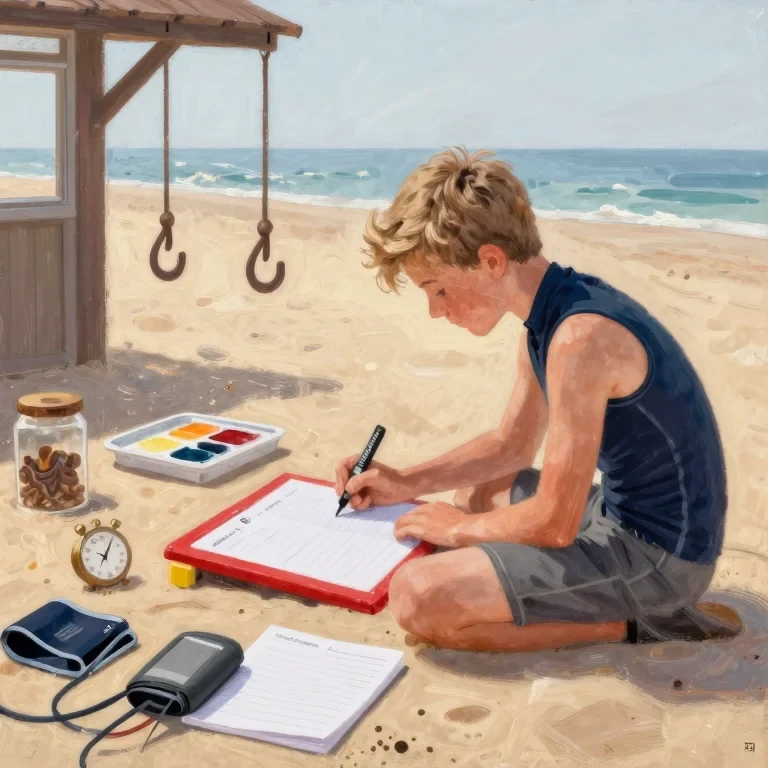
On the last day of the season, the twenty-second of December, he hung two boards on two hooks and both of them went up right. Then he took the red one down again to check the letters had not weathered off, and stood out on the step and held it at arm's length in the flat light coming off the water, and could not have told anybody what colour it was. He put it back up, and went in, and wrote twenty-second of December in the club book where the date goes.
The folder at the optometrist said seven out of twenty-four, and it will go on saying seven out of twenty-four for the rest of his life, because that is not the sort of thing eyes do. His class had twenty-six boys in it, and one of them could not separate red from green, which is about what twenty-six boys gives you. There is one other in that room who will be one day. Nobody ever tested him, because the eye test came round at school in 2029, when he was nine, and it was an app on a tablet in a corridor.