Every eleventh winter, Hallowfield lets go of its lights. The arrangement is thirty-one years old and nobody votes on it any more. The town is forty thousand people and a ring road drawn round the edge of the built-up part some time in the seventies, and the wire that feeds the outer half of that ring comes in on two steel pylons. A third pylon would have cost less than four years of the fish market. In the years when there is not money for the pylon, the grid is opened by hand on a Friday in late November and left open for a few hours. The lights go out at half past five. Most of them come back at nine. The town has done it three times. The fourth was two winters away when the board brought it forward to this November, because in September the reserve margin on the eastern feeder fell under the figure they had agreed to keep, and nobody wanted to argue about that in the dark. Nobody had done anything wrong in September. A block of flats gets built and a block of flats uses what it uses.

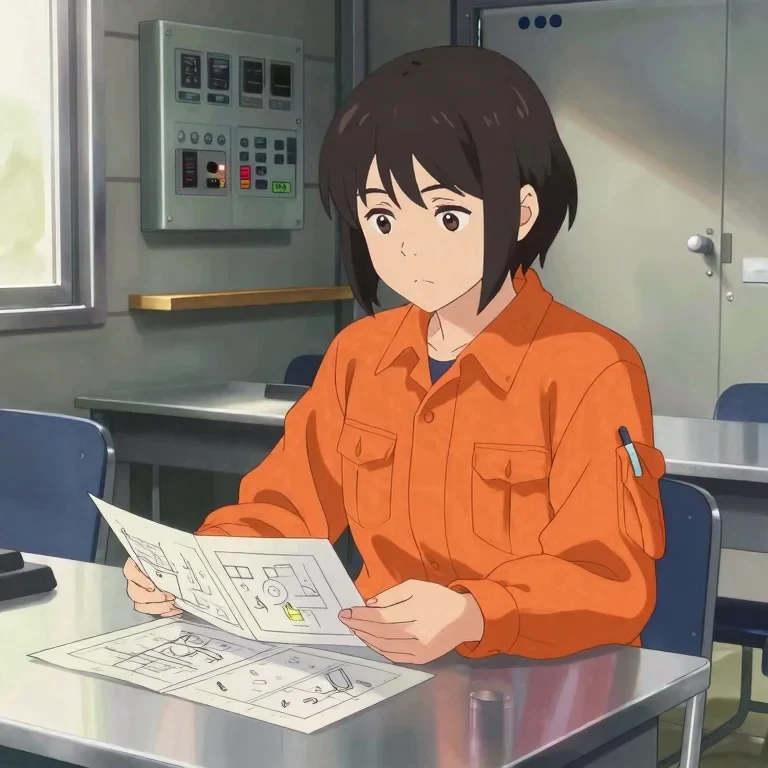
Solveig Rask was twenty-six and worked nights at the district control point on the edge of the industrial estate, where the panels are the same grey as the road and the heating is turned up too far for anybody who is not on shift. She had been on the job four years. She knew the shed list by heart, in the order it was written, and she had driven the restoration van twice for it. Her hair was dark and cut level with the jaw, and she wore an orange coverall with a name patch on the chest and a pen in the left sleeve pocket, and she was the sort of person a control room runs on.

The plan lived in a grey ring binder on the shelf above the desk, and it was a folded sheet, four panels, printed, and the third panel was the one that mattered. Solveig had it open before she had her coat off. 18.00 Rennard Row and the gasworks side, all boards out, seven hours. 18.20 Bell Acre pumping station, dead for the duration. 18.40 The fish market cold rooms, gates open, plant running on the diesel. 19.00 The hospital. No action. Essential supply only. 21.00 Restoration, reverse order, allow ninety minutes. Under the times there was a column of circuit numbers, and beside each one a note in the handwriting of somebody who had been dead for two decades, and along the bottom three sets of initials, one for each time the town had done this. The date at the top was the eleventh of December, thirty years ago.
Doran Doy ran the desk that night. He was fifty and stocky and had a grey beard and wore a green fleece with the fleece collar up, because the room was cold and Doran believed that a complaint about the cold was a complaint about the heating. “Two bus drivers and the depot,” he said. “That's all from the early ring.” “The depot's not on the sheet,” said Solveig. “The depot's not on the sheet,” Doran agreed. “It's the twenty-second. I called them in August when they moved the chargers onto us. Nobody wrote it down because nobody writes anything down in August.”

They did the handover. Then Solveig sat down and began the checks she had done three times before, moving down the binder with her finger, saying the numbers out loud the way the previous three had taught her. At the bottom of the third panel she stopped. There was a note in the margin in pencil, small, and it said: ask Ola at Bell Acre before you open the water. That was not in the printed plan. It was a note somebody had left in the binder, and it had been left there long enough for the paper to have gone soft along the fold. Solveig telephoned Bell Acre. Ola Renn answered on the second ring, and Solveig heard the pumping going in the background and the wind on the roof of the shed. “Before I open what,” said Ola. “Before I open the water. There is a pencil note in the binder and it says ask you.” There was a pause on the line of a length that Solveig heard very clearly. “Arel they still running the dialysis in the old shed?” said Ola.

They were. Nine chairs, four nights, a unit put in a former stores shed behind the old works yard in a van that had come up the coast and been signed for by a charity. The shed had three sockets and a heater and a kettle, and a battery pack on the wall the size of a car battery, which the supplier said would run a machine for thirty minutes and no more. The first evening list started at seven. The unit came off a board in the pumping station compound because the compound was where the power was, and the pumping station compound was on the shed list, at 18.20, dead for the duration. Solveig wrote the time on her hand, because she could not make the pen work and because the thing she wanted to do with the next four seconds was write something down. “Since when,” she said. “Three years,” said Ola. “They asked the board twice for a supply of their own. Both answers are in the minutes. The second one says the capital programme runs to twenty-nine.”
At ten past six Solveig put her palm flat on the binder and understood that the town in the document and the town under her hands were two different places. The document had a bus depot, a fish market, a gasworks side, and four hundred houses. It did not have the Hallowfield depot, which was nine years old and had eleven electric chargers on a supply the sheet called the twenty-second, which the sheet also called dead for the duration. It did not have the ninety-four flats at Calder Row, which sat on the far side of the eastern ring main because a developer had been allowed to build there when the ring main went past and had not gone through. It did not have a shed with nine machines in it and a battery that lasted half an hour. Nothing on that piece of paper was wrong when it was written. Every line had been right on the night it was made, with the town as it stood, and then the town had gone on without the paper.

The choice came down to arithmetic, and the arithmetic was not clever. Run it as written. Half past five to nine o'clock, four rings of the phone for the four hours, the fish market on the diesel, the pumping station dead, nine patients on batteries in a shed behind a works yard. At nine the pumping station comes back and the machines have to be restarted by two people who are not nurses, and the restart takes twenty minutes, and the unit is a three-hour treatment, and the first of the nine has been on the machine since a quarter to seven. Or bring the plan back in line with the town, which means a revised sheet, which means somebody has to stand at Calder Row and somebody has to stand at the depot and both of them have to do what the new sheet says while the old sheet is in Solveig's hand.

Three hours. She had three hours, and she had until nine, and the nine was the end of the arrangement that the whole town had been told about for thirty years, and the terraces had baked in the gasworks hall and the fish market had booked the diesel and the old folk on Rennard Row had their pots on.
She telephoned the control engineer at headquarters and got the duty manager, and the duty manager was not unkind. “Rask, that is not yours to do.” “It is tonight,” said Solveig. “Because it is on my shift and I am the one holding the sheet.” “You put a revised plan out on a shed night you have not run before, you take the whole town three and a half hours longer in the dark, and then the board asks why the margin was spent on a piece of paper. Do you understand what I am telling you?” “Yes,” said Solveig. “I am telling them the shed ended at twenty past twelve and not at nine, and I am writing my name on it and not Halvard’s, because he is asleep and it was my decision.” There was a long pause on the line, and then the duty manager said that Halvard was not asleep, and that Halvard wanted to speak to her, and that Halvard had not wanted to speak to her for some time.
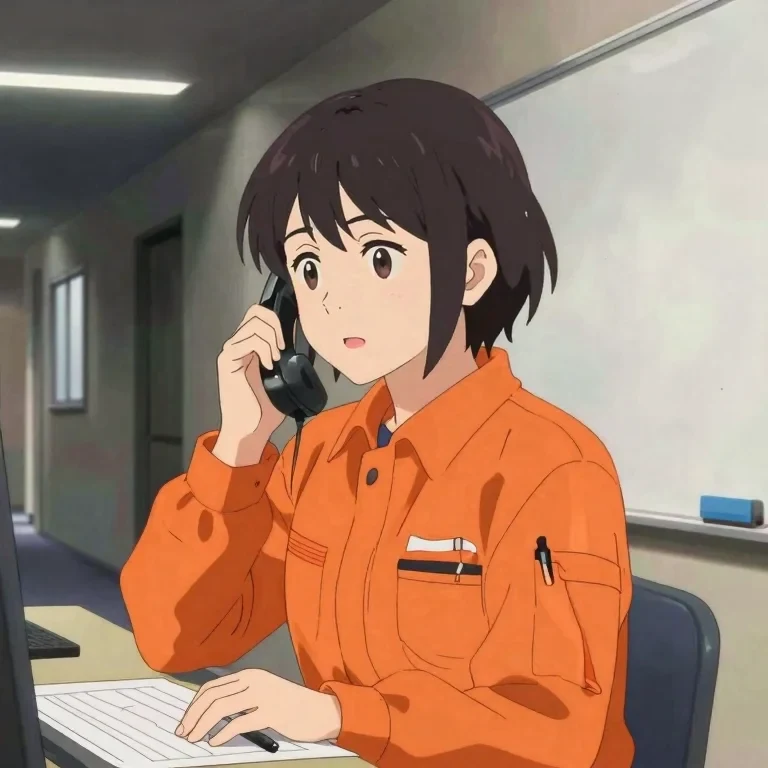
Halvard Sten was at the other end of the corridor with a cup of coffee he had forgotten to drink. He was sixty-one and had been in the district thirty-four years and had run two of the three sheddings, and he did not raise his voice, and that was worse. “Read me the third panel,” he said. Solveig read him the third panel. He listened with his eyes shut. “Now tell me what you are going to write.”

Solveig told him. Half past five, all boards out except the twenty-second, the depot chargers left alive and the depot told. Calder Row on a supply of its own, made live at half past five and not on the ring at all, by opening a point that does not appear on any drawing in this binder and exists because of where somebody put a road. Bell Acre dead from 18.20 but the shed fed from a new board with a hand changeover at 18.15, on a clock, by two people who will have practised it. Restoration beginning at nine and ending at twenty past twelve, and Calder Row last, so that if it goes wrong the last people to be in the dark are the ones who have already had four hours of it. Halvard Sten drank his cold coffee. “The reserve,” he said. “Spent,” said Solveig. “They will not do this again until the pylon.” “Then it will be eleven years,” said Halvard, “and it will be somebody else's night, and it will be done off this same piece of paper if you do not put yours in the binder tonight.”
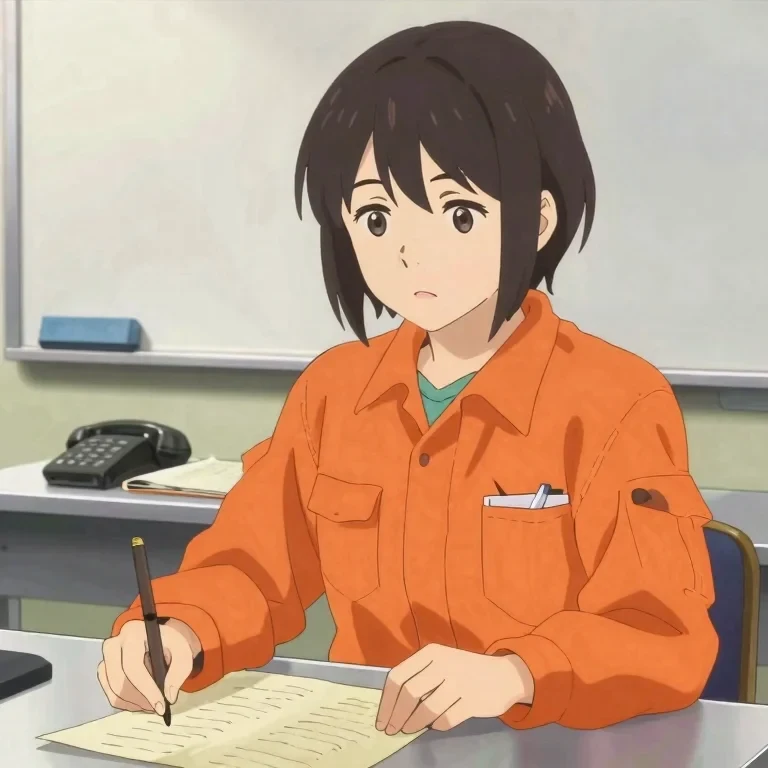
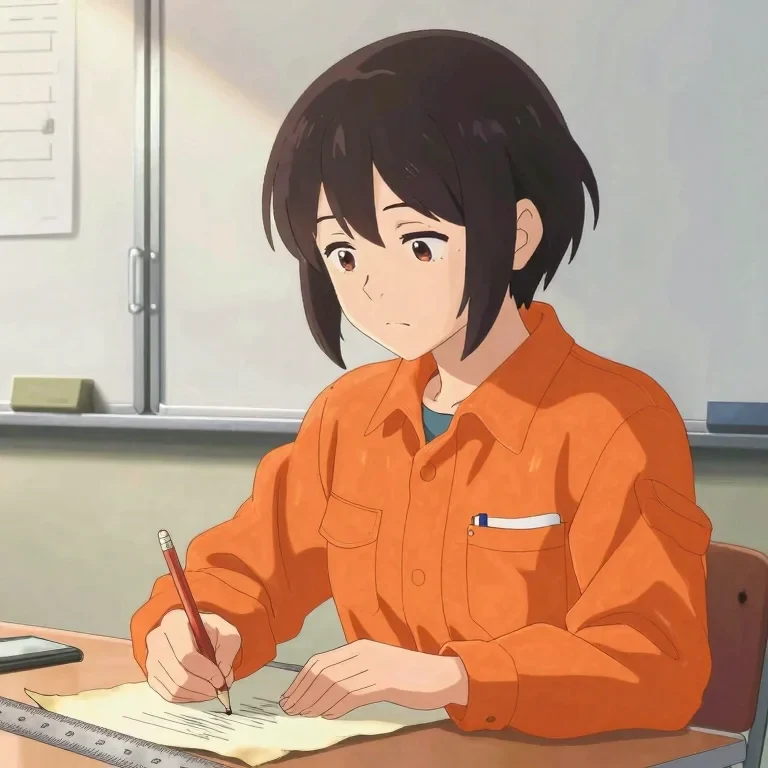
She drew the new sheet on the back of the old one, because there was no other paper in the control point that was the right size, and she ruled the columns by hand and she wrote the times bigger than she needed to so that a tired person in a van could read them at a junction. She read it twice to Doran and then once more to herself, and Doran wrote it out on the whiteboard in the ops room in letters a foot high, which is the thing they do for the fire procedure and had never done for anything else. At twenty past five Solveig opened the town.
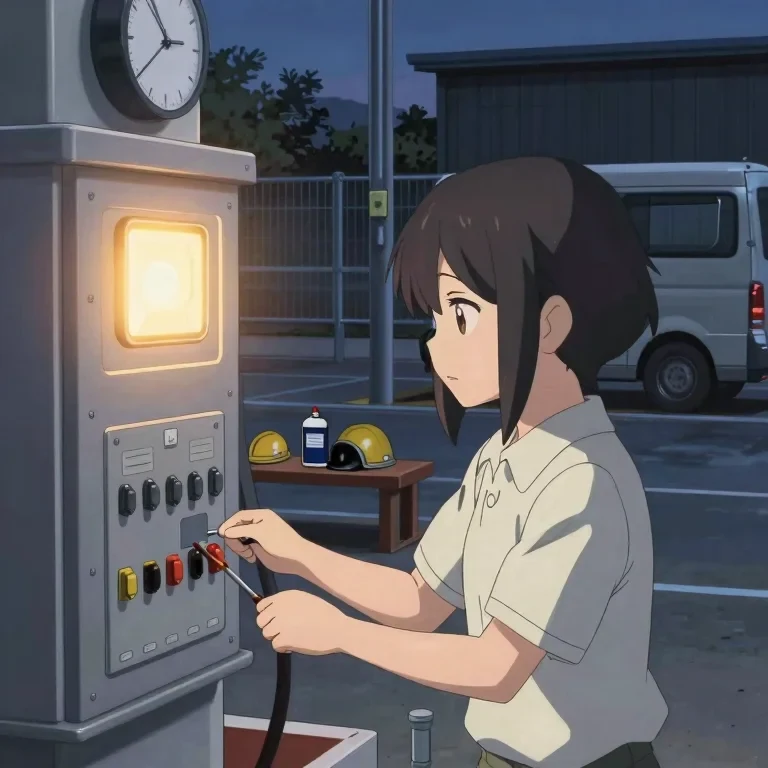
The town went out in the order it had gone out three times before, and it went out all at once, the way it always does, and then the sheet began to matter. The depot chargers stayed alive and the eleven of them came on one after another, and the depot supervisor stood in front of them with a torch and counted, and telephoned to say eleven of eleven. At ten to six Solveig drove out to Calder Row with a tester and a pair of insulated gloves and found the point that the drawing in the binder did not have, behind the second stair core, under a housing estate sign that had been up nine years and had no wire number on it at all. The block went light floor by floor. Somebody in the fourth flat had a television on. Somebody in the eleventh was cooking, and later told the paper that the smell of onions going cold in a dark stairwell was the part she remembered.

At Bell Acre, Ola Renn and a fitter called Petar did the hand changeover at six fifteen exactly, on a clock, on the fourth attempt, because on the first three the board had a fault annunciator on it that had never been proved out and lit up every time they touched it and turned out to be nothing.
At half past six a woman in the seventy-first flat rang the control room to say that the lights had gone off and her mother could not get down the stairs. Doran put her on hold and looked at Solveig, and Solveig said to tell her the power was coming back and to wait by the lift lobby with a torch, and that a man from the housing office was on his way, and would be twenty minutes, and should knock on the door of the flat below as she went. That was the first of eleven such calls, and each one took four minutes, and each one was the same call, and each one cost four minutes of the three hours. At seven the first chair of the dialysis list was on the machine, and the machines were running on the new board, and nine people were lying in a shed in the dark having their blood washed.

At nine, the sheet said, the town came back. It did not come back all at once. It came back in the reverse of the order it went out, and it took three and a half hours, and by half past ten the only dark streets in Hallowfield were the ones on Calder Row. There were two ambulances that night, both for people who had fallen on the stairs of a block that had been told nothing, and the second one was a man of thirty-four with a cast on his leg who had come down fourteen steps in the dark because his stair light was out and he had not known it would be out. He was not hurt again. He was embarrassed, and the crew were kind about it, and he asked the crew not to write it down, and the crew wrote it down.

At the terraces on Rennard Row the gasworks hall was open and had been open since half past five, and Ivy Crane, who was eighty-one and had lived on the row for fifty-two years, had made tea for anybody who came in, as she had done the last two times, because that was the arrangement in that street and it had never been written down anywhere. She told Solveig, on the third of the calls, that it was not the dark anybody minded. “It is the not knowing,” she said. “If somebody had rung and said, we are doing it, it is the arrangement, we will be on at nine, you could have put your washing on and gone to the hall. Instead you are standing in a kitchen guessing.”

Calder Row came back at twenty past twelve and Solveig drove the van round it to see it, because she wanted to have seen it. The stair lights were on and the lifts were running and the whole block was lit up like a building in a photograph, and there was nothing to see.

On Sunday she went in at ten and did the paperwork, which is the part nobody knows about. The restoration had run three and a half hours over the sheet, and the margin had gone, and the whole thing came under the heading of a variation, which is a word that means somebody has to explain themselves in writing to somebody who can stop it. She wrote four pages. She wrote the nine dialyses and the new board and the eleven calls and the two ambulances, and she wrote that the plan of the eleventh of December had been in use for three sheddings and had never been reissued, and that a plan which is in use is a plan which is being relied on, and that this was the finding she wanted on the record and would answer for it herself. Then she folded the new sheet along the old folds, which meant it went into the binder exactly where the old one had been, and she put the two side by side and initialled the bottom of hers, and dated it, and wrote the time it ended. The plan in the grey binder is now dated the twenty-eighth of November, and carries two dates, and the older date is still on top.
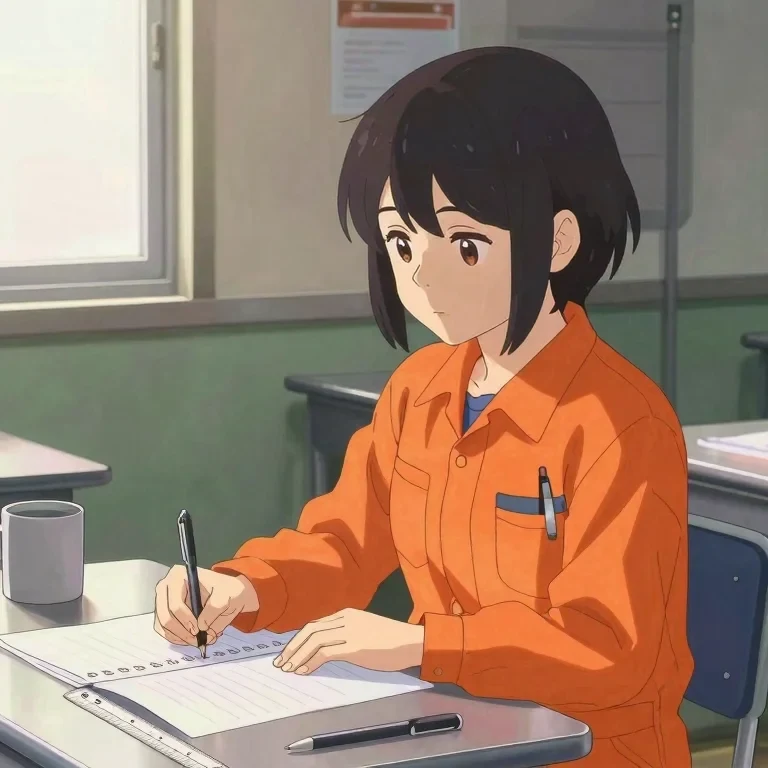
Solveig's sheet was drawn by hand in one night with a ruler she borrowed from the office, and it will be initialled at the bottom again in eleven years by somebody who has not been born yet, and they will find a town that has moved on from the one in the picture. A plan is a picture of a place, and it goes on working after the place has changed. Nobody in that binder did a bad job, and nobody in the council did a bad job, and the only thing wrong with it was the date.