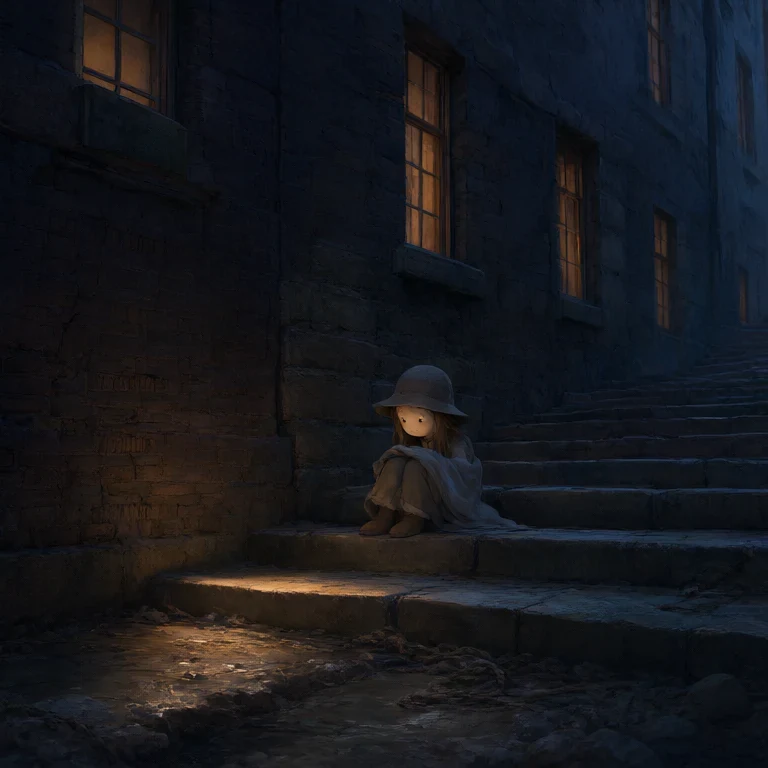
The Salt Hall has six tall windows and no fire, and by an arrangement nobody can date no fire has ever been lit in it. Ottoline Vray slept on its steps for the four months since she was found the second time and went the second time. The steps are stone, and the hood over them is the only roof in Emberwyke that belongs to nobody. She was awake at first light because it was cold in a new way. There was something in the gutter against the bottom step.
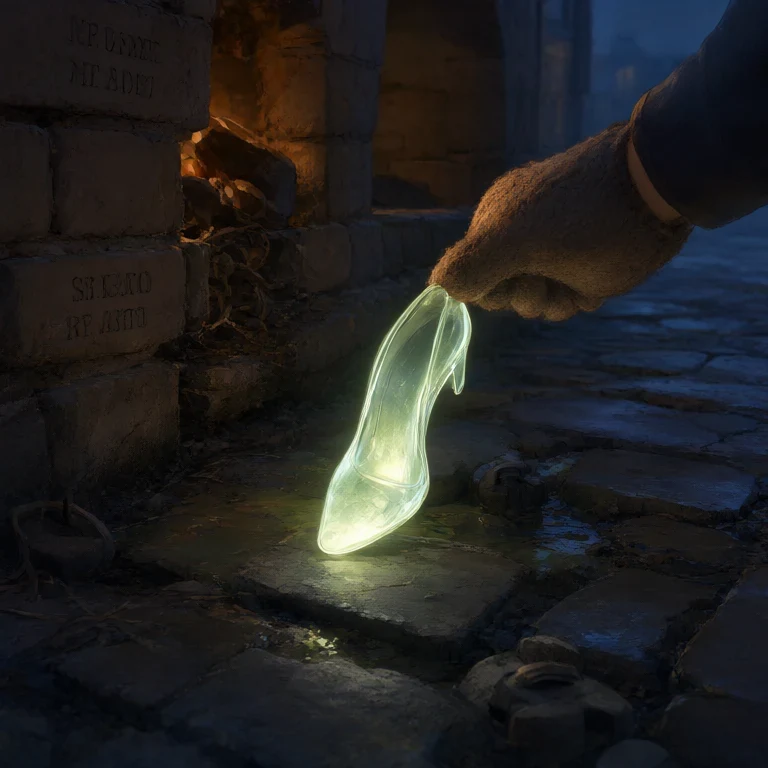
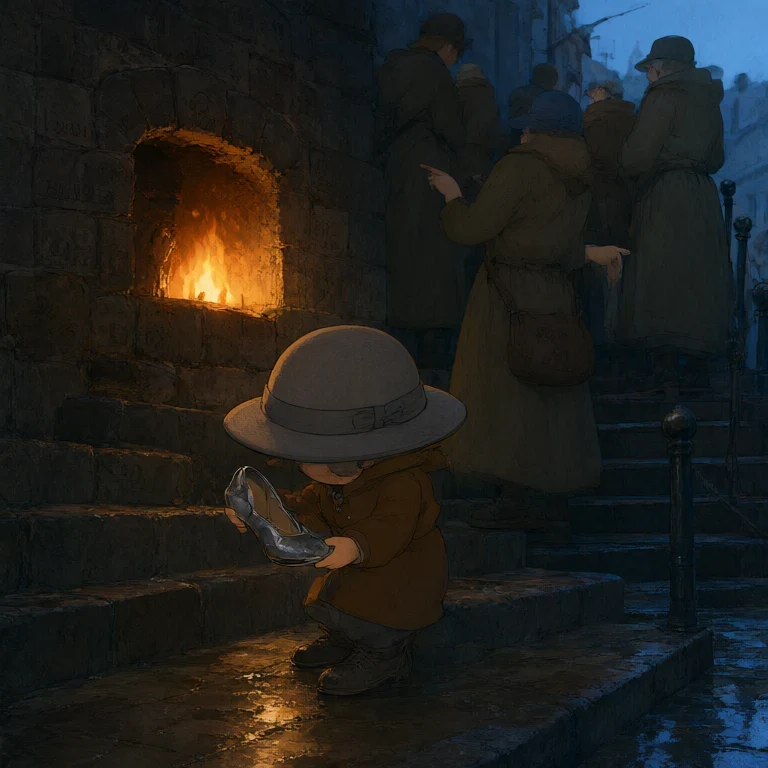
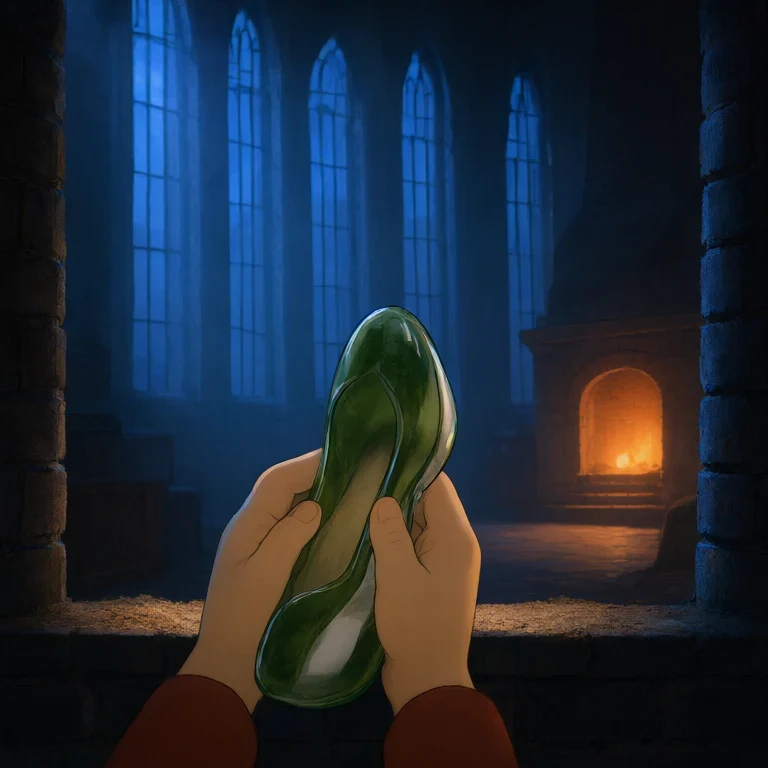
It was a slipper. Not a soft one. It was glass, and heavy, and the green-white colour of a bottle held up to a window, and there was a raised seam all round the inside of it where a mould had closed on the sand, and on the sole, off to one side, a flat spot the size of a thumbnail. Ottoline picked it up. That was the decision. In Emberwyke you do not pick things up off the ground. The ones who do end up holding them, and the ones who hold things end up on the paper.
The hall-keeper came out with his sleeves rolled and stood a long way off, the way you stand off a dog. “That is glass,” he said. “It is a shoe,” said Ottoline. “It is a shoe, and a shoe is a thing that gets tried on, and a thing that gets tried on in this city is a claim, and a claim is entered in the ledger within the week with the giver named. I have been the giver twice.” He did not come any nearer. “Take it up to the Scale House and let the clerks have it.” “Then who holds it on the way?” “You do,” said the hall-keeper, and went back inside, and shut the door on the draught as well as on her.
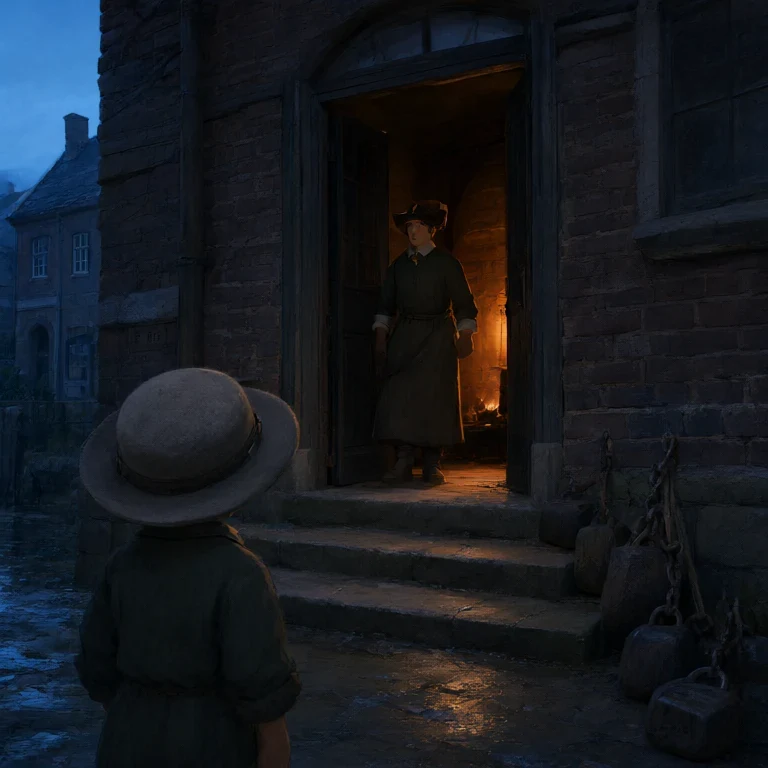
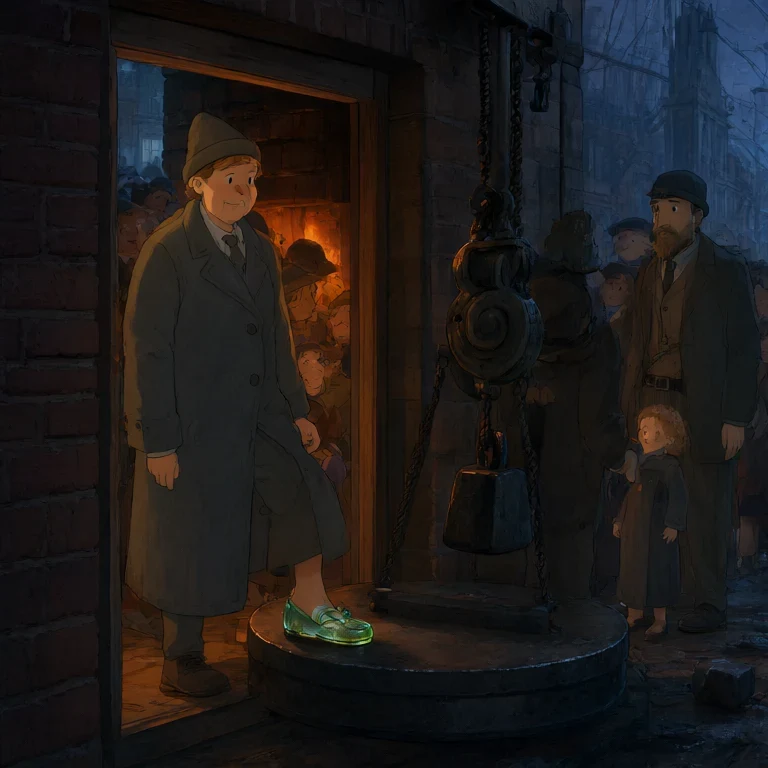
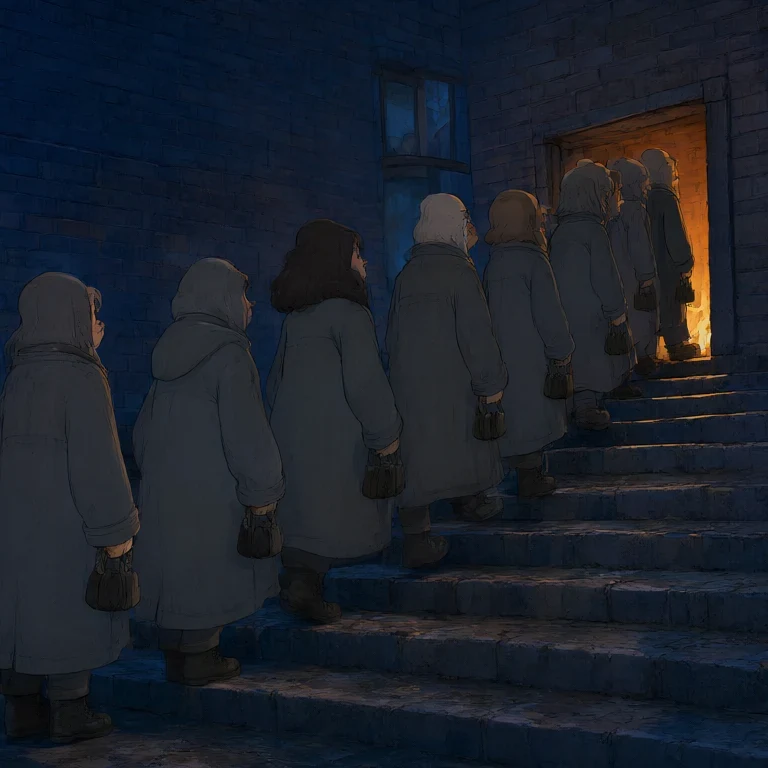
By eight there were nineteen people on the steps and a queue had made itself without anybody arranging it. The first was a woman from the wash-house at Sallow Bridge, who had been the one the slipper most looked like. She said, “Put it on, love. Go on. Let us see.” And she put it on, on her left foot, standing in the wet with her weight on the other leg, and it went on, and she laughed, and then it came off. Nothing happened. The clerk shut the page again.
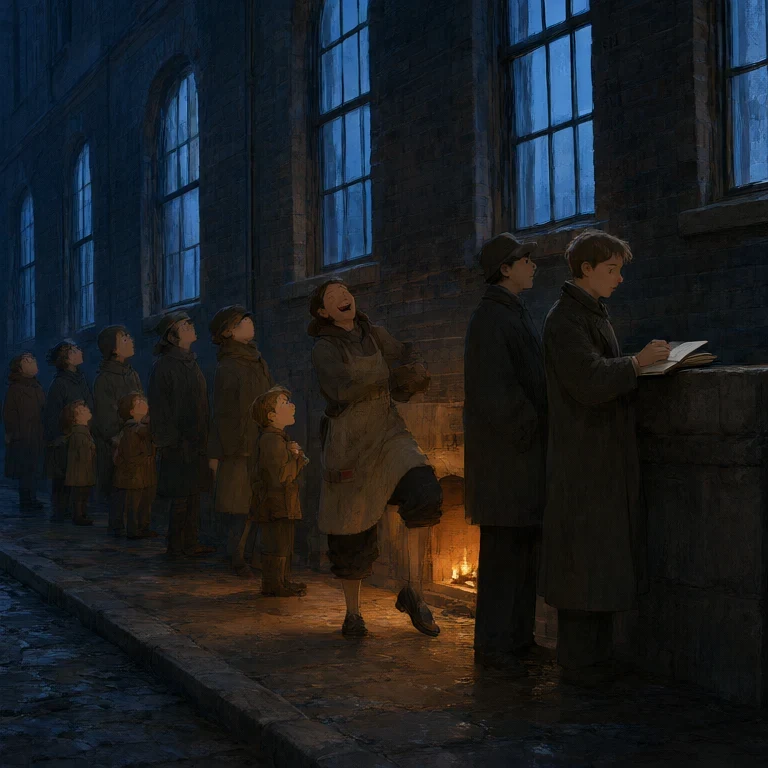
“It has not been past midnight,” he said. “Wear it after twelve and we will have something to write down, and I would rather not have something to write down before breakfast.”
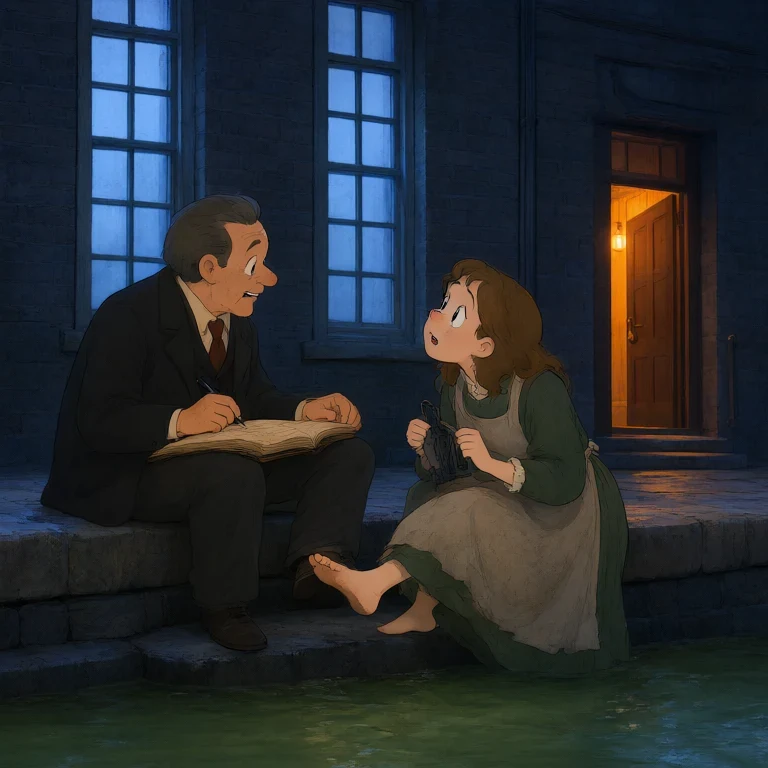
So the steps did what steps do. A girl of fifteen off the Coalquay, who wanted a glass shoe more than anything, put it on her right foot and could not get it off for a while. An apprentice at the glasshouse put it on to show he knew glass. A woman in a brown coat put it on for her mother, and would not say her mother’s name. And the whole of Sallow Bridge came to the only conclusion there was. “Wrong foot,” they said. “Try the other one.” The story everybody knows is the girl and the slipper, and it is remembered here the way a fire is remembered afterwards: as the last warm thing.

That went on until the small hours, because of course it did. The girl of fifteen had the slipper again at eleven, because she could not bear to put it down, and she sat on the steps with her feet up, and at ten past midnight she was still wearing it, and asleep, with her chin on her knees. The clerk came out and woke her up, which he did not enjoy.
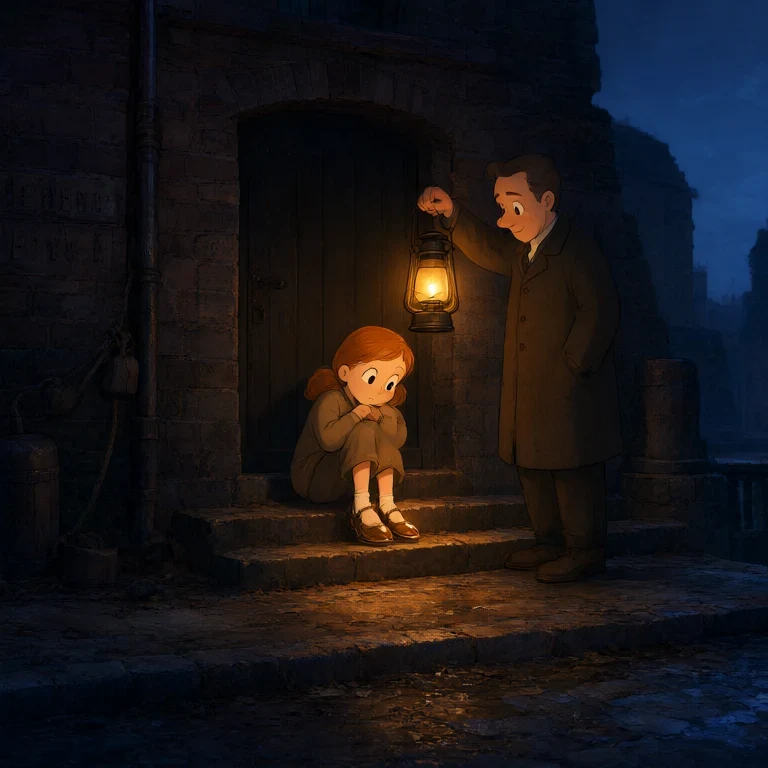
“That is a claim presented,” he said. “You wore it past midnight. By putting it on you honour it, and you must answer it by the following dusk, and neither of us knows what the question is. I am sorry, miss.”
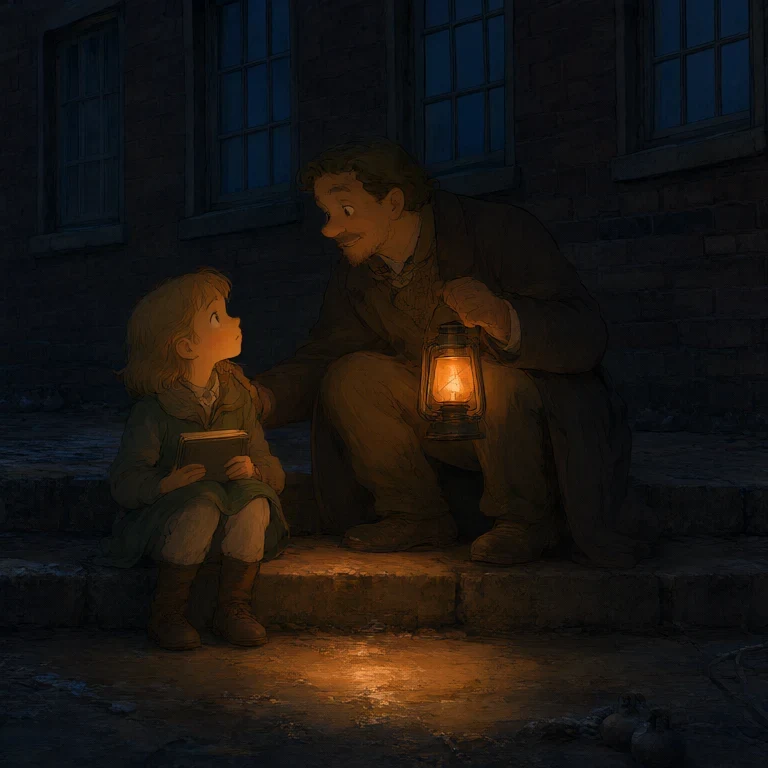
By morning the steps knew. The woman from the wash-house put it on the wrong foot again, and took it off, and was entered. The apprentice put it on the wrong foot, and took it off, and was entered. The woman in the brown coat put it on for her mother, and would not say her mother’s name, and was entered. Four claims, in four hands, every one to be answered by the following dusk, and not one person on the steps could have said what the question was.
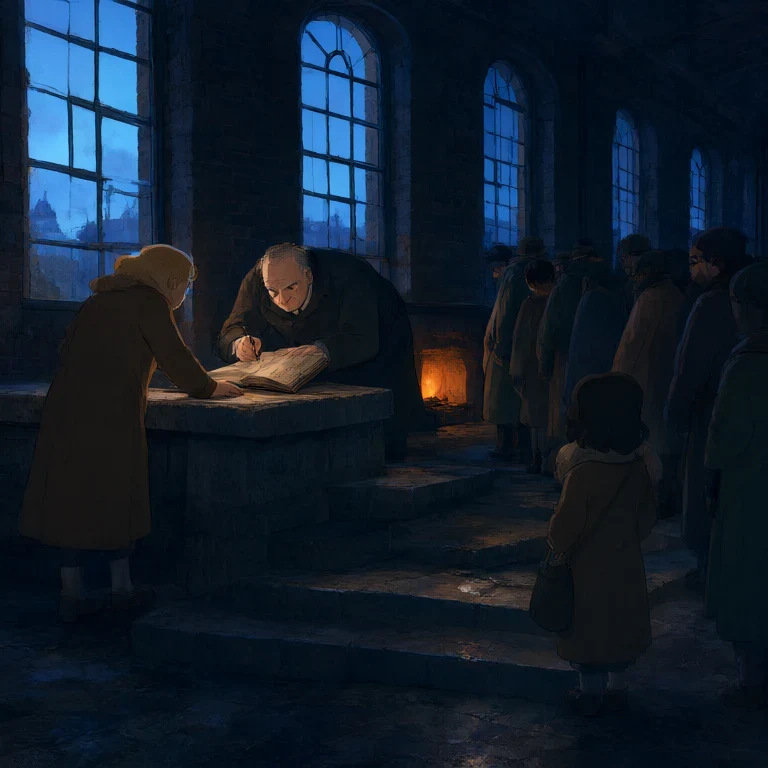
And underneath all of it, all day, from the queue and the street: “Wrong foot. Try the other one.” The Scale House cannot weigh a person twice in a day. What the beam says at dusk is the whole of that person for that day, and anyone who wants another answer must wait until tomorrow, which is why nobody here wants an answer at all.
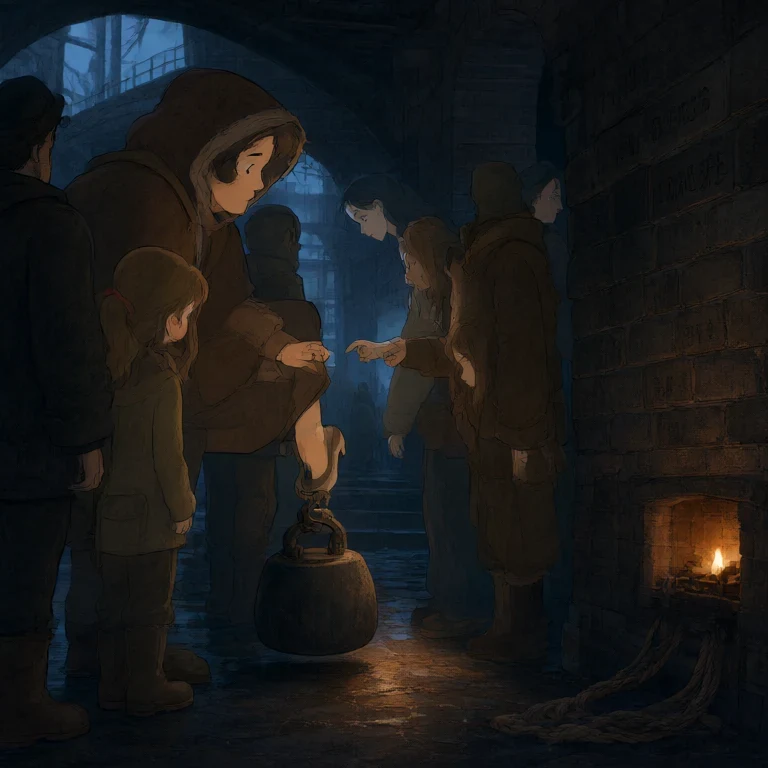
At noon the clerk put his pen down and looked at the steps. “Here is where we are,” he said. “Whoever holds it next is the one it goes on. Put it on, they have a claim and they answer it by tomorrow dusk. Pick it up and do not put it on, they have refused, and refusal goes against their own name, and I will tell you honestly that it is worse than the debt. It is written down worse. There is a column for it.” Nobody moved.
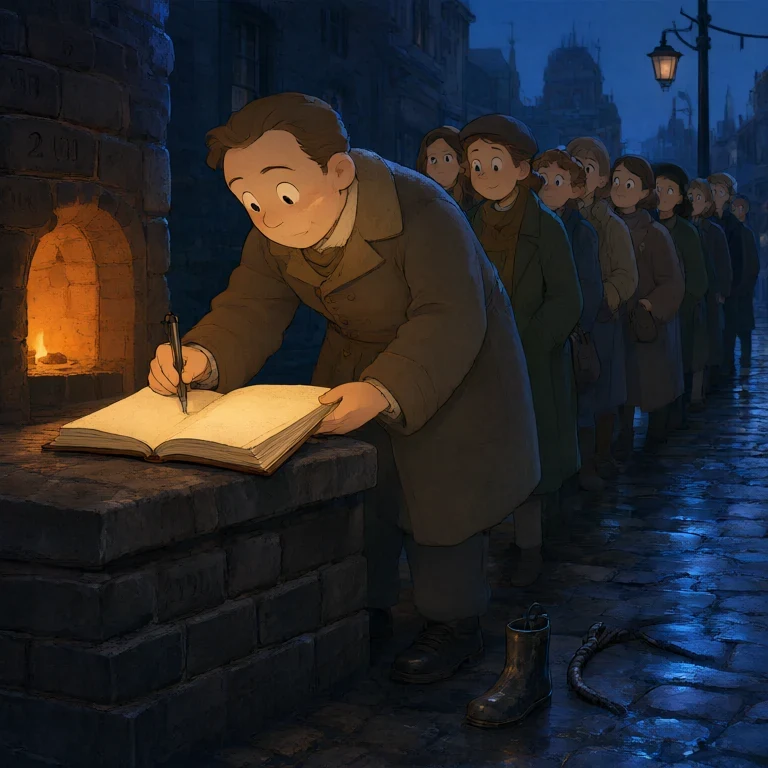
“It is going to be the child,” said the woman in the brown coat. “She has not put it down since midnight and she is not going to.” Ottoline turned the hat up. “I have had it since ten past midnight,” she said, “and I was the one who took it off the girl.”
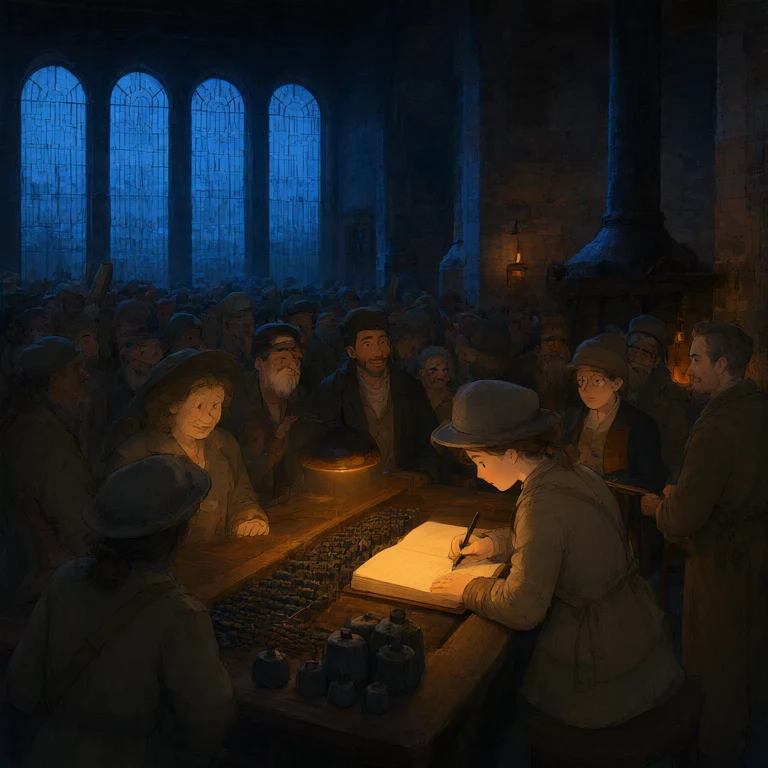
She found Bess Tallis at the board-keeper’s end of the counter, in a hundred and forty people and a great deal of noise. “Who is it for?” said Ottoline, which was what she said about everything, and Bess Tallis, who was fourteen and carried her slate on a loop of twine, said, “For you, of course,” without looking up, and then looked up. “Is it the wrong size?” “I do not know what it is.” “Is it the left one?”
“Glass remembers the balance it was made at. That is the fifth rule. A slipper cast in sand against a particular weighing will sit on one foot only, and it is neither a small foot nor a lucky one. It is the foot that balances to the figure that was struck when the mould was closed.” “Then it is not a size.” “It is not a size,” said Bess. “And it is not a left one. Wrong is not a side. It is a balance, and nobody in this queue has weighed anything.”
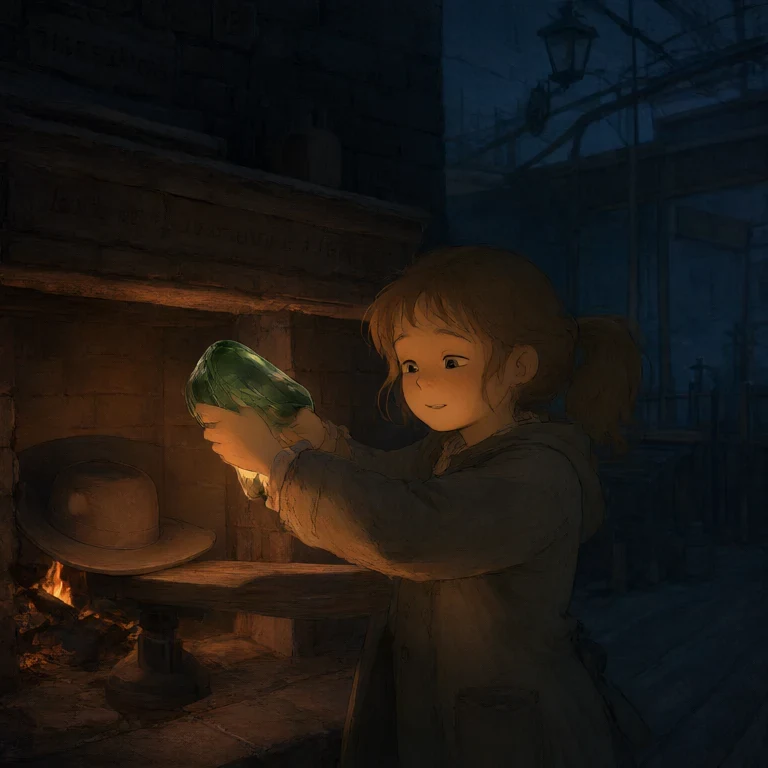
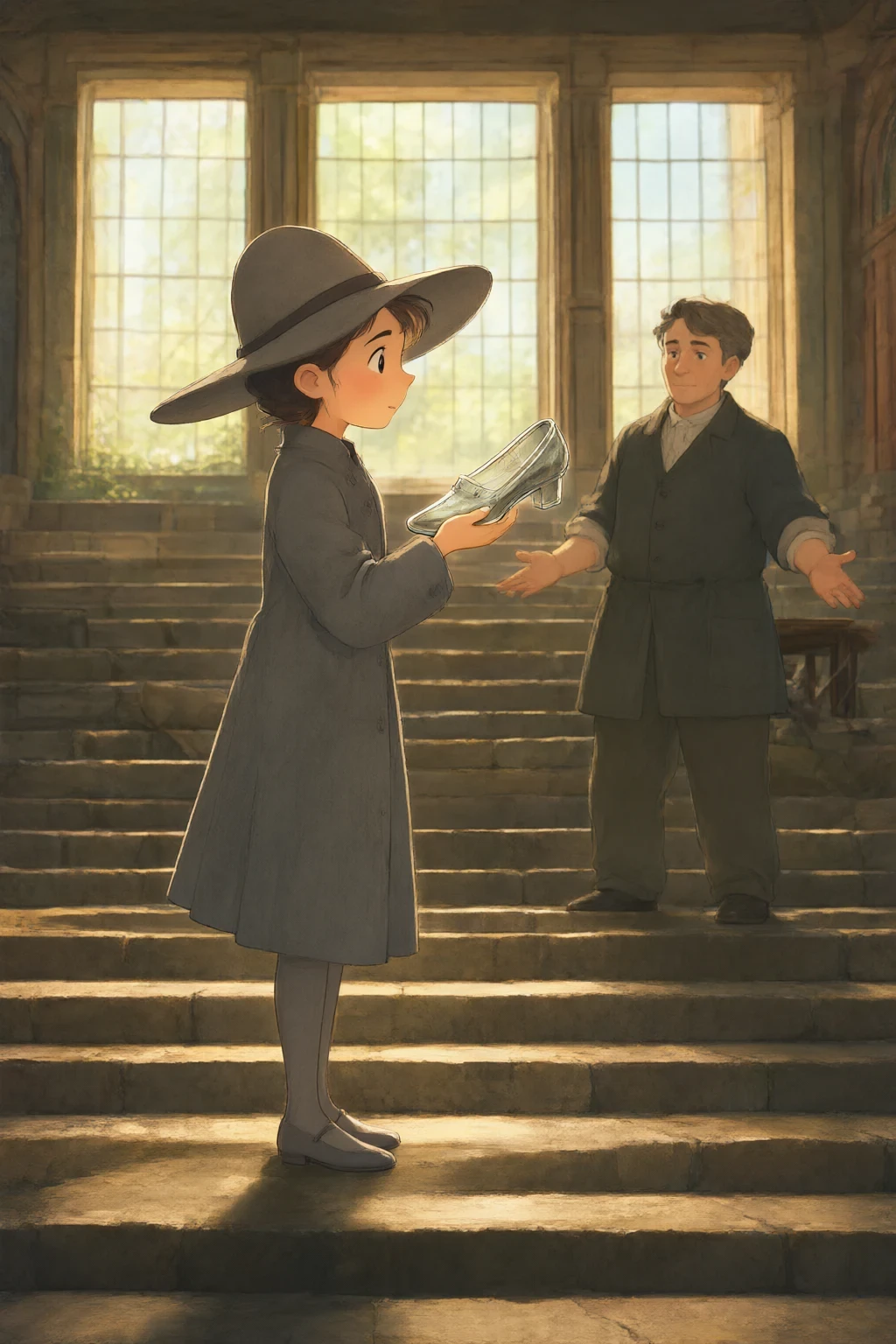
The hall-keeper let her in without a word, because the Salt Hall is where disputes that must not be warm are settled. She put the slipper on the sill and stood in front of it with the six tall windows behind her, which is the only light in Emberwyke strong enough to read glass by, and the reason a town that thinks about weight at four hundred different places has never once thought about it here.
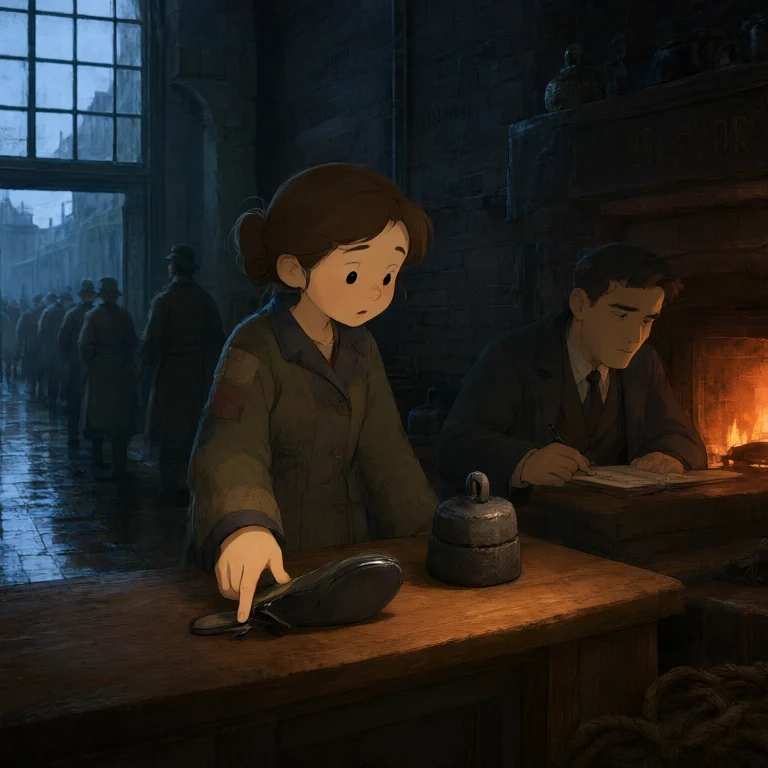
The seam went all round the inside. The glass was thick at the heel and thin at the arch, the way a shoe is. And on the sole, off to one side, was the flat spot. Ottoline had been turning it over for an hour without knowing what she was looking for. Then she stopped, because she had been looking at it. “Glass remembers the balance it was made at,” she said. “But when they strike a mould they hit it with something hard, to get the sand off. And it hits the high part.”
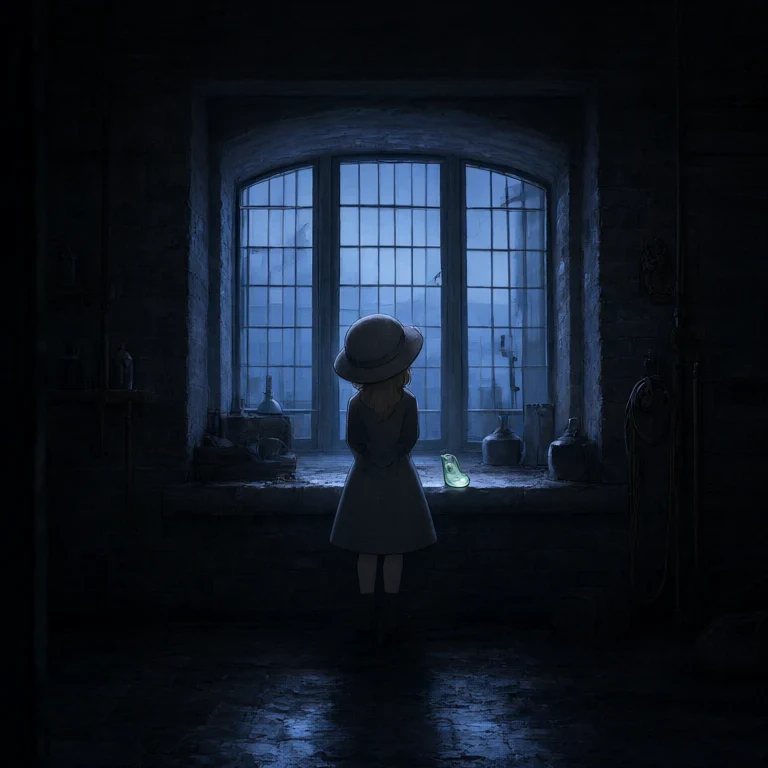
Every foot has a high part. Hers was the arch, on the inside edge at the ball of the big toe, and she knew where it was from standing on a broken nail. So the slipper was not a size at all. It was a record of a foot, and there was one of that foot somewhere in the city, and the only way to find it out was to stand and look at them.
She looked at everybody’s for two days, and nobody stops you looking at feet, because in this city people spend half their lives standing on a beam and looking at other people’s feet. The apprentice’s was a glassworker’s flat, splayed from the furnace. The girl of fifteen had grown a size that summer and stood on the outsides of both. The woman in the brown coat had a heel that had gone over and been repaired and did not balance anything at all.
And at the end of the queue on the second day there was a woman of sixty-one with a barrow, and she stood on the pan with her weight on the outside edge of her right foot, the way she had stood for twenty-nine years, because the barrow goes on the left, and if you let the weight go into the middle of the foot the axle screams and the whole load goes into the river. Mared Holt put her heel down and her arch was up and her arch was the highest one in the queue. “Sorry,” she said. “I am sorry. I did not know I was doing it.”
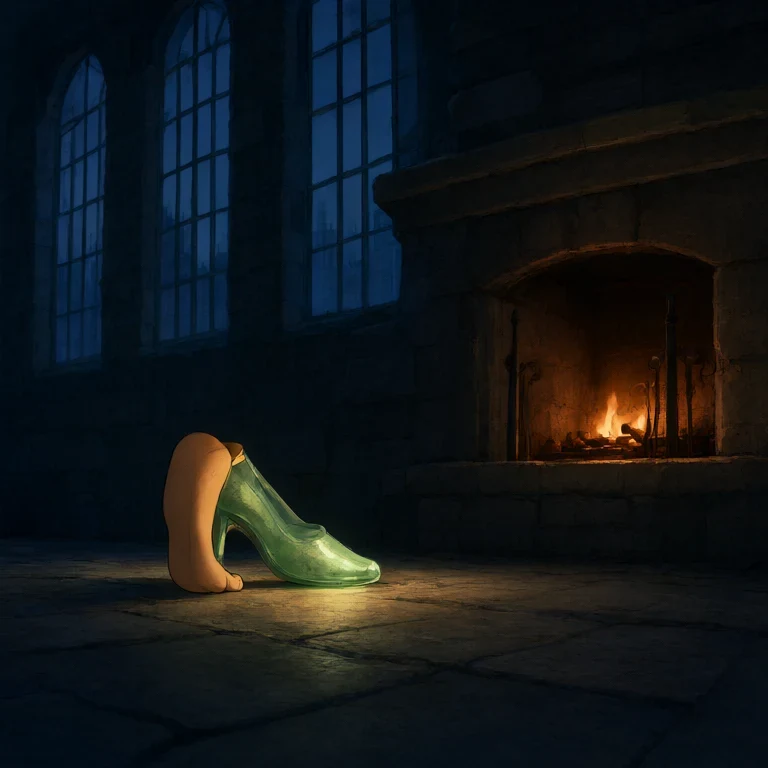
The slipper went on that foot and it sat there. Not slipped. Not tilted. It sat, with the seam round the outside and the flat spot exactly where a mould would have put it if the mould had been closed on a foot like that one, and the queue of a hundred and forty made a noise that was not quite a cheer and was not quite anything else. “Off,” said Ottoline. “Take it off. Now. Before anybody else has a turn.”
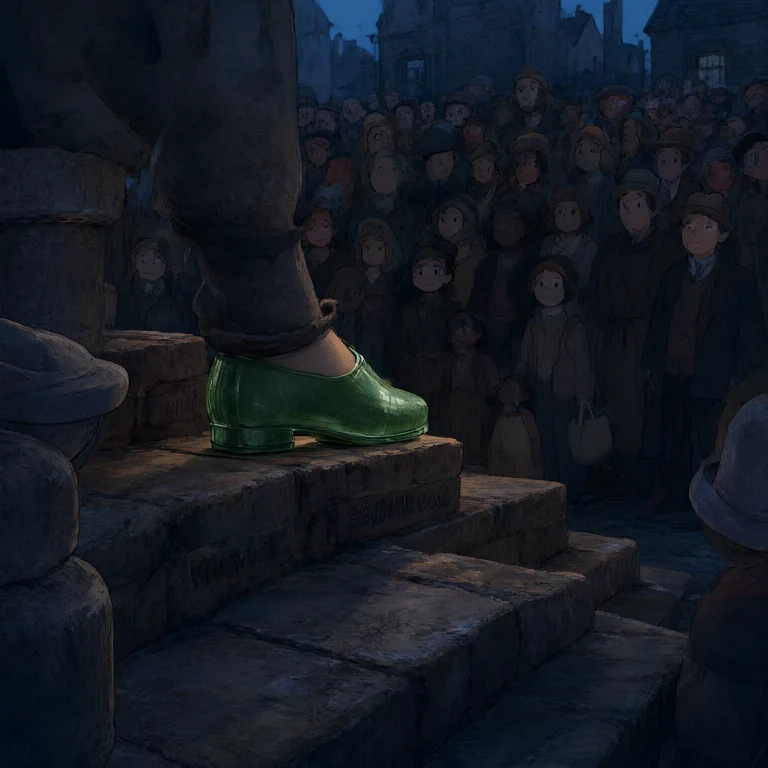
Mared Holt took it off, and held it, and apologised for taking it off, and then did not apologise, which for Mared Holt was the loudest thing that had happened on the steps in two days. It was at that moment that Cobb Renn came up the steps, counting them, because she counts a room when she enters it, with a green wax seal on a leather purse that is never closed.
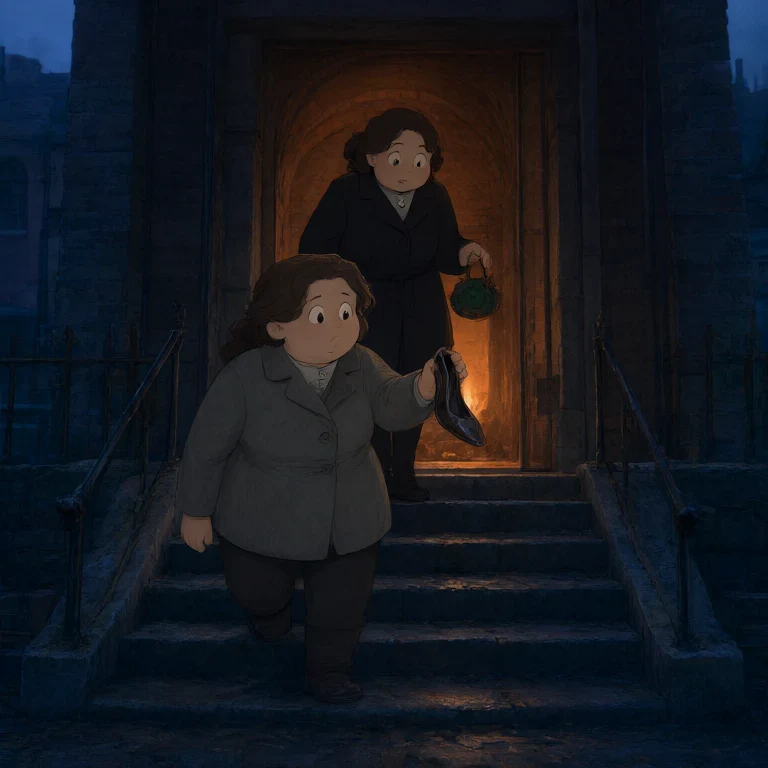
“I will see it through,” she said, taking the slipper, “and I have been called worse for less, and if it is my claim then I will answer it myself—” “It is not yours,” said Ottoline. “Put it down. It is going to be hers, and you putting it on would only be a second entry, and the second one goes in a different book.”
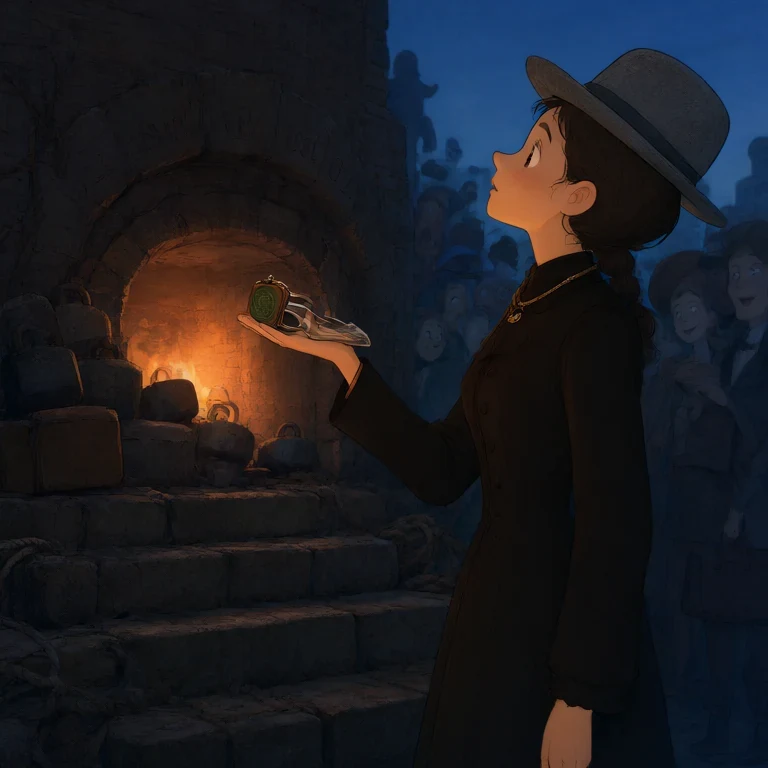
The clerk read the standing order out again to the steps, all of it, including the part about the weight. “A claim is answered by a balance. Glass remembers the balance it was made at, so the only thing that can answer it is a weighing, and the only place in this city that weighs is this room, and I cannot weigh Mared Holt twice today. She has been on the pan at four o’clock and that number is the whole of Mared Holt for this day.”
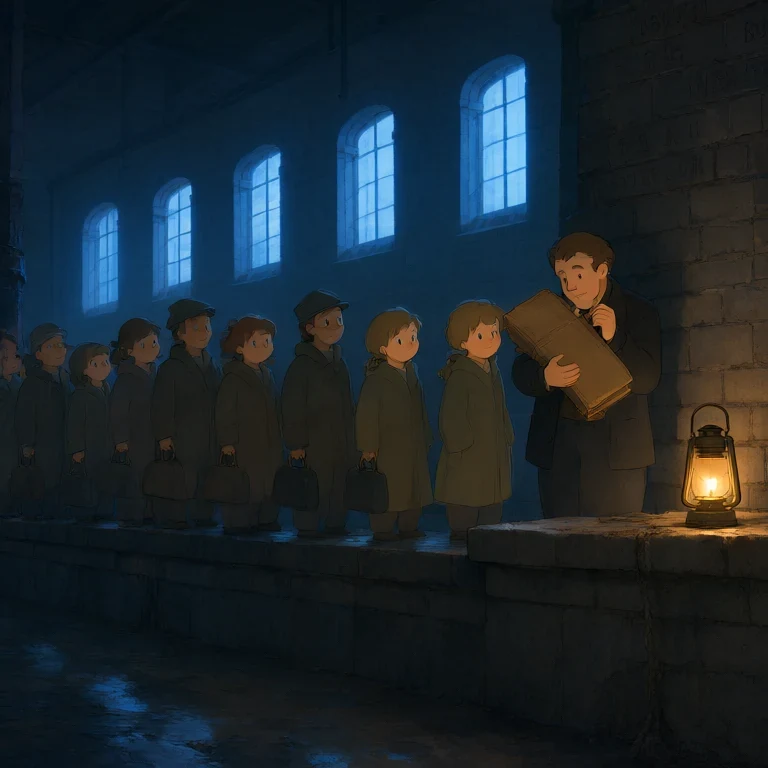
“How long is a claim good for?” said Mared Holt. “I am sorry, I only want to know the hours.” “Until the following dusk.” “Then that is tomorrow at four o’clock,” said the clerk, “and she had better come, and she had better mean it, because that will be the one time this winter that anybody in this city is asked a question they can actually answer.”
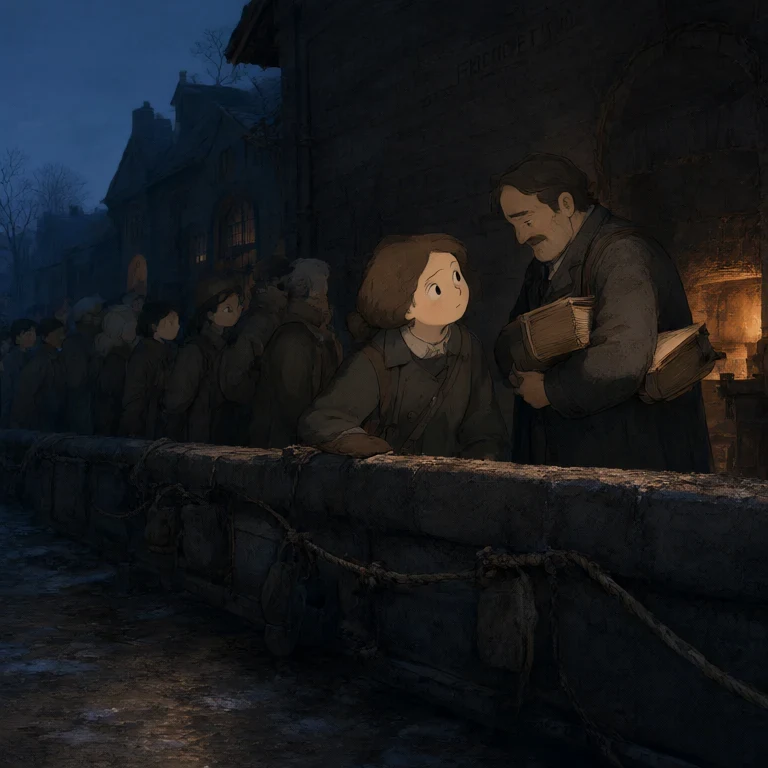
Then the clerk turned to the child, because the column was still open, and the rule did not care that she was nine. “Name.” “Vray. Ottoline. I am on the Sallow Bridge steps and I am under the protection of nobody, so I have no hearth and no board and no line.” The clerk dipped the pen and then stopped, and went to the shelf for a clean book, because a refusal has to be written somewhere and there was nowhere in the old one for her.
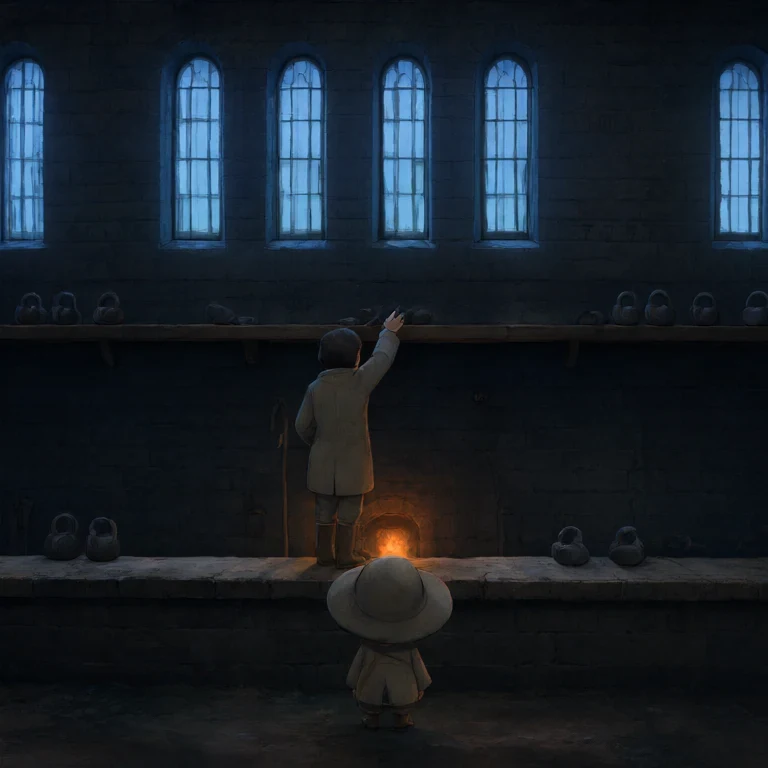
He wrote it on the first line of a fresh page, which is a great deal of paper for one small act: REFUSED, ENTERED THIS DAY, and beside it the weight of the thing refused, six ounces and three drams. “Who is it for?” said Ottoline. “It is for you,” said Bess Tallis. “It is always for me,” said Ottoline. “I never get the other answer.”
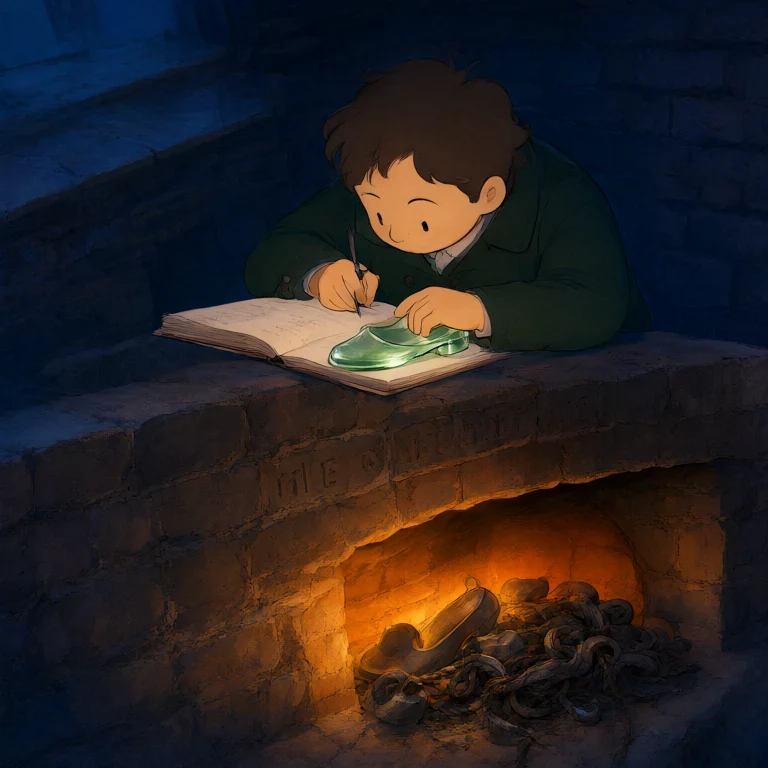
At four o’clock the next day Mared Holt stood on the pan with the slipper on her foot and a hundred and forty people behind her going out into the rain, and the beam-man had his hand on the stow, and the beam had not come down yet.