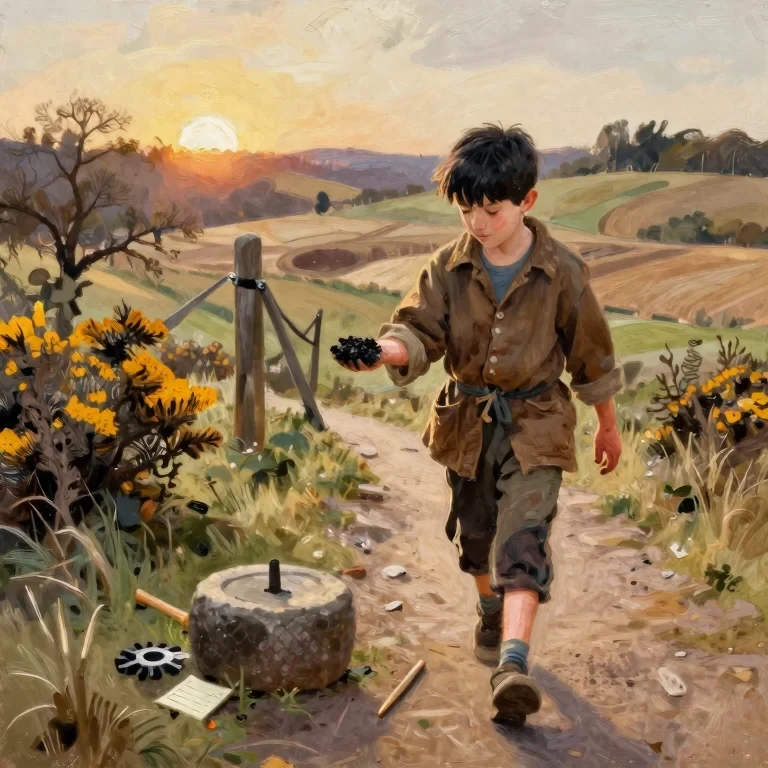
Emrys Vaughan was eleven, with black hair cut short all round and a squarish face, and he lived in a wood above Bream in the Forest of Dean. His father burned charcoal for the iron furnace at Whitecliff. Charcoal was made in pits dug into the ground. Each pit was a mound of chopped wood, three feet high and as wide as a cart, heaped over with turves of green earth. Emrys's job was to keep the fire in the pit.
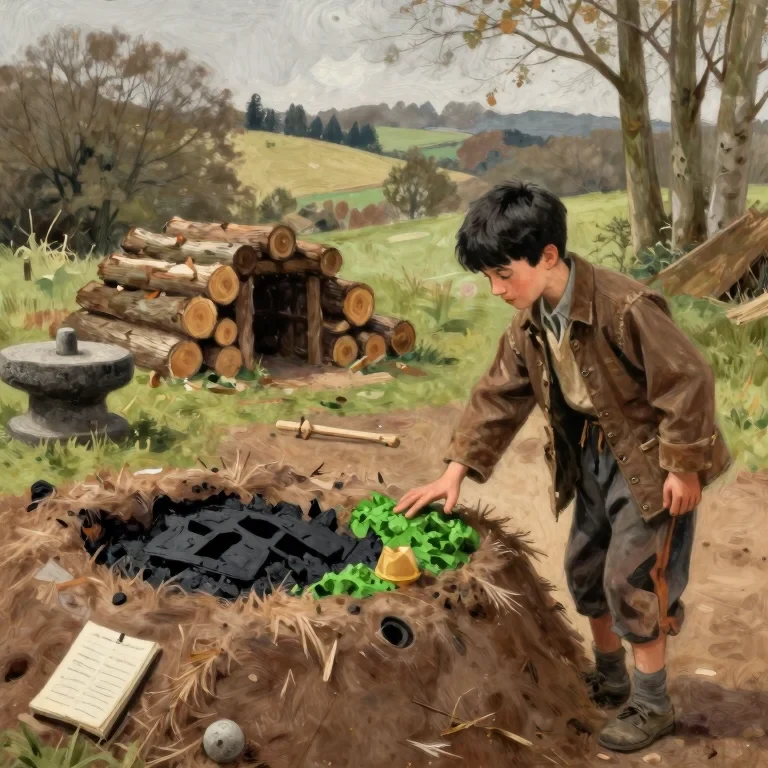
There were two ways to ruin a pit. Too much air and the fire ran hot and the wood came out as pale grey ash. Too little air and the fire went cold and stopped, and the wood came out green and soft and fit for nothing. So a pit was roofed over to take in only a little air. Round the crown and down each side there were small holes, and no hole was bigger than a farthing.
His father had filled this pit by hand with twelve hundredweight of wood. A hundredweight is a hundred and twelve pounds, and one hundredweight of wood gave twenty-eight pounds of charcoal. Twelve hundredweight gave three hundredweight of charcoal, because twelve divided by four is three. The pit was eight days old. His father had opened the first one that morning, on a Thursday, with frost still on the ground.
That night the wind came round from the east, and on the downhill side a turve slipped out of the cover. A thread of smoke came out of the gap. It was thin and blue. Emrys had been told never to wait for a thick thread and never to ignore a blue one. Blue means air is getting in fast. Where air gets in fast the wood makes ash. His father was at the lower pit with the cart boy, and was not coming up the hill until dark.
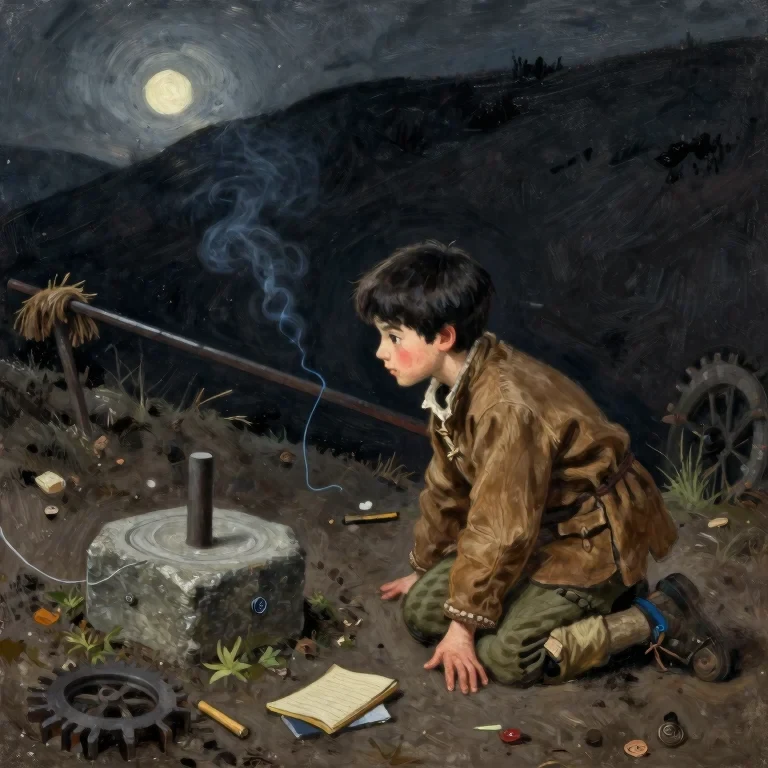
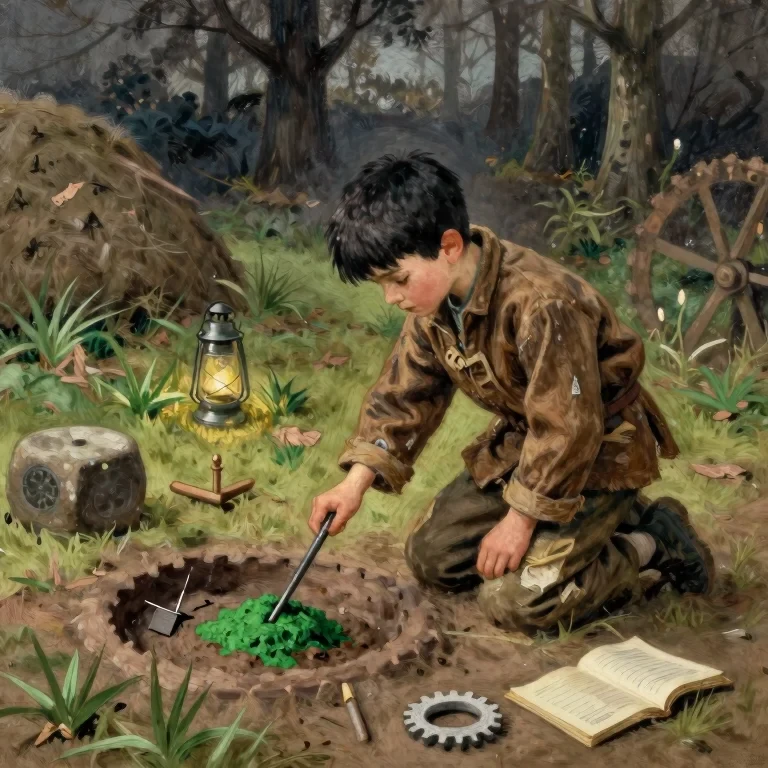
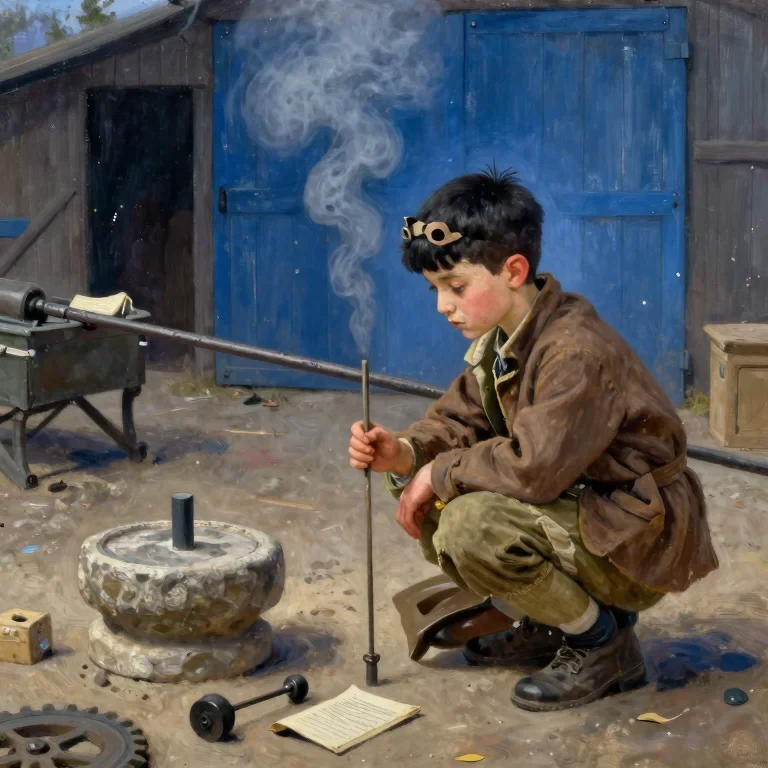
There was a barrow of turves against the wall and the long iron rod by the shed door. The rod made the vents. He pushed it down through the cover and it made a hole the width of his thumb. He pulled the slipped turves out and laid them back on edge, one over another, and packed earth into the seams above them. A turve laid flat lets the rain down to the fire. A turve on edge sheds it. He was on his knees across the top of the pit when the smoke thinned out and stopped.
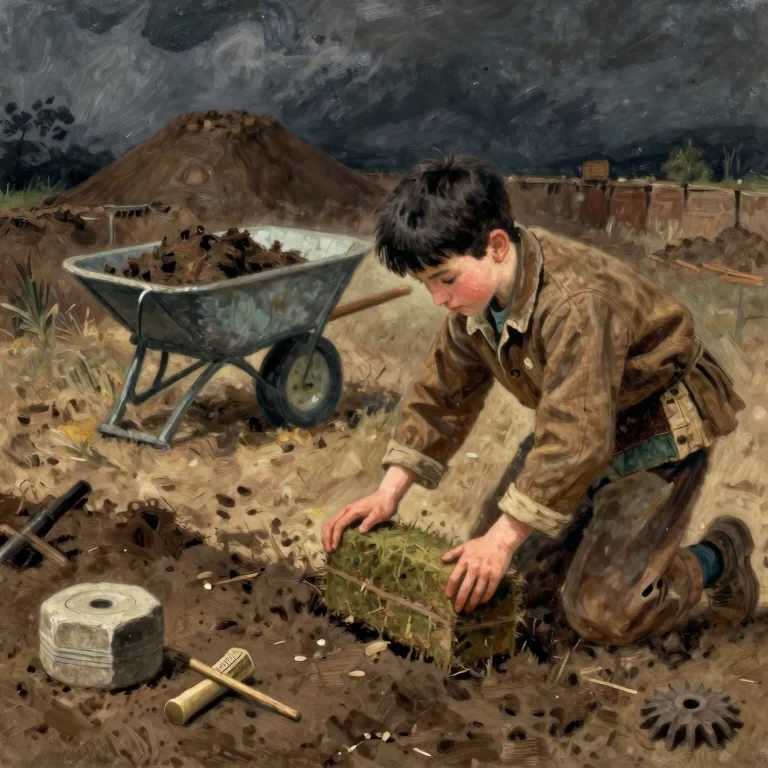
For a while he did not move. Then he put his ear to the nearest hole and heard nothing at all. He took up the rod and opened three more holes in the crown, each the size of a coin. The smoke came back at once, grey and slow, in one straight column. He sat on the barrow with his knees aching until it was too dark to work. His mother brought him out a slice of bread and a coat. She did not ask him a single question.
If the fire had gone out, his father would have had to cut another twelve hundredweight of wood and build a whole new pit. That was four days, and the furnace was waiting at Whitecliff for every load they could give it.
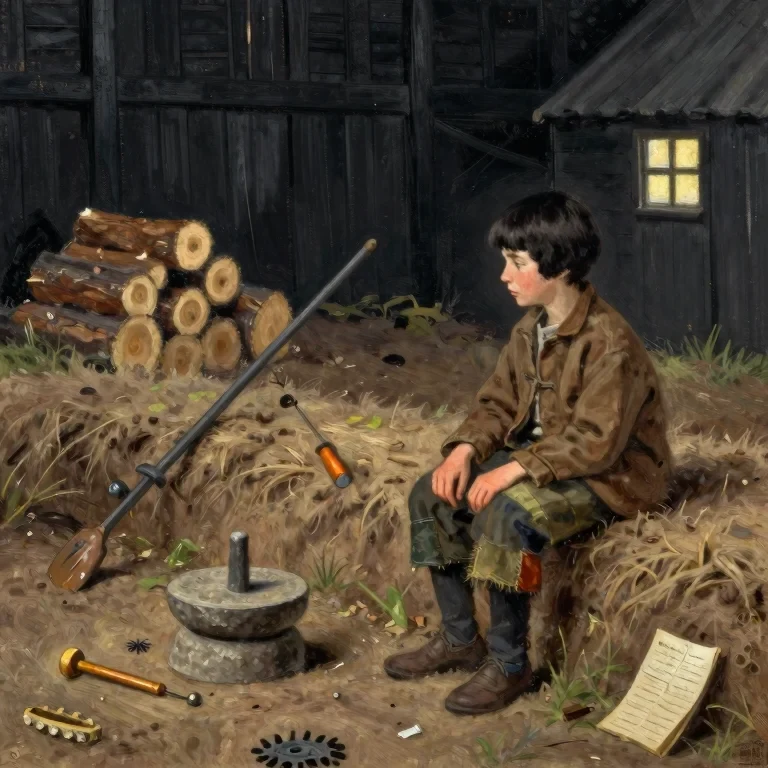
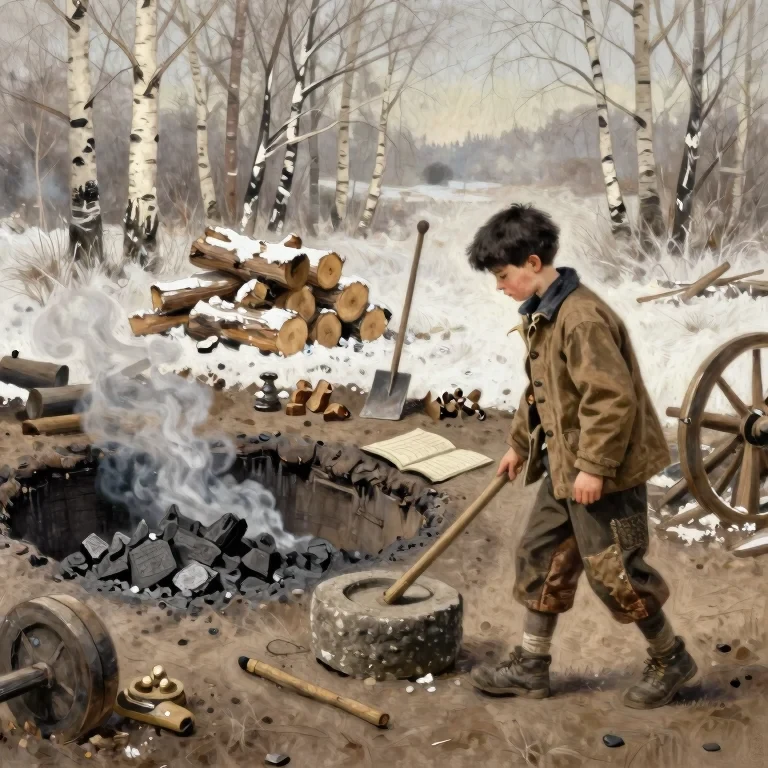
On Thursday they opened the pit. They cut the turves off the top and let the charcoal lie in the heap to cool, which took two days. Then they raked it out and weighed it on the platform scale beside the shed, one sack at a time. His father wrote the number on the board by the shed door every spring. It had said three hundredweight for as long as Emrys could remember. Three hundredweight is three hundred and thirty-six pounds.
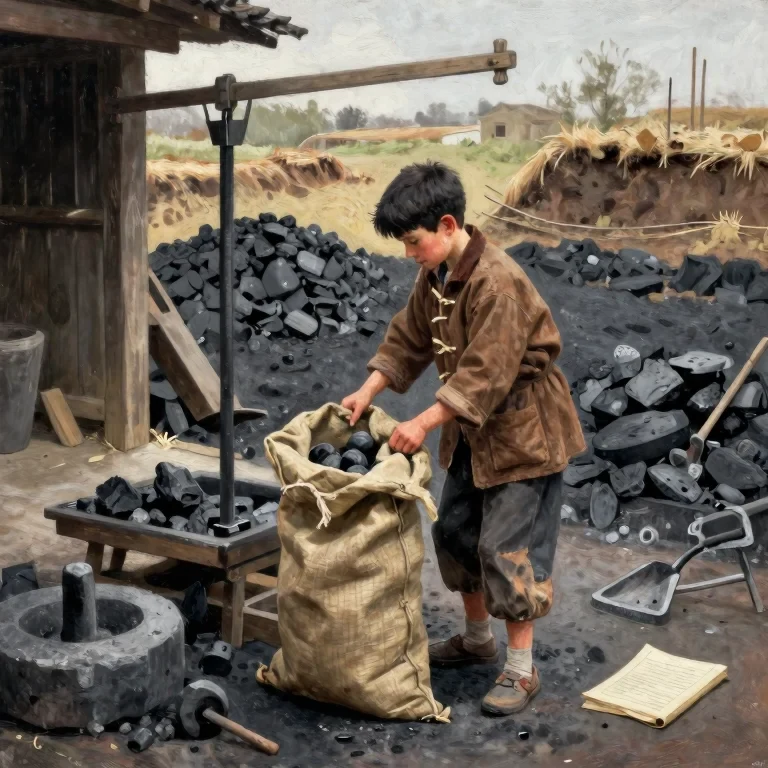
The scale said three hundred and forty pounds. Three hundred and forty is four pounds over. Four pounds of wood had gone up the gap on the downhill side, into the ash heap. The ash heap was not on the board. Nobody had ever weighed ash. His father rubbed the old number off and chalked 3 cwt 4 lb on the wood and hung the tally hook back on its nail.
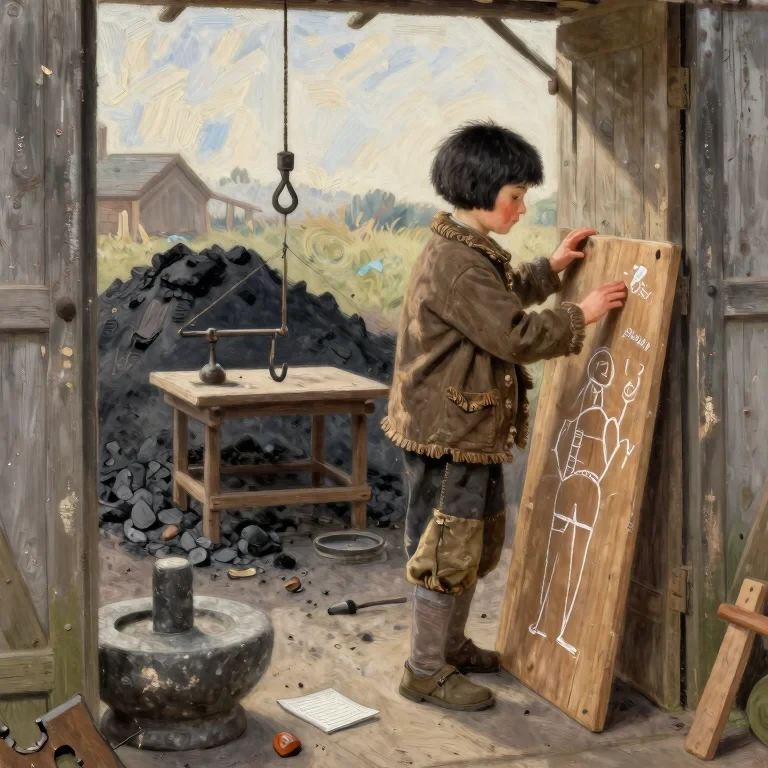
“Next year,” he said, “thirty-four at the front and thirty-four at the back, and we shall see what it comes to.” Emrys walked home down the hill with his hands black to the wrist. The number in his head was four pounds short, and it was going to be four pounds short for good.