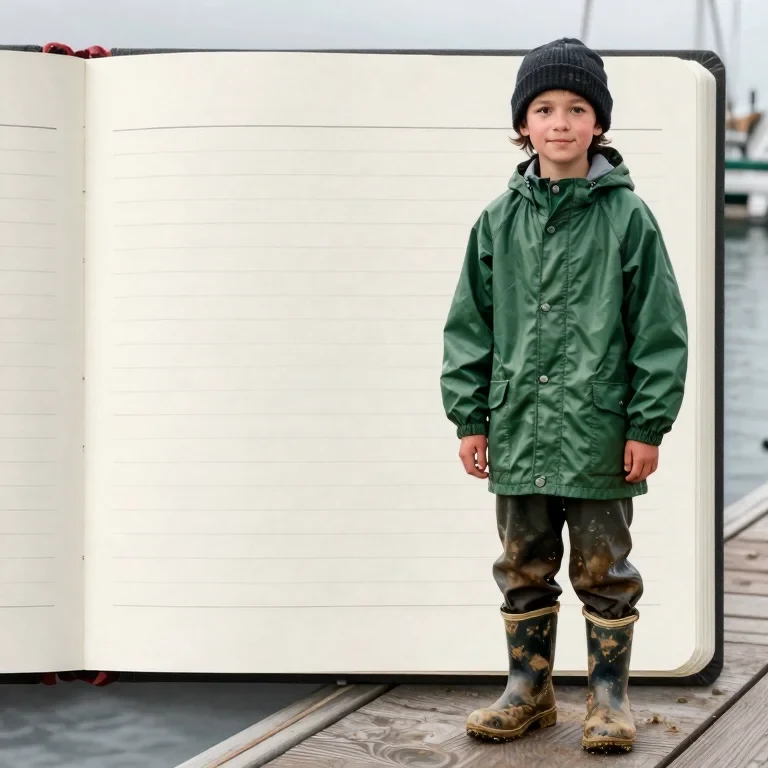
The marsh at the head of Kaipara Harbour began where the road stopped and the gravel turned to mud, and it ran a long flat way east under a sky that came down so low you could touch it. Tama Roberts was fifteen and he walked out to the end of the old oyster wharf every morning before school, with a thermos and a folded tide table in his pocket, and stood at the last pile and read the water.
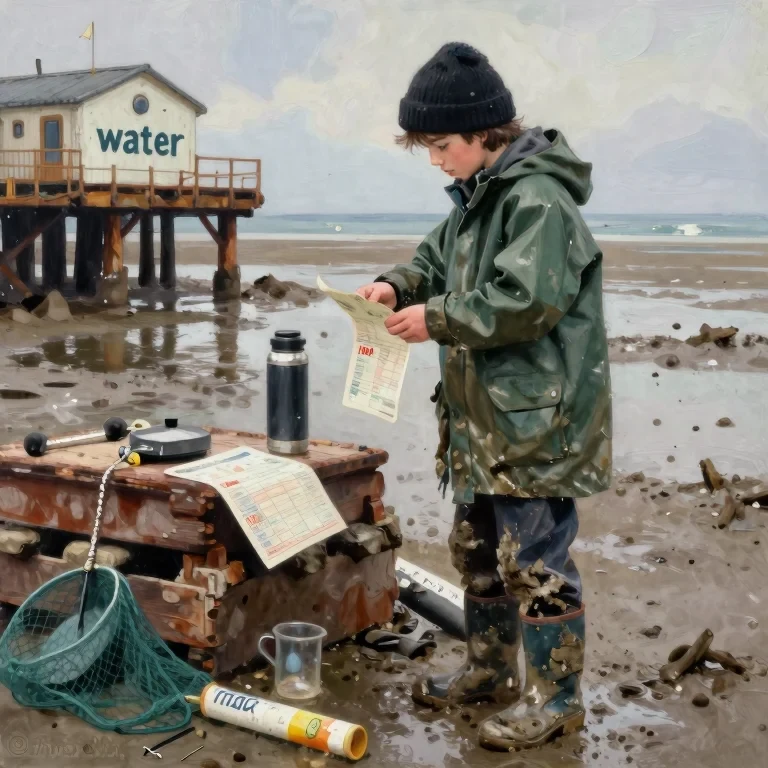
The pile was a round baulk of manuka eight inches through, driven into the mud in 1934 by men who were pulling oysters off the harbour bottom for a living. Barnacles covered the bottom two metres and green weed grew above, with a grey band of old shell between. Tama had his own tide staff leaning against it, a strip of hardwood he cut himself, marked in pencil and rubbed over with sanding seal so the salt could not lift the numbers. He wrote down the reading and the time in a hardback exercise book his mother had thrown out.
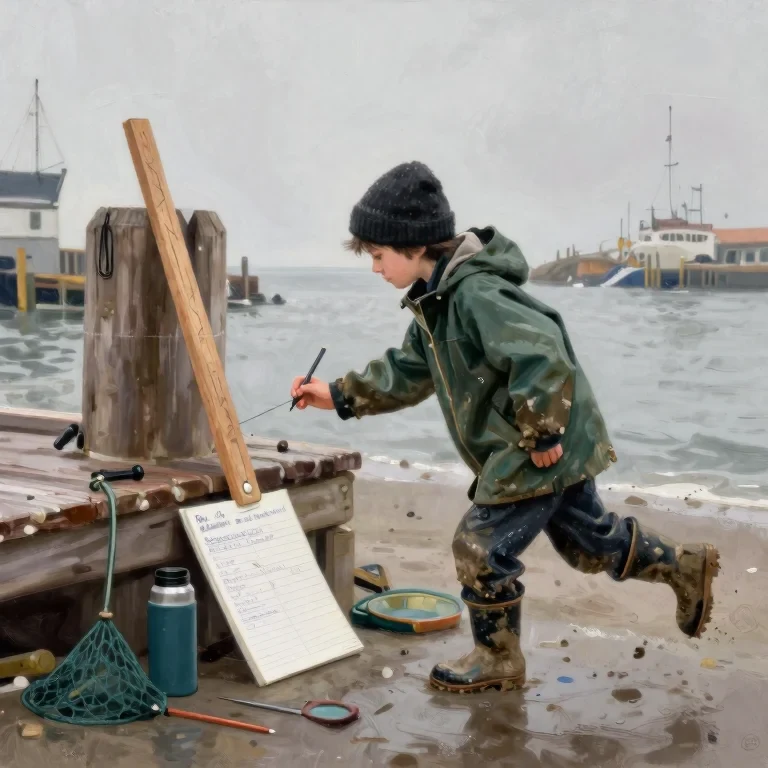
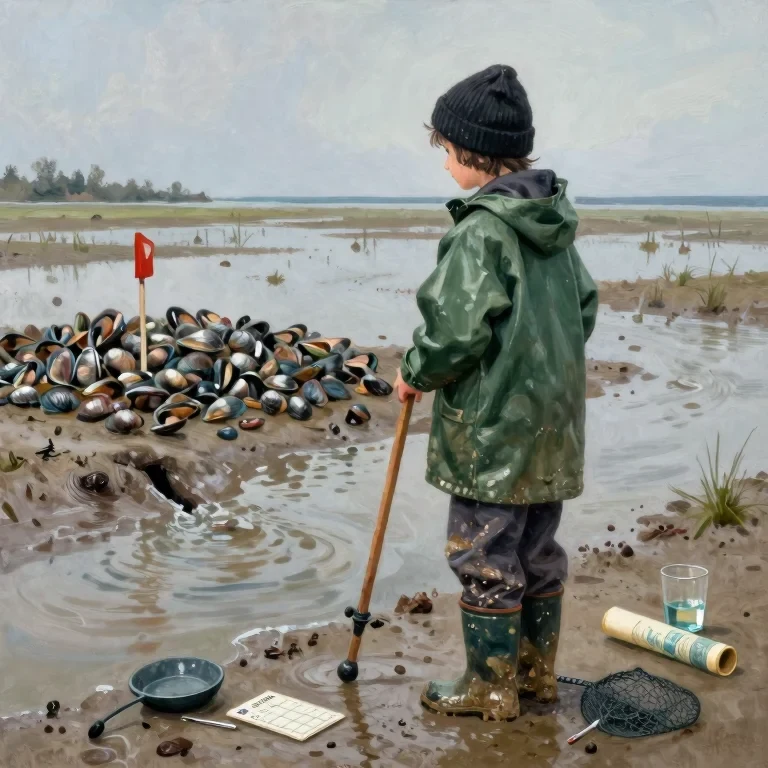
The thing he watched was how high the water came. Not the water in the harbour, which everybody could see from the road. The water on the marsh. The marsh sat below the mud at his feet and covered at the top of a big spring tide and then uncovered again, and all of it came from the tide running up out of the harbour and in over the flat through a gap in the bank that the sea had cut and kept cutting.
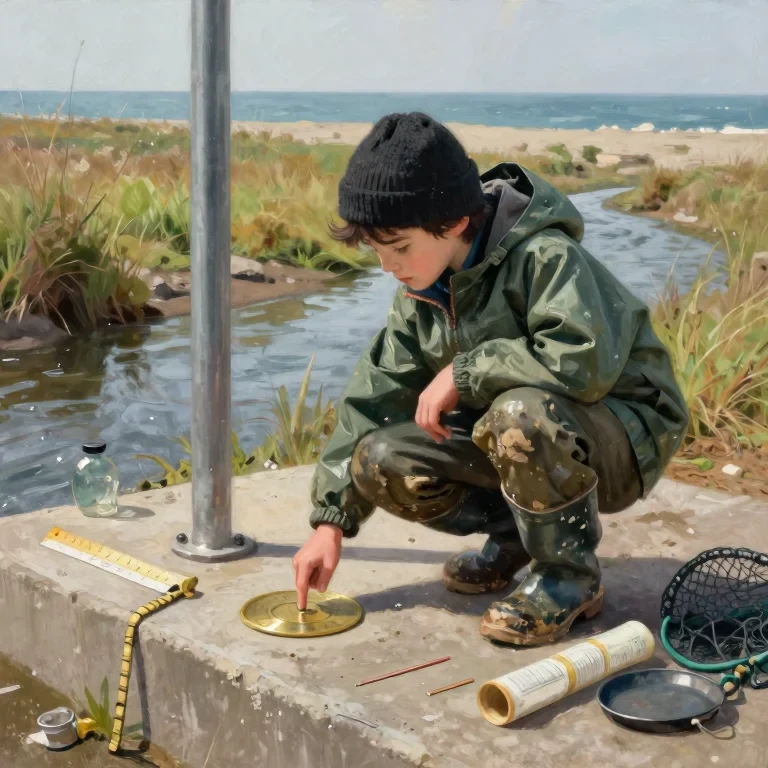
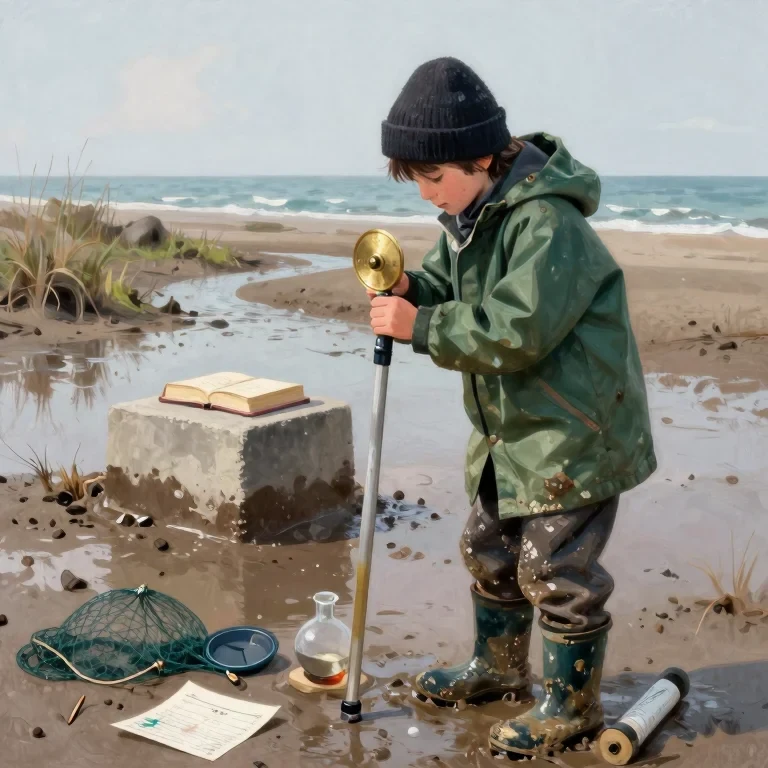
The marsh had been measured once, eighteen years before, by men from the council. They put a benchmark into the bank, a brass disc set in a block of concrete, levelled it off, and wrote a number on a plate on a steel pole beside it. That number was the marsh datum, and every measurement of the marsh since had been taken from it.
The reading that year had said the marsh flooded on eleven tides in the year. Eleven was a small number. Water comes onto a marsh to bring silt and to let the salt-tolerant plants breathe through their roots, and if it only came eleven times then the marsh was drying out. Dry saltmarsh goes bracken, then bare, then it lets go of the carbon it has been holding and the ground gets soft under it.
So the council put a plan up in the shed at the end of the wharf, on a board with a plastic sheet over it. Drain the marsh. Cut a channel out to the harbour, put the pump in, and turn the whole thing into pasture that would carry a thousand ewes. It would pay for itself in nine years, the sheet said. The meeting to sign it off was on the twentieth.
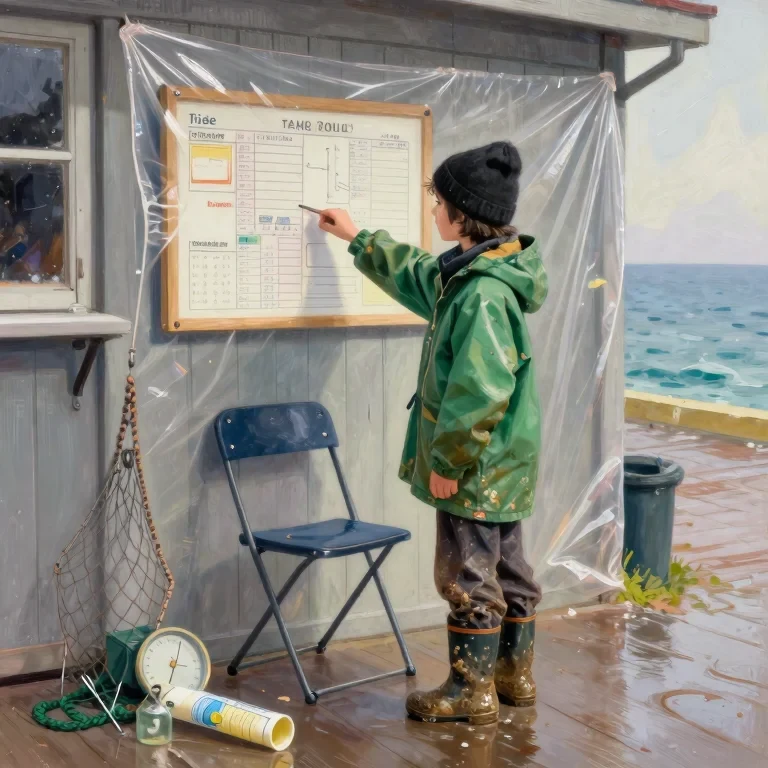
Tama went to the first one. He took his exercise book and read out his own figures, which was thirty one tides in one year, because he had been out to the pile twice a day for two years and wrote down every water he saw. The man from the engineering firm wrote a number on a whiteboard and did not argue with any part of it. He said thirty one was not a survey. He said a boy reading a stick was not a datum, and the marsh had a datum with a brass disc in it, and until somebody could tie the boy's numbers to that disc the numbers were not numbers. That was fair, and Tama knew it was fair on the day, and it took him two winters to see what it meant.
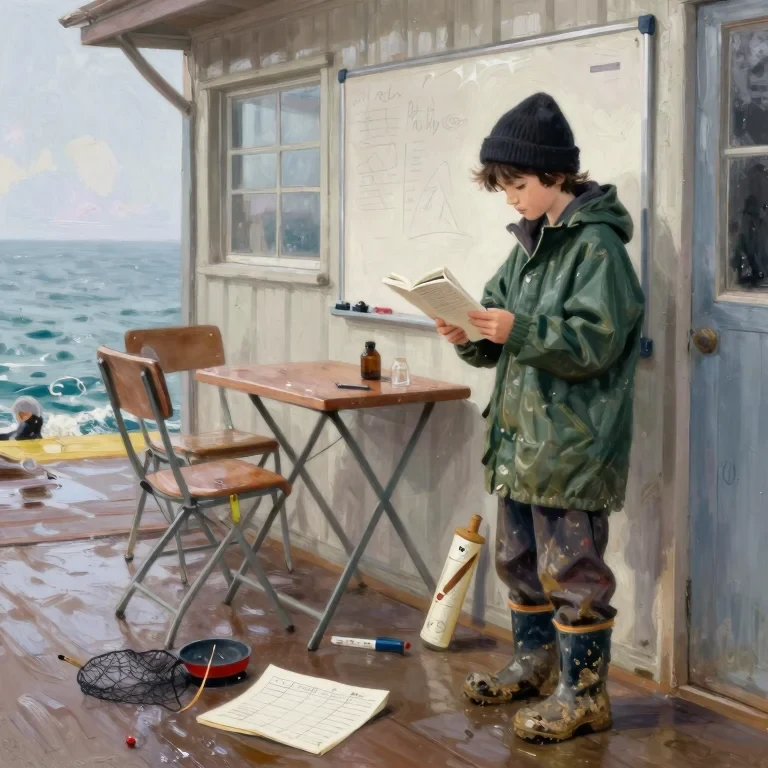
He started with the disc. It was two hundred and forty metres back from the wharf, up the creek, on the inside of a bank the tide was eating a hand's width a year. It sat at the top of a concrete block that went down into the mud, and above it was a plate with an arrow on it and a number that was not a level but a code, because the number anybody wanted was in a folder in an office in Blenheim.
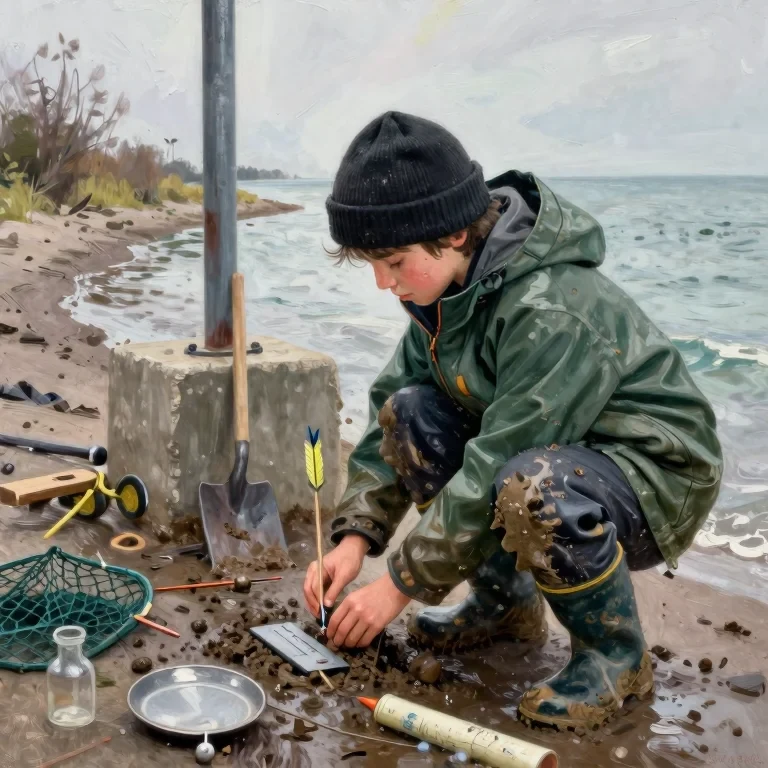
What he needed was one number. The height of the disc above mean sea level. Everything else in the marsh came off that number. With it he could say where his own staff began and how far up his stick the water had to get before it was on the marsh.
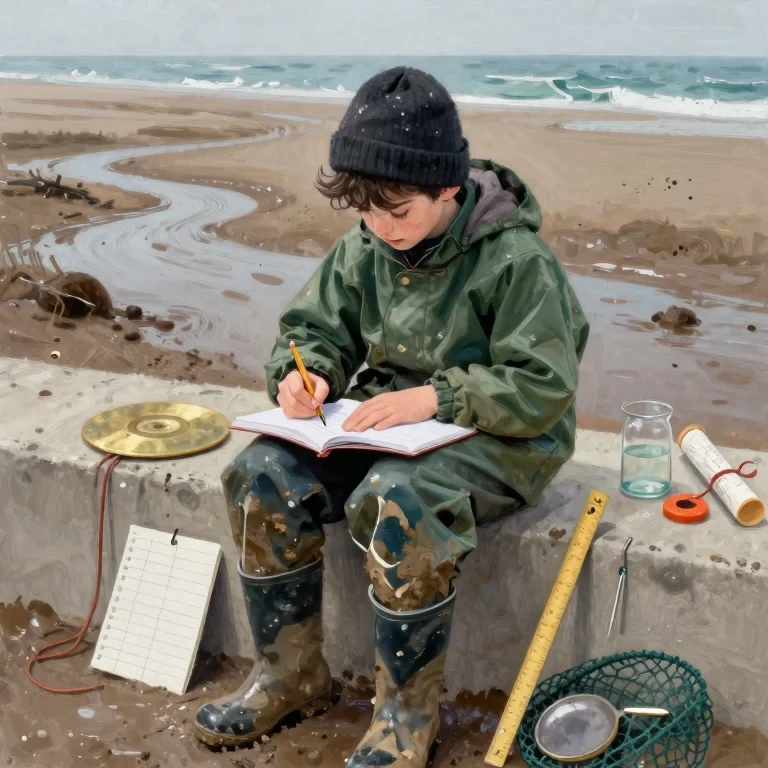
He could not level it. He tried, with a spirit level from the hardware shop, and the thing he did not know was that a spirit level shows you if a thing is level and not if it is level with where the sea is, and those are two different questions. He spent a weekend setting a scrap of timber across the block and looking through the bubble, and on the Sunday his father came out and looked over his shoulder and said the disc was four inches under the mud now and had been higher when he was young, and then went inside. That was the piece that broke the argument open, except it did not break it open for weeks, because Tama was fifteen and did not know what to do with a fact like that.
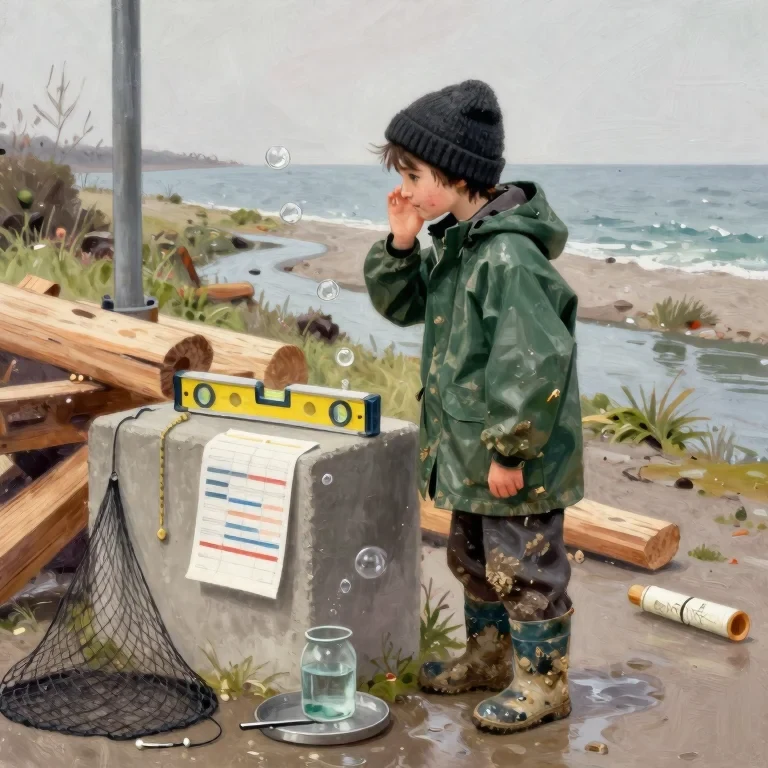
What he did next took the two winters. He stopped trusting the pile. The pile had been his tide staff for two years and he had read every water on it. But a pile is a bad tide gauge for two reasons and he learned both the hard way. The first is that a pile leans. He checked it with the plumb line off his father's tool roll and found the top had moved a foot and a bit sideways since 1934, which is nothing, unless you are reading a marsh off it. The second was worse. The barnacles. The pile grew upward as well as outward, so the surface he had been reading against was not the pile any more. It was a shell.
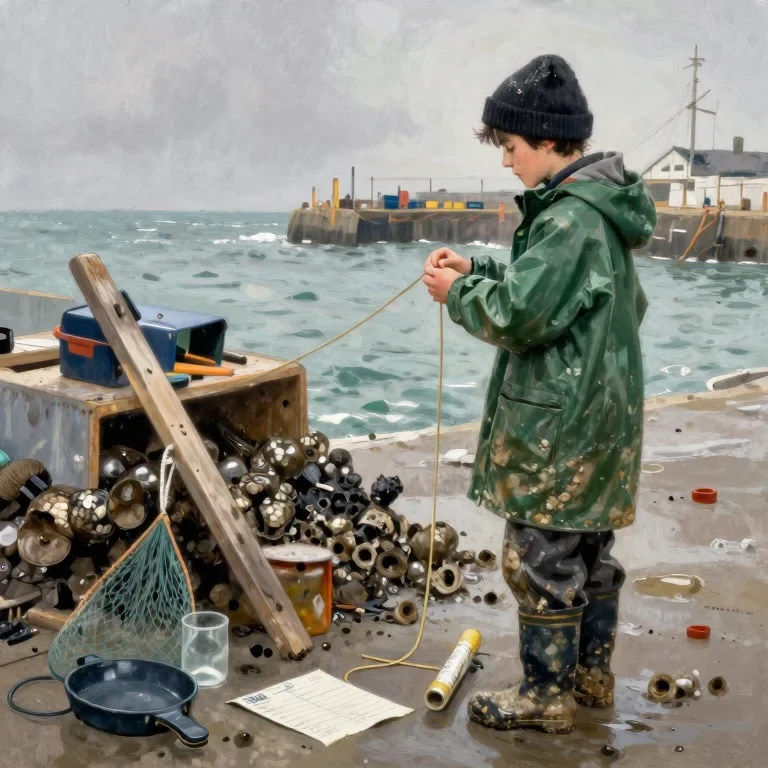
That meant every number in his two years of exercise books was measured from something that had moved, and had gone on moving, and had grown. Thirty one tides was thirty one tides off a moving object. He could not tell how far off, and that was the difficulty, because a wrong number you can correct is only sad. A number you cannot correct is just a belief. So he did the thing that took him the second winter. He made a datum of his own, out of a piece of pipe, and he did it badly, and he did it honestly.

He borrowed a length of galvanised pipe from his father's shed, one of the hundred and twenty mil pipes his father used for the drain runs, and cut it with the cold chisel on the step because it was too hard for the hacksaw and too heavy for the vice. He drove it into the marsh mud with a sledge and a hardwood wedge, thirty centimetres at a time, checking it stayed plumb with the line, until four hundred millimetres stood above the mud.
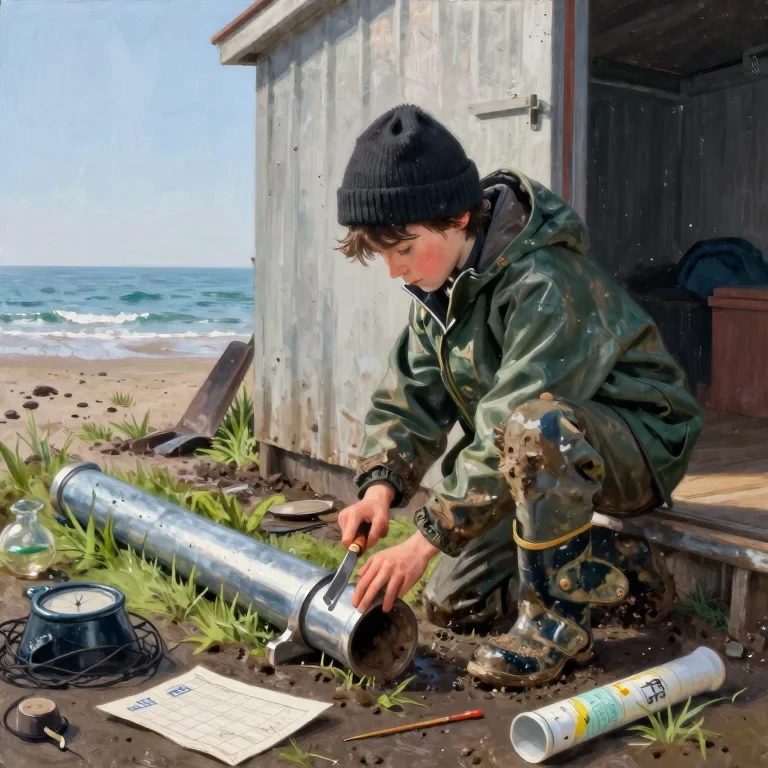
Then he cut the top of the pipe off square, tapped a thread into it, and screwed in a nut and a length of threaded rod he bought at the hardware shop for the price of a fish and chips. He painted the flat top with the same sanding seal. He called it the sill.
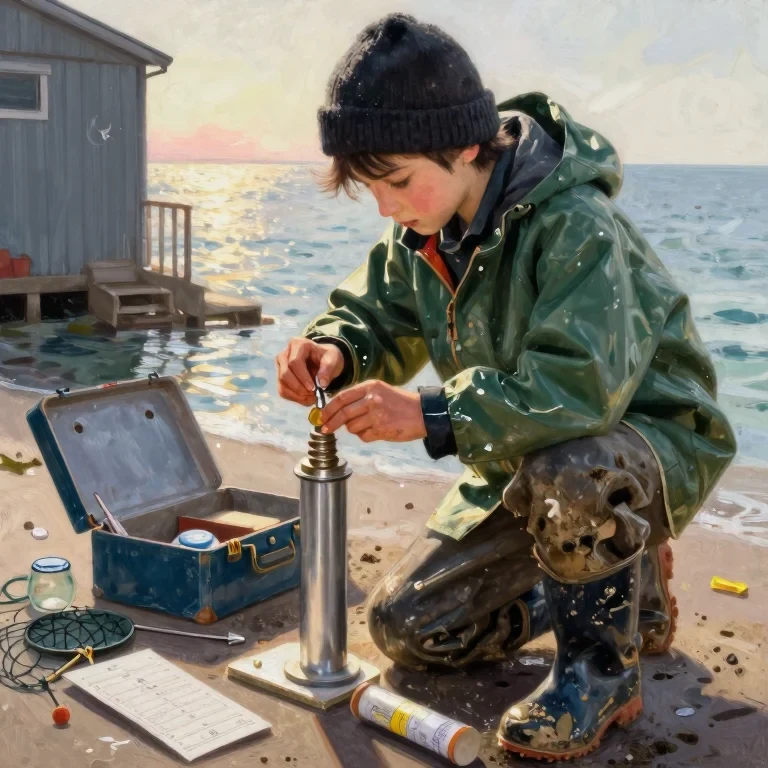
A pipe driven into the mud cannot lean, because a pipe in mud does not care about tides. A sill is a fixed height above a fixed place, and when the pipe eventually rots out and falls over, somebody can find where it stood and drive a new one beside it and know exactly what the old one said. A datum is not a number. A datum is a place you can keep going back to and a mark you can keep going back to, and without both, everything you measure is a rumour with a ruler in it.

It took him three weeks to drive and two days to paint. The pipe went into the mud at a spot he picked because the tide stopped short of it two days out of seven, the lowest place on the marsh that still had weed on it.
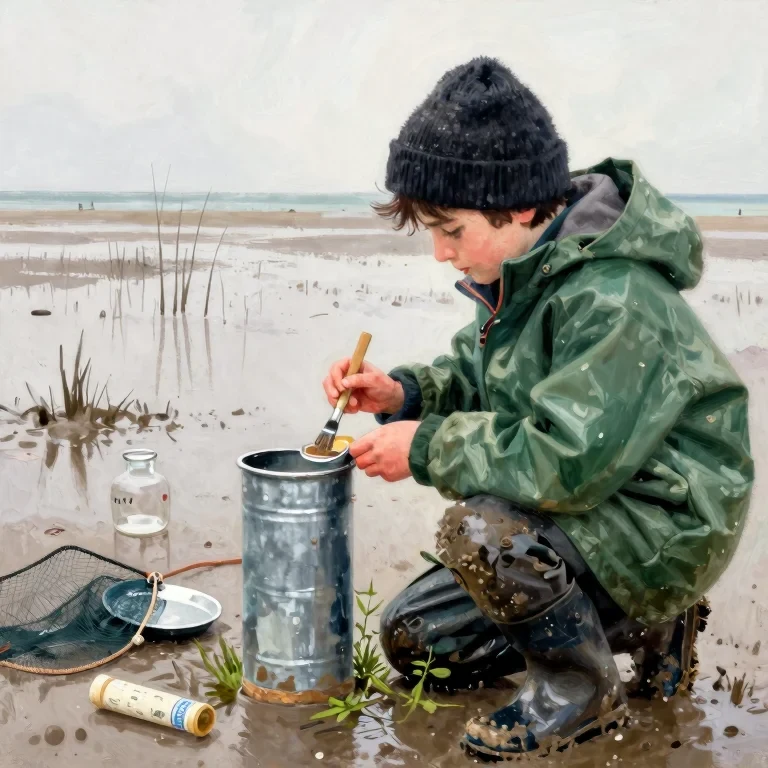
Then he read the sill, every time the tide turned, for a whole spring cycle. The numbers came out and they were nothing like thirty one. In one year off his own sill the marsh took the water on nineteen tides. Not thirty one. Not eleven. Nineteen.

And when he took the sill and the numbers down to the shed and told them he had a datum of his own now, the man from the engineering firm took a photocopy of the graph and did not say the boy was wrong. He took it to the office in Blenheim and came back with the survey sheet, and on it were two numbers. One was the flood tide count the surveyor had read off the disc, which was eleven. The other was the height of the marsh surface above that disc, in millimetres.
To set his own nineteen against the eleven, his sill would need a level, and there was nobody left who could give him one. So he waited three weeks while men from the council came out with a proper level and a folding staff, read the disc, then read his sill, and worked back to what the surveyor had written. His sill was thirty eight millimetres high. Every tide he had counted off it was a tide that had looked like a flood tide and had not quite got onto the marsh. Take them out and his year came to fifteen, not nineteen.
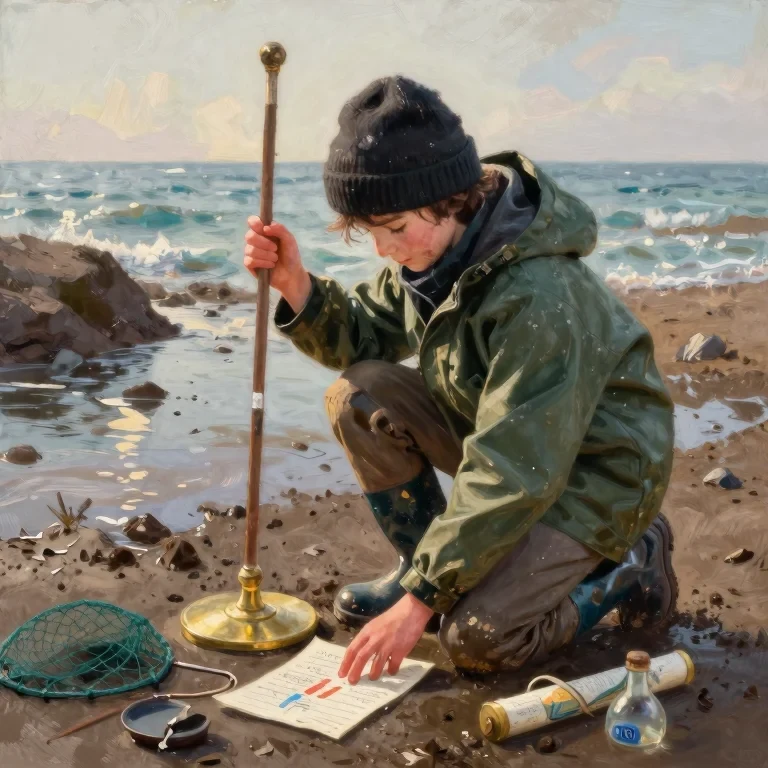
Then they read the second number. Eighteen years ago the marsh surface had been two hundred and ten millimetres above the survey disc. The man put the staff on the disc and on the mud and read the second number again, and the mud came to one hundred and twenty. Ninety millimetres in eighteen years. Five millimetres a year. The marsh was going down.
That was the piece nobody in the shed had. Fifteen floods against eleven, off the same disc, eighteen years apart, and everybody in that room had been treating more water as good news. It was the opposite. Silt was coming in on those tides and putting down a few millimetres a year, and the ground underneath was losing more than the silt could ever put back, squeezed out and burnt off under sixty years of sheep and drains. The marsh was not drying out. It was going down faster than the sea could fill it.

They did not drain it. It took two more meetings and the council brought in a person who did nothing but arithmetic, and the drain outlet that had been pumped for forty years was shut off, and the plan on the board came down and never went back up. Tama's sill is out there now, in the mud, rusted orange, with the arrow he scratched into the side of the nut in the first winter still on it. He checks it twice a day, out of habit more than duty, and writes the number in the exercise book his mother threw out. The old book is in the same bag.

The last entry in the old book is from the morning he found out about the barnacle. It gives the reading and the time, and then it says that all the numbers before are no good and that he is sorry to whoever reads this. He was fifteen. He did not know then that the numbers were wrong by thirty eight millimetres and no more, or that it would take two winters to find that out, or that the pile was the whole of the mistake. He knew only that he had written the number down every day and written it against the wrong thing, and that nobody had ever told him a wrong number does not get better the longer you keep it.

The new book has a column for the sill and a column for the pile, and the two columns have not agreed since the winter he learned what a datum is. He has stopped trying to make them agree. He keeps both.